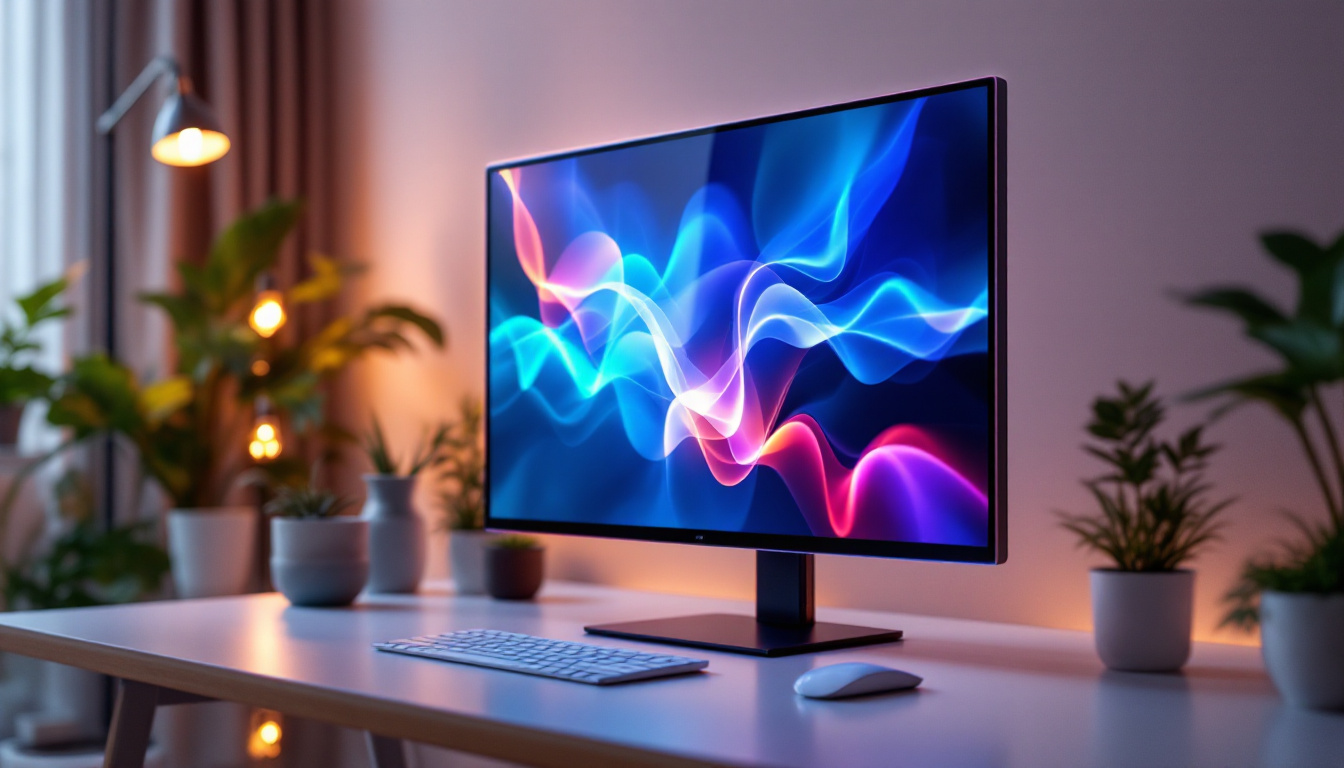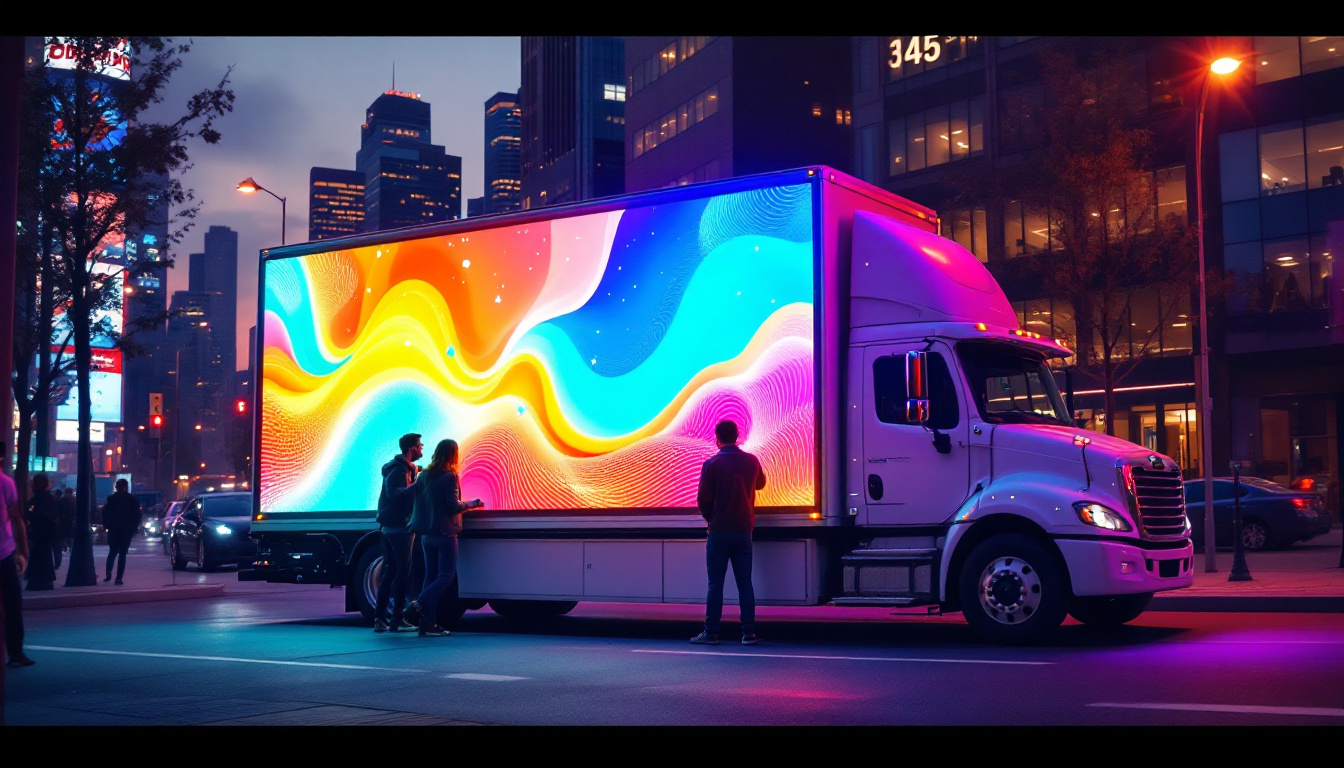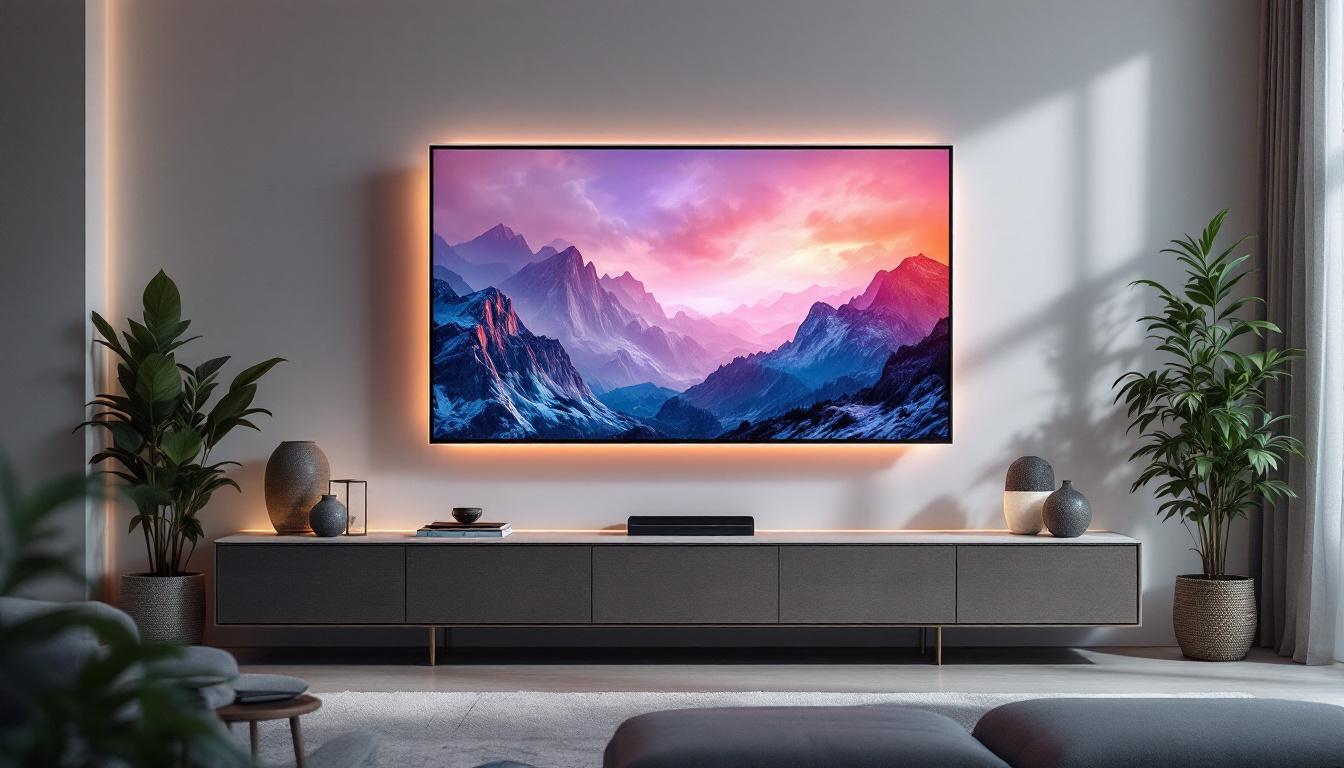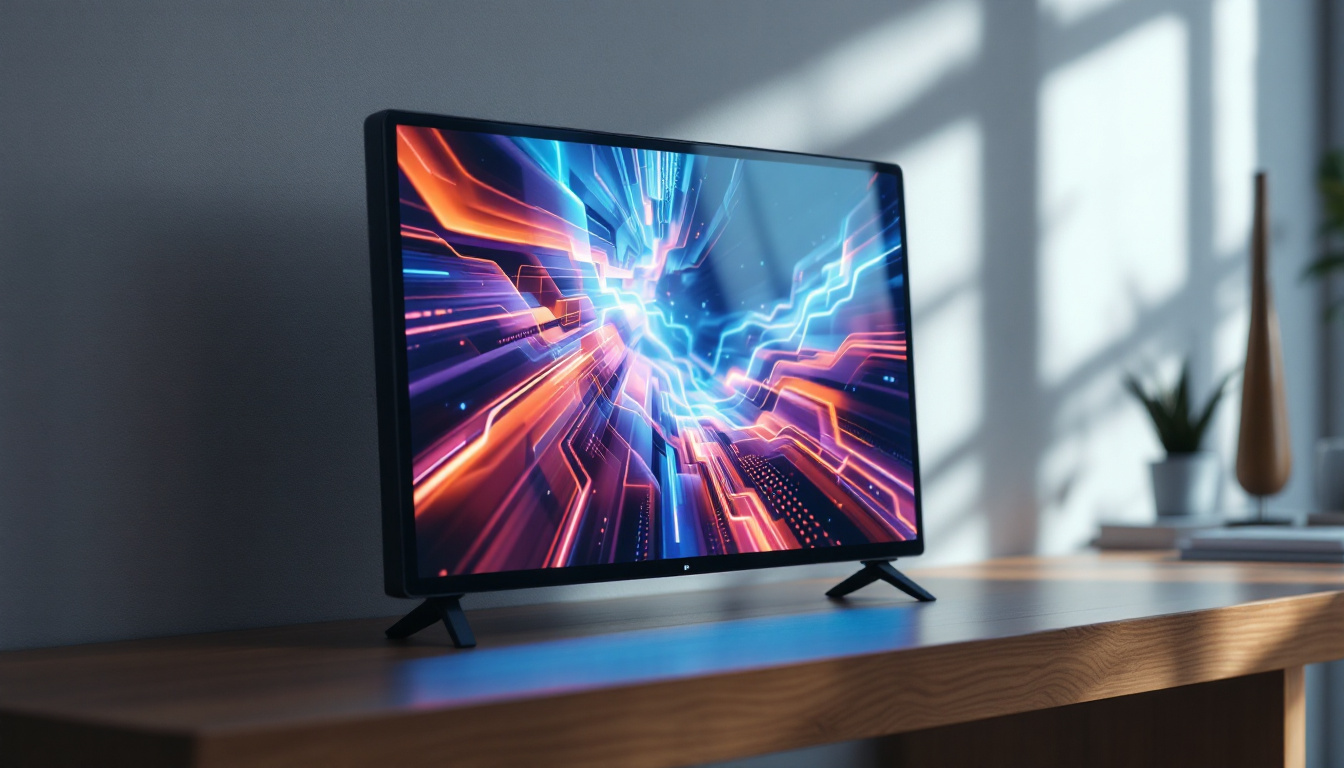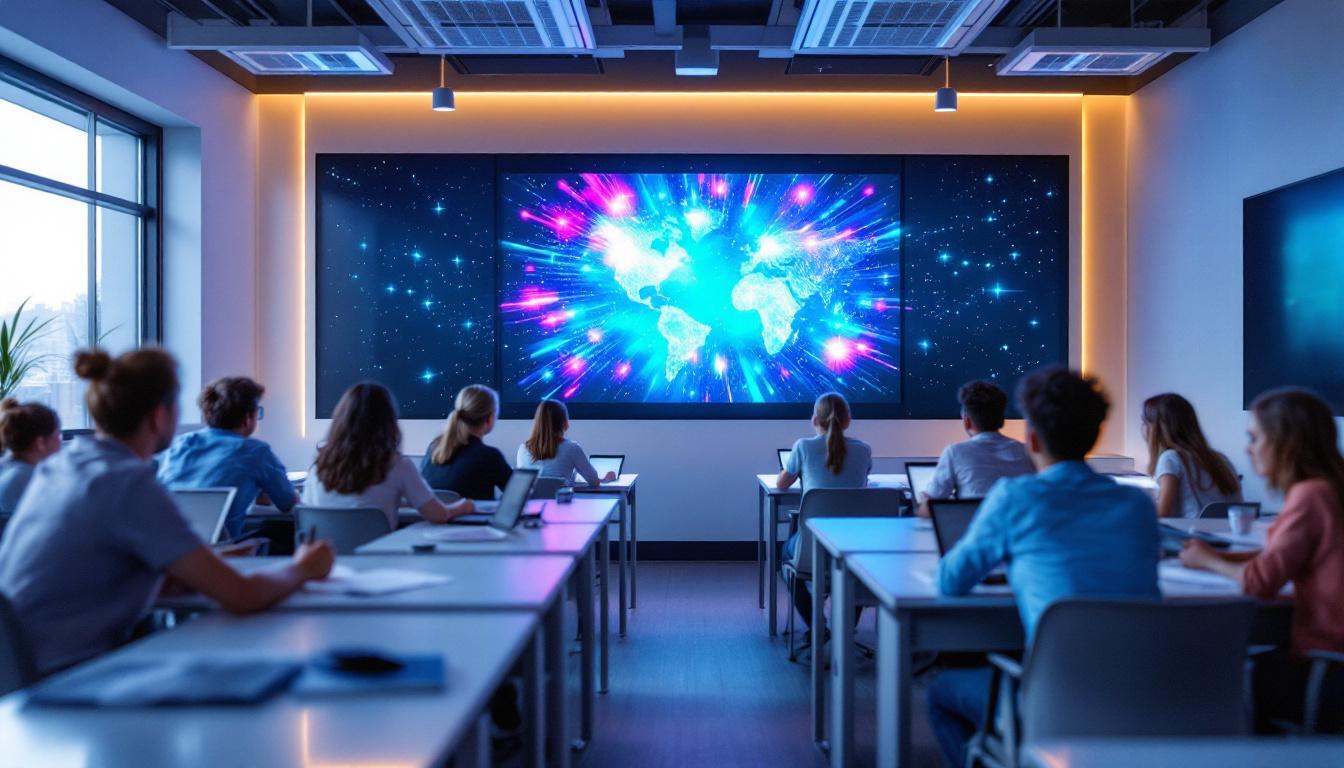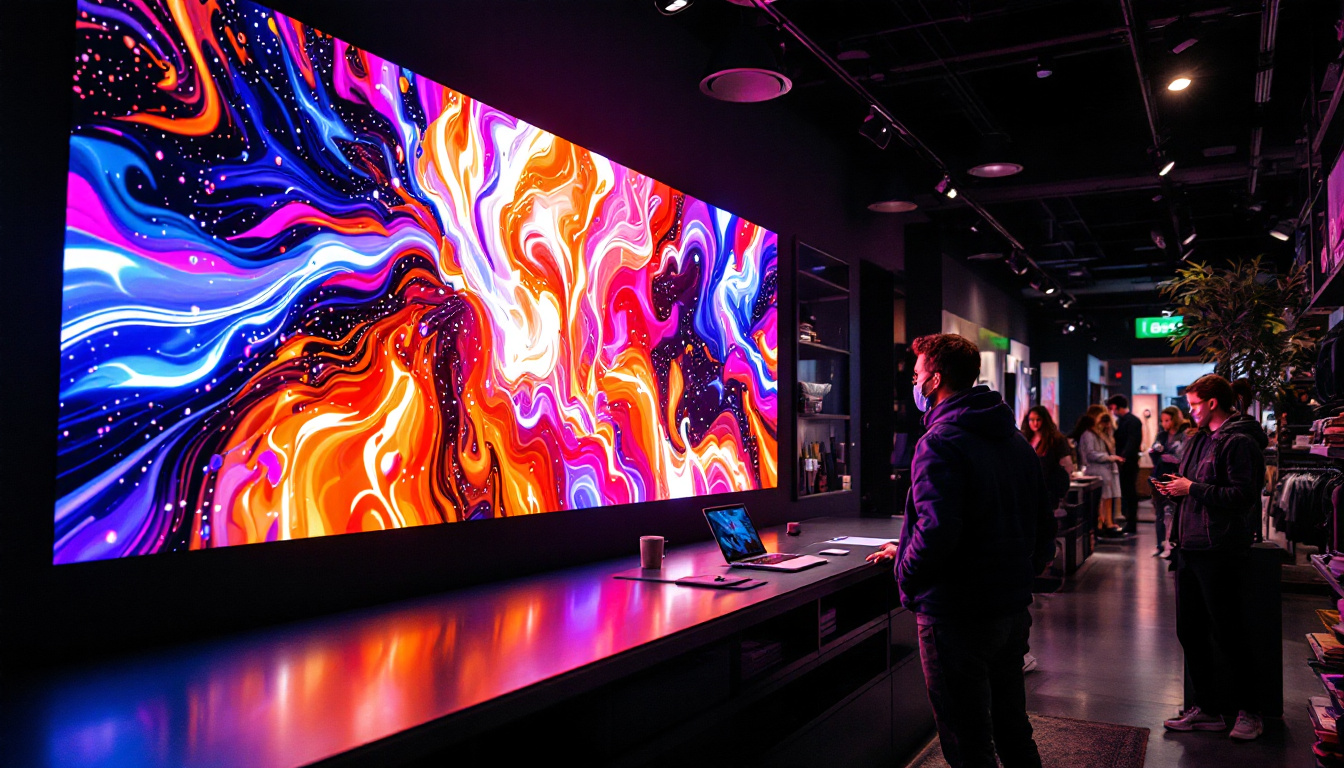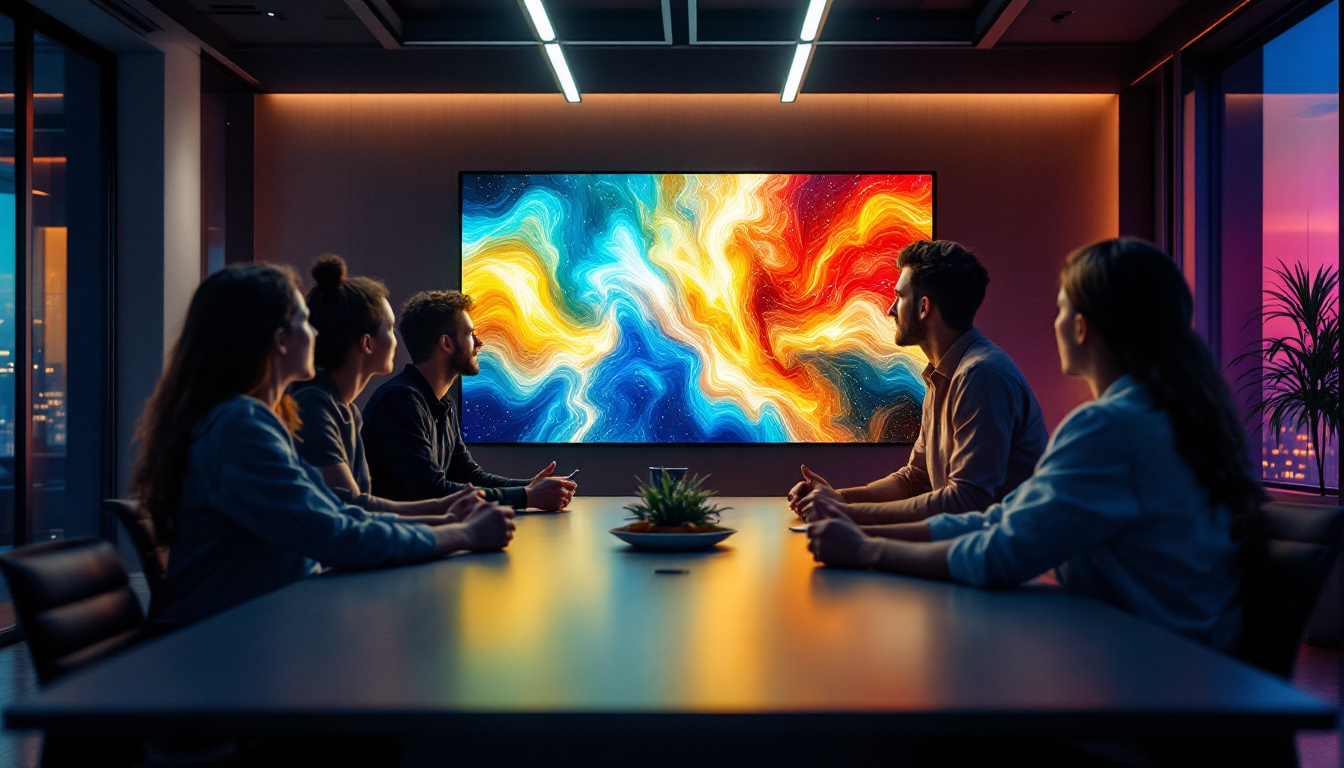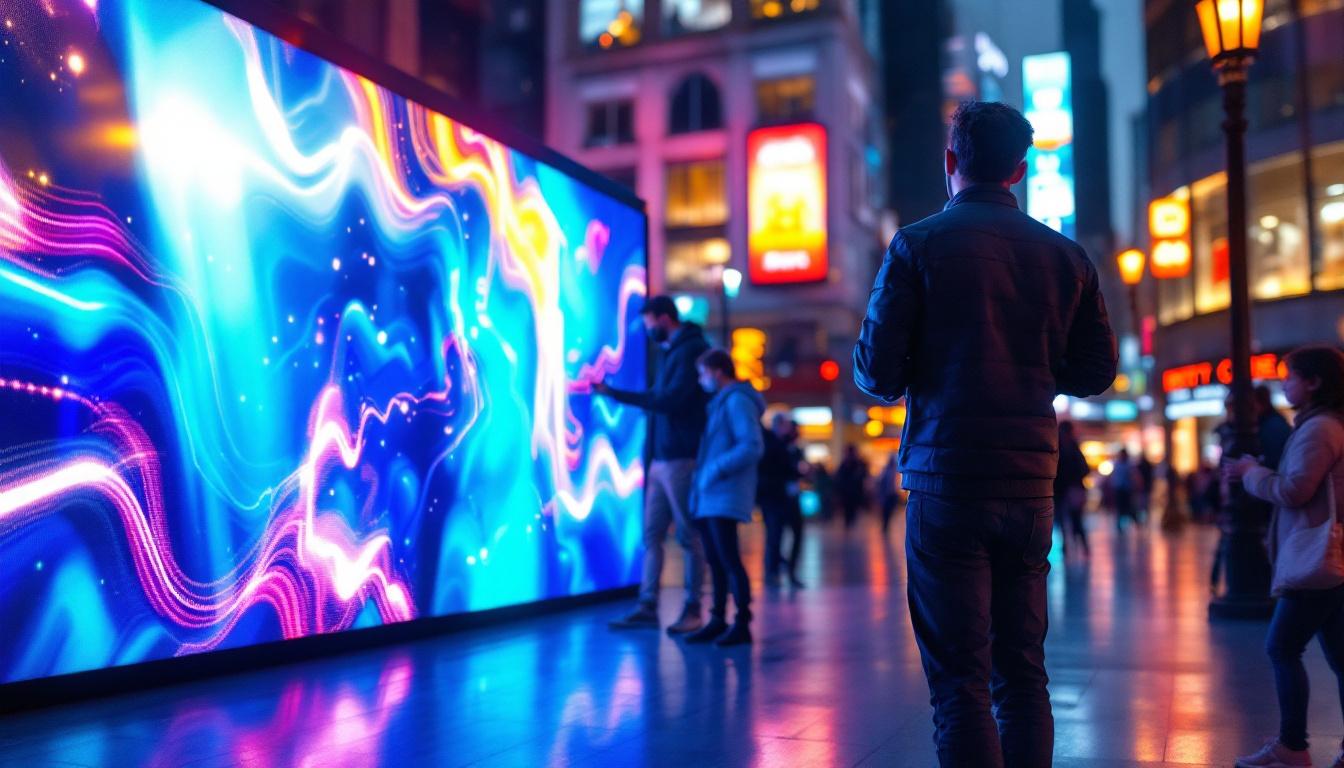
In the rapidly evolving world of display technology, roll up monitors equipped with LED displays are emerging as a game-changer. These innovative devices combine portability, flexibility, and high-quality visuals, making them ideal for professionals, gamers, and tech enthusiasts alike. This article delves into the technology behind roll up LED monitors, their advantages, practical applications, and what the future holds for this exciting display format.
Understanding Roll Up Monitors and LED Display Technology
What Is a Roll Up Monitor?
A roll up monitor is a flexible display device designed to be rolled or folded into a compact form for easy transport and storage. Unlike traditional rigid monitors, these displays leverage advanced materials and technologies to maintain image quality while offering unprecedented portability. The roll up monitor’s design caters to users who require a large screen but need the convenience of a lightweight, space-saving solution.
Typically, these monitors use organic light-emitting diode (OLED) or light-emitting diode (LED) technology to produce vibrant colors and sharp images on a flexible substrate. The ability to roll or fold the screen without damaging the display is a result of breakthroughs in flexible electronics and materials science. This innovation has opened up new possibilities for various applications, from business presentations to outdoor advertising, where portability and ease of use are paramount. Furthermore, the lightweight nature of roll up monitors makes them ideal for travel, allowing professionals to set up impressive displays in any environment without the burden of heavy equipment.
As technology continues to advance, manufacturers are exploring even more applications for roll up monitors, including integration with augmented reality (AR) and virtual reality (VR) systems. This could lead to immersive experiences where users can easily transport their displays to different locations, enhancing the versatility of both personal and professional use.
How LED Displays Work in Roll Up Monitors
LED displays in roll up monitors are made up of tiny light-emitting diodes arranged in a matrix that creates images when activated. Unlike LCDs, which require a backlight, LED displays emit their own light, resulting in higher contrast ratios, deeper blacks, and more vivid colors. This self-emissive property is crucial for maintaining image quality on a flexible surface.
In roll up monitors, the LED technology is adapted onto flexible substrates such as plastic or thin glass, allowing the display to bend without breaking the circuit. Advances in micro-LED and flexible OLED panels have been critical in achieving this balance between flexibility and performance. These displays also incorporate flexible printed circuit boards (FPCBs) and thin-film encapsulation techniques to protect the delicate components from environmental damage. The result is a robust display that can withstand the rigors of daily use while still delivering stunning visuals.
Moreover, the integration of smart technology into roll up monitors is paving the way for interactive displays that can respond to user input. Touch-sensitive surfaces and gesture recognition capabilities are being developed, allowing users to interact with the content in a more engaging manner. This evolution not only enhances the user experience but also expands the potential applications of roll up monitors in education, training, and entertainment sectors. As these technologies continue to mature, we can expect to see even more innovative uses for roll up monitors that blend convenience with cutting-edge display capabilities.
Advantages of Roll Up LED Monitors
Portability and Space Efficiency
One of the most compelling advantages of roll up LED monitors is their portability. Traditional monitors are bulky and fragile, making them impractical for mobile use. In contrast, roll up monitors can be easily transported in a backpack or briefcase, enabling users to set up a large screen anywhere—from coffee shops to client meetings.
This portability also translates into significant space savings. For users with limited desk space or those who frequently change work environments, a roll up monitor can be deployed and stowed away in seconds, freeing up valuable workspace.
High-Quality Visual Experience
Despite their flexible nature, roll up LED monitors do not compromise on display quality. Thanks to the inherent advantages of LED technology, these monitors offer vibrant colors, high brightness levels, and excellent contrast ratios. This makes them suitable for a wide range of applications, including graphic design, video editing, gaming, and professional presentations.
Moreover, the wide viewing angles typical of LED displays ensure that images remain consistent and clear from different perspectives, which is particularly useful in collaborative environments.
Durability and Flexibility
Roll up monitors are designed to withstand bending and rolling without damage, a feature made possible by advances in flexible materials and encapsulation techniques. This durability extends the lifespan of the device, reducing the risk of screen cracks and failures common in traditional monitors.
The flexibility also opens up new possibilities for ergonomic setups. Users can adjust the curvature or orientation of the screen to reduce glare, minimize eye strain, or fit into unconventional spaces.
Applications of Roll Up LED Monitors
Professional and Business Use
In professional settings, roll up LED monitors offer a versatile solution for presentations, remote work, and collaborative projects. Sales teams and consultants benefit from the ability to carry a large, high-quality display to client sites without the logistical challenges of transporting traditional monitors.
Additionally, the quick setup and teardown times streamline workflows during conferences and trade shows, where visual impact is critical. The ability to display crisp, colorful graphics and videos enhances communication and engagement with audiences.
Creative Industries and Content Creation
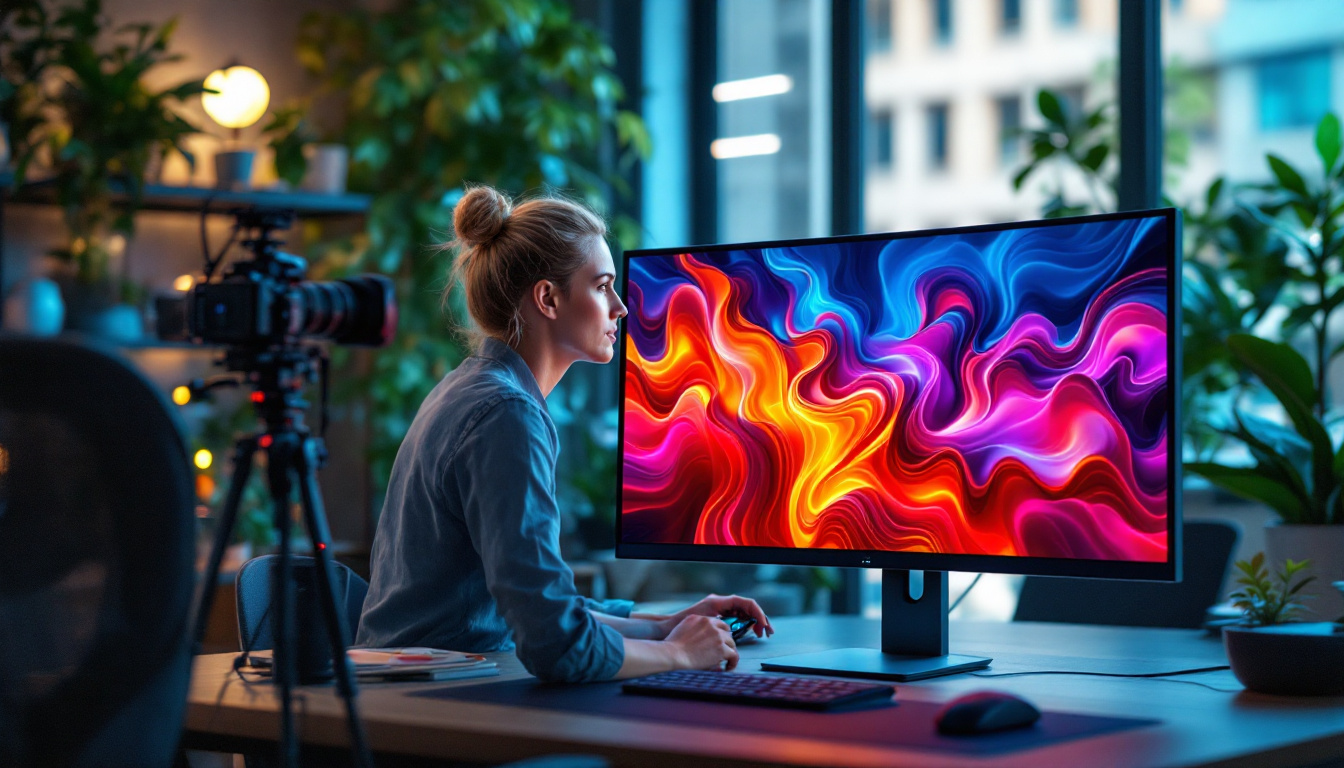
Graphic designers, video editors, and photographers often require color-accurate, high-resolution displays for their work. Roll up LED monitors cater to these needs while offering the flexibility to work in various locations. The portability allows creative professionals to collaborate in studios, on-location shoots, or client offices without compromising on display quality.
Furthermore, the flexibility of these monitors supports innovative workflows, such as curved displays for immersive editing experiences or multi-monitor setups that can be easily configured and transported.
Gaming and Entertainment
Gamers are increasingly drawn to roll up LED monitors for their combination of portability and performance. The high refresh rates and low latency typical of LED displays enhance gaming experiences, while the ability to transport a large screen to different locations is a significant advantage for competitive gamers and streamers.
In entertainment, roll up monitors can serve as portable screens for watching movies or streaming content during travel or outdoor activities. Their bright, vivid displays perform well even in environments with ambient light, making them versatile for various viewing conditions.
Challenges and Considerations
Cost and Market Availability
While roll up LED monitors represent a significant technological advancement, their adoption is currently limited by cost. The manufacturing processes for flexible displays are complex and require specialized materials, leading to higher prices compared to traditional monitors.
As production scales and technology matures, prices are expected to decrease, making roll up monitors more accessible to a broader audience. Early adopters and professionals who prioritize portability and display quality are currently the primary market segments.
Technical Limitations
Despite impressive progress, roll up monitors still face technical challenges. For example, achieving uniform brightness and color accuracy across a flexible surface can be difficult. Additionally, the durability of flexible displays under repeated rolling and unrolling cycles is an area of ongoing research.
Battery life and connectivity options also require optimization to ensure that portable roll up monitors can operate independently without frequent recharging or reliance on external devices.
Compatibility and Use Cases
Another consideration is compatibility with existing devices and software. Roll up monitors typically connect via USB-C or HDMI, but users must ensure their laptops, gaming consoles, or other devices support these connections and resolutions.
Moreover, while roll up monitors excel in portability, they may not yet replace traditional monitors for users requiring ultra-high resolutions or specialized features like touch input or stylus support.
The Future of Roll Up LED Displays
Technological Innovations on the Horizon
Research in flexible electronics continues to push the boundaries of what roll up LED monitors can achieve. Emerging technologies such as micro-LEDs promise even higher brightness, better energy efficiency, and longer lifespans. Additionally, advances in materials science may lead to displays that are not only rollable but also foldable or stretchable.
Integration with smart technologies, including touch sensitivity, voice control, and augmented reality (AR), could transform roll up monitors into multifunctional devices that adapt to diverse user needs.
Expanding Market Adoption
As manufacturing costs decline and product offerings diversify, roll up LED monitors are poised to enter mainstream markets. This expansion will likely be driven by sectors such as education, healthcare, and mobile workforces, where portability and display quality are increasingly valued.
Consumer electronics companies are expected to introduce a wider range of models, catering to different price points and use cases, from casual users to professionals requiring color-accurate displays.
Environmental Impact and Sustainability
Flexible LED displays also offer potential environmental benefits. Their lightweight design reduces shipping emissions, and advances in recyclable materials could make roll up monitors more sustainable. Manufacturers are exploring eco-friendly production methods and end-of-life recycling programs to minimize the environmental footprint of these devices.
As consumers become more environmentally conscious, sustainability will become a key factor influencing the design and adoption of roll up monitors.
Conclusion
Roll up monitors featuring LED display technology represent a significant leap forward in portable display solutions. Their combination of flexibility, high-quality visuals, and portability addresses many limitations of traditional monitors, making them attractive for a wide range of users. While challenges related to cost, durability, and technical performance remain, ongoing innovations promise to overcome these hurdles.
As the technology matures and market adoption grows, roll up LED monitors are set to redefine how people interact with digital content on the go, offering new possibilities for work, creativity, gaming, and entertainment. Keeping an eye on this evolving technology will be essential for anyone interested in the future of display innovation.
Discover the Future of Display with LumenMatrix
Ready to experience the cutting-edge of roll up LED display technology? LumenMatrix is at the forefront of this innovative frontier, offering a wide array of LED display solutions that cater to your every need. Whether you’re looking to enhance your professional presentations, captivate your audience with dynamic visual content, or elevate your gaming and entertainment setup, LumenMatrix has the perfect solution for you. Embrace the future of visual communication and check out LumenMatrix LED Display Solutions today to bring your digital interactions to life.