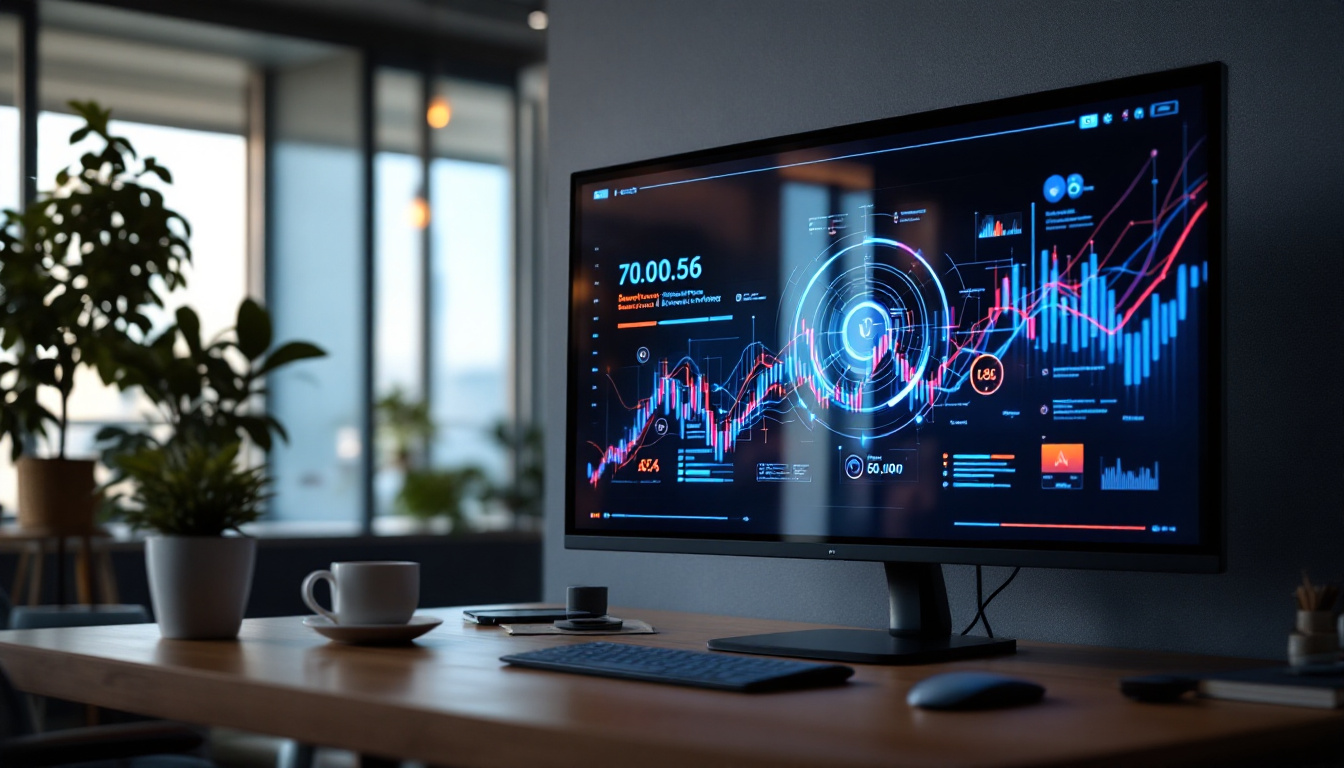
In today’s fast-paced digital environment, wall mountable touch screen computers have become indispensable tools across various industries. From healthcare and retail to manufacturing and smart homes, these devices combine interactive computing with space-saving design. A critical component that defines the quality and performance of these systems is the LED display technology they employ. Understanding how LED displays work and their advantages can help businesses and consumers make informed decisions when selecting wall mountable touch screen computers.
What Is a Wall Mountable Touch Screen Computer?
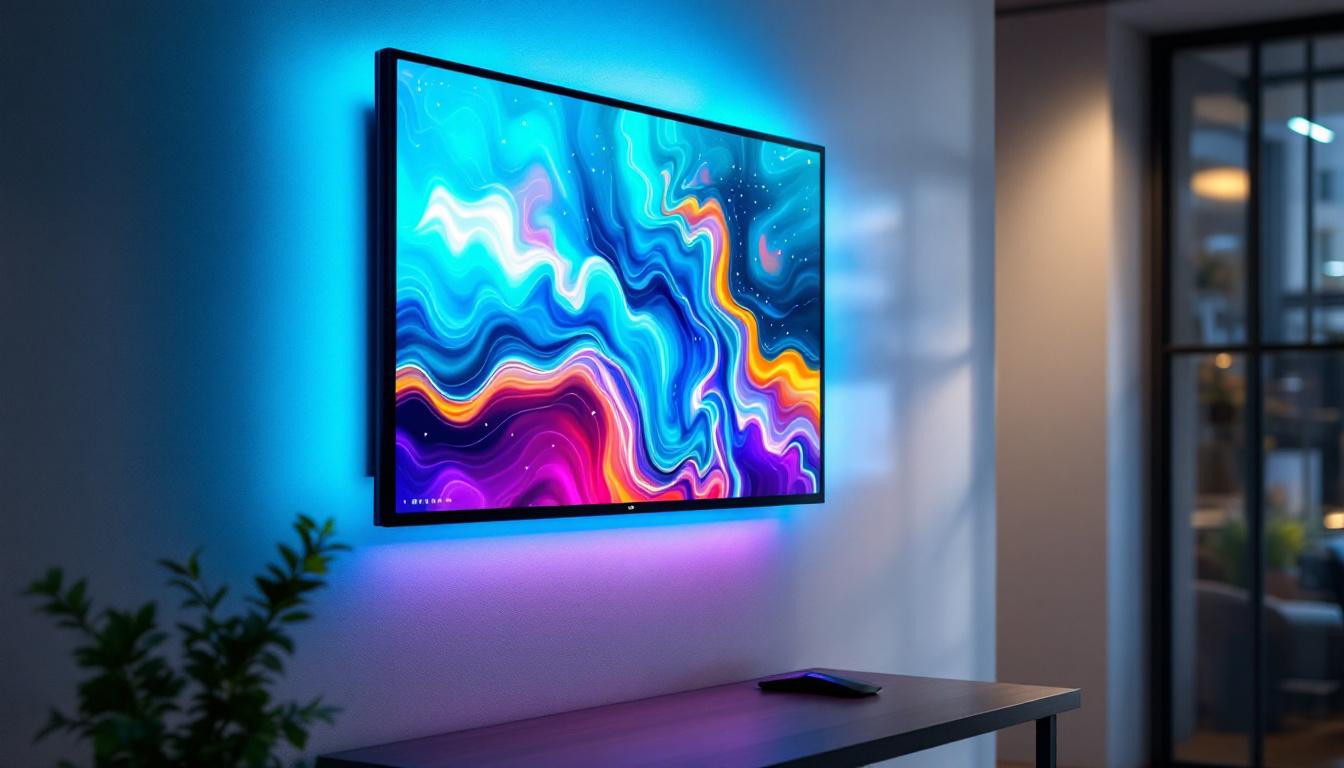
A wall mountable touch screen computer is an all-in-one device that integrates a computer system with a touch-sensitive display, designed to be mounted on a wall. Unlike traditional desktops or laptops, these units are streamlined for fixed installation, offering a clean, modern look while saving valuable desk space.
These devices typically include a high-resolution display, touchscreen capabilities (such as capacitive or resistive touch), and internal computing hardware that can run various applications. They are widely used for interactive kiosks, digital signage, control panels, point-of-sale (POS) systems, and more.
Why Choose Wall Mountable Touch Screen Computers?
The primary benefits include:
- Space Efficiency: Wall mounting frees up desk or counter space, ideal for environments with limited room.
- Accessibility: Positioned at eye level, these devices offer ergonomic ease of use for users of varying heights.
- Durability and Security: Many models are designed with rugged enclosures and tamper-resistant features, making them suitable for public or industrial settings.
- Seamless Integration: They can be integrated into existing infrastructure, such as smart home systems or enterprise networks.
Understanding LED Display Technology
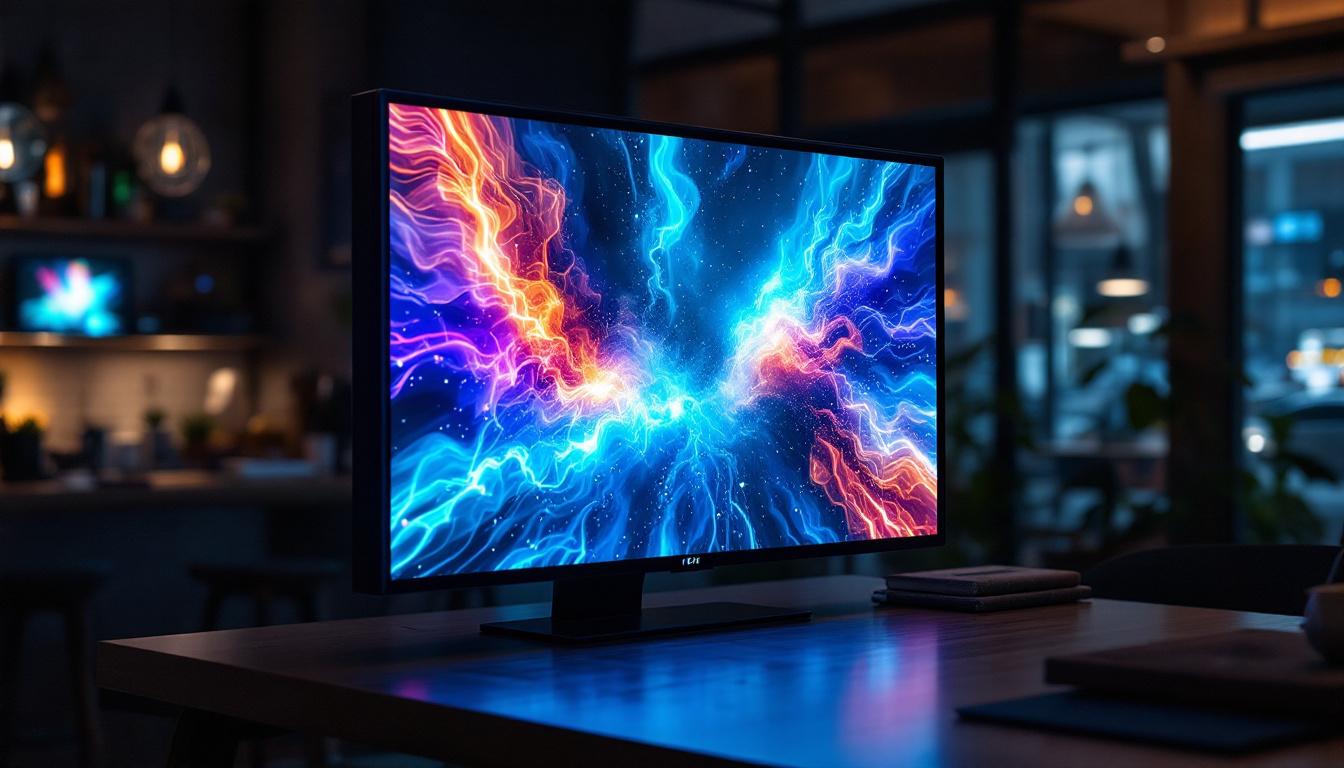
The LED (Light Emitting Diode) display is the backbone of modern touch screen computers, providing bright, vivid images and responsive touch interaction. To appreciate why LED displays are preferred, it’s essential to understand their structure, types, and how they differ from other display technologies.
What Is an LED Display?
An LED display consists of an array of tiny light-emitting diodes that illuminate pixels on the screen. These diodes emit light when an electric current passes through them, enabling the display to produce images with high brightness and contrast. LED displays are known for their energy efficiency, longevity, and superior color reproduction compared to older technologies like LCDs with CCFL backlighting.
Types of LED Displays in Touch Screen Computers
There are primarily two types of LED displays used in wall mountable touch screen computers:
- Edge-Lit LED Displays: In this design, LEDs are placed along the edges of the screen. Light is diffused across the display panel to create uniform brightness. Edge-lit displays are thinner and more energy-efficient but may have less uniform brightness compared to direct-lit displays.
- Direct-Lit or Full-Array LED Displays: Here, LEDs are placed directly behind the entire display area. This allows for better control of brightness and contrast, often supporting local dimming for enhanced image quality. These displays tend to be thicker but offer superior picture quality.
In recent years, OLED (Organic LED) technology has also emerged, offering even better contrast and color accuracy, but it remains less common in wall mountable touch screen computers due to cost and durability considerations.
Key Advantages of LED Displays in Wall Mountable Touch Screen Computers
LED displays bring several important benefits that make them the preferred choice for touch screen computers mounted on walls.
1. Superior Brightness and Visibility
One of the standout features of LED displays is their high brightness levels. Typical LED screens can reach brightness levels of 300 to 1000 nits or more, which is significantly higher than traditional LCDs with fluorescent backlighting. This makes them highly visible even in brightly lit environments such as retail stores, hospitals, or manufacturing floors.
For example, in a hospital setting, a wall mountable touch screen computer with an LED display can be used for patient check-in or nurse station monitoring, where clear visibility under various lighting conditions is critical.
2. Energy Efficiency
LED technology consumes less power compared to older backlighting methods. This energy efficiency translates to lower operational costs, especially when devices run continuously throughout the day. For businesses managing large fleets of such devices, the cumulative energy savings can be substantial.
3. Long Lifespan and Reliability
LED displays typically offer longer lifespans, often exceeding 50,000 hours of operation. This durability is essential for wall mountable touch screen computers used in commercial or industrial environments where downtime can be costly.
4. Enhanced Color Accuracy and Contrast
LED displays provide vibrant colors and deep blacks, improving the overall user experience. This is particularly important for applications involving detailed graphics, video playback, or interfaces that require precise color differentiation.
5. Slim and Lightweight Design
Because LEDs are small and efficient, manufacturers can produce thinner and lighter displays. This contributes to the sleek aesthetic of wall mountable touch screen computers and simplifies installation.
Touch Screen Technologies Integrated with LED Displays
The interactive element of wall mountable computers depends heavily on the touch screen technology used. While the LED display provides the visual output, the touch sensor detects user input. The most common touch technologies paired with LED displays include:
Capacitive Touch Screens
Capacitive touch screens use the electrical properties of the human body to detect touch. They are highly responsive, support multi-touch gestures, and offer excellent clarity since they require fewer layers over the display. These screens are widely used in consumer electronics and professional environments due to their durability and smooth user experience.
Resistive Touch Screens
Resistive touch technology relies on pressure applied to the screen, which makes it compatible with gloves or styluses. While resistive screens tend to have lower clarity and responsiveness compared to capacitive screens, they are often favored in industrial or medical settings where users may wear gloves.
Projected Capacitive (PCAP) Touch Screens
PCAP technology is an advanced form of capacitive touch that supports multi-touch and gestures with high precision. It is commonly used in high-end wall mountable touch screen computers, providing a seamless and intuitive user interface.
Applications of Wall Mountable Touch Screen Computers with LED Displays
The combination of LED display technology and touch interactivity makes these devices versatile across numerous applications.
Healthcare
Hospitals and clinics use wall mountable touch screen computers for patient check-in kiosks, electronic health record (EHR) access, and nurse station monitoring. The bright LED displays ensure readability under various lighting conditions, while touch functionality streamlines workflows and reduces the need for physical paperwork.
Retail and Hospitality
In retail, these devices serve as interactive product catalogs, self-service checkout terminals, or digital signage. LED displays attract customers with vivid visuals, and touch screens enable easy navigation through product options or menus. In hospitality, they are used for guest check-in, concierge services, and interactive directories.
Industrial and Manufacturing
Wall mountable touch screen computers are integrated into control panels and monitoring stations on factory floors. The rugged design and LED display’s visibility under harsh lighting conditions make them ideal for real-time data visualization and equipment control.
Smart Homes and Offices
Smart home systems utilize these devices as centralized control hubs for lighting, security, climate, and entertainment systems. The LED display’s clarity and touch responsiveness enhance user interaction, making home automation more accessible and intuitive.
Choosing the Right Wall Mountable Touch Screen Computer with LED Display
Selecting the appropriate device requires considering several factors to ensure it meets the specific needs of the intended environment and application.
Display Size and Resolution
Depending on the use case, display sizes can range from 10 inches for compact kiosks to 32 inches or more for detailed monitoring stations. Higher resolution (Full HD or 4K) is beneficial for applications requiring fine detail, such as medical imaging or design work.
Touch Technology
Choose between capacitive, resistive, or PCAP touch based on user interaction requirements and environmental conditions. For example, resistive touch is better suited for environments where gloves are worn, while capacitive touch offers superior responsiveness for general use.
Durability and Environmental Ratings
Look for devices with appropriate Ingress Protection (IP) ratings if the computer will be exposed to dust, moisture, or cleaning agents. Ruggedized enclosures and vandal-resistant glass are important for public or industrial settings.
Connectivity and Integration
Ensure the device supports necessary interfaces such as USB, Ethernet, Wi-Fi, and Bluetooth. Compatibility with existing software platforms and network infrastructure is essential for seamless integration.
Power Consumption and Heat Management
Energy-efficient LED displays reduce power costs, but also consider the device’s heat dissipation mechanisms, especially in enclosed or high-usage environments, to maintain performance and longevity.
Future Trends in Wall Mountable Touch Screen Computers and LED Displays
The evolution of LED technology and touch screen computing continues to drive innovation in this sector.
Mini-LED and Micro-LED Displays
Emerging display technologies such as Mini-LED and Micro-LED offer even higher brightness, better contrast ratios, and improved energy efficiency. These advancements promise thinner, more vibrant displays that could redefine the visual experience in wall mountable touch screen computers.
Flexible and Transparent Displays
Research into flexible and transparent LED displays may soon enable new form factors and installation options, expanding the possibilities for wall-mounted interactive systems.
Artificial Intelligence Integration
AI-powered touch screen computers can provide smarter interfaces, predictive analytics, and enhanced user personalization. Coupled with high-quality LED displays, these systems will offer more intuitive and dynamic user experiences.
Conclusion
Wall mountable touch screen computers equipped with LED displays represent a powerful convergence of interactive technology and visual excellence. Their bright, energy-efficient, and durable LED screens combined with responsive touch capabilities make them ideal for a wide range of applications from healthcare to retail and industrial environments.
Understanding the nuances of LED display technology, touch screen options, and application-specific requirements is crucial for selecting the right device. As LED technology continues to advance, these systems will become even more versatile, efficient, and visually stunning, shaping the future of interactive computing in fixed installations.
For organizations and individuals seeking reliable, high-performance wall mountable touch screen computers, investing in LED display technology ensures a balance of quality, longevity, and user satisfaction.
Discover LumenMatrix’s Advanced LED Display Solutions
Ready to elevate your interactive computing experience with superior LED display technology? LumenMatrix is at the forefront of innovation, offering a wide array of LED display solutions tailored to meet your needs. From captivating Indoor LED Walls to dynamic Outdoor LED Displays, and from versatile Vehicle LED Displays to sleek LED Poster Displays, our products are designed to enhance engagement and communicate your message with unparalleled clarity. Explore our cutting-edge LED Sports Displays, interactive Floor LED Displays, and the revolutionary All-in-One and Custom LED Display options. Experience the future of visual communication with LumenMatrix’s LED Transparent Displays. Check out LumenMatrix LED Display Solutions and transform your space into a hub of interaction and visual storytelling.