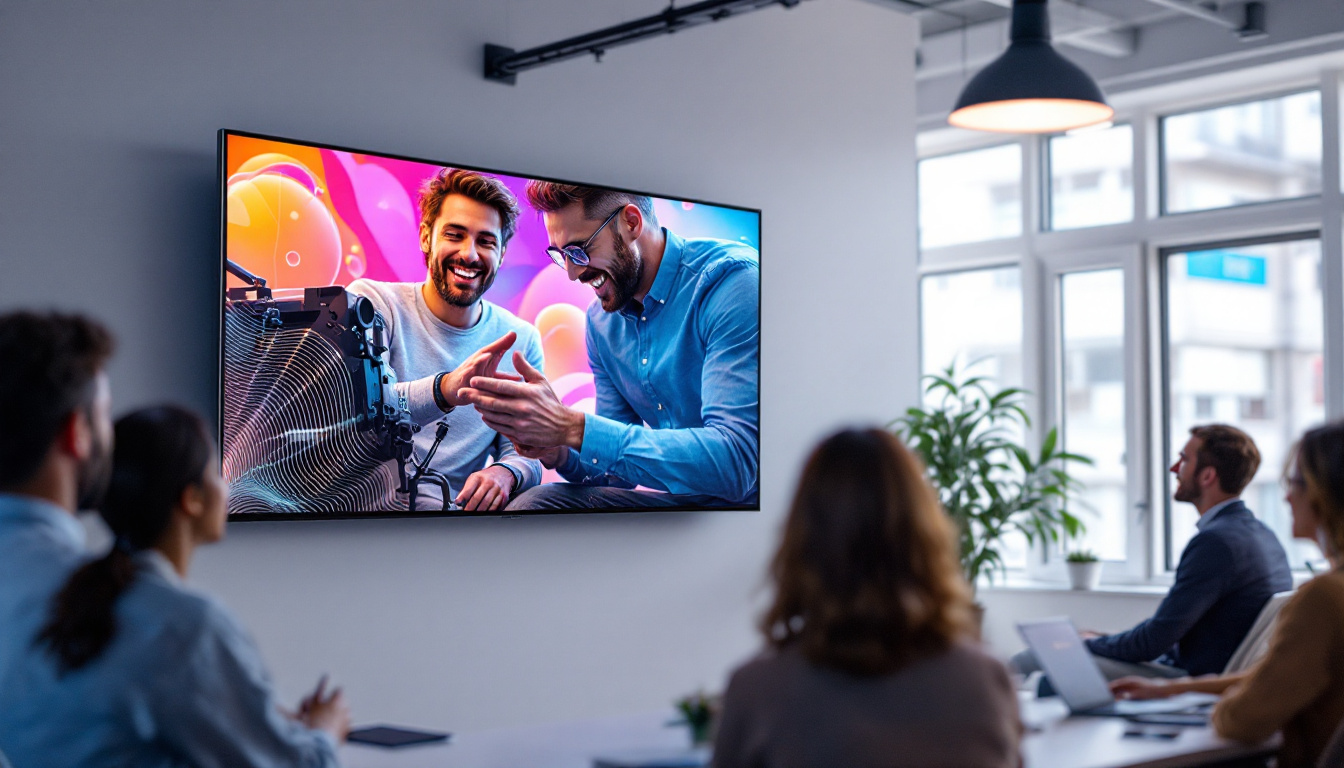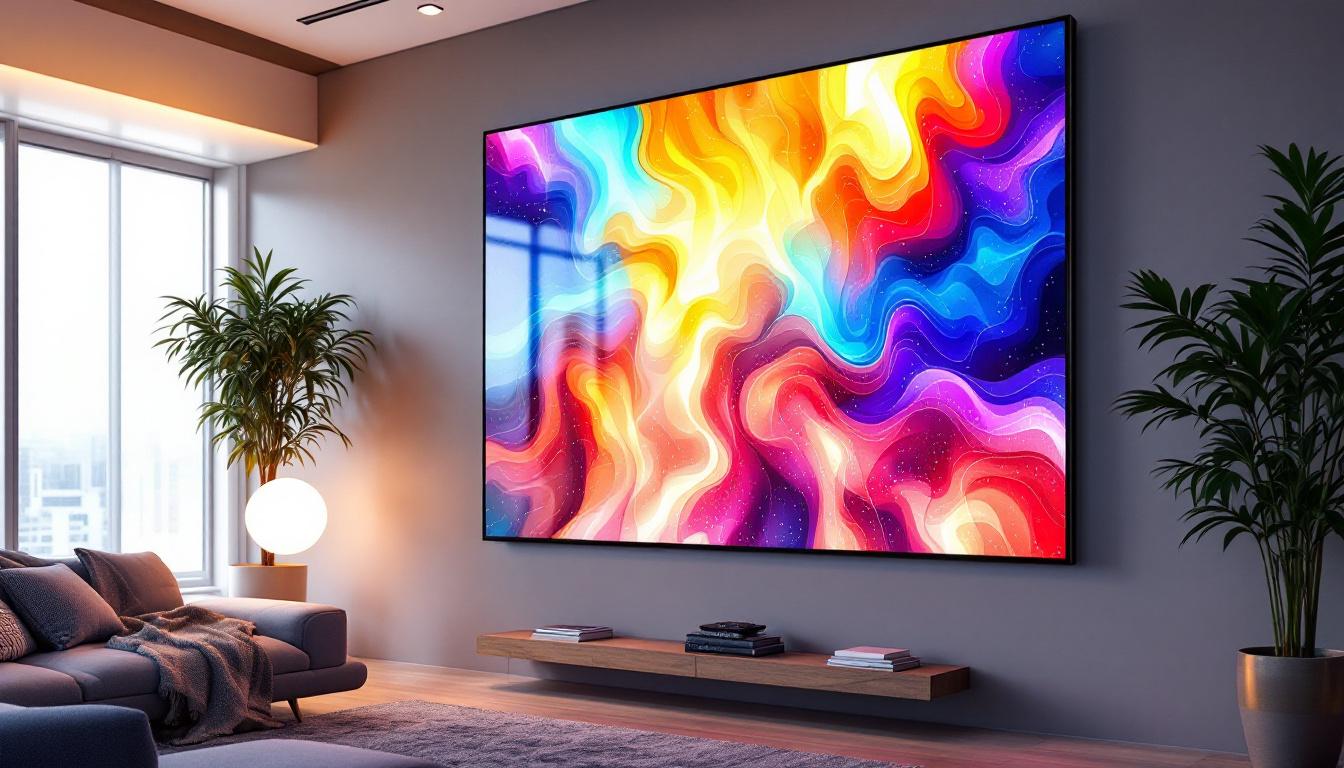
In today’s digital age, LED displays have become an essential component for businesses, entertainment venues, control rooms, and public spaces. The ability to create large, seamless video walls using LED technology has transformed how information and visuals are presented. However, the success of these installations depends heavily on the correct assembly and mounting of the LED video walls. This article delves into the intricacies of audio video wall mount assembly and explains LED display technology, providing a comprehensive guide for professionals and enthusiasts alike.
Understanding LED Display Technology
What is an LED Display?
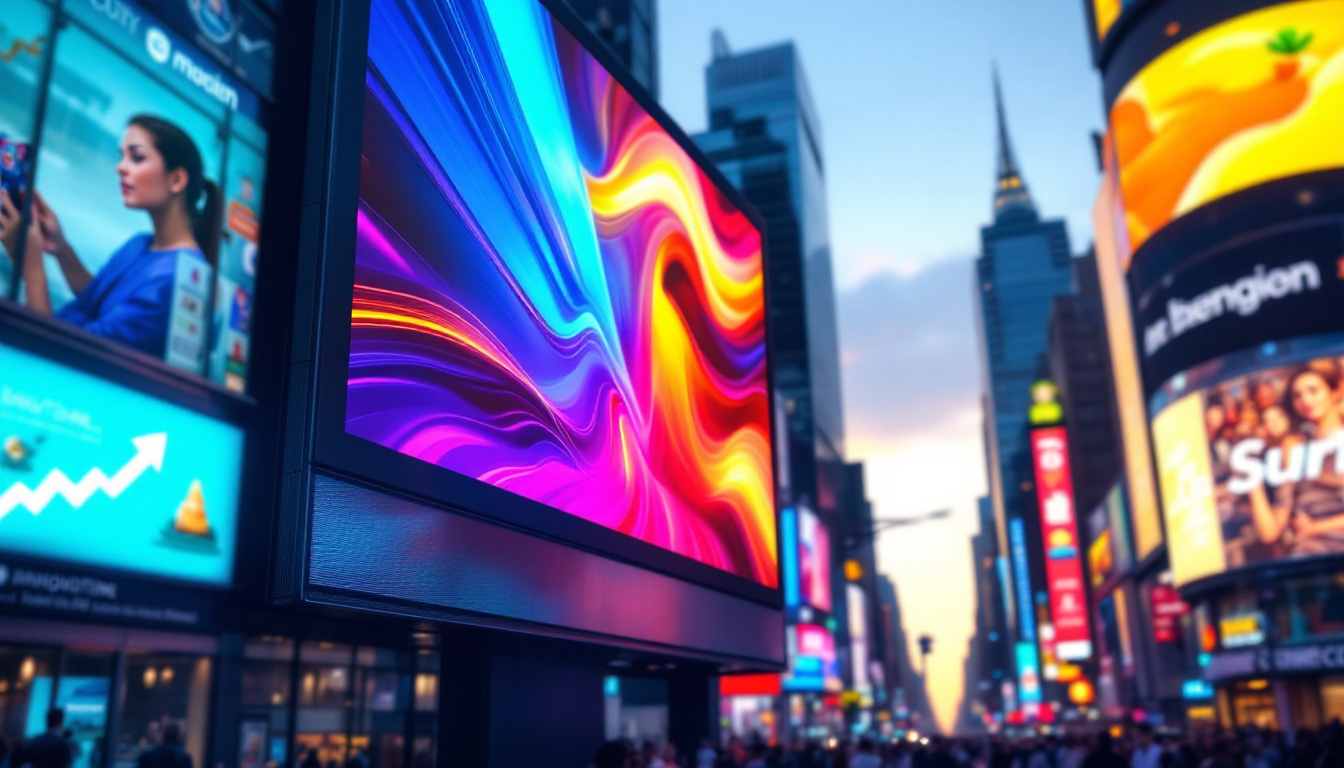
LED, or Light Emitting Diode, displays are screens made up of thousands of tiny LEDs that emit light to form images and videos. Unlike traditional LCD or projection screens, LED displays are self-illuminating, meaning each diode produces its own light. This results in superior brightness, contrast, and color accuracy, making LED displays ideal for both indoor and outdoor environments. The vivid colors and sharp images produced by LED technology have revolutionized the way we experience visual content, from advertising to entertainment.
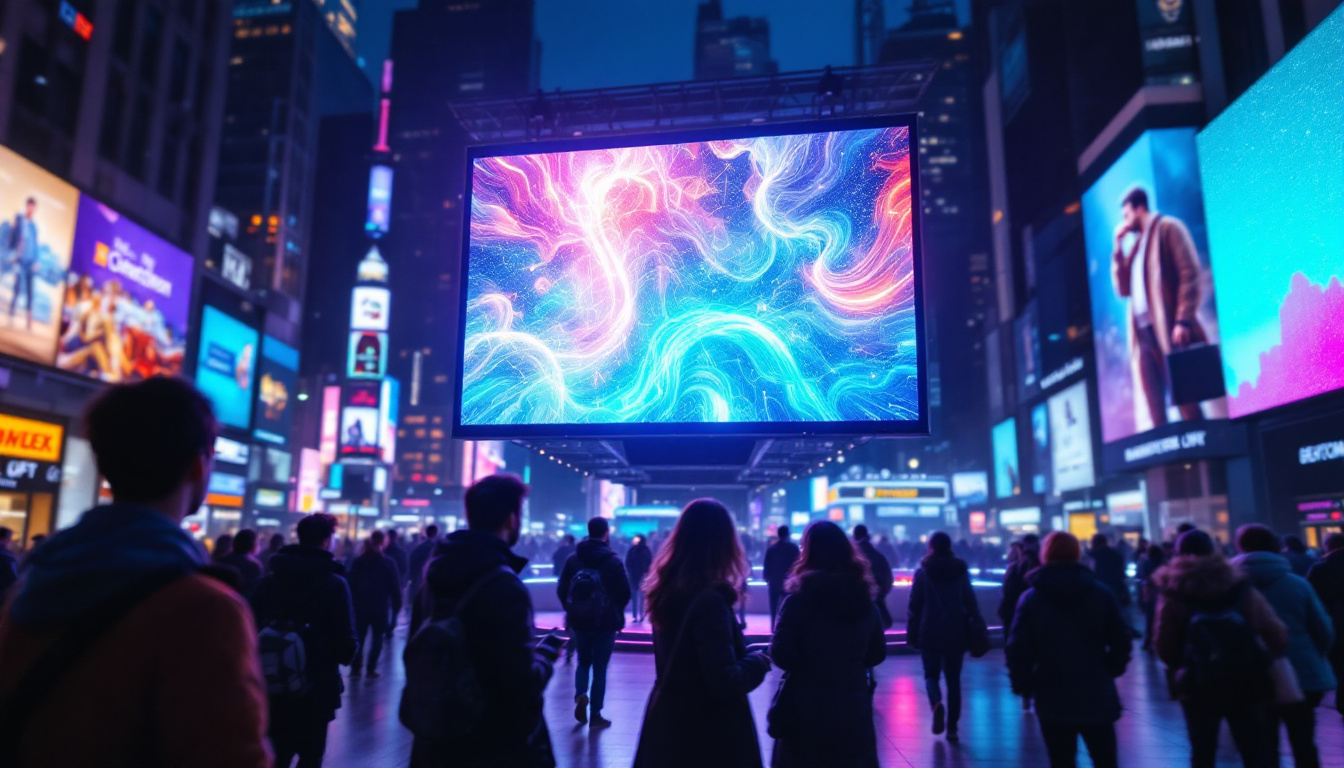
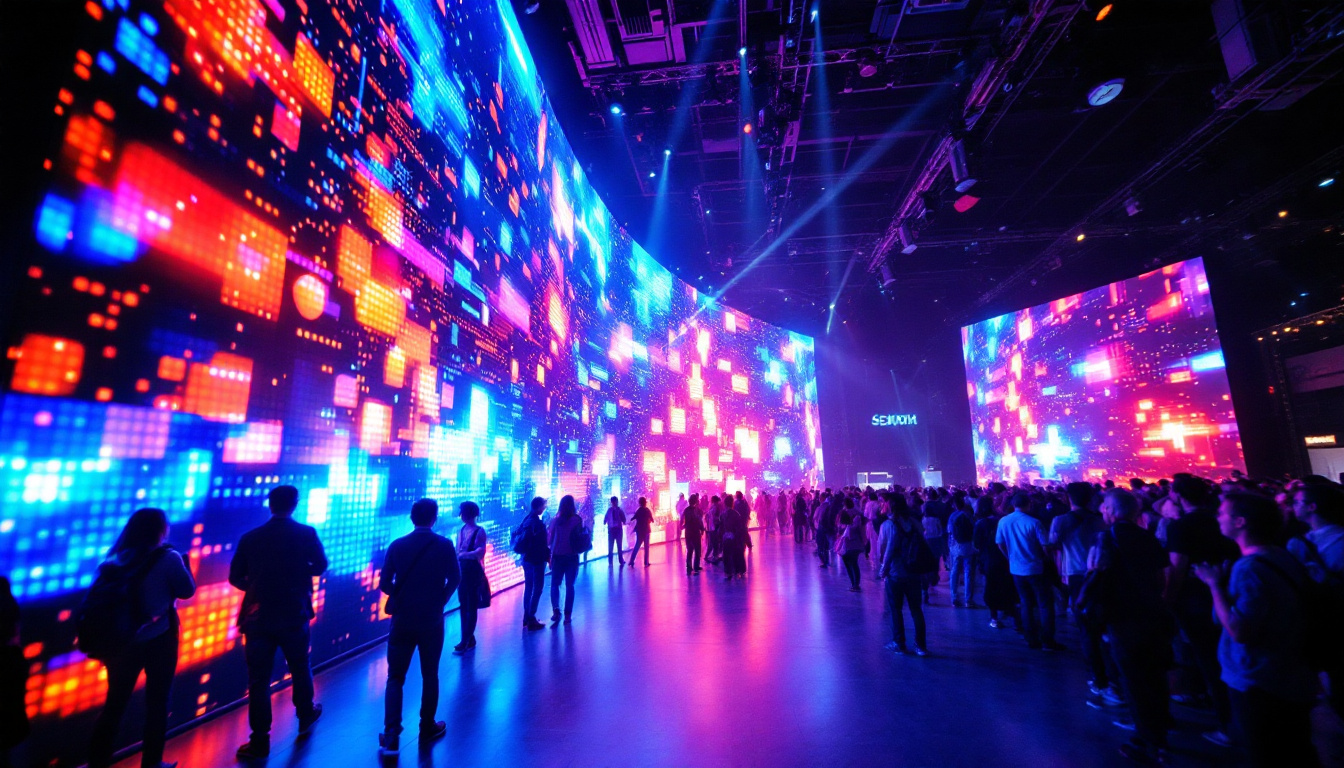
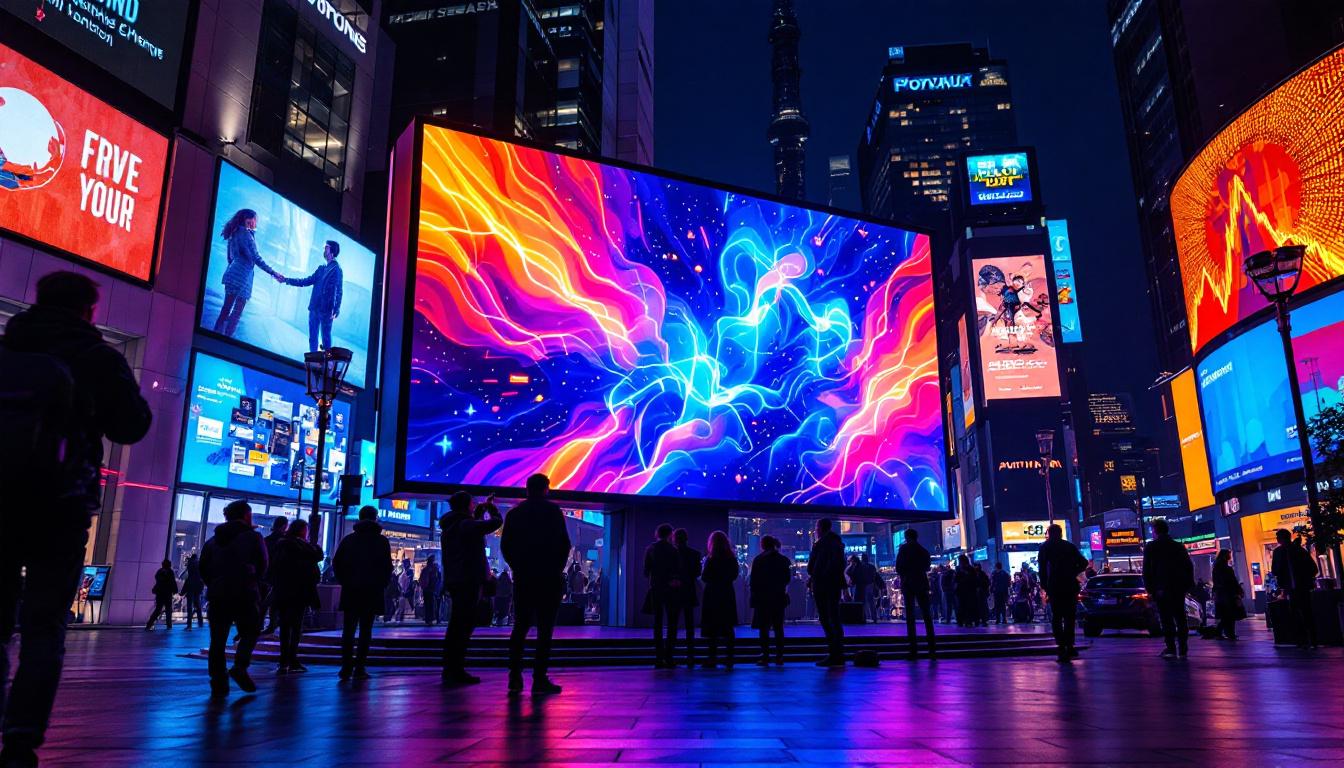
LED technology is versatile, ranging from small indicator lights to massive video walls used in stadiums and broadcast studios. The modular nature of LED panels allows them to be assembled into various sizes and shapes, offering flexibility in design and application. This adaptability has led to their widespread use in diverse settings, including retail spaces, corporate environments, and public installations, where dynamic visual communication is essential for engaging audiences.
Types of LED Displays
There are primarily two types of LED displays used in video walls: direct view LED and LED-backlit LCD. Direct view LED displays consist of individual LEDs arranged in a grid, providing high brightness and wide viewing angles. LED-backlit LCDs use LEDs as a backlight source behind an LCD panel, offering improved color and energy efficiency over traditional LCDs but generally lower brightness than direct view LEDs. The choice between these types often depends on the specific needs of the installation, such as ambient light conditions and the desired visual impact.
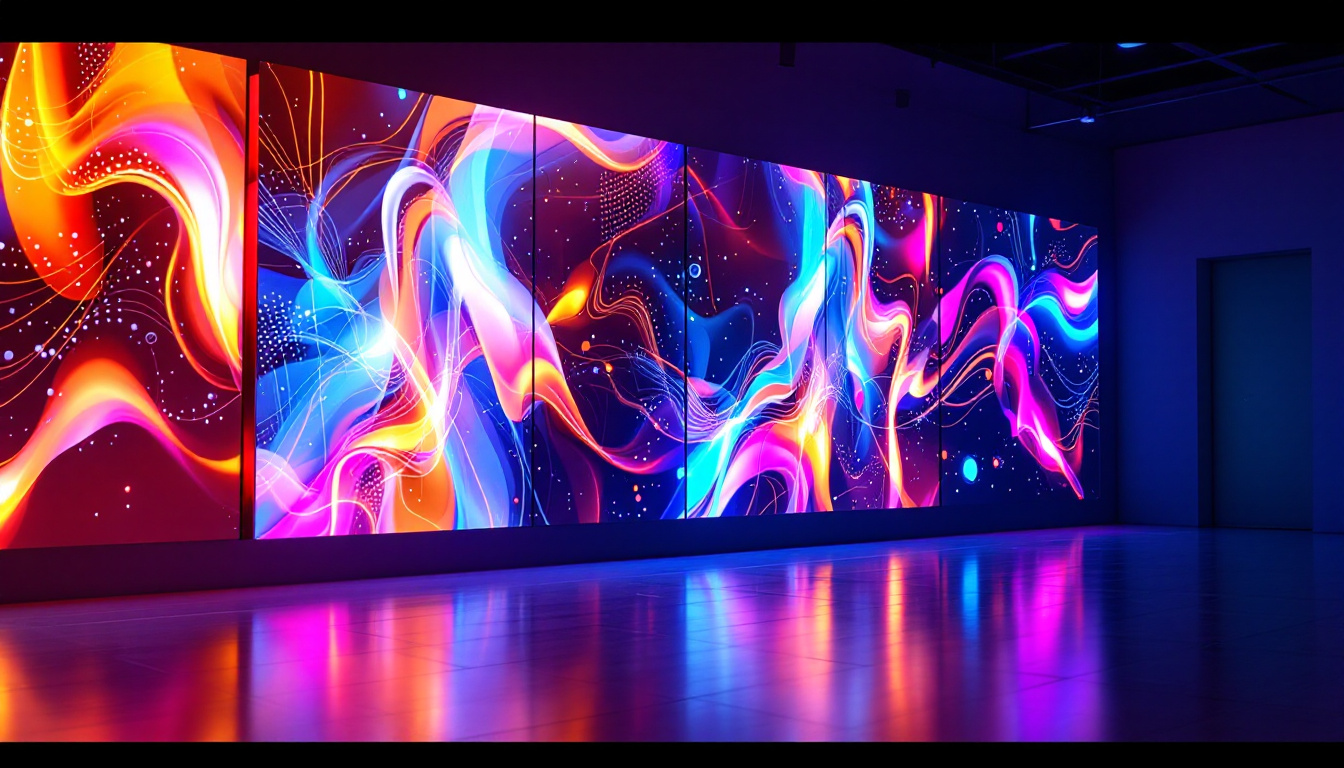
For video wall applications, direct view LED displays are preferred due to their scalability, durability, and ability to produce seamless images without bezels. The pixel pitch, which is the distance between the centers of two adjacent LEDs, determines the resolution and viewing distance. Smaller pixel pitches (e.g., 1.2mm to 2.5mm) are used for indoor close-range viewing, while larger pitches (e.g., 4mm to 10mm) suit outdoor or large venue installations. Additionally, advancements in technology have led to the development of flexible LED displays, which can be curved or shaped to fit unique architectural designs, further enhancing their application in creative projects.
Moreover, LED displays are increasingly integrated with smart technology, allowing for real-time content updates and interactivity. This capability is particularly valuable in advertising, where businesses can tailor messages based on audience engagement or time of day. The rise of digital signage powered by LED technology has transformed how brands communicate with consumers, providing opportunities for more dynamic and personalized marketing strategies. As the technology continues to evolve, we can expect even more innovative uses for LED displays in various sectors, from entertainment to education.
The Importance of Proper Audio Video Wall Mount Assembly
Why Mounting Matters
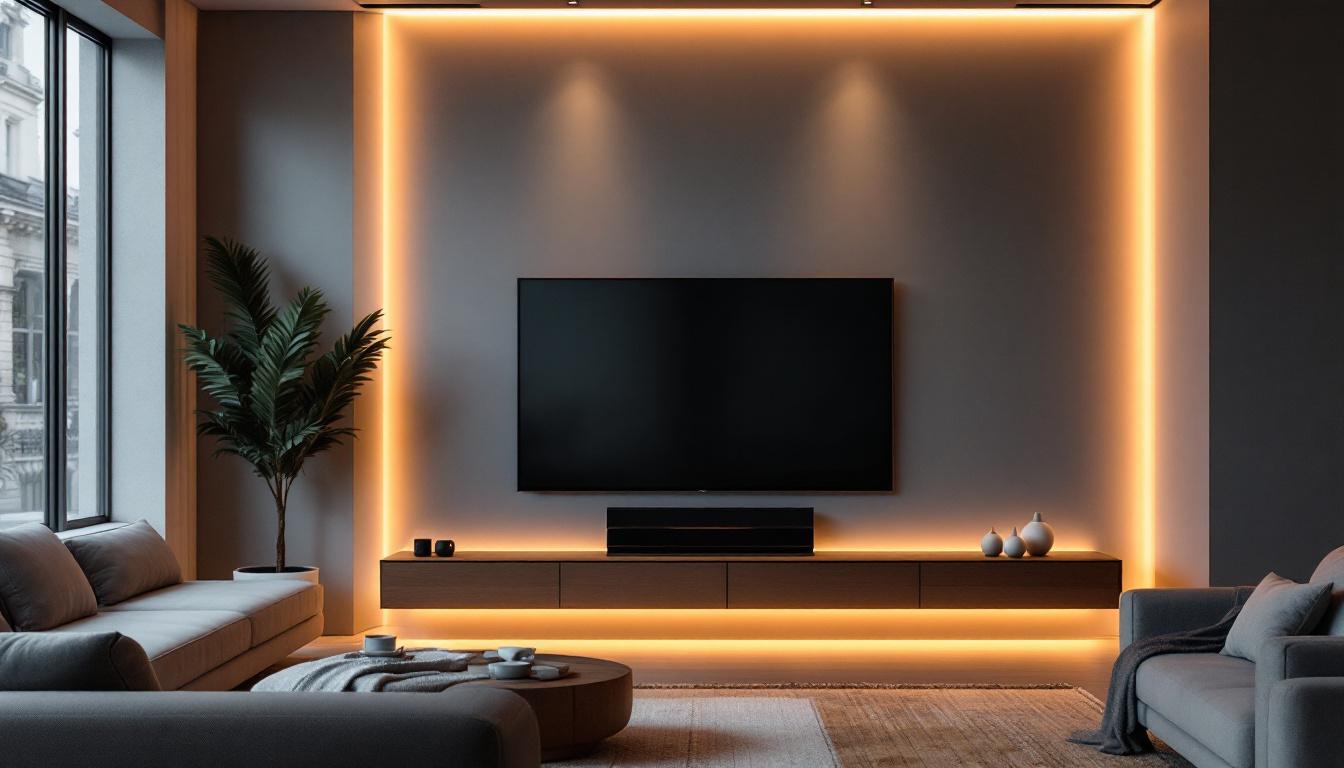
Assembling and mounting an LED video wall is more than just stacking panels together. Proper mounting ensures structural integrity, optimal viewing angles, and ease of maintenance. Poorly mounted video walls can lead to misalignment, image distortion, and even safety hazards.
Furthermore, the mounting system plays a crucial role in cable management, heat dissipation, and access for servicing. Given that LED video walls often operate continuously in commercial environments, these factors directly impact the longevity and performance of the display.
Key Considerations for Mount Assembly
When planning the assembly of an LED video wall, several factors must be taken into account:
- Weight and Load Capacity: LED panels can be heavy, especially in large configurations. The mounting structure must support the total weight safely, considering dynamic loads such as vibrations or seismic activity.
- Wall Type and Material: The surface where the video wall will be mounted—whether concrete, drywall, or metal—affects the choice of mounting hardware.
- Alignment and Leveling: Precise alignment is critical to ensure a seamless image. Even minor misalignments can create visible gaps or color inconsistencies.
- Accessibility: The design should allow easy access to panels and electronics for maintenance and repairs without dismantling the entire wall.
- Ventilation and Cooling: LED panels generate heat; proper airflow is essential to prevent overheating and extend component life.
Step-by-Step Guide to Audio Video Wall Mount Assembly
Planning and Preparation
Before starting the physical assembly, detailed planning is essential. This includes:
- Measuring the installation area accurately to determine the size and configuration of the video wall.
- Selecting the appropriate LED panels based on pixel pitch, brightness, and resolution requirements.
- Choosing a mounting system compatible with the wall material and weight specifications.
- Designing cable routing paths for power, data, and audio connections to minimize clutter and signal interference.
Consulting with structural engineers or installation specialists can help ensure safety and compliance with building codes, especially for large or public installations.
Mounting the Frame or Bracket
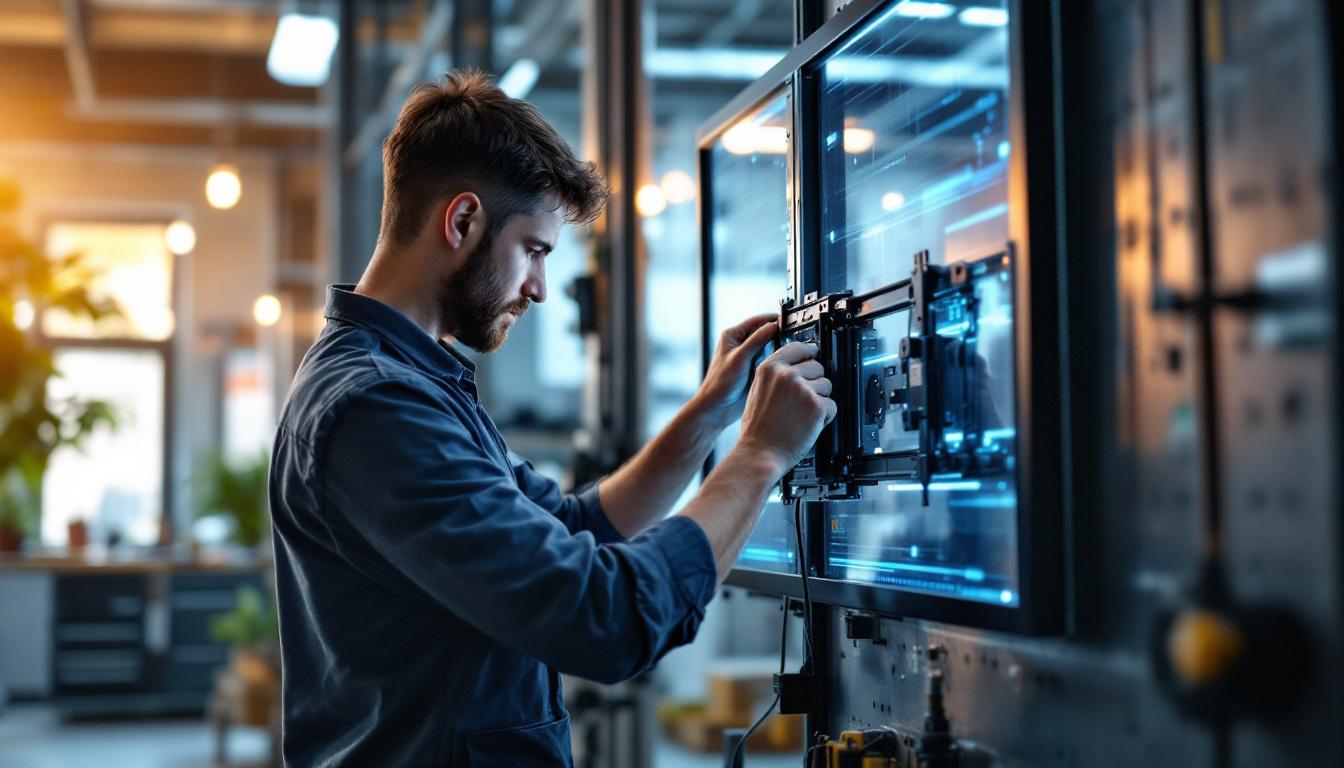
The first physical step involves installing the mounting frame or bracket onto the wall. This frame serves as the backbone for the LED panels. Key practices include:
- Using a laser level to ensure the frame is perfectly horizontal and vertical.
- Anchoring the frame securely with appropriate fasteners based on the wall material (e.g., expansion bolts for concrete, toggle bolts for drywall).
- Verifying the frame’s load capacity and adjusting reinforcements if necessary.
Many professional mounting systems offer adjustable brackets that allow fine-tuning of panel positioning after installation, which is invaluable for achieving perfect alignment.
Installing the LED Panels
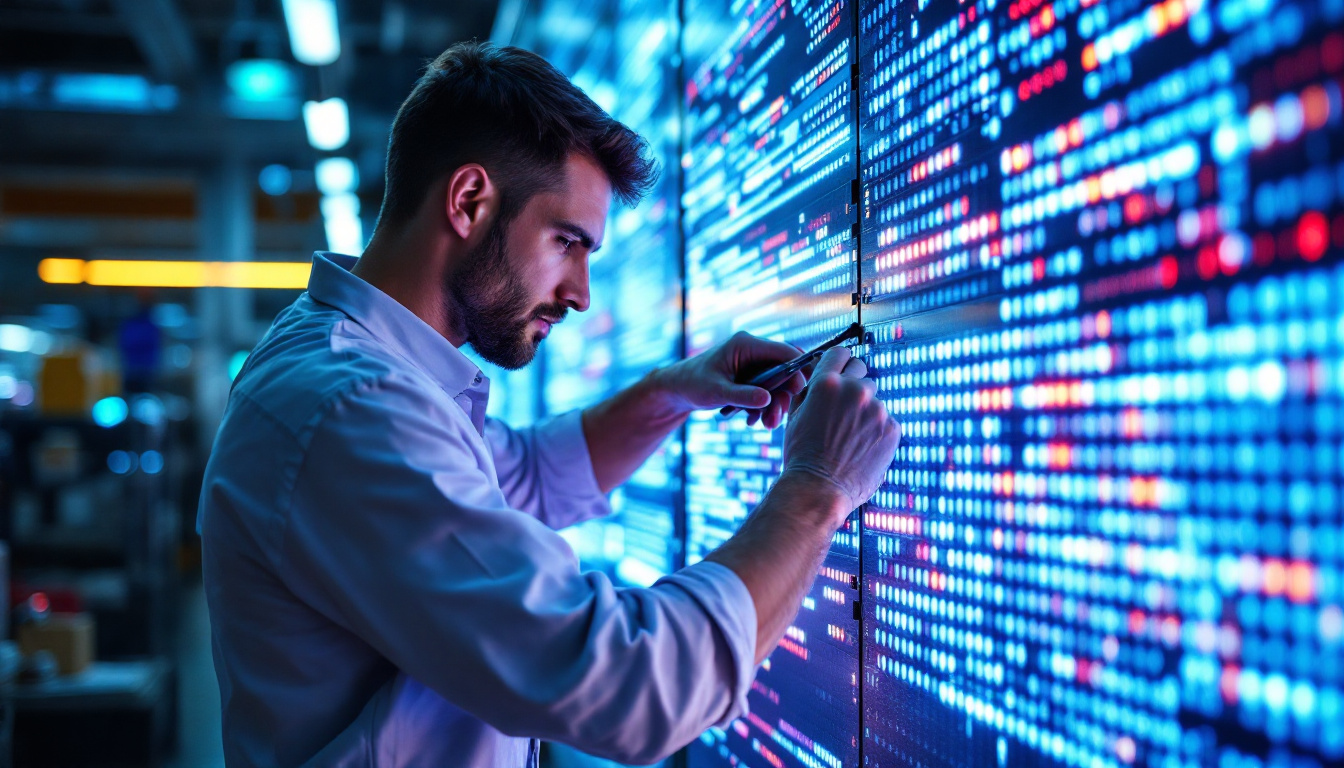
Once the frame is in place, the LED panels can be mounted. This process requires careful handling to avoid damaging the delicate diodes and electronics:
- Panels are typically attached using quick-release mechanisms or screws designed for easy removal.
- Alignment pins or guides help ensure the panels fit together seamlessly.
- Technicians should wear anti-static gloves and handle panels by the edges to prevent static discharge and fingerprints.
After mounting, each panel’s position should be checked with a level and adjusted as needed to maintain a flat, continuous surface.
Connecting Power and Data Cables
LED video walls require both power and data connections to operate. Proper cable management is essential to avoid signal degradation and maintain a clean installation:
- Power cables should be rated for the load and installed according to electrical codes, with surge protection to prevent damage.
- Data cables, often Ethernet or specialized video cables, must be shielded and routed to minimize interference.
- Using cable trays, conduits, or raceways helps organize cables and protects them from wear.
Testing connections before powering on the system can help identify issues early and prevent damage.
Calibration and Testing
After assembly, the video wall must be calibrated to ensure uniform brightness, color accuracy, and image alignment. This involves:
- Using specialized software to adjust color temperature, gamma, and brightness levels across all panels.
- Performing pixel mapping to correct any dead or stuck pixels.
- Verifying synchronization between panels to prevent image tearing or lag.
Testing the audio system in conjunction with the video wall is also important if integrated audio is part of the installation. Ensuring audio clarity and synchronization enhances the overall user experience.
Common Challenges and Solutions in LED Video Wall Assembly
Panel Misalignment
One of the most common issues during assembly is panel misalignment, which creates visible seams or gaps. To mitigate this:
- Use mounting systems with fine adjustment capabilities.
- Regularly check alignment during installation rather than waiting until the entire wall is assembled.
- Employ laser measurement tools for precision.
Heat Management
LED panels generate heat that, if not properly managed, can reduce lifespan or cause failures. Solutions include:
- Installing ventilation fans or air conditioning units in enclosed spaces.
- Using mounting frames that allow airflow behind the panels.
- Monitoring temperature with sensors and integrating automatic shutdown systems in case of overheating.
Signal Interference and Cable Issues
Signal degradation can result from poor cable quality or improper routing. Best practices include:
- Using high-quality, shielded cables certified for the specific data rates.
- Separating power and data cables to reduce electromagnetic interference.
- Regularly inspecting cables for wear and replacing damaged ones promptly.
Future Trends in LED Video Wall Technology and Mounting
Advancements in Pixel Pitch and Resolution
As LED technology advances, pixel pitches continue to shrink, allowing for ultra-high-definition video walls that rival traditional displays in clarity. Micro-LED technology, which uses even smaller LEDs, promises higher brightness and energy efficiency, opening new possibilities for immersive displays.
Smart Mounting Systems
Emerging mounting solutions incorporate smart features such as motorized adjustment, remote control alignment, and integrated sensors for temperature and structural health monitoring. These innovations reduce installation time and improve maintenance efficiency.
Integration with Audio and Interactive Technologies
Future video walls are increasingly integrated with advanced audio systems and interactive touch or gesture controls, creating engaging multimedia experiences. Seamless integration requires coordinated assembly and mounting strategies to accommodate diverse hardware components.
Conclusion
Audio video wall mount assembly is a critical aspect of deploying LED displays that deliver stunning visuals and reliable performance. Understanding the fundamentals of LED technology, planning meticulously, and executing precise mounting and assembly steps ensure the success of video wall installations.
As LED display technology continues to evolve, staying informed about best practices and emerging trends will empower professionals to create impactful visual experiences that captivate audiences and meet demanding operational requirements.
Whether for corporate environments, broadcast studios, or public venues, mastering the art and science of audio video wall mount assembly is key to unlocking the full potential of LED displays.
Explore Cutting-Edge LED Display Solutions with LumenMatrix
Ready to elevate your visual communication with the latest in LED display technology? LumenMatrix is at the forefront of creating immersive and dynamic visual experiences. From Indoor and Outdoor LED Wall Displays to innovative solutions like Vehicle LED Displays, LED Posters, and Custom LED Displays, our products are designed to captivate and engage your audience. Discover how our state-of-the-art LED displays can transform your space and effectively convey your message. Check out LumenMatrix LED Display Solutions today and step into the future of digital signage.