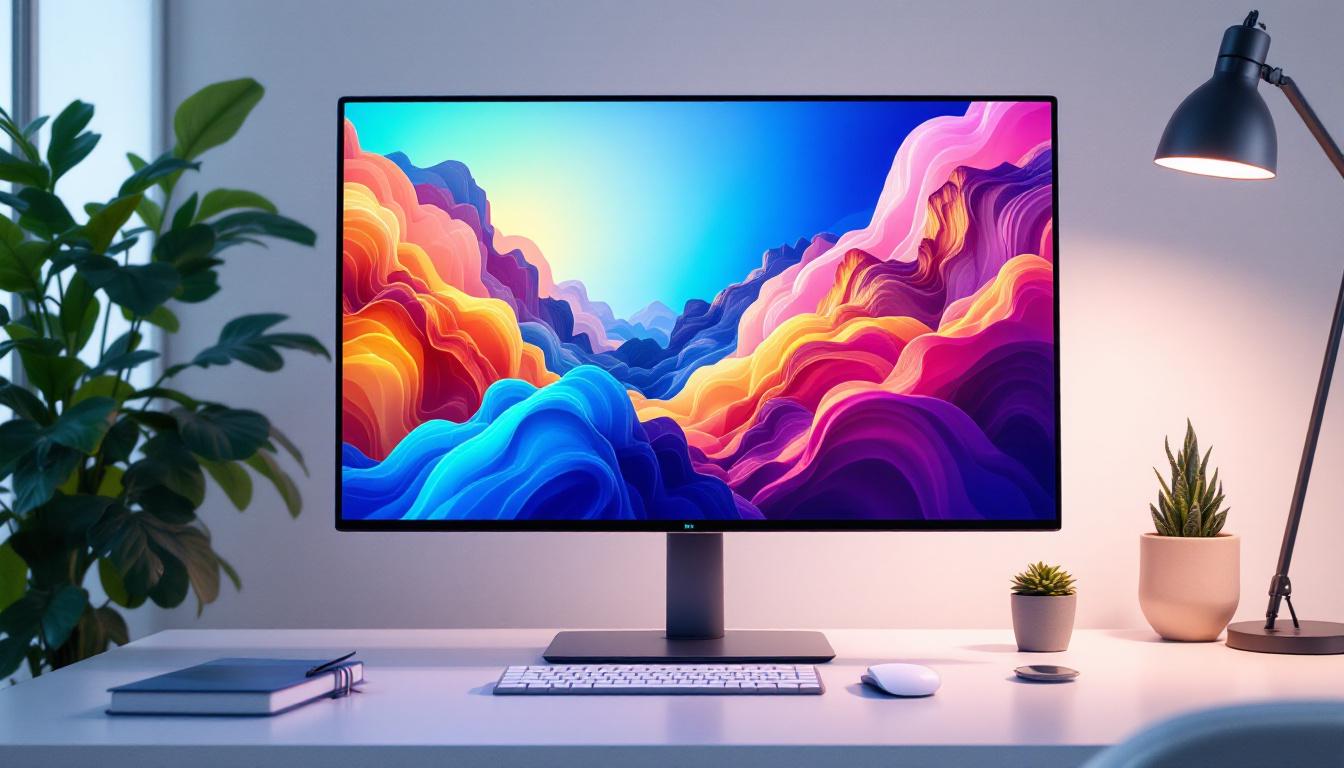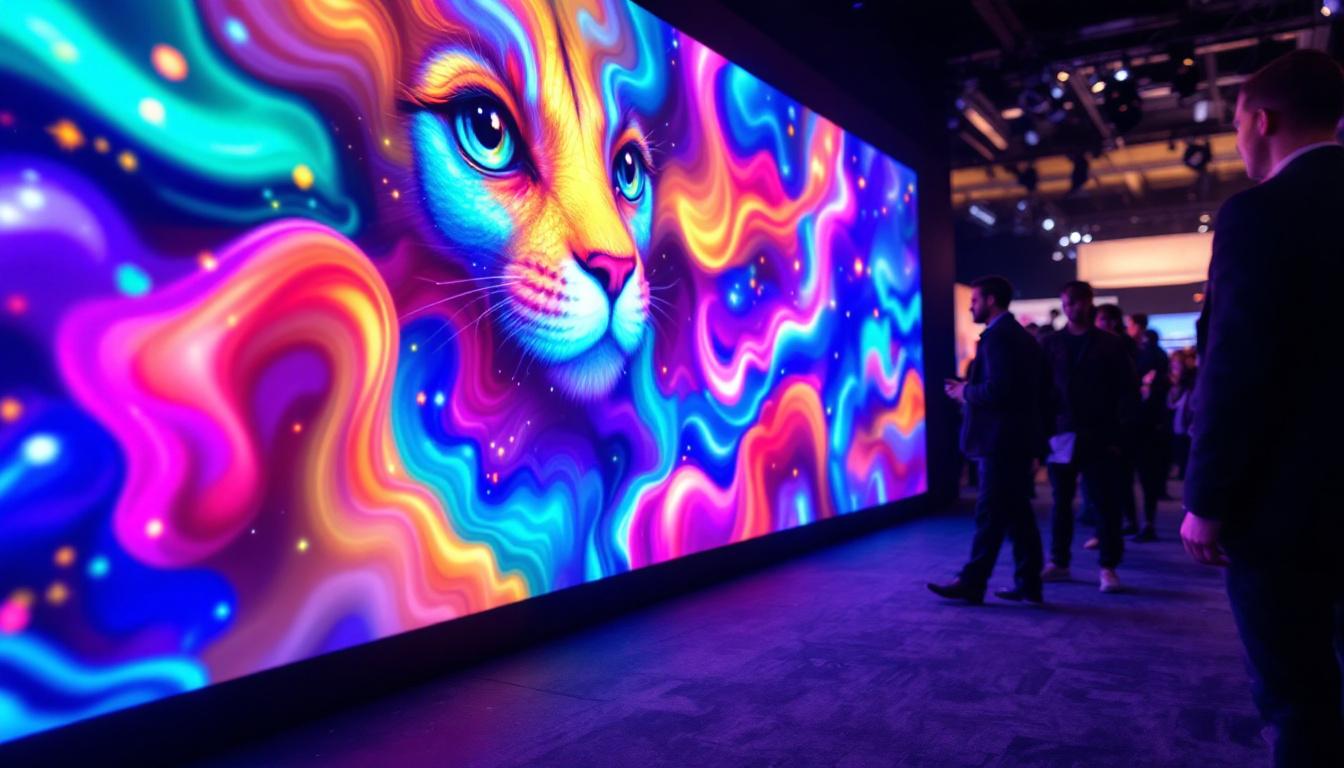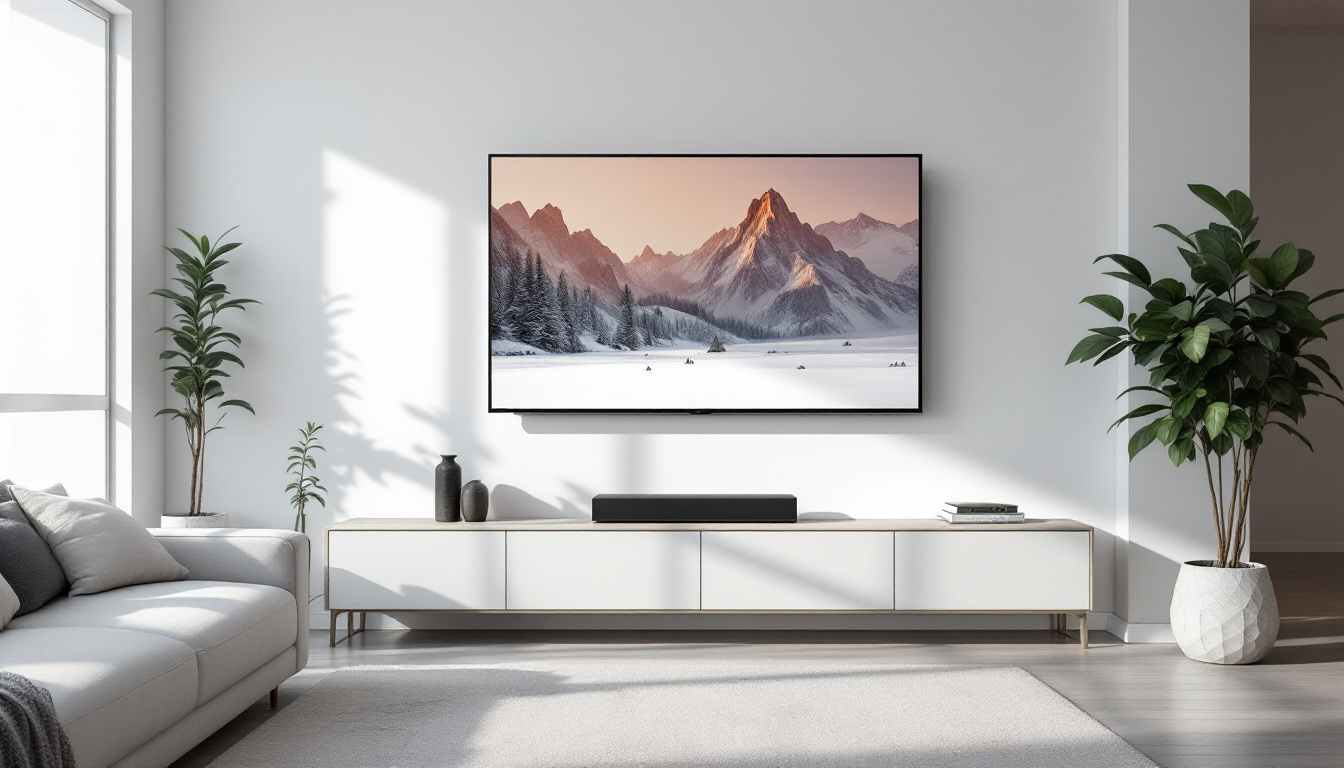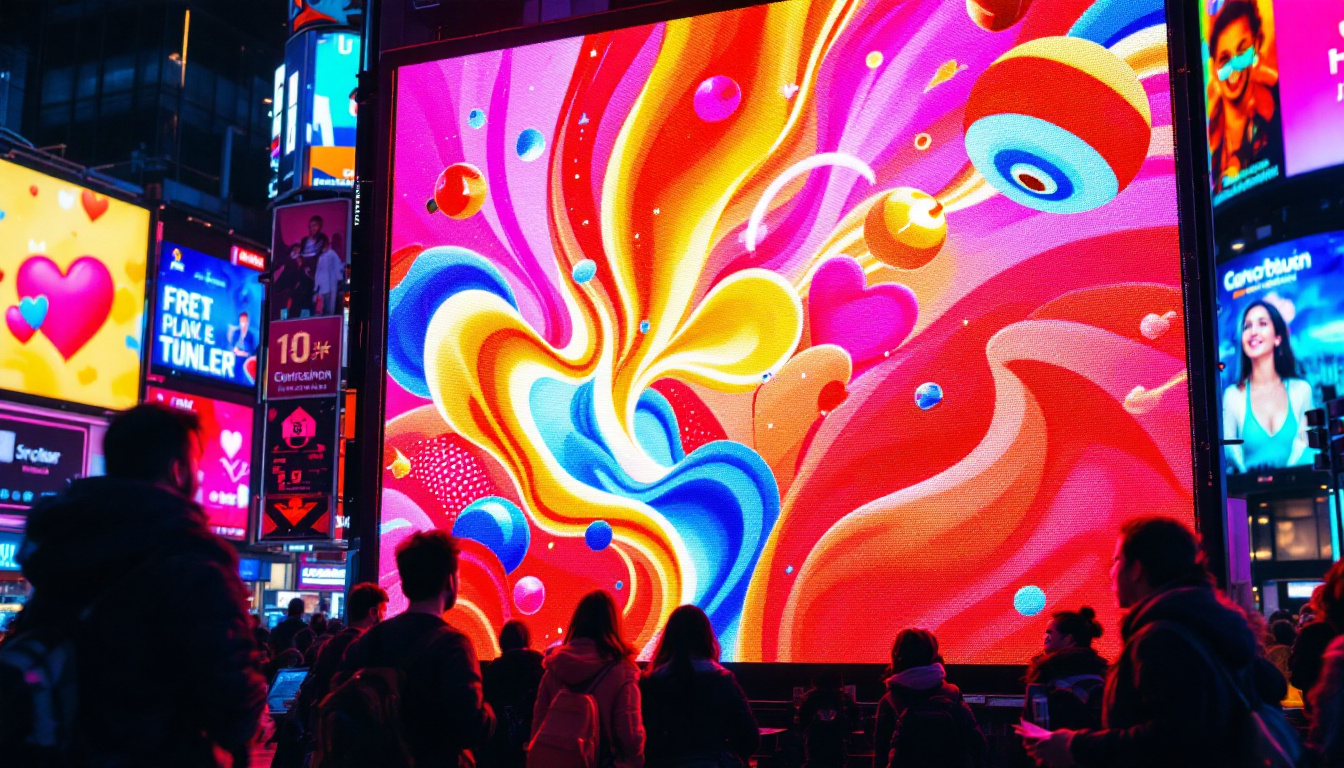
In today’s fast-paced world, portable projection screens have become indispensable tools for professionals, educators, and entertainment enthusiasts alike. Whether delivering presentations on the go, hosting outdoor movie nights, or conducting training sessions, having a reliable and high-quality display solution is crucial. Among the various options available, LED displays have emerged as a leading choice for portable projection screens, offering remarkable advantages in brightness, clarity, and versatility.
This comprehensive article explores the best portable projection screens with a particular focus on LED display technology. From understanding the technical aspects and benefits of LED screens to comparing them with traditional projection methods, this guide aims to help you make an informed decision when selecting the ideal portable display for your needs.
Understanding Portable Projection Screens
Portable projection screens are designed to provide a surface on which images or videos can be projected, typically from a projector device. Unlike fixed screens, portable screens are lightweight, foldable, and easy to transport, making them ideal for mobile use. They come in various types, including tripod screens, pull-up screens, inflatable screens, and LED displays.
Historically, projection screens have relied on reflective materials to display images from projectors. These traditional screens depend heavily on ambient lighting conditions and projector brightness to deliver a clear picture. However, advancements in display technology have introduced alternatives that overcome many of these limitations.
Types of Portable Projection Screens
Before delving into LED displays, it’s helpful to understand the common types of portable screens:
- Tripod Screens: These are classic portable screens mounted on a tripod stand. They are easy to set up and provide a flat surface but can be bulky and susceptible to wrinkles.
- Pull-Up Screens: Compact and convenient, these screens retract into a base for easy transport. They are popular for business presentations.
- Inflatable Screens: Ideal for outdoor use, inflatable screens can be large and offer a unique viewing experience but require air pumps and space for setup.
- LED Displays: Unlike traditional screens, LED displays are self-illuminated, offering vibrant colors and high brightness without the need for an external projector.
What is an LED Display?
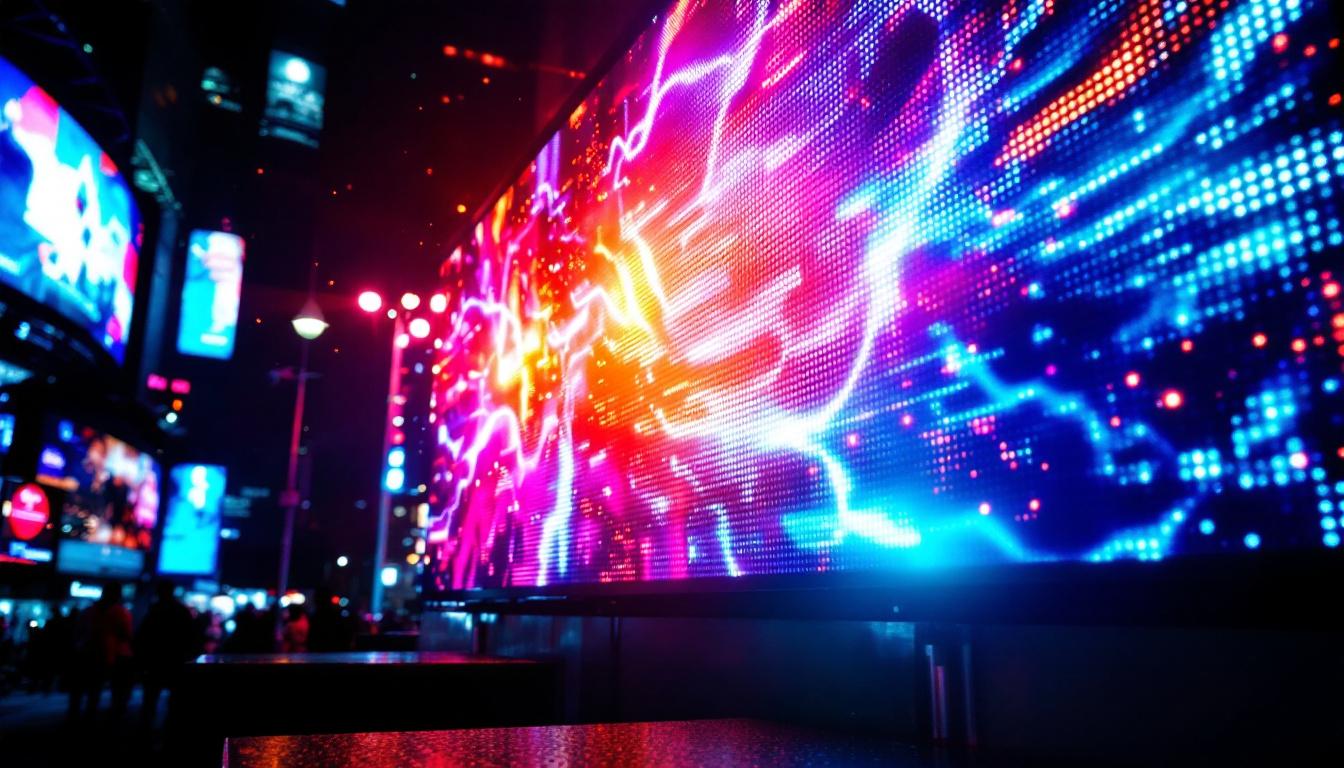
LED stands for Light Emitting Diode, a semiconductor device that emits light when an electric current passes through it. LED displays consist of an array of these diodes arranged in a matrix to form images and videos. When used as portable projection screens, LED displays function as direct-view screens, meaning the image is generated by the screen itself rather than relying on an external projector.
The technology behind LED displays has evolved significantly over the past decade, leading to the development of lightweight, high-resolution, and energy-efficient panels suitable for portable use.
Key Features of LED Displays
Understanding the core attributes of LED displays helps highlight why they are becoming the preferred choice for portable projection solutions:
- Brightness: LED displays can achieve brightness levels exceeding 1,000 nits, making them visible even in brightly lit environments or outdoors during the day.
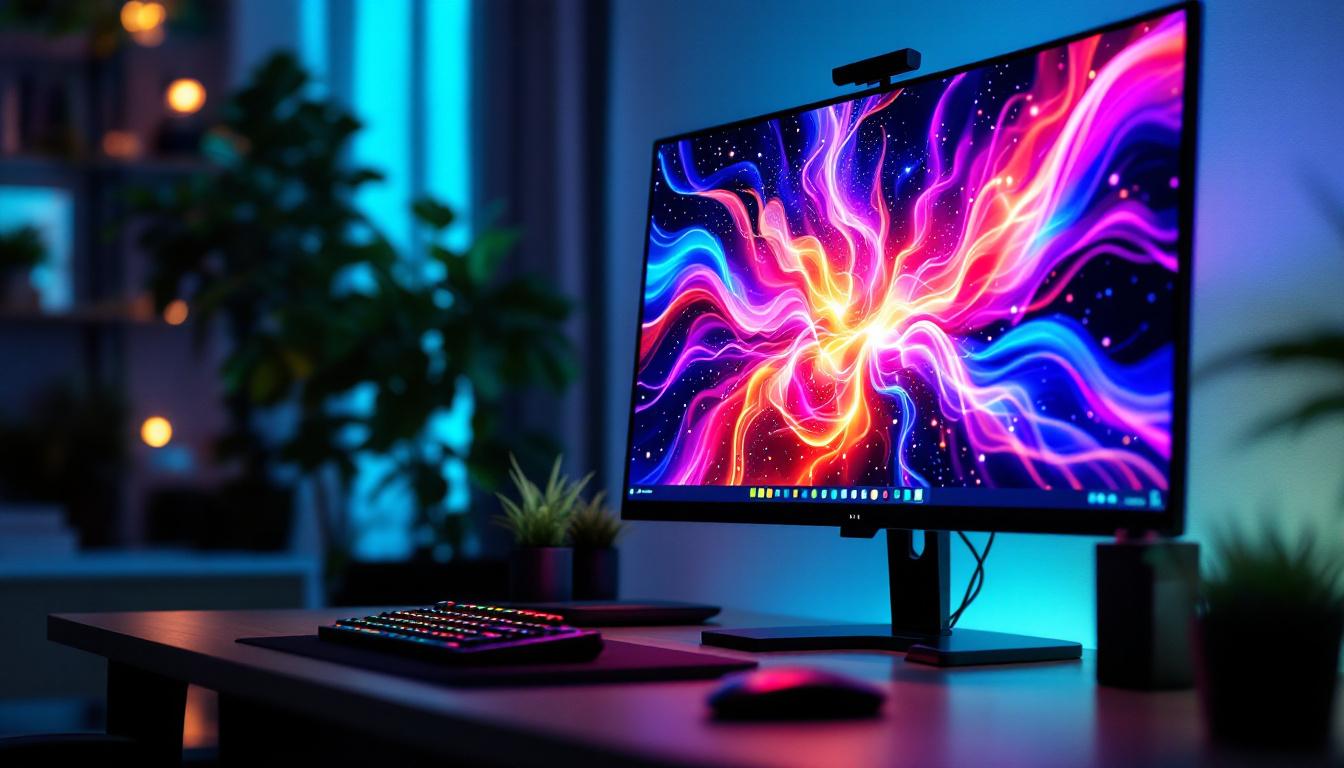
- Color Accuracy: The ability to produce deep blacks and vibrant colors enhances image quality, providing a more immersive viewing experience compared to traditional projection screens.
- Durability: LED panels are robust and resistant to damage from handling, making them suitable for frequent transport and setup.
- Energy Efficiency: Advances in LED technology have reduced power consumption, allowing for longer use on battery-powered setups.
- Seamless Image: Modern LED displays use fine-pitch technology to minimize the gap between diodes, resulting in smooth, high-resolution images without visible pixelation.
Advantages of LED Displays Over Traditional Projection Screens
When comparing LED displays to conventional projector-based screens, several advantages stand out, especially for users requiring portability and high image quality.
Superior Image Quality
Traditional projectors rely on projecting light onto a reflective surface, which can lead to issues such as glare, reduced contrast, and color distortion. LED displays, on the other hand, emit their own light, producing consistent brightness and color accuracy regardless of ambient lighting conditions.
This self-illumination capability means that LED screens maintain sharpness and vibrancy even in well-lit rooms or outdoor environments, where traditional projectors often struggle. For presentations or entertainment in diverse settings, this is a significant benefit.
Ease of Setup and Portability
While some portable projector setups require careful alignment, calibration, and control of ambient lighting, LED displays simplify the process. Many portable LED screens come in modular designs that can be quickly assembled and disassembled without specialized tools.
Additionally, LED displays eliminate the need to carry a separate projector, cables, and mounting equipment, reducing the overall setup time and complexity. This convenience is particularly valuable for professionals who frequently move between venues.
Durability and Longevity
LED panels are built to withstand the rigors of transport and frequent use. Unlike projection screens that can wrinkle, tear, or stain, LED displays are housed in sturdy frames with protective coatings. This durability translates into a longer lifespan and lower maintenance costs.
Energy Consumption and Environmental Impact
Modern LED displays are designed to be energy-efficient, consuming less power than many projectors, especially high-lumen models required for bright environments. This efficiency not only reduces operational costs but also aligns with growing environmental concerns and sustainability goals.
Choosing the Best Portable LED Display: What to Look For
Selecting the ideal portable LED display involves considering several factors that impact performance, usability, and value. Here are the key criteria to evaluate:
Resolution and Pixel Pitch
Resolution determines the clarity and detail of the displayed image. For portable LED screens, resolution is closely linked to pixel pitch—the distance between individual LEDs. A smaller pixel pitch results in higher resolution and smoother images, especially important for close viewing distances.
For presentations and video playback, a pixel pitch of 1.5mm to 2.5mm is generally recommended. Larger pixel pitches (above 3mm) may be suitable for outdoor or large venue use where viewers are farther away.
Screen Size and Aspect Ratio
Portability often requires balancing screen size with ease of transport. Many portable LED displays range from 60 inches to over 150 inches diagonally. The choice depends on the intended use; smaller sizes suit business meetings, while larger screens enhance entertainment or large audience events.
Aspect ratios such as 16:9 (widescreen) are standard for video content, while 4:3 may be preferred for presentations. Some LED displays offer adjustable aspect ratios or modular configurations to accommodate different formats.
Brightness and Contrast Ratio
Brightness is measured in nits, with higher values ensuring visibility in bright environments. For indoor use, 800 to 1,200 nits is typically sufficient, while outdoor screens may require 2,000 nits or more.
Contrast ratio—the difference between the darkest black and brightest white—affects image depth and realism. LED displays generally offer superior contrast compared to projection screens, enhancing visual impact.
Portability Features
Consider the weight, dimensions, and assembly mechanism of the LED display. Features such as foldable panels, carrying cases, and tool-free assembly can significantly improve portability and ease of use.
Battery operation capability is another important factor for outdoor or remote use, allowing for flexible placement without reliance on power outlets.
Connectivity and Compatibility
Ensure the LED display supports common input sources such as HDMI, DisplayPort, USB, and wireless connections. Compatibility with laptops, smartphones, and media players broadens usability.
Some advanced models also offer built-in media players and network connectivity for remote management and content updates.
Popular Portable LED Displays in the Market
The market for portable LED displays has expanded rapidly, with several manufacturers offering innovative solutions tailored to different needs and budgets. Here are a few notable options:
1. Samsung The Premiere Portable LED Display
Samsung’s The Premiere series includes portable LED displays designed for professional use. Featuring 4K resolution and HDR support, these screens deliver stunning image quality with brightness levels suitable for various lighting conditions. The modular design allows for flexible sizing, and the compact form factor facilitates easy transport.
2. LG LED Cinema Display
LG’s portable LED cinema displays are known for their exceptional color accuracy and ultra-fine pixel pitch, making them ideal for high-end presentations and cinematic experiences. Their lightweight design and quick setup process appeal to event organizers and creative professionals.
3. Absen Polaris Series
Absen is a leading manufacturer of LED display technology, and their Polaris series offers portable LED screens with pixel pitches ranging from 1.5mm to 2.5mm. These displays are designed for indoor use, offering high brightness and contrast with easy assembly and disassembly.
4. Unilumin UpadIII Series
The Unilumin UpadIII series provides portable LED displays with a focus on durability and versatility. With features such as lightweight cabinets and tool-free installation, these screens are popular among rental companies and event professionals.
Practical Applications of Portable LED Displays
Understanding how portable LED displays are used can help clarify their value and inform the selection process. Here are some common scenarios where these displays excel:
Business and Corporate Presentations
Portable LED screens offer crystal-clear visuals for meetings, product launches, and conferences. Their brightness and color accuracy ensure that charts, graphs, and videos are easily visible to all attendees, even in well-lit rooms.
Educational Settings
In classrooms and training environments, LED displays enhance engagement by providing vibrant, easy-to-read content. Their portability allows educators to move between rooms or campuses without sacrificing display quality.
Outdoor Events and Entertainment
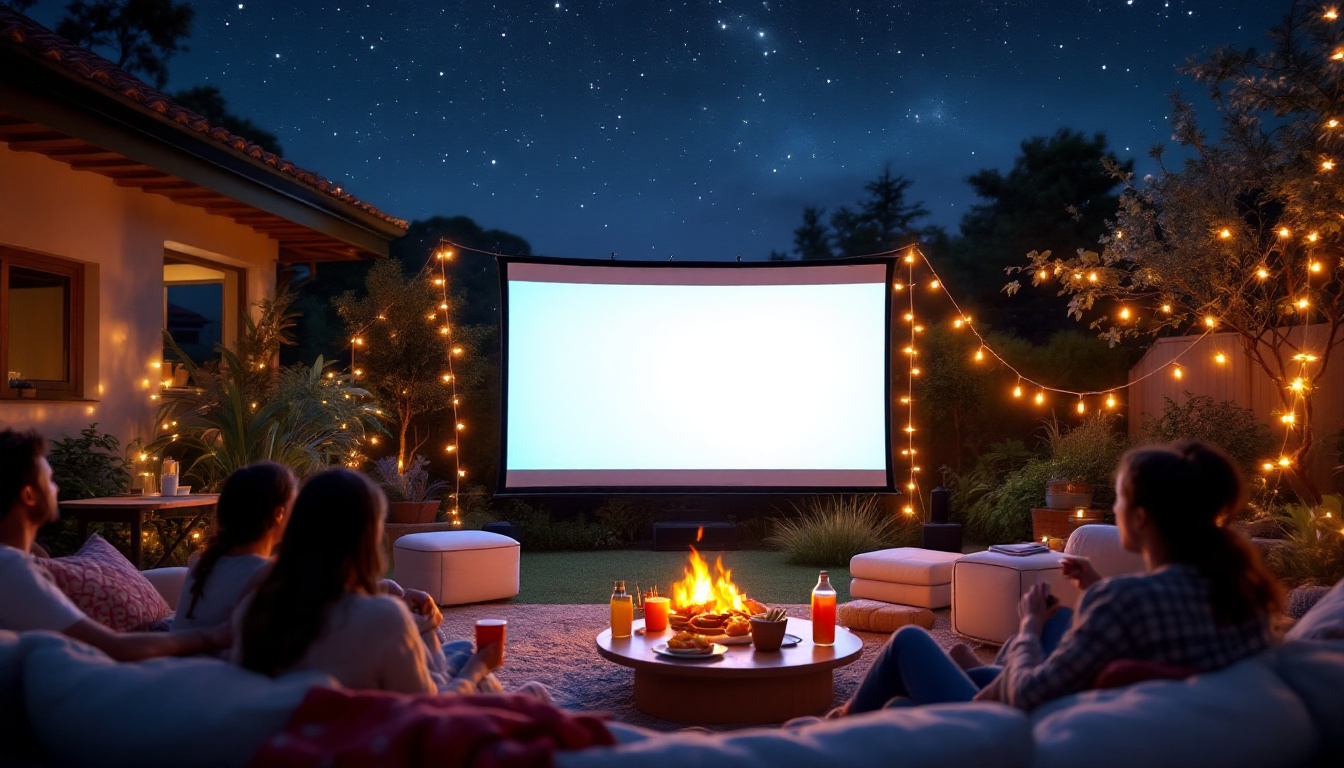
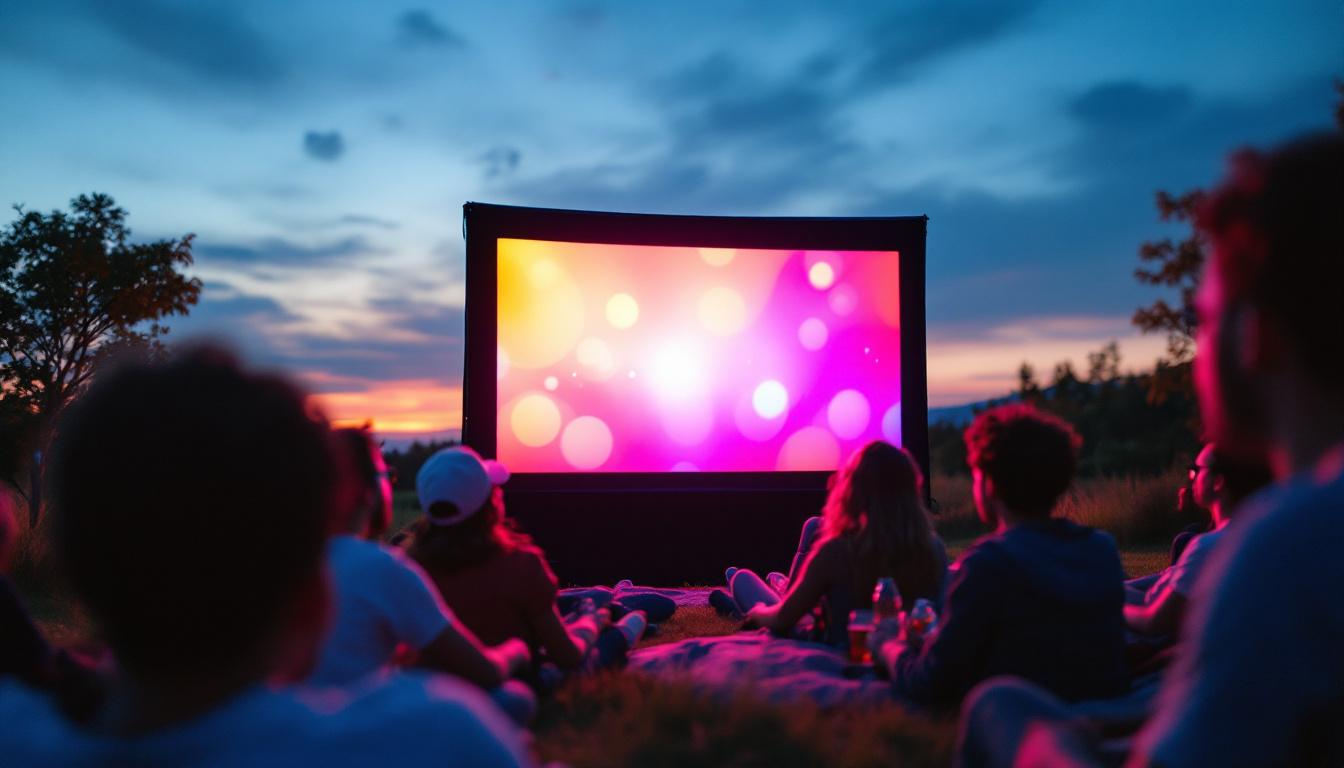
From movie nights in the park to live sports broadcasts and concerts, portable LED displays provide bright, high-resolution images that remain visible under sunlight. Their rugged construction withstands outdoor conditions, making them ideal for temporary installations.
Trade Shows and Exhibitions
Trade show booths benefit from eye-catching LED displays that attract visitors and showcase products effectively. Quick setup and teardown are essential in these fast-paced environments, where LED screens offer a competitive edge.
Challenges and Considerations
While portable LED displays offer numerous benefits, it is important to recognize potential challenges:
- Cost: LED displays tend to be more expensive upfront than traditional projection screens and projectors. However, the long-term value and reduced maintenance can offset initial investment.
- Weight and Bulk: Although portable, LED panels can still be heavier and bulkier than simple fabric screens, requiring careful handling and transportation planning.
- Power Requirements: High-brightness LED displays may require substantial power, necessitating access to reliable power sources or battery solutions.
- Technical Expertise: Setting up and calibrating LED displays may require some technical knowledge, especially for modular or custom configurations.
Future Trends in Portable LED Display Technology
As LED technology continues to advance, several trends are shaping the future of portable projection screens:
MicroLED and MiniLED Innovations
MicroLED and MiniLED technologies promise even higher resolution, better contrast, and improved energy efficiency. These advances may lead to thinner, lighter, and more affordable portable displays.
Wireless and Smart Integration
Integration with wireless connectivity and smart control systems enables seamless content sharing and remote management, enhancing user convenience and flexibility.
Flexible and Transparent Displays
Emerging flexible LED panels allow for curved or foldable screens, expanding design possibilities. Transparent LED displays offer unique applications in retail and advertising.
Conclusion
Choosing the best portable projection screen requires careful consideration of your specific needs, environment, and budget. LED displays stand out as a powerful solution, offering unmatched brightness, color accuracy, and durability in a portable format. While they may involve a higher initial investment, their advantages in image quality and ease of use make them a worthwhile choice for professionals and enthusiasts alike.
By understanding the technology behind LED displays and evaluating key factors such as resolution, brightness, and portability, users can select a display that enhances their presentations, events, or entertainment experiences. As LED technology continues to evolve, portable LED displays are poised to become even more accessible and versatile, redefining the standards of mobile visual communication.
Discover LumenMatrix’s Advanced LED Display Solutions
Ready to elevate your visual presentations with the latest in LED technology? LumenMatrix is at the forefront of innovation, offering a diverse range of LED display modules designed to bring your content to life. Whether you need an Indoor LED Wall Display for your corporate events, an Outdoor LED Wall Display for advertising, or any of our specialized solutions like Vehicle, Sports, or Floor LED Displays, LumenMatrix has you covered. Experience the future of portable projection screens and transform your visual communication with our Custom, All-in-One, or LED Transparent Displays. Check out LumenMatrix LED Display Solutions today and see how we can help you create unforgettable visual experiences.