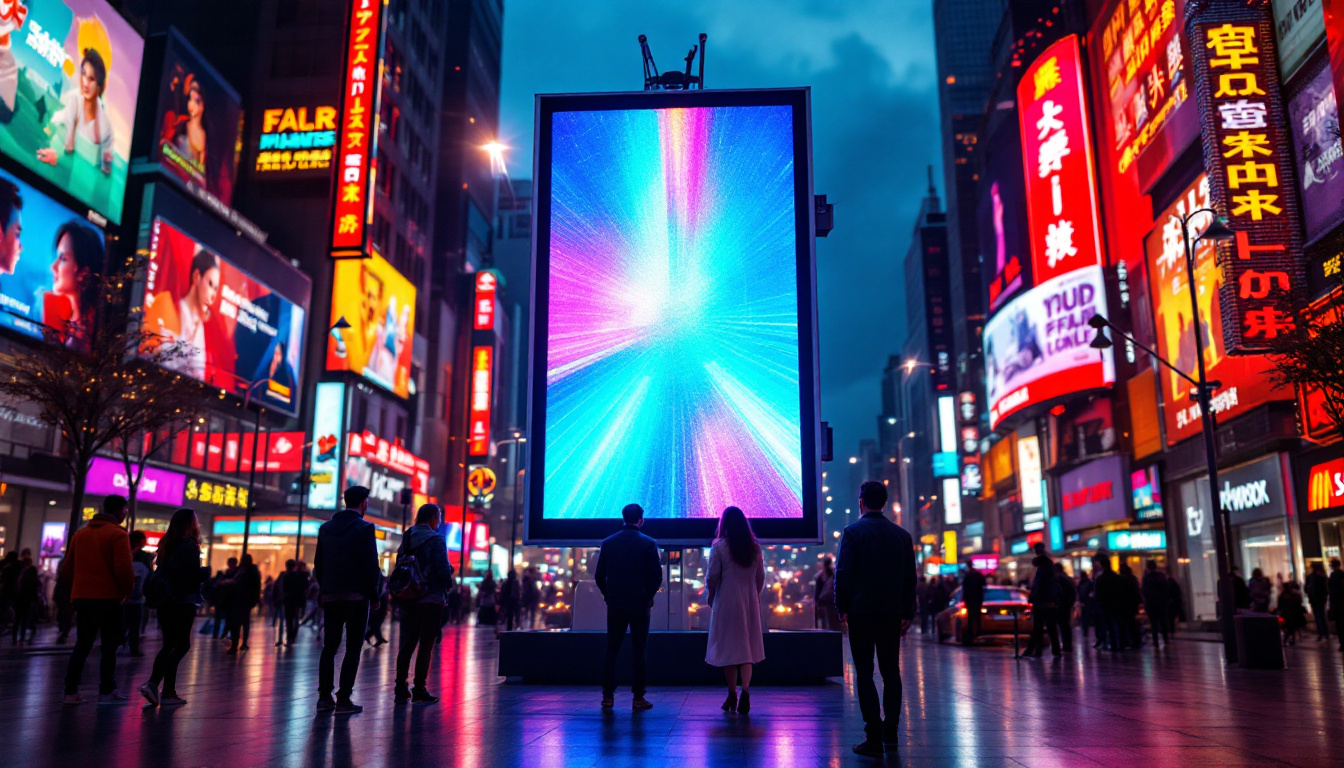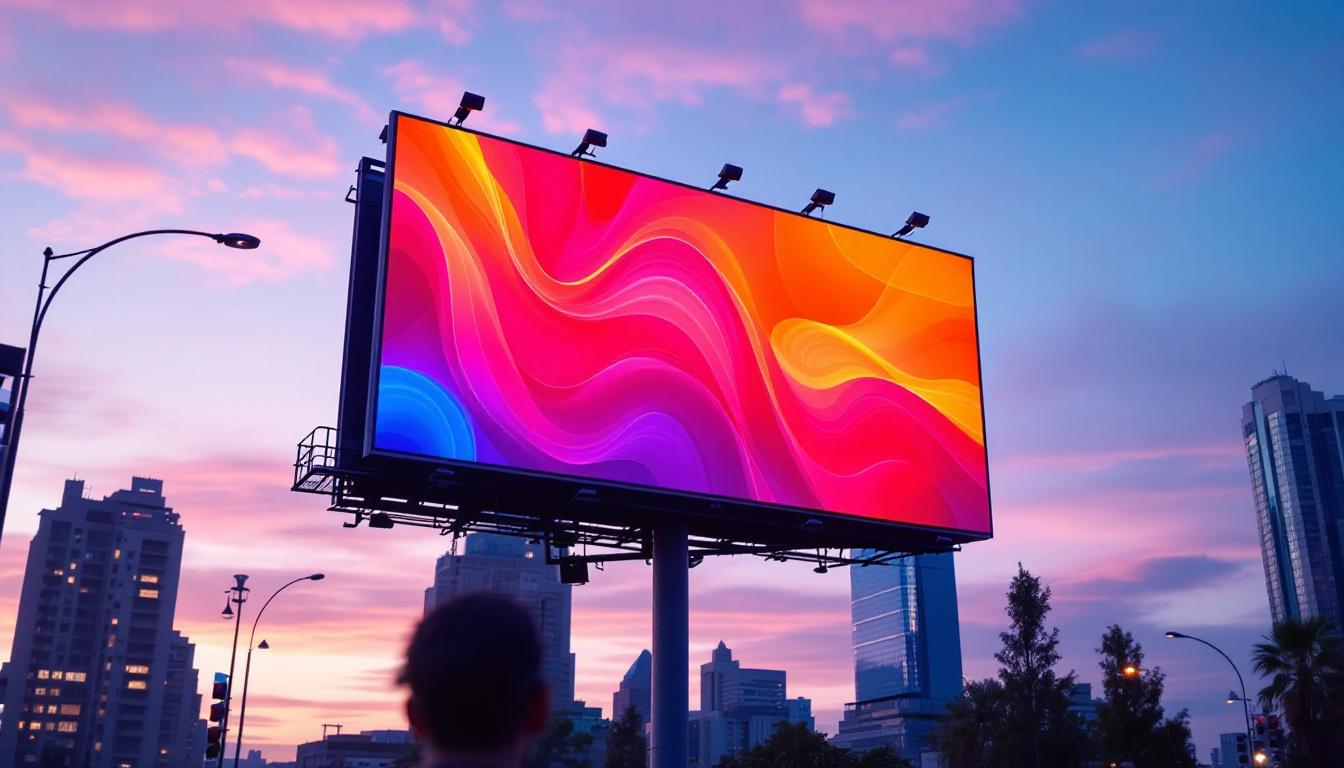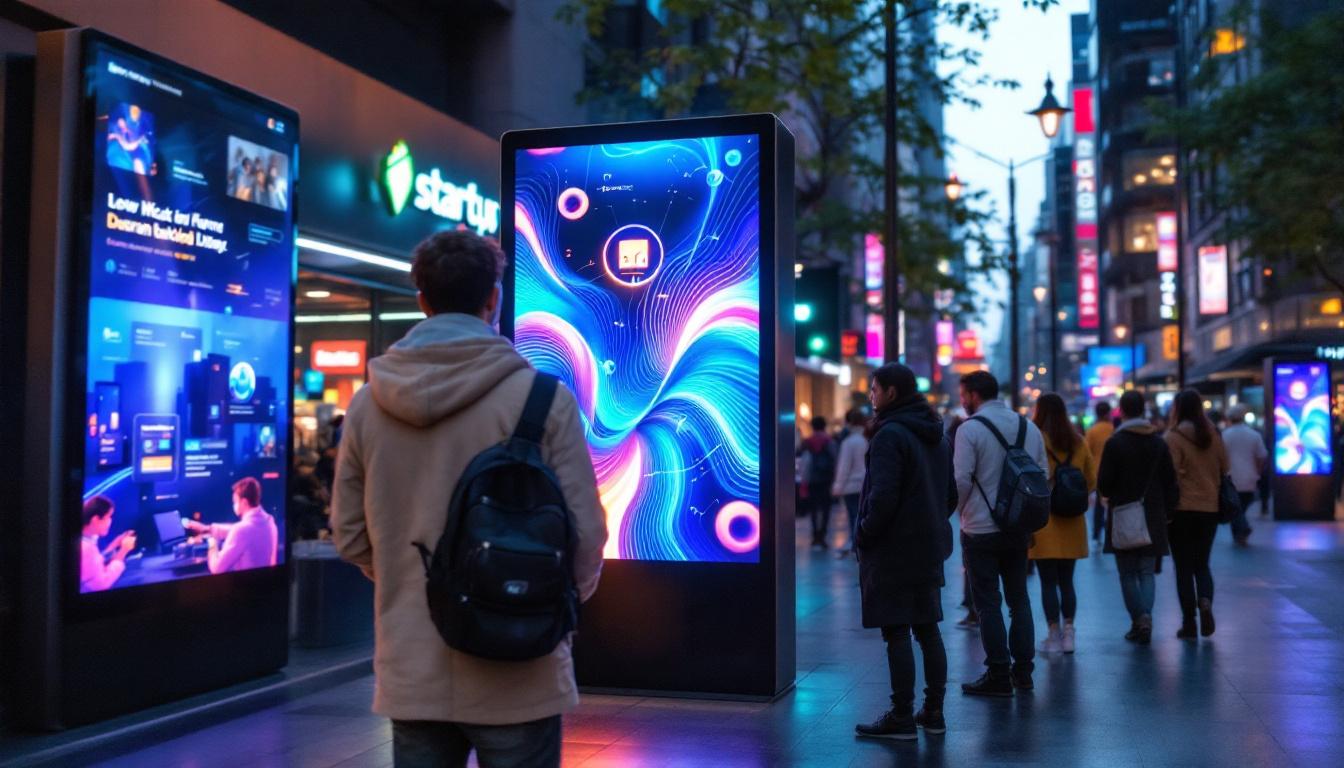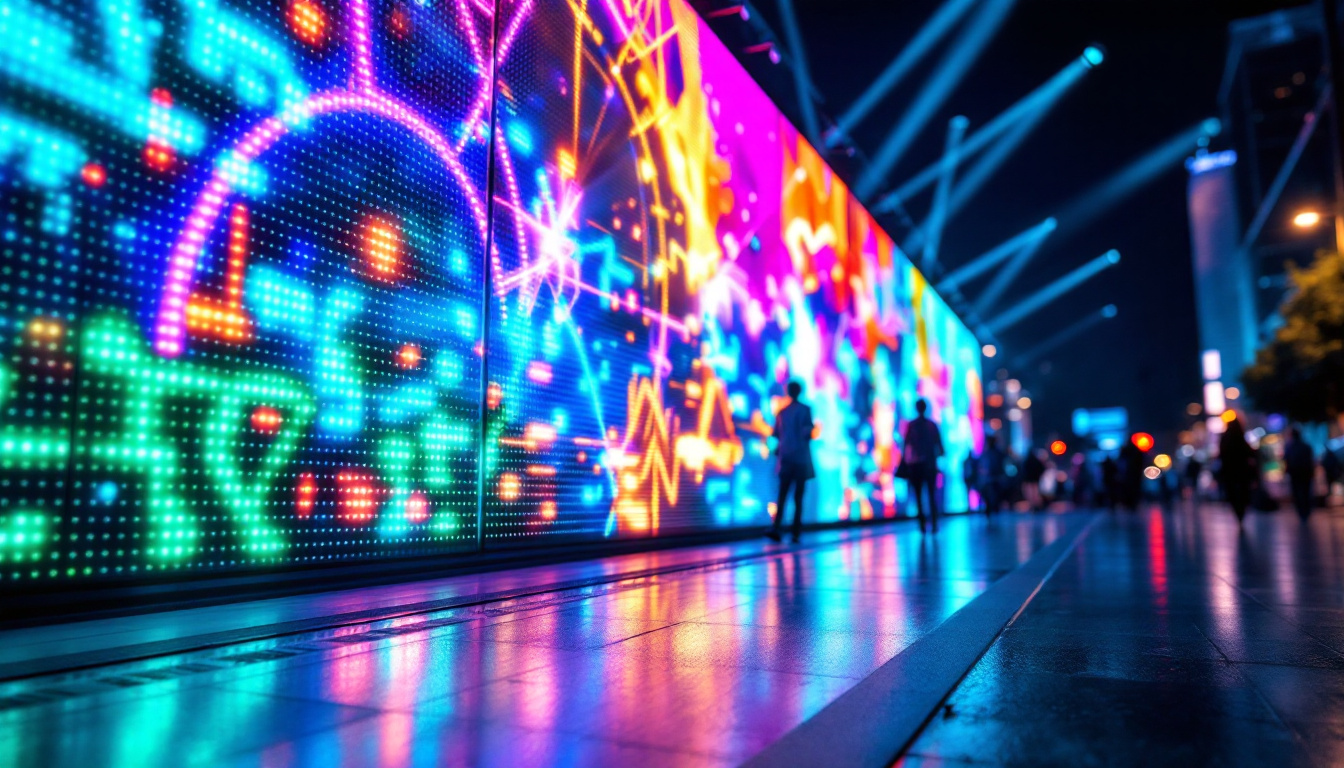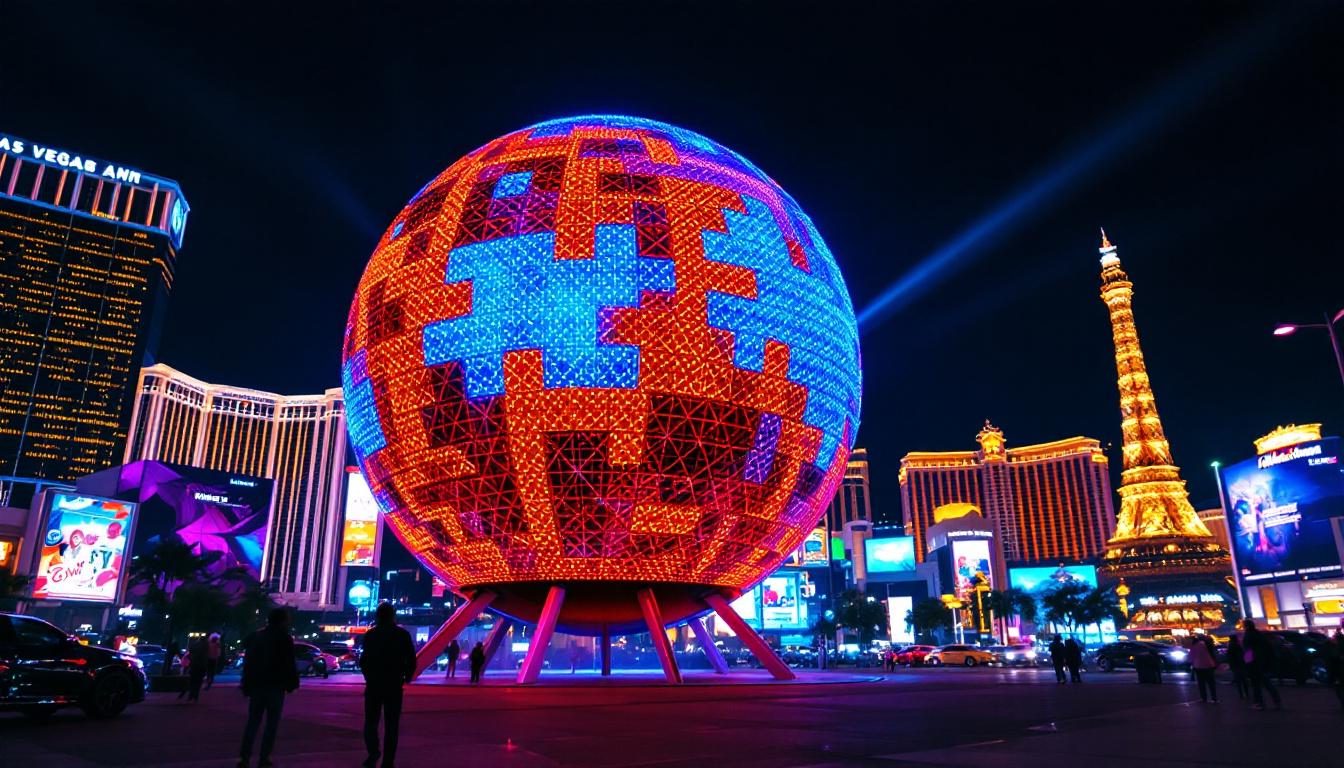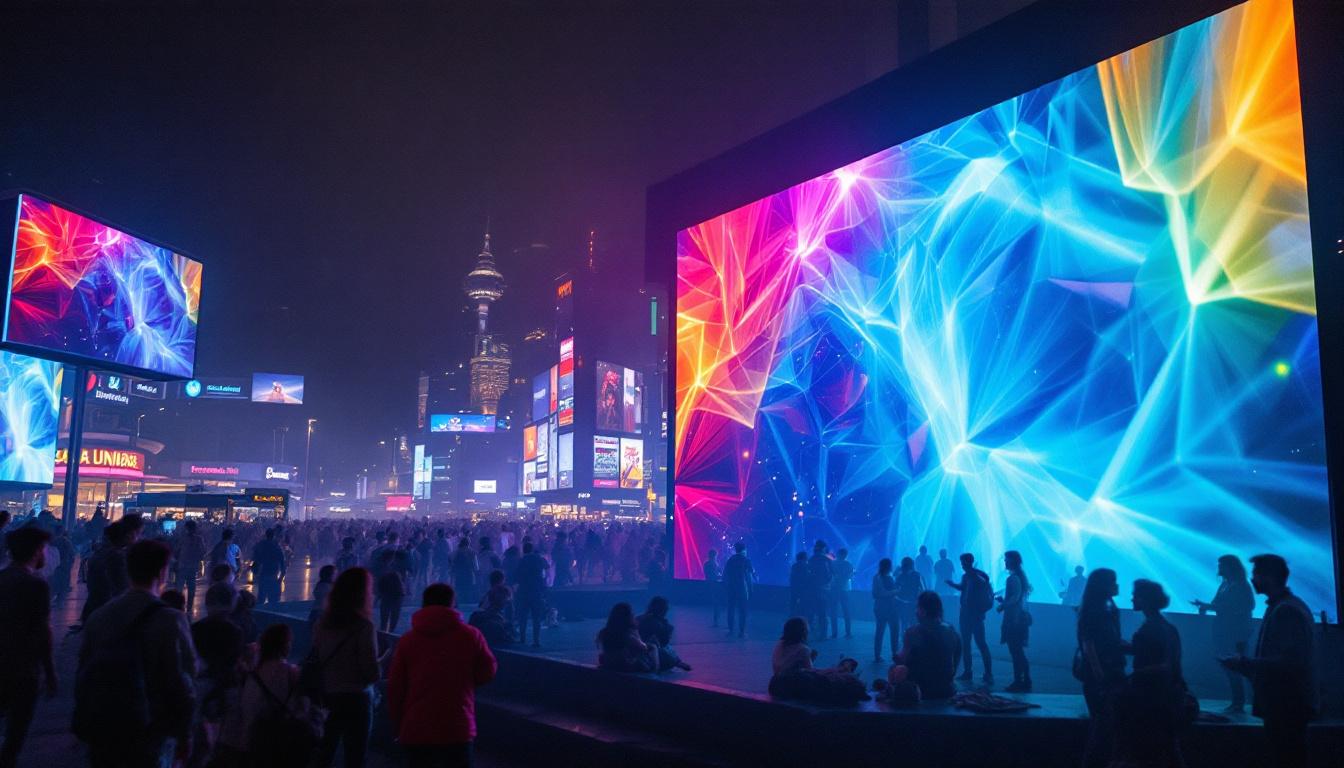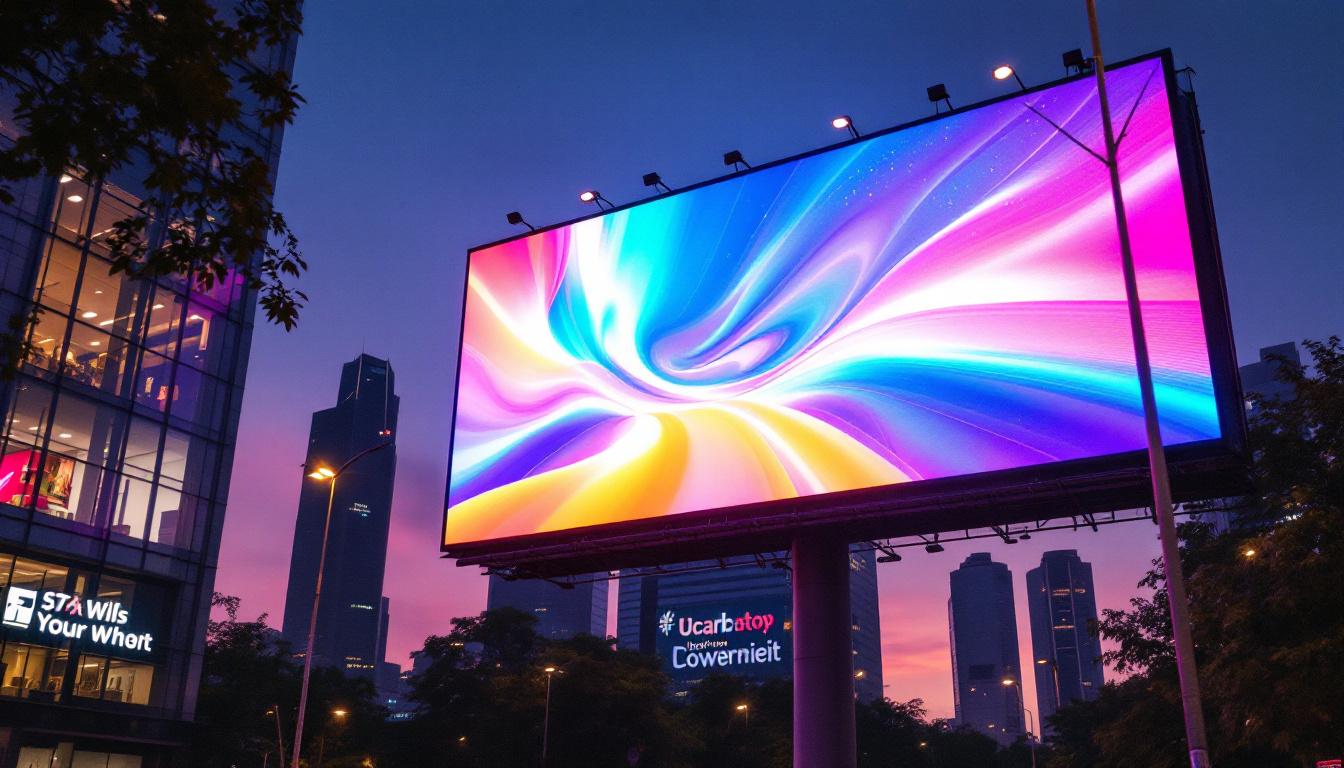
In today’s fast-paced advertising landscape, digital billboards have revolutionized the way brands communicate with audiences. Central to this transformation is the LED display technology powering these vibrant, dynamic screens. This article delves into the world of digital billboard screens, explaining what LED displays are, how they work, and why they have become the preferred choice for outdoor advertising globally.
Understanding LED Display Technology
What Is an LED Display?
LED stands for Light Emitting Diode, a semiconductor device that emits light when an electric current passes through it. An LED display is a flat panel that uses an array of these tiny LEDs as pixels to create images, videos, and text. Unlike traditional billboards that rely on static printed materials, LED displays offer dynamic content that can be updated remotely and instantly. This flexibility allows advertisers to tailor their messages to specific audiences or events, making them highly effective for marketing campaigns.
LED displays are composed of thousands to millions of individual LEDs arranged in a grid. Each LED can emit red, green, or blue light, and by adjusting their intensity, the display can produce a full spectrum of colors. This capability allows for bright, high-resolution images that remain visible even in direct sunlight. Additionally, advancements in LED technology have led to improved energy efficiency and longer lifespans, making them a more sustainable choice for businesses looking to reduce their environmental footprint.
Types of LED Displays Used in Billboards
There are several types of LED displays employed in digital billboards, primarily categorized by their pixel pitch—the distance between the centers of two adjacent LEDs. Smaller pixel pitches result in higher resolution and sharper images but are typically more expensive. As the technology continues to evolve, new innovations are emerging, such as microLED and miniLED displays, which promise even greater resolution and color accuracy, further enhancing the visual experience for viewers.
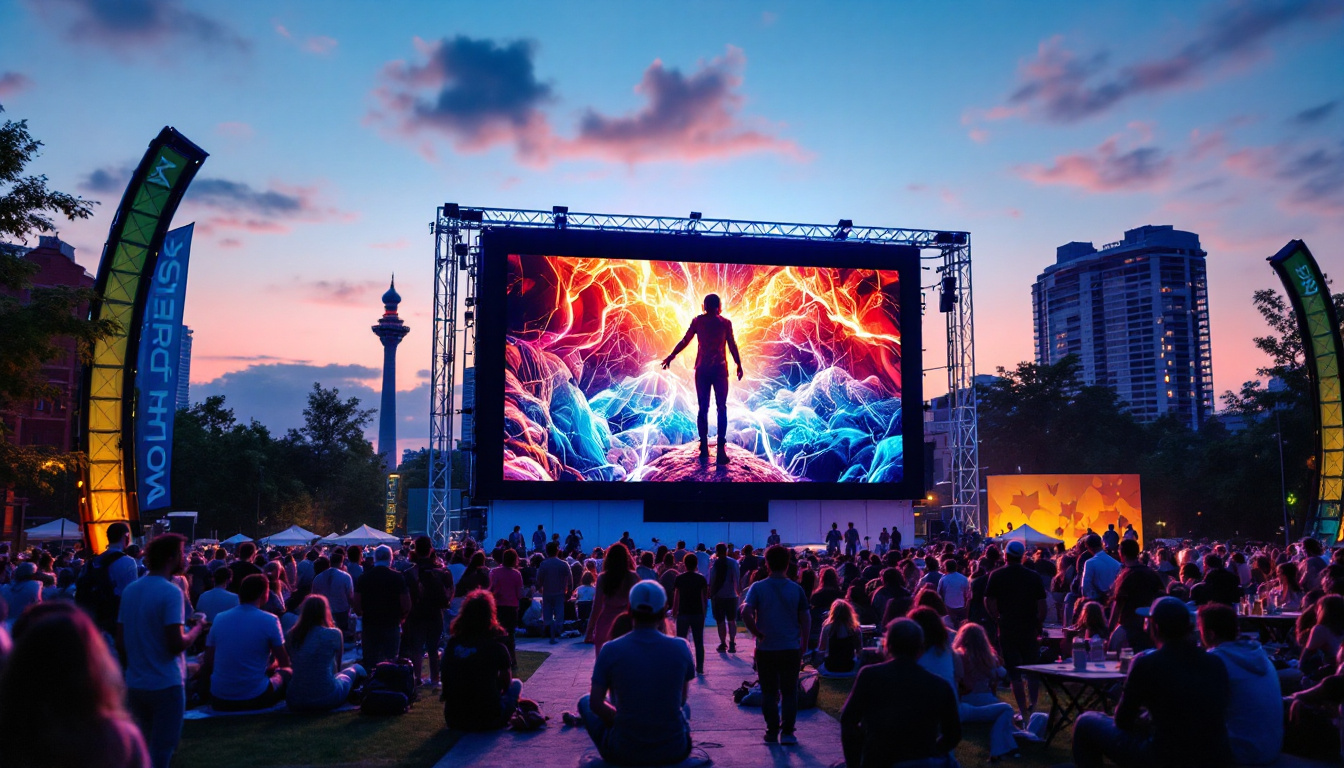
- Outdoor LED Displays: Designed to withstand harsh weather conditions, these displays have higher brightness levels, often exceeding 5,000 nits, to ensure visibility under direct sunlight. They are commonly used in urban environments where they can attract the attention of pedestrians and drivers alike.
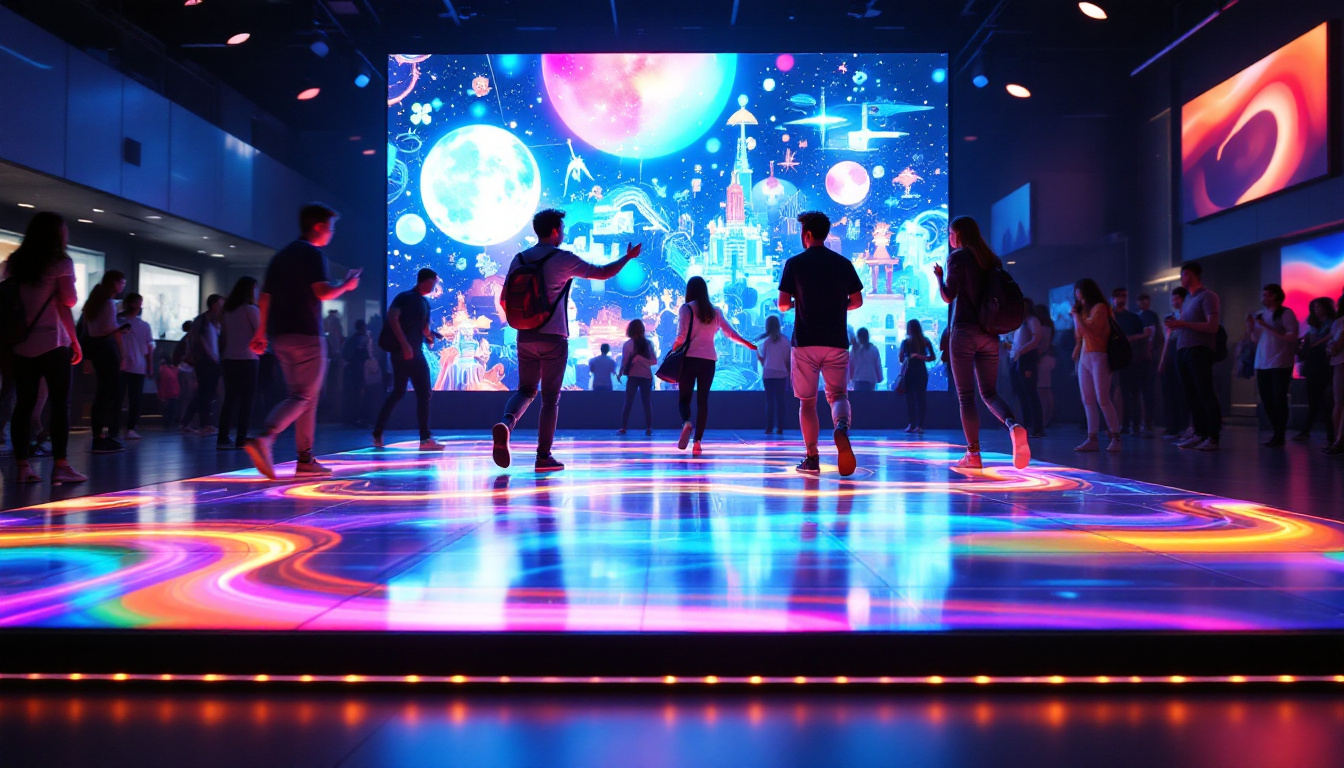
- Indoor LED Displays: With lower brightness requirements, these are used for indoor advertising and events but are less common in billboard applications. They offer a more immersive experience in venues such as shopping malls, airports, and sports arenas, where close viewing distances are typical.
- Fine Pitch LED Displays: Featuring pixel pitches as low as 1mm, these are used for close viewing distances but are less common for large outdoor billboards due to cost. Their high resolution makes them ideal for applications like control rooms, broadcast studios, and high-end retail environments where image clarity is paramount.
In addition to pixel pitch, the technology behind LED displays also includes advancements in color calibration and processing capabilities. Modern LED displays can utilize sophisticated algorithms to ensure consistent color reproduction across the entire screen, which is crucial for maintaining brand integrity in advertising. Furthermore, many displays are now equipped with sensors that adjust brightness based on ambient light conditions, optimizing visibility while conserving energy. This level of technological integration not only enhances the visual appeal but also contributes to the overall efficiency of the display system.
How Digital Billboard Screens Work
Pixel Structure and Color Mixing
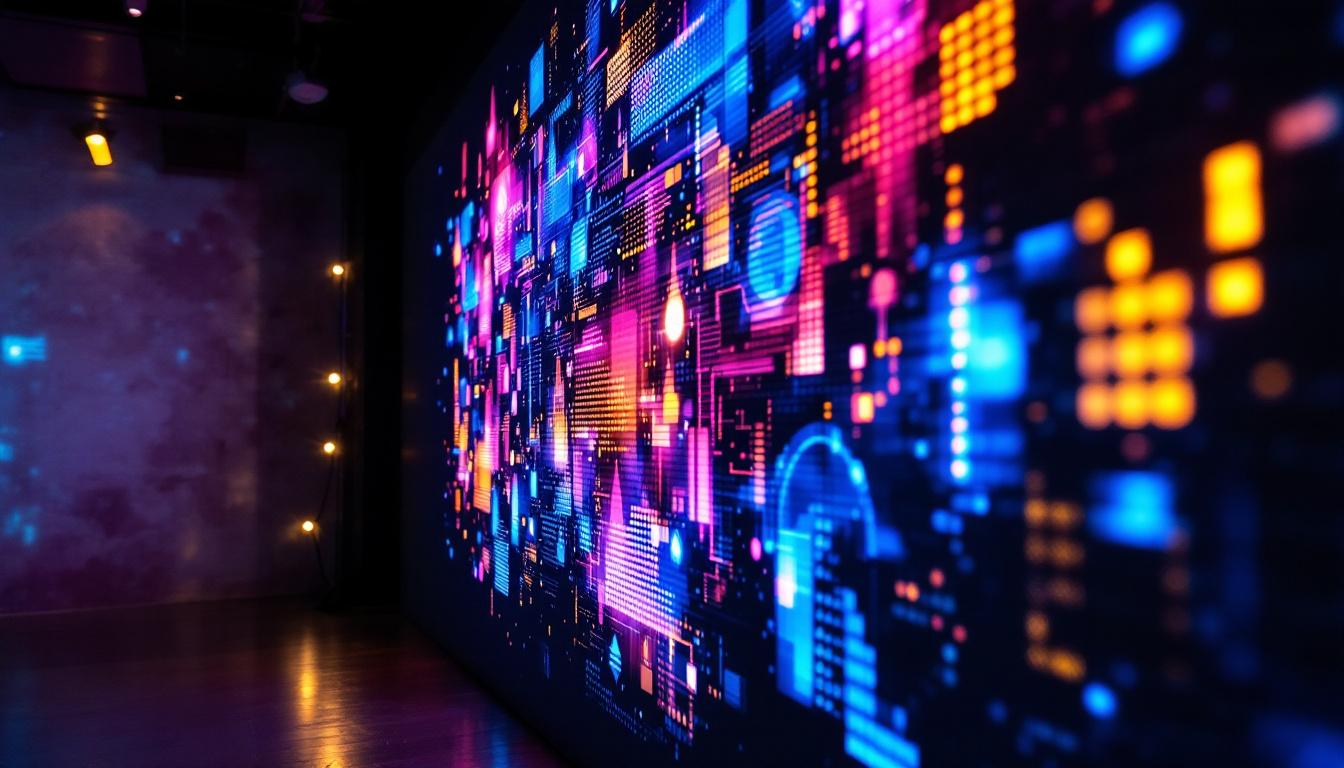
Each pixel on an LED billboard typically consists of three LEDs: one red, one green, and one blue (RGB). By varying the brightness of each LED, the pixel can produce a wide range of colors through additive color mixing. This process enables the display to render complex images, videos, and animations with vivid color accuracy.
The human eye perceives these combined lights as a single color. Advanced LED displays use sophisticated control systems to manage the intensity of each LED, ensuring smooth gradients and lifelike images that capture attention effectively. Furthermore, the arrangement of these pixels is crucial; they are often packed closely together to create a high pixel density, which enhances the resolution of the display. This high resolution is particularly important for close viewing distances, where viewers can appreciate the intricate details of the content being displayed, making it ideal for urban environments where foot traffic is high.
Brightness and Visibility
One of the key advantages of LED billboards is their exceptional brightness. Outdoor LED displays often reach brightness levels between 5,000 and 10,000 nits, far surpassing traditional LCD or projection-based billboards. This ensures that content remains visible and vibrant even in direct sunlight or adverse weather conditions.
Additionally, modern LED billboards incorporate ambient light sensors that automatically adjust brightness levels throughout the day. This feature not only enhances visibility but also reduces power consumption and minimizes light pollution during nighttime hours. The ability to adapt to changing light conditions is particularly beneficial in urban settings, where the contrast between day and night can be stark. Some advanced systems even allow for dynamic content adjustments based on the time of day, ensuring that advertisements are tailored to the audience’s viewing conditions, thus maximizing engagement and effectiveness.
Control Systems and Content Management
Digital billboard screens are connected to sophisticated control systems that manage content delivery. These systems allow advertisers to schedule multiple advertisements, display real-time updates, or even integrate interactive elements such as social media feeds or live event coverage.
Content can be updated remotely via cloud-based platforms, enabling rapid changes without the need for physical intervention. This flexibility is invaluable for time-sensitive campaigns, emergency alerts, or location-specific promotions. Moreover, many control systems come equipped with analytics capabilities, allowing advertisers to track viewer engagement and optimize content based on performance metrics. This data-driven approach not only enhances the effectiveness of advertising strategies but also provides valuable insights into audience behavior, enabling brands to refine their messaging and reach their target demographics more effectively. The integration of such technology signifies a shift towards more intelligent advertising solutions, where real-time data plays a pivotal role in shaping marketing strategies.
Advantages of LED Digital Billboards
Dynamic and Engaging Content
Unlike static billboards, LED digital screens enable advertisers to display multiple messages in rotation, incorporate animations, and use video content. This dynamic capability significantly increases viewer engagement and recall rates. Studies have shown that digital billboards can boost brand awareness by up to 47% compared to traditional static billboards.
Cost-Effectiveness Over Time
While the initial investment for LED digital billboards is higher than traditional billboards, the long-term benefits often outweigh the costs. The ability to update content instantly eliminates printing and installation expenses associated with static billboards. Moreover, digital billboards can generate higher revenue by selling multiple ad slots throughout the day.
Environmental Impact
LED technology is energy-efficient compared to older lighting technologies. Modern LED billboards consume less power while delivering brighter images. Additionally, the reduction in printed materials lowers waste production, contributing to more sustainable advertising practices.
Enhanced Targeting and Flexibility
Digital billboards can be programmed to display different advertisements based on time of day, weather conditions, or audience demographics. For example, a billboard near a sports stadium might show promotions for upcoming games during event days and switch to restaurant ads during off-hours. This level of targeting increases the effectiveness of advertising campaigns.
Challenges and Considerations in LED Billboard Deployment
Initial Costs and Maintenance
The upfront cost of installing LED digital billboards can be substantial, including hardware, software, and installation expenses. Additionally, maintenance is crucial to ensure the longevity and performance of the display. Components such as power supplies, LEDs, and control systems require periodic inspection and replacement.
However, advances in LED technology and economies of scale are gradually reducing these costs, making digital billboards more accessible to a wider range of advertisers.
Regulatory and Zoning Restrictions
Many municipalities regulate the use of digital billboards due to concerns about light pollution, driver distraction, and aesthetic impact. Regulations may dictate brightness limits, content restrictions, and operating hours. Advertisers and display operators must work closely with local authorities to ensure compliance.
Technical Challenges
Ensuring consistent color accuracy and brightness across large LED panels can be technically demanding. Environmental factors such as temperature fluctuations, humidity, and dust can affect performance. High-quality LED displays incorporate weatherproofing and advanced calibration systems to mitigate these issues.
Future Trends in LED Digital Billboard Technology
Higher Resolution and Pixel Density
As LED technology advances, pixel pitches continue to shrink, enabling ultra-high-definition billboards. This trend allows for more detailed and immersive visuals, even at close viewing distances. The adoption of micro-LED technology is expected to further enhance brightness, efficiency, and lifespan.
Integration with Smart Technologies
Digital billboards are increasingly integrating with smart city infrastructure and Internet of Things (IoT) devices. This connectivity enables real-time data-driven advertising, such as displaying traffic updates, weather alerts, or personalized ads based on audience analytics.
Interactive and Augmented Reality Features
Emerging technologies are enabling interactive digital billboards that engage viewers through touch, motion sensors, or augmented reality (AR). These innovations create immersive brand experiences that can significantly boost consumer engagement and memorability.
Conclusion
LED digital billboard screens represent a significant leap forward in outdoor advertising, combining technological innovation with creative flexibility. Their ability to deliver bright, dynamic, and targeted content makes them an invaluable tool for marketers seeking to capture attention in a crowded media environment.
While challenges such as cost and regulatory compliance exist, ongoing advancements in LED technology and smart integration promise to make digital billboards even more effective and accessible. As the advertising industry continues to evolve, LED displays will undoubtedly remain at the forefront of visual communication.
Illuminate Your Brand with LumenMatrix
Ready to elevate your advertising strategy and immerse audiences in unparalleled visual experiences? LumenMatrix is at the forefront of LED display innovation, offering a comprehensive range of solutions tailored to your unique needs. From Indoor and Outdoor LED Wall Displays to specialized options like Vehicle, Sports, and Floor LED Displays, our technology is designed to make your brand shine. Discover the transformative power of our Custom, All-in-One, and LED Transparent Displays, and see how LumenMatrix can redefine the way you communicate visually. Check out LumenMatrix LED Display Solutions today and step into the future of dynamic and impactful advertising.