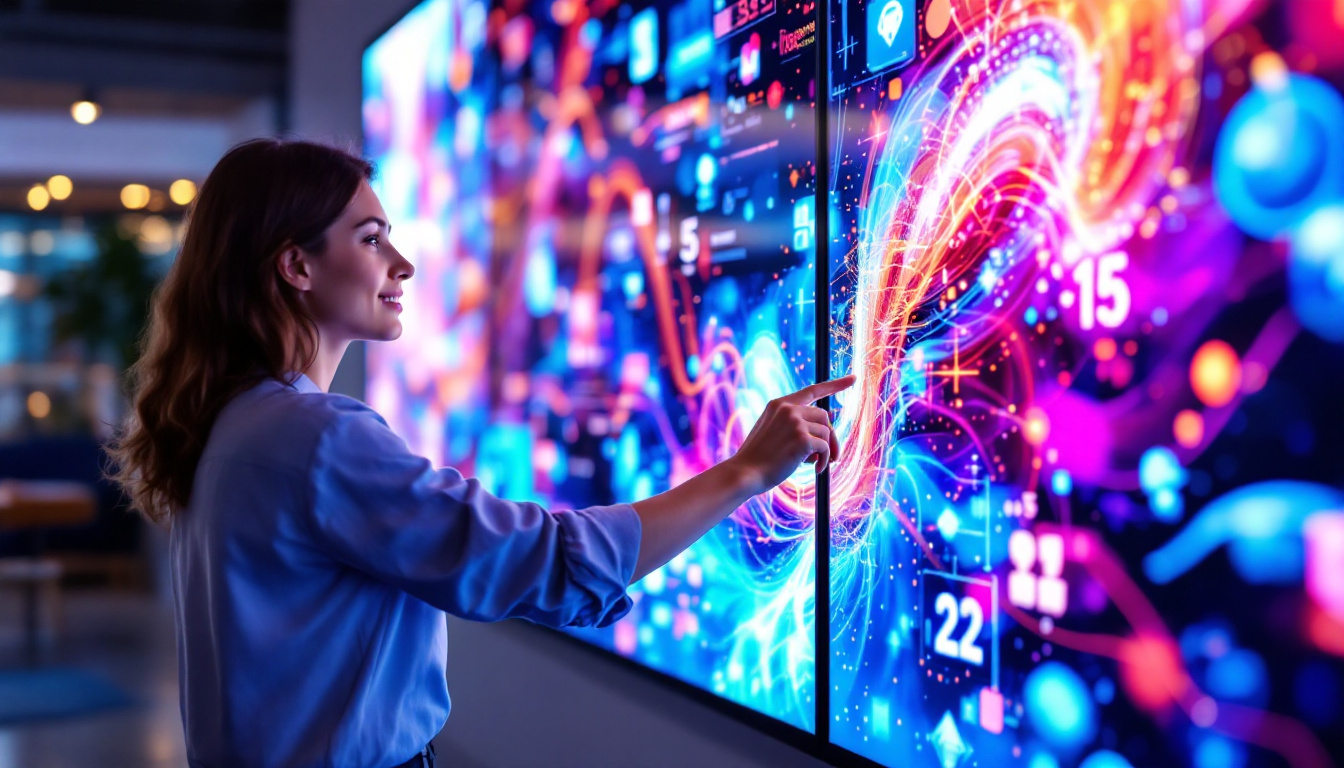
When it comes to choosing a screen size for your home theater, conference room, or digital signage, the dimensions and visual impact of the display are critical considerations. A 120 inch screen is often touted as a premium size, offering an immersive viewing experience that can transform any space. But what does a 120 inch screen really mean in terms of physical size, viewing experience, and practical applications? This article dives deep into the specifics of a 120 inch LED display, breaking down its dimensions, advantages, and ideal use cases.
Understanding Screen Size: What Does 120 Inch Mean?
Diagonal Measurement Explained
Screen sizes are typically measured diagonally from one corner to the opposite corner. When a screen is described as 120 inches, it means the diagonal length of the display is 120 inches. This measurement is standard across all types of screens, including LED, LCD, OLED, and projector screens.
To put this into perspective, 120 inches is equivalent to 10 feet diagonally. This large size allows for a much more immersive viewing experience, especially in larger rooms or venues where viewers are seated at a distance. The impact of such a screen size can transform a typical movie night into a cinematic experience, making viewers feel as though they are part of the action. Additionally, for presentations or gaming, a larger screen can enhance visibility and engagement, ensuring that every detail is captured and appreciated by the audience.
Width and Height Dimensions
The diagonal measurement alone doesn’t give the full picture of the screen’s size. The width and height depend on the aspect ratio of the display. The most common aspect ratio for LED screens and televisions today is 16:9 (widescreen), which means the width is 16 units for every 9 units of height.
For a 120 inch screen with a 16:9 aspect ratio, the approximate dimensions are:
- Width: 104.6 inches (about 8.7 feet)
- Height: 58.8 inches (about 4.9 feet)
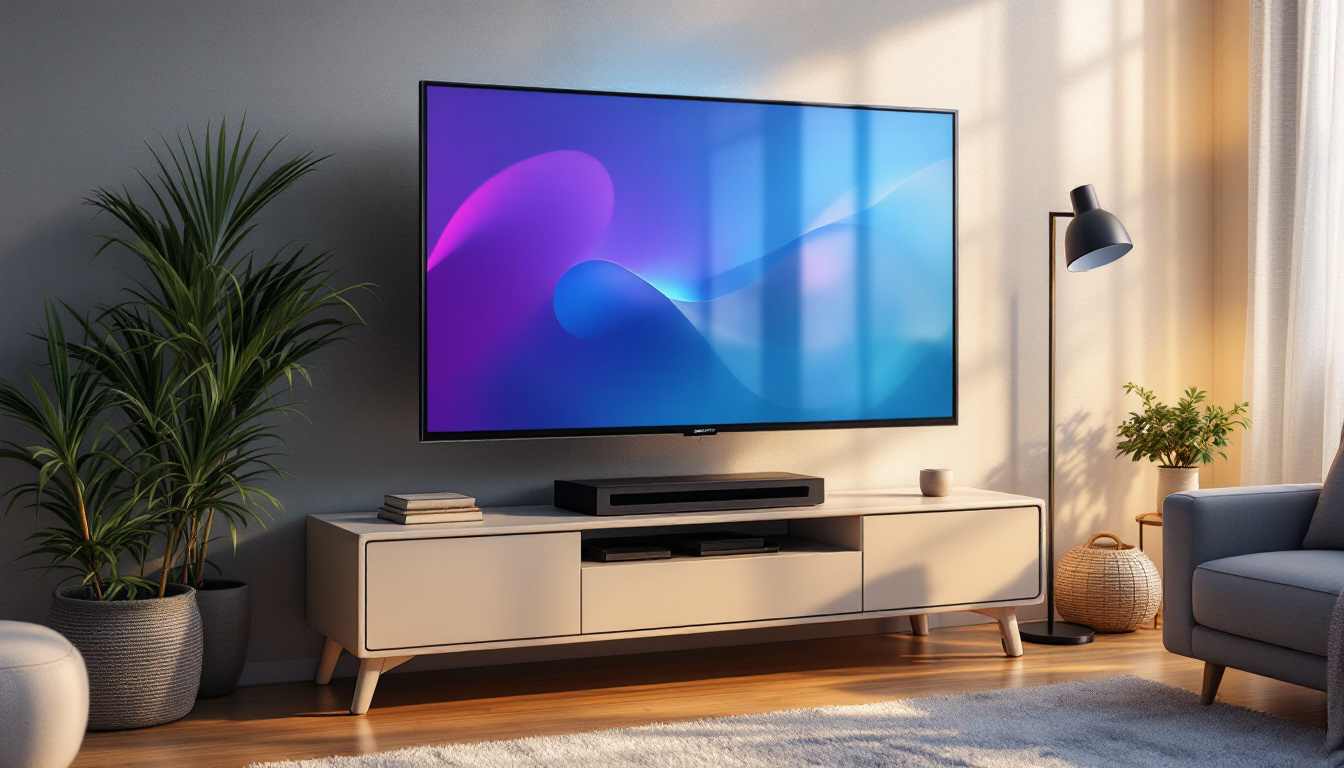
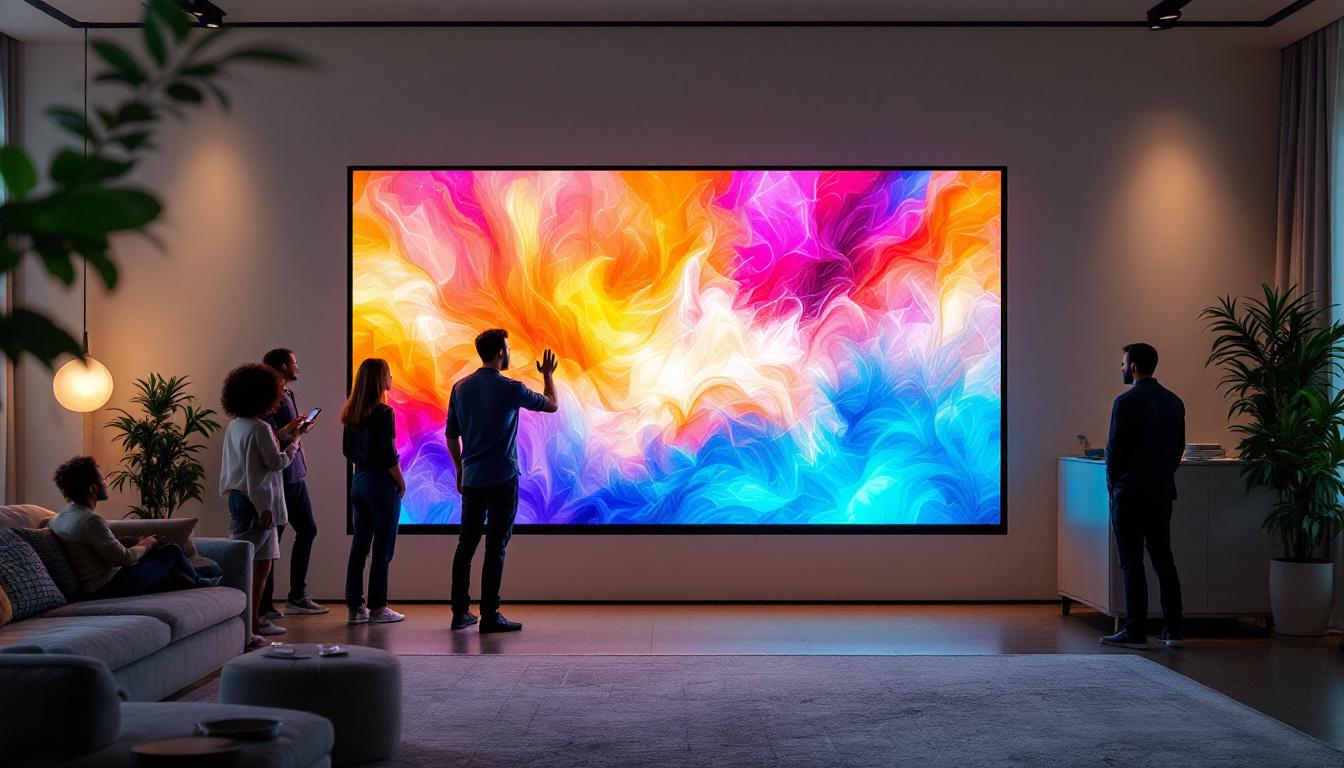
These dimensions make the screen large enough to be the focal point in a room, whether it’s a home theater, auditorium, or outdoor event. In a home setting, such a screen can be paired with high-quality sound systems to create a truly immersive environment, allowing families and friends to enjoy movies, sports, or video games together. Moreover, in commercial settings, such as conference rooms or classrooms, a 120-inch screen can facilitate effective communication and collaboration, making it easier to share information and ideas with a larger audience. The ability to display high-definition content on such a large scale can significantly enhance presentations and discussions, making them more engaging and impactful.
The Advantages of a 120 Inch LED Display
Immersive Viewing Experience
One of the primary reasons to opt for a 120 inch LED display is the immersive experience it offers. Larger screens fill more of the viewer’s field of vision, which enhances engagement and reduces distractions. This is particularly beneficial for movie watching, gaming, and presentations where detail and clarity matter.
According to the Society of Motion Picture and Television Engineers (SMPTE), the ideal viewing angle for cinematic experiences is about 30 degrees. A 120 inch screen allows viewers to sit at an optimal distance and still enjoy this immersive angle, making it perfect for dedicated home theaters or commercial cinemas.
Superior Brightness and Color Accuracy
LED displays are known for their brightness and vivid color reproduction. Unlike traditional LCDs that rely on backlighting, LED screens emit light directly from each pixel, resulting in higher contrast ratios and more vibrant colors. This is especially important for large screens where image quality can degrade if the display technology is subpar.
A 120 inch LED display can maintain consistent brightness across the entire surface, even in well-lit environments. This makes it suitable for conference rooms, retail spaces, and outdoor advertising where ambient light can be a challenge.
Durability and Longevity
LED technology offers excellent durability compared to other display types. LEDs have a longer lifespan, often exceeding 50,000 hours of use, and are less prone to burn-in or image retention. This makes a 120 inch LED display a worthwhile investment for businesses and homeowners looking for a reliable, long-term solution.
Practical Applications of a 120 Inch LED Screen
Home Theater and Entertainment
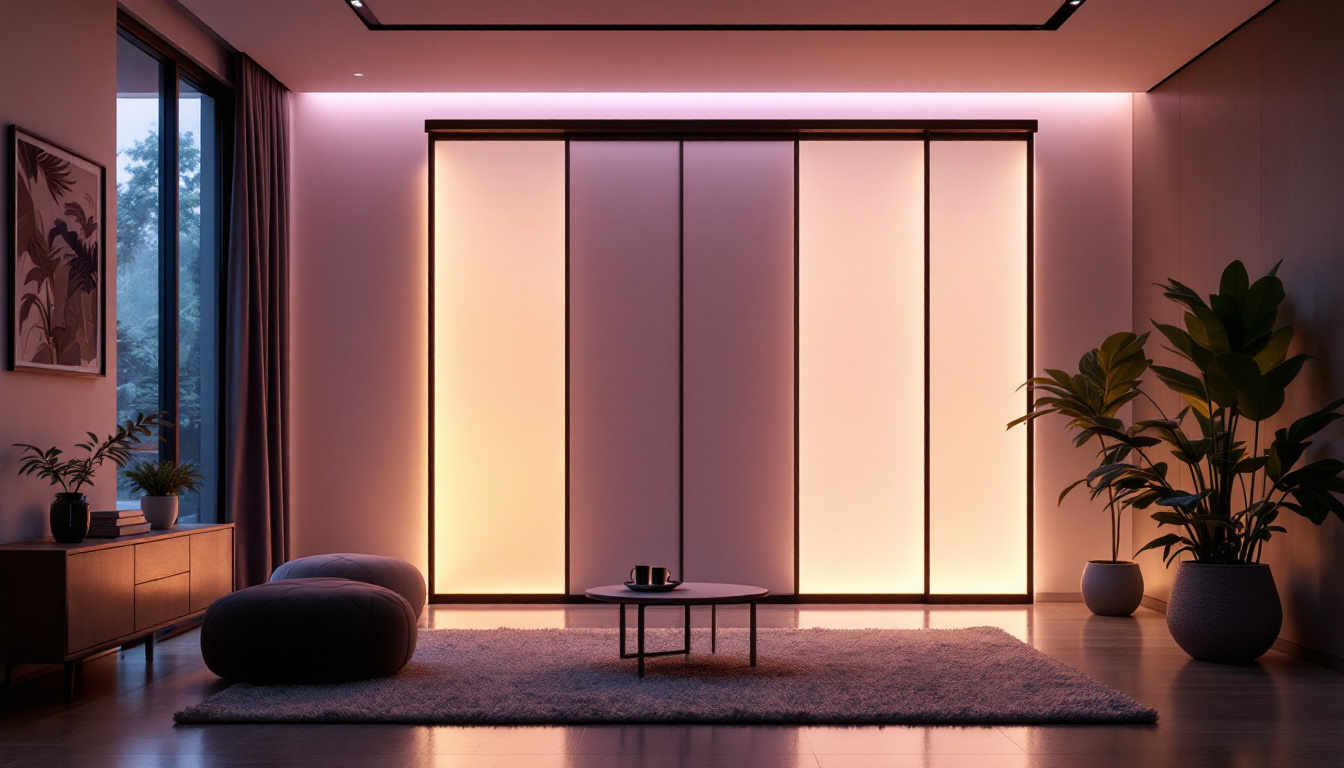
For home theater enthusiasts, a 120 inch screen can replicate the cinematic experience without leaving the comfort of home. Paired with a high-quality projector or a large LED panel, this size is ideal for large living rooms or dedicated media rooms.
When setting up a home theater with a 120 inch screen, seating distance is crucial. The recommended viewing distance is typically 1.5 to 2.5 times the diagonal screen size, meaning viewers should sit between 15 and 25 feet away to avoid eye strain and to enjoy the full visual impact.
Corporate and Educational Settings
In corporate environments, a 120 inch LED screen is often used in boardrooms, auditoriums, and training rooms. The large display ensures that presentations, video conferences, and training materials are clearly visible to all attendees, regardless of their seating position.
Educational institutions also benefit from large LED screens for lecture halls and auditoriums. The enhanced visibility and brightness help maintain audience engagement and improve comprehension during lessons and seminars.
Outdoor and Event Displays
LED technology is particularly well-suited for outdoor and event displays due to its brightness and weather resistance. A 120 inch LED screen can be used for concerts, sports events, and public gatherings to broadcast live footage, advertisements, or informational content.
These displays are designed to withstand varying weather conditions and provide clear visibility even in direct sunlight, making them a versatile choice for temporary or permanent installations.
Comparing 120 Inch Screens to Other Sizes
120 Inch vs. 100 Inch Screens
While a 100 inch screen is already considered large, upgrading to a 120 inch screen increases the diagonal measurement by 20%, which translates to a roughly 44% increase in screen area. This additional space can significantly enhance the viewing experience, especially in larger rooms.
However, the choice between 100 and 120 inches should consider room size and seating distance. A screen that is too large for the space can cause discomfort and reduce image quality perception.
120 Inch vs. 150 Inch Screens
Moving up to a 150 inch screen provides an even more dramatic visual impact, but it also requires a much larger room and greater investment. The 150 inch screen’s width and height can exceed 13 feet and 7 feet respectively, which may not be practical for most residential settings.
For commercial venues or large auditoriums, a 150 inch screen might be justified, but for typical home or office environments, 120 inches strikes a good balance between size and usability.
Installation Considerations for a 120 Inch LED Display
Space Requirements and Viewing Distance
Before purchasing a 120 inch LED screen, it’s essential to evaluate the space where it will be installed. The room should accommodate the screen’s width and height comfortably, with enough clearance for ventilation and maintenance access.
Viewing distance is equally important. Sitting too close can cause eye strain and make it difficult to take in the entire screen, while sitting too far diminishes the immersive effect. The recommended distance for a 120 inch screen is between 15 and 25 feet, depending on the content and viewer preferences.
Mounting and Structural Support
Due to its size and weight, a 120 inch LED display requires sturdy mounting solutions. Wall mounts, ceiling rigs, or custom-built frames should be designed to support the display safely. Professional installation is often recommended to ensure proper alignment, safety, and optimal viewing angle.
Connectivity and Power Requirements
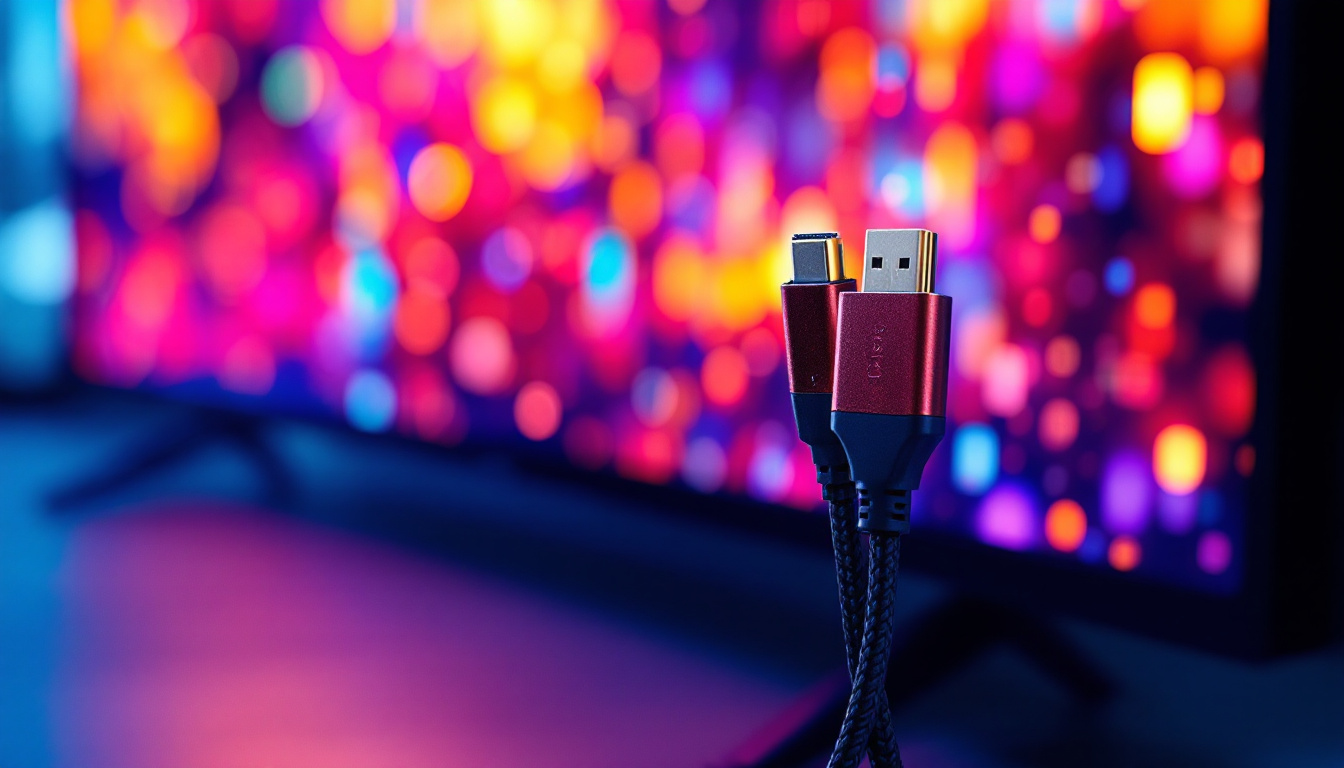
Large LED displays demand significant power and connectivity infrastructure. It’s important to plan for adequate electrical supply, cooling, and cable management. Modern LED screens often support multiple input types such as HDMI, DisplayPort, and wireless streaming, allowing for versatile content sources.
Cost Factors and Budgeting for a 120 Inch LED Display
Price Range Overview
The cost of a 120 inch LED display can vary widely depending on factors such as resolution, pixel pitch, brand, and additional features. On average, prices for high-quality 120 inch LED panels start around $15,000 and can exceed $50,000 for ultra-high-definition or specialized commercial-grade models.
It’s important to consider not just the purchase price, but also installation, maintenance, and potential upgrades when budgeting for a large LED display.
Cost vs. Value Considerations
While the upfront cost may seem high, investing in a 120 inch LED display can provide excellent value over time due to its durability, energy efficiency, and superior image quality. For businesses, the enhanced visibility and engagement can translate into better customer experiences and higher revenues.
Homeowners who prioritize cinematic quality and immersive entertainment may also find the investment worthwhile, especially when paired with complementary audio and lighting systems.
Conclusion: Is a 120 Inch LED Screen Right for You?
A 120 inch LED display offers a compelling combination of size, brightness, and image quality that can elevate viewing experiences across a variety of settings. Whether for home theaters, corporate environments, or large events, this screen size provides a balance between grandeur and practicality.
Understanding the physical dimensions, installation requirements, and cost factors is essential to making an informed decision. When chosen and installed correctly, a 120 inch LED screen can become a centerpiece of any space, delivering stunning visuals and immersive engagement for years to come.
Discover the Perfect LED Display with LumenMatrix
Ready to transform your space with a 120 inch LED screen that promises to captivate and engage? LumenMatrix, a pioneer in LED display technology, offers a diverse range of solutions tailored to your needs. From breathtaking home theaters to dynamic corporate settings and vibrant outdoor events, our LED displays are designed to deliver unparalleled visual experiences. Embrace the future of visual communication with our Indoor LED Wall Display, Outdoor LED Wall Display, and more. Check out LumenMatrix LED Display Solutions today and see your vision come to life.