Curved walls present a unique architectural challenge and opportunity when it comes to interior design and decoration. Unlike flat surfaces, curved walls require innovative solutions to effectively display art and media without distortion or awkward angles. In recent years, LED display technology has emerged as a versatile and visually stunning option for wall art on curved surfaces. This article explores how LED displays work on curved walls, the benefits they offer, and key considerations for implementing this cutting-edge solution in residential, commercial, and public spaces.
Understanding the Challenge of Curved Walls in Interior Design
Curved walls are increasingly popular in modern architecture, adding fluidity and elegance to spaces ranging from luxury homes to corporate lobbies and museums. However, traditional wall art such as framed paintings, photographs, or canvas prints can be difficult to install and appreciate on curved surfaces. The curvature can cause reflections, distortions, and viewing angle issues that detract from the visual impact of the artwork.
Moreover, standard digital displays and projection systems are typically designed for flat surfaces, making them ill-suited for curved walls. This limitation has historically restricted designers’ ability to incorporate dynamic, high-resolution visuals on these architectural features.
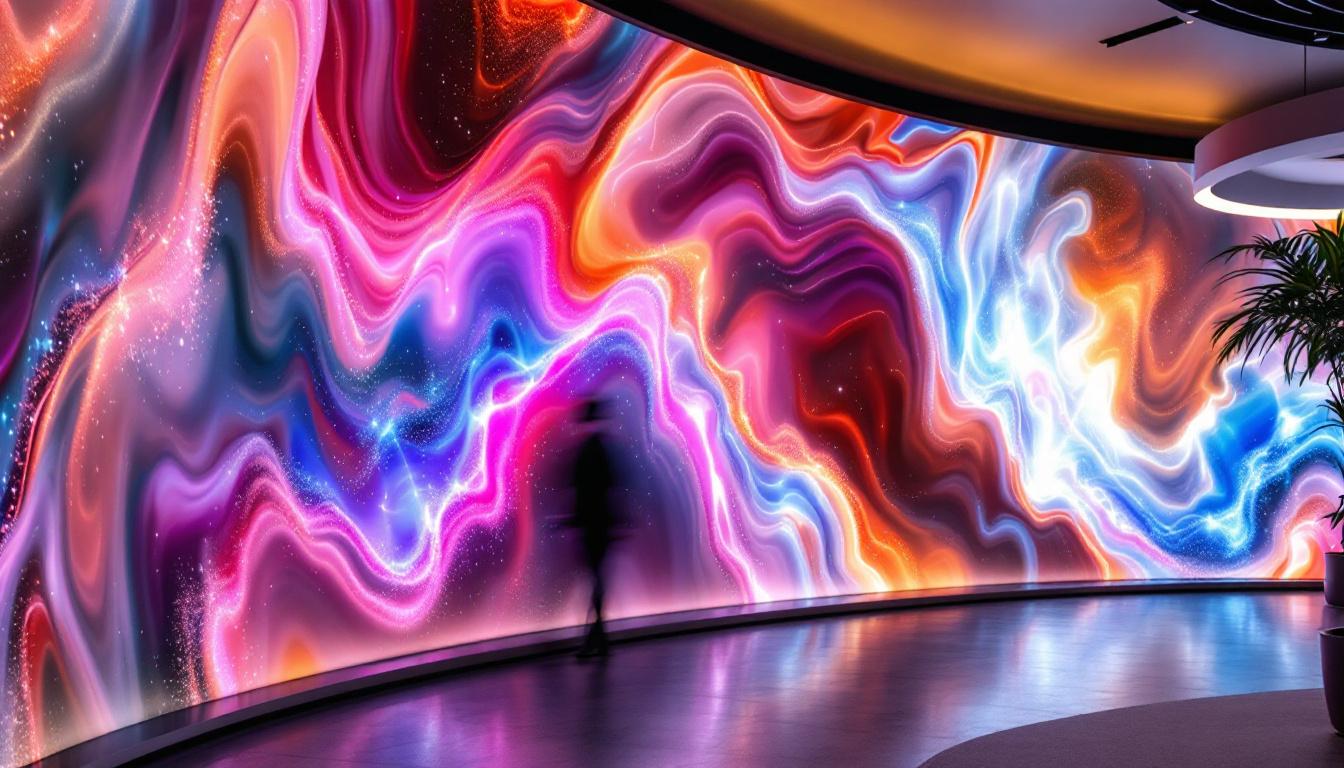
With the rise of LED technology, however, these challenges are being overcome. LED displays can be customized to fit the exact curvature of a wall, creating seamless, immersive visual experiences that enhance the aesthetic appeal of the space.
In addition to LED technology, innovative materials and design techniques are being developed to further enhance the functionality of curved walls. For instance, the use of flexible materials allows for the integration of built-in lighting that can accentuate the curves and contours of the wall, creating a more dynamic atmosphere. This lighting can be programmed to change colors or intensities, providing a versatile backdrop for various events or moods. Designers are also exploring the use of textured surfaces that can add depth and interest, transforming a simple curved wall into a striking focal point that invites interaction and engagement.
Furthermore, the incorporation of augmented reality (AR) is beginning to reshape how we perceive and interact with curved walls. By using AR applications, visitors can experience digital overlays that complement the physical space, allowing for a more interactive and personalized experience. This technology not only enhances the visual appeal but also provides an opportunity for storytelling, where the wall can narrate the history of the building or the art displayed, thereby enriching the overall visitor experience. As these advancements continue to evolve, the potential for curved walls in interior design becomes even more exciting, pushing the boundaries of creativity and functionality in architectural spaces.
What Are LED Displays and How Do They Work on Curved Surfaces?
Basics of LED Display Technology
LED (Light Emitting Diode) displays consist of an array of tiny light sources that emit bright, vibrant colors. Unlike LCD or projection systems, LEDs produce their own light, resulting in higher contrast ratios, better visibility in bright environments, and superior color accuracy. LED panels can be manufactured in various sizes and shapes, making them highly adaptable.
Each LED module contains multiple diodes arranged in a grid pattern. These modules are connected to form larger screens. The resolution and pixel pitch (distance between LEDs) determine the image quality and viewing distance suitability. For wall art applications, fine pixel pitch LEDs are often preferred to ensure crisp, detailed visuals even at close range.
Curved LED Displays: Flexible and Modular Design
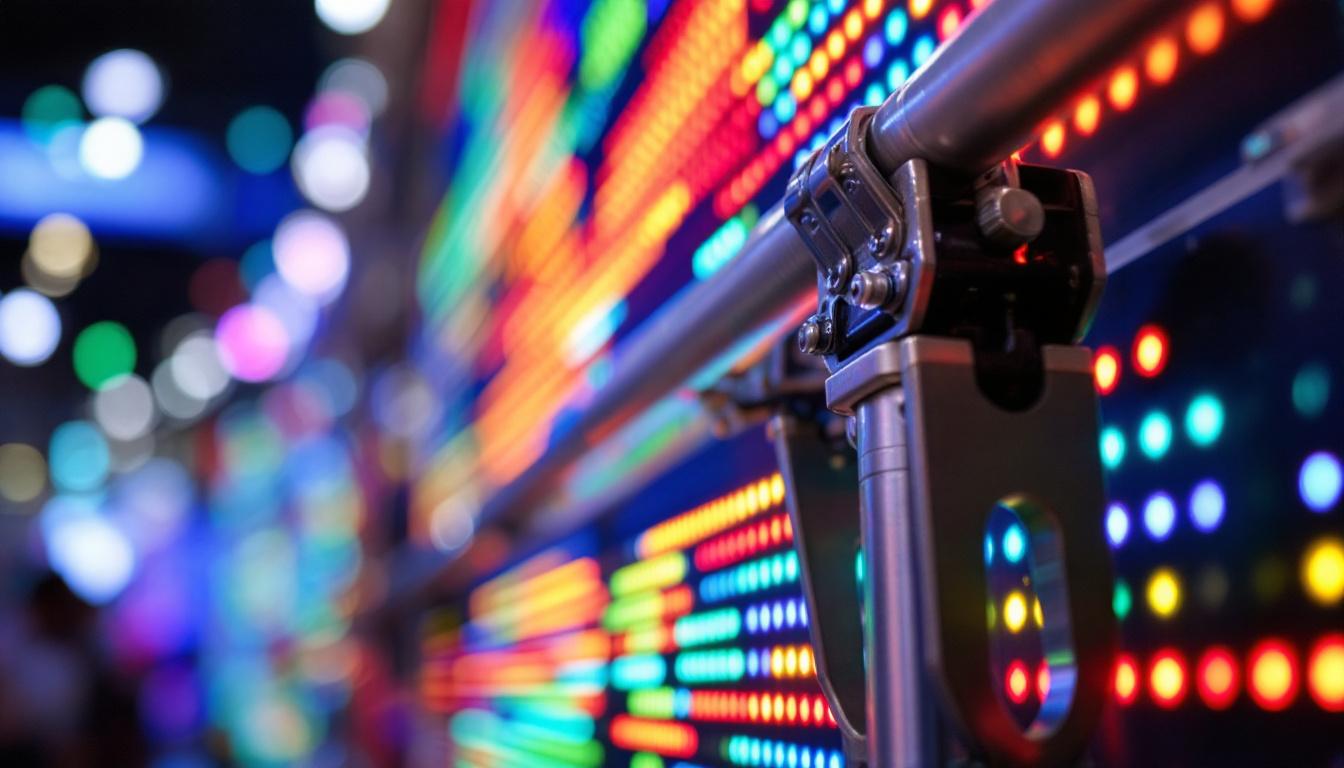
Curved LED displays are engineered to conform to non-flat surfaces through flexible or modular panel designs. Flexible LED panels use bendable circuit boards and materials that allow the screen to curve smoothly without damaging the diodes. Modular panels, on the other hand, are rigid but can be arranged in segments with slight angles between them to approximate a curve.
Manufacturers often combine these approaches to create large, seamless curved displays. The flexibility of LED technology means that displays can be custom-fabricated to match the exact radius and dimensions of a curved wall, ensuring a perfect fit and uniform image quality.
Benefits of Using LED Displays as Wall Art on Curved Walls
Immersive Visual Experience
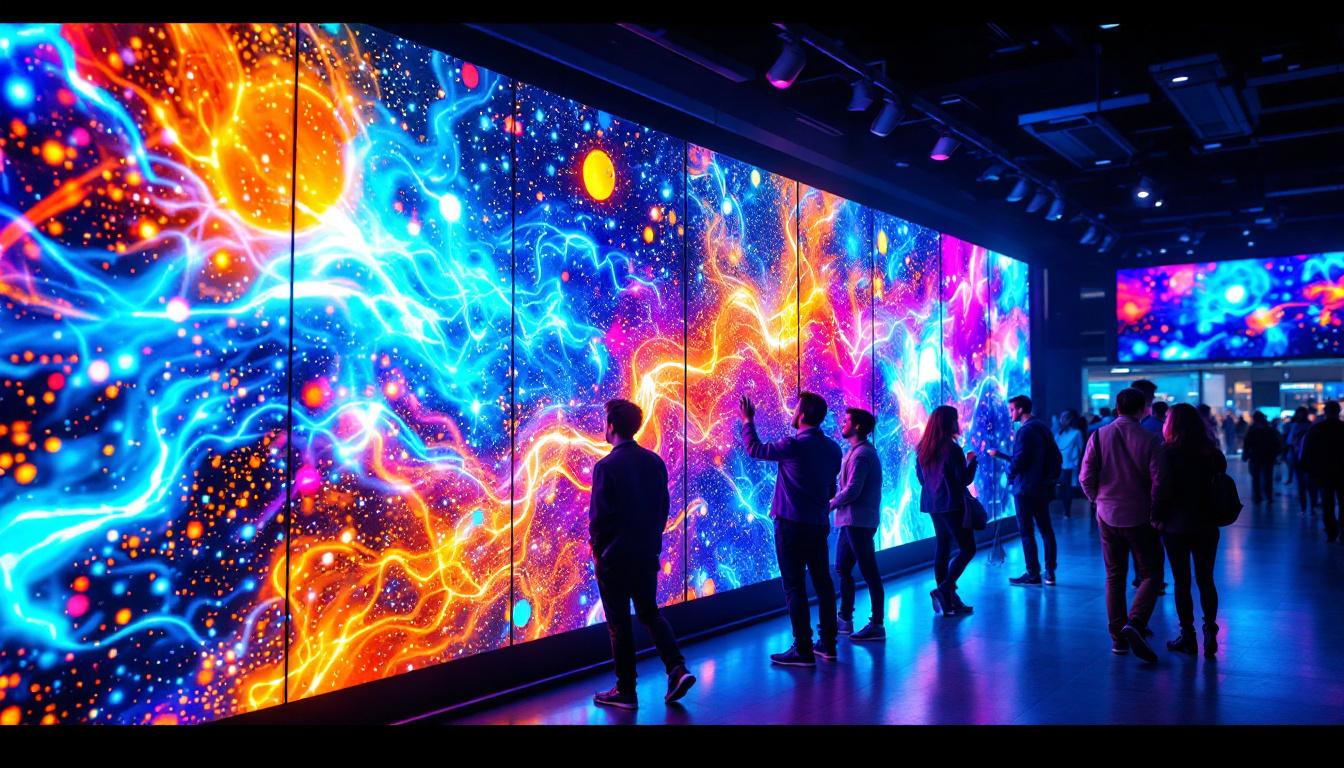
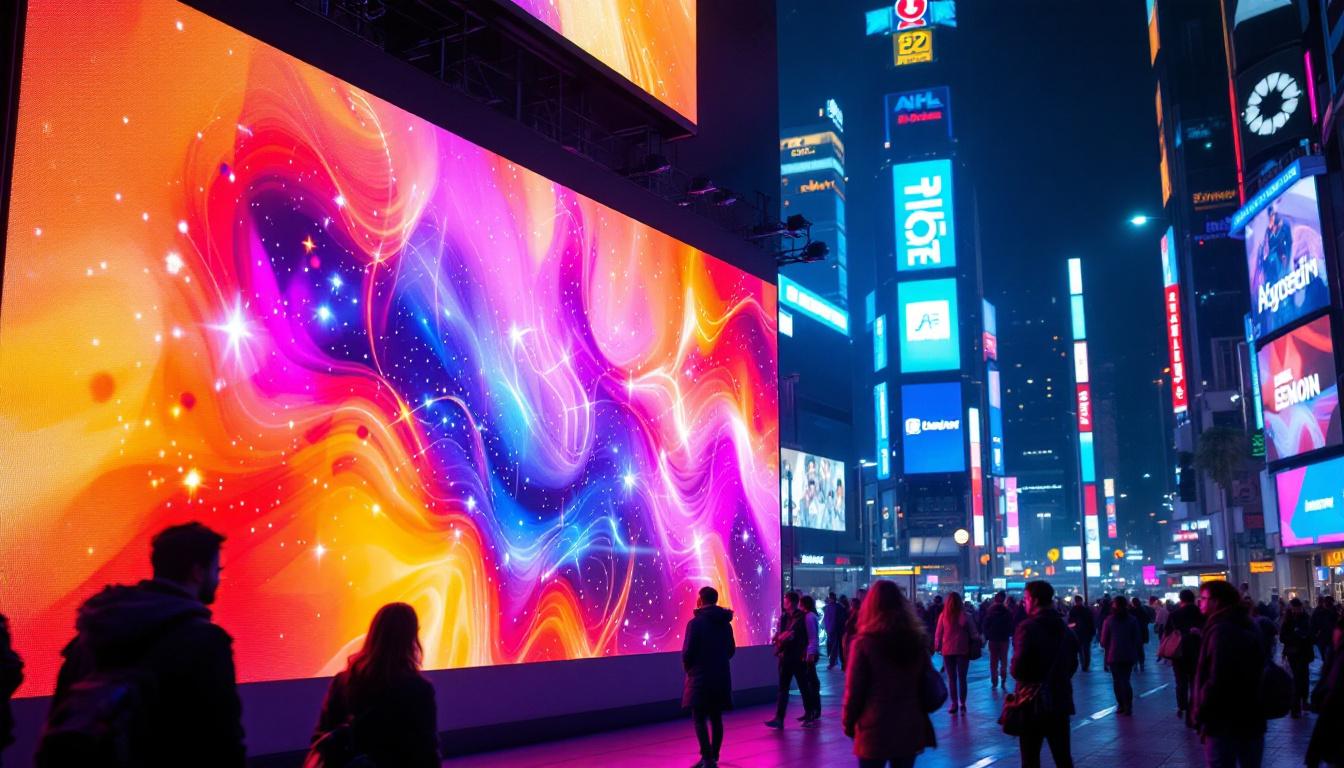
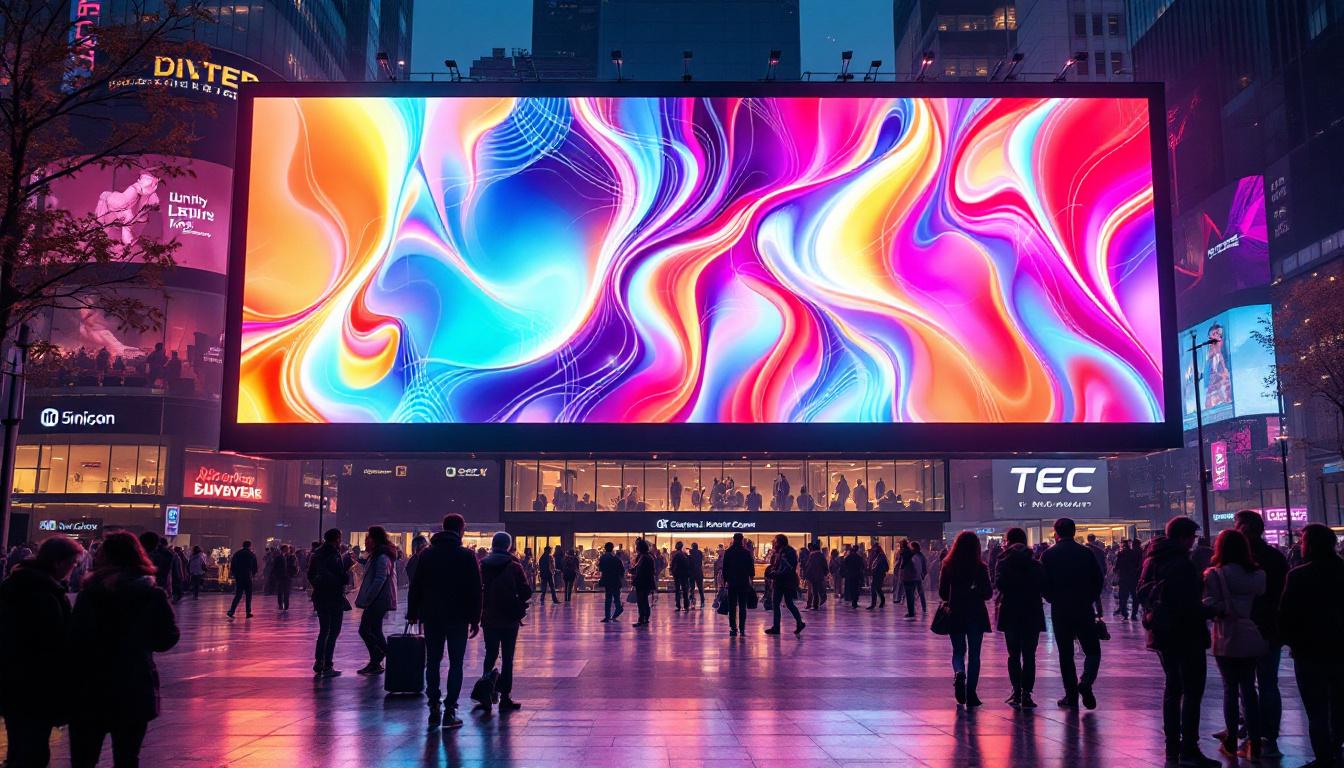
One of the most compelling advantages of LED displays on curved walls is the immersive viewing experience they provide. The curvature of the wall envelops the viewer, enhancing depth perception and engagement with the content. This effect is particularly impactful in environments such as galleries, retail stores, and entertainment venues, where captivating visuals can influence mood and behavior.
For example, a curved LED display in a museum can bring digital art to life, allowing visitors to feel surrounded by the imagery. In corporate settings, dynamic branding messages on curved walls can create memorable first impressions.
Customization and Versatility
LED displays offer unparalleled customization options. Content can be easily changed, scheduled, or animated, allowing for dynamic storytelling and interactive experiences. The ability to display video, still images, text, and even live feeds means the wall art can evolve with the space’s needs.
Additionally, LED displays can be designed to fit any curve radius, from gentle arcs to tight bends, making them suitable for a wide range of architectural styles. This flexibility enables designers and architects to push creative boundaries without sacrificing functionality.
Durability and Energy Efficiency
Modern LED displays are built to last, with lifespans often exceeding 100,000 hours of operation. They are resistant to environmental factors such as humidity and temperature fluctuations, making them suitable for both indoor and semi-outdoor curved walls.
Energy efficiency is another key benefit. LEDs consume significantly less power than traditional lighting or projection systems, reducing operational costs and environmental impact. This is especially important for large-scale installations that operate for extended hours.
Key Considerations When Installing LED Wall Art on Curved Walls
Assessing Wall Curvature and Structural Support
Before installation, precise measurements of the wall’s curvature are essential. This includes determining the radius of the curve, wall dimensions, and any irregularities. Advanced 3D scanning technology is often used to capture accurate data, which informs the design and fabrication of the LED modules.
Structural integrity must also be evaluated. LED panels, especially larger ones, require secure mounting frameworks that can support their weight while accommodating the curve. Collaboration with structural engineers ensures safe and stable installations.
Pixel Pitch and Viewing Distance
Choosing the right pixel pitch is critical for achieving optimal image quality. For curved walls in close proximity to viewers, such as in residential or gallery settings, a fine pixel pitch (e.g., 1.2mm to 2.5mm) is recommended to prevent visible pixelation.
Conversely, for larger public spaces where viewers are farther away, a coarser pixel pitch may suffice, reducing costs without compromising visual impact. Understanding the typical viewing distance helps balance resolution needs and budget.
Content Creation and Management
Effective LED wall art requires thoughtfully designed content that complements the curved display. Content creators must consider how images and videos will appear on a curved surface, avoiding distortions and ensuring key elements remain visible from multiple angles.
Content management systems (CMS) tailored for LED displays allow easy scheduling, updating, and remote control of visuals. Integrating interactive elements such as touch sensors or motion tracking can further enhance user engagement.
Lighting and Ambient Conditions
Ambient lighting affects the visibility and vibrancy of LED displays. While LEDs perform well in various lighting conditions, excessive glare or reflections on curved surfaces can diminish the viewing experience. Positioning the display to minimize direct light exposure and using anti-reflective coatings on protective screens can mitigate these issues.
Real-World Examples of Curved LED Wall Art Installations
Retail Environments
Leading retail brands have embraced curved LED displays to create immersive shopping experiences. For instance, a flagship electronics store in New York City installed a sweeping curved LED wall behind the checkout area, showcasing product demos and promotional content. The dynamic visuals not only enhanced the store’s modern aesthetic but also increased customer engagement and dwell time.
Museums and Cultural Spaces
The Smithsonian National Museum of American History incorporated curved LED displays in its recent renovation. These displays wrap around exhibit spaces, presenting historical narratives and interactive timelines. Visitors have praised the engaging format, which brings history to life in a visually compelling way.
Corporate Headquarters
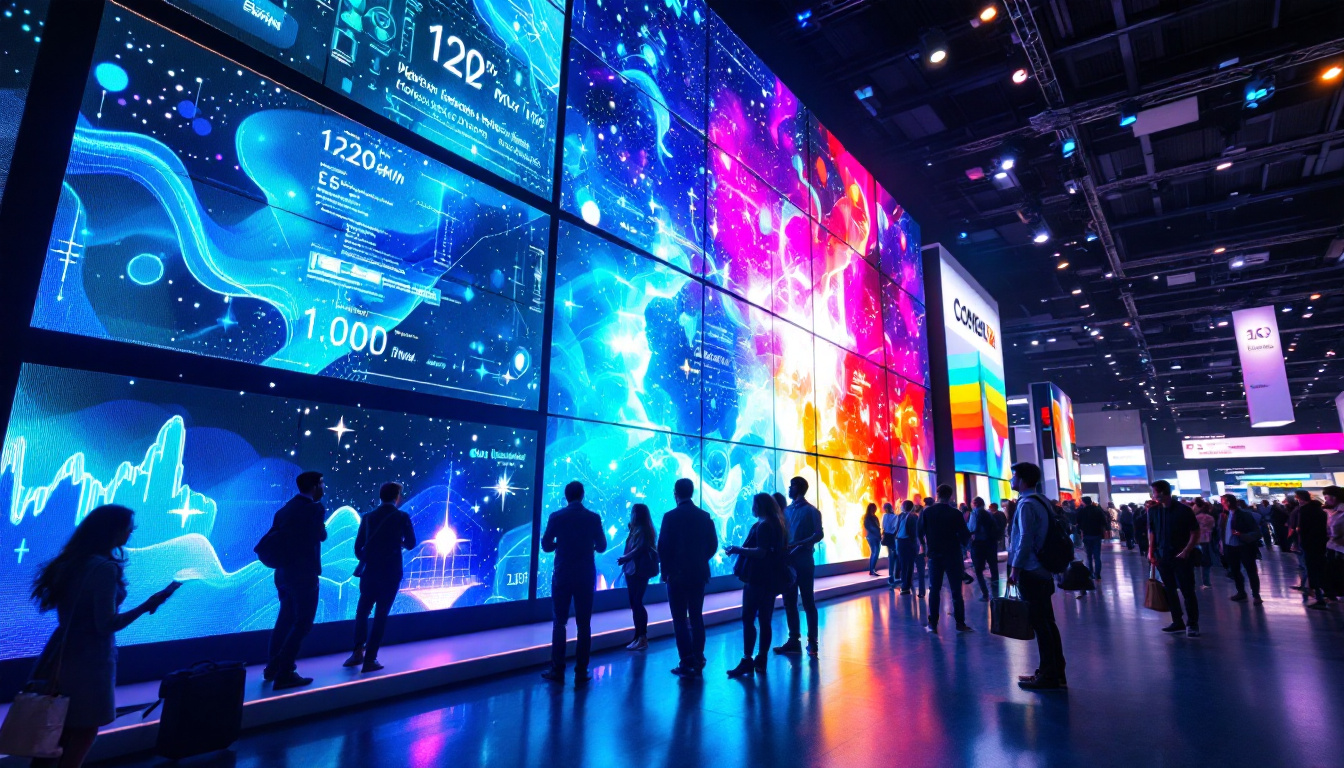
Technology companies are using curved LED walls in their lobbies and conference rooms to reinforce brand identity and foster innovation. One Silicon Valley firm installed a large curved LED display that cycles through company achievements, live social media feeds, and inspirational messages. This installation has become a focal point for visitors and employees alike.
Future Trends in LED Wall Art for Curved Surfaces
As LED technology continues to evolve, several trends are poised to shape the future of curved wall art:
- MicroLED Technology: Offering even higher resolution and brightness with lower power consumption, MicroLEDs will enable ultra-fine pixel pitches and more flexible form factors.
- Interactive and Augmented Reality Integration: Combining LED displays with AR technology will create hybrid experiences that blend digital and physical environments on curved surfaces.
- Advanced Content Personalization: AI-driven content management will tailor visuals in real-time based on audience demographics, time of day, or environmental cues.
These innovations will expand the creative possibilities for designers and enhance the functionality of curved LED wall art in diverse settings.
Conclusion
Curved walls offer a distinctive architectural feature that demands equally innovative approaches to decoration and media display. LED displays have revolutionized the way curved surfaces can be utilized for wall art, providing vibrant, customizable, and durable solutions that elevate interior spaces.
By understanding the technical aspects of LED technology, carefully planning installation logistics, and crafting engaging content, designers and property owners can transform curved walls into captivating visual experiences. As technology advances, the integration of LED displays with curved architecture will continue to inspire new forms of artistic expression and functional design.
Discover the Future of Curved Wall Art with LumenMatrix
Ready to elevate your space with the latest in LED display technology? LumenMatrix is at the forefront of transforming curved walls into mesmerizing visual experiences. Whether you’re looking to enhance a retail environment, create an engaging museum exhibit, or make a bold statement in your corporate headquarters, our range of innovative solutions—including Indoor and Outdoor LED Wall Displays, Vehicle LED Displays, and more—will bring your vision to life. Experience the revolution in visual communication and captivate your audience with clarity and impact. Check out LumenMatrix LED Display Solutions today and see the difference for yourself.