Conference Room TVs: LED Display Explained
In today’s fast-paced business environment, effective communication is paramount. One of the most critical tools facilitating this communication in corporate settings is the conference room TV. As technology evolves, LED display TVs have become the preferred choice for many organizations seeking sharp visuals, energy efficiency, and reliability. This article delves into the world of conference room TVs, with a particular focus on LED display technology, explaining its benefits, how it works, and what to consider when selecting the right display for your meeting space.
Understanding LED Display Technology
What is an LED Display?
LED stands for Light Emitting Diode, a semiconductor device that emits light when an electric current passes through it. In the context of TVs and monitors, an LED display refers to a type of LCD (Liquid Crystal Display) screen that uses LEDs as the backlight source instead of traditional fluorescent lights. This distinction is important because it directly impacts the quality, brightness, and energy consumption of the display.
LED displays are widely used in modern conference room TVs because they offer superior color accuracy, higher contrast ratios, and longer lifespans compared to older display technologies. The LEDs can be arranged in different ways, such as edge-lit or direct-lit, which affects the uniformity of the backlighting and overall picture quality. Edge-lit displays are typically thinner and lighter, making them easier to mount on walls, while direct-lit displays provide more even illumination across the screen, enhancing the viewing experience for large groups.
Additionally, LED technology allows for features like local dimming, which enhances contrast by turning off specific areas of the backlight in darker scenes. This capability is particularly beneficial in professional settings where presentations may include a mix of bright and dark visuals. With the ability to achieve deeper blacks and vibrant colors, LED displays can make graphs, charts, and images stand out, ensuring that every detail is visible to the audience.
How LED Displays Differ from Other Technologies
Before LED displays became mainstream, many conference rooms relied on LCD TVs with CCFL (cold cathode fluorescent lamp) backlighting or plasma screens. While these technologies served their purpose, they had limitations in terms of energy efficiency, brightness, and durability.
Compared to CCFL-backlit LCDs, LED displays consume significantly less power—up to 30-40% less in some cases—making them more environmentally friendly and cost-effective over time. Plasma displays, although known for excellent color reproduction, are heavier, generate more heat, and have shorter lifespans, making them less suitable for prolonged use in professional settings. Moreover, plasma screens are prone to burn-in, where static images can leave a permanent mark on the display, a concern for businesses that often display logos or fixed content during meetings.
OLED (Organic LED) technology is another emerging display type, offering exceptional contrast and color depth. However, OLED TVs are currently more expensive and less common in large-format conference room displays, where LED-backlit LCDs remain the dominant choice. The cost-effectiveness and reliability of LED technology make it a practical option for organizations looking to invest in high-quality displays without breaking the bank. Furthermore, as technology advances, we can expect to see even more innovative features integrated into LED displays, such as enhanced connectivity options and smart capabilities that allow for seamless integration with various devices and applications used during presentations.
Benefits of LED Displays in Conference Rooms
Enhanced Visual Clarity and Brightness
One of the most significant advantages of LED displays is their ability to produce bright, clear images even in well-lit environments. Conference rooms often have overhead lighting or natural sunlight, which can wash out screens that lack sufficient brightness. LED TVs typically offer brightness levels ranging from 300 to 700 nits, ensuring presentations and video calls remain visible and vibrant regardless of lighting conditions.
Additionally, LED displays provide better contrast ratios, which means darker blacks and more vivid colors. This is crucial when displaying detailed charts, graphs, or multimedia content, as it improves comprehension and engagement among meeting participants.
Energy Efficiency and Longevity
Energy consumption is a key consideration for businesses aiming to reduce operational costs and environmental impact. LED TVs are known for their energy efficiency, consuming less power than older LCD and plasma models. This efficiency translates to lower electricity bills and a smaller carbon footprint.
Moreover, LED displays tend to have longer lifespans, often rated between 50,000 to 100,000 hours of use. This durability means fewer replacements and less downtime, which is especially important in busy corporate environments where AV equipment is in constant use.
Thin and Lightweight Design
Modern LED TVs are thinner and lighter than their predecessors, making installation easier and more flexible. This slim profile allows for seamless wall mounting, freeing up valuable conference room space. Additionally, the sleek design contributes to a professional and contemporary aesthetic, enhancing the overall look of the meeting area.
Key Features to Consider When Choosing a Conference Room LED TV
Screen Size and Viewing Distance
Selecting the right screen size is crucial to ensure all participants can view content comfortably. The size should be proportional to the room dimensions and typical seating arrangements. A general rule of thumb is that the viewing distance (the distance from the farthest viewer to the screen) should be about 1.5 to 2.5 times the diagonal size of the TV.
For example, in a medium-sized conference room with a viewing distance of 10 feet (approximately 3 meters), a 65-inch to 75-inch LED TV is often ideal. Larger rooms may require displays of 85 inches or more to maintain visibility and engagement.
Resolution and Image Quality
Resolution determines the sharpness and detail of the displayed image. For conference room TVs, Full HD (1920 x 1080 pixels) is the minimum recommended resolution, but 4K UHD (3840 x 2160 pixels) is increasingly becoming the standard due to its superior clarity, especially on larger screens.
Higher resolution is particularly beneficial when displaying detailed spreadsheets, CAD drawings, or high-definition video content. It also future-proofs the investment as content standards continue to evolve.
Connectivity Options
Modern conference rooms require versatile connectivity to accommodate various devices such as laptops, tablets, video conferencing systems, and streaming devices. When selecting an LED TV, look for multiple HDMI ports, USB inputs, and wireless connectivity options like Wi-Fi and Bluetooth.
Some advanced models also feature built-in support for wireless screen mirroring technologies such as Miracast or Apple AirPlay, enabling seamless content sharing without cables. Additionally, integration with popular conferencing platforms like Zoom, Microsoft Teams, or Google Meet can streamline meeting workflows.
Interactive Capabilities
While traditional LED TVs serve well for displaying content, interactive displays are gaining popularity in conference rooms. These displays allow users to annotate, draw, and manipulate content directly on the screen, fostering collaboration and creativity.
Interactive LED displays often include touchscreens with multi-touch support and stylus input. They can be particularly useful for brainstorming sessions, training, and workshops. However, they tend to be more expensive, so organizations should weigh the benefits against budget constraints.
Common Use Cases for LED Conference Room TVs
Video Conferencing and Remote Collaboration
With remote work becoming a norm, video conferencing is a staple of modern business communication. LED TVs with high resolution and excellent color accuracy enhance the experience by delivering clear visuals of remote participants and shared content.
Many LED TVs designed for conference rooms come equipped with features that optimize video calls, such as low latency modes and integrated speakers. When paired with quality cameras and microphones, they create an immersive and effective communication environment.
Presentation and Training Sessions
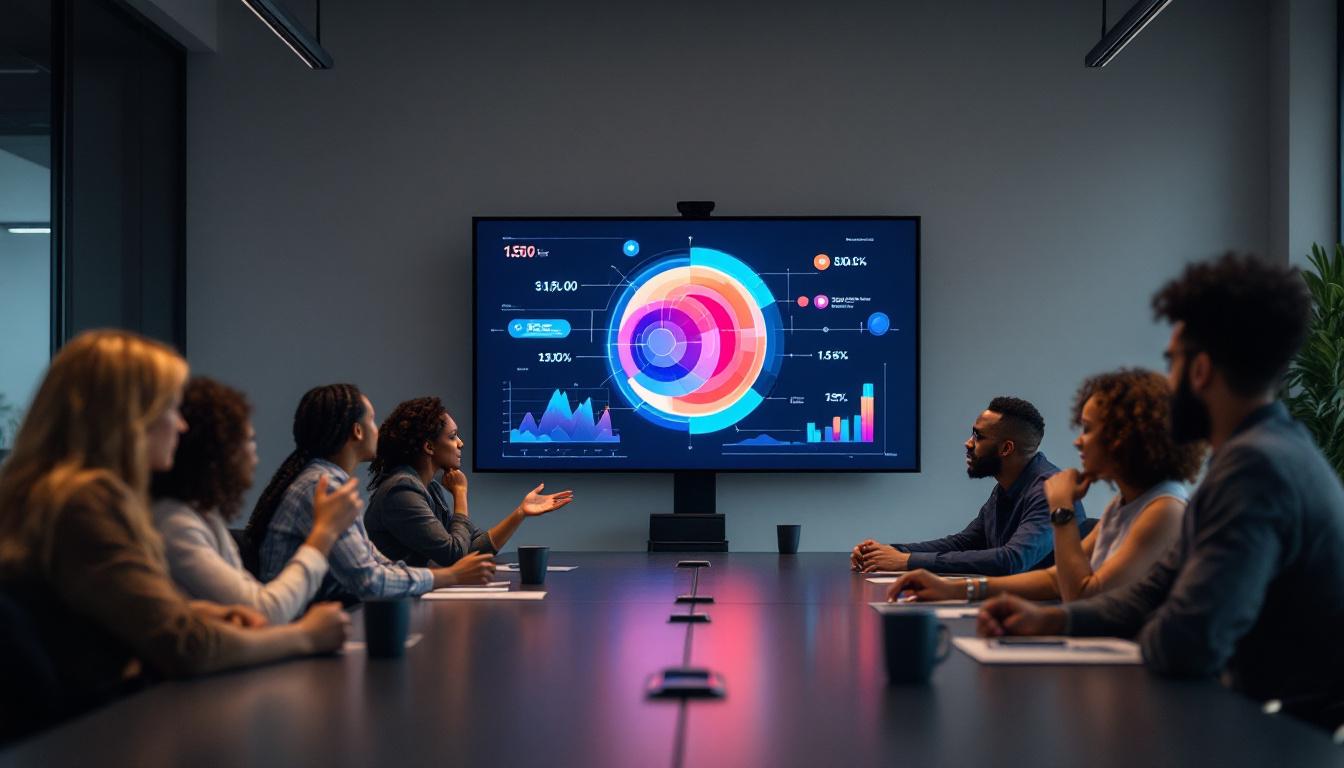
Whether pitching to clients, conducting internal training, or sharing quarterly reports, LED TVs provide a reliable platform for presentations. Their ability to display crisp text, detailed images, and video content ensures that information is conveyed effectively.
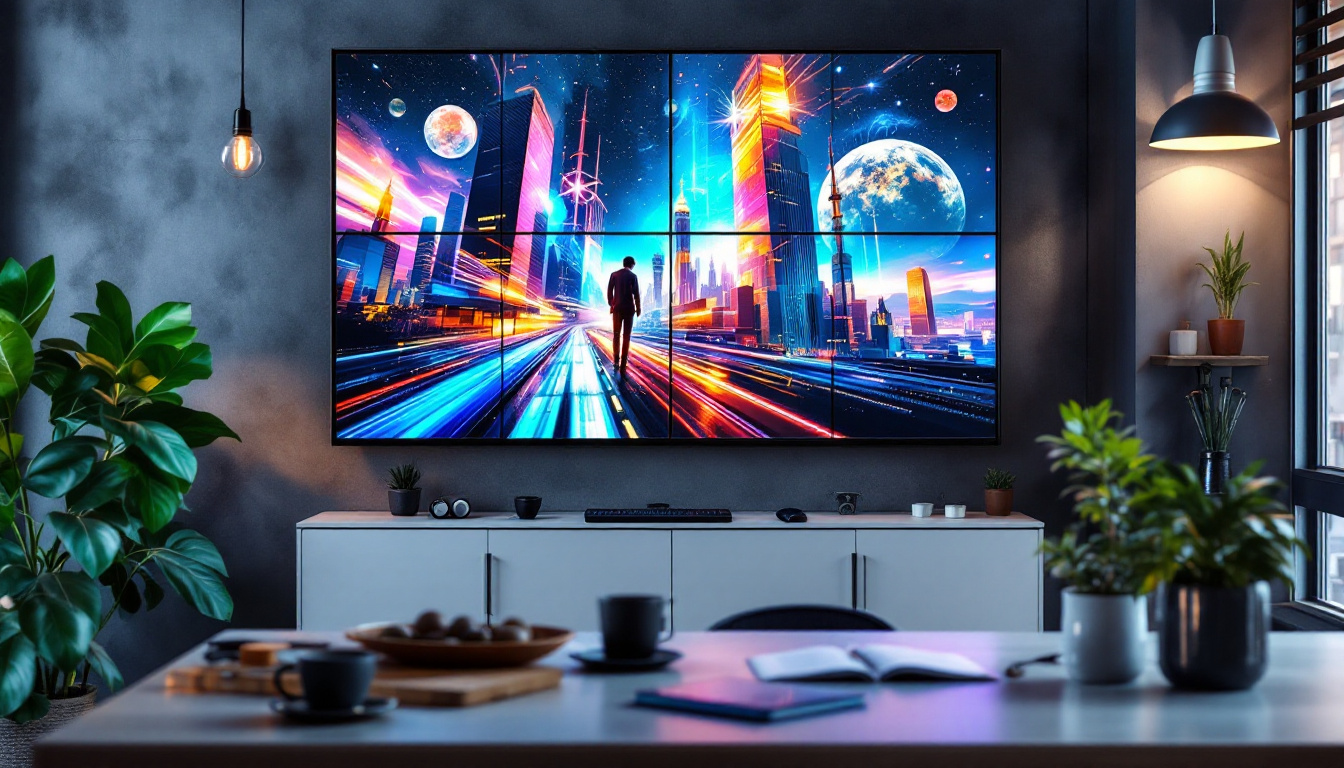
Some LED TVs also support split-screen functionality, allowing multiple content sources to be displayed simultaneously. This feature can be valuable during training sessions where instructors may want to show slides alongside live demonstrations or notes.
Digital Signage and Information Displays
Beyond meetings, conference room LED TVs can double as digital signage to display schedules, announcements, or company news when not in use. This dual functionality maximizes the utility of the investment and keeps employees informed.
Many LED TVs support scheduling software and remote management tools, enabling IT teams to update content easily and maintain consistency across multiple rooms or locations.
Installation and Maintenance Tips
Proper Placement and Mounting
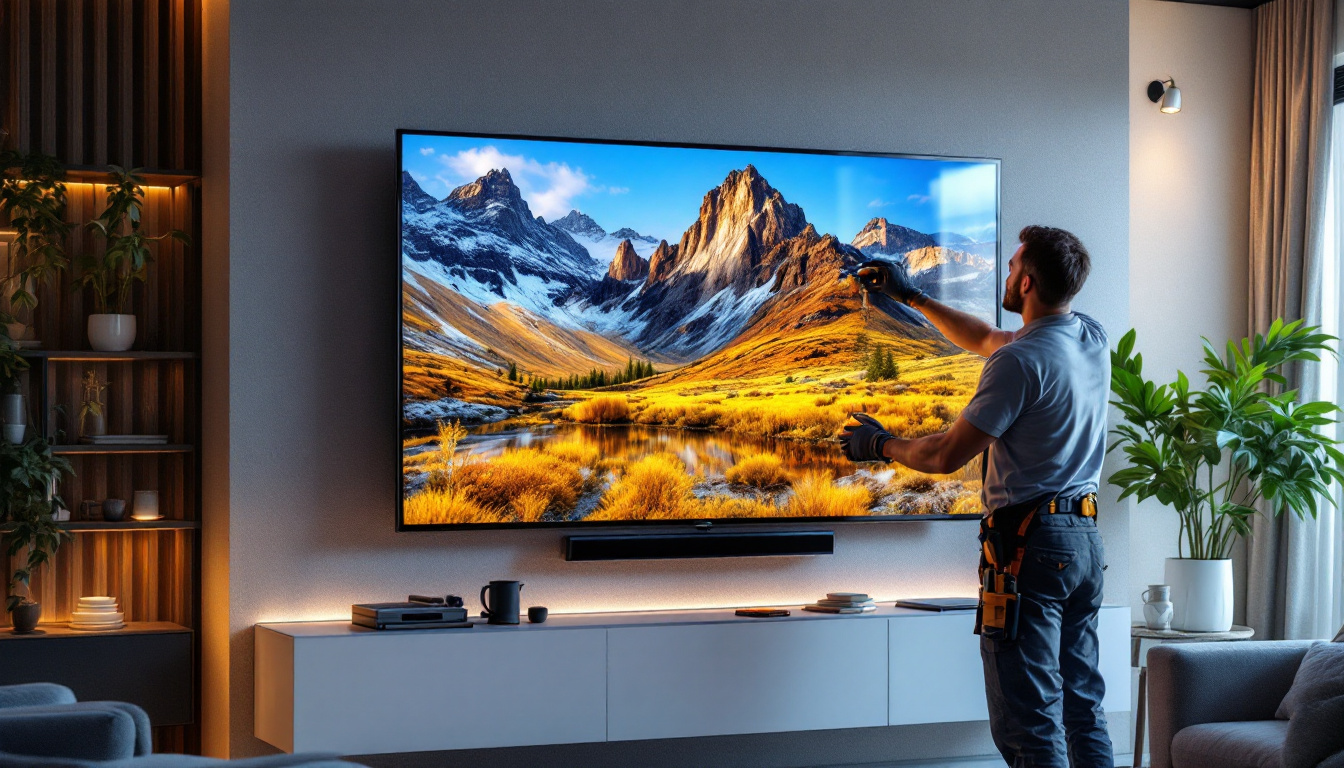
Optimal placement of the LED TV is essential for visibility and ergonomics. The screen should be mounted at eye level when seated to minimize neck strain. Wall mounts with adjustable tilt and swivel features offer flexibility to accommodate different seating arrangements.
Consider the room’s lighting conditions as well. Avoid placing the TV opposite large windows or bright light sources to reduce glare. If unavoidable, anti-glare screen protectors or adjustable blinds can help mitigate reflections.
Regular Cleaning and Care
Maintaining the display’s cleanliness ensures the best image quality and prolongs its lifespan. Use a soft, lint-free microfiber cloth to gently wipe the screen, avoiding abrasive materials or harsh chemicals that could damage the surface.
Dust can accumulate on vents and ports, potentially affecting ventilation and connectivity. Regularly inspect and clean these areas to prevent overheating and maintain performance.
Software Updates and Calibration
Many modern LED TVs receive firmware updates that improve functionality, security, and compatibility. Keeping the device’s software up to date ensures access to the latest features and bug fixes.
Periodic calibration of brightness, contrast, and color settings can also enhance image quality, especially if the display is used for critical presentations. Professional calibration services are available, but many TVs include built-in tools for basic adjustments.
Conclusion: Why LED Displays are the Smart Choice for Conference Rooms
LED display TVs have revolutionized the way businesses conduct meetings and collaborate. Their combination of high brightness, energy efficiency, and superior image quality makes them ideally suited for conference rooms of all sizes. As organizations continue to embrace hybrid work models and digital communication, investing in a reliable LED display ensures that teams stay connected and productive.
When selecting a conference room TV, it is important to consider factors such as screen size, resolution, connectivity, and interactive features to match the specific needs of your organization. Proper installation and maintenance further enhance the longevity and performance of the display, maximizing return on investment.
Ultimately, LED displays offer a versatile, future-proof solution that supports clear communication and dynamic presentations, helping businesses thrive in an increasingly visual and connected world.
Discover LumenMatrix’s Advanced LED Solutions for Your Conference Room
Ready to elevate your conference room with the latest in LED display technology? LumenMatrix is at the forefront of innovation, offering a wide range of LED display solutions that are perfect for enhancing your meeting spaces. From Indoor LED Wall Displays that bring presentations to life to Custom LED Displays tailored to your unique needs, LumenMatrix has the expertise to transform your visual communication. Experience the difference with our energy-efficient, high-quality displays and see how we can help you captivate your audience and communicate with impact. Check out LumenMatrix LED Display Solutions today and take the first step towards a more engaging and productive conference room environment.