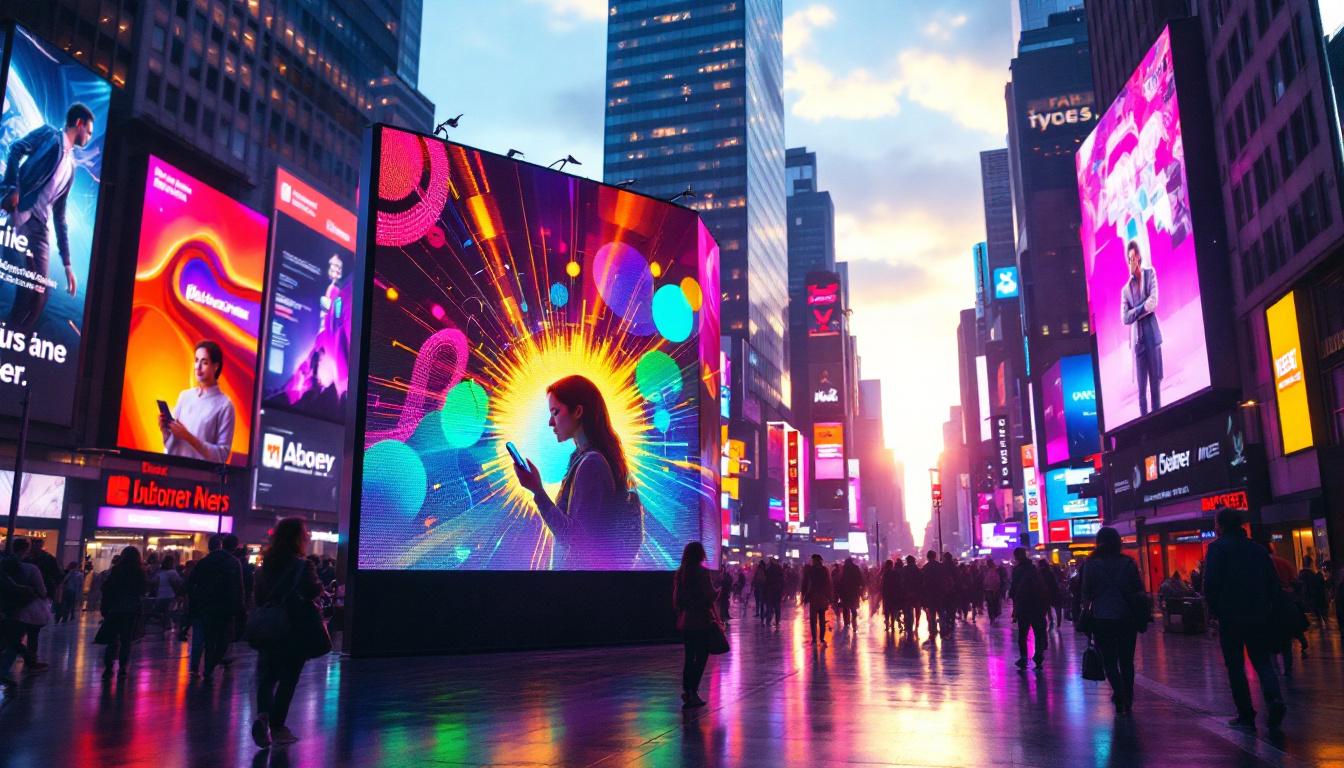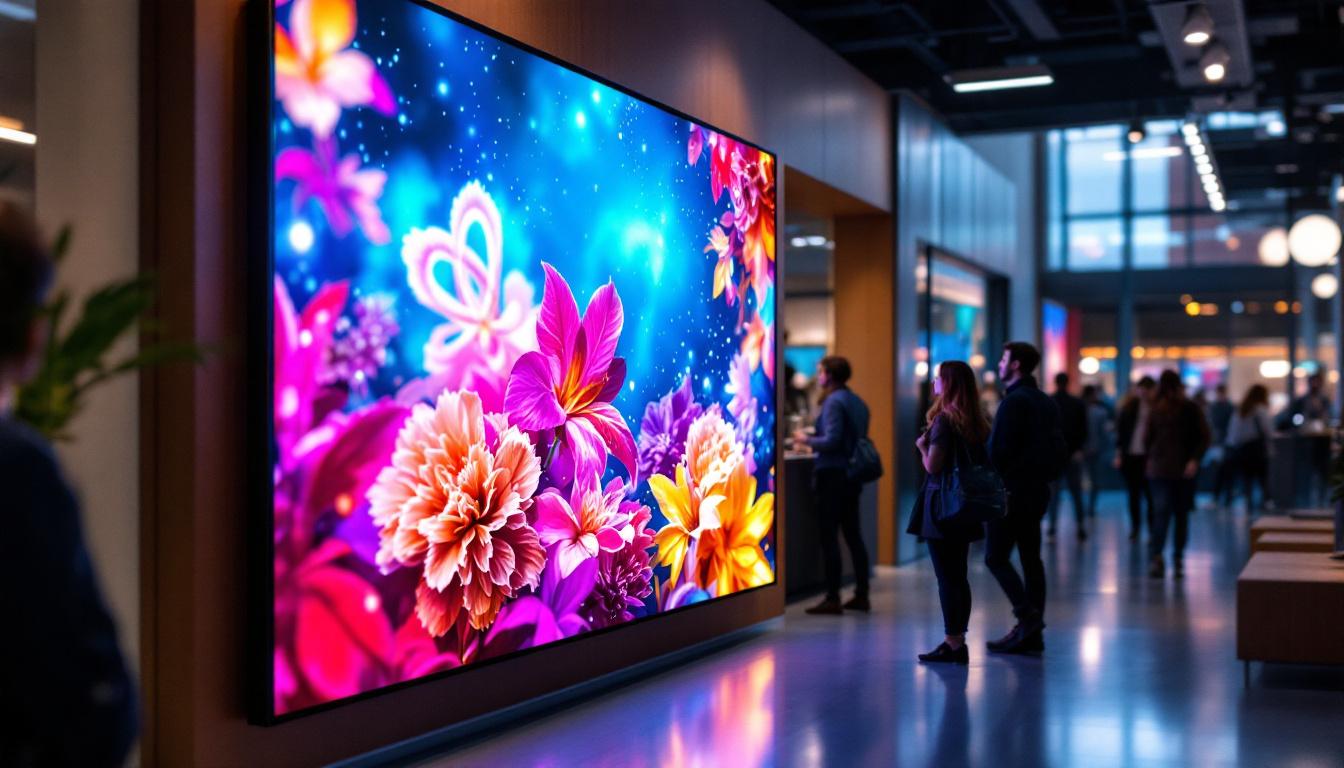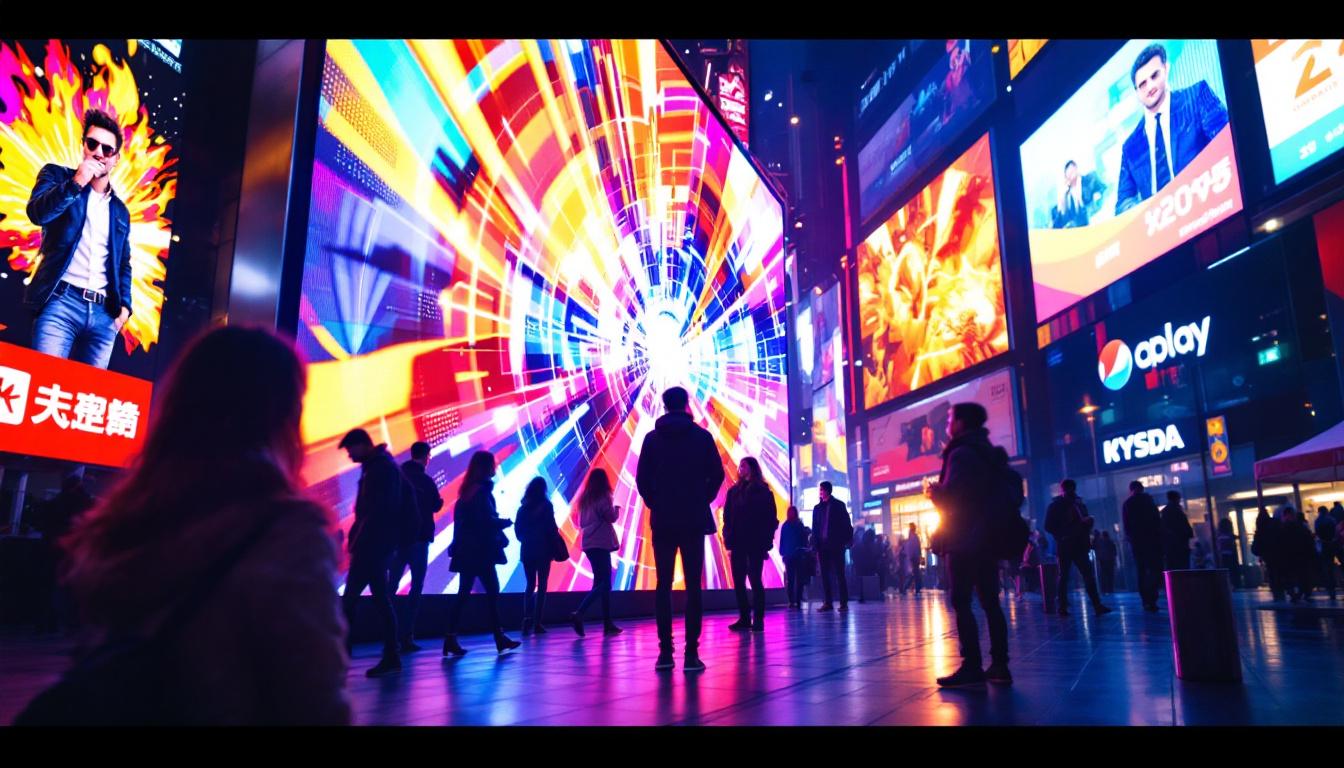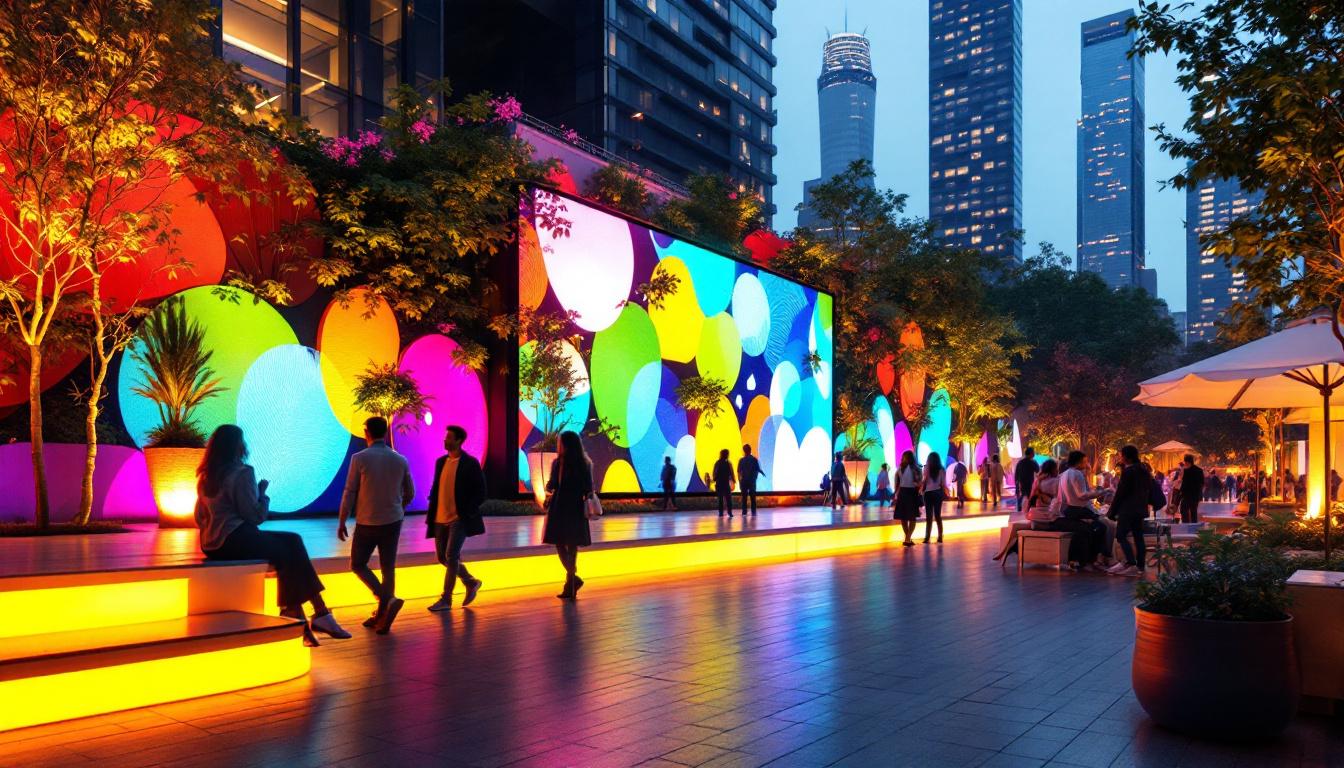
In today’s fast-paced world, capturing public attention is more challenging than ever. Outdoor advertising has evolved significantly, with LED displays becoming a dominant force in the industry. These vibrant, dynamic screens offer unparalleled visibility and engagement, transforming the way brands communicate with audiences in public spaces. This article explores the design and technology behind networked outdoor LED displays, explaining how they work, their benefits, and best practices for implementation.
Understanding LED Display Technology
What is an LED Display?
LED stands for Light Emitting Diode, a semiconductor device that emits light when an electric current passes through it. LED displays are composed of thousands to millions of these tiny diodes arranged in a matrix to form images, videos, or text. Unlike traditional screens, LEDs produce their own light, resulting in brighter and more energy-efficient displays. This self-illuminating property allows for deeper blacks and a wider color gamut, enhancing the overall viewing experience.
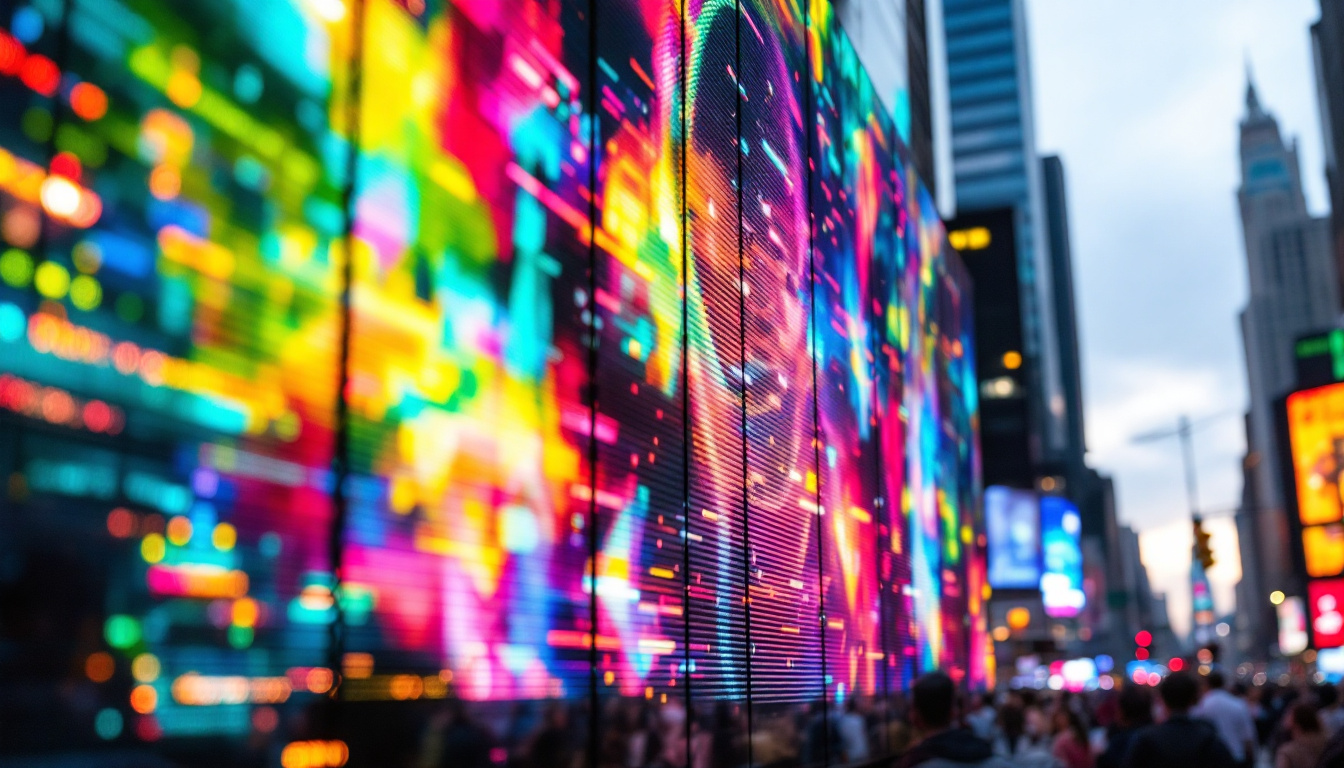
Outdoor LED displays are specifically designed to withstand environmental factors such as sunlight, rain, and temperature fluctuations. Their brightness levels can reach up to 10,000 nits or more, ensuring visibility even in direct sunlight. This makes them ideal for billboards, stadium screens, transportation hubs, and urban centers. Additionally, many outdoor LED displays come equipped with advanced cooling systems and weatherproof casings to ensure longevity and reliability, even in harsh conditions. The ability to operate efficiently in varying climates makes them a preferred choice for businesses looking to maximize their advertising reach.
Types of Outdoor LED Displays
There are several types of outdoor LED displays, each tailored for different applications:
- Fixed Outdoor LED Displays: Permanently installed screens used for advertising, information dissemination, or entertainment. These displays often feature high-resolution capabilities, making them suitable for showcasing detailed graphics and videos that capture the attention of passersby.
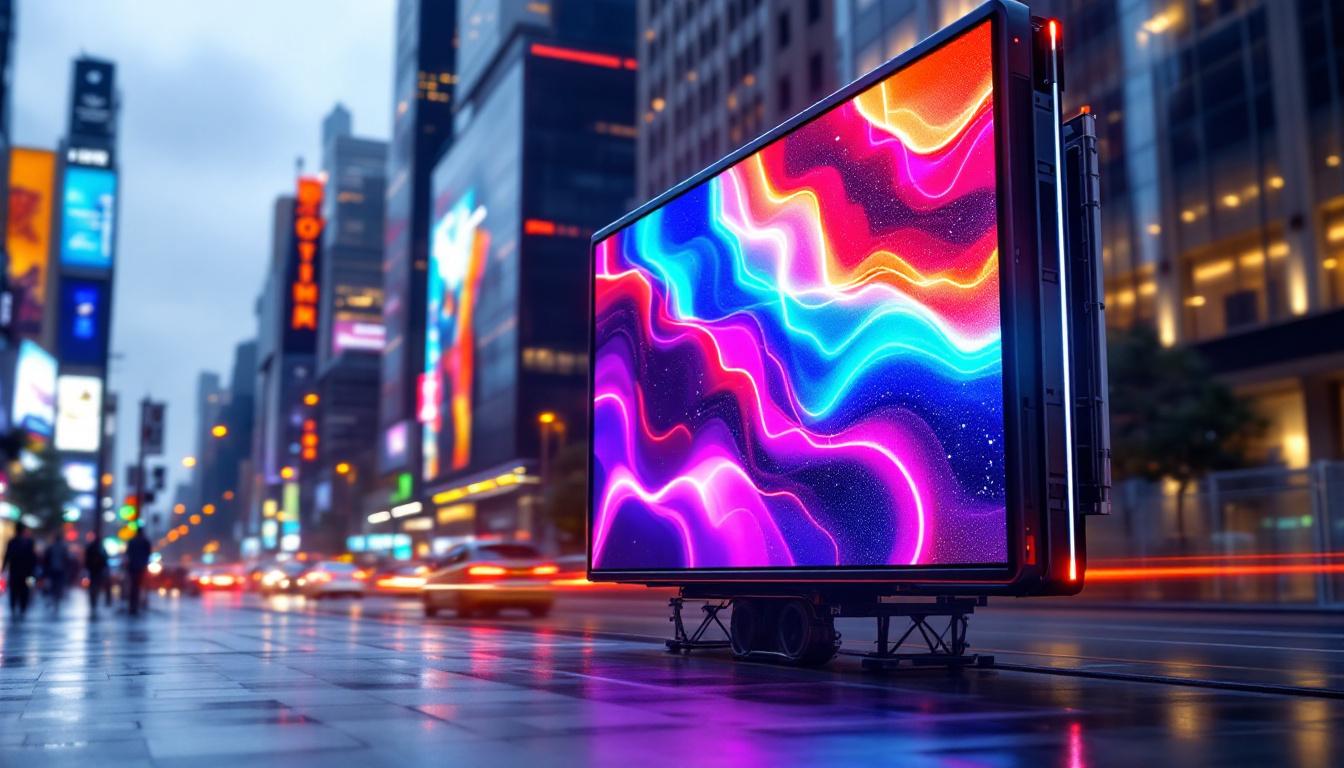
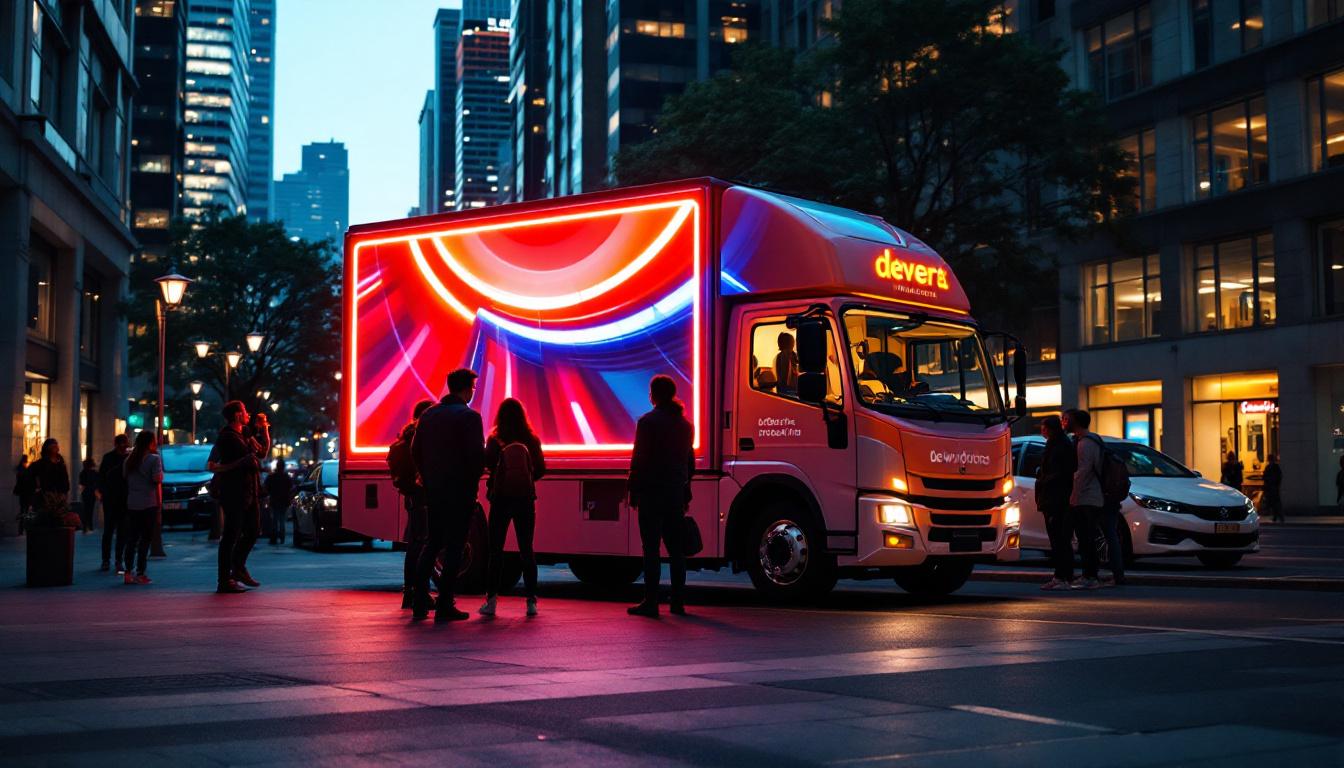
- Mobile LED Displays: Mounted on vehicles or trailers, these displays offer flexibility for events, campaigns, or emergency notifications. Their portability allows for dynamic advertising strategies, enabling businesses to reach diverse audiences in various locations.
- Transparent LED Displays: These allow light to pass through, making them suitable for storefront windows without obstructing visibility. This innovative technology not only enhances the aesthetic appeal of retail spaces but also provides an interactive experience for customers, blending digital content with the physical environment.
- Flexible LED Displays: Designed with bendable materials, they can wrap around structures or create unique shapes. This adaptability opens up new possibilities for creative installations, allowing designers to push the boundaries of traditional display formats and engage audiences in novel ways.
Each type has specific design considerations, including pixel pitch, brightness, and durability, which influence the overall effectiveness of the display. For instance, pixel pitch, which refers to the distance between the centers of two adjacent pixels, plays a crucial role in determining the resolution and clarity of the images displayed. A smaller pixel pitch results in higher resolution, making it ideal for close viewing distances, while larger pitches are better suited for larger audiences viewing from a distance. Furthermore, the integration of smart technology into LED displays is becoming increasingly common, allowing for real-time content updates and interactivity, which can significantly enhance audience engagement and advertising effectiveness.
Designing Networked Outdoor LED Displays
Pixel Pitch and Resolution
Pixel pitch refers to the distance between the centers of two adjacent pixels, measured in millimeters. It directly affects the resolution and viewing distance of an LED display. A smaller pixel pitch means higher resolution and better image clarity at closer distances, but it also increases cost.
For outdoor applications, pixel pitches typically range from 4mm to 20mm or more. For example, a 10mm pixel pitch is common for billboards viewed from 30 meters or more. Choosing the right pixel pitch is crucial to ensure the content is clear and legible for the target audience.
Brightness and Contrast
Outdoor LED displays must be extremely bright to compete with sunlight. Brightness is measured in nits, with typical outdoor displays ranging from 5,000 to 10,000 nits. High brightness ensures the display is visible even during peak daylight hours.
Contrast ratio—the difference between the darkest black and brightest white—is equally important. Good contrast improves image depth and readability, especially in varying lighting conditions. Modern LED displays use advanced technologies such as local dimming and high dynamic range (HDR) to enhance contrast.
Durability and Weather Resistance
Outdoor LED displays face harsh environmental conditions including rain, dust, wind, and temperature extremes. To ensure longevity, they are built with robust materials and protective coatings. IP ratings (Ingress Protection) indicate the level of protection; an IP65 rating or higher is standard for outdoor installations, meaning the display is dust-tight and protected against water jets.
Additionally, displays often include temperature control systems such as fans, heaters, or ventilation to maintain optimal operating conditions and prevent damage.
Networking and Content Management
What is a Networked LED Display?
A networked LED display is connected to a centralized content management system (CMS) via wired or wireless networks. This setup allows operators to remotely control, schedule, and update content across multiple displays from a single interface. Networking enhances flexibility, efficiency, and responsiveness in managing outdoor advertising campaigns.
For example, a city-wide network of LED billboards can display synchronized messages, update real-time information such as weather alerts or traffic updates, and adapt advertising content based on time of day or audience demographics.
Content Management Systems (CMS)
Modern CMS platforms for LED displays offer user-friendly dashboards, scheduling tools, and analytics integration. They support various media formats including images, videos, animations, and live feeds. Some advanced systems incorporate AI-driven content optimization, adjusting brightness, color balance, and even content relevance based on environmental data and viewer engagement.
Security is a critical aspect of CMS, as networked displays are vulnerable to cyberattacks. Robust encryption, multi-factor authentication, and regular software updates are essential to protect content integrity and prevent unauthorized access.
Connectivity Options
Networked LED displays can connect via several methods:
- Ethernet: Provides stable, high-speed connections for fixed installations.
- Wi-Fi: Offers flexibility but may be less reliable in crowded or interference-prone areas.
- Cellular Networks (4G/5G): Ideal for mobile or remote displays, enabling real-time updates without fixed infrastructure.
- Fiber Optics: Used for ultra-high bandwidth requirements and long-distance connectivity.
Choosing the right connectivity depends on location, bandwidth needs, and cost considerations.
Benefits of Outdoor LED Displays in Networked Environments
Enhanced Visibility and Engagement
Outdoor LED displays attract attention with vivid colors, motion, and brightness. Studies show that digital billboards can increase brand recall by up to 47% compared to static signs. Their dynamic nature allows advertisers to deliver multiple messages, tailored promotions, or interactive content, significantly boosting audience engagement.
Real-Time Content Updates
Networked LED displays enable instant content changes, which is invaluable for time-sensitive campaigns, emergency alerts, or event promotions. For instance, during natural disasters, authorities can quickly disseminate evacuation routes or safety instructions across multiple screens simultaneously.
Cost Efficiency Over Time
Although the initial investment in LED displays and networking infrastructure can be substantial, the long-term benefits include reduced printing and installation costs associated with traditional billboards. Additionally, energy-efficient LEDs lower operational expenses, and remote management reduces the need for on-site personnel.
Data-Driven Advertising
Integration of sensors and cameras with networked LED displays allows for audience measurement and targeted advertising. By analyzing foot traffic, demographics, and engagement patterns, advertisers can optimize content for maximum impact, improving return on investment (ROI).
Challenges and Considerations
Regulatory Compliance
Outdoor LED displays are subject to local regulations regarding brightness, size, placement, and content. Many municipalities impose restrictions to prevent light pollution, driver distraction, or visual clutter. Ensuring compliance requires coordination with local authorities and adherence to standards such as the Illuminating Engineering Society (IES) guidelines.
Environmental Impact
While LEDs are more energy-efficient than traditional lighting, large-scale outdoor networks consume significant power. Sustainable design practices include using solar power, energy-saving modes, and recyclable materials to minimize environmental footprint.
Maintenance and Reliability
Outdoor LED displays require regular maintenance to ensure optimal performance. This includes cleaning, firmware updates, and hardware checks. Networked systems must also have redundancy and failover mechanisms to avoid downtime, especially for critical messaging.
Future Trends in Outdoor LED Networks
Integration with Smart City Infrastructure
As urban areas become smarter, outdoor LED displays are increasingly integrated with IoT devices, traffic management systems, and public safety networks. This convergence enables real-time data sharing and adaptive content delivery, enhancing urban living experiences.
Advances in Display Technology
Emerging technologies such as MicroLED and mini-LED promise higher resolution, improved energy efficiency, and thinner form factors. Transparent and flexible LED displays will unlock new creative possibilities in architecture and retail environments.
Artificial Intelligence and Personalization
AI-powered content management will enable hyper-personalized advertising based on real-time audience analysis. Facial recognition, weather data, and social media trends can inform dynamic content that resonates deeply with viewers.
Conclusion
Networked outdoor LED displays represent a powerful tool for modern advertising and public communication. Their vibrant visuals, real-time adaptability, and integration capabilities make them indispensable in today’s urban landscapes. Understanding the technical aspects, design principles, and operational challenges is essential for businesses and municipalities aiming to leverage this technology effectively.
As LED display technology continues to evolve, embracing innovation and sustainability will be key to maximizing their impact while minimizing environmental and social concerns. With thoughtful design and strategic implementation, networked outdoor LED displays will remain at the forefront of visual communication for years to come.
Illuminate Your Space with LumenMatrix
Ready to elevate your outdoor advertising and public communication? Discover the transformative power of LumenMatrix’s advanced LED display solutions. From vibrant outdoor walls to interactive vehicle displays, our technology is designed to captivate and engage audiences in any environment. Embrace the future of visual storytelling with our diverse range of products, including Indoor and Outdoor LED Wall Displays, LED Posters, Sports Displays, and more. Check out LumenMatrix LED Display Solutions today and let your brand shine brighter than ever.