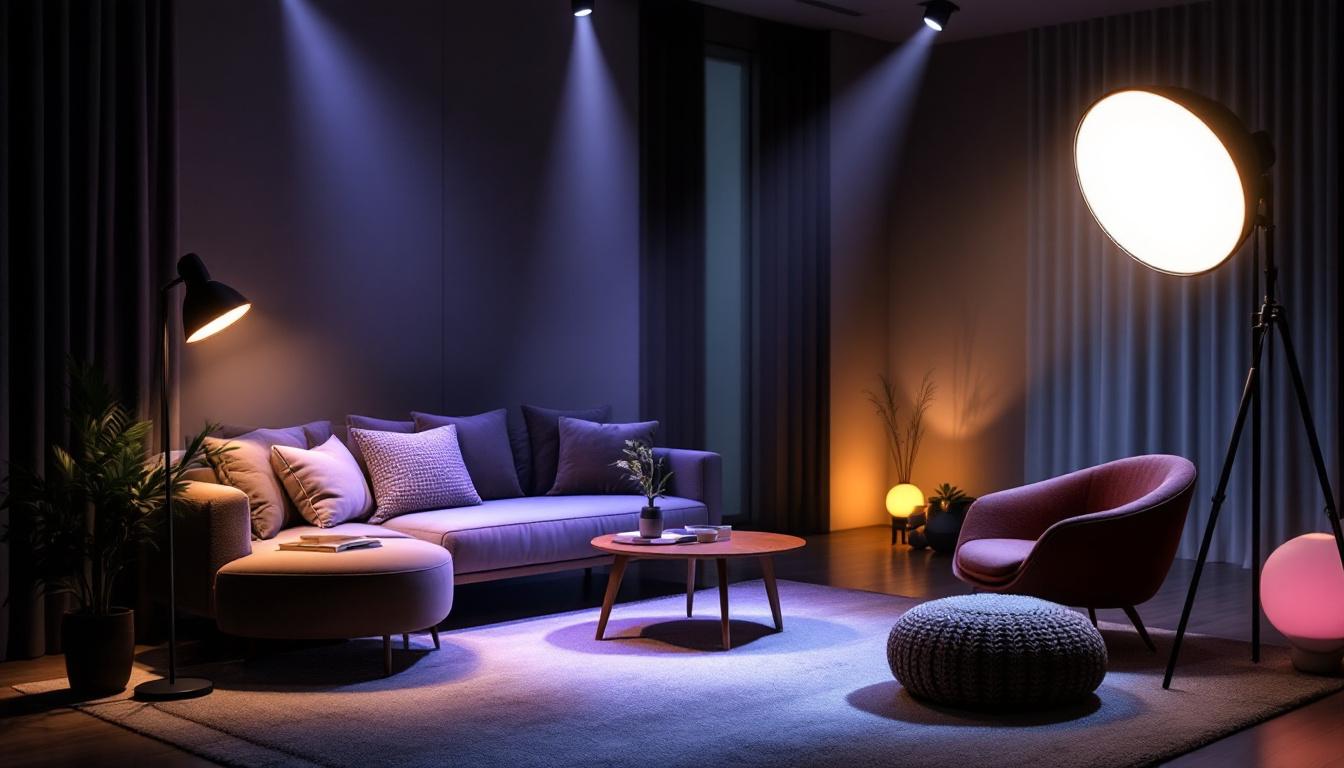
In the world of modern lighting and display technology, indoor LED spotlights have become a cornerstone for both residential and commercial applications. Their versatility, energy efficiency, and dynamic lighting capabilities make them a preferred choice for illuminating spaces and enhancing visual presentations. This article delves into the fundamentals of indoor LED spotlights, exploring how LED displays work, their advantages, and practical considerations for selecting and using them effectively.
Understanding LED Technology: The Basics
Light Emitting Diodes (LEDs) are semiconductor devices that emit light when an electric current passes through them. Unlike traditional incandescent bulbs, LEDs produce light through electroluminescence, a process that is far more energy-efficient and produces less heat. This efficiency not only reduces electricity bills but also contributes to a lower carbon footprint, making LEDs an environmentally friendly choice for lighting solutions.
The core component of an LED spotlight is the LED chip, which is typically made from materials such as gallium arsenide or gallium nitride. When electrical energy excites the chip, it emits photons, resulting in visible light. This fundamental principle underpins all LED lighting, including indoor spotlights and LED displays. Additionally, advancements in LED technology have led to the development of multi-colored and tunable white LEDs, allowing users to customize their lighting experience to suit different moods or activities.
How LED Spotlights Differ from Traditional Lighting
Traditional lighting solutions, such as halogen or incandescent bulbs, generate light by heating a filament until it glows. This process wastes a significant amount of energy as heat. In contrast, LED spotlights convert most of the electrical energy directly into light, leading to higher efficiency and longer lifespan. For instance, while an incandescent bulb may last around 1,000 hours, an LED spotlight can last up to 25,000 hours or more, drastically reducing the frequency of replacements.
Moreover, LED spotlights offer superior control over light direction and intensity. Their compact size allows manufacturers to design focused beams that can highlight specific areas or objects, making them ideal for accent lighting in homes, galleries, retail stores, and offices. This directional lighting capability not only enhances the aesthetic appeal of a space but also improves visibility and safety. Furthermore, many LED spotlights are now compatible with smart home systems, enabling users to adjust brightness and color temperature remotely, creating a dynamic and personalized lighting environment that can adapt to various activities—from cozy movie nights to vibrant gatherings.
What Are Indoor LED Spotlights?
Indoor LED spotlights are lighting fixtures designed to project a concentrated beam of light within interior spaces. They are commonly used to emphasize architectural features, artwork, or merchandise, as well as to provide task lighting in workspaces.
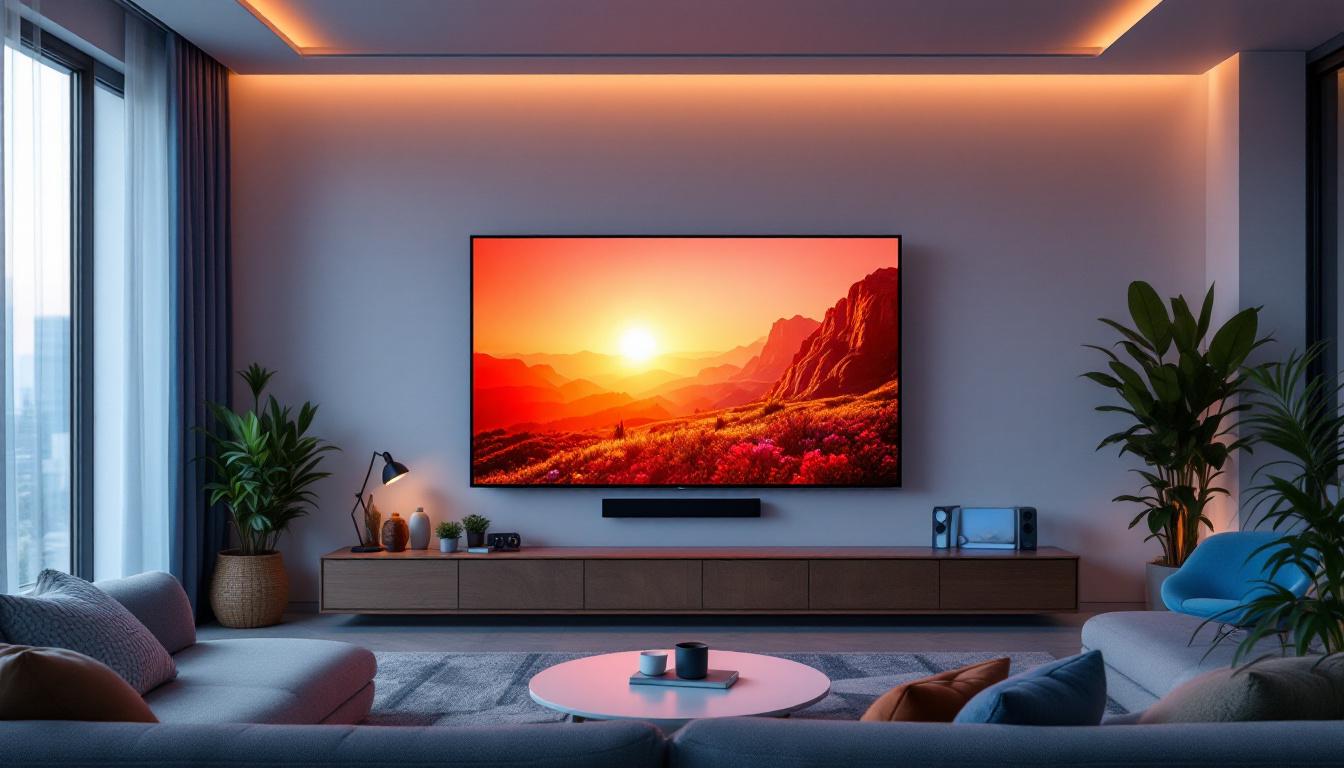
These spotlights come in various forms, including recessed, track-mounted, and surface-mounted options, each suited to different installation needs and aesthetic preferences. Their adjustable heads allow users to direct light precisely where it is needed, enhancing both functionality and ambiance. The versatility of indoor LED spotlights makes them an ideal choice for a range of applications, from residential living rooms to commercial showrooms, where they can dramatically alter the perception of space and design.
Key Features of Indoor LED Spotlights
Several features distinguish indoor LED spotlights from other lighting types:
- Beam Angle: Typically ranging from narrow (15°) to wide (60°), the beam angle determines how focused or dispersed the light is.
- Color Temperature: Measured in Kelvins (K), color temperature affects the mood of the space. Warm white (2700K-3000K) creates a cozy atmosphere, while cool white (4000K-5000K) is better for task-oriented environments.
- Dimming Capability: Many LED spotlights support dimming, allowing users to adjust brightness levels for different scenarios.
- CRI (Color Rendering Index): A high CRI (above 80) ensures that colors under the light appear natural and vibrant, which is critical for retail and gallery settings.
In addition to these features, energy efficiency is a significant advantage of LED technology. Compared to traditional incandescent bulbs, LED spotlights consume up to 80% less energy, which not only reduces electricity bills but also contributes to a lower carbon footprint. This makes them an environmentally friendly choice for both homeowners and businesses. Furthermore, the longevity of LED spotlights—often lasting up to 25,000 hours—means less frequent replacements, leading to less waste and lower maintenance costs over time.
Another noteworthy aspect of indoor LED spotlights is their ability to integrate with smart home systems. Many modern LED spotlights can be controlled via smartphone apps or voice-activated devices, allowing users to create customized lighting scenes, schedule on/off times, and even adjust color temperatures remotely. This level of control not only enhances convenience but also allows for greater creativity in lighting design, enabling users to tailor their environments to suit different moods and occasions seamlessly.
LED Displays: How They Work and Their Relation to Spotlights
While LED spotlights focus on illumination, LED displays use arrays of LEDs to present images, videos, and information. Both technologies share the same fundamental LED components but serve different purposes.
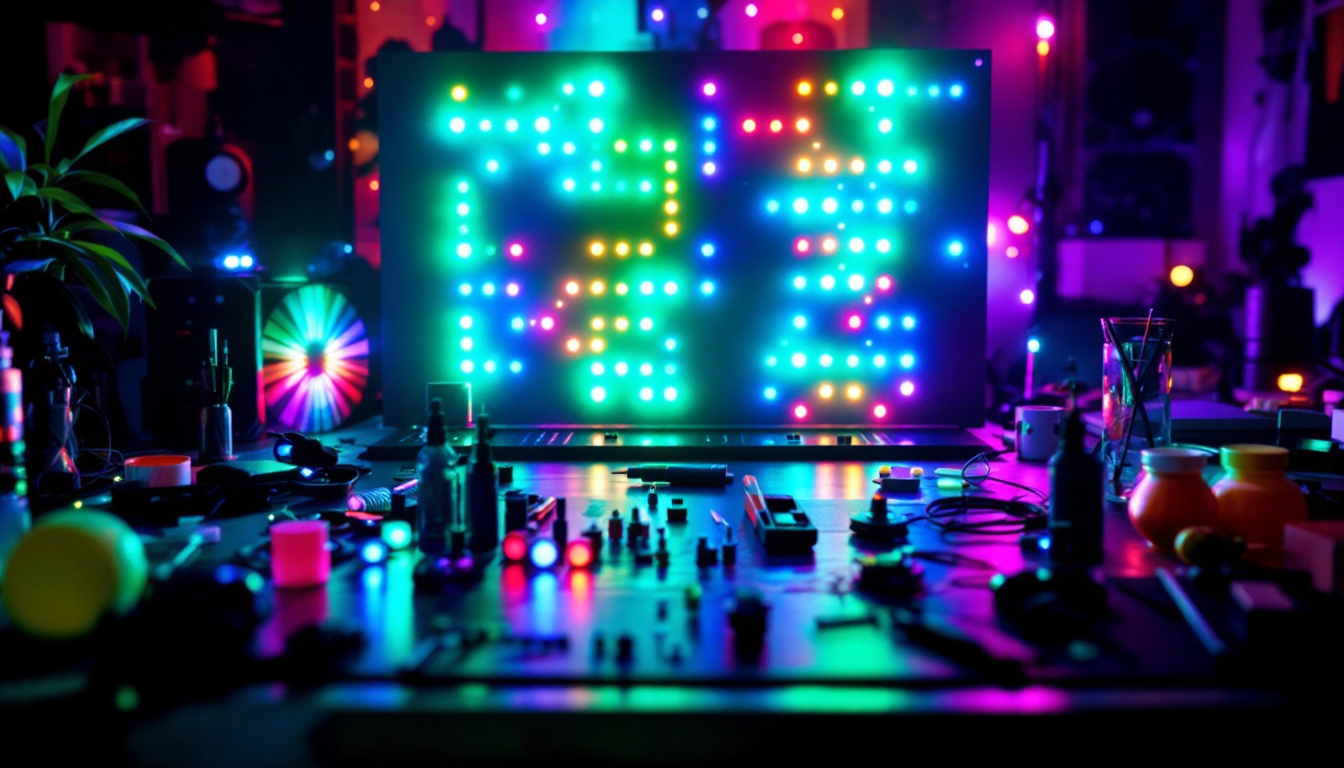
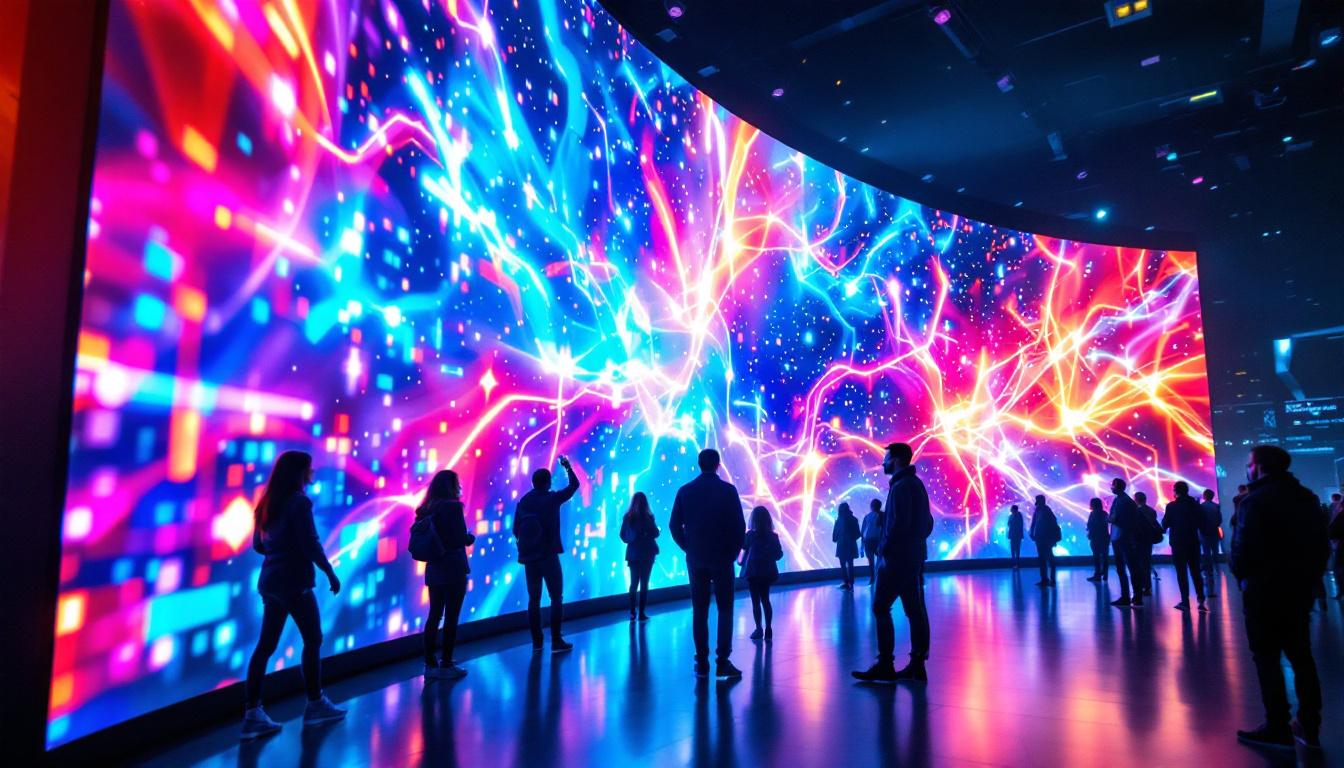
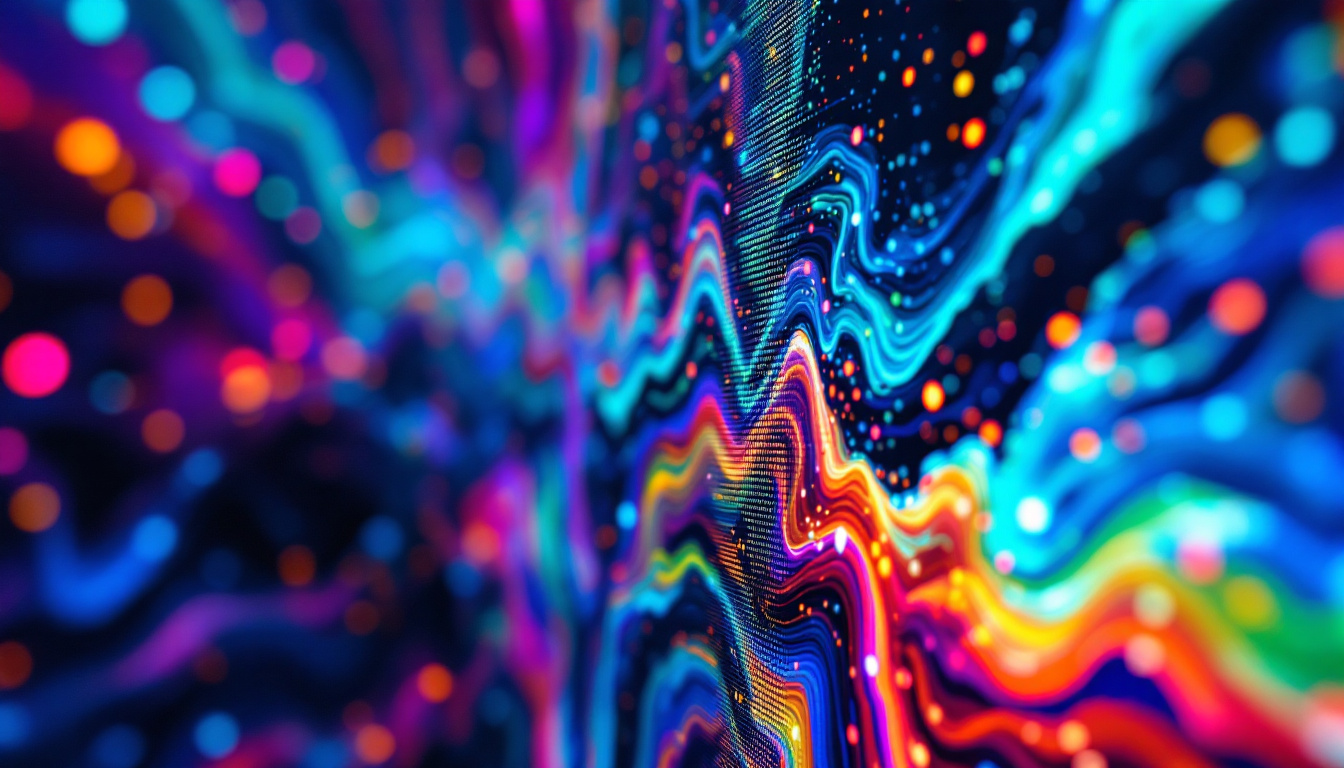
LED displays consist of numerous tiny LEDs arranged in a grid, each acting as a pixel. By controlling the brightness and color of each LED, the display can render complex visuals with high brightness and contrast, even in well-lit indoor environments.
Types of Indoor LED Displays
Indoor LED displays vary based on pixel pitch, resolution, and size. Pixel pitch refers to the distance between adjacent LEDs and is a critical factor in determining image clarity at different viewing distances.
Common types include:
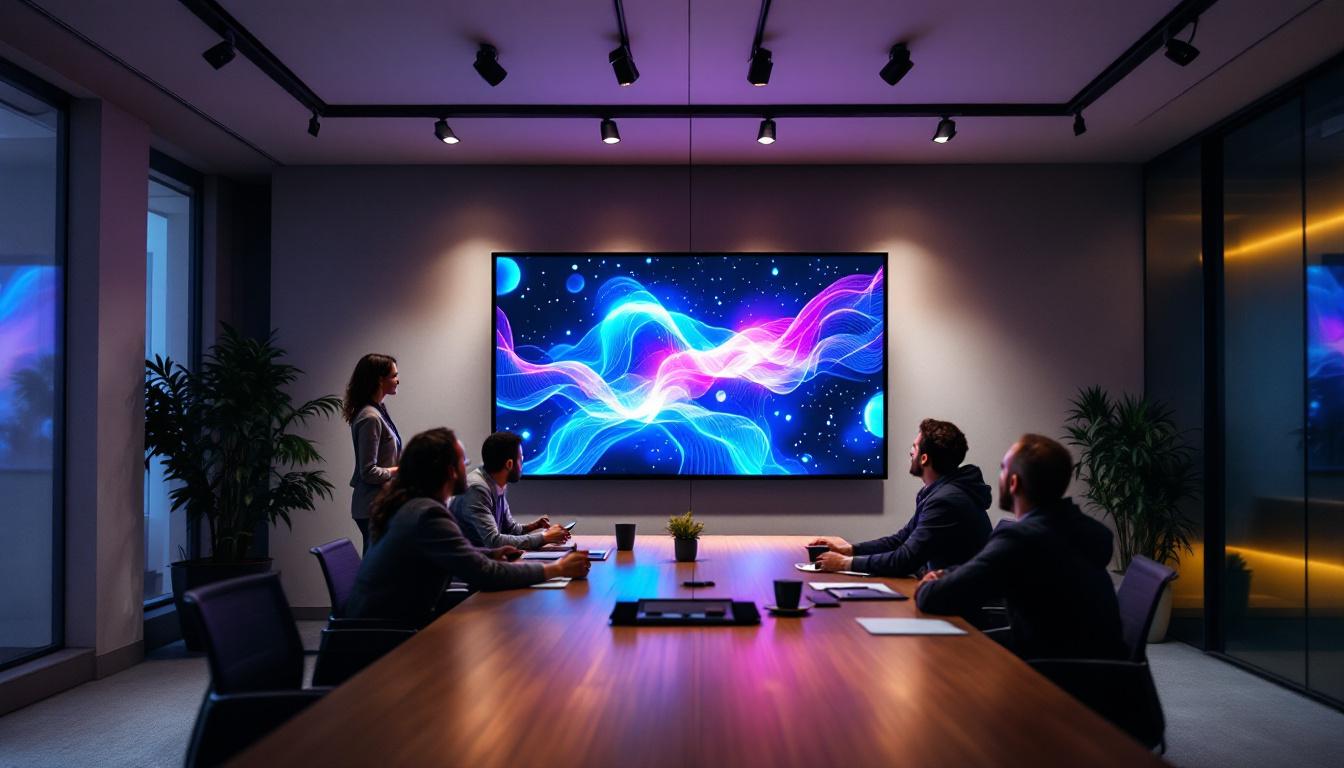
- Fine Pitch LED Displays: With pixel pitches as low as 0.9mm, these displays provide ultra-high resolution suitable for close viewing in conference rooms, control centers, and retail environments.
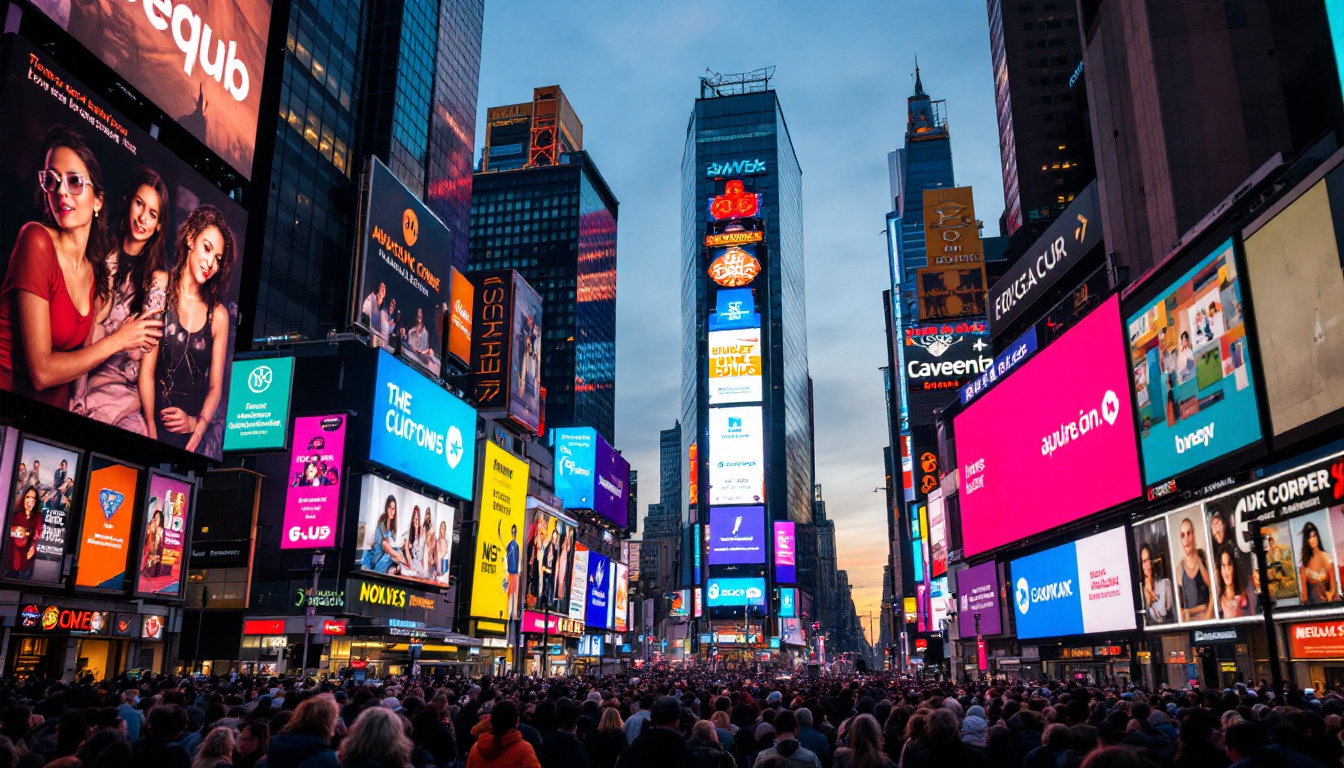
- Standard Indoor LED Displays: Pixel pitches ranging from 1.5mm to 4mm are ideal for auditoriums, shopping malls, and event spaces where viewers are positioned further away.
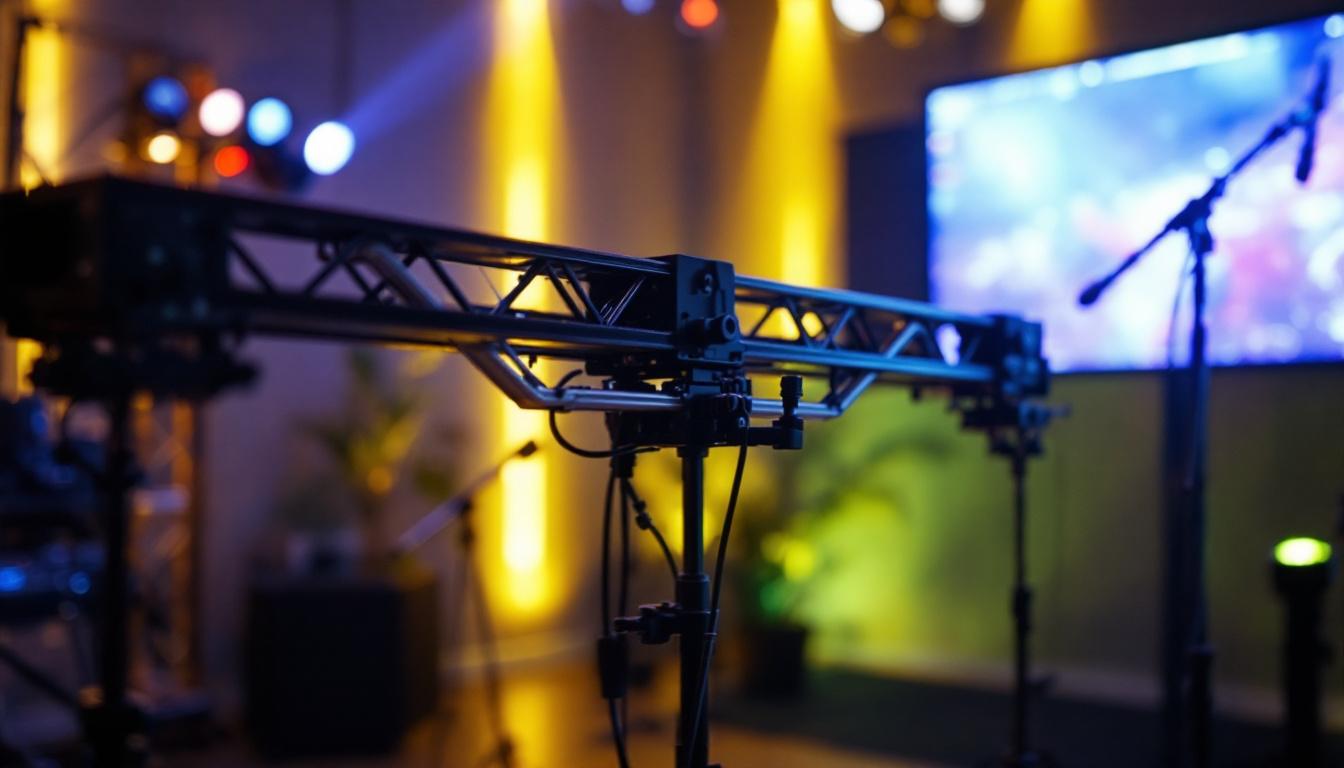
Indoor LED displays often incorporate spotlights or specialized lighting to enhance visual impact, ensuring that the displayed content remains vivid and engaging regardless of ambient lighting conditions.
Advantages of Using Indoor LED Spotlights
Indoor LED spotlights offer numerous benefits that make them a compelling choice for modern lighting needs.
Energy Efficiency and Cost Savings
One of the most significant advantages of LED spotlights is their energy efficiency. According to the U.S. Department of Energy, LEDs use at least 75% less energy than incandescent lighting and last 25 times longer. This translates to substantial cost savings on electricity bills and reduced maintenance expenses over time.
Enhanced Lighting Quality and Flexibility
LED spotlights provide superior lighting quality with minimal flicker and excellent color rendering. Their directional nature allows for precise lighting control, reducing light pollution and glare.
Additionally, the ability to adjust color temperature and dim the lights adds versatility, enabling users to create the desired ambiance or focus light on specific areas without disturbing the overall environment.
Environmental Impact
LEDs are free from toxic elements like mercury, which is commonly found in fluorescent lamps. Their long lifespan means fewer replacements and less waste, contributing to a lower environmental footprint.
Practical Applications of Indoor LED Spotlights
Indoor LED spotlights are widely used across various sectors, each leveraging their unique qualities to meet specific lighting requirements.
Residential Use
In homes, LED spotlights are popular for accentuating artwork, architectural details, and creating mood lighting in living rooms, kitchens, and bedrooms. Their low heat emission makes them safe for use in confined spaces and near sensitive materials.
Retail and Commercial Spaces
Retailers use LED spotlights to highlight products and displays, enhancing visual appeal and influencing purchasing decisions. The ability to adjust beam angles and color temperature helps create an inviting shopping environment.
Hospitality and Entertainment
Hotels, restaurants, and theaters utilize LED spotlights to craft atmospheres that enhance guest experiences. Dynamic lighting effects can be programmed to change throughout the day or in response to events.
Art Galleries and Museums
In these settings, accurate color rendering and adjustable lighting are crucial to preserving and showcasing artworks. LED spotlights provide focused illumination without emitting damaging UV rays.
Choosing the Right Indoor LED Spotlight
Selecting the appropriate LED spotlight involves considering several factors to ensure optimal performance and aesthetics.
Assessing Lighting Needs
Determine the purpose of the lighting—whether it is for general illumination, accent lighting, or task lighting—as this influences the choice of beam angle, brightness, and color temperature.
Evaluating Fixture Design and Compatibility
Fixtures should complement the interior design while fitting the installation environment. Compatibility with existing dimmers and control systems is also important for seamless integration.
Considering Energy Consumption and Lifespan
Review the wattage and lumen output to balance energy use with desired brightness. Check manufacturer specifications for expected lifespan and warranty to ensure long-term reliability.
Installation and Maintenance Tips
Proper installation and maintenance are vital for maximizing the benefits of indoor LED spotlights.
Professional Installation
Engaging qualified electricians ensures that spotlights are safely and correctly installed, particularly when dealing with recessed or track-mounted fixtures.
Regular Cleaning
Dust and debris can diminish light output and affect fixture longevity. Cleaning lenses and housings periodically helps maintain optimal performance.
Monitoring and Replacement
Although LEDs have long lifespans, monitoring for dimming or color shifts can indicate when replacement is necessary to maintain lighting quality.
Future Trends in Indoor LED Spotlights and Displays
The LED lighting industry continues to evolve rapidly, driven by technological advancements and changing user expectations.
Smart Lighting Integration
Integration with smart home and building management systems allows for automated control of LED spotlights, including scheduling, color tuning, and energy monitoring. Voice control and mobile app interfaces are becoming standard features.
Improved Color Quality and Efficiency
Emerging LED materials and designs promise even higher color rendering indexes and greater energy savings, enhancing both visual experience and sustainability.
Miniaturization and Design Innovation
Smaller, more powerful LED chips enable sleeker fixture designs and more creative lighting solutions, expanding the possibilities for indoor lighting aesthetics.
Conclusion
Indoor LED spotlights represent a significant advancement in lighting technology, offering unparalleled energy efficiency, flexibility, and quality. Understanding their operation, advantages, and applications helps consumers and professionals make informed decisions that enhance interior environments.
As LED technology continues to advance, indoor LED spotlights and displays will play an increasingly vital role in shaping the ambiance and functionality of residential, commercial, and public spaces worldwide.
Illuminate Your Space with LumenMatrix
Ready to transform your indoor environment with the latest in LED technology? LumenMatrix offers a comprehensive range of LED display solutions tailored to your unique needs. From vibrant Indoor LED Wall Displays to dynamic Custom LED Displays, our products are designed to captivate and engage. Elevate your space with our cutting-edge displays and experience the future of visual communication. Check out LumenMatrix LED Display Solutions today and see the difference for yourself.