In today’s fast-paced world, digital signage has become a cornerstone of effective communication in retail, transportation, corporate environments, and public spaces. Among the various technologies available, LED displays stand out for their brightness, versatility, and energy efficiency. But what exactly makes LED displays so popular, and how do they work? This article delves into the fundamentals of LED digital sign displays, exploring their technology, benefits, applications, and future trends.
Understanding LED Display Technology
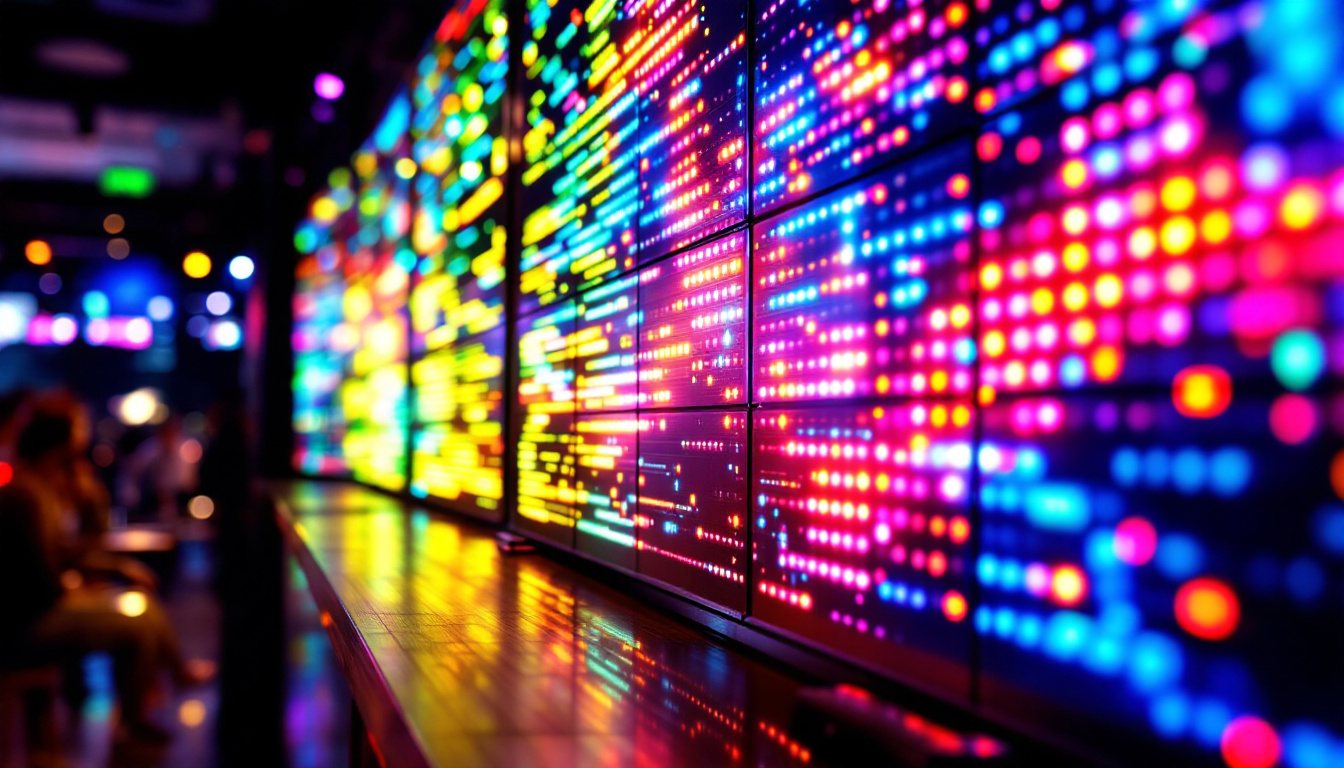
LED stands for Light Emitting Diode, a semiconductor device that emits light when an electric current passes through it. Unlike traditional display technologies such as LCD or plasma, LED displays utilize thousands—or even millions—of tiny LEDs arranged in a matrix to create images and video content.
The core advantage of LED technology lies in its ability to produce bright, vivid colors with excellent contrast ratios. Each LED can be individually controlled to emit precise amounts of red, green, and blue light, combining to form a full spectrum of colors. This granular control allows LED displays to deliver sharp and dynamic visuals that are easily visible even in direct sunlight.
Types of LED Displays
LED displays come in several configurations, primarily categorized by pixel pitch and form factor:
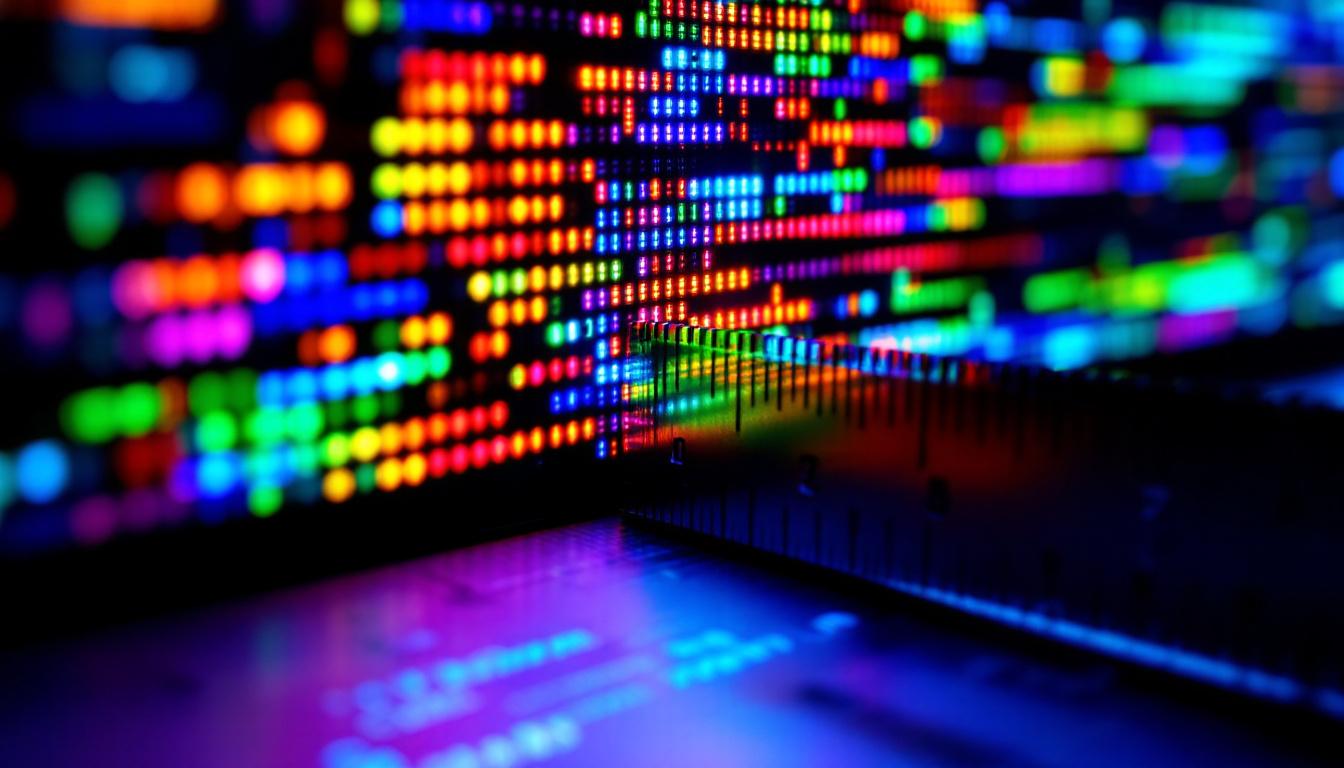
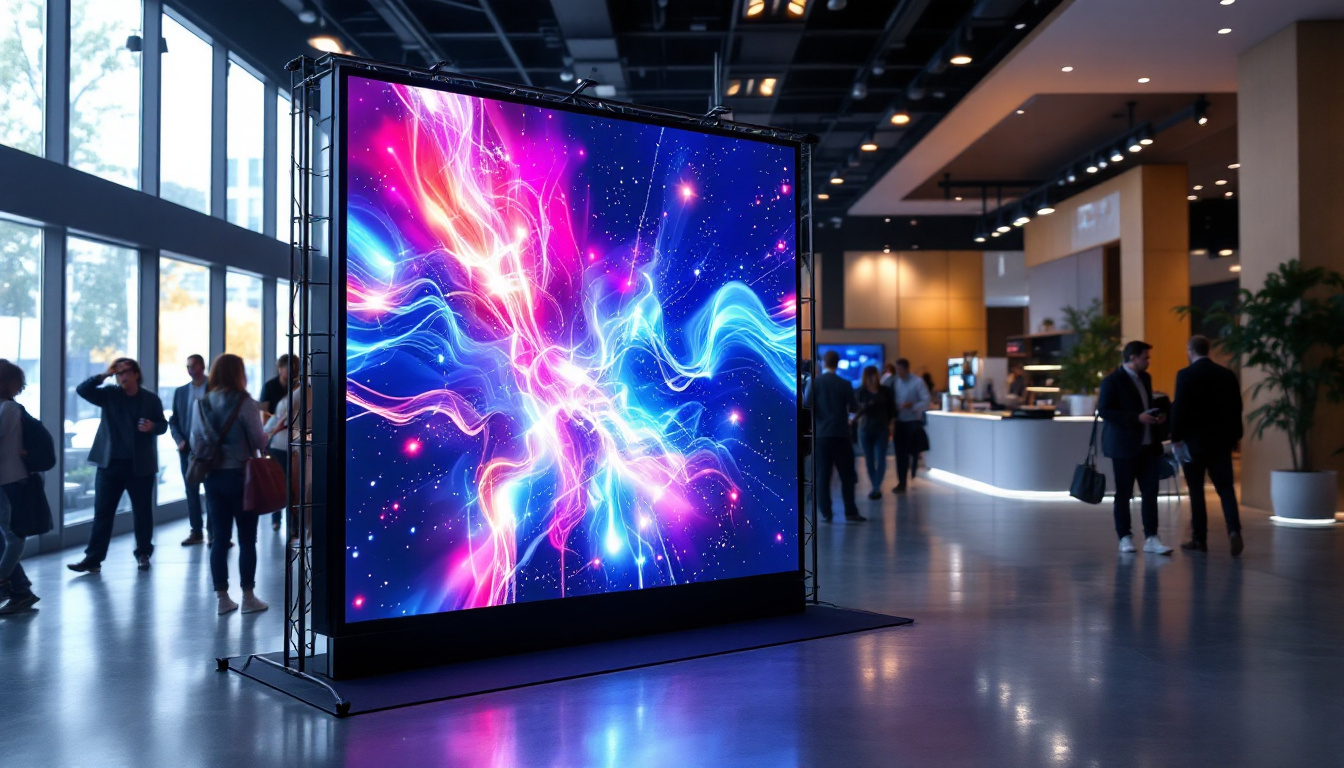
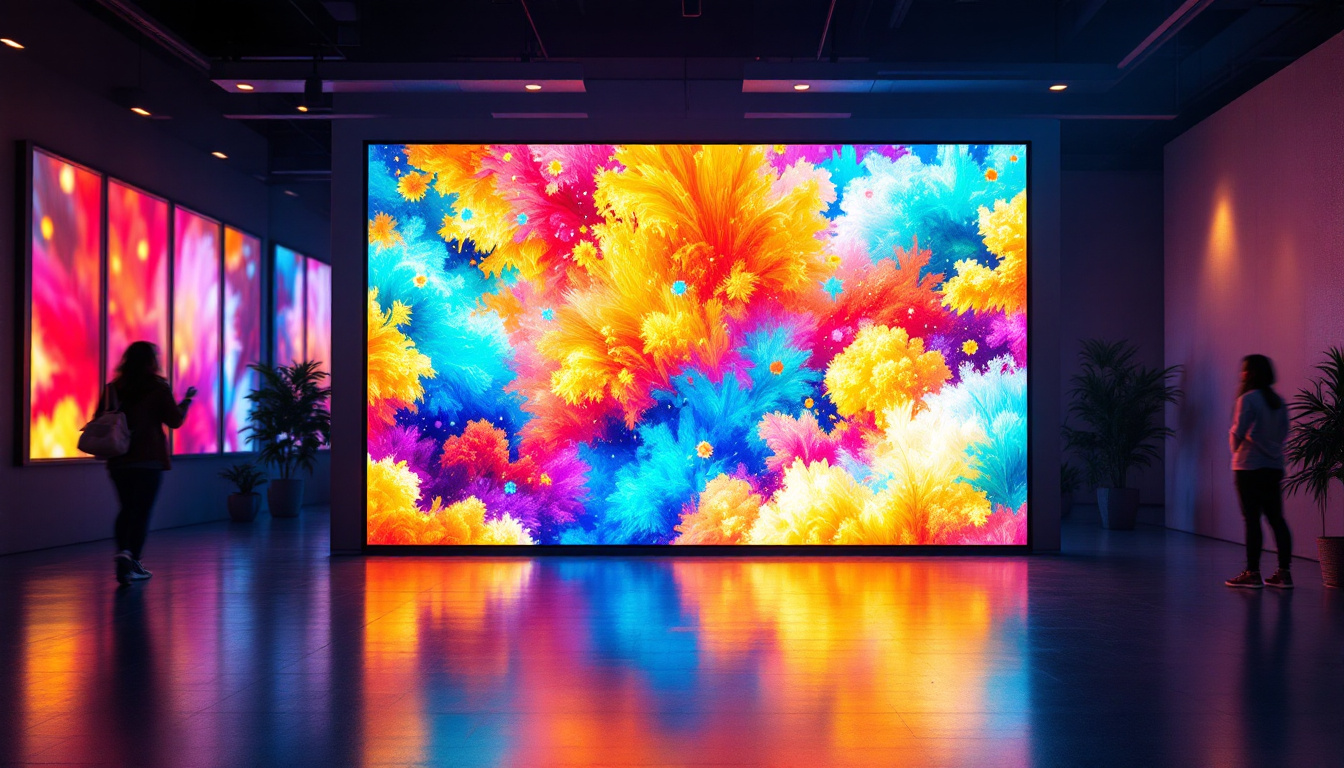
- Indoor LED Displays: Designed for controlled lighting environments, these displays have a smaller pixel pitch (the distance between individual LEDs), often ranging from 0.9mm to 4mm. This allows for high-resolution images suitable for close viewing distances, such as in retail stores or conference rooms.
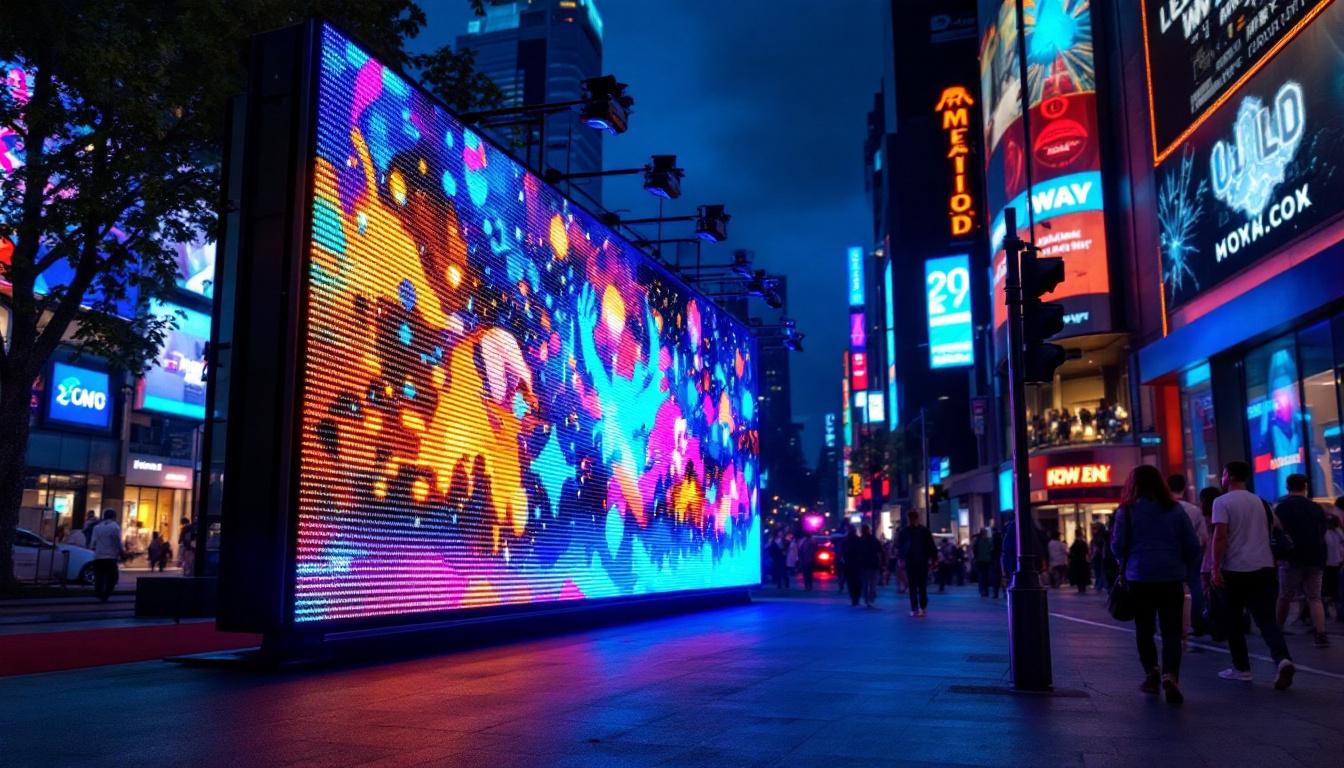
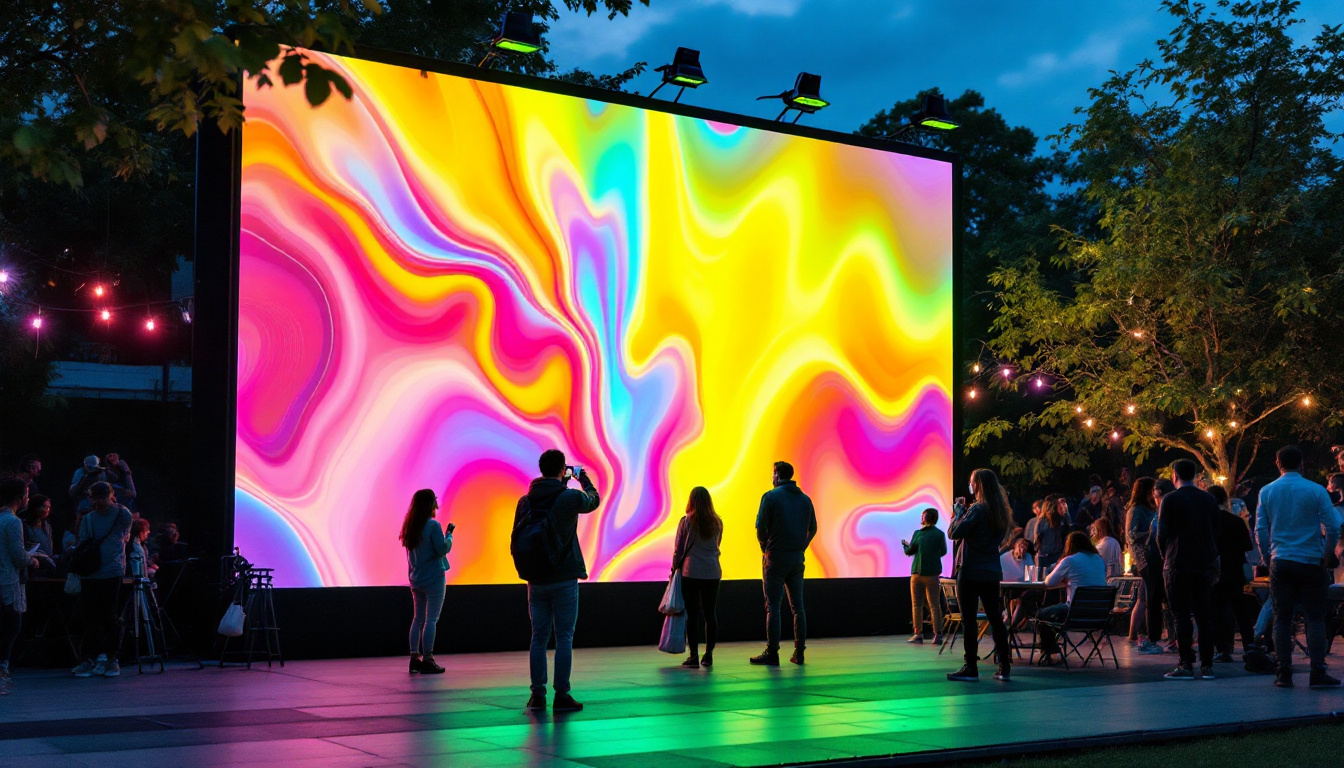
- Outdoor LED Displays: Built to withstand harsh weather conditions, these displays have larger pixel pitches, typically between 4mm and 20mm or more. Their brightness levels can exceed 5,000 nits, ensuring visibility even under direct sunlight. Common uses include billboards, stadium screens, and transportation hubs.
- Transparent LED Displays: These innovative panels allow light to pass through, making them ideal for glass storefronts or architectural installations where maintaining a view is important.
How LED Displays Work
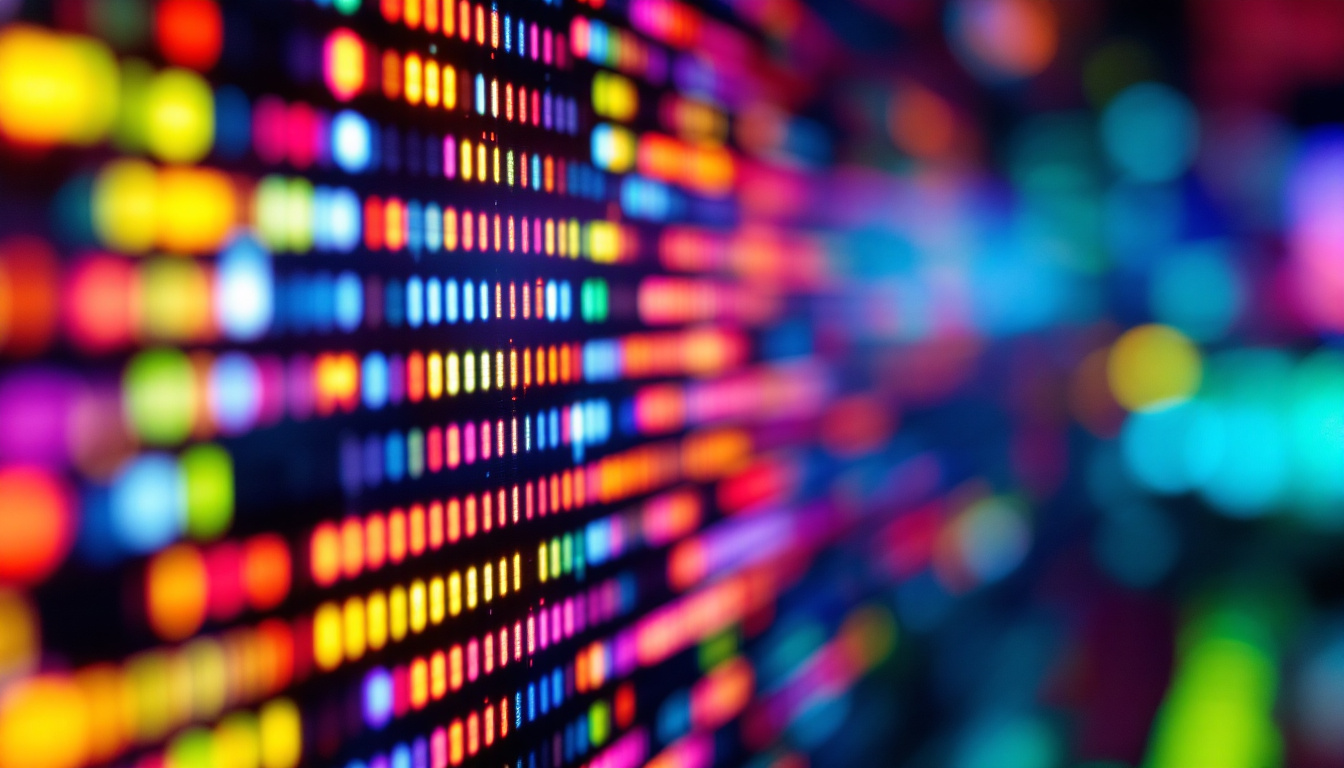
At the heart of an LED display is the pixel, which consists of three tiny LEDs—red, green, and blue. By varying the intensity of each LED, the pixel can produce a wide range of colors. Millions of these pixels combine to form the full image.
The display is controlled by a processing unit that receives video signals and translates them into instructions for each LED. This synchronization ensures smooth motion and accurate color reproduction. Modern LED displays also incorporate sensors that adjust brightness based on ambient light, optimizing visibility and energy consumption.
Furthermore, LED technology has evolved to include advancements such as flexible and curved displays, which allow for creative installations and unique viewing experiences. These displays can be bent or shaped to fit unconventional spaces, making them popular in modern architecture and design. Additionally, the integration of smart technology into LED displays has paved the way for interactive features, enabling users to engage with content in real-time through touch or gesture recognition, enhancing the overall user experience.
As LED technology continues to advance, the environmental impact is also being considered. Many manufacturers are focusing on creating energy-efficient models that consume less power while maintaining high brightness and color accuracy. This shift not only reduces operational costs for businesses but also aligns with global sustainability efforts, making LED displays a more eco-friendly choice in the long run. The combination of innovation and sustainability is driving the future of display technology, ensuring that LED displays remain at the forefront of visual communication.
Advantages of LED Digital Signage
LED displays have surged in popularity due to their numerous benefits over traditional signage and other digital display technologies.
Exceptional Brightness and Visibility
One of the most significant advantages of LED displays is their brightness. With luminance levels often exceeding 5,000 nits for outdoor models, LED signs remain clear and readable in direct sunlight, a critical factor for outdoor advertising and public information displays.
In indoor settings, the ability to adjust brightness dynamically ensures that content is always visible without causing eye strain, enhancing the viewer’s experience. This adaptability is particularly beneficial in environments with varying lighting conditions, such as shopping malls or stadiums, where the ambient light can fluctuate dramatically throughout the day.
Energy Efficiency and Longevity
LED technology is inherently energy-efficient compared to older lighting methods such as incandescent or fluorescent bulbs. LEDs convert a higher percentage of electricity into light, reducing power consumption and operational costs.
Furthermore, LED displays boast long lifespans, often rated between 50,000 and 100,000 hours of operation. This durability translates into lower maintenance costs and fewer replacements, making LEDs a cost-effective solution over time. The reduced need for frequent replacements not only saves money but also minimizes the environmental impact associated with manufacturing and disposing of traditional lighting technologies.
Flexibility and Customization
LED displays offer unparalleled flexibility in size, shape, and resolution. They can be configured as massive outdoor billboards, curved or flexible panels, or even transparent screens. This adaptability allows businesses to tailor their digital signage to specific environments and branding needs.
Content can be updated remotely and in real-time, enabling dynamic messaging that can respond to changing conditions, promotions, or events. This capability is invaluable for retailers, transportation authorities, and event organizers. For instance, a restaurant can showcase daily specials or limited-time offers, while a transportation hub can provide live updates on arrivals and departures, ensuring that information is both timely and relevant to the audience.
Environmental Benefits
LED displays are more environmentally friendly than many other signage options. Their energy efficiency reduces carbon footprints, and they contain no hazardous materials such as mercury, which is common in some other lighting technologies.
Additionally, the long lifespan and recyclability of LED components contribute to sustainable practices within the signage industry. As businesses increasingly prioritize sustainability, the use of LED technology aligns with corporate social responsibility goals, allowing companies to promote their commitment to environmental stewardship while enhancing their brand image through modern, eco-friendly signage solutions. This shift not only appeals to environmentally conscious consumers but also encourages a broader industry movement towards greener practices in advertising and marketing.
Common Applications of LED Digital Signage
LED displays have found widespread adoption across various sectors due to their versatility and performance.
Retail and Advertising
Retailers use LED signage to attract customers, promote products, and enhance the shopping experience. Digital window displays with high-resolution LED panels can showcase vibrant advertisements and interactive content, increasing foot traffic and engagement.
Outdoor LED billboards remain a dominant medium for advertisers, offering large-scale, eye-catching visuals that can be updated instantly to reflect new campaigns or promotions.
Transportation and Public Information
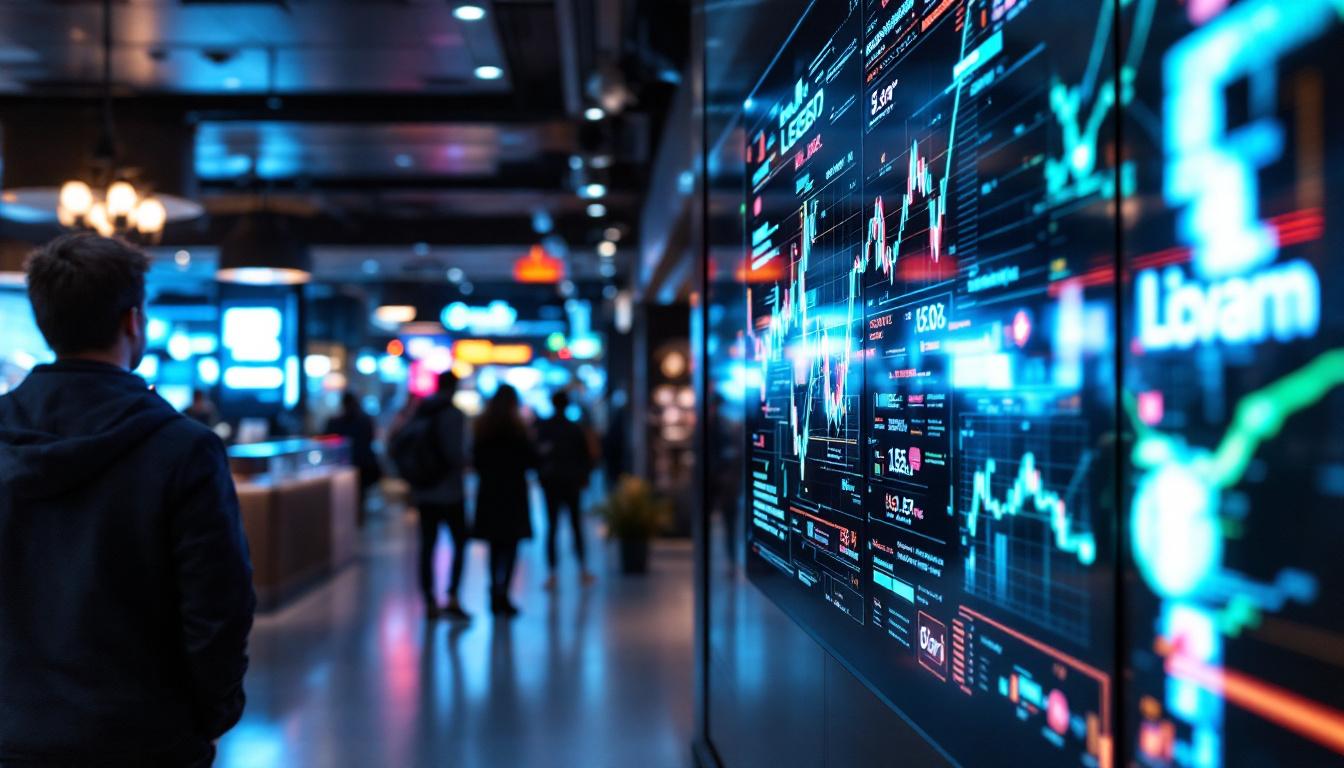
Airports, train stations, and bus terminals rely on LED displays to provide real-time information such as schedules, delays, and safety messages. The brightness and clarity of LED screens ensure passengers can easily access critical information regardless of lighting conditions.
Roadside LED signs are also used for traffic management and public safety announcements, adapting messages quickly in response to changing conditions.
Corporate and Event Spaces
In corporate environments, LED displays serve as digital notice boards, presentation screens, and branding tools. Their ability to display high-quality video and graphics enhances communication during meetings, conferences, and trade shows.
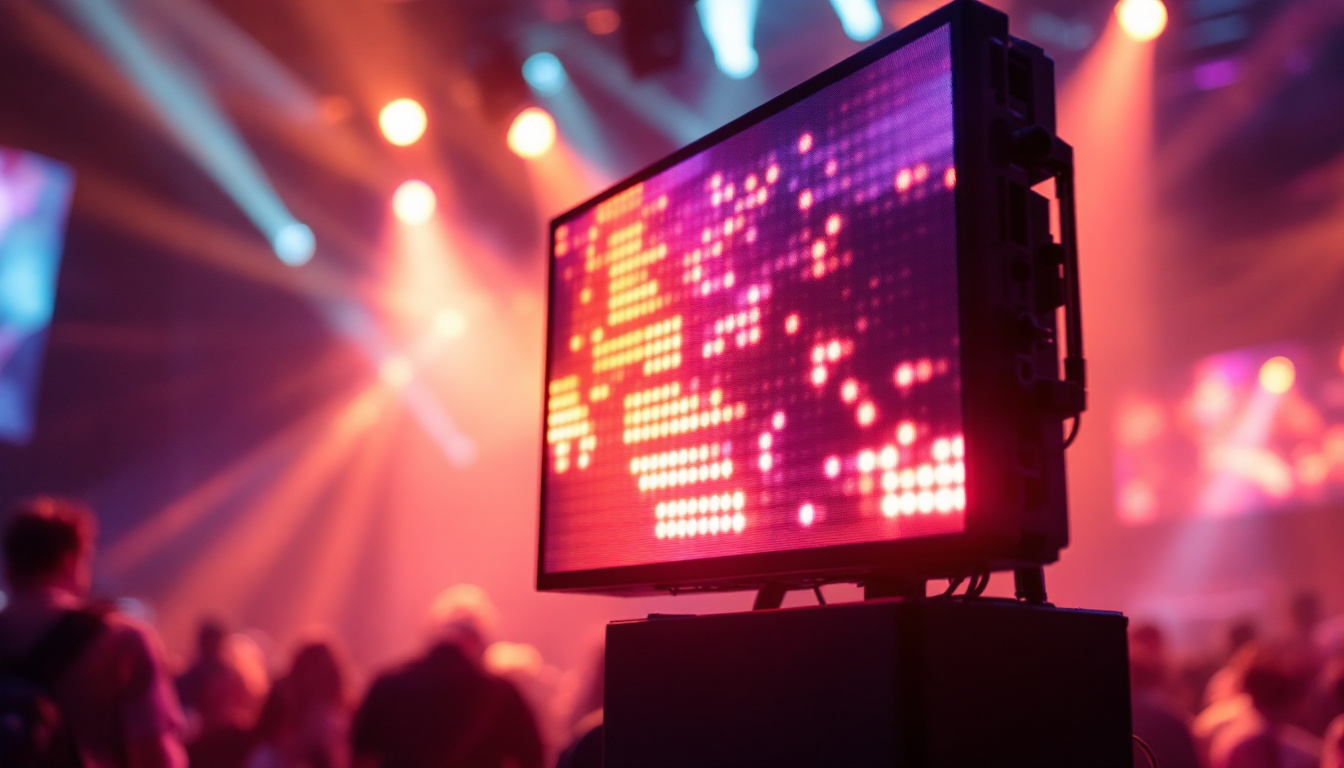
Event venues use LED walls and screens to create immersive experiences, from concerts to sports arenas. The scalability of LED technology allows for impressive visual effects that captivate audiences.
Key Considerations When Choosing an LED Display
Selecting the right LED display involves understanding the specific needs of the application and environment.
Pixel Pitch and Resolution
Pixel pitch determines the resolution and viewing distance of the display. A smaller pixel pitch means higher resolution and better image quality at close range, ideal for indoor use. Conversely, larger pixel pitches are suitable for outdoor displays viewed from a distance.
Choosing the appropriate pixel pitch ensures content is clear and legible, maximizing the impact of the signage.
Brightness and Contrast Ratio
Brightness levels should align with the ambient lighting conditions. Outdoor displays require higher brightness to combat sunlight glare, while indoor displays benefit from adjustable brightness to prevent eye fatigue.
Contrast ratio affects the depth and clarity of images. Higher contrast ratios produce more vibrant and detailed visuals, enhancing viewer engagement.
Durability and Weather Resistance
For outdoor installations, displays must be rugged and weatherproof, with protection against rain, dust, and temperature extremes. Look for displays with appropriate IP (Ingress Protection) ratings to ensure longevity.
Control Systems and Software
Modern LED displays are managed through sophisticated control systems that allow content scheduling, remote updates, and integration with other digital platforms. Choosing a system with user-friendly software and reliable connectivity is crucial for efficient operation.
The Future of LED Digital Signage
As technology advances, LED displays continue to evolve, offering new possibilities for digital communication.
Mini-LED and Micro-LED Innovations
Emerging technologies such as mini-LED and micro-LED promise even higher resolutions, improved color accuracy, and thinner form factors. These advancements will enable LED displays to compete more directly with OLED and other premium display technologies.
Integration with AI and IoT
Artificial intelligence and the Internet of Things (IoT) are transforming digital signage into interactive, data-driven platforms. AI can tailor content based on audience demographics or environmental factors, while IoT connectivity allows displays to respond dynamically to real-world inputs.
Energy Harvesting and Sustainability
Future LED displays may incorporate energy-harvesting technologies such as solar panels to further reduce environmental impact. Sustainable manufacturing practices and recyclable materials will also play a larger role in the industry’s evolution.
Conclusion
LED digital sign displays have revolutionized the way businesses and organizations communicate with their audiences. Their superior brightness, energy efficiency, and adaptability make them an ideal choice for a wide range of applications, from retail advertising to public information systems.
Understanding the technology behind LED displays, their benefits, and key selection criteria empowers decision-makers to implement effective digital signage solutions that engage viewers and deliver measurable results. As LED technology continues to advance, it will remain at the forefront of digital communication, shaping the future of visual media.
Explore Cutting-Edge LED Display Solutions with LumenMatrix
Ready to elevate your visual communication strategy with the latest in LED display technology? LumenMatrix is at the forefront of innovation, offering a diverse range of LED display solutions tailored to meet your unique needs. From captivating Indoor LED Wall Displays to dynamic Outdoor LED Wall Displays, and from versatile Vehicle LED Displays to engaging LED Sports Displays, our products are designed to enhance brand visibility and create immersive visual experiences. Discover how our state-of-the-art LED display modules can transform your space and captivate your audience. Check out LumenMatrix LED Display Solutions today and take the first step towards revolutionizing your digital signage.