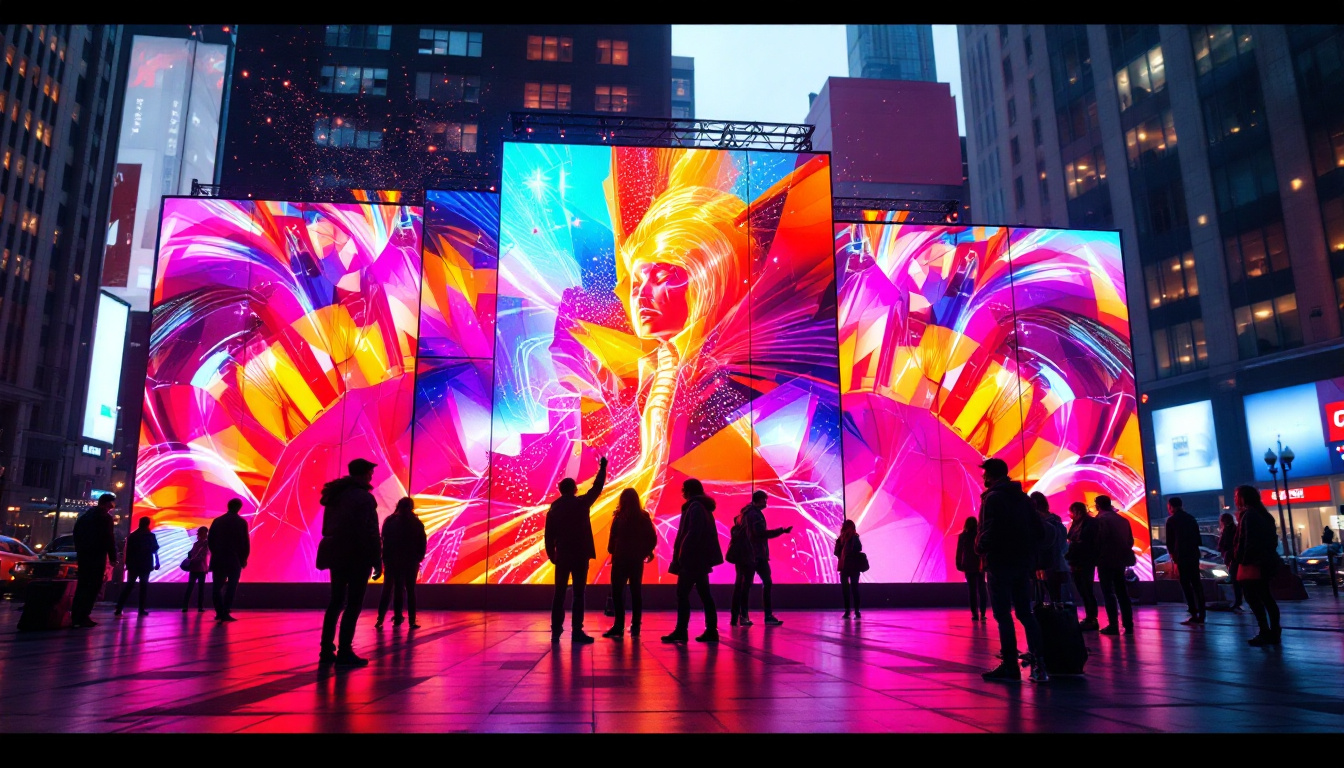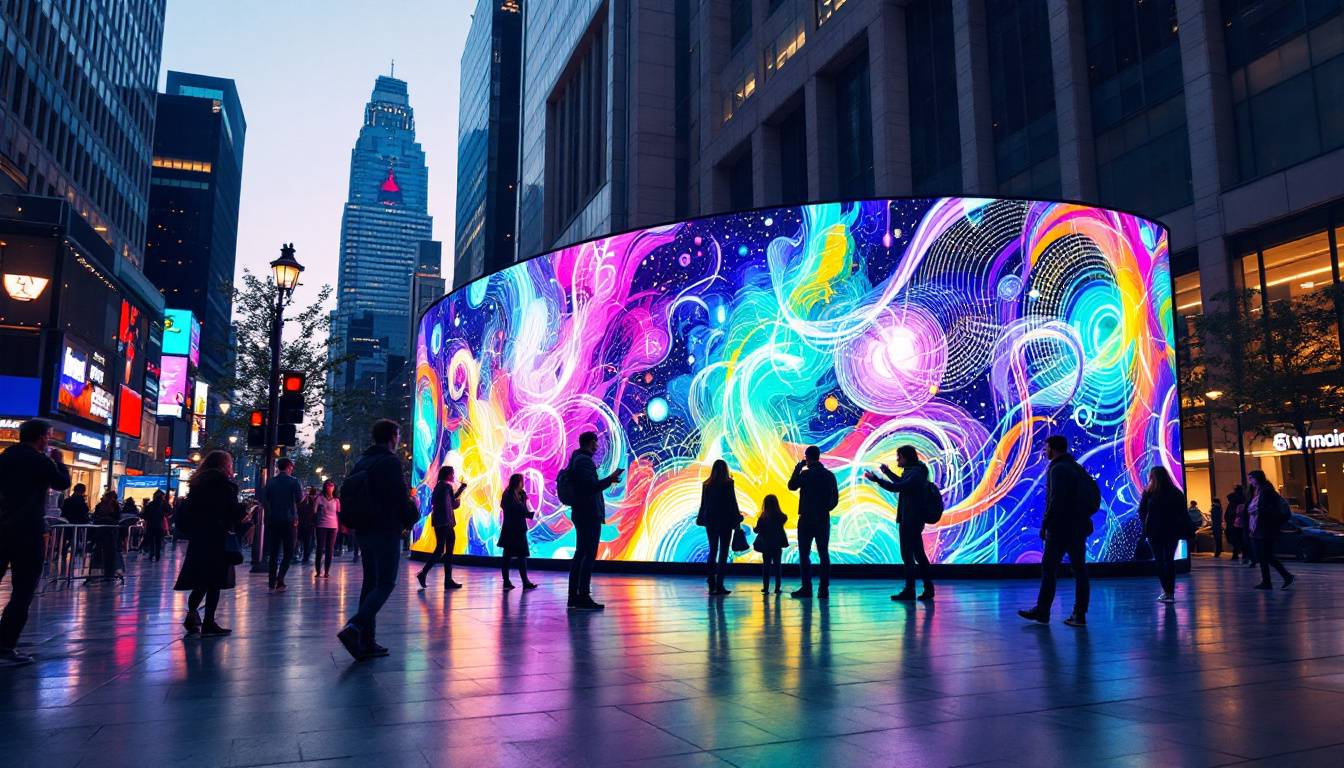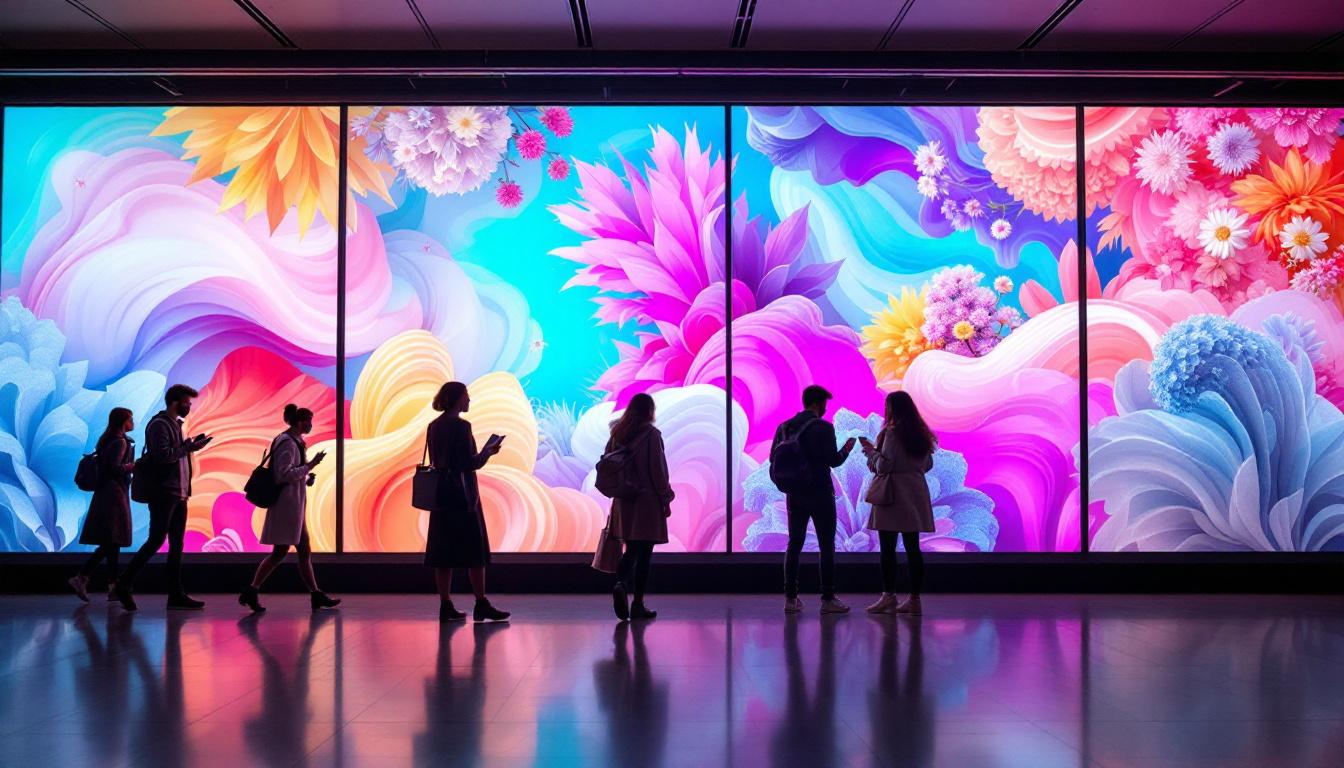
In today’s competitive retail environment, capturing customer attention is more challenging than ever. One of the most effective tools for enhancing in-store engagement and driving sales is the LED display. These vibrant, dynamic screens have revolutionized how shops communicate with their customers, offering unparalleled flexibility and visual impact. This article delves into the world of LED displays, explaining their technology, benefits, applications, and considerations for retailers looking to upgrade their in-shop displays.
Understanding LED Display Technology
What is an LED Display?
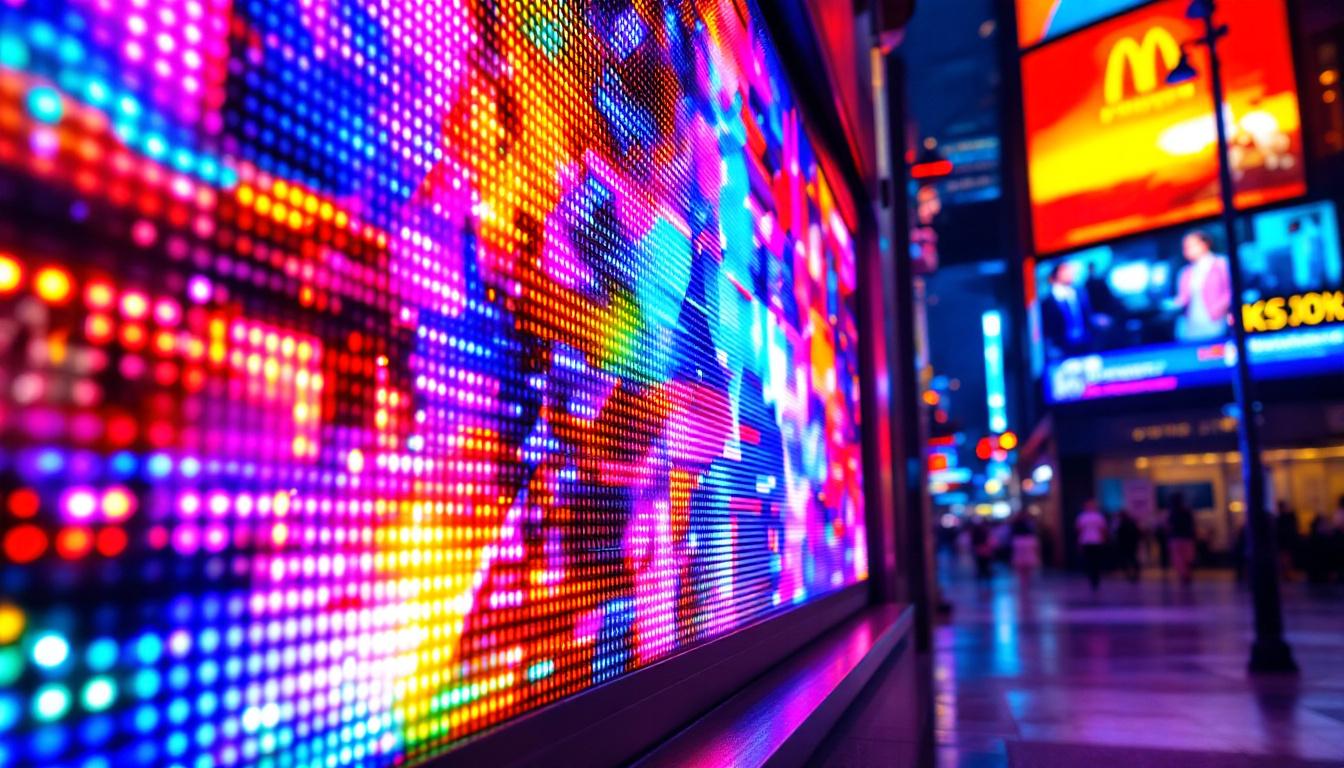
LED stands for Light Emitting Diode, a semiconductor device that emits light when an electric current passes through it. An LED display is essentially a matrix of these tiny diodes arranged to create images, videos, or text. Unlike traditional LCD or plasma screens, LED displays use these diodes as the light source, resulting in brighter, more vivid visuals with better energy efficiency. This technology allows for a wider color gamut and improved contrast ratios, making LED displays ideal for applications where visual impact is crucial.
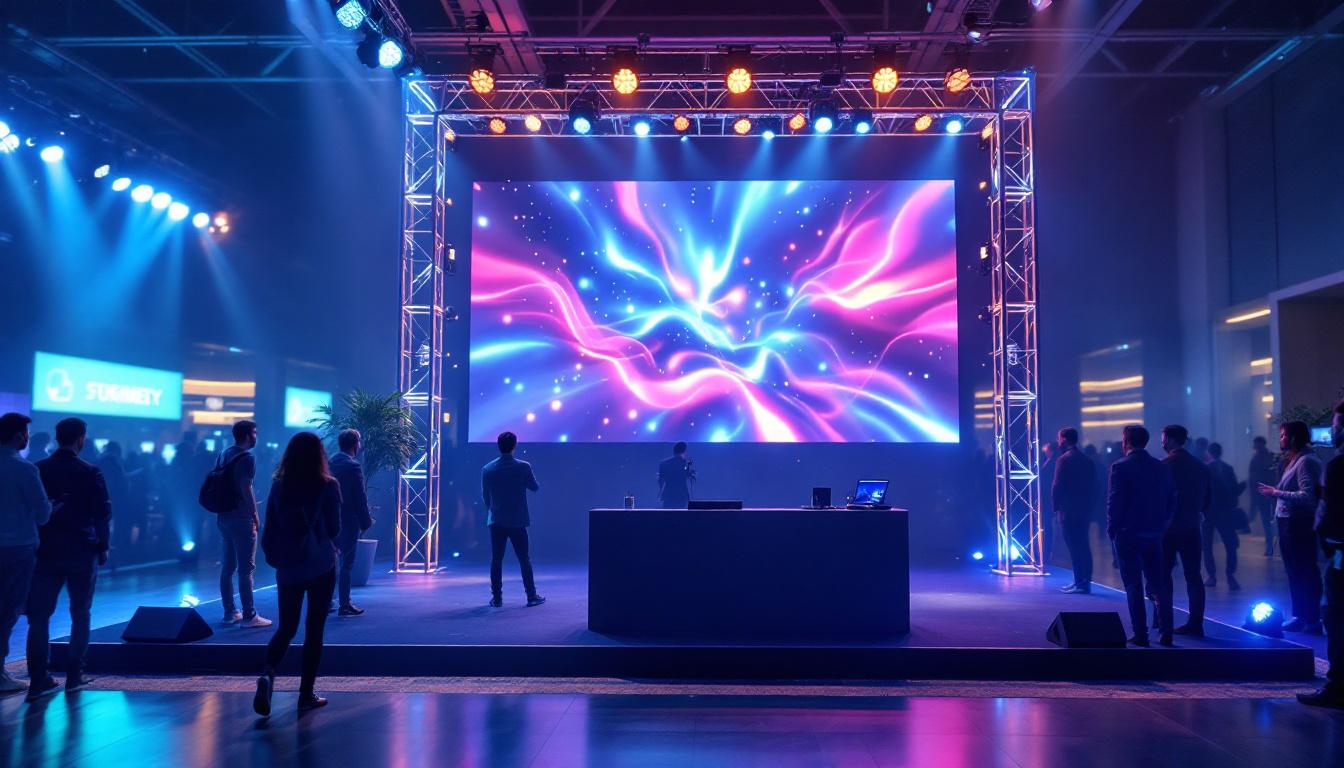
LED displays come in various forms, including indoor and outdoor variants, each optimized for different lighting conditions and viewing distances. The key components of an LED display include the diodes themselves, a control system to manage the content, and a protective casing to ensure durability. Additionally, many modern LED displays incorporate advanced features such as automatic brightness adjustment and color calibration, which enhance performance in varying environmental conditions. This adaptability is particularly beneficial in dynamic settings like concerts, sports events, and advertising, where lighting can change rapidly.
Types of LED Displays
There are primarily two types of LED displays used in retail environments: direct view LED displays and LED-backlit LCD displays. Direct view LED displays consist entirely of LEDs that produce the image, offering superior brightness and contrast. These are commonly used for large-format screens and digital signage. Their modular design allows for seamless scaling, making them suitable for installations of any size, from small storefronts to massive stadiums. Furthermore, the flexibility in design means they can be shaped into various formats, such as curved or irregular configurations, to fit unique architectural spaces.
On the other hand, LED-backlit LCD displays use LEDs as a backlight behind an LCD panel. While these are more common in smaller screens such as monitors and TVs, they are less effective for large-scale retail signage due to lower brightness and viewing angles. However, they do offer advantages in terms of cost and energy consumption, making them a popular choice for everyday consumer electronics. Moreover, advancements in technology have led to the development of edge-lit and full-array backlighting techniques, which enhance the performance of LED-backlit LCDs by improving uniformity and contrast. This evolution continues to blur the lines between traditional LCDs and LED technology, offering consumers a wider range of options tailored to their specific needs and preferences.
Benefits of LED Displays in Retail Shops
Enhanced Visual Appeal and Customer Engagement
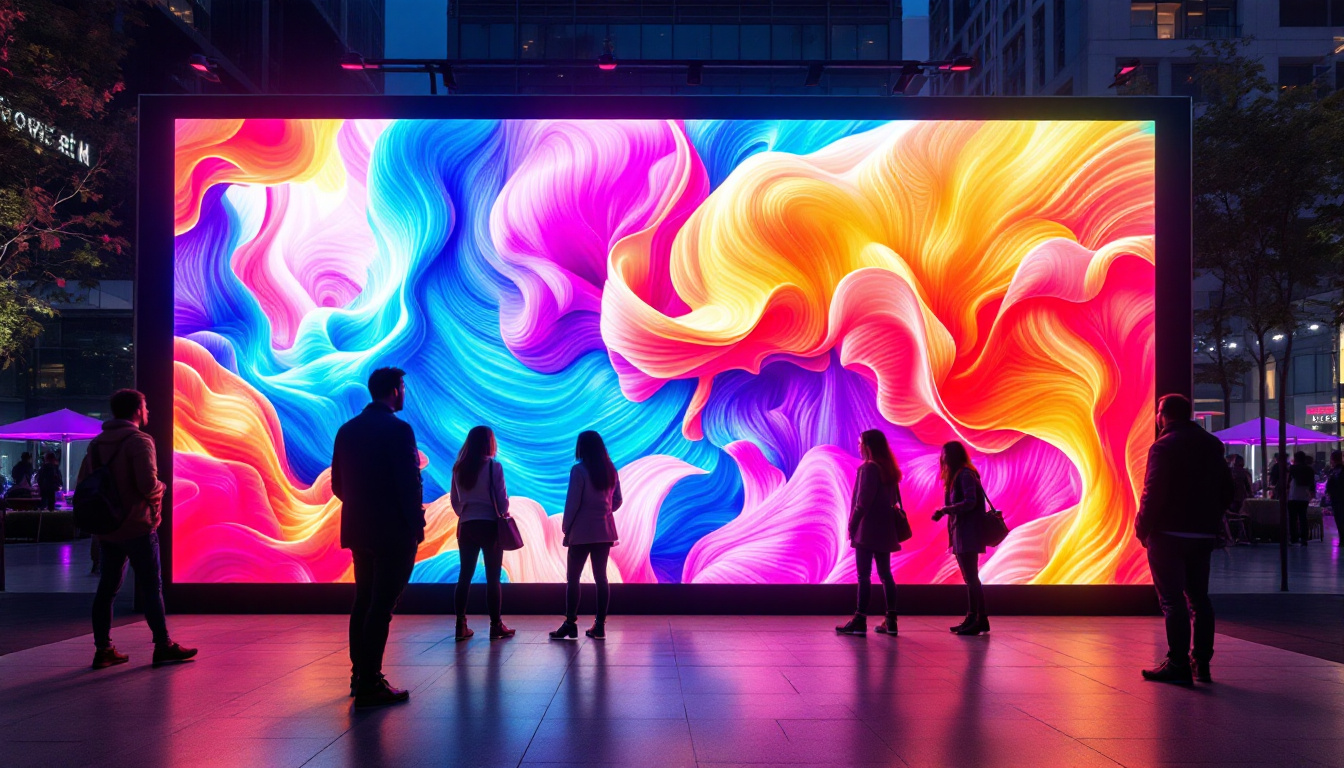
One of the most significant advantages of LED displays is their ability to deliver eye-catching, high-resolution content that grabs customer attention. Bright colors, dynamic animations, and sharp images make it easier to highlight promotions, new products, or brand messages. Studies show that digital signage can increase customer dwell time by up to 30%, which often translates into higher sales.
Moreover, LED displays allow retailers to tailor content in real-time, adapting to customer demographics, time of day, or inventory levels. This flexibility creates a more personalized shopping experience that resonates with consumers. For instance, a clothing store might showcase summer apparel during the warmer months while promoting winter gear as the seasons change. This adaptability not only keeps the content fresh but also ensures that customers are presented with the most relevant offerings, enhancing their overall shopping experience.
Energy Efficiency and Longevity
Compared to traditional lighting and display technologies, LED displays are far more energy-efficient. They consume less power while providing superior brightness, which reduces operational costs for retailers. Additionally, LEDs have a longer lifespan, often exceeding 50,000 hours of use, meaning less frequent replacements and lower maintenance expenses. This longevity not only contributes to cost savings but also reduces the environmental impact associated with frequent disposal of older technologies.
Furthermore, the lower energy consumption of LED displays aligns with the growing trend of sustainability in retail. Many consumers today prefer to shop at stores that demonstrate a commitment to eco-friendly practices. By investing in LED technology, retailers can not only cut costs but also enhance their brand image as environmentally responsible, appealing to a broader audience that values sustainability.
Durability and Versatility
LED displays are known for their robustness. Many models are designed to withstand harsh environmental conditions, including humidity, dust, and temperature fluctuations, making them suitable for both indoor and outdoor use. Their modular design allows for easy customization in size and shape, enabling retailers to create unique installations that fit their store layout perfectly. This versatility means that whether a retailer opts for a large, eye-catching outdoor display or smaller, strategically placed screens inside the store, they can achieve a cohesive and engaging visual strategy.
Additionally, the technology behind LED displays allows for seamless integration with other digital tools and platforms. Retailers can synchronize their LED displays with social media feeds, live event updates, or even customer loyalty programs, creating an interactive experience that encourages customer participation. For example, a store might display real-time social media posts featuring customers using their products, fostering a sense of community and encouraging others to join in. This interconnectedness not only enhances the shopping experience but also drives brand loyalty and engagement in a competitive market.
Applications of LED Displays in Retail Environments
Digital Signage and Advertising
Retailers use LED displays extensively for digital signage to promote products, announce sales, or provide store information. Unlike static posters, digital signage can cycle through multiple messages, incorporate video, and update content remotely. This dynamic approach keeps the store environment fresh and engaging.
For example, fashion retailers often use LED displays to showcase runway videos or seasonal collections, creating an immersive brand experience. Grocery stores might highlight weekly specials or recipe ideas, encouraging impulse purchases.
Interactive Displays and Wayfinding
Some advanced LED displays incorporate touch technology, enabling interactive experiences. Customers can browse product catalogs, check stock availability, or locate items within the store through wayfinding maps. This interactivity enhances customer service and reduces the need for additional staff assistance.
Window Displays and Storefronts
LED displays are particularly effective in window displays, where attracting passersby is crucial. Bright, moving images can draw attention even from a distance, increasing foot traffic. Retailers can schedule content to match different times of day or special events, maximizing impact.
Key Considerations When Choosing LED Displays for Shops
Resolution and Pixel Pitch
Resolution refers to the number of pixels in the display, while pixel pitch is the distance between individual LEDs. For indoor retail environments where customers are close to the screen, a smaller pixel pitch (1-3mm) is essential to ensure sharp, clear images. Larger pixel pitches are suitable for bigger displays viewed from a distance but may appear pixelated up close.
Brightness and Viewing Angles
Brightness is critical for visibility, especially in well-lit environments or near windows. Retail LED displays typically offer brightness levels between 800 to 1500 nits for indoor use, with higher values for outdoor screens. Wide viewing angles ensure that content remains visible and vibrant from different positions within the store.
Content Management Systems (CMS)
Effective content management is vital for maximizing the benefits of LED displays. A robust CMS allows retailers to schedule, update, and customize content easily, often remotely via cloud-based platforms. Integration with inventory or sales data can enable automated content updates, making marketing more responsive and efficient.
Installation and Maintenance
Proper installation is crucial to ensure safety, optimal viewing angles, and ease of maintenance. Retailers should work with experienced providers who can offer support for mounting, calibration, and ongoing technical assistance. Regular maintenance, including cleaning and software updates, helps maintain performance and extend the display’s lifespan.
Future Trends in LED Display Technology for Retail
MicroLED and MiniLED Innovations
Emerging technologies like MicroLED and MiniLED promise even higher resolution, better color accuracy, and improved energy efficiency. MicroLED displays use microscopic LEDs to create pixels, allowing for ultra-thin, flexible screens with exceptional brightness and contrast. These advancements will enable retailers to create more immersive and visually stunning displays.
Integration with Artificial Intelligence
Artificial intelligence (AI) is increasingly being integrated with LED display systems to analyze customer behavior and optimize content delivery. AI-driven displays can detect customer demographics, emotions, or engagement levels and adjust messaging accordingly. This level of personalization can significantly enhance marketing effectiveness and customer satisfaction.
Sustainability and Eco-Friendly Solutions
As sustainability becomes a priority, LED display manufacturers are focusing on eco-friendly materials and energy-saving technologies. Retailers can benefit from displays that reduce their carbon footprint while maintaining high performance, aligning with consumer expectations for responsible business practices.
Conclusion
LED displays have transformed the retail landscape by offering vibrant, flexible, and cost-effective solutions for in-shop communication. Their ability to attract attention, engage customers, and deliver dynamic content makes them an indispensable tool for modern retailers. By understanding the technology, benefits, and key considerations, shops can make informed decisions to enhance their visual merchandising and ultimately boost sales.
As LED technology continues to evolve, embracing innovations like MicroLED and AI integration will further elevate the retail experience. Investing in high-quality LED displays today is not just about staying current—it’s about future-proofing the store’s marketing strategy in an increasingly digital world.
Explore Cutting-Edge LED Solutions with LumenMatrix
Ready to elevate your retail space with the latest in LED display technology? Discover the transformative power of LumenMatrix’s innovative LED solutions. From captivating Indoor and Outdoor LED Wall Displays to dynamic Vehicle and Sports LED Displays, our range of products is designed to make your brand shine. Experience the future of visual communication with our All-in-One LED Displays, LED Transparent Displays, and more. Check out LumenMatrix LED Display Solutions today and bring your retail environment to life with unparalleled clarity and impact.