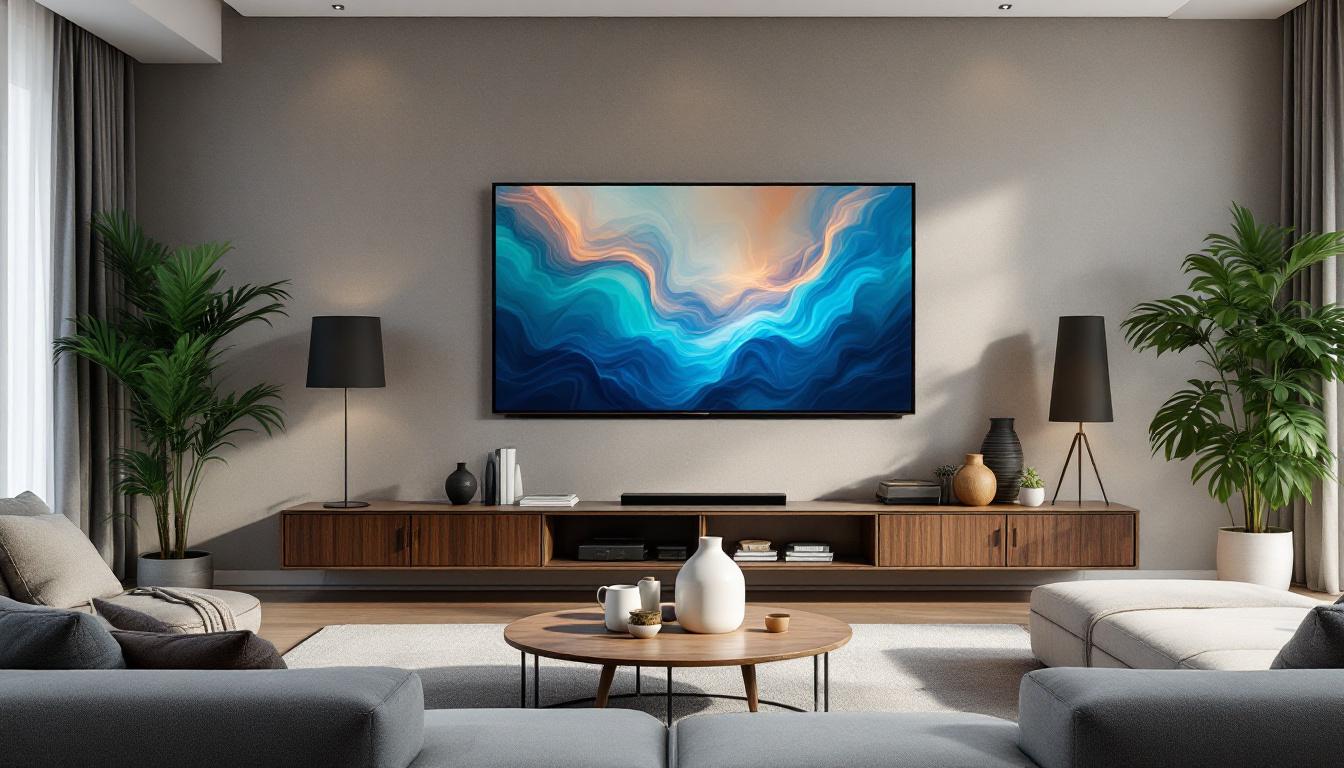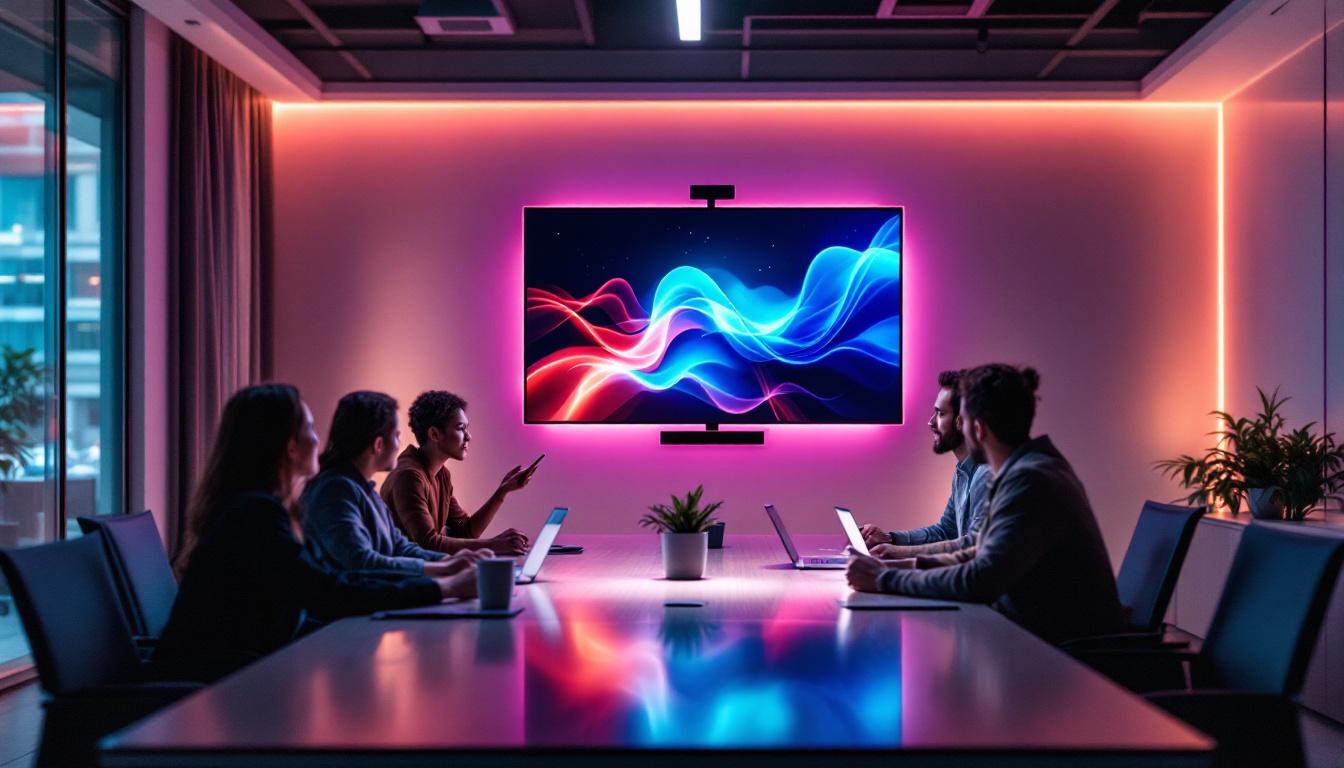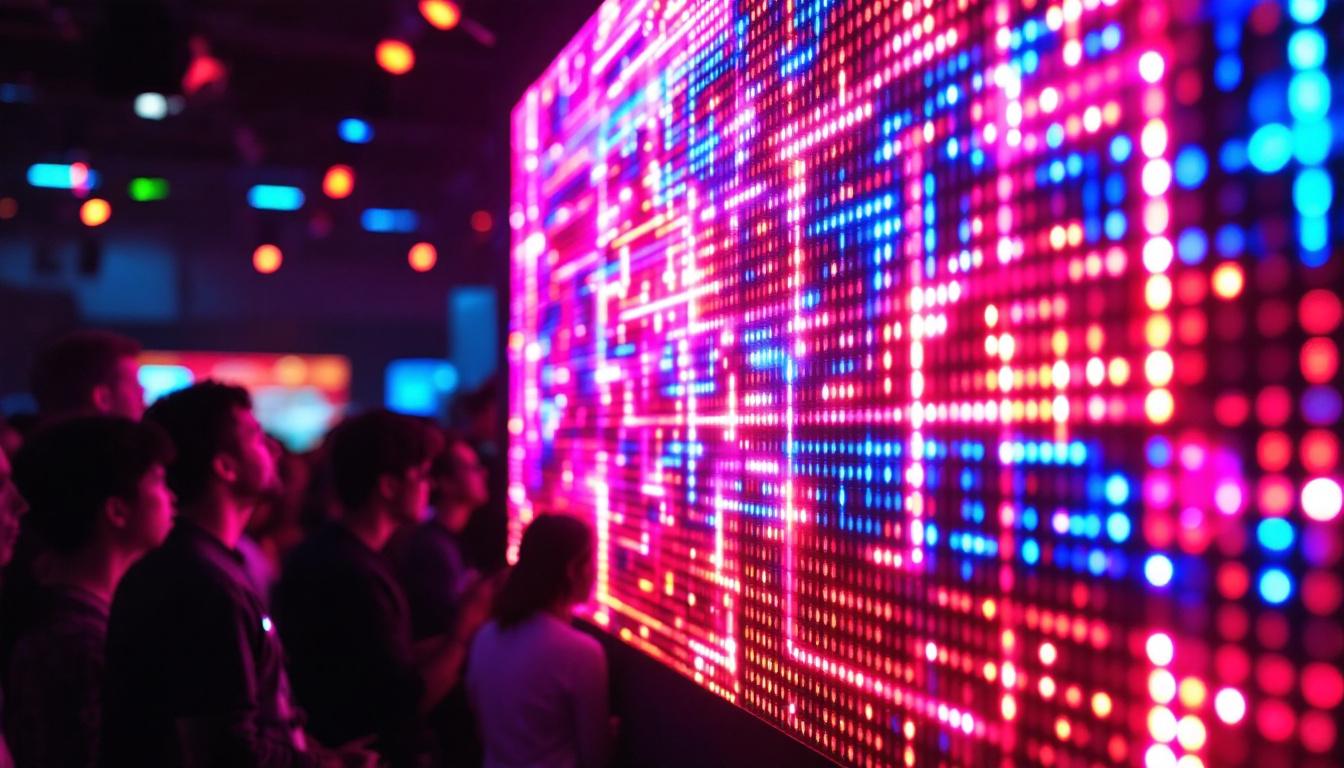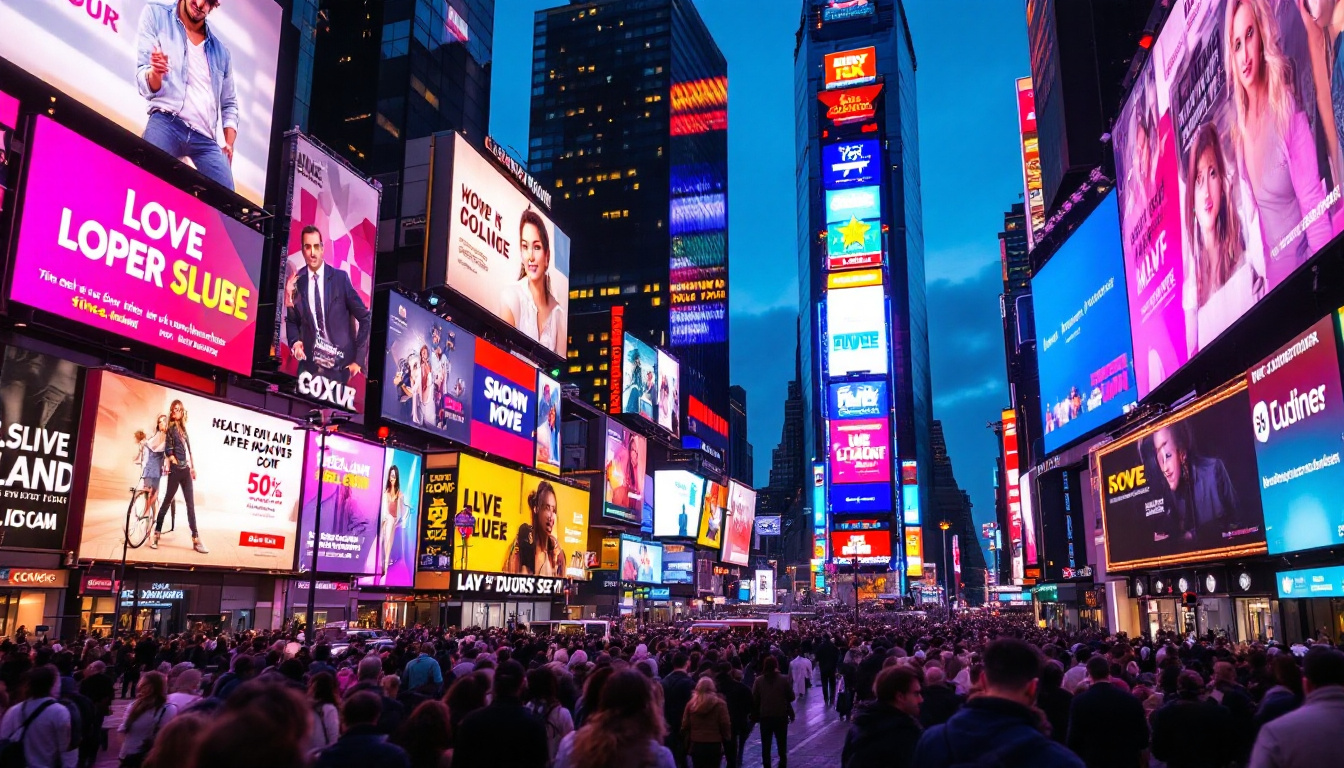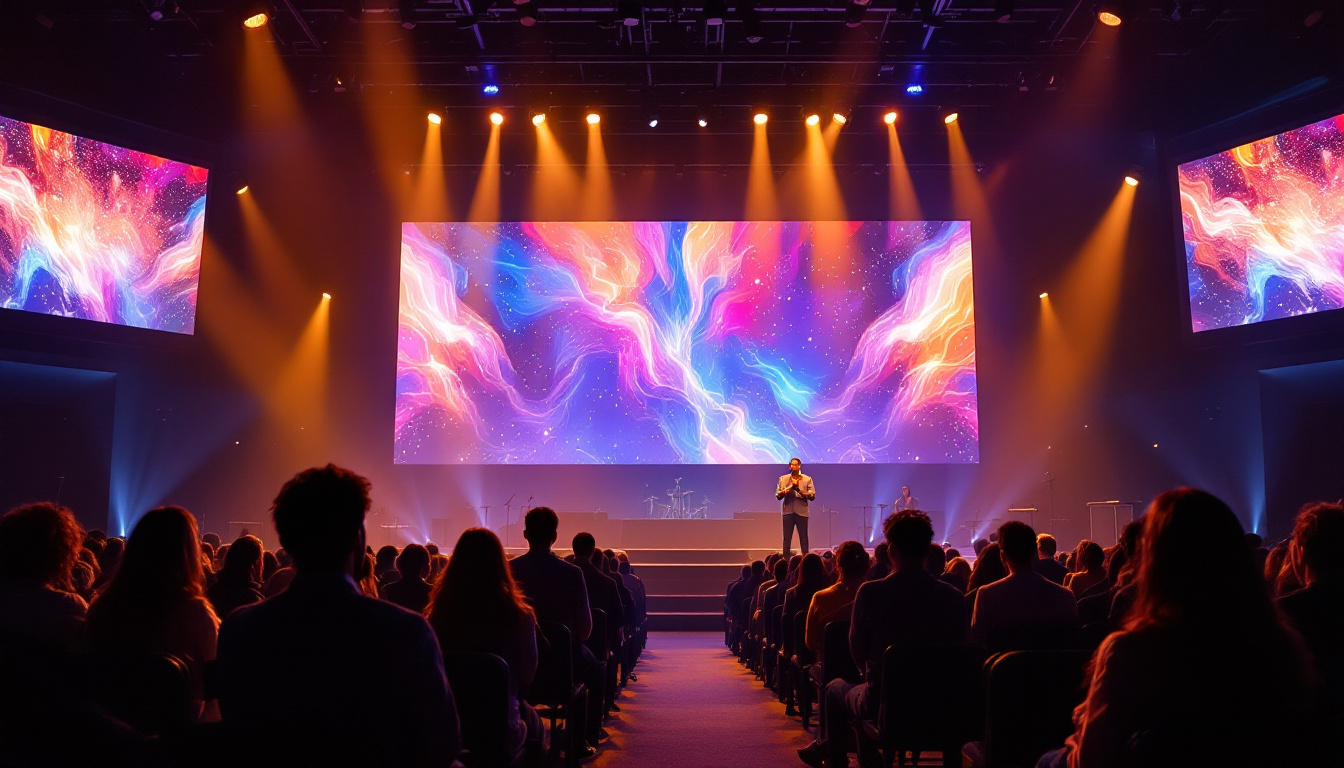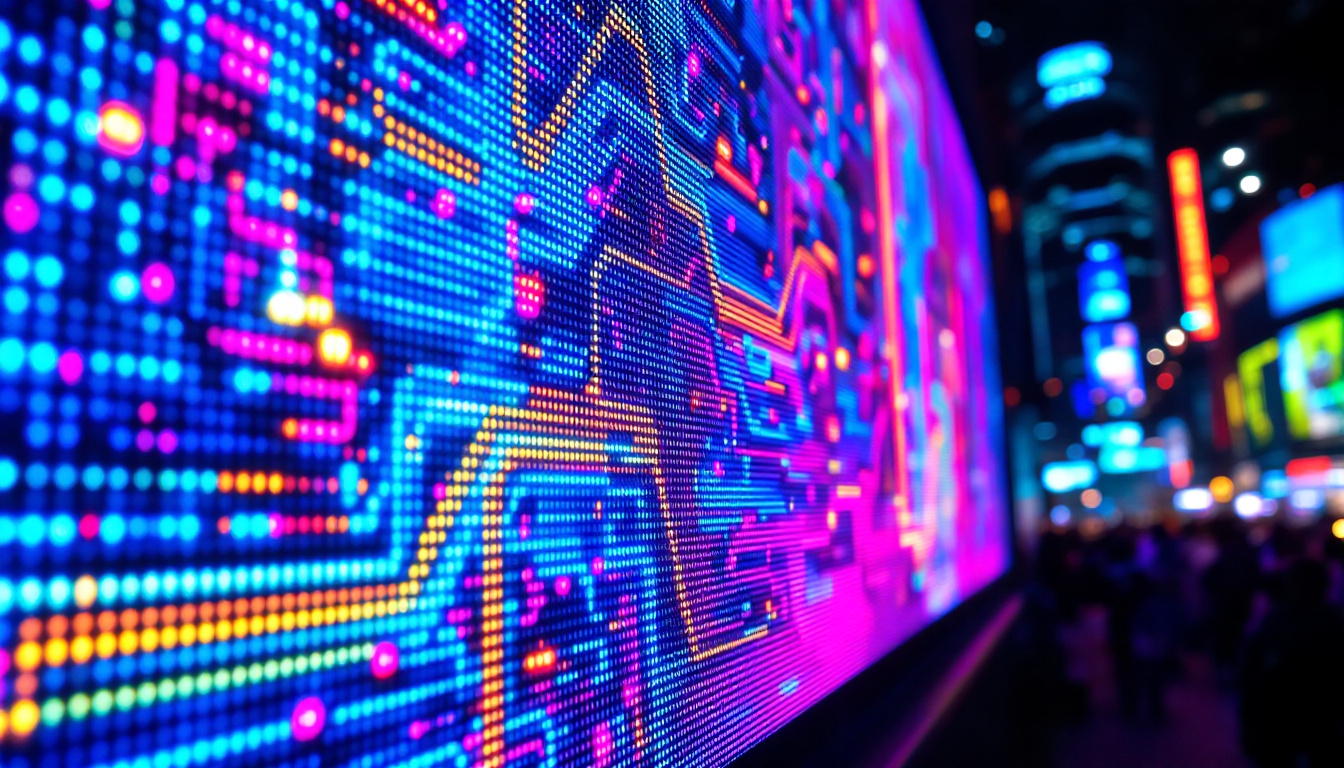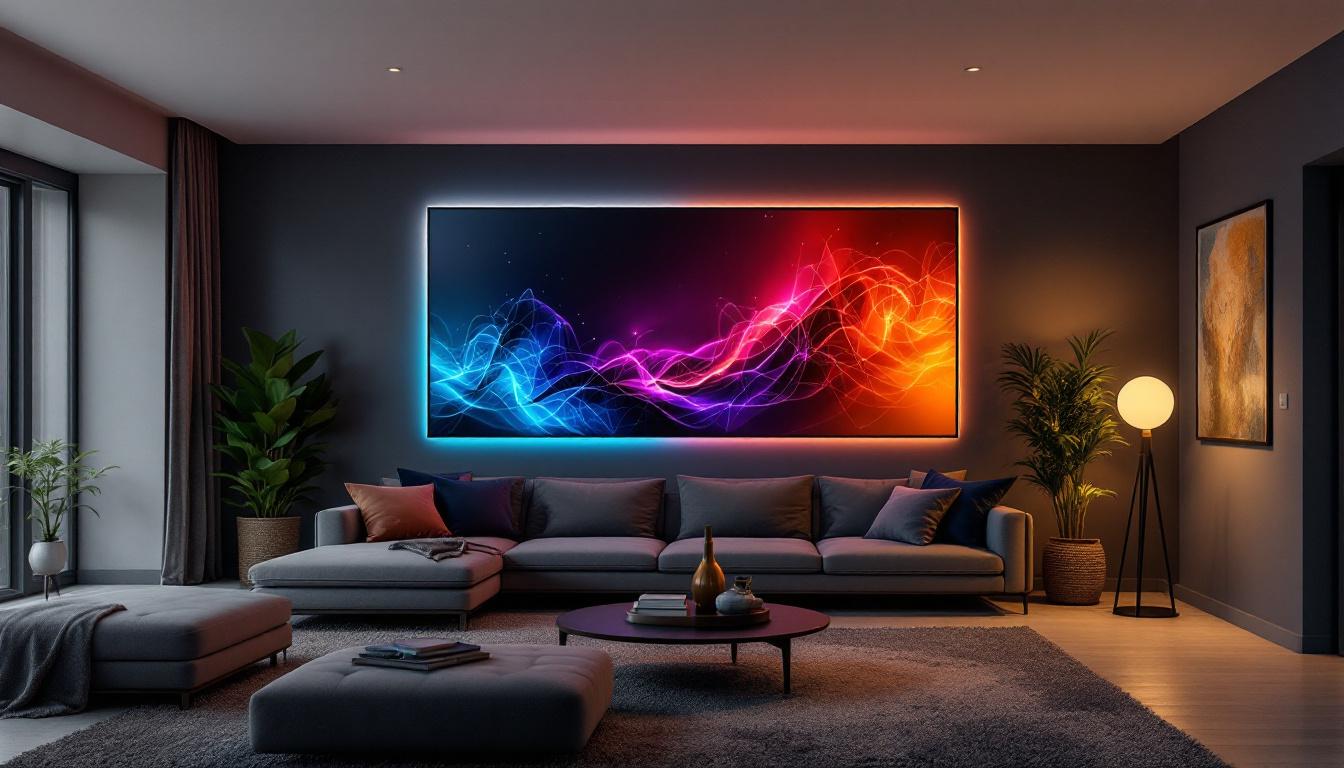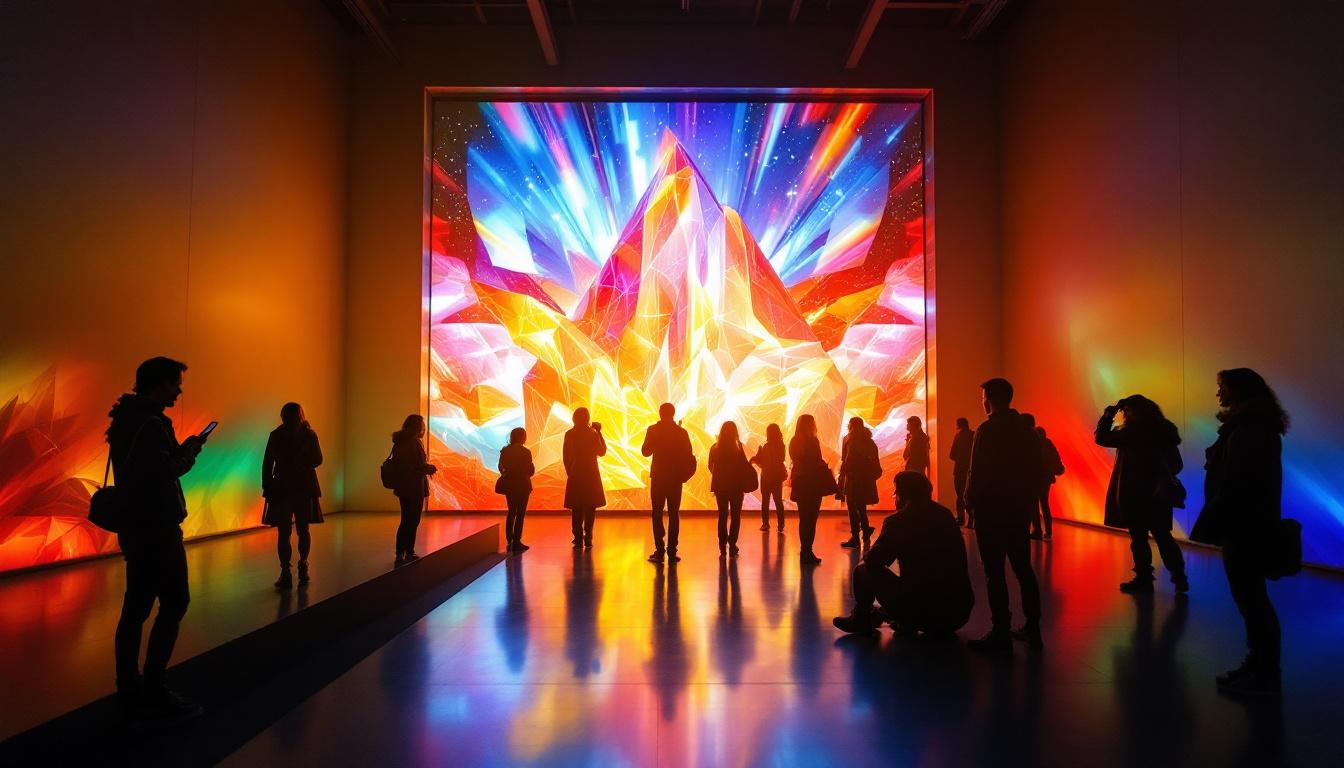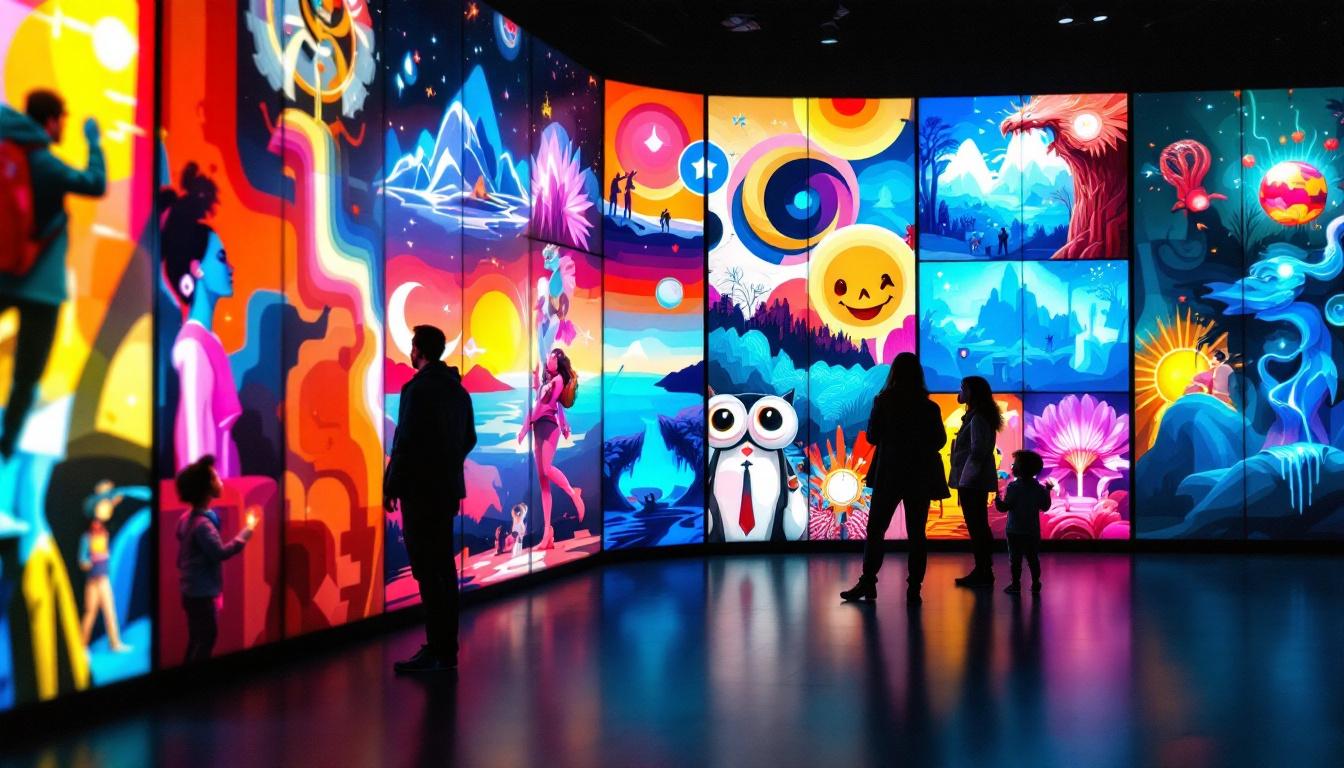
In the evolving landscape of art presentation, technology has become a pivotal force in redefining how art is exhibited and experienced. Among the most transformative innovations are LED display walls, which have revolutionized the way galleries, museums, and artists showcase visual content. This article explores the fundamentals of LED display walls, their advantages for art display, and why they are becoming an indispensable tool in contemporary art environments.
Understanding LED Display Walls
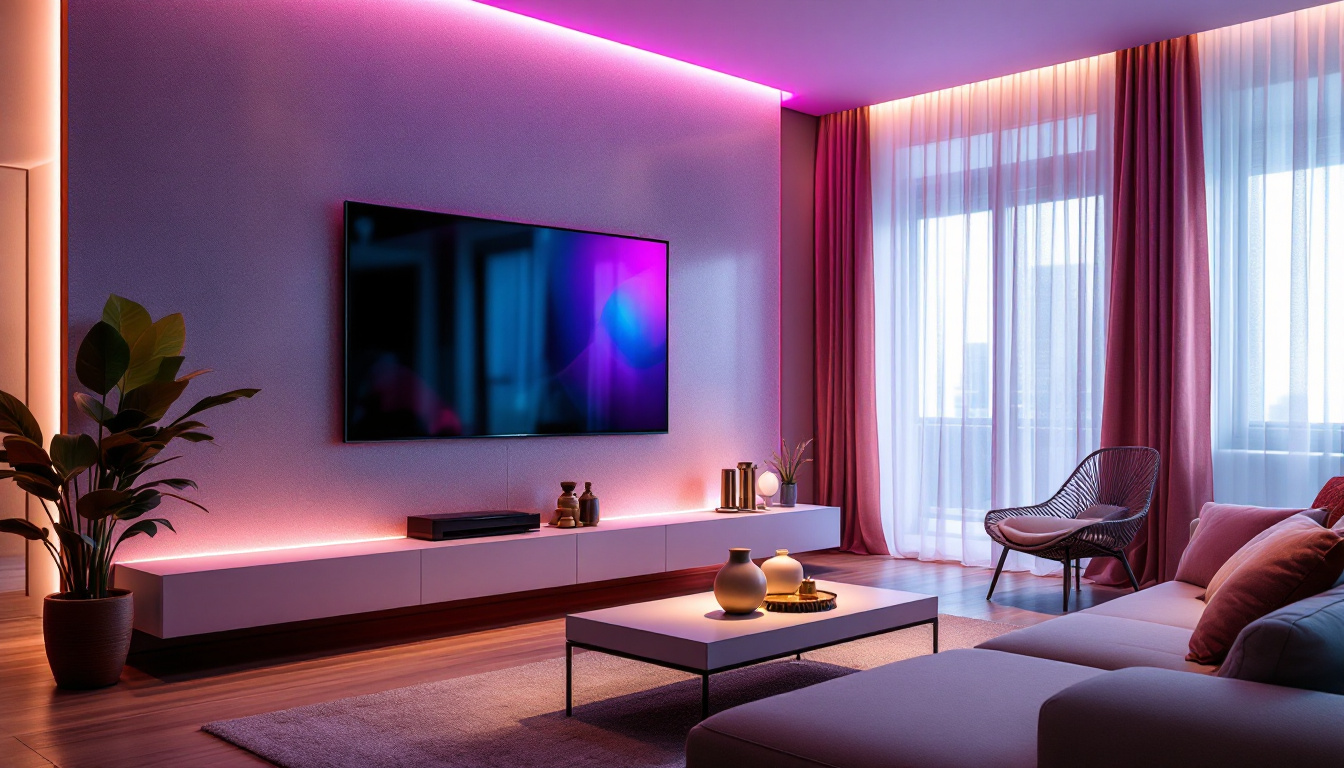
LED display walls consist of numerous light-emitting diodes arranged in a grid to form a large, seamless screen. Unlike traditional screens, these walls can be scaled to various sizes, offering flexibility that suits everything from intimate gallery spaces to expansive museum halls. The modular nature of LED displays allows for easy installation and reconfiguration, making them ideal for dynamic environments where the layout may frequently change.
The technology behind LED displays involves tiny diodes that emit light when an electrical current passes through them. These diodes can produce vivid colors and high brightness levels, making the images displayed exceptionally clear and vibrant even in brightly lit environments. This capability is particularly important for art exhibitions where color accuracy and detail are paramount. Furthermore, advancements in LED technology have led to the development of high-resolution displays that can showcase intricate details, ensuring that even the most delicate brush strokes or subtle textures are rendered with precision.
How LED Walls Differ From Other Display Technologies
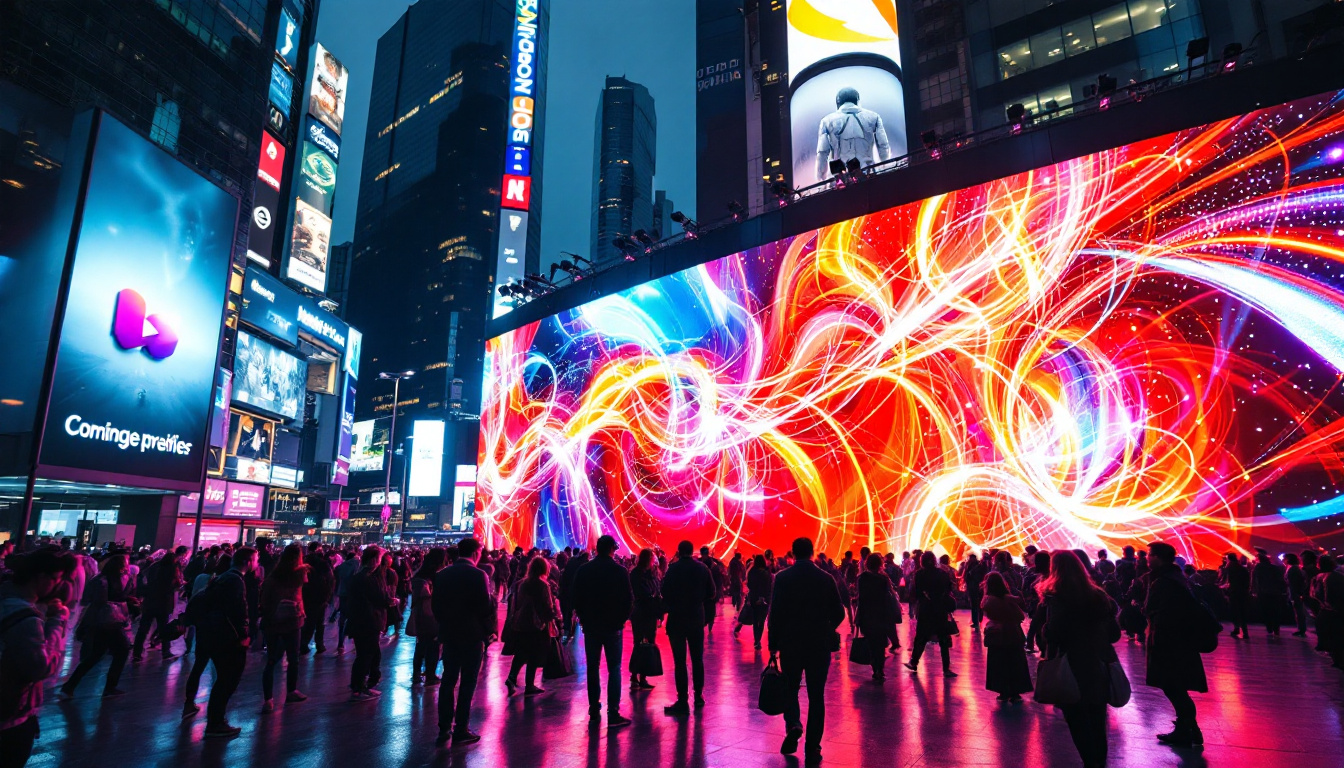
Compared to LCD or projection-based displays, LED walls offer several distinct advantages. For one, LED walls provide superior brightness and contrast ratios, which means artworks appear more lifelike and engaging. Additionally, LED panels can be configured in various shapes and sizes without compromising image quality, allowing for creative installations that traditional displays cannot match. This flexibility enables artists and curators to push the boundaries of visual storytelling, creating immersive experiences that captivate audiences.
Moreover, LED technology is energy-efficient and durable, often boasting longer lifespans than conventional display methods. This combination of performance and sustainability makes LED walls an attractive choice for institutions aiming to balance visual impact with operational costs. The reduced energy consumption not only lowers the carbon footprint of exhibitions but also translates into significant savings on electricity bills. As a result, many venues are increasingly adopting LED walls as a standard feature, recognizing their potential to enhance both the aesthetic and financial aspects of their operations. Additionally, the low maintenance requirements of LED displays mean that institutions can focus more on curating exceptional content rather than worrying about technical issues, allowing for a more seamless visitor experience.
The Benefits of LED Display Walls for Art Exhibitions
Art presentation demands precision, adaptability, and an immersive experience for viewers. LED display walls meet these criteria effectively, offering several benefits that enhance the overall exhibition quality.
Unparalleled Visual Quality
One of the most significant advantages of LED display walls is their ability to render images with exceptional clarity and color fidelity. Modern LED panels support high resolutions, including 4K and beyond, which means fine details in artworks are preserved and highlighted. For digital art, this translates to a more authentic and impactful viewing experience.
Additionally, LED walls maintain consistent brightness and color accuracy regardless of ambient lighting conditions. This feature is crucial in galleries where natural light varies throughout the day, ensuring that artworks are always presented in their best light. The technology behind LED displays also minimizes color degradation over time, allowing exhibitions to maintain their vibrancy and appeal for longer durations without the need for frequent updates or replacements.
Dynamic and Interactive Displays
LED walls enable dynamic content presentation, allowing curators and artists to showcase not only static images but also animations, videos, and interactive media. This versatility opens new avenues for storytelling and audience engagement, making exhibitions more memorable and educational.
For example, museums can use LED walls to display historical timelines, augmented reality overlays, or artist interviews alongside traditional artworks. This integration of multimedia enriches the visitor experience by providing context and deeper insights into the pieces on display. Furthermore, interactive elements can invite audience participation, such as touch-responsive features that allow viewers to explore different aspects of an artwork or even contribute their interpretations in real-time, fostering a sense of community and collaboration.
Scalability and Customization
Whether it’s a small gallery or a large-scale museum, LED display walls can be tailored to fit the space and artistic vision. Panels can be assembled to create walls that span several meters or arranged in unconventional shapes to complement the exhibition design.
This scalability also allows for modular setups, where sections of the wall can be updated or replaced without dismantling the entire installation. Such flexibility is invaluable for rotating exhibitions or venues that host multiple artists and themes throughout the year. Additionally, the ability to customize the content displayed on these walls means that curators can adapt their presentations to different audiences, ensuring that each visitor has a unique and engaging experience. This adaptability not only enhances the artistic narrative but also allows for targeted educational initiatives, making art more accessible and relevant to diverse communities.
Practical Considerations When Implementing LED Display Walls
While LED display walls offer numerous benefits, successful implementation requires careful planning and consideration of several factors to maximize their potential.
Resolution and Pixel Pitch
Resolution refers to the number of pixels displayed on the screen, while pixel pitch is the distance between individual LEDs. For art displays, a smaller pixel pitch is preferable as it results in higher image sharpness and finer detail reproduction. Typically, pixel pitches below 1.5mm are considered ideal for close viewing distances common in galleries.
Choosing the right resolution and pixel pitch depends on the size of the display and the expected viewing distance. Curators should work with display specialists to ensure the LED wall meets the specific requirements of the exhibition space.
Color Accuracy and Calibration
Accurate color reproduction is critical when displaying art digitally. LED walls must be calibrated regularly to maintain color consistency and match the original artwork’s palette as closely as possible. Professional calibration tools and software are essential to achieve this precision.
Furthermore, some LED displays support HDR (High Dynamic Range), which enhances contrast and color depth, providing a more vivid and realistic image. Incorporating HDR can elevate the visual experience but requires compatible content and hardware.
Installation and Maintenance
Installing an LED display wall involves structural considerations, including weight support, ventilation, and access for maintenance. The wall must be securely mounted and integrated with the venue’s electrical and data infrastructure.
Ongoing maintenance includes cleaning the panels, updating software, and monitoring for any malfunctioning LEDs. Many manufacturers offer service contracts to ensure optimal performance and longevity of the display.
Case Studies: LED Display Walls in Art Spaces
Several prominent art institutions have successfully integrated LED display walls into their exhibitions, demonstrating the technology’s transformative impact.
The Museum of Modern Art (MoMA), New York
MoMA has utilized LED walls to present digital art exhibitions that blend traditional and contemporary media. Their installations often feature high-resolution LED panels that allow for immersive experiences, such as large-scale video art and interactive displays. These installations have attracted diverse audiences and expanded the museum’s capacity to showcase digital creativity.
The Tate Modern, London
The Tate Modern has incorporated LED walls into its temporary exhibitions, enabling dynamic presentations that adapt to different curatorial themes. The flexibility of LED technology has allowed the museum to experiment with new forms of visual storytelling, including synchronized multi-panel displays that create panoramic effects.
Private Galleries and Art Fairs
Beyond museums, private galleries and international art fairs have adopted LED display walls to stand out in competitive markets. The ability to quickly change displayed content and present artworks in striking formats has proven advantageous for marketing and audience engagement.
Future Trends and Innovations in LED Art Displays
The intersection of art and LED technology continues to evolve, with emerging trends promising even more exciting possibilities for display walls.
MicroLED and MiniLED Technologies
MicroLED and MiniLED represent the next generation of LED technology, offering even higher resolution, improved brightness, and better energy efficiency. These advancements will enable ultra-fine pixel pitches suitable for extremely close viewing distances, enhancing the presentation of detailed artworks.
Integration with Augmented and Virtual Reality
Combining LED display walls with augmented reality (AR) and virtual reality (VR) technologies is opening new frontiers in immersive art experiences. Visitors can interact with digital layers overlaid on physical artworks or enter entirely virtual exhibitions, expanding the boundaries of traditional art display.
AI-Driven Content Customization
Artificial intelligence is being used to tailor displayed content dynamically based on audience preferences and interactions. This personalization can create unique experiences for each visitor, making art exhibitions more engaging and accessible.
Conclusion
LED display walls have emerged as a powerful medium for art presentation, combining technological innovation with artistic expression. Their superior visual quality, adaptability, and interactive capabilities make them ideal for modern galleries and museums seeking to captivate audiences and enrich the cultural experience.
As LED technology continues to advance, its role in the art world is set to expand, offering new ways to explore, interpret, and appreciate art. For curators, artists, and institutions, embracing LED display walls represents not only a technical upgrade but also an opportunity to redefine how art connects with its audience in the digital age.
Discover the Future of Art Display with LumenMatrix
Embrace the digital transformation of art exhibitions with LumenMatrix’s advanced LED display solutions. As a leader in LED display technology, LumenMatrix offers a diverse range of products designed to bring your artistic visions to life. From Indoor LED Wall Displays that make gallery spaces vibrant to Custom LED Displays that push the boundaries of creativity, our mission is to enhance your visual storytelling. Experience the impact of high-resolution, dynamic, and interactive art presentations. Check out LumenMatrix LED Display Solutions today and redefine the way art connects with audiences in the digital era.