Flat Panel TV: LED Display Explained
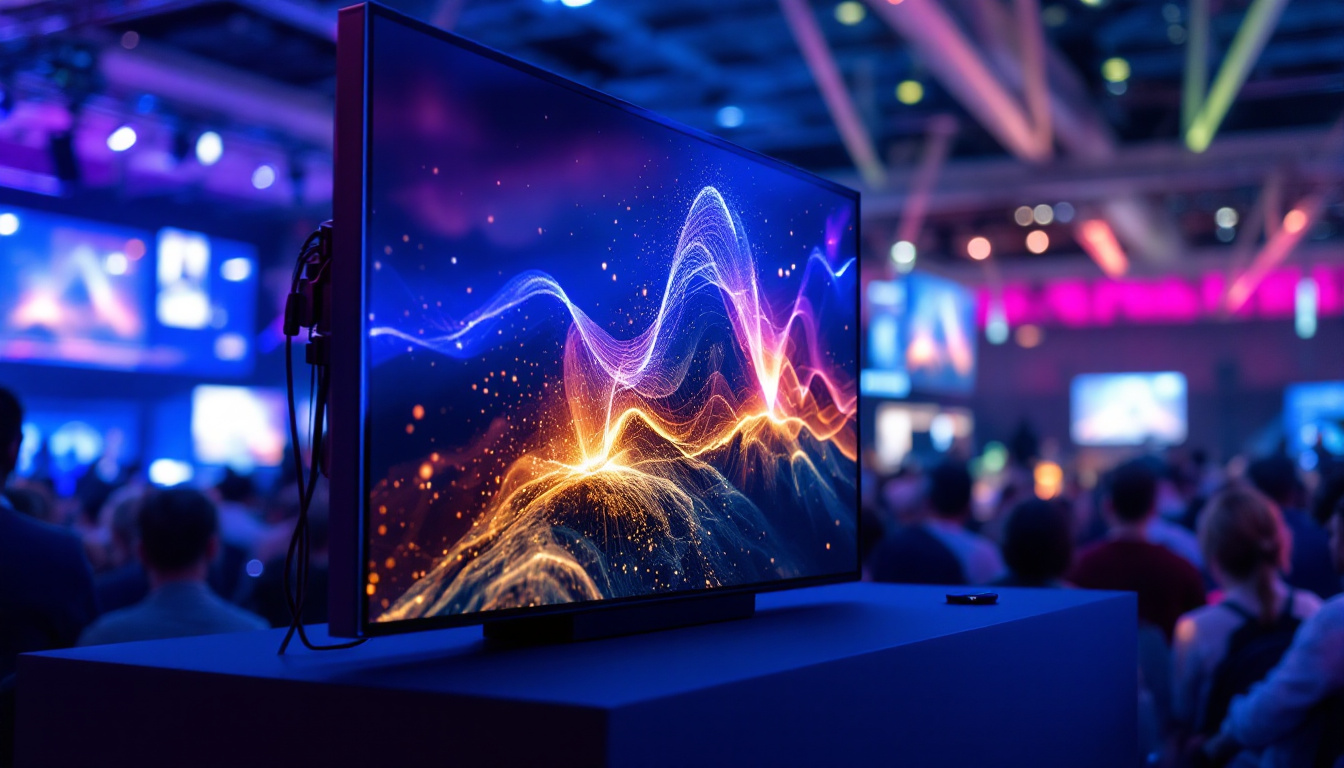
In today’s world, flat panel TVs have become a staple in most households, offering sleek designs and stunning visuals. Among the various display technologies available, LED displays stand out for their brightness, energy efficiency, and picture quality. This article delves deep into LED display technology in flat panel TVs, explaining how it works, its advantages, and what consumers should consider when purchasing an LED TV.
Understanding LED Display Technology
What Does LED Mean?
LED stands for Light Emitting Diode, a semiconductor device that emits light when an electric current passes through it. In the context of flat panel TVs, LEDs serve as the backlighting source for the display panel, illuminating the pixels that form the images on the screen.
Unlike older LCD TVs that used cold cathode fluorescent lamps (CCFLs) for backlighting, LED TVs utilize arrays of LEDs, which can be positioned in different configurations to enhance picture quality and energy efficiency. This advancement not only improves brightness but also allows for better color accuracy and contrast ratios, making LED displays a popular choice among consumers seeking high-quality viewing experiences.
How LED Displays Work in Flat Panel TVs
At the core of an LED TV is an LCD (Liquid Crystal Display) panel. The LCD itself does not emit light; it acts as a shutter, controlling how much light passes through each pixel. The LEDs behind or around the LCD panel provide the necessary illumination.
When electricity powers the LEDs, they emit light that passes through a series of filters and the LCD layer. The LCD crystals twist and untwist to allow varying amounts of light to pass through, creating the images we see on the screen. This combination of LED backlighting and LCD technology results in a bright, vibrant display with sharp images. Additionally, advancements in LED technology, such as local dimming, allow certain sections of the LED array to dim or brighten independently, enhancing the overall contrast and depth of the image. This feature is particularly beneficial for viewing scenes with both bright and dark elements, as it helps to preserve detail in shadows while maintaining brightness in highlighted areas.
Moreover, the energy efficiency of LED displays is another significant advantage. Compared to traditional display technologies, LED TVs consume less power, which not only reduces electricity bills but also contributes to a lower carbon footprint. As consumers become more environmentally conscious, the demand for energy-efficient products continues to rise, making LED technology an appealing option for those looking to minimize their impact on the planet. The longevity of LED lights also means that these displays can last for years without significant degradation in quality, further solidifying their position as a leading choice in modern television technology.
Types of LED Backlighting in Flat Panel TVs
Edge-Lit LED TVs
Edge-lit LED TVs position LEDs along the edges of the screen. Light is then directed across the panel using light guides. This design allows manufacturers to create ultra-thin TVs, often less than an inch thick, which are aesthetically pleasing and easy to mount.
However, edge-lit models sometimes suffer from uneven brightness or “hotspots” because the light has to be distributed across the entire screen from the edges. Despite this, edge-lit LED TVs remain popular due to their slim profiles and affordability.
Direct-Lit and Full-Array LED TVs
Direct-lit LED TVs place LEDs directly behind the entire screen surface. This approach provides more uniform lighting than edge-lit models but generally results in thicker panels.
Full-array LED TVs take this a step further by using a grid of LEDs behind the screen, allowing for more precise control of brightness in different areas of the screen. This technology supports local dimming, where specific zones of LEDs can dim or brighten independently, enhancing contrast and black levels.
Mini-LED Technology
Mini-LED is an emerging backlighting technology that uses thousands of tiny LEDs, much smaller than traditional LEDs, arranged in a full-array configuration. This allows for even more precise local dimming and improved contrast ratios.
Mini-LED TVs can achieve deeper blacks and brighter highlights, approaching the performance of OLED displays but often at a lower cost. As of 2024, mini-LED TVs are gaining traction among premium flat panel models.
Advantages of LED TVs Over Other Technologies
Energy Efficiency
One of the most significant benefits of LED TVs is their energy efficiency. LEDs consume less power than CCFL backlights used in older LCD TVs, translating to lower electricity bills and a smaller environmental footprint.
According to the U.S. Department of Energy, LED-backlit LCD TVs can use up to 30% less energy than CCFL-backlit models. This efficiency also contributes to less heat generation, which can improve the longevity of the TV components.
Brightness and Color Accuracy
LED TVs typically offer higher brightness levels compared to other flat panel technologies like plasma or traditional LCDs. This makes them ideal for viewing in well-lit rooms or spaces with natural sunlight.
Modern LED TVs also support wide color gamuts and high dynamic range (HDR) formats such as HDR10, Dolby Vision, and HLG. These features enhance color accuracy and contrast, delivering more lifelike images with vibrant colors and detailed shadows.
Longevity and Durability
LED backlights have a longer lifespan than CCFLs and plasma displays. LEDs can last upwards of 60,000 to 100,000 hours, meaning a typical LED TV can function well for many years without significant degradation in picture quality.
Additionally, LED TVs are less susceptible to screen burn-in, a problem that affected plasma and OLED displays, making them a durable choice for users who watch static images or play video games for extended periods.
Considerations When Buying an LED Flat Panel TV
Screen Size and Resolution
Choosing the right screen size depends on the viewing distance and room size. For example, a 55-inch LED TV is generally suitable for a viewing distance of about 7 to 9 feet. Larger screens offer a more immersive experience but require more space.
Resolution is another critical factor. Most LED TVs today come with 4K Ultra HD resolution (3840 x 2160 pixels), providing sharp and detailed images. Some premium models offer 8K resolution, but content availability remains limited.
Refresh Rate and Response Time
The refresh rate, measured in Hertz (Hz), indicates how many times the screen updates per second. Higher refresh rates (120Hz or above) provide smoother motion, which is particularly beneficial for sports and gaming.
Response time, the speed at which pixels change color, affects motion clarity. Lower response times reduce motion blur and ghosting, enhancing the viewing experience for fast-paced content.
Smart Features and Connectivity
Most modern LED TVs come equipped with smart platforms, enabling access to streaming services, apps, and voice assistants. When selecting a TV, consider the operating system, app availability, and ease of use.
Connectivity options such as HDMI 2.1 ports, USB inputs, Wi-Fi, and Bluetooth are essential for connecting gaming consoles, soundbars, and other peripherals. HDMI 2.1, in particular, supports higher bandwidth for 4K gaming at 120Hz and variable refresh rates.
Viewing Angles and Anti-Glare Coatings
LED TVs traditionally have narrower viewing angles compared to OLEDs, meaning picture quality can degrade when viewed from the side. Some models incorporate technologies like IPS (In-Plane Switching) panels to improve viewing angles.
Anti-glare coatings help reduce reflections in bright rooms, improving visibility. This is an important consideration for living rooms with large windows or strong ambient light.
Comparing LED TVs with Other Display Technologies
LED vs. OLED
OLED (Organic Light Emitting Diode) TVs differ fundamentally from LED TVs. OLEDs emit light on a per-pixel basis, allowing for perfect blacks and infinite contrast ratios. This results in superior picture quality, especially in dark scenes.
However, OLED TVs tend to be more expensive and have a higher risk of burn-in with static images. LED TVs, especially those with full-array local dimming or mini-LED backlighting, offer excellent brightness and durability at a more accessible price point.
LED vs. QLED
QLED (Quantum Dot LED) is a marketing term used by some manufacturers to describe LED TVs enhanced with quantum dot technology. Quantum dots are microscopic semiconductor particles that improve color accuracy and brightness.
QLED TVs are essentially LED TVs with enhanced color performance and brightness. They are often positioned as a premium alternative to standard LED TVs, offering better HDR performance and wider color gamuts.
LED vs. Plasma
Plasma TVs, once popular for their rich colors and deep blacks, have largely been phased out. LED TVs surpass plasma in energy efficiency, brightness, and screen size availability. Additionally, LED TVs are thinner and lighter, making them more versatile for modern living spaces.
The Future of LED Display Technology
Advancements in Mini-LED and Micro-LED
Mini-LED technology is rapidly evolving, with more manufacturers adopting it for high-end TVs. The increased number of dimming zones allows for better contrast and HDR performance, narrowing the gap with OLEDs.
Micro-LED, a newer technology, uses microscopic LEDs that act as individual pixels, similar to OLED but with inorganic materials. This promises the perfect combination of brightness, contrast, and longevity, though commercial availability remains limited as of mid-2024.
Integration with Smart Home and AI
Future LED TVs will increasingly integrate with smart home ecosystems, utilizing AI to optimize picture settings based on ambient light, content type, and user preferences. Voice control and personalized content recommendations will become more sophisticated, enhancing user convenience.
Conclusion
LED display technology has revolutionized the flat panel TV market by combining energy efficiency, brightness, and picture quality in a sleek form factor. Understanding the types of LED backlighting, their advantages, and key features helps consumers make informed decisions when purchasing a TV.
As technology advances with mini-LED and micro-LED innovations, LED TVs will continue to offer compelling options for a wide range of budgets and preferences. Whether for casual viewing, gaming, or home theater setups, LED flat panel TVs remain a versatile and popular choice in 2024 and beyond.
Explore Cutting-Edge LED Displays with LumenMatrix
Ready to elevate your viewing experience with the latest in LED display technology? LumenMatrix, a pioneer in the field, offers an extensive array of LED display solutions tailored to meet your needs. From captivating Indoor LED Wall Displays to dynamic Outdoor LED Wall Displays, and from versatile Vehicle LED Displays to innovative LED Transparent Displays, LumenMatrix is committed to revolutionizing visual communication. Discover how our LED display modules can transform your space and engage your audience. Check out LumenMatrix LED Display Solutions today and step into the future of digital signage.