In recent years, the landscape of visual display technology has undergone significant transformation. Among the innovations capturing attention are foldable projector screens paired with LED displays. These technologies are reshaping how businesses, educators, and entertainment enthusiasts approach presentations, home theaters, and digital signage. This article delves into the intricacies of foldable projector screens and LED displays, exploring their features, benefits, and practical applications.
Understanding Foldable Projector Screens
What Is a Foldable Projector Screen?
A foldable projector screen is a portable display surface designed to be compact and easy to transport. Unlike traditional fixed screens, these screens can be folded or rolled, allowing users to set up and dismantle their display area quickly. This flexibility makes them ideal for environments where space is limited or where the screen needs to be moved frequently.
Typically, foldable projector screens are made from lightweight yet durable materials such as PVC, matte white fabric, or specialized reflective surfaces. These materials ensure high image quality while maintaining portability. The screens come in various sizes, ranging from small personal setups to large-scale professional displays. Some models even incorporate advanced features such as tensioning systems to ensure a smooth, flat projection surface, which is essential for achieving optimal image clarity.
Advantages of Foldable Screens
One of the primary benefits of foldable projector screens is their convenience. For professionals who conduct presentations in multiple locations, the ability to carry a screen that folds into a compact form is invaluable. Additionally, these screens often feature quick setup mechanisms, reducing the time and effort required to prepare for a presentation. Many models are designed with user-friendly features, such as automatic locking mechanisms and easy-to-follow instructions, making them accessible for users of all skill levels.
Another advantage is the adaptability to different environments. Foldable screens can be mounted on tripods, hung from walls, or even laid flat, depending on the situation. This versatility enhances their usability across a wide range of applications. For instance, educators can utilize them in classrooms for interactive lessons, while businesses may employ them for trade shows or client meetings. Furthermore, some foldable projector screens are designed to be used outdoors, featuring weather-resistant materials that allow for presentations in various settings, from corporate picnics to outdoor movie nights. This ability to cater to diverse environments truly sets foldable screens apart from their fixed counterparts.
LED Displays: A Modern Visual Solution
What Are LED Displays?
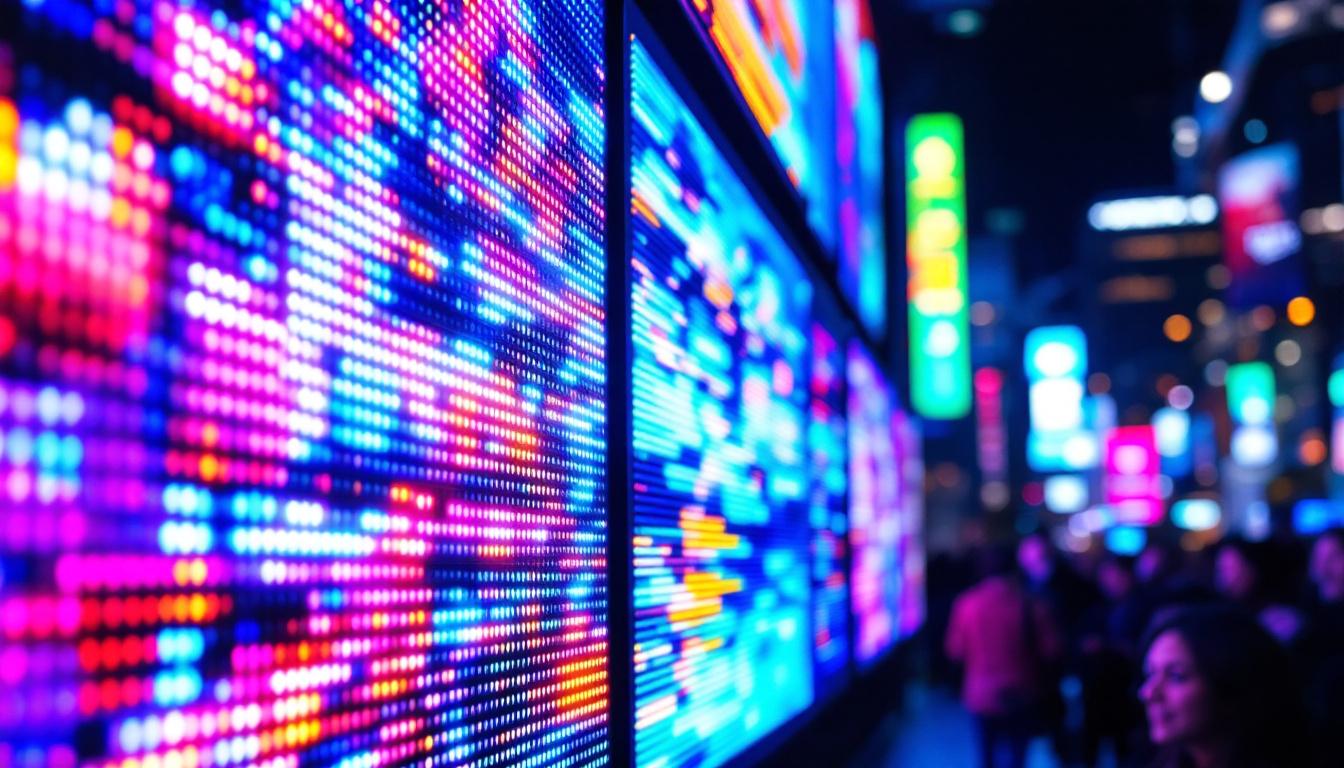
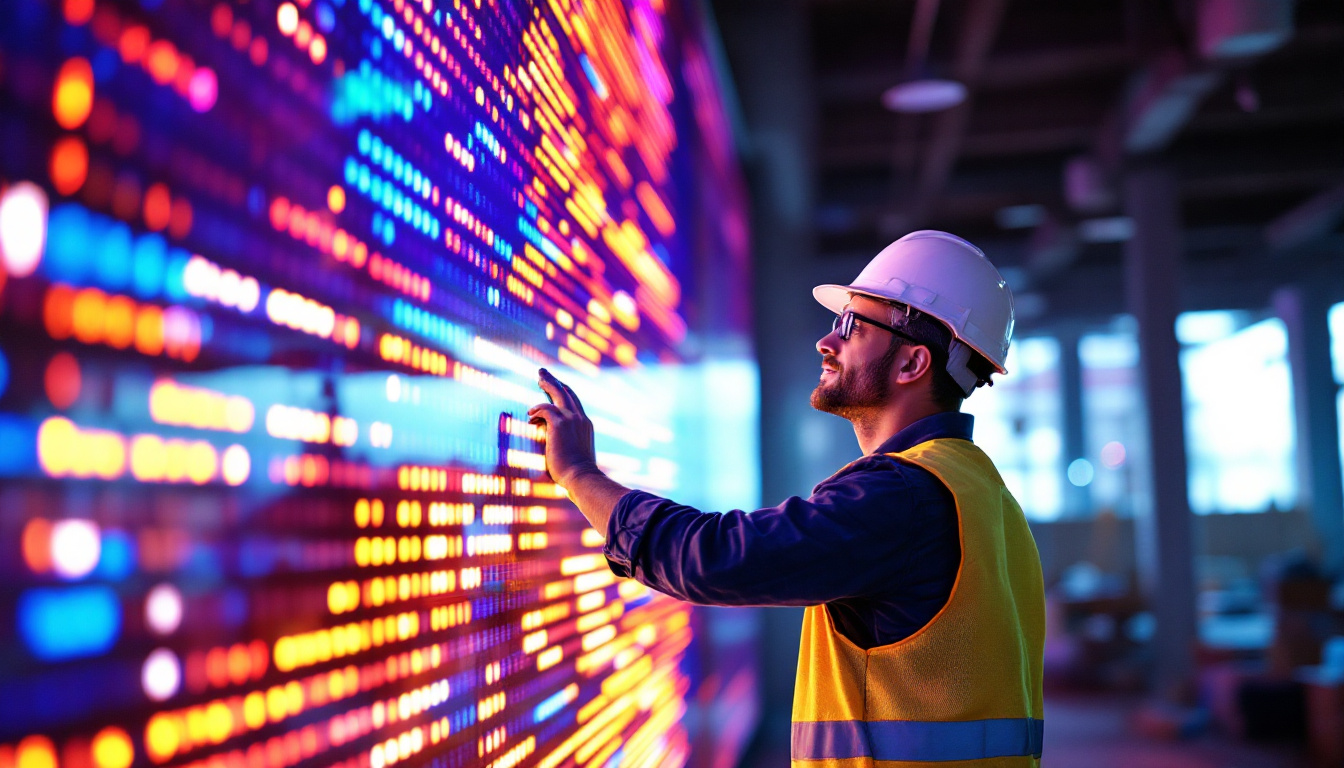
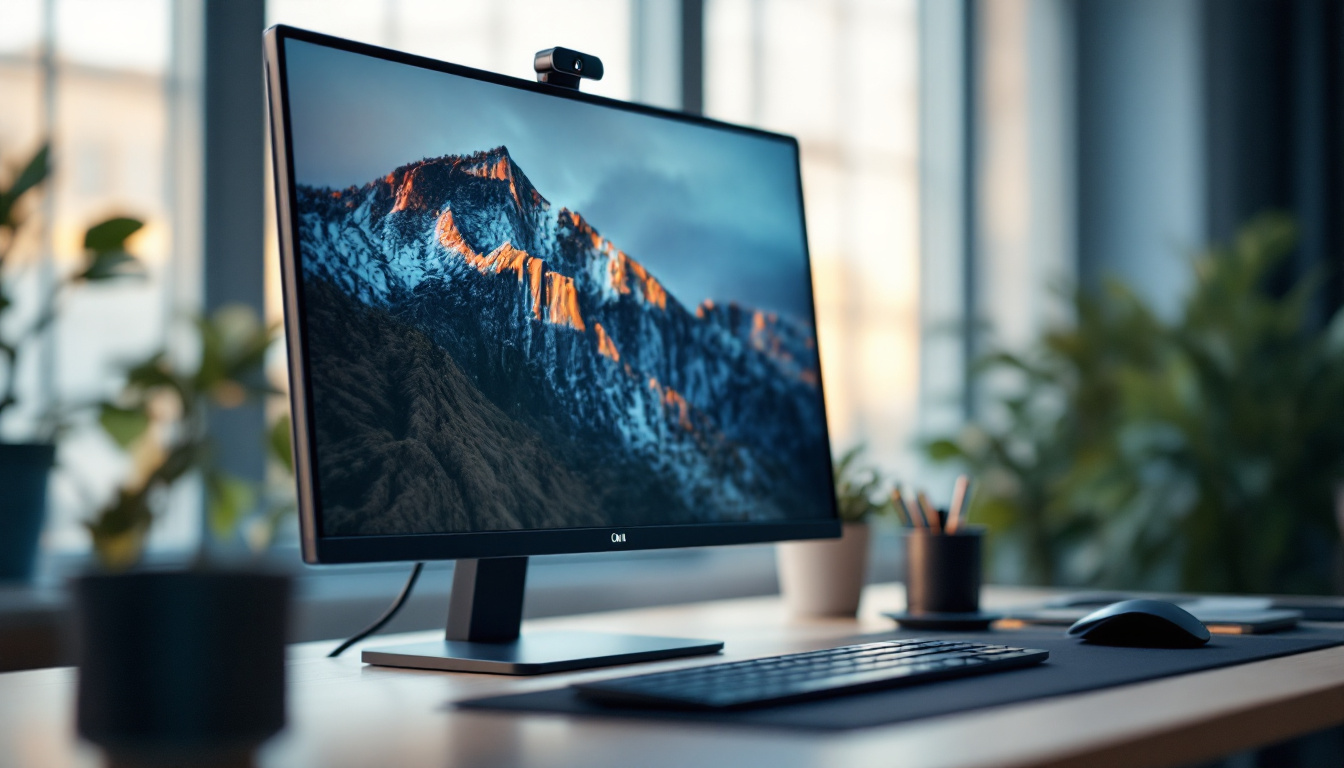
LED (Light Emitting Diode) displays are screens that use an array of LEDs as pixels to produce images. Unlike traditional projector screens, LED displays emit their own light, offering brighter and more vibrant visuals. This self-illumination allows LED displays to perform exceptionally well in various lighting conditions, including brightly lit rooms and outdoor settings. The technology behind LED displays involves the use of semiconductor materials that emit light when an electric current passes through them, enabling a wide range of colors and brightness levels.
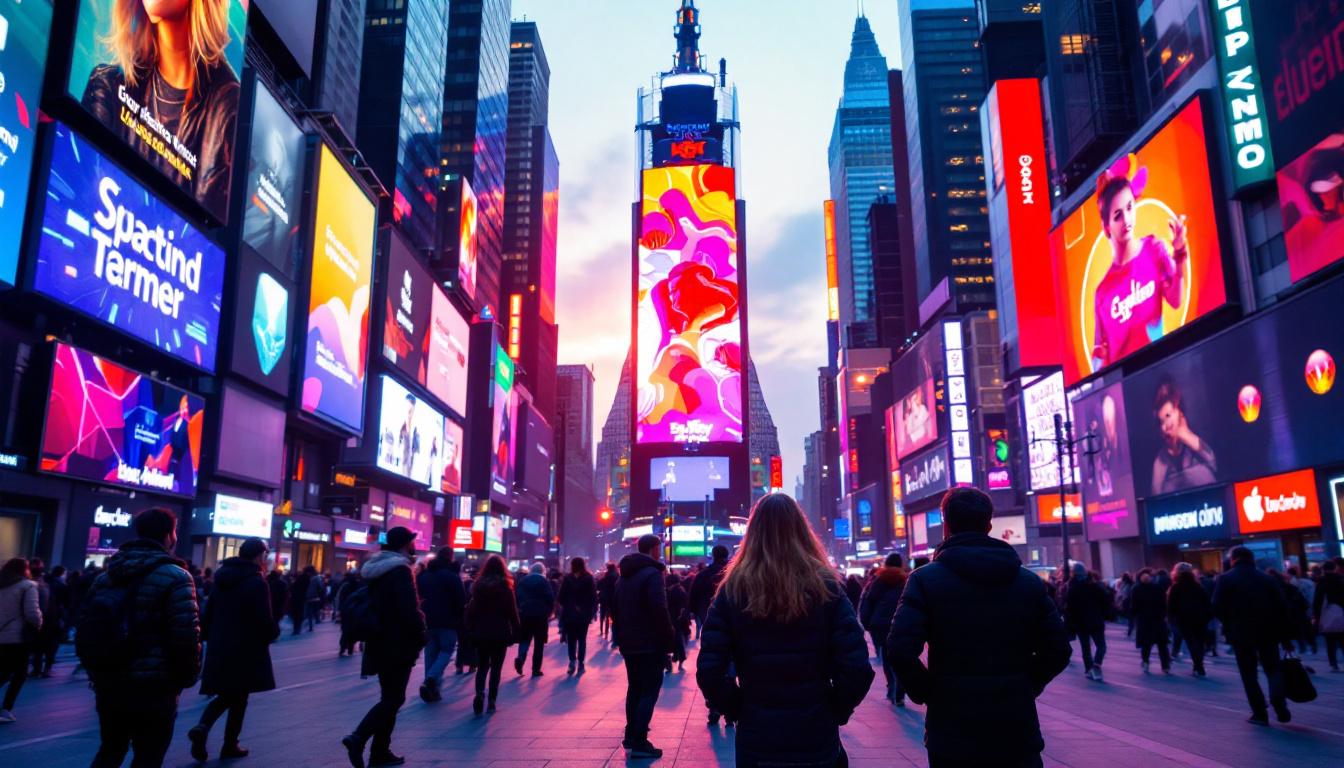
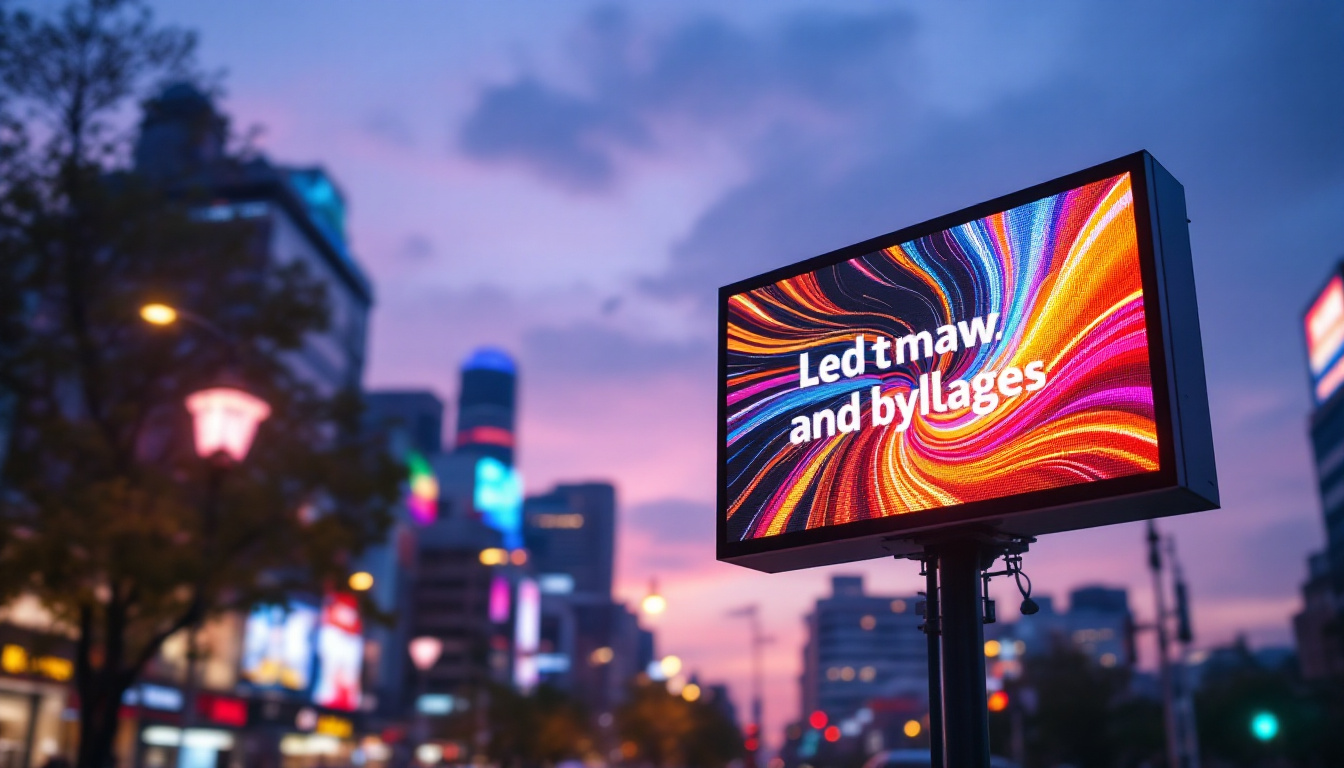
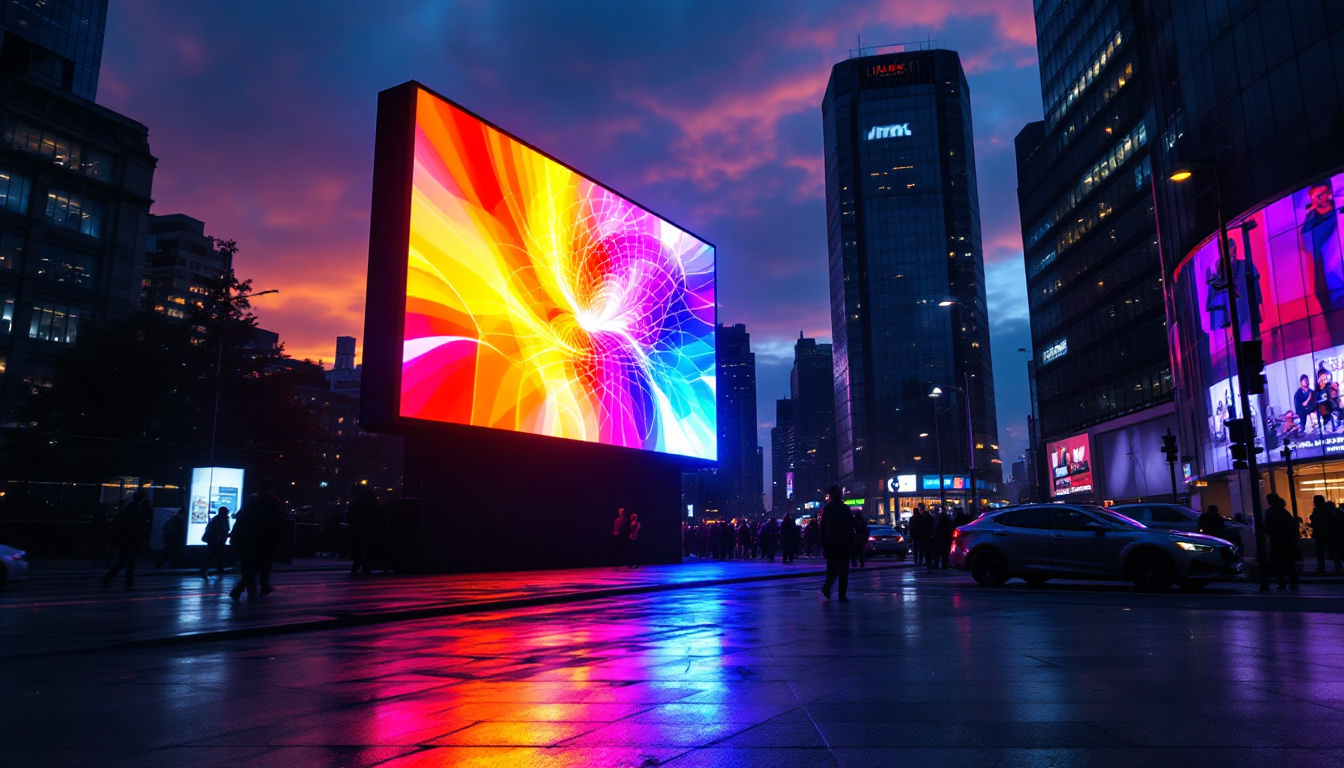
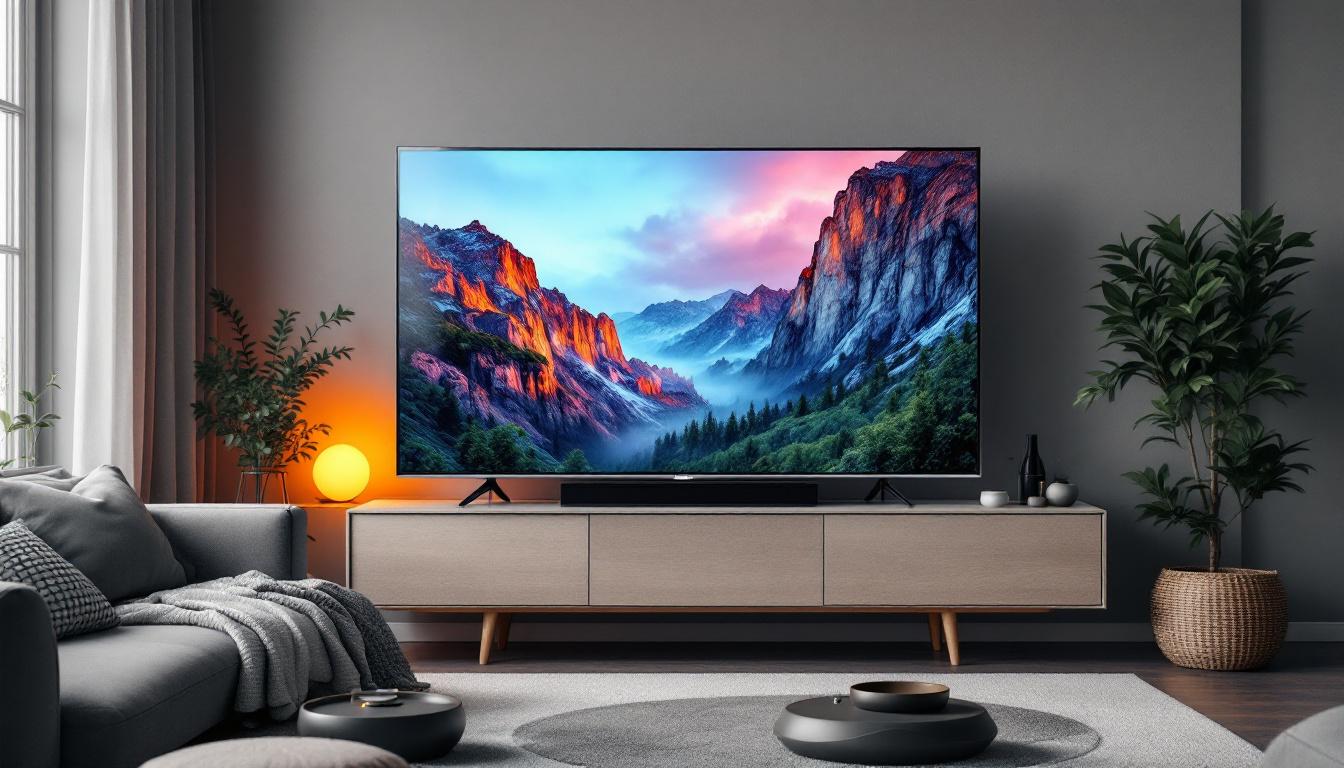
LED technology has evolved rapidly, with advancements such as MicroLED and MiniLED pushing the boundaries of resolution, color accuracy, and energy efficiency. These displays are now common in digital billboards, stadium screens, and increasingly in home entertainment systems. MicroLED technology, in particular, allows for individual pixel control, resulting in stunning image quality with exceptional detail and contrast. As a result, viewers can enjoy an immersive experience whether they’re watching a movie at home or attending a live sports event.
Benefits of LED Displays
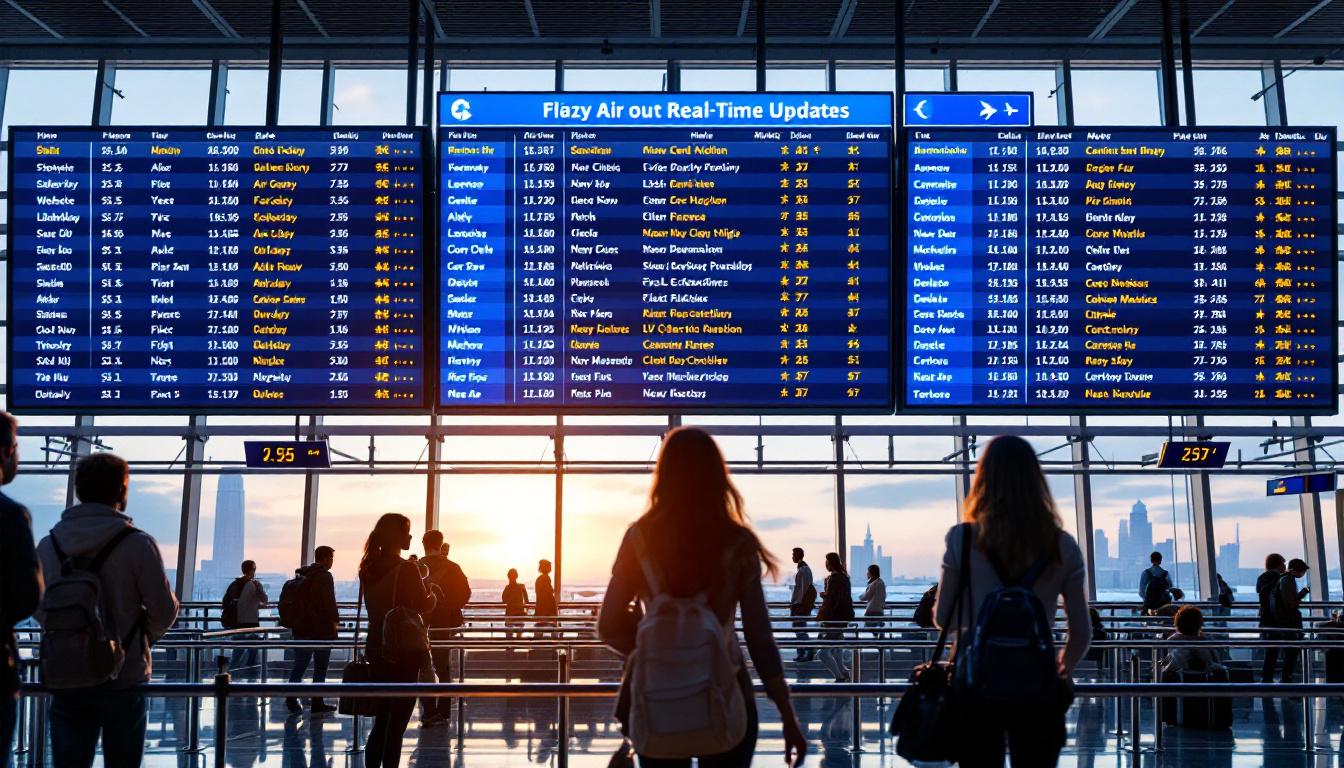
LED displays offer several advantages over conventional projection systems. Their brightness levels can reach up to 1,000 nits or more, ensuring clear visibility even under direct sunlight. Additionally, LED screens provide superior contrast ratios, delivering deeper blacks and more vivid colors. This capability makes them ideal for applications where image clarity is paramount, such as in advertising or during presentations where visual impact is essential.
Durability is another key benefit. LED panels are generally robust and have longer lifespans compared to projector bulbs, which often require replacement after a few thousand hours. Furthermore, LED displays consume less power, making them a more energy-efficient choice. This efficiency not only reduces operational costs but also contributes to a lower carbon footprint, aligning with the growing demand for sustainable technology solutions. Moreover, many LED displays are designed to withstand harsh weather conditions, making them suitable for outdoor installations where they can continue to perform reliably despite rain, snow, or extreme temperatures.
Integrating Foldable Projector Screens with LED Technology
Is It Possible to Combine Foldable Screens with LED Displays?
Traditionally, foldable screens have been used with projector systems that rely on external light sources. However, recent innovations have introduced foldable LED display panels that maintain the portability and flexibility of foldable screens while leveraging the advantages of LED technology.
These foldable LED displays consist of modular panels connected by flexible hinges, allowing the entire screen to be folded or rolled without damaging the LEDs. This hybrid approach offers the best of both worlds: the high image quality and brightness of LED displays with the convenience of portability.
Applications of Foldable LED Displays
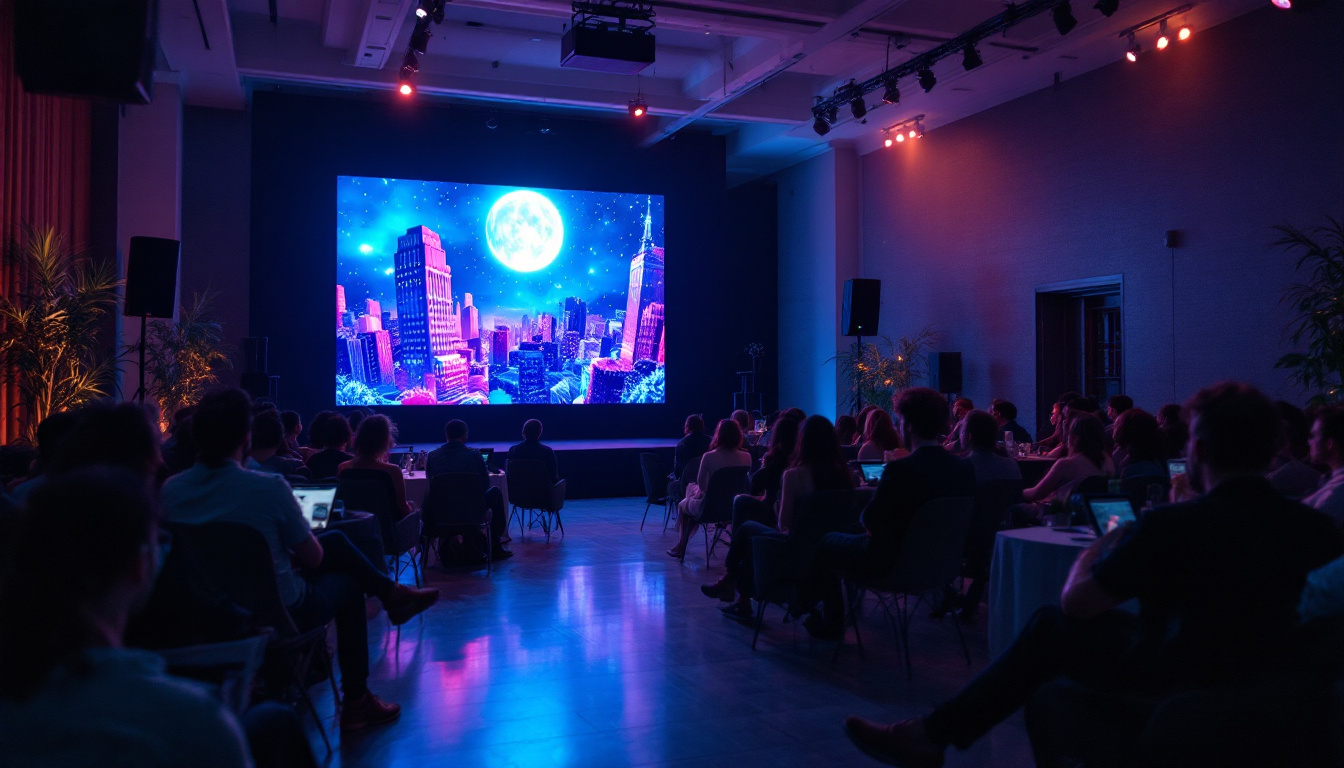
Foldable LED displays are gaining traction in various sectors. In corporate environments, they enable dynamic presentations with vibrant visuals that can be set up quickly in different meeting rooms or event venues. For educators, these screens provide engaging content delivery tools that can be transported between classrooms or campuses.
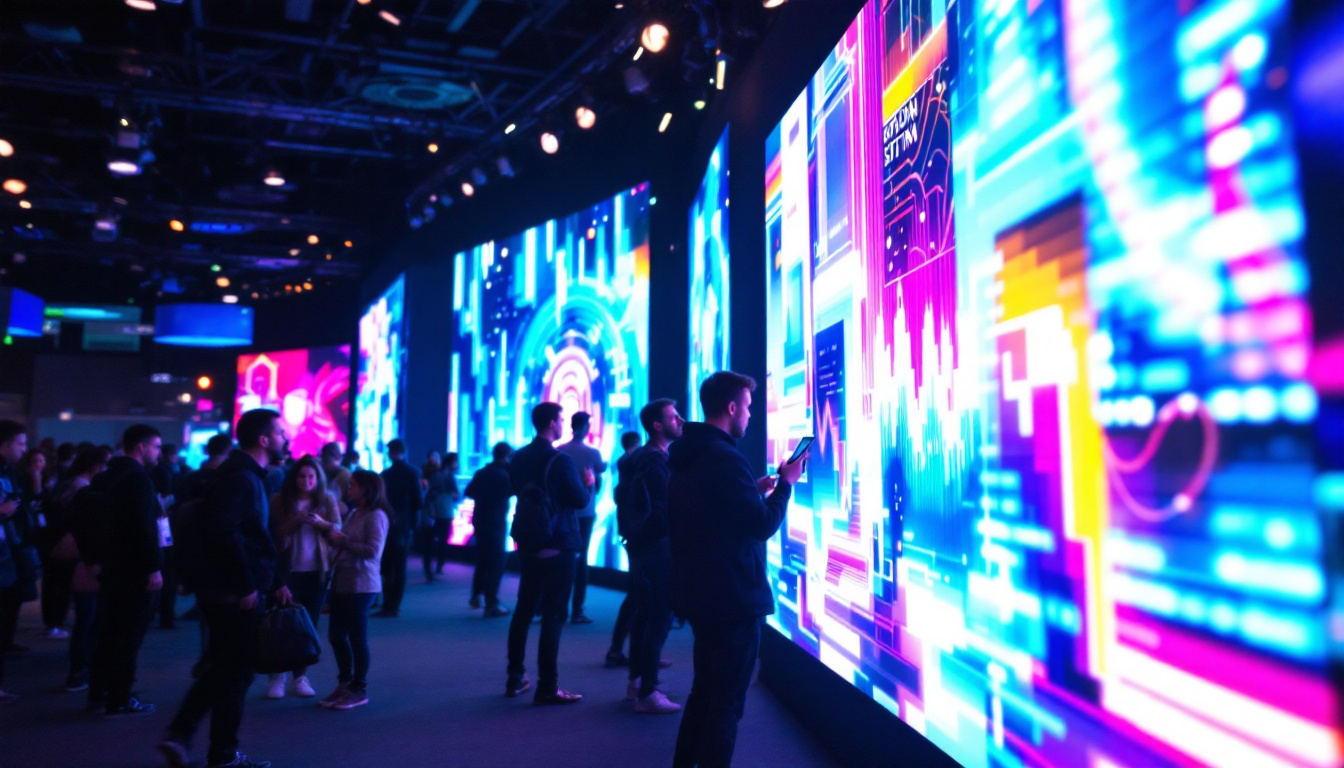
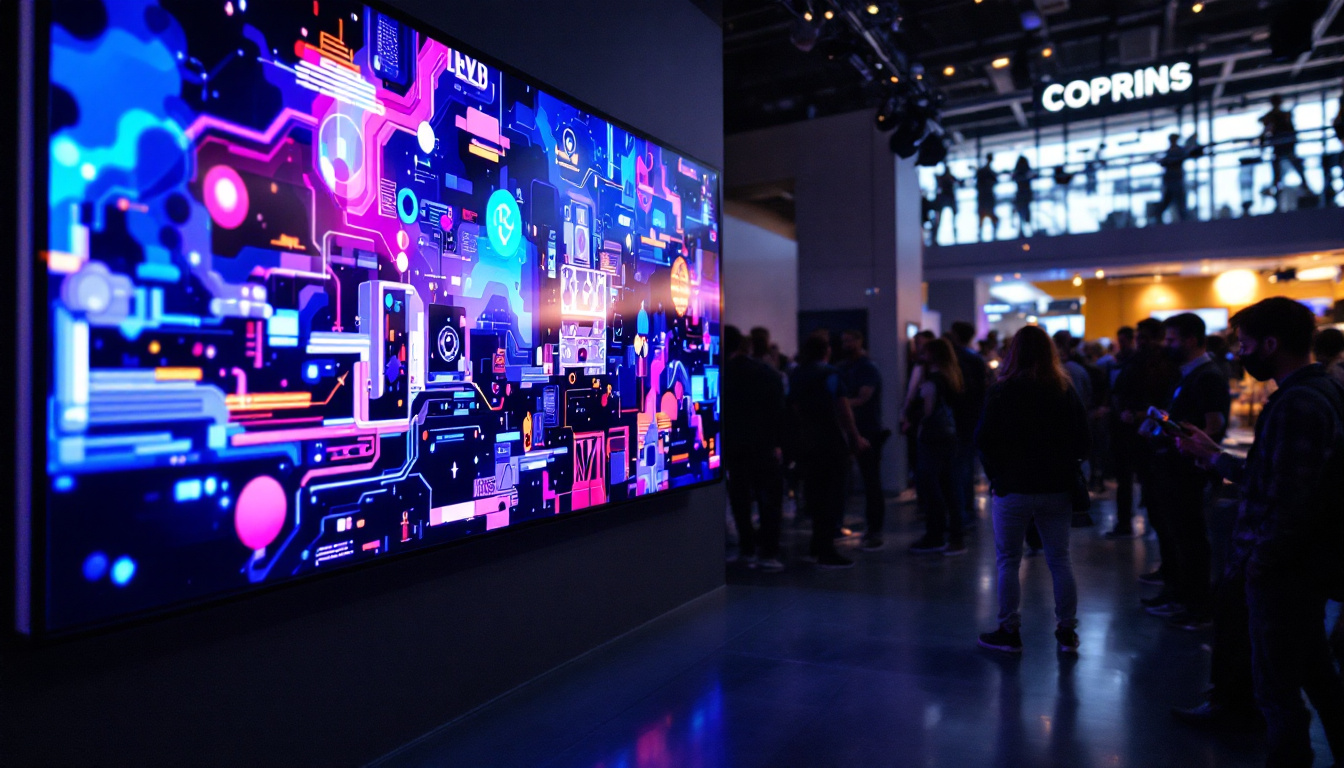
In entertainment, foldable LED displays are used for concerts, trade shows, and pop-up events where large, bright screens are needed but permanent installations are impractical. Their lightweight design also makes them suitable for mobile broadcasting and live streaming setups.
Key Features to Consider When Choosing a Foldable Projector Screen or LED Display
Screen Size and Aspect Ratio
The choice of screen size depends on the intended use and viewing distance. For presentations in small rooms, screens between 60 to 100 inches diagonal are common. Larger venues may require screens exceeding 150 inches. Aspect ratios typically range from 4:3 for traditional presentations to 16:9 or 16:10 for widescreen video content.
Resolution and Image Quality
For LED displays, resolution is a critical factor affecting image sharpness. High-definition (HD) and 4K resolutions are increasingly standard, especially for detailed graphics and video playback. Foldable projector screens themselves do not affect resolution but must have a surface that supports clear image projection without distortion or color shift.
Portability and Setup Time
Portability is essential for users who need to move their display frequently. Consider the weight, folding mechanism, and carrying case quality. Setup time can be minimized by choosing screens with quick-lock frames or magnetic attachments. For LED displays, modular designs with simple connectors facilitate rapid assembly and disassembly.
Brightness and Ambient Light Performance
Projector screens rely on external light sources, so their performance can be affected by ambient light. High-gain screen materials can improve brightness but may narrow viewing angles. LED displays inherently offer higher brightness, making them suitable for well-lit environments or outdoor use.
Durability and Maintenance
Durability is a vital consideration, especially for foldable screens that undergo frequent handling. Look for scratch-resistant surfaces and robust frame materials. LED displays require careful handling of delicate panels but generally have longer operational lifespans with minimal maintenance.
Current Market Trends and Innovations
Advancements in Foldable LED Technology
Recent years have seen breakthroughs in flexible LED panels using organic LEDs (OLED) and MicroLED technologies. These innovations enable thinner, lighter, and more flexible displays that can fold or roll without compromising image quality. Companies are investing heavily in research to improve pixel density and color accuracy in foldable formats.
Smart Integration and Connectivity
Modern foldable projector screens and LED displays increasingly feature smart capabilities. Wireless connectivity options such as Wi-Fi and Bluetooth allow seamless content streaming from laptops, smartphones, and cloud services. Additionally, some LED displays come with built-in processors for direct media playback and interactive touch functionality.
Environmental Considerations
Energy efficiency and sustainability are becoming priorities in display technology. LED displays consume less power compared to traditional projection systems and use recyclable materials in their construction. Foldable screens made from eco-friendly fabrics and frames contribute to reducing environmental impact.
Practical Tips for Using Foldable Projector Screens and LED Displays
Optimizing Image Quality
To achieve the best image quality, ensure the projector or LED display is correctly calibrated. Adjust brightness, contrast, and color settings based on ambient lighting conditions. For projector setups, position the screen perpendicular to the projector beam to avoid distortion.
Proper Storage and Handling
When not in use, foldable screens should be stored in protective cases to prevent damage from dust, moisture, or physical impact. LED panels require careful handling to avoid bending beyond their designed flexibility limits. Regular cleaning with appropriate materials helps maintain screen clarity.
Choosing the Right Accessories
Investing in quality tripods, mounting brackets, and carrying cases enhances the usability and longevity of foldable screens. For LED displays, modular connectors and power supplies should be compatible and reliable to ensure stable operation during events.
Conclusion
Foldable projector screens and LED displays represent a convergence of portability, high-quality visuals, and technological innovation. Whether for business, education, or entertainment, these tools offer flexible solutions that adapt to diverse environments and user needs. As LED technology continues to advance and foldable designs become more sophisticated, the possibilities for dynamic, immersive visual experiences will only expand.
Understanding the features, benefits, and practical considerations of foldable projector screens and LED displays empowers users to make informed decisions and maximize the impact of their visual presentations.
Discover LumenMatrix’s Innovative LED Solutions
Ready to elevate your visual experience with the latest in LED display technology? LumenMatrix offers a comprehensive range of LED solutions tailored to your unique needs. From captivating Indoor and Outdoor LED Wall Displays to dynamic Vehicle and Sports LED Displays, our products are designed to make your brand stand out. Experience the future of visual communication with our Custom, All-in-One, and Transparent LED Displays. Don’t miss the opportunity to transform your space with LumenMatrix’s cutting-edge technology. Check out LumenMatrix LED Display Solutions today and see your vision come to life.