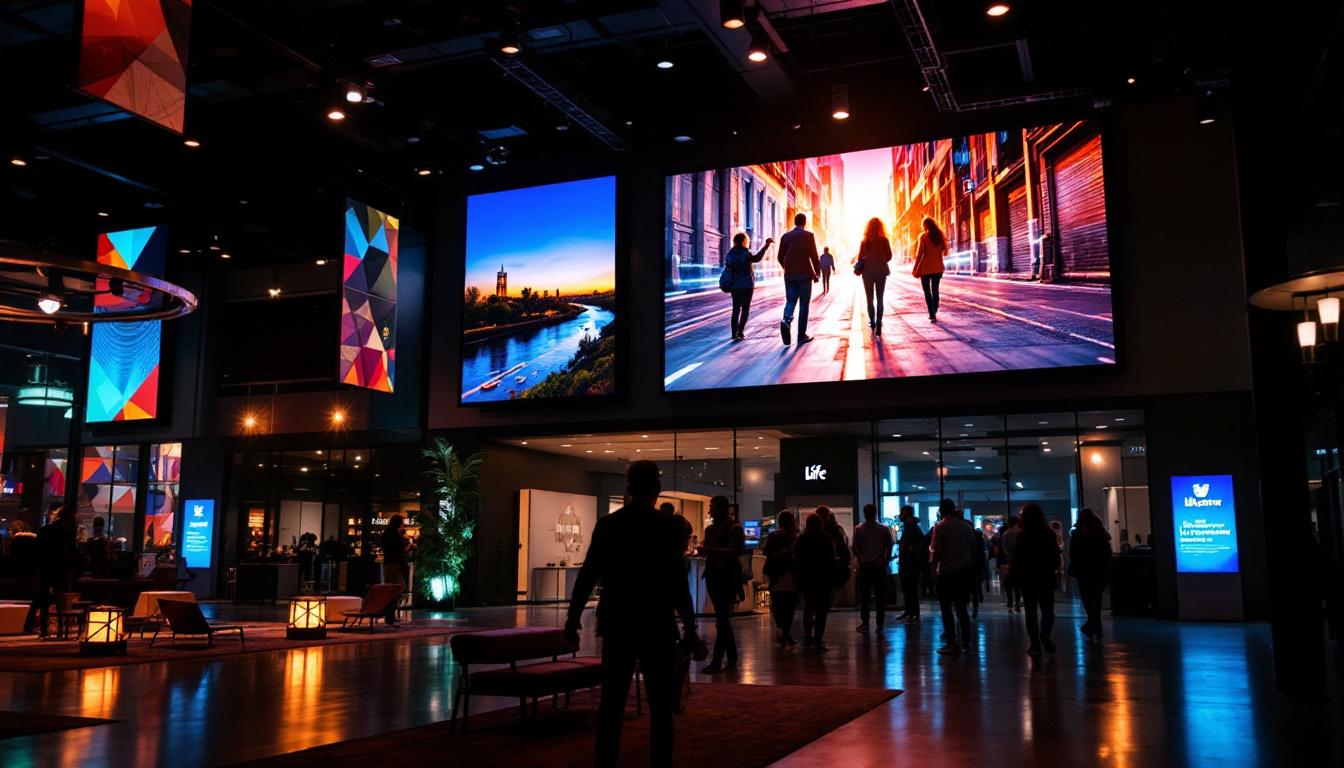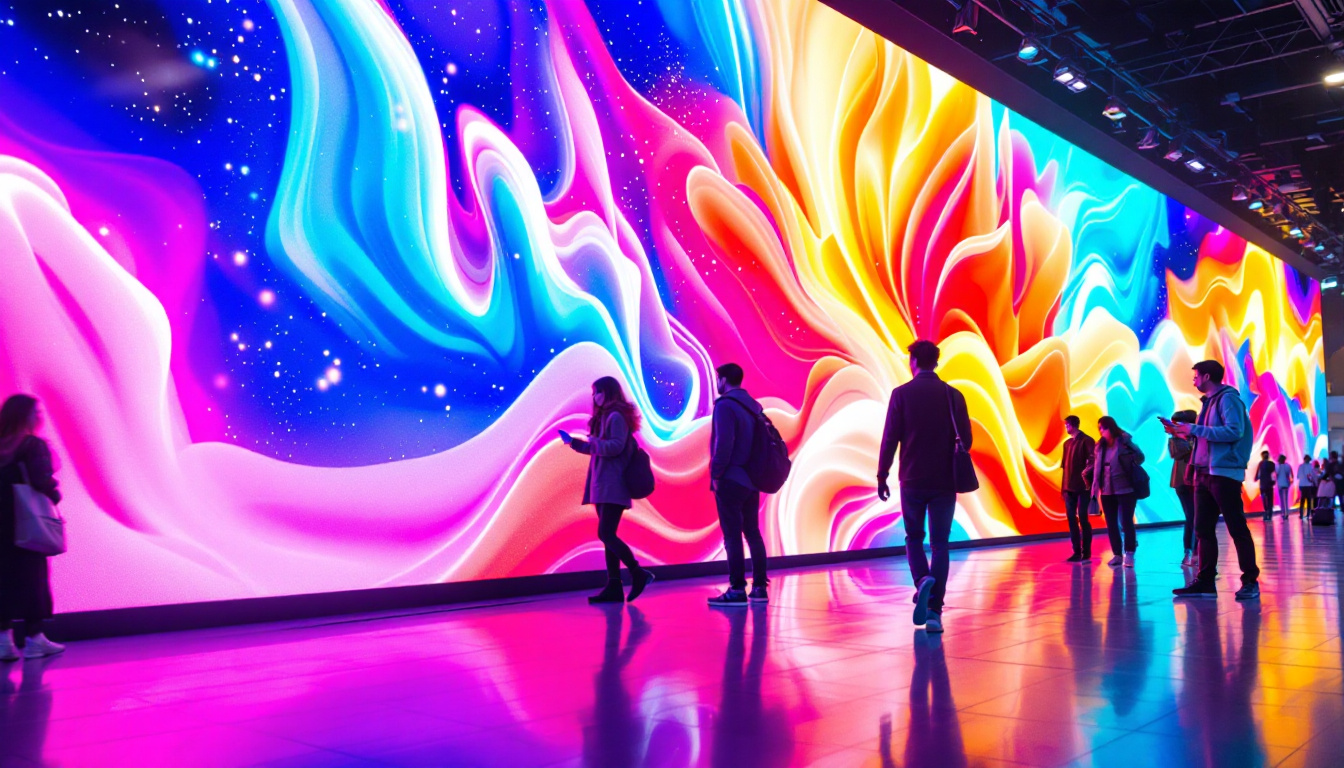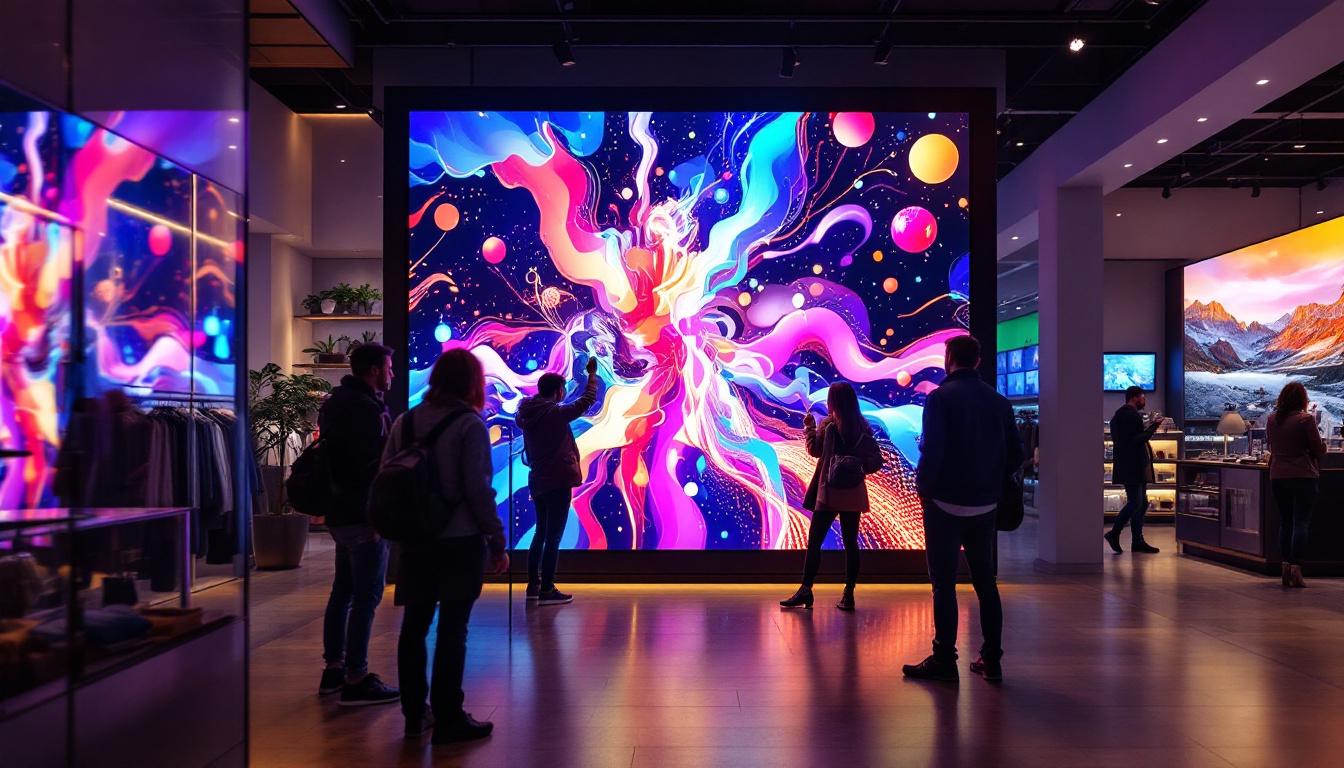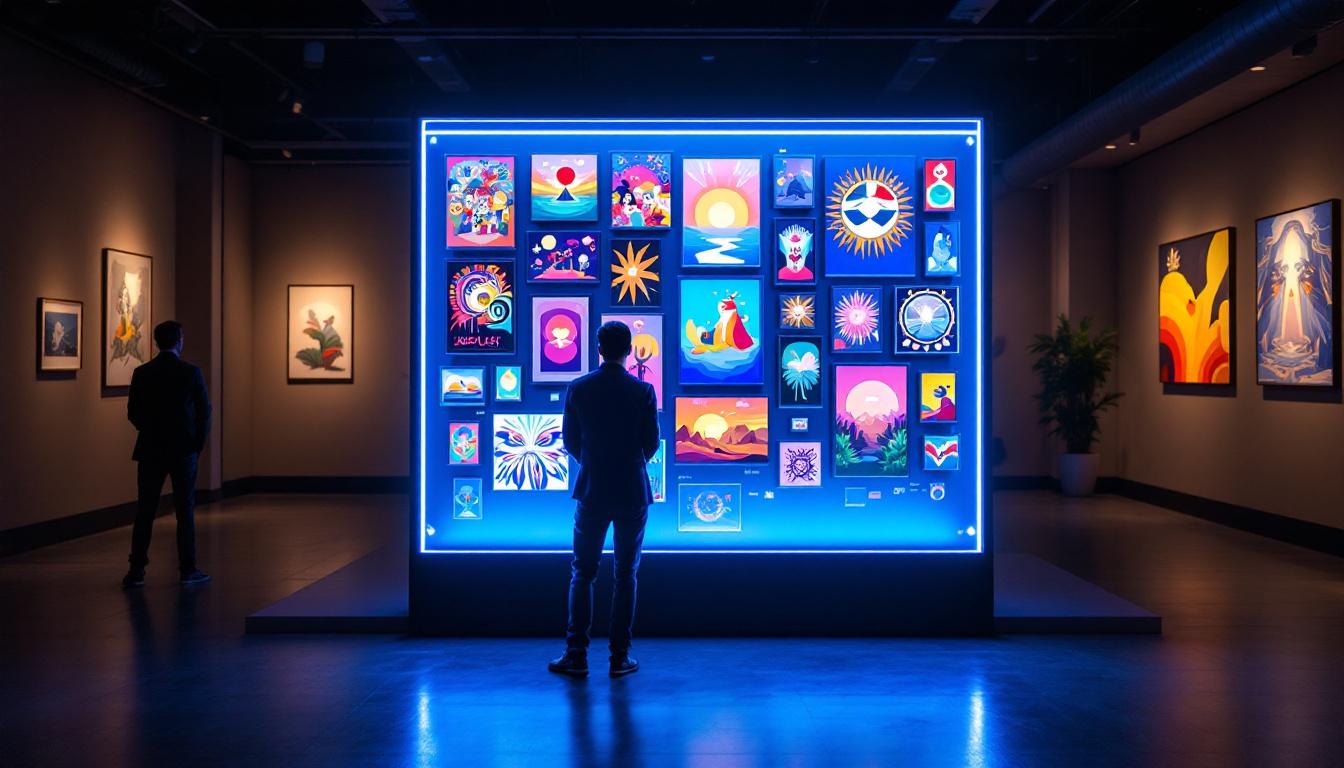
In the evolving world of art presentation, free standing art display panels have become a critical component for galleries, museums, and exhibitions worldwide. Among the various technologies available, LED displays have emerged as a versatile and dynamic solution. This article explores the intricacies of free standing art display panels with LED technology, offering a comprehensive guide to their benefits, applications, and technical considerations.
Understanding Free Standing Art Display Panels
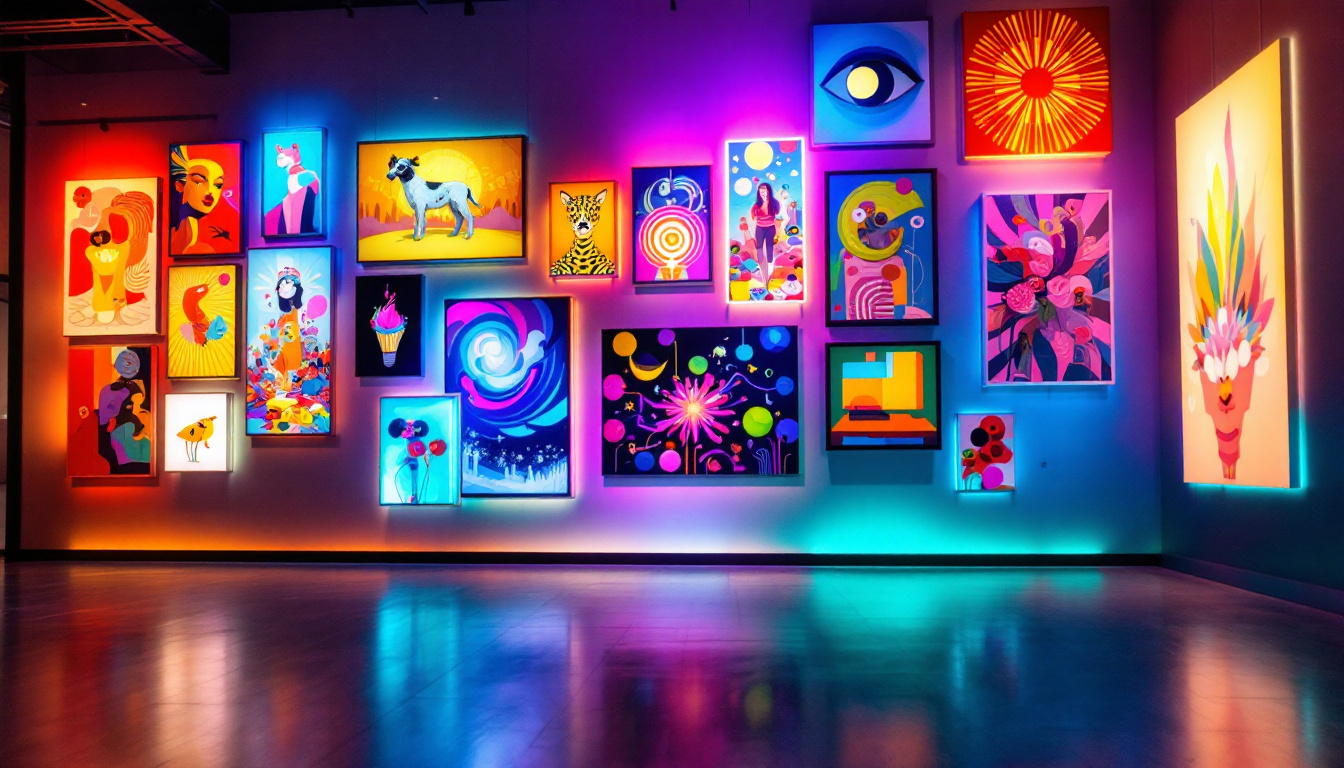
Free standing art display panels are independent structures designed to showcase artwork without the need for wall mounting. Their portability and flexibility make them ideal for temporary exhibitions, trade shows, and spaces where permanent fixtures are impractical. These panels can be customized in size, shape, and finish to suit different artistic styles and environments. Artists and curators often appreciate the versatility of these panels, as they can be easily rearranged to create unique layouts that enhance the viewer’s experience. This adaptability allows for creative freedom, enabling exhibitions to evolve and respond to the changing dynamics of the space and audience.
Traditionally, these panels were simple framed surfaces covered with fabric or other materials to display paintings, photographs, or prints. However, advancements in technology have introduced digital elements, most notably LED displays, which have transformed how art is exhibited and experienced. The evolution of materials used in the construction of these panels has also led to lighter, more durable options that can withstand the rigors of transportation and frequent setup and takedown. Artists can now focus on their creative expression without worrying about the logistical challenges of displaying their work.
The Rise of LED Technology in Art Displays
LED (Light Emitting Diode) technology has revolutionized visual displays across multiple industries. In the context of art, LED panels offer vibrant color reproduction, high brightness, and energy efficiency, making them ideal for both indoor and outdoor exhibitions. Unlike traditional printed art, LED displays can present dynamic content, including animations, videos, and interactive elements, expanding the possibilities for artists and curators alike. This capability not only enhances viewer engagement but also allows for storytelling through visual narratives that can change throughout the exhibition, creating a more immersive experience.
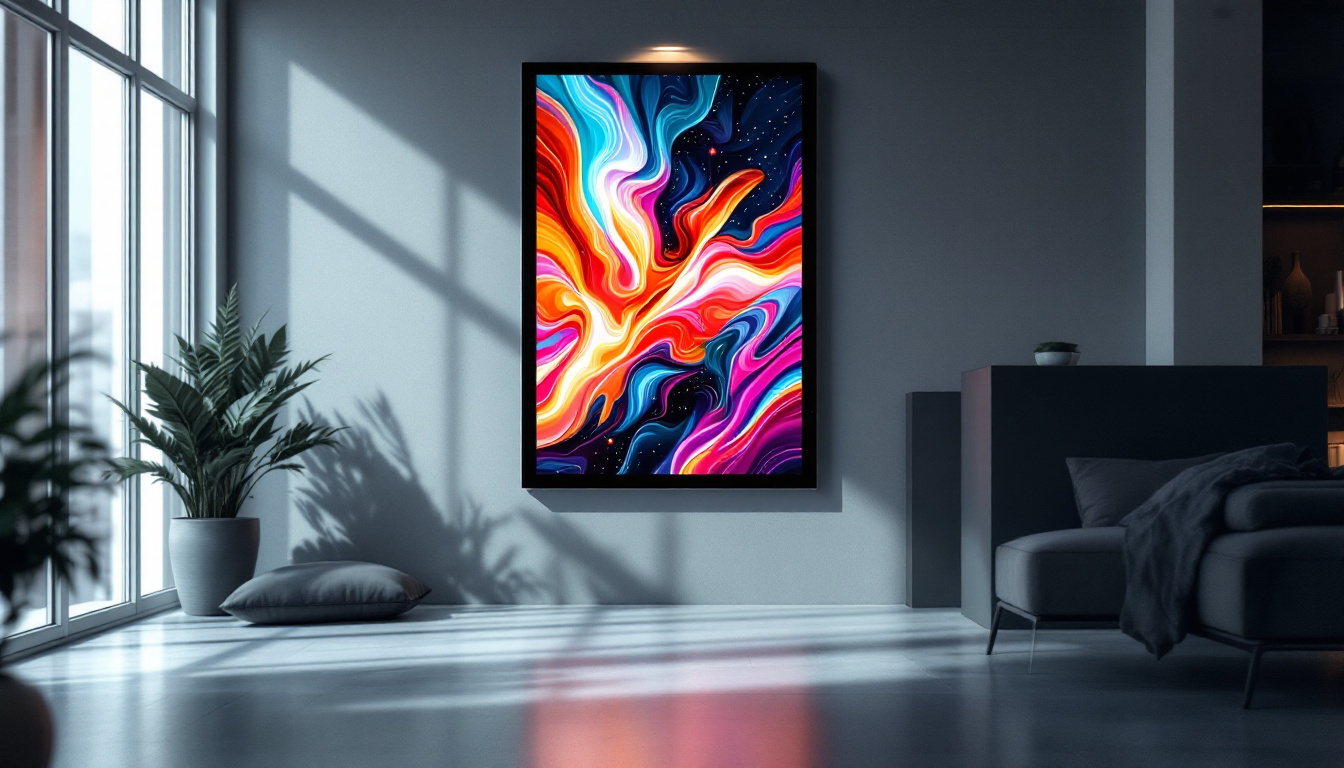
Furthermore, LED panels are thin, lightweight, and can be integrated seamlessly into free standing frames, preserving the aesthetic integrity of the display while enhancing its functionality. The integration of smart technology has also led to the development of panels that can be controlled remotely, allowing for real-time updates and adjustments to the displayed content. This feature is particularly beneficial for exhibitions that may run for extended periods, as it enables curators to refresh the artwork without the need for physical alterations. As a result, free standing art display panels equipped with LED technology not only serve as a canvas for traditional art forms but also as a platform for innovative digital art, blurring the lines between different mediums and inviting audiences to explore the future of artistic expression.
Key Benefits of LED Free Standing Art Display Panels
Choosing LED technology for free standing art display panels offers numerous advantages that cater to the needs of contemporary art presentation.
Vibrant and Accurate Color Representation
One of the most significant benefits of LED displays is their ability to deliver bright, vivid colors with exceptional accuracy. Modern LED panels support a wide color gamut, enabling artists to showcase their work as intended, with subtle gradients and intricate details preserved. This is particularly important for digital art and photography, where color fidelity is paramount.
Flexibility and Interactivity
LED panels allow for dynamic content changes without the need for physical replacements. Curators can easily switch between different artworks or incorporate multimedia elements such as sound and motion. Interactive LED panels equipped with touch capabilities provide an engaging visitor experience, encouraging deeper interaction with the art.
Energy Efficiency and Longevity
Compared to traditional lighting and display methods, LED panels consume significantly less power, reducing operational costs and environmental impact. Additionally, LEDs have a long lifespan, often exceeding 50,000 hours, which minimizes maintenance and replacement expenses.
Portability and Ease of Installation
Free standing LED art display panels are designed for quick assembly and disassembly, making them ideal for traveling exhibitions and temporary installations. Their lightweight construction simplifies transportation and setup, enabling art to reach wider audiences without logistical challenges.
Applications of Free Standing LED Art Display Panels
The versatility of LED display panels has led to their adoption across various sectors within the art world and beyond.
Art Galleries and Museums
Many contemporary galleries and museums utilize LED panels to complement traditional exhibits. These panels can display digital reproductions, artist interviews, or contextual information, enriching the visitor experience. Some institutions use LED displays to host virtual exhibitions, especially when physical attendance is limited.
Art Fairs and Trade Shows
At art fairs, where space is often limited and competition for attention is fierce, LED panels provide a visually striking way to present artwork. Their ability to cycle through multiple pieces or showcase video art helps exhibitors maximize their impact within a compact footprint.
Public Spaces and Outdoor Installations
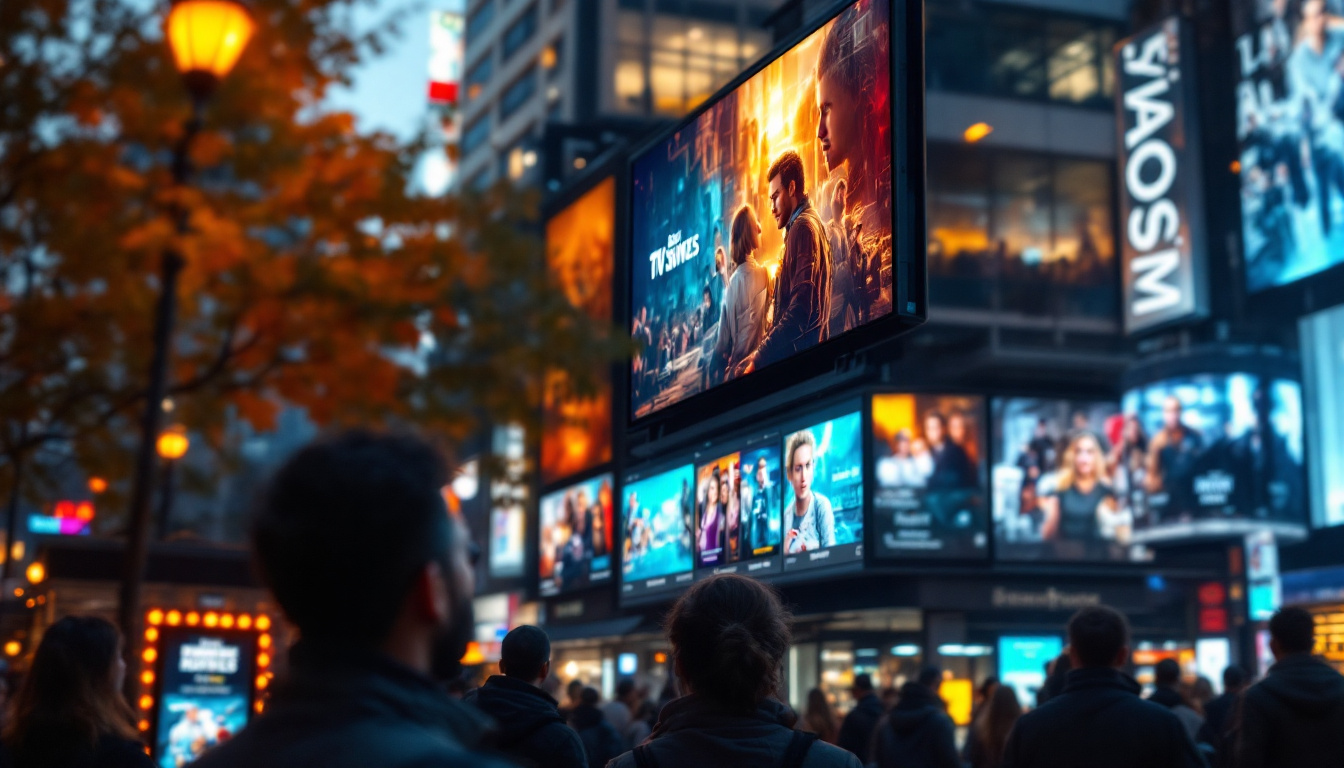
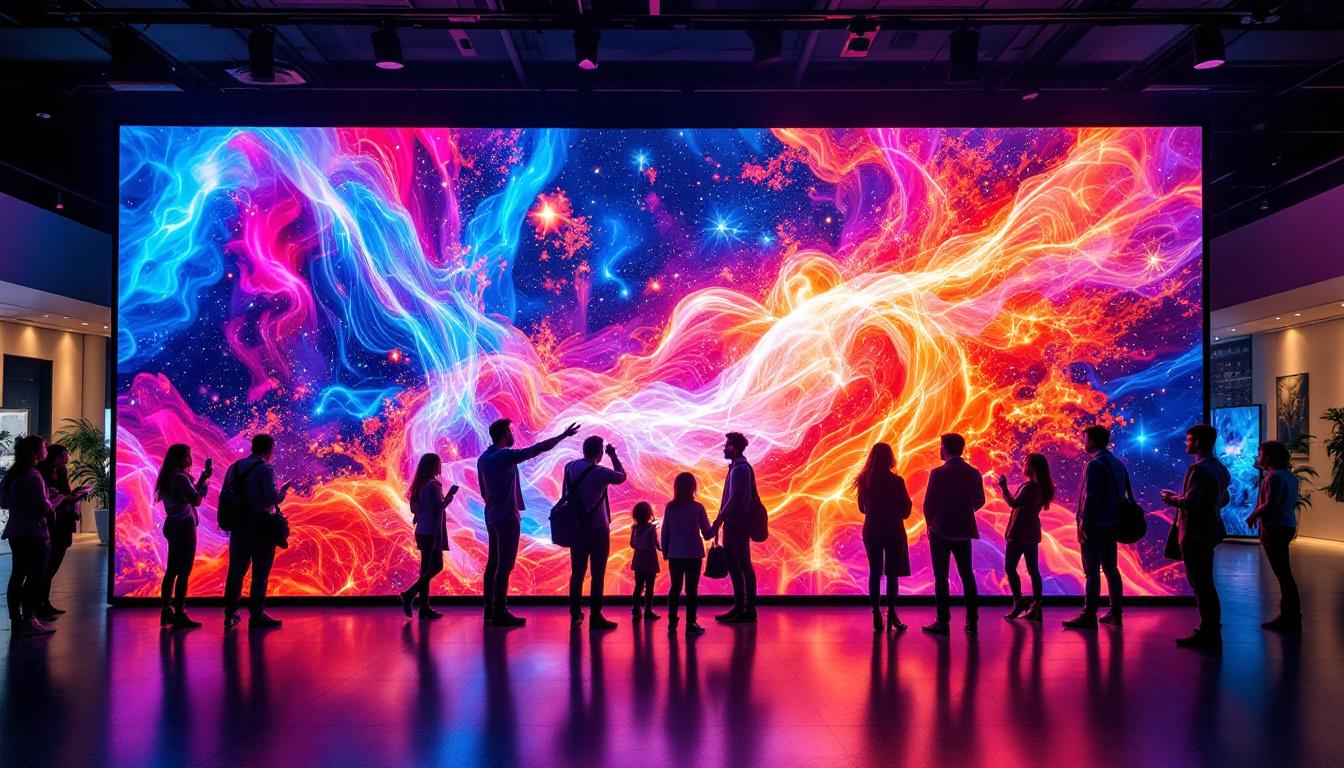
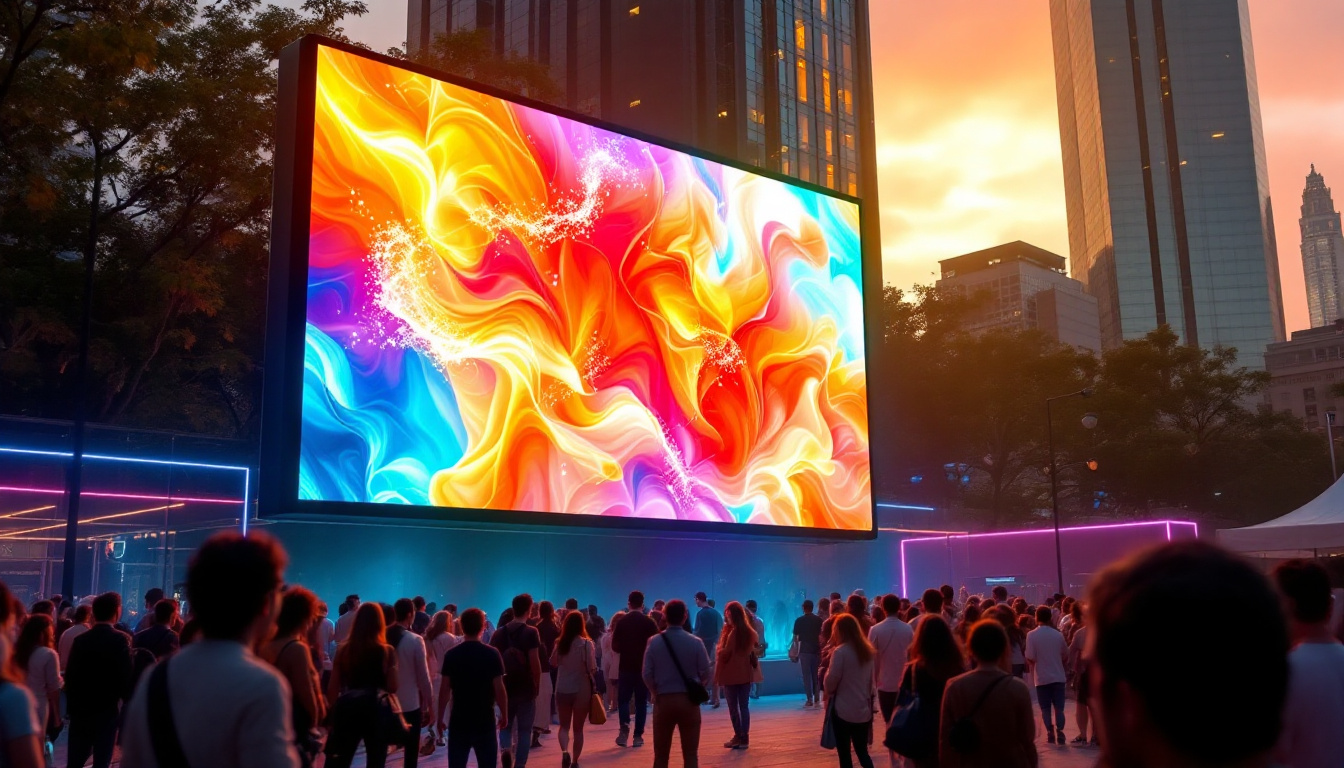
Outdoor art installations increasingly incorporate weather-resistant LED panels to create large-scale digital murals or interactive exhibits. These displays can engage passersby with changing content, fostering community interaction and cultural appreciation.
Educational Institutions
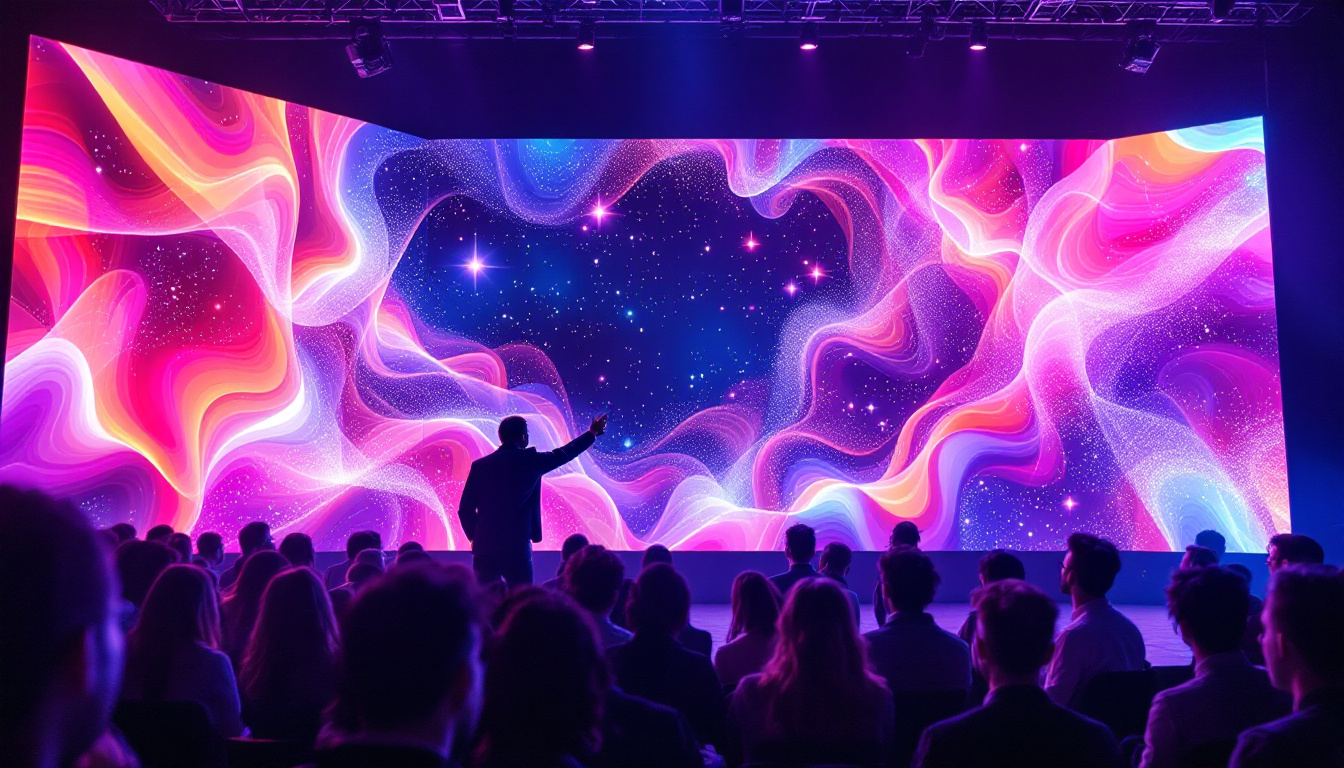
Universities and art schools use free standing LED panels to display student work, host digital exhibitions, and provide educational content. The adaptability of LED technology supports diverse pedagogical approaches, from static displays to immersive multimedia presentations.
Technical Considerations When Choosing LED Display Panels
Selecting the right LED display panel for free standing art presentations requires careful evaluation of several technical factors to ensure optimal performance and visual quality.
Resolution and Pixel Pitch
Resolution refers to the number of pixels on the display, while pixel pitch is the distance between individual pixels. For art displays, a high resolution with a small pixel pitch is essential to maintain image clarity and detail, especially when viewers are close to the panel. Typical pixel pitches for indoor art displays range from 1.2mm to 2.5mm, balancing sharpness and cost.
Brightness and Contrast Ratio
Brightness, measured in nits, affects visibility under different lighting conditions. Indoor LED panels usually operate between 800 to 1,500 nits, sufficient for gallery environments. Contrast ratio determines the difference between the darkest and brightest parts of an image, influencing depth and realism. High contrast ratios are desirable to accurately render shadows and highlights in artwork.
Color Accuracy and Calibration
Ensuring color accuracy is critical for art displays. Professional-grade LED panels often come with calibration tools or support third-party calibration to match color profiles precisely. Regular calibration maintains consistency across multiple panels and over time.
Viewing Angle
The viewing angle defines how well the display can be seen from different positions. Wide viewing angles (typically 140° or more) are important in exhibition spaces where viewers move around freely. This ensures the artwork looks consistent regardless of the viewer’s location.
Durability and Build Quality
Free standing panels must be robust enough to withstand frequent handling and transportation. Look for panels with sturdy frames, protective coatings, and reliable connectors. For outdoor use, waterproof and dustproof ratings (such as IP65) are essential to protect the LED modules.
Control Systems and Software Compatibility
Modern LED panels integrate with various control systems that manage content playback, scheduling, and remote updates. Compatibility with popular digital signage software and user-friendly interfaces streamline the operation, especially for non-technical staff.
Design and Aesthetic Integration
While technology is crucial, the design of free standing art display panels must also complement the artistic environment. The goal is to enhance the artwork without distraction.
Frame and Finish Options
Frames can be customized in materials such as wood, metal, or acrylic, with finishes ranging from matte to glossy. These choices influence how the panel fits within the gallery’s overall aesthetic. Minimalist designs are popular for modern art, while ornate frames may suit classical pieces.
Lighting Integration
LED panels often include integrated lighting solutions or can be paired with adjustable spotlights. Proper lighting enhances color vibrancy and depth, ensuring the artwork is presented in the best possible way. Some advanced panels feature adjustable brightness and color temperature to adapt to different artworks and ambient conditions.
Modularity and Scalability
Many LED display systems are modular, allowing multiple panels to be combined into larger configurations. This scalability supports expansive installations or multi-panel exhibitions, offering flexibility as exhibition needs evolve.
Cost Considerations and Return on Investment
Investing in free standing LED art display panels involves balancing upfront costs with long-term benefits.
Initial Investment
High-quality LED panels represent a significant initial expense, often ranging from several thousand to tens of thousands of dollars depending on size, resolution, and features. However, this cost is offset by the panels’ durability, energy efficiency, and multifunctionality.
Operational Savings
Compared to traditional lighting and printed displays, LED panels reduce ongoing costs related to electricity, maintenance, and artwork reproduction. Digital content updates eliminate printing expenses and allow rapid exhibition changes.
Enhanced Audience Engagement
Dynamic and interactive LED displays can attract larger audiences and increase visitor dwell time, enhancing the cultural value and potential revenue of exhibitions. For commercial galleries, this can translate into higher sales and sponsorship opportunities.
Future Trends in Free Standing LED Art Displays
The intersection of art and technology continues to evolve, with several emerging trends shaping the future of free standing LED art display panels.
Higher Resolution and MicroLED Technology
Advancements in microLED technology promise even higher resolutions and improved color accuracy, enabling ultra-realistic digital art displays. These panels will be thinner, more energy-efficient, and capable of seamless large-scale installations.
Augmented Reality (AR) and Interactive Features
Integration with AR and other interactive technologies will allow viewers to engage with art in novel ways. For example, visitors might use smartphones or AR glasses to access additional layers of information or virtual elements overlaid on the LED display.
Sustainability and Eco-Friendly Materials
As environmental concerns grow, manufacturers are focusing on sustainable production methods and recyclable materials for LED panels. Energy consumption will continue to decrease, aligning with green building standards and institutional sustainability goals.
Conclusion
Free standing art display panels equipped with LED technology represent a powerful tool for modern art presentation. Their vibrant color reproduction, flexibility, and interactive capabilities offer unparalleled opportunities for artists, curators, and institutions. By understanding the technical specifications, design considerations, and future trends, stakeholders can make informed decisions that enhance the impact and accessibility of art exhibitions.
As the art world embraces digital innovation, LED display panels will undoubtedly play a central role in shaping immersive and engaging cultural experiences for audiences worldwide.
Discover LumenMatrix’s Innovative LED Display Solutions
Ready to elevate your art exhibitions with the latest in LED display technology? LumenMatrix offers a diverse range of cutting-edge LED display modules tailored to create immersive and dynamic visual experiences. From Indoor and Outdoor LED Wall Displays to specialized solutions like Vehicle, Sports, and Floor LED Displays, our products are designed to captivate your audience and amplify your message. Embrace the future of art presentation with LumenMatrix’s custom and all-in-one LED display solutions, including the revolutionary LED Transparent Display. Check out LumenMatrix LED Display Solutions today and transform the way you showcase art.