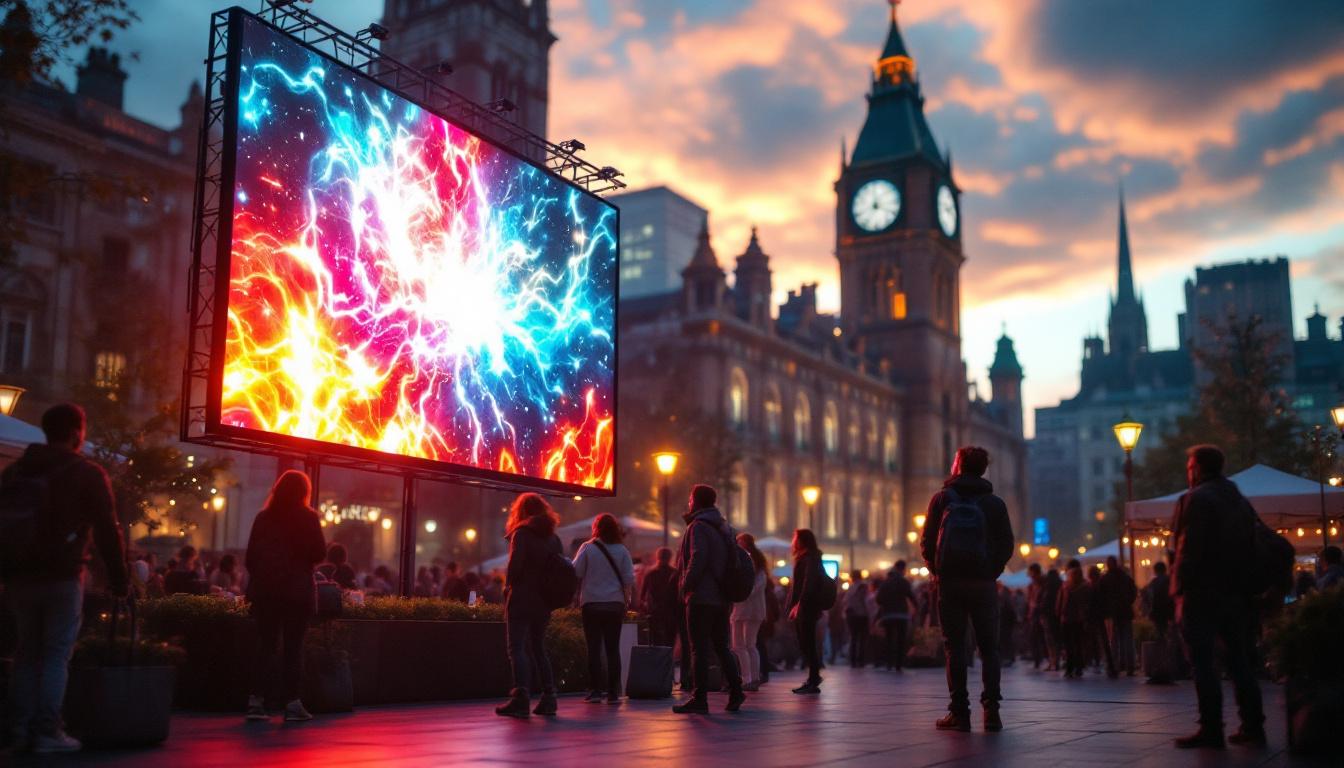
In the evolving world of outdoor advertising, entertainment, and public information systems, LED displays have become a cornerstone technology. Their vibrant colors, high brightness, and adaptability make them ideal for a variety of outdoor applications. This article dives deep into the technology behind LED displays, their advantages, types, and the considerations necessary for deploying them outdoors effectively.
Understanding LED Display Technology
At its core, an LED display is a flat panel that uses light-emitting diodes (LEDs) as pixels for a video display. These tiny diodes emit light when an electrical current passes through them, producing images that are visible even under direct sunlight. The technology has evolved significantly since its inception, becoming more energy-efficient, durable, and capable of delivering high-resolution content.
LED displays are fundamentally different from LCD or OLED screens. Unlike LCDs, which rely on backlighting, LEDs generate their own light, allowing for superior brightness and contrast. This self-illumination is particularly advantageous outdoors, where ambient light conditions can be challenging.
The Components of an LED Display
Each LED display is composed of several key components:
- LED Modules: These are the building blocks of the display, consisting of clusters of LEDs arranged in a grid. Each LED acts as a pixel or part of a pixel.
- Driver Circuits: These control the electrical current to each LED, enabling the display to produce varying colors and brightness levels.
- Control System: This includes hardware and software that process the input signal and manage the display output, ensuring synchronized and accurate image reproduction.
- Cabinet and Frame: The physical structure that houses the modules and electronics, designed to withstand outdoor environmental factors like rain, wind, and dust.
How LEDs Produce Color and Light
LED displays typically use red, green, and blue (RGB) diodes to create a full spectrum of colors through additive color mixing. By varying the intensity of each color diode, the display can render millions of colors. This capability is essential for delivering vibrant, eye-catching content that can attract attention in busy outdoor environments.
Advancements such as surface-mounted device (SMD) LEDs have allowed for smaller pixel pitches, meaning more LEDs per square inch and higher resolution images. This technology enables clearer images even at closer viewing distances, expanding the range of applications for outdoor LED displays.
Advantages of Outdoor LED Displays
LED displays have revolutionized outdoor communication and advertising due to several compelling advantages:
High Brightness and Visibility
One of the most significant benefits of LED displays is their ability to maintain visibility in bright sunlight. Typical LED displays can reach brightness levels of 5,000 to 10,000 nits, far surpassing LCD screens, which usually max out around 1,000 nits. This high brightness ensures that content remains clear and readable even on the sunniest days.
This feature is critical for applications such as roadside billboards, stadium scoreboards, and public transit information boards, where viewers may only have a few seconds to absorb the information.
Energy Efficiency and Longevity
Compared to traditional lighting and display technologies, LEDs consume less power while delivering superior brightness. This energy efficiency translates into lower operating costs, which is especially important for large-scale outdoor installations that run continuously.
Moreover, LEDs have long lifespans, often exceeding 100,000 hours of operation before brightness diminishes significantly. This durability reduces maintenance frequency and costs, making LED displays a smart long-term investment.
Durability and Weather Resistance
Outdoor LED displays are engineered to withstand harsh environmental conditions. They are typically rated with Ingress Protection (IP) standards, such as IP65 or higher, indicating resistance to dust and water. This ensures reliable performance in rain, snow, dust storms, and extreme temperatures.
Additionally, robust casing materials and protective coatings help prevent damage from UV radiation and physical impacts, which are common challenges in outdoor settings.
Flexibility and Customization
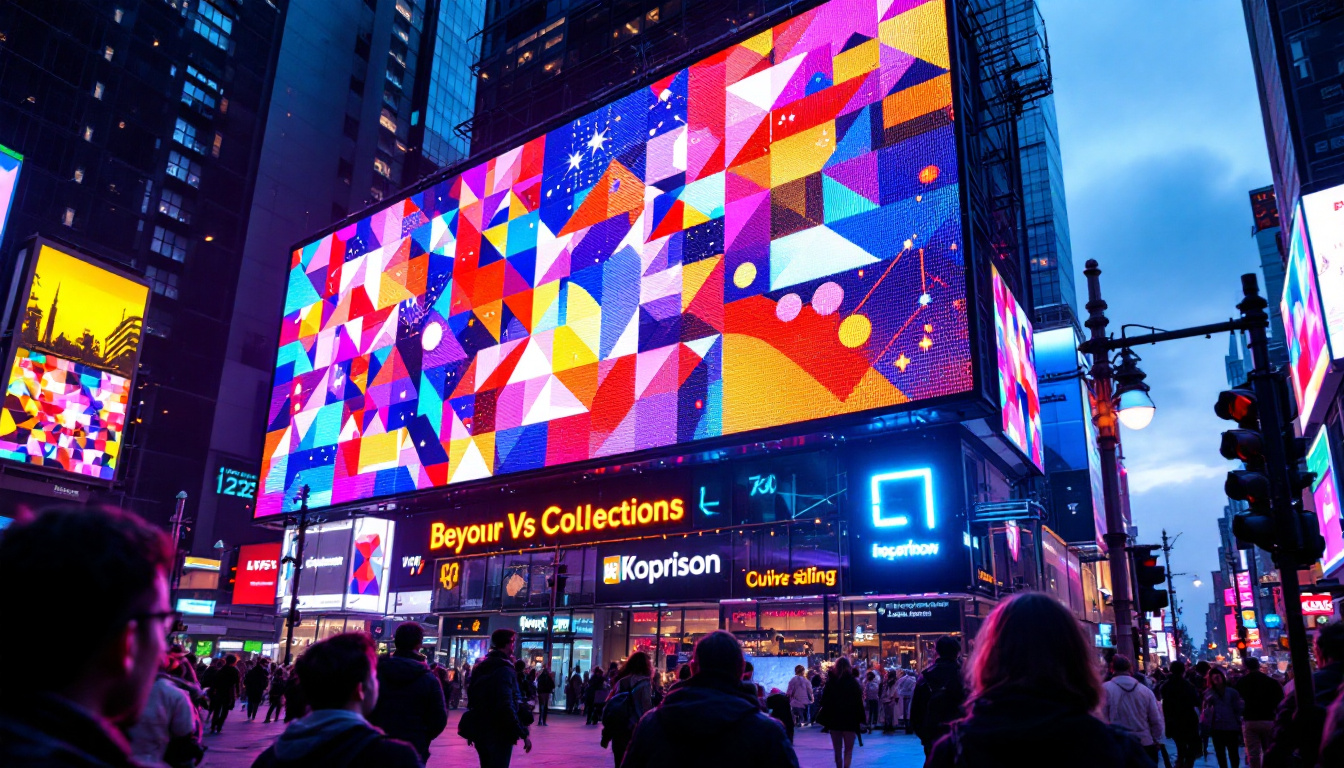
LED displays can be manufactured in various sizes, shapes, and resolutions, allowing for tailored solutions that fit specific outdoor environments. From massive billboards spanning hundreds of square meters to compact digital signage on bus stops, LED technology adapts seamlessly.
Furthermore, the ability to display dynamic content — including video, animations, and real-time data — offers advertisers and public agencies a powerful tool to engage audiences effectively.
Types of Outdoor LED Displays
Understanding the different types of LED displays helps in selecting the right solution for a particular outdoor application. The two primary categories are:
Fixed Outdoor LED Displays
These are permanent installations designed for long-term use. Examples include:
- Billboards: Large-scale advertising displays situated along highways or in urban centers.
- Sports Stadium Screens: Scoreboards and video walls that provide live game updates and entertainment.
- Public Information Displays: Digital signage at transit stations, airports, and city centers delivering schedules, alerts, and announcements.
Fixed LED displays are typically built with robust materials and high IP ratings to ensure durability. Their installation often requires structural engineering considerations due to their size and weight.
Rental and Mobile LED Displays
These displays are designed for temporary use and easy transport. They are popular for:
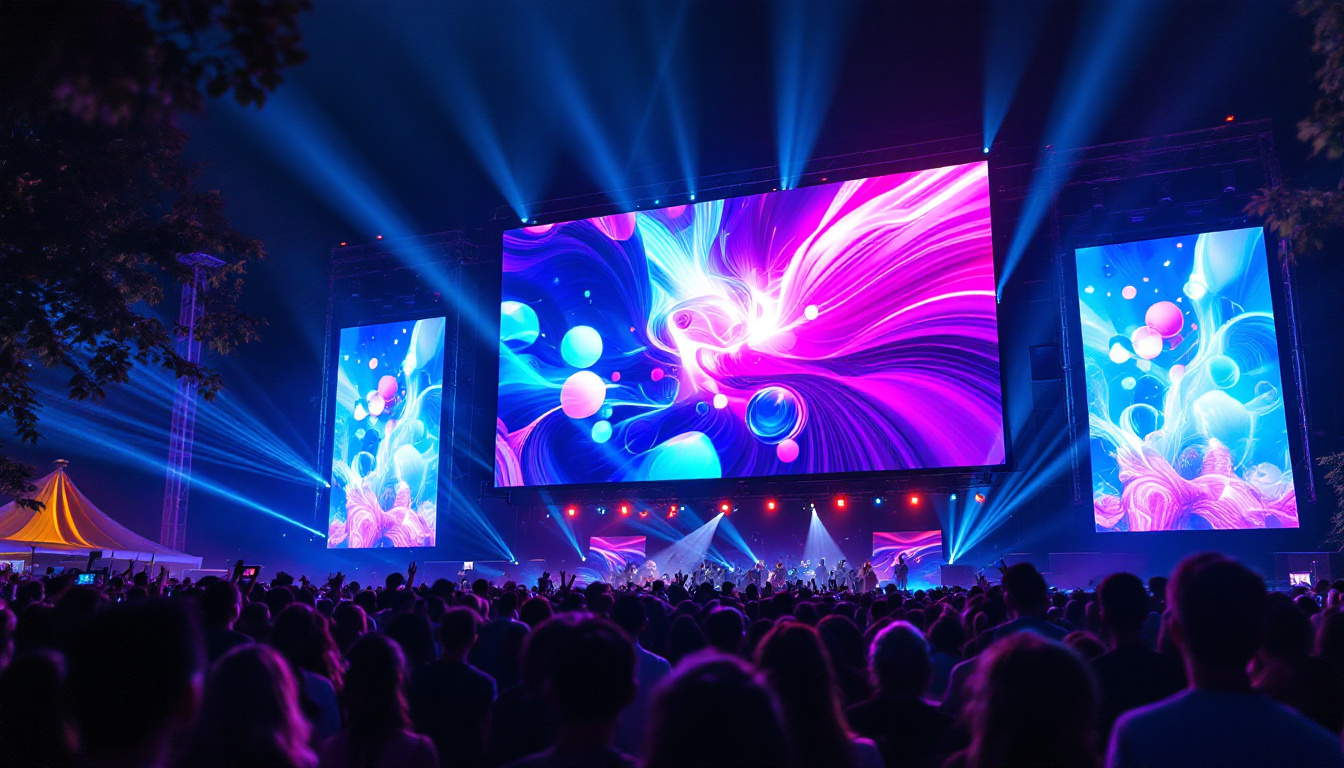
- Concerts and festivals
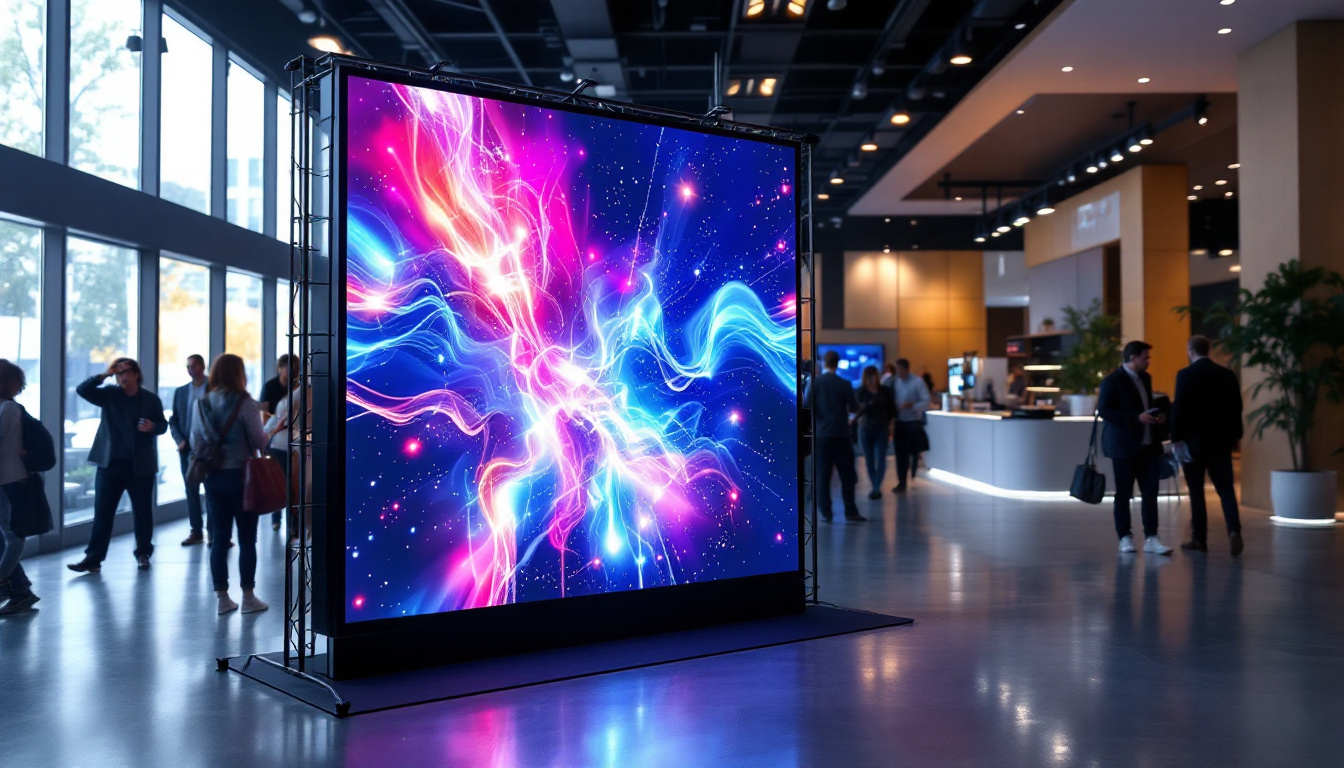
- Trade shows and exhibitions
- Political rallies and public events
Rental LED displays usually feature modular panels that can be quickly assembled and disassembled. They prioritize portability and ease of setup, often incorporating lightweight materials and quick-lock mechanisms.
Transparent and Curved LED Displays
Innovations in LED technology have led to the development of transparent and curved displays, expanding creative possibilities for outdoor advertising and architectural integration.
Transparent LED displays allow natural light to pass through, making them ideal for storefront windows and building facades without obstructing views. Curved displays can wrap around structures or poles, providing immersive visual experiences that capture attention from multiple angles.
Key Considerations for Outdoor LED Display Deployment
Deploying an LED display outdoors involves more than just selecting the right technology. Several factors must be considered to ensure optimal performance and return on investment.
Pixel Pitch and Viewing Distance
Pixel pitch refers to the distance between the centers of two adjacent LEDs, typically measured in millimeters. It directly affects the display’s resolution and clarity. Smaller pixel pitches yield higher resolution but are more costly.
For outdoor displays, the viewing distance is a crucial parameter. A general rule of thumb is that the optimal viewing distance (in meters) is roughly 1000 times the pixel pitch (in millimeters). For example, a 10mm pixel pitch display is best viewed from about 10 meters or more.
Understanding this relationship helps avoid overspending on unnecessarily high resolution or disappointing viewers with blurry images.
Brightness and Ambient Light Conditions
Brightness requirements vary depending on the installation environment. Displays facing direct sunlight need higher brightness levels, while those in shaded or nighttime environments can operate at lower brightness to save energy and reduce light pollution.
Many modern LED displays incorporate automatic brightness adjustment sensors that optimize visibility while minimizing power consumption.
Weatherproofing and Maintenance
Ensuring that the LED display is appropriately weatherproofed is essential for longevity. IP ratings indicate the level of protection against dust and water ingress. For most outdoor applications, an IP65 rating or higher is recommended.
Regular maintenance schedules, including cleaning, inspection, and software updates, help prevent performance degradation. Accessibility for maintenance should be considered during installation planning.
Content Management and Connectivity
Effective content management systems (CMS) are vital for controlling what appears on the display. These systems allow remote updates, scheduling, and integration with real-time data sources such as social media feeds, weather updates, and emergency alerts.
Connectivity options vary from wired Ethernet to wireless 4G/5G networks, depending on location and infrastructure availability. Reliable connectivity ensures timely content delivery and system monitoring.
Applications of Outdoor LED Displays
Outdoor LED displays have transformed numerous industries by enhancing communication, marketing, and entertainment capabilities.
Advertising and Marketing
Digital billboards have become a dominant advertising medium in urban areas worldwide. According to the Outdoor Advertising Association of America (OAAA), digital out-of-home advertising spending grew by over 15% annually in recent years, reflecting strong demand for dynamic and targeted content delivery.
LED displays enable advertisers to rotate multiple ads, use eye-catching animations, and adapt messaging based on time of day or audience demographics, increasing engagement and effectiveness.
Sports and Entertainment Venues
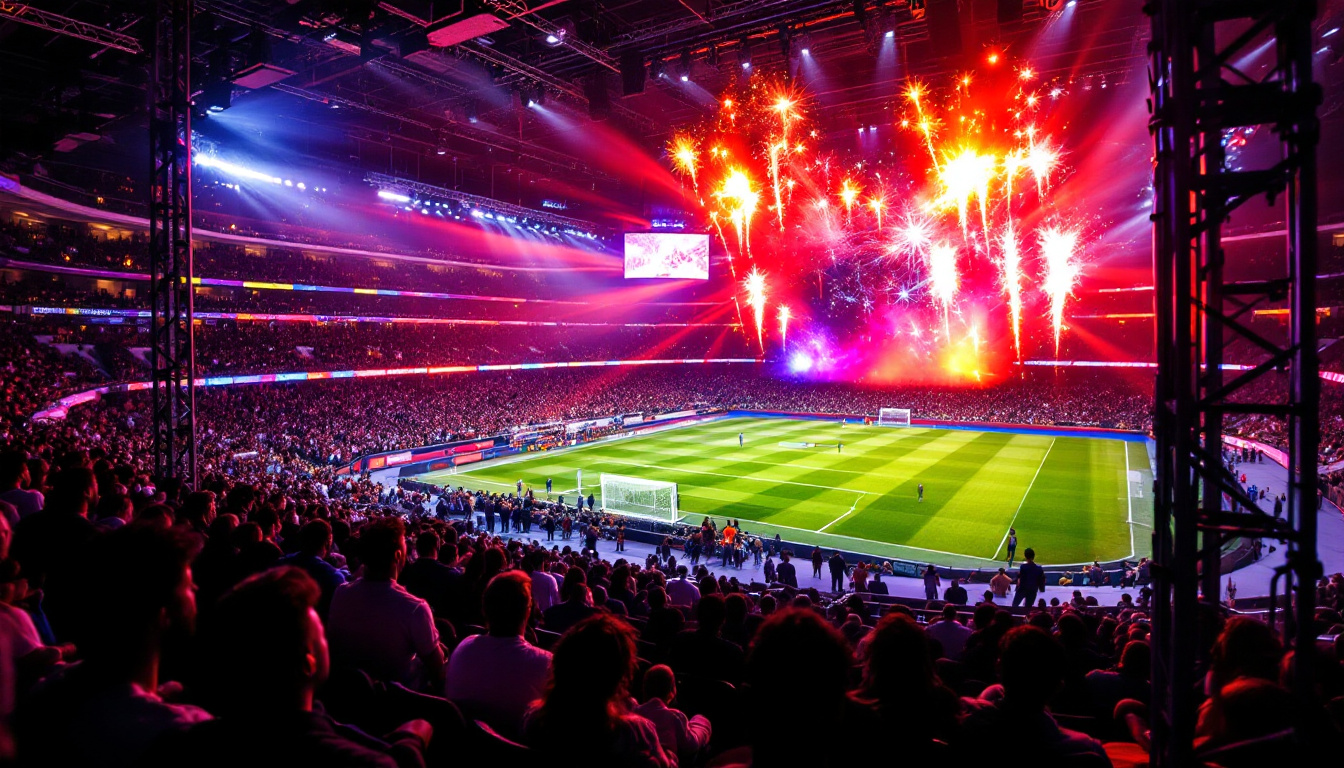
Stadiums and arenas rely on LED displays for scoreboards, instant replays, and fan engagement content. High-resolution video walls enhance the spectator experience and provide additional revenue streams through advertising.
Outdoor concerts and festivals use mobile LED screens to ensure visibility for large crowds, even from considerable distances.
Public Safety and Information
Governments and municipalities deploy LED displays for real-time public information, including traffic updates, weather warnings, and emergency alerts. The ability to quickly disseminate critical information can save lives and improve urban management.
Transit authorities use LED signage to provide schedule updates and service notifications, enhancing passenger convenience.
Architectural and Artistic Installations
LED technology has also found a place in architectural lighting and public art. Dynamic facades and interactive installations use LED displays to create visually stunning effects that can transform cityscapes and engage communities.
Future Trends in Outdoor LED Displays
The LED display industry continues to innovate, driven by advances in materials science, electronics, and software. Some emerging trends include:
MicroLED Technology
MicroLEDs are smaller than traditional LEDs and offer even higher brightness, resolution, and energy efficiency. While currently more expensive, microLED displays promise to revolutionize outdoor screens by delivering unparalleled image quality and durability.
Integration with IoT and Smart Cities
Outdoor LED displays are increasingly integrated into smart city infrastructure. Connected displays can interact with sensors, cameras, and other devices to provide context-aware information, improve traffic flow, and enhance public safety.
Augmented Reality (AR) and Interactive Displays
Combining LED displays with AR technology and interactive interfaces will create immersive experiences for advertising, entertainment, and education. Touch-sensitive and gesture-controlled displays are already being tested in outdoor environments.
Conclusion
Outdoor LED displays are a powerful medium for communication, advertising, and public engagement. Their superior brightness, durability, and flexibility make them ideal for a wide range of applications, from massive billboards to intricate architectural installations.
Understanding the technology, advantages, and deployment considerations is essential for businesses and organizations looking to leverage LED displays effectively. As the technology advances, outdoor LED displays will continue to shape the way people interact with their environments, delivering dynamic and impactful visual experiences.
Illuminate Your Space with LumenMatrix
Ready to transform your outdoor space with unparalleled brightness, durability, and flexibility? LumenMatrix is at the forefront of LED display innovation, offering an extensive range of solutions tailored to your needs. From vibrant Outdoor LED Wall Displays to interactive Floor LED Displays, our products are designed to captivate and engage your audience. Elevate your visual communication and create memorable experiences with our cutting-edge technology. Check out LumenMatrix LED Display Solutions today and see your vision come to life.