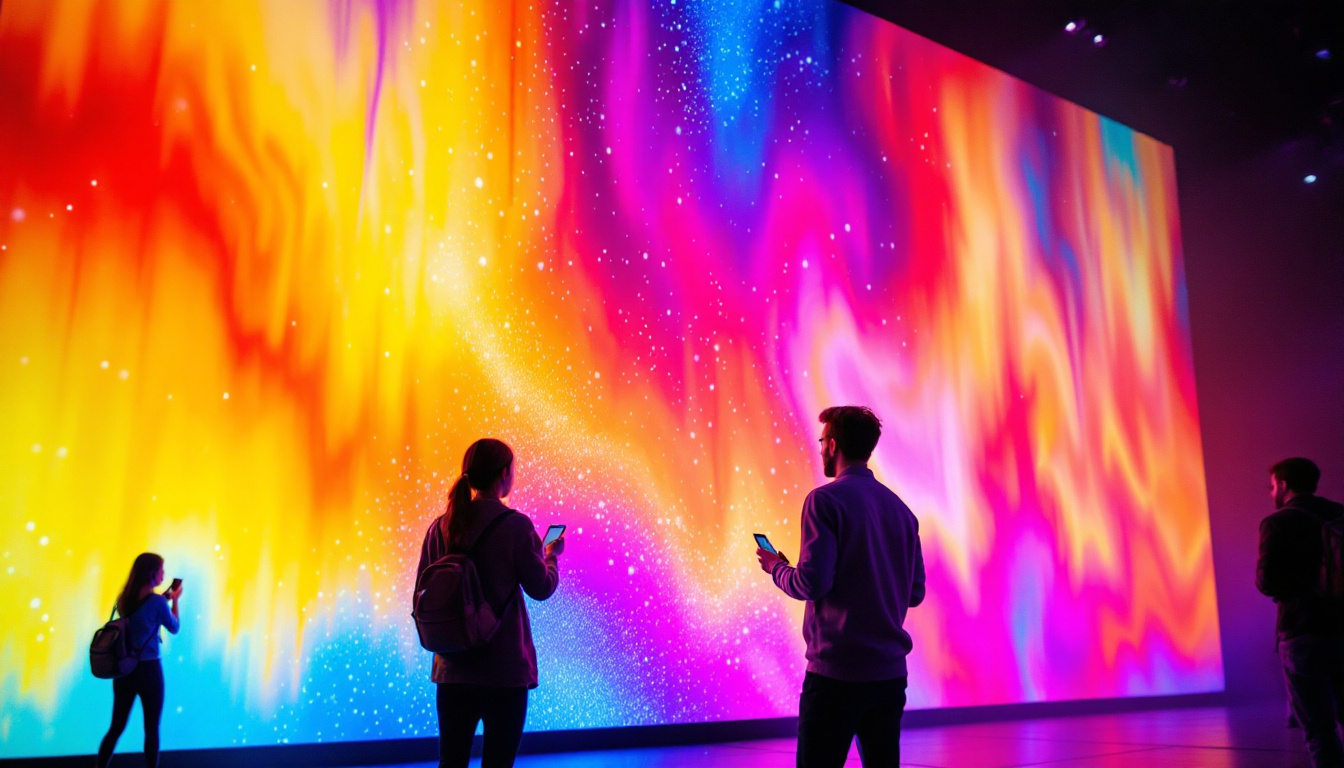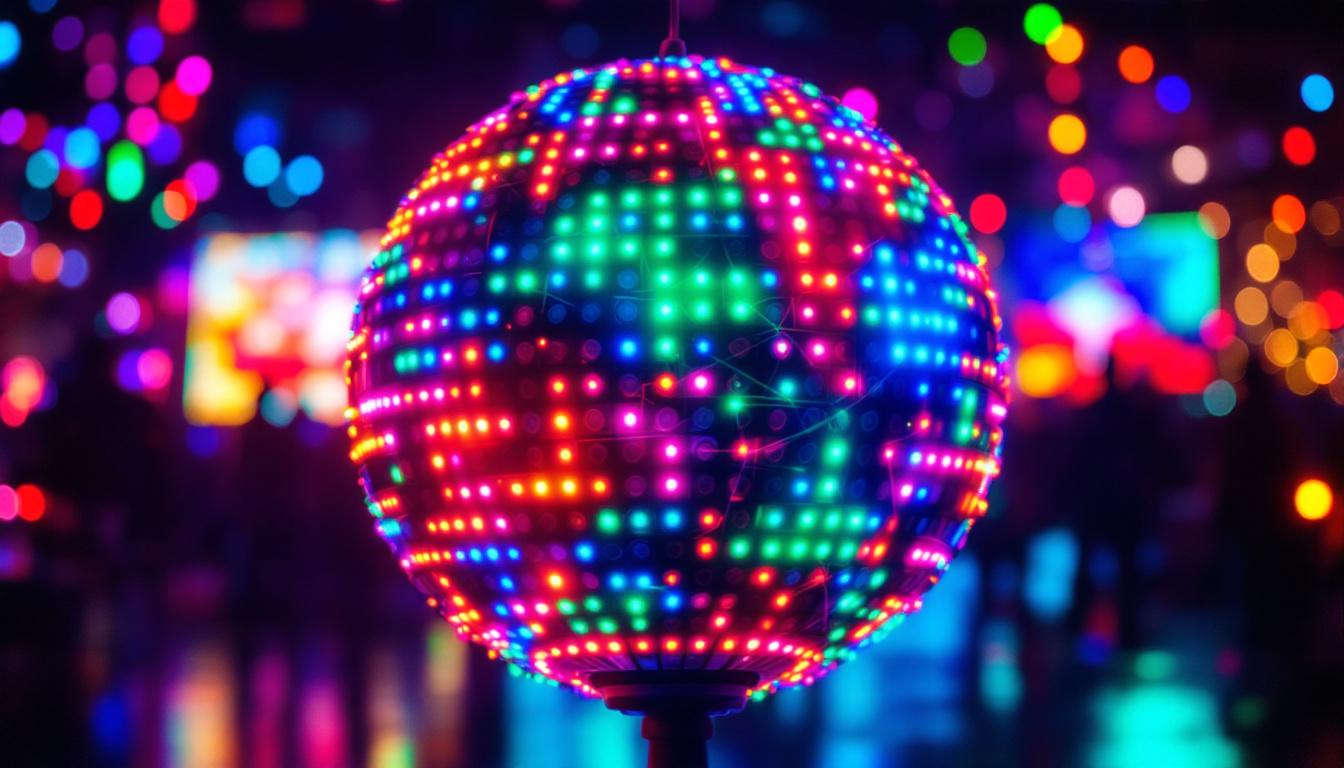
In recent years, spherical LED displays have captured the imagination of audiences worldwide, combining cutting-edge technology with artistic innovation. From massive advertising installations to immersive entertainment experiences, these spherical screens are redefining how visual content is presented. But one question often arises: how many LED lights are actually in a sphere? Understanding this is not only a matter of curiosity but also essential for appreciating the engineering marvels behind these displays.
Introduction to Spherical LED Displays
Spherical LED displays are three-dimensional screens composed of thousands—sometimes millions—of tiny LED lights arranged on a curved surface. Unlike traditional flat LED panels, these spheres offer a panoramic viewing experience, making them ideal for exhibitions, concerts, and public art installations. Their innovative design not only captivates audiences but also transforms the way visual content is consumed, creating an immersive environment that engages viewers on multiple sensory levels.
The complexity of these displays lies in their geometry and pixel density. Each LED acts as a pixel, and their total number determines the resolution, brightness, and overall quality of the image or video projected. The more LEDs packed into the sphere, the sharper and more vivid the display. This intricate arrangement requires advanced technology and meticulous calibration to ensure that the visuals are not only stunning but also seamlessly integrated into the spherical form, allowing for a cohesive viewing experience that feels both natural and dynamic.
Why Use a Sphere?
The spherical shape offers a unique advantage: it provides a 360-degree viewing angle, allowing audiences to see content from virtually any direction. This makes spheres especially popular in public spaces where viewers move around the installation. Additionally, spheres can symbolize unity, wholeness, or global connectivity, enhancing the thematic impact of the displayed content. The curvature of the display also creates a sense of depth, drawing viewers into the narrative being presented, whether it be a brand story, a scientific concept, or an artistic expression. This immersive quality can evoke emotional responses, making the content more memorable and impactful.
Applications of Spherical LED Displays
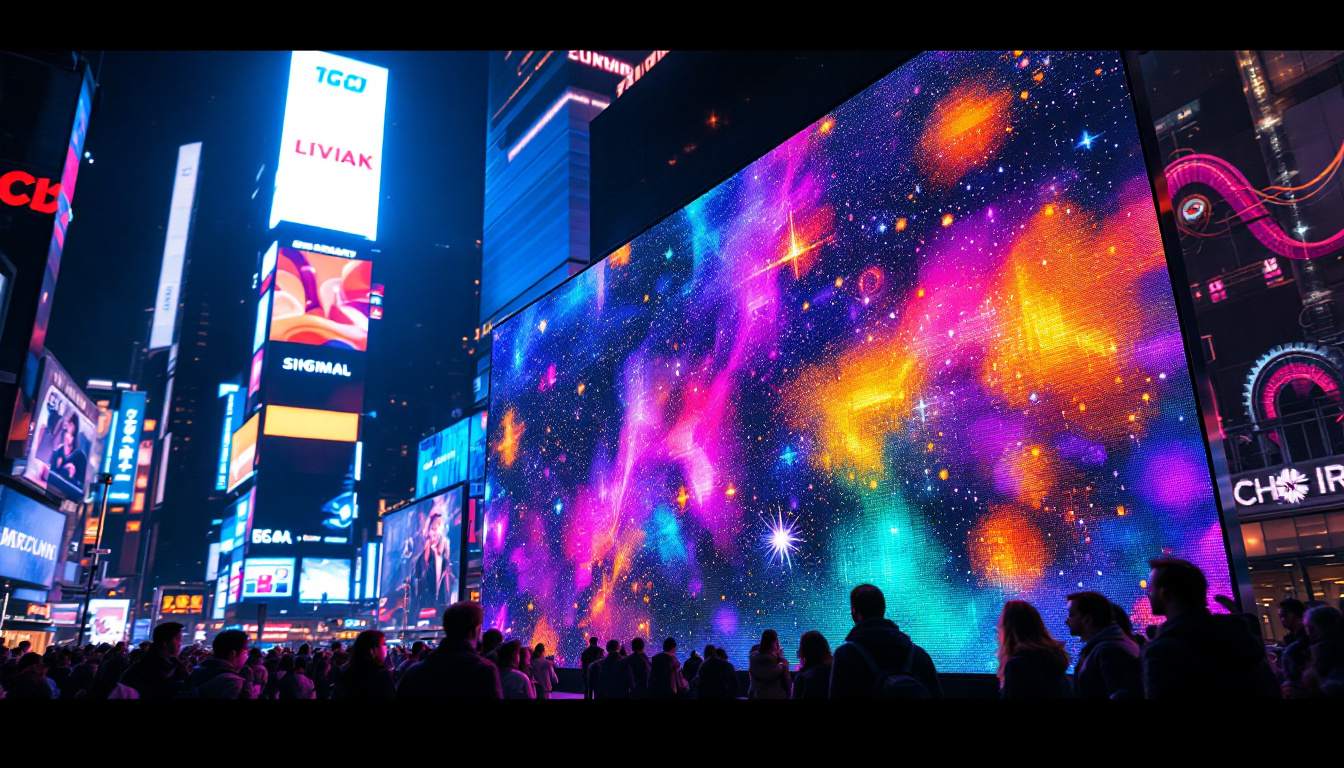
These displays have been employed in various sectors, including advertising, entertainment, and education. For example, some global brands use giant LED spheres in flagship stores to showcase dynamic advertisements. Museums and science centers utilize them to present immersive educational content, such as planetary models or molecular structures. In entertainment, spherical LED displays create mesmerizing visual effects during concerts and festivals. Beyond these applications, they are also being explored in virtual reality experiences, where the spherical format can enhance the sense of presence and realism, allowing users to feel as if they are truly part of the digital environment. Furthermore, the versatility of spherical LED displays means they can be customized for specific events or themes, making them a powerful tool for storytelling and engagement across diverse audiences.
Understanding LED Density and Resolution on a Sphere
To grasp how many LED lights are in a sphere, it’s important to understand two key concepts: pixel pitch and resolution. Pixel pitch refers to the distance between the centers of two adjacent LEDs, usually measured in millimeters. The smaller the pixel pitch, the higher the resolution and the more LEDs fit on the surface.
Resolution on a spherical display is more complex than on flat screens because the LEDs must be arranged to conform to the curved surface without distortion. Engineers use advanced mapping techniques to ensure that the image appears seamless and proportionate from all angles. This involves not only precise calculations but also sophisticated software that can adapt the content to the unique geometry of the sphere, ensuring that viewers experience a cohesive visual narrative regardless of their position around the display.
Moreover, the technology behind spherical LED displays often incorporates adaptive brightness and color calibration features. These ensure that the visuals maintain consistent quality and vibrancy, even in varying lighting conditions. This adaptability is crucial for applications ranging from immersive art installations to interactive advertising, where the viewer’s engagement is directly influenced by the display’s visual fidelity.
Calculating LED Count Based on Sphere Size and Pixel Pitch
The total number of LEDs on a sphere can be estimated by calculating the surface area of the sphere and dividing it by the area each LED occupies. The formula for the surface area of a sphere is:
Surface Area = 4 × π × r²
Where r is the radius of the sphere.
For example, consider a sphere with a diameter of 2 meters (radius = 1 meter). Its surface area would be approximately 12.57 square meters.
If the pixel pitch is 10mm (1cm), each LED occupies an area of about 1cm² (0.0001 m²). Dividing the surface area by the pixel area:
12.57 m² ÷ 0.0001 m² = 125,700 LEDs
This rough calculation shows that a 2-meter diameter sphere with a 10mm pixel pitch can contain over 125,000 LEDs. This number is significant, as it highlights the potential for creating highly detailed and engaging visual experiences that can captivate audiences in various settings, from commercial spaces to public art displays.
Impact of Pixel Pitch on LED Count
Reducing the pixel pitch dramatically increases the number of LEDs. For instance, if the pixel pitch is halved to 5mm, each LED occupies 0.25 cm² (0.000025 m²), quadrupling the LED count to over 500,000 LEDs on the same sphere. This increase enhances image clarity but also raises costs and power consumption. The trade-off between resolution and operational efficiency is a critical consideration for designers and engineers when planning a spherical LED installation.
Furthermore, the choice of pixel pitch can influence the type of content displayed. Higher resolutions allow for more intricate details, making them ideal for applications such as virtual reality environments or high-definition video displays. Conversely, larger pixel pitches may be more suitable for broader visual messages or environments where viewers are positioned farther away, thus optimizing both performance and cost. Understanding these dynamics is essential for stakeholders looking to maximize the impact of their visual installations while balancing budgetary constraints and energy consumption considerations.
Real-World Examples of LED Spheres
Examining actual installations helps contextualize the numbers and highlights the diversity of LED spheres in use today.
The MSG Sphere in Las Vegas
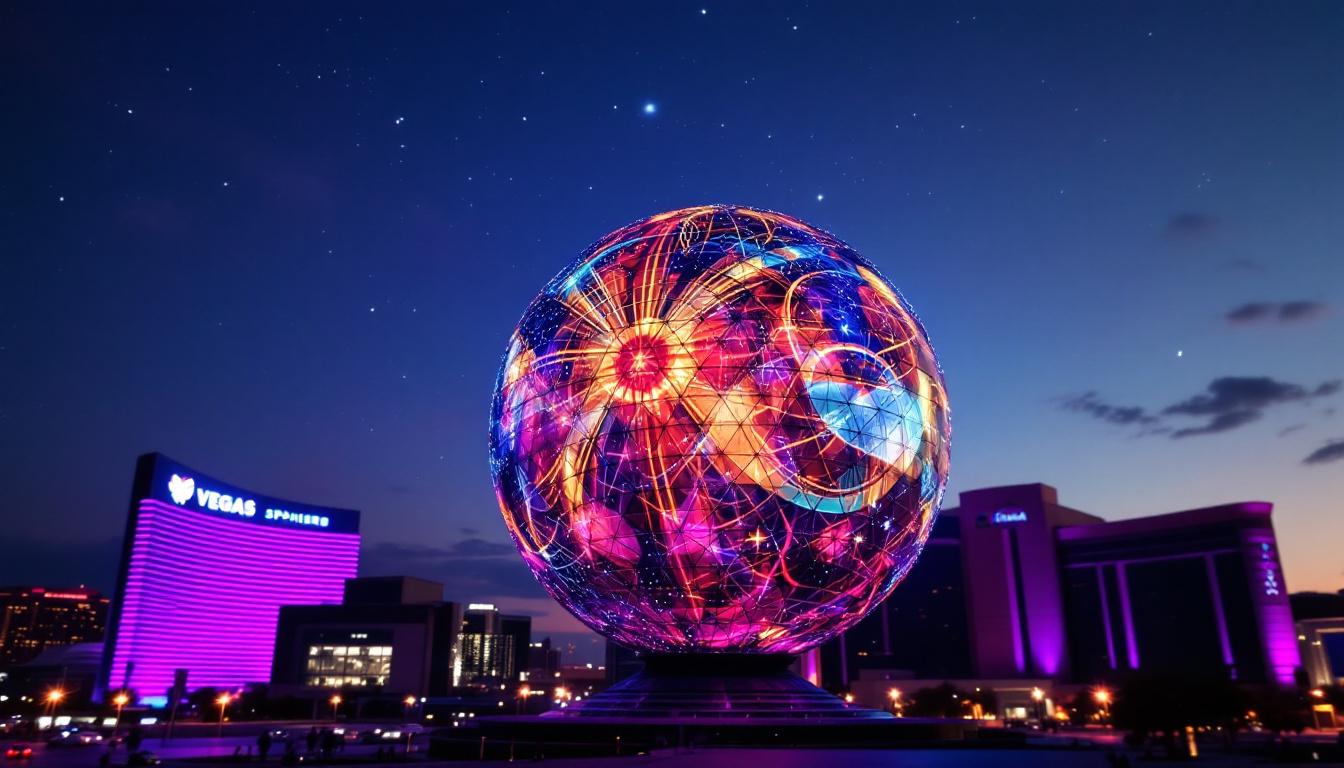
One of the most ambitious spherical LED displays is the MSG Sphere in Las Vegas, a massive entertainment venue designed to host concerts and immersive shows. The exterior of the sphere is covered with an LED display approximately 580 feet in diameter, making it one of the largest LED screens on the planet.
While exact LED counts are proprietary, estimates suggest the MSG Sphere’s exterior contains tens of millions of LEDs to achieve ultra-high resolution and brightness. This scale allows for breathtaking visuals visible from miles away and a fully immersive experience inside the venue.
The Beijing National Aquatics Center “Water Cube” Sphere
Another notable example is the spherical LED display integrated into the Water Cube complex in Beijing. Though smaller than the MSG Sphere, this installation features several hundred thousand LEDs arranged with a pixel pitch optimized for close viewing distances. It serves as both an artistic centerpiece and a dynamic information display.
Smaller-Scale LED Spheres
On a smaller scale, spherical LED displays are used in retail environments and exhibitions. These spheres typically range from 0.5 to 1.5 meters in diameter and contain tens of thousands of LEDs. They are often used to display logos, animations, or interactive content, demonstrating the versatility of spherical LED technology.
Technical Challenges in Building LED Spheres
Constructing a spherical LED display is far more complex than assembling a flat LED panel. Several technical challenges must be overcome to ensure functionality, durability, and visual quality.
LED Placement and Curvature
LED modules must be carefully designed to fit the sphere’s curvature. Unlike flat panels, where LEDs are arranged on a planar surface, spherical displays require flexible or segmented modules that can conform to the curve without gaps or overlaps. This often involves custom manufacturing and precise engineering.
Heat Dissipation
LEDs generate heat during operation, and in a dense spherical arrangement, managing this heat is critical to prevent damage and maintain performance. Engineers incorporate cooling systems, heat sinks, and ventilation to ensure stable operation, especially in large-scale spheres with millions of LEDs.
Power and Data Transmission
Supplying power and transmitting data to every LED in the sphere is a logistical challenge. Complex wiring harnesses and data protocols are employed to ensure synchronized display across all LEDs. Wireless technologies and fiber optics are increasingly being integrated to reduce cable bulk and improve reliability.
Future Trends in Spherical LED Technology
The evolution of LED technology continues to push the boundaries of what spherical displays can achieve. Several emerging trends promise to enhance these displays in the coming years.
MicroLED and MiniLED Innovations
MicroLED and MiniLED technologies offer smaller, brighter, and more energy-efficient LEDs. Incorporating these into spherical displays can significantly increase resolution and reduce pixel pitch, enabling ultra-high-definition spheres that rival traditional flat screens.
Flexible and Transparent LEDs
Advancements in flexible LED substrates allow for smoother curvature and more seamless spherical designs. Transparent LEDs also open new possibilities for layered displays and interactive installations where viewers can see through the sphere while still experiencing vibrant visuals.
Augmented Reality Integration
Combining spherical LED displays with augmented reality (AR) can create immersive environments where physical and digital content blend seamlessly. This integration is particularly promising for entertainment, education, and advertising sectors.
Conclusion: Appreciating the Scale and Complexity
The number of LED lights in a spherical display varies widely depending on the sphere’s size, pixel pitch, and intended use. From tens of thousands in smaller spheres to tens of millions in monumental installations like the MSG Sphere, these displays represent a remarkable fusion of art and technology.
Understanding the factors that influence LED count—such as surface area, pixel pitch, and design challenges—provides insight into the complexity behind these captivating visual experiences. As LED technology advances, spherical displays will continue to evolve, offering ever more stunning and immersive ways to communicate and entertain.
Discover the Future of LED Displays with LumenMatrix
Ready to elevate your visual storytelling with the latest in LED display technology? LumenMatrix is at the forefront of innovation, offering a wide array of LED solutions that transform any space into a dynamic visual experience. Whether you’re looking for an Indoor LED Wall Display, a vibrant Outdoor LED Wall Display, or specialized options like Vehicle, Sports, or Floor LED Displays, LumenMatrix has you covered. Our Custom and All-in-One LED Displays, along with LED Transparent Displays, are designed to captivate your audience and amplify your message. Experience the revolution in visual communication and check out LumenMatrix LED Display Solutions today.