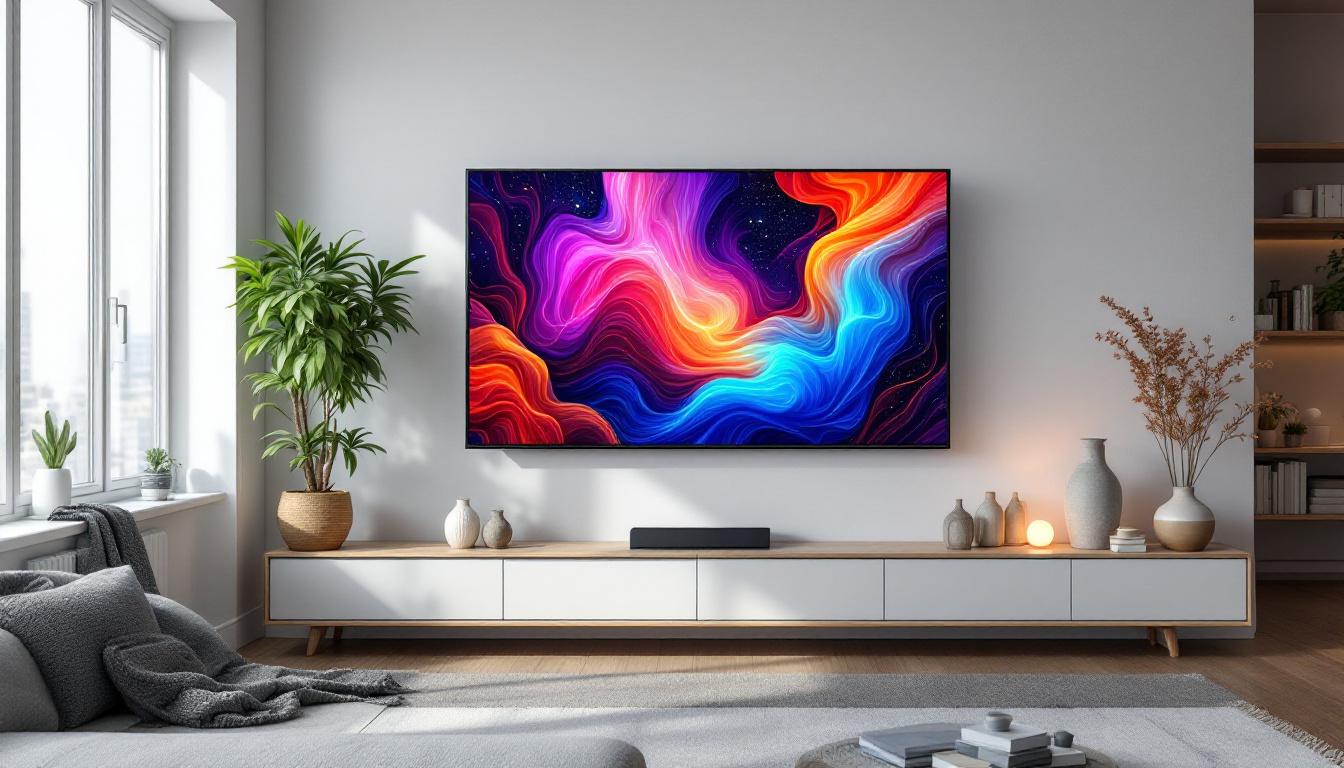
Huge TV Screen: LED Display Explained
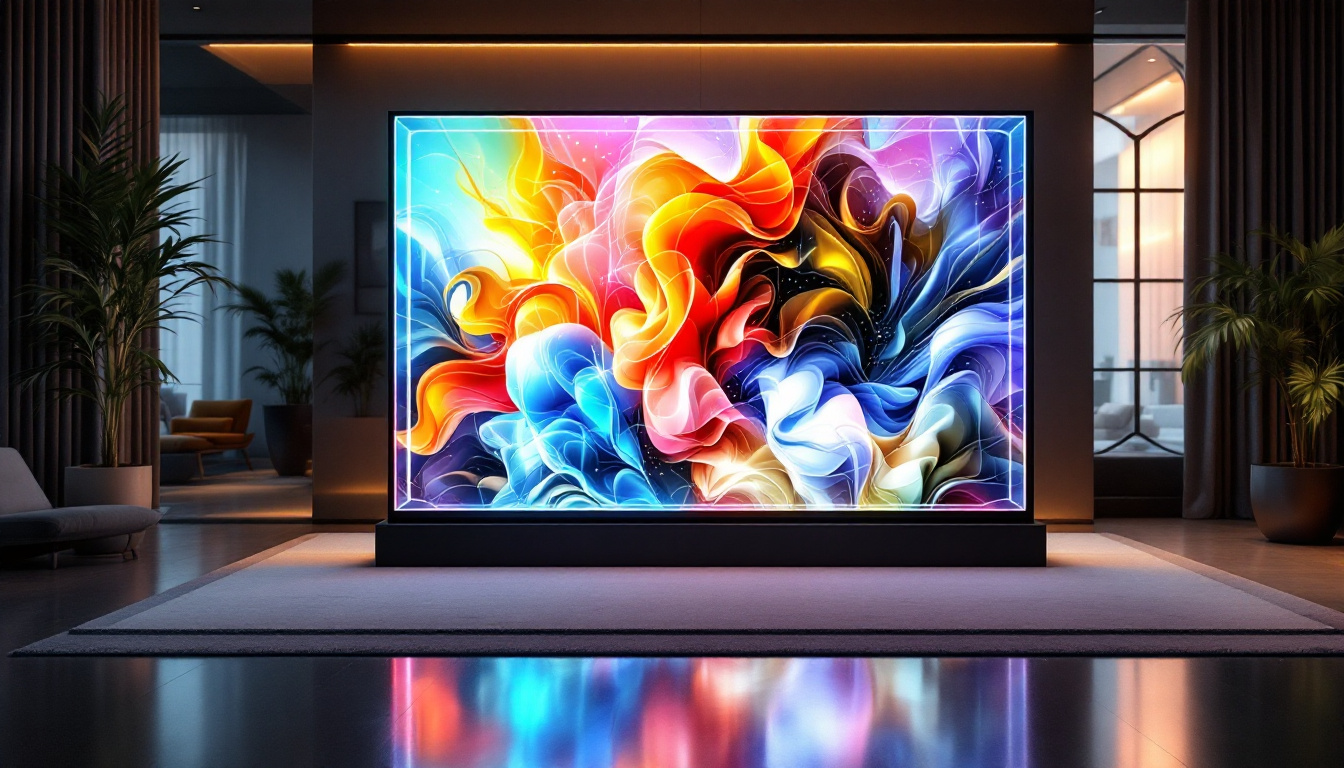
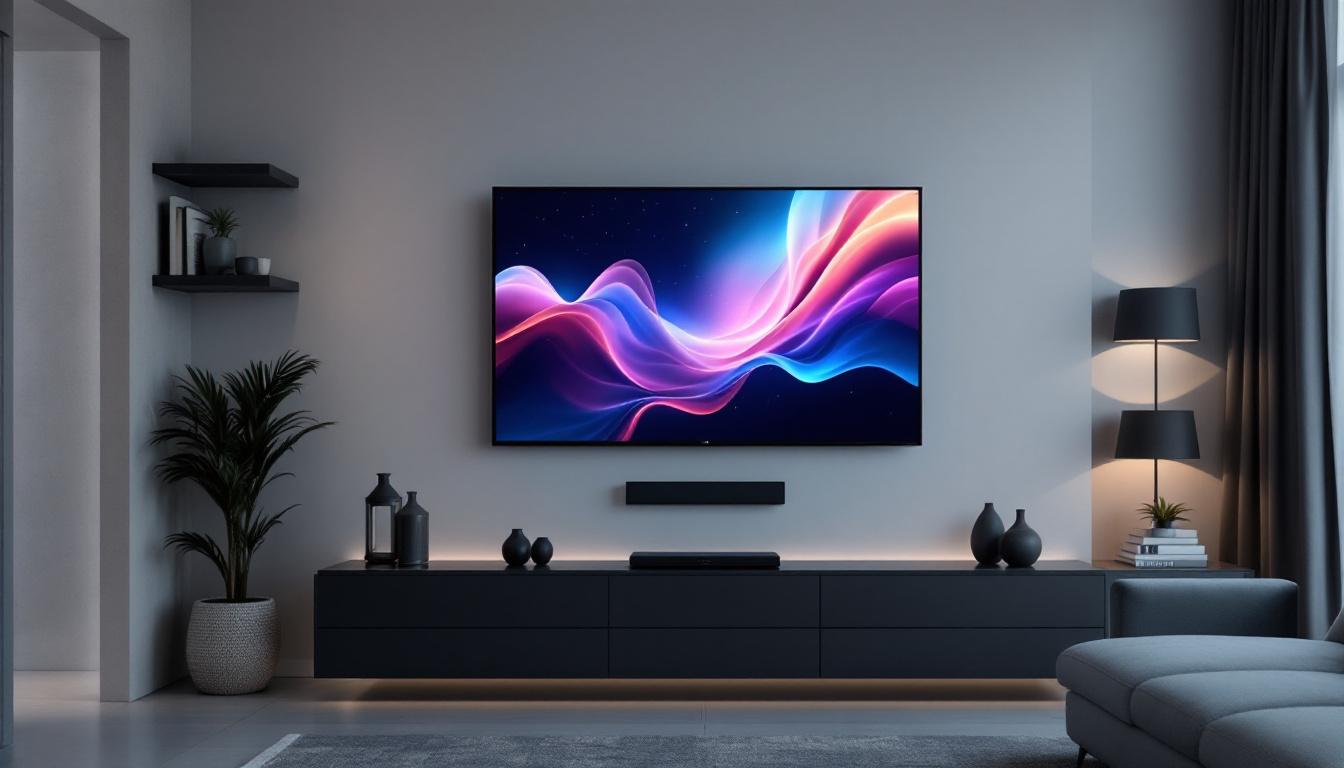
In recent years, the demand for large TV screens has skyrocketed, driven by advancements in display technology and a growing appetite for immersive viewing experiences. Among the various technologies available, LED displays have emerged as a leading choice for huge TV screens, offering vibrant colors, high brightness, and energy efficiency. This article delves into the world of LED displays, explaining how they work, their advantages, and what to consider when choosing a large LED TV screen.
Understanding LED Display Technology
What is an LED Display?
LED stands for Light Emitting Diode, a semiconductor device that emits light when an electric current passes through it. In the context of TV screens, LED displays use an array of these tiny diodes to illuminate the screen and produce images. Unlike traditional LCD TVs that rely on fluorescent backlighting, LED TVs use LEDs as the backlight source, which allows for thinner panels and better picture quality.
There are two main types of LED displays used in large TVs: edge-lit and full-array. Edge-lit LED TVs position the LEDs along the edges of the screen, while full-array LED TVs have LEDs distributed evenly behind the entire screen. Full-array displays typically offer better contrast and uniformity, especially when combined with local dimming technology. This technology allows certain areas of the screen to dim or brighten independently, enhancing the depth of blacks and the vibrancy of colors, making it particularly effective for watching movies in dark environments.
Moreover, the energy efficiency of LED displays is a significant advantage over older technologies. LEDs consume less power, which not only reduces electricity bills but also contributes to a lower carbon footprint. As consumers become more environmentally conscious, the shift towards LED technology reflects a broader trend in the electronics industry to prioritize sustainability while delivering high-quality visual experiences.
How Does an LED TV Work?
At the core, an LED TV is essentially an LCD TV with LED backlighting. The screen consists of millions of pixels, each made up of subpixels in red, green, and blue. The LED backlight shines through these pixels, and the LCD layer modulates the light to create the desired image. This combination results in bright, sharp images with a wide color gamut.
Advancements such as quantum dot technology have further enhanced LED displays. Quantum dots are microscopic semiconductor particles that emit pure, saturated colors when illuminated by the LED backlight, significantly improving color accuracy and brightness. This technology is often branded as QLED by manufacturers and is popular in premium large-screen TVs. Additionally, the integration of HDR (High Dynamic Range) technology with LED displays has revolutionized the viewing experience. HDR allows for a greater range of brightness and contrast, enabling viewers to see details in both the darkest shadows and the brightest highlights, thus creating a more lifelike and immersive picture.
Furthermore, the rapid evolution of LED technology has led to the emergence of OLED (Organic Light Emitting Diode) displays, which offer even greater contrast ratios and color accuracy by allowing each pixel to emit its own light. While LED TVs are still prevalent and offer excellent performance, the competition with OLED technology is pushing manufacturers to innovate further, leading to features such as enhanced refresh rates and improved motion handling, which are particularly beneficial for sports and action-packed movies.
Advantages of Huge LED TV Screens
Immersive Viewing Experience
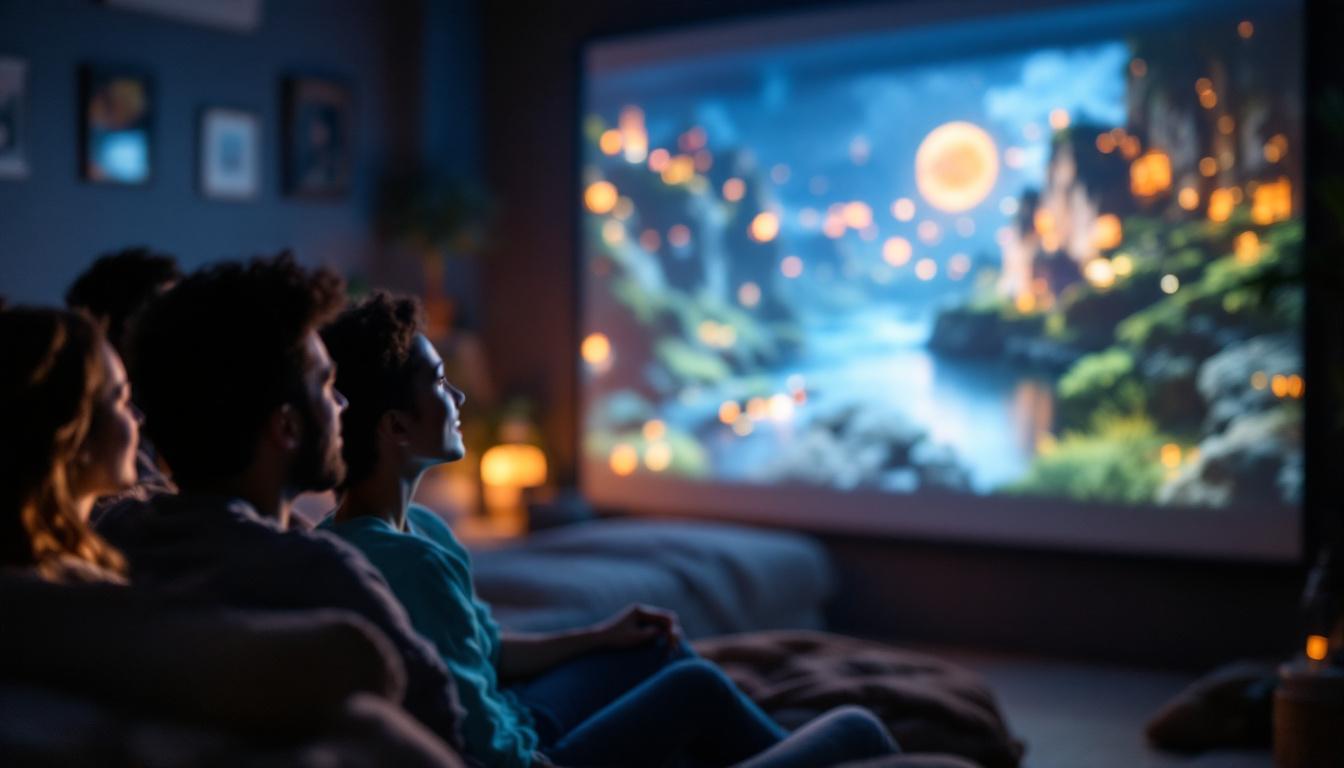
One of the primary reasons consumers opt for huge TV screens is the immersive experience they provide. A larger screen fills more of the viewer’s field of vision, making movies, sports, and gaming more engaging. LED displays, with their high brightness and contrast ratios, enhance this immersion by delivering vivid visuals even in well-lit rooms.
According to a 2023 report by the Consumer Technology Association, sales of TVs larger than 65 inches have grown by over 40% in the past two years, reflecting the increasing popularity of oversized screens for home entertainment. This trend is not just about size; it’s also about the technology that supports it. Many modern large-screen TVs come equipped with advanced features such as 4K resolution and HDR (High Dynamic Range), which further elevate the viewing experience by providing richer colors and sharper details. As a result, viewers can enjoy a cinematic experience right in their living rooms, transforming movie nights into events that rival the local theater.
Superior Brightness and Contrast
LED TVs are known for their ability to produce high brightness levels, often exceeding 1000 nits in premium models. This makes them ideal for viewing in bright environments where glare and ambient light can wash out the picture on other types of displays. Additionally, full-array LED TVs with local dimming can achieve deep blacks by dimming specific zones of the backlight, resulting in impressive contrast ratios. The combination of high brightness and deep blacks not only enhances the viewing experience but also allows for a more dynamic range of colors, making scenes come alive with vibrancy.
Moreover, advancements in LED technology have led to the development of Quantum Dot displays, which further improve color accuracy and brightness. These innovations enable viewers to experience a broader spectrum of colors, making everything from nature documentaries to animated films visually stunning. As a result, the viewing experience is not just about seeing a larger image; it’s about experiencing every nuance of color and detail as intended by the creators.
Energy Efficiency and Longevity
Compared to older technologies like plasma or CCFL-backlit LCDs, LED TVs consume less power, making them more energy-efficient. This efficiency is particularly important for large screens, which can otherwise consume significant electricity. LEDs also have a longer lifespan, often rated at 50,000 hours or more, meaning the TV can last for many years without degradation in brightness or color quality. This longevity translates into less frequent replacements, which is both cost-effective and environmentally friendly.
Additionally, many manufacturers are now focusing on sustainable practices in their production processes, further enhancing the appeal of LED TVs. Features like automatic brightness adjustment can help reduce energy consumption even more, adapting to the ambient light in the room. As consumers become increasingly conscious of their carbon footprint, the energy efficiency of huge LED TVs positions them as a smart choice for eco-friendly home entertainment solutions. With the added benefit of smart TV capabilities, users can also access a plethora of streaming services, making them a versatile addition to any home setup.
Choosing the Right Huge LED TV Screen
Screen Size and Viewing Distance
When selecting a huge LED TV, screen size is a critical factor, but it must be balanced with the viewing distance. The Society of Motion Picture and Television Engineers (SMPTE) recommends that viewers sit at a distance where the screen fills about 30 degrees of their field of vision for a cinematic experience. For a 75-inch TV, this translates to approximately 9 to 10 feet away.
Going too large for the available space can cause eye strain and reduce picture clarity, while a screen that is too small may not deliver the desired immersive effect. Measuring the room and considering seating arrangements are essential steps before making a purchase.
Resolution and Picture Quality
Resolution plays a significant role in picture sharpness, especially on large screens. While 4K Ultra HD (3840 x 2160 pixels) has become the standard for large TVs, 8K resolution is emerging for the biggest screens, offering four times the pixel count of 4K. However, 8K content is still limited, and the difference in perceived sharpness depends on viewing distance and screen size.
Other picture quality factors to consider include HDR (High Dynamic Range) support, color accuracy, and refresh rate. HDR enhances contrast and color depth, making images more lifelike. A higher refresh rate, such as 120Hz, benefits fast-moving content like sports and gaming by reducing motion blur.
Connectivity and Smart Features
Modern huge LED TVs come equipped with multiple HDMI ports, USB inputs, and wireless connectivity options like Wi-Fi and Bluetooth. These features enable seamless connection to gaming consoles, streaming devices, soundbars, and other peripherals.
Smart TV capabilities are also standard, offering access to popular streaming platforms such as Netflix, Amazon Prime Video, and Disney+. Voice control integration with assistants like Alexa or Google Assistant adds convenience, allowing users to control the TV hands-free.
LED Display Innovations and Future Trends
MicroLED Technology
MicroLED is an emerging display technology that promises to revolutionize huge TV screens. Unlike traditional LED TVs that use a backlight, MicroLED displays consist of millions of microscopic LEDs that emit their own light, similar to OLEDs but without the risk of burn-in. This results in superior brightness, contrast, and energy efficiency.
While MicroLED TVs are currently expensive and primarily targeted at commercial markets, manufacturers are working to make them more accessible to consumers. As production scales, MicroLED could become the new standard for huge TV screens within the next decade.
Flexible and Transparent LED Displays
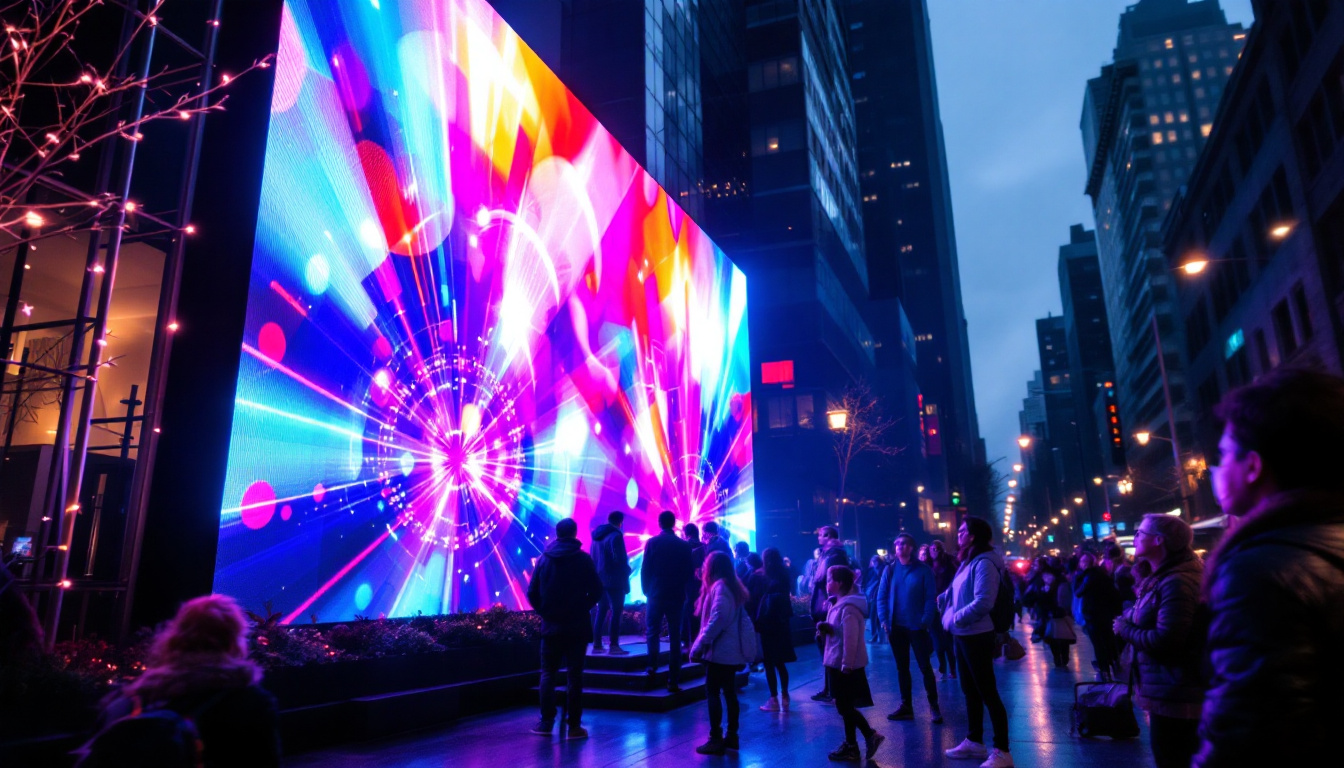
Innovation in LED technology has also led to the development of flexible and transparent LED panels. These can be curved or even rolled up, offering new possibilities for installation and design. Transparent LED displays are gaining traction in retail and advertising but may eventually find applications in home entertainment, allowing for creative and futuristic TV setups.
Conclusion: Making the Most of Your Huge LED TV Screen
Huge LED TV screens combine cutting-edge technology with the desire for immersive, high-quality viewing experiences. Understanding how LED displays work and their advantages helps consumers make informed decisions when investing in a large TV. Factors such as screen size, resolution, brightness, and smart features are crucial to ensure the TV meets individual needs and room conditions.
As LED technology continues to evolve, with innovations like MicroLED and flexible displays on the horizon, the future of huge TV screens looks bright. Whether for home theaters, gaming, or general entertainment, LED displays remain a top choice for delivering stunning visuals on a grand scale.
Discover the Future of Visual Experience with LumenMatrix
Ready to elevate your viewing experience with the latest in LED display technology? LumenMatrix is at the forefront of innovation, offering a wide range of LED display solutions tailored to your needs. From immersive Indoor and Outdoor LED Wall Displays to dynamic Vehicle and Sports LED Displays, our products are designed to captivate and engage. Explore our versatile LED Poster Displays, interactive Floor LED Displays, and the sleek All-in-One LED Display options. Experience the future of visual communication with our Custom and Transparent LED Displays. Check out LumenMatrix LED Display Solutions today and transform your space into a hub of high-impact visual storytelling.