In the rapidly evolving world of visual display technology, the terms “projector screen” and “LED display” often come up in discussions about presentations, home theaters, and digital signage. While both serve the primary purpose of delivering images to an audience, their underlying technologies, advantages, and ideal use cases differ significantly. This article explores the impact of projector screens and LED displays, breaking down their features, benefits, and how they shape the future of visual media.
Understanding Projector Screens: Traditional and Modern Perspectives
Projector screens have been a staple in classrooms, conference rooms, and home theaters for decades. Essentially, a projector screen is a surface designed to reflect light from a projector, creating a visible image for viewers. The quality of the image depends on several factors, including the projector’s capabilities, ambient lighting, and the screen’s material and size.
Types of Projector Screens
Projector screens come in various forms, each tailored to specific environments and needs:
- Fixed Frame Screens: These screens are permanently mounted and provide a taut, flat surface ideal for home theaters and dedicated presentation rooms.
- Pull-Down Screens: Common in classrooms and offices, these screens can be retracted when not in use, saving space.
- Portable Screens: Lightweight and easy to set up, portable screens are perfect for on-the-go presentations and outdoor events.
- Ambient Light Rejecting (ALR) Screens: Designed to enhance image quality in bright rooms by rejecting ambient light, ALR screens improve contrast and color vibrancy.
Each type addresses different challenges related to lighting, portability, and image quality, making projector screens versatile tools in various settings. For instance, in a corporate environment, where presentations are frequent, pull-down screens offer convenience without sacrificing quality. In contrast, fixed frame screens are often favored in home theaters, where the viewing experience is paramount and the screen can be an integral part of the room’s design.
Material and Gain: Key Factors in Screen Performance
The screen’s material significantly influences the image’s brightness and clarity. Screen gain, a measure of reflectivity, determines how much light is reflected back to the viewer. A gain of 1.0 means the screen reflects light evenly, while higher gains indicate more reflectivity, which can enhance brightness but may reduce viewing angles.
Choosing the right screen material and gain depends on the projector’s brightness and the room’s lighting conditions. For example, in a brightly lit room, a screen with a higher gain or ALR technology can help maintain image visibility. Conversely, in darker environments, a lower gain screen may provide a more uniform image without the risk of hot-spotting, where certain areas appear overly bright. Furthermore, the texture of the screen material can also play a role; matte finishes can diffuse light for a softer image, while glossy surfaces can enhance sharpness and color saturation.
Additionally, the choice of screen material goes beyond just gain and reflectivity. For instance, some screens are designed with specific coatings that enhance durability and resistance to wear, making them suitable for high-traffic environments like schools and auditoriums. Others may be treated to resist stains or be easily cleaned, ensuring that the screen remains pristine even after repeated use. As technology advances, manufacturers are also exploring innovative materials that can adapt to various projection technologies, such as 4K and laser projectors, ensuring that users can enjoy the best possible viewing experience regardless of their setup.
LED Displays: The New Frontier in Visual Technology
LED (Light Emitting Diode) displays represent a significant shift from traditional projection methods. Instead of reflecting light, LED displays generate their own light, producing vibrant images with exceptional brightness and contrast. This self-illumination capability makes LED displays particularly effective in environments with high ambient light. The ability to maintain clarity and color fidelity in bright settings has made LED technology a preferred choice for a variety of applications, from advertising to entertainment.
How LED Displays Work
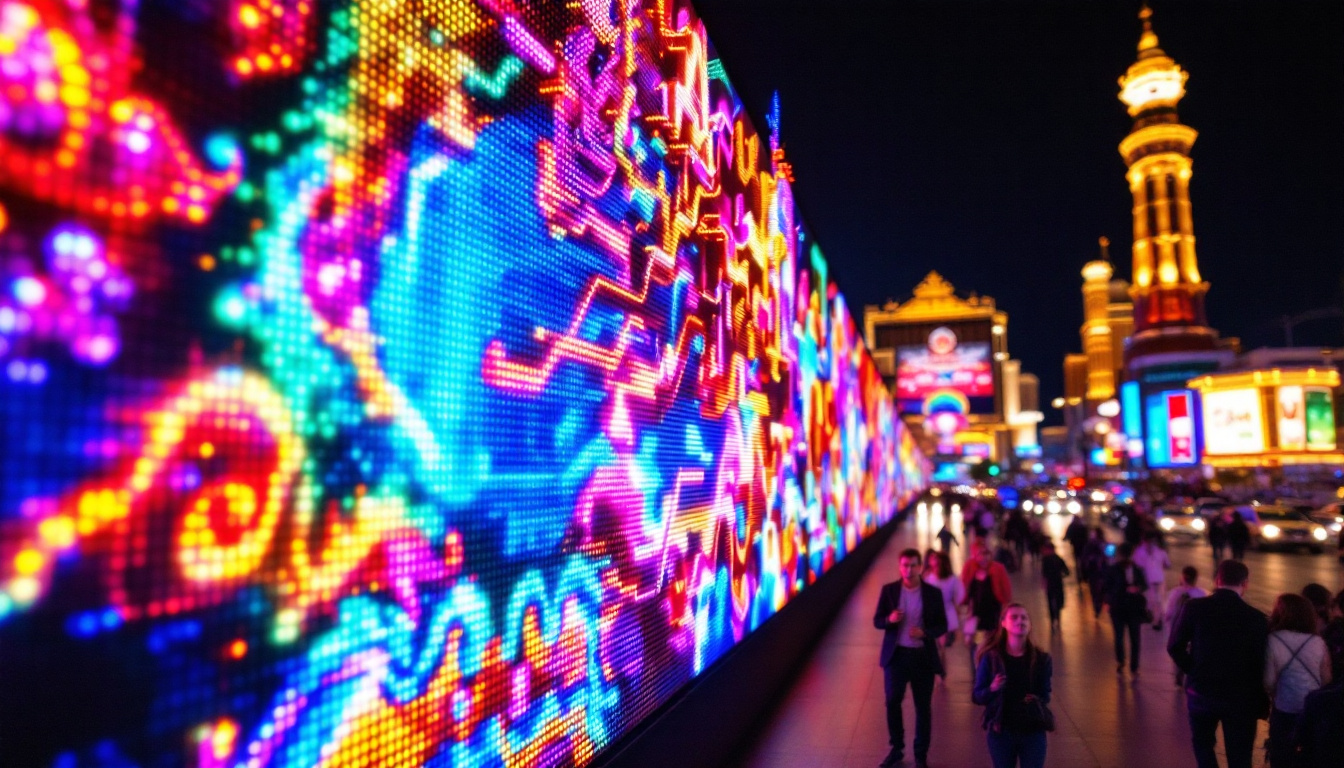
LED displays are composed of thousands to millions of tiny LEDs arranged in a grid. Each LED acts as a pixel, emitting light in red, green, or blue to create a full-color image. By controlling the intensity of each LED, the display can render detailed and dynamic visuals. The precision with which these LEDs can be controlled allows for a wide range of color reproduction, making it possible to display everything from subtle gradients to vivid, saturated hues.
Modern LED displays often use SMD (Surface-Mounted Device) technology, which allows LEDs to be mounted directly onto circuit boards, enabling thinner and more flexible panels. This innovation has expanded the use of LED displays beyond traditional screens to include curved, transparent, and even flexible installations. Such versatility has opened new avenues in design, allowing architects and designers to integrate displays seamlessly into their projects, creating immersive environments that enhance user experience.
Types of LED Displays
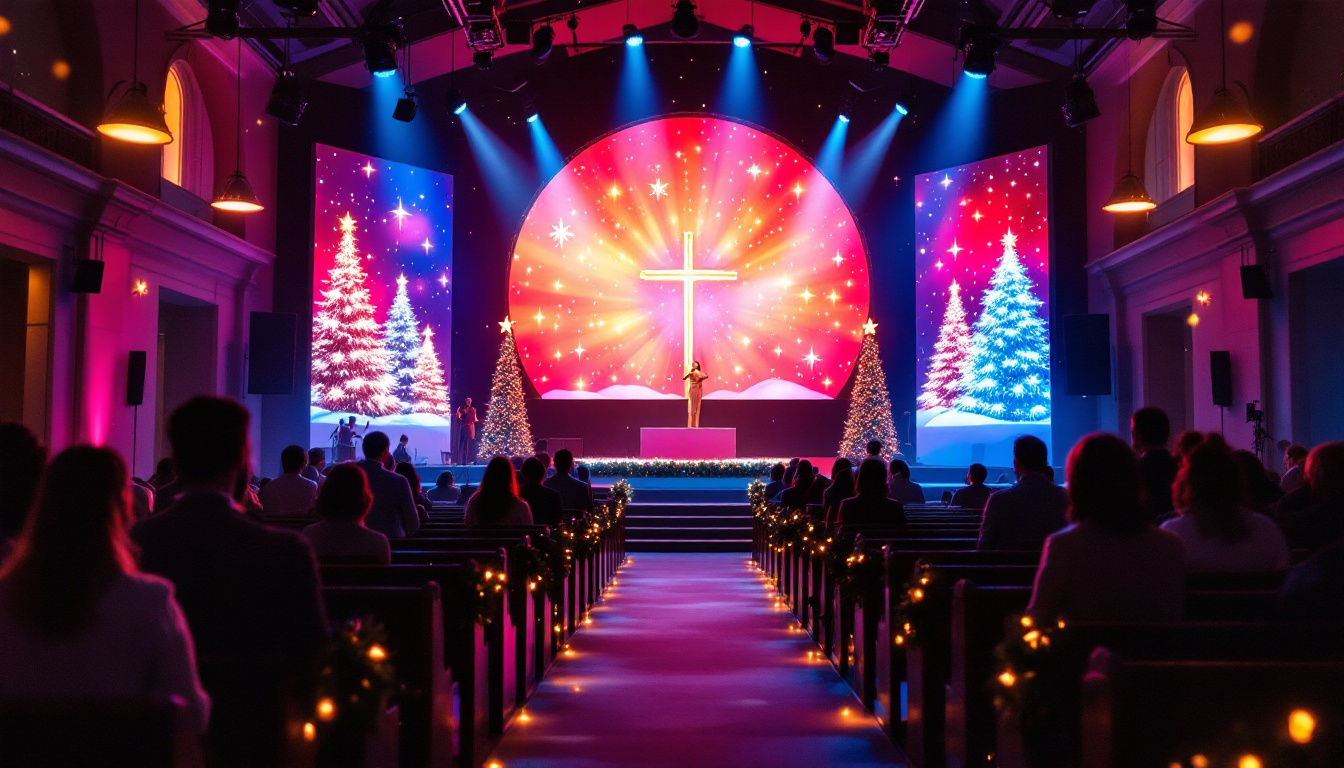
- Indoor LED Displays: Designed for controlled lighting environments, these displays offer high resolution and color accuracy, ideal for conference rooms, retail spaces, and broadcast studios. Their ability to deliver sharp images and vibrant colors makes them perfect for presentations and product showcases, where visual impact is crucial.
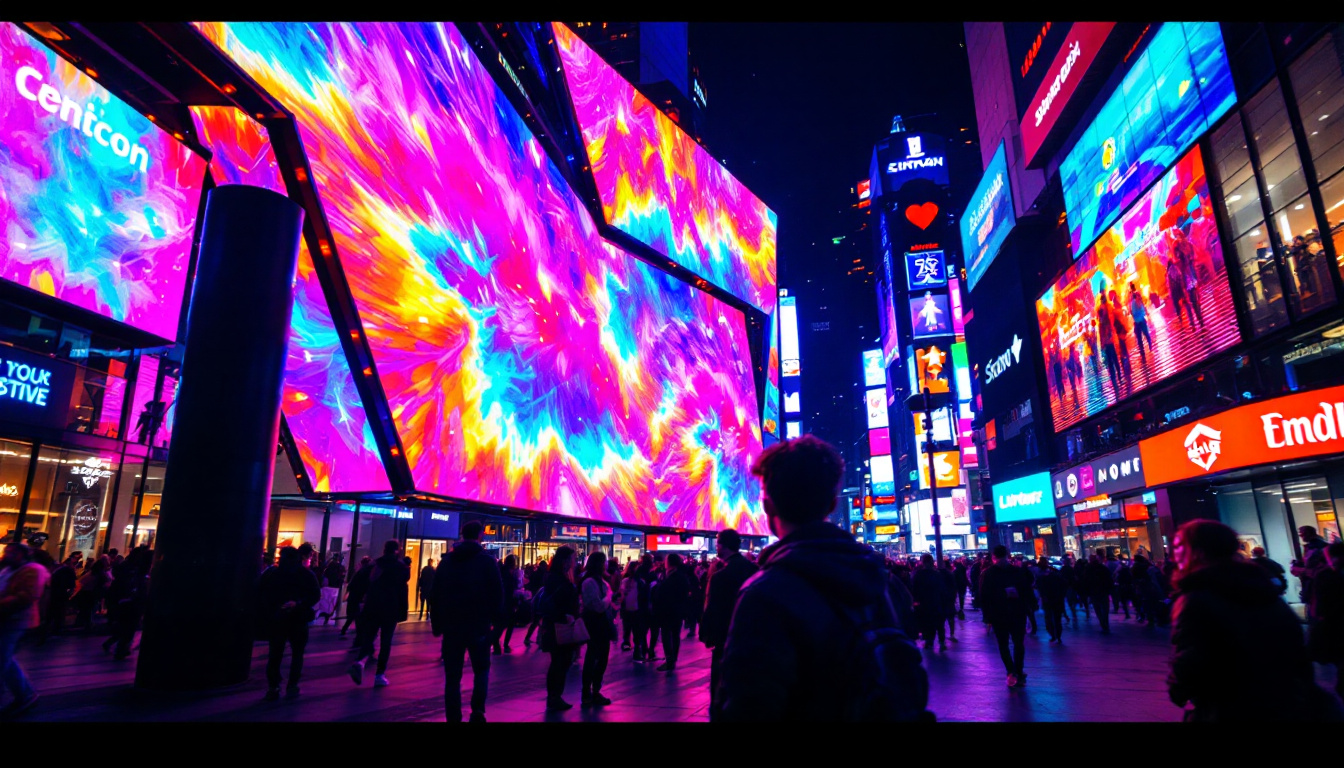
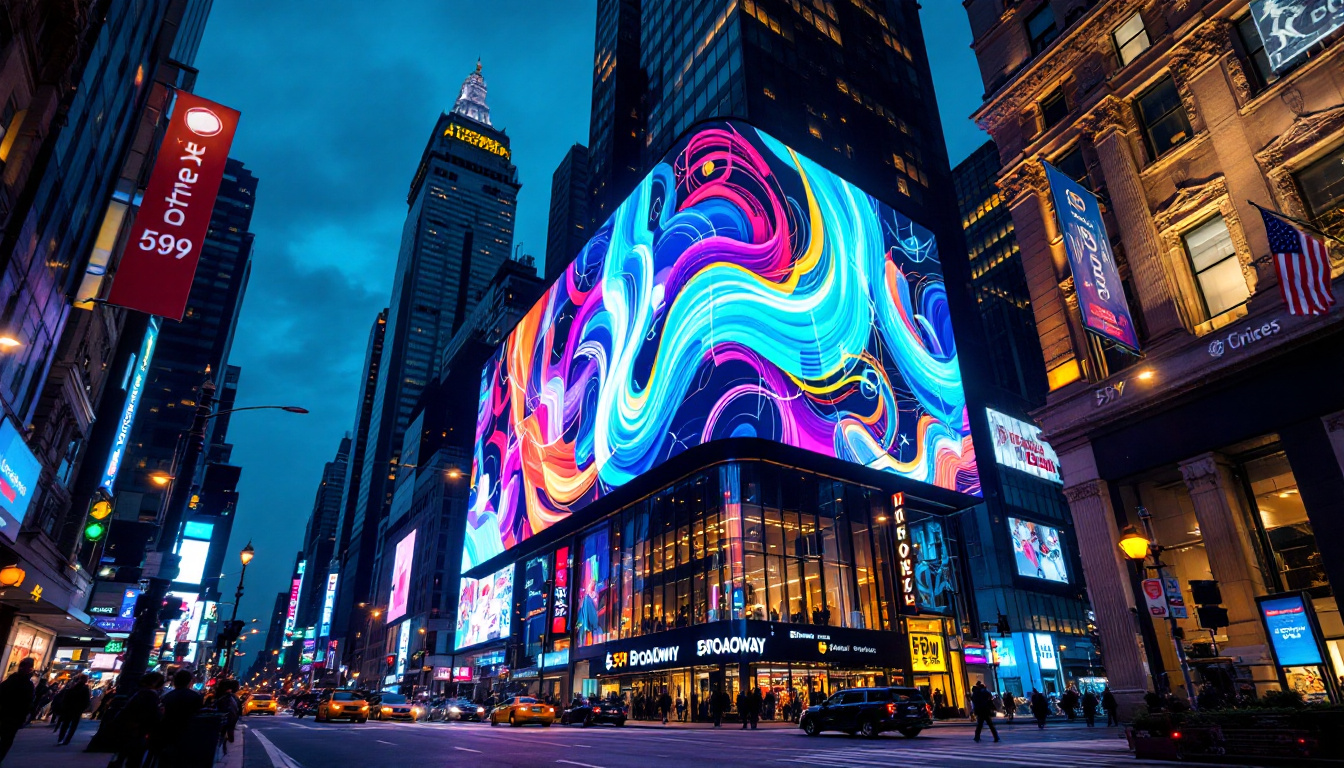
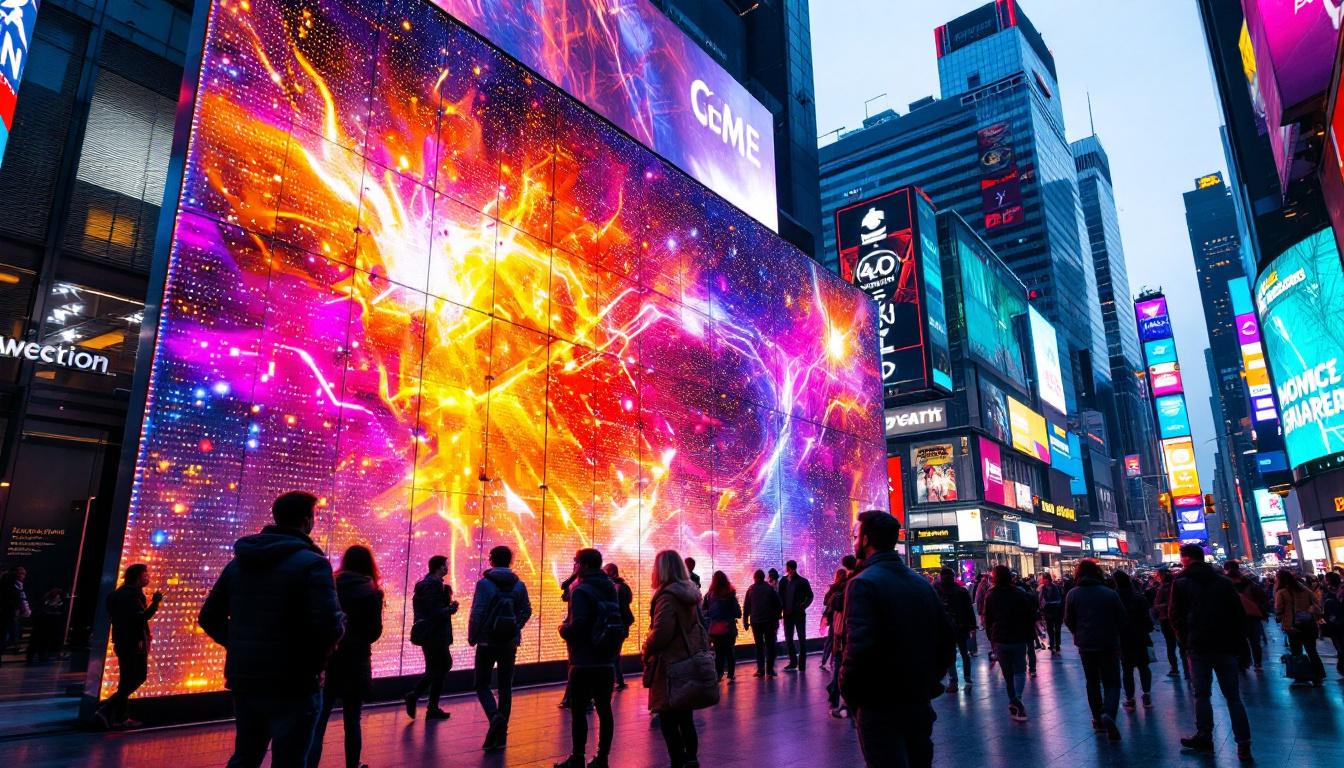
- Outdoor LED Displays: Built to withstand weather conditions, these displays are extremely bright (often exceeding 5,000 nits) to remain visible in direct sunlight, commonly used for billboards and stadium screens. Their rugged construction not only protects against the elements but also ensures longevity, making them a cost-effective solution for outdoor advertising and public information displays.
- MicroLED and MiniLED: Emerging technologies that provide even higher resolution and contrast, MicroLED displays consist of microscopic LEDs, offering superior image quality and energy efficiency. These innovations are paving the way for the next generation of displays, with potential applications in everything from high-end televisions to large-scale digital signage.
As LED technology continues to evolve, we are witnessing an increasing trend towards integration with smart technology. Many modern LED displays are now equipped with internet connectivity and smart features, allowing for real-time updates and interactive capabilities. This integration not only enhances user engagement but also provides advertisers with valuable data analytics, enabling them to tailor content to their audience more effectively. Furthermore, the rise of augmented reality (AR) and virtual reality (VR) is pushing the boundaries of how LED displays are utilized, creating immersive experiences that blend the physical and digital worlds.
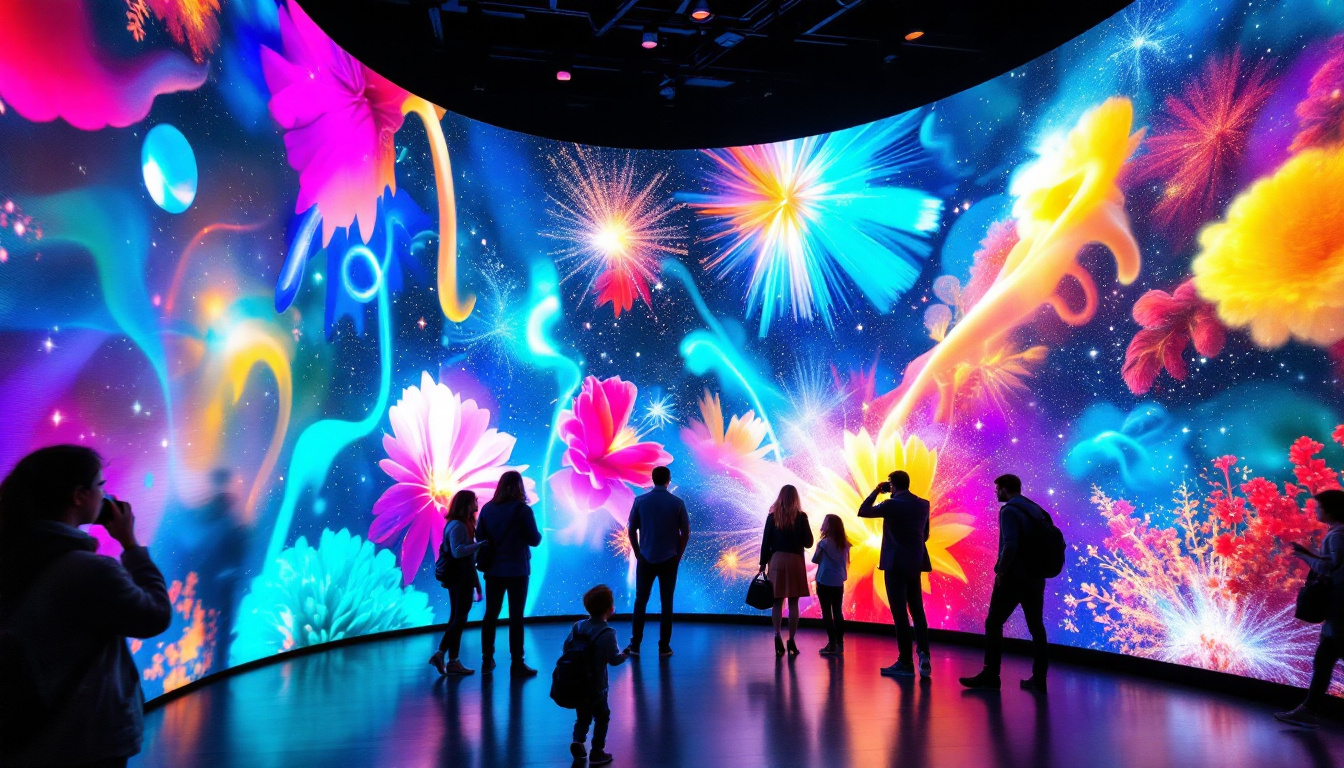
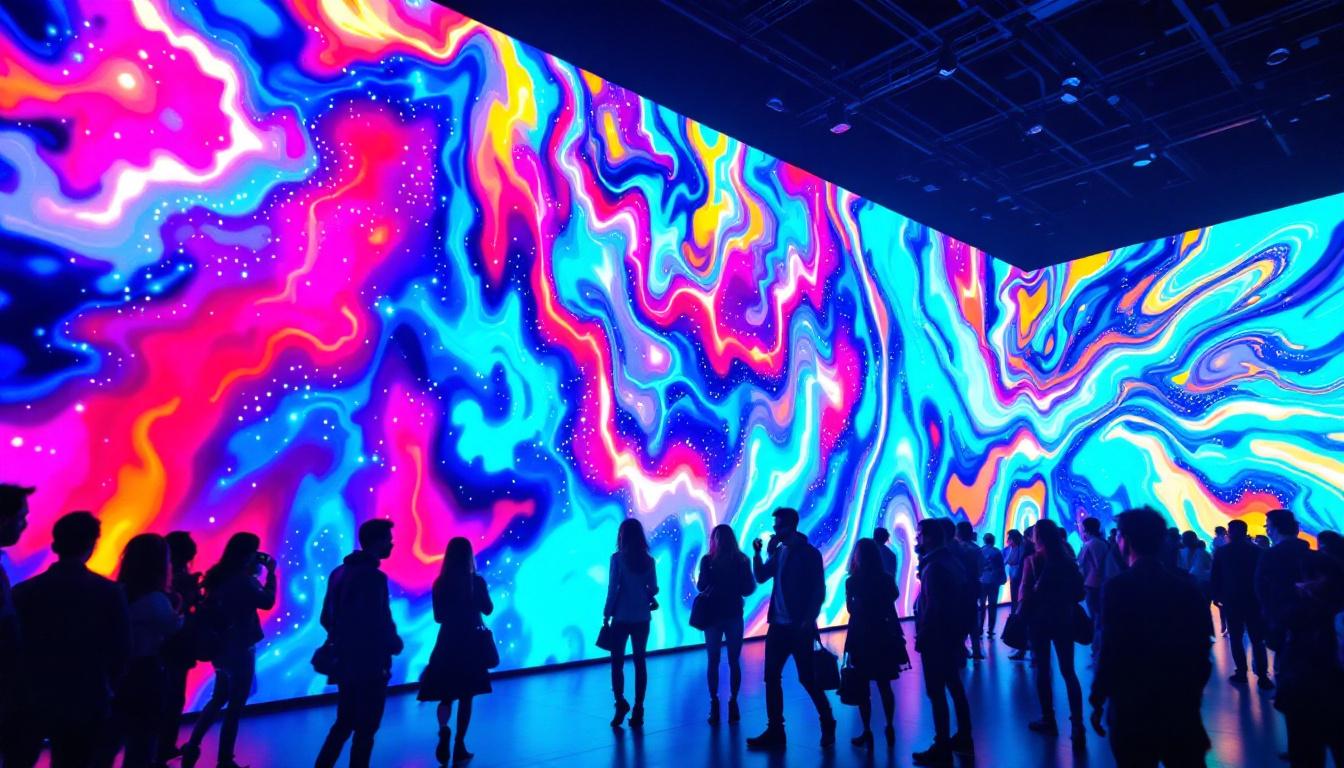
In addition to their practical applications, LED displays are also becoming an essential part of artistic expression. Artists and designers are experimenting with LED technology to create dynamic installations that respond to viewer interaction or environmental changes. These creative uses highlight the versatility of LED displays, showcasing their potential to transform spaces into interactive canvases that captivate and inspire audiences. As the technology matures, we can expect to see even more innovative applications that challenge our perceptions of visual media.
Comparing Projector Screens and LED Displays: Pros and Cons
When deciding between a projector screen and an LED display, understanding their respective strengths and limitations is crucial. Both technologies have unique characteristics that make them suitable for different applications.
Advantages of Projector Screens
- Cost-Effectiveness: Projector setups generally have a lower initial cost compared to large LED displays, especially for big screen sizes.
- Screen Size Flexibility: Projectors can produce very large images, often exceeding 200 inches diagonally, which is difficult to achieve with LED displays at a reasonable cost.
- Portability: Portable projector screens and compact projectors enable easy transport and setup for temporary installations.
Limitations of Projector Screens
- Ambient Light Sensitivity: Projector images can wash out in brightly lit environments, reducing visibility and color accuracy.
- Maintenance: Projectors require bulb replacements and periodic cleaning, adding to long-term costs.
- Setup Complexity: Proper alignment and calibration are necessary to achieve optimal image quality, which can be time-consuming.
Advantages of LED Displays
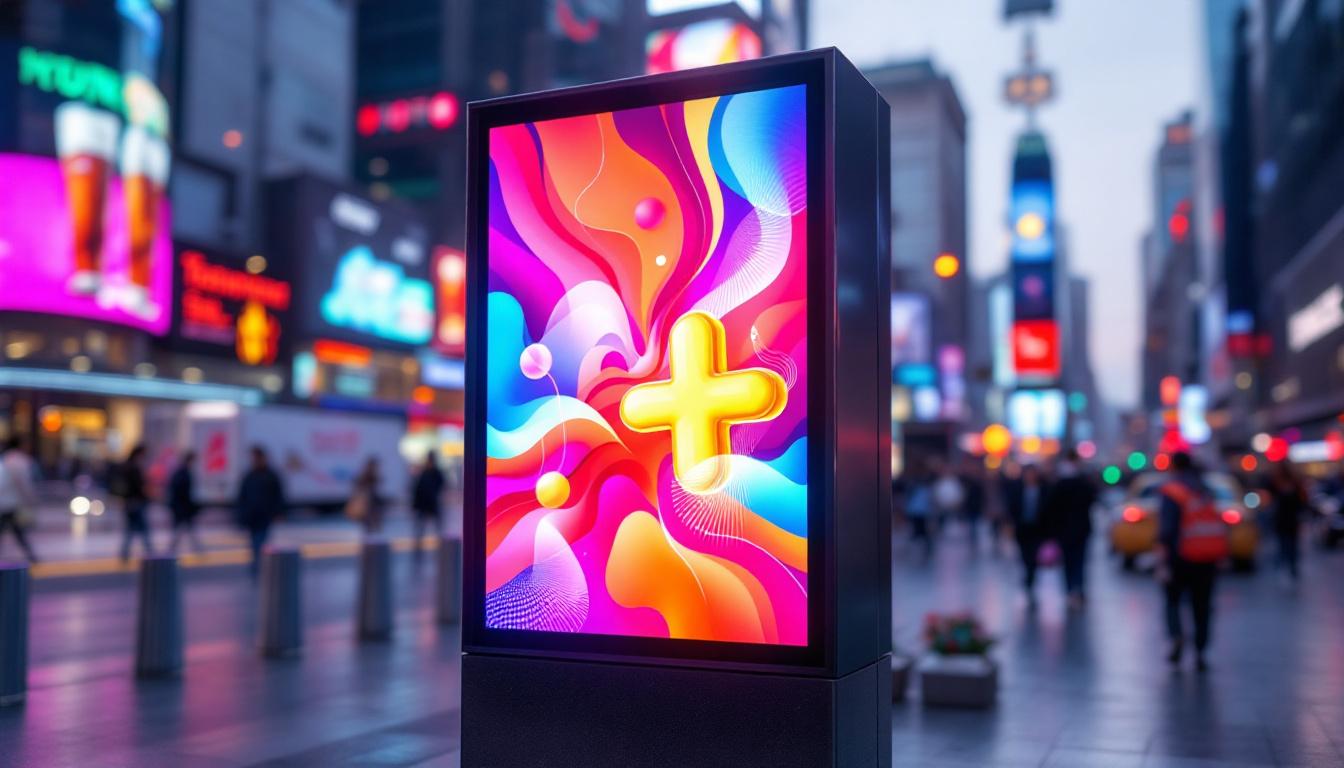
- Brightness and Visibility: LED displays maintain vivid images even in direct sunlight or brightly lit rooms, making them ideal for outdoor and high-ambient light settings.
- Durability and Longevity: LEDs have long lifespans and require minimal maintenance compared to projector bulbs.
- Image Quality: High contrast ratios, deep blacks, and vibrant colors deliver superior picture quality.
- Design Flexibility: LED panels can be configured into various shapes and sizes, including curved and transparent displays.
Limitations of LED Displays
- Higher Initial Cost: Large-format LED displays can be significantly more expensive upfront than projector setups.
- Power Consumption: LED displays generally consume more power, which can impact operational costs.
- Resolution Constraints: For extremely close viewing distances, LED displays may require very high pixel densities to avoid visible pixelation, increasing cost.
Applications and Use Cases: Choosing the Right Technology
Understanding where each technology excels helps organizations and individuals make informed decisions based on their specific needs.
Corporate and Educational Environments
Projector screens remain popular in classrooms and meeting rooms due to their affordability and ability to produce large images. However, LED displays are gaining traction for digital signage and interactive presentations, offering brighter images and easier integration with modern software.
Home Theaters and Entertainment
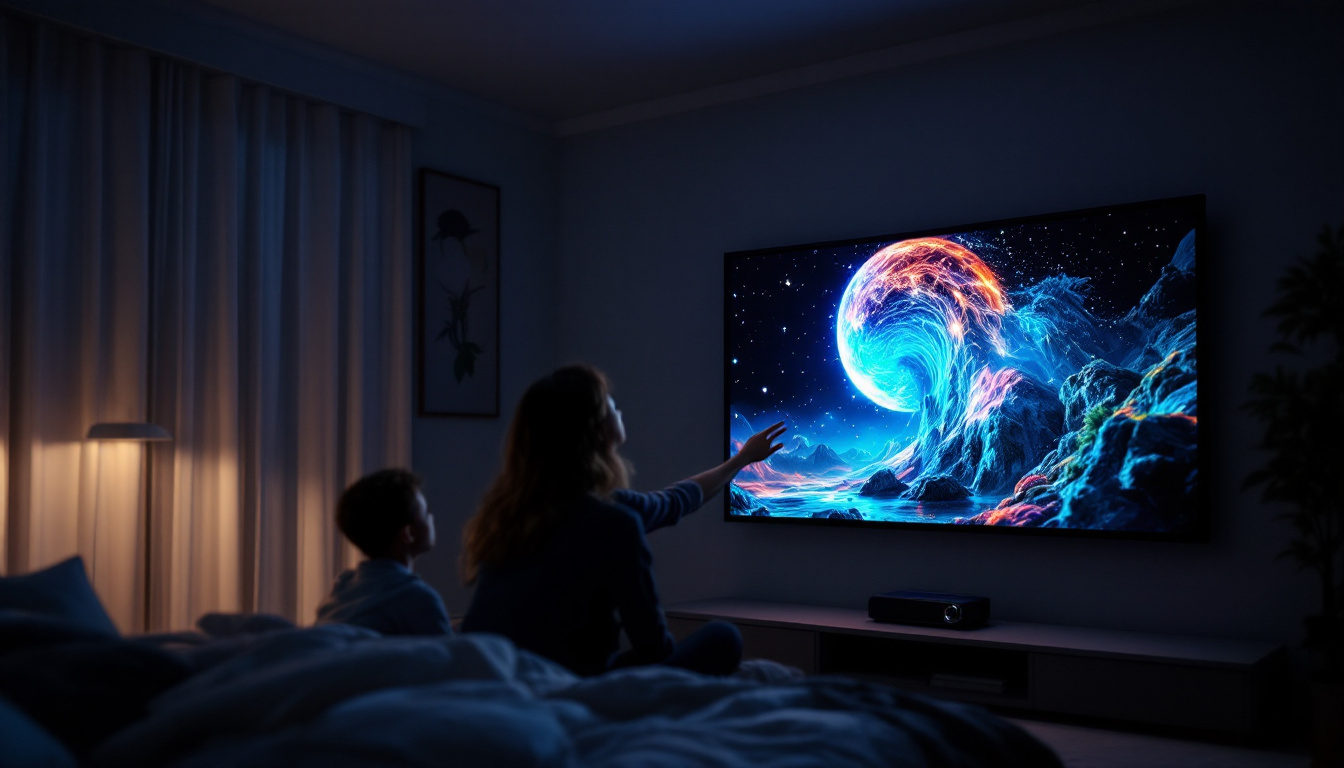
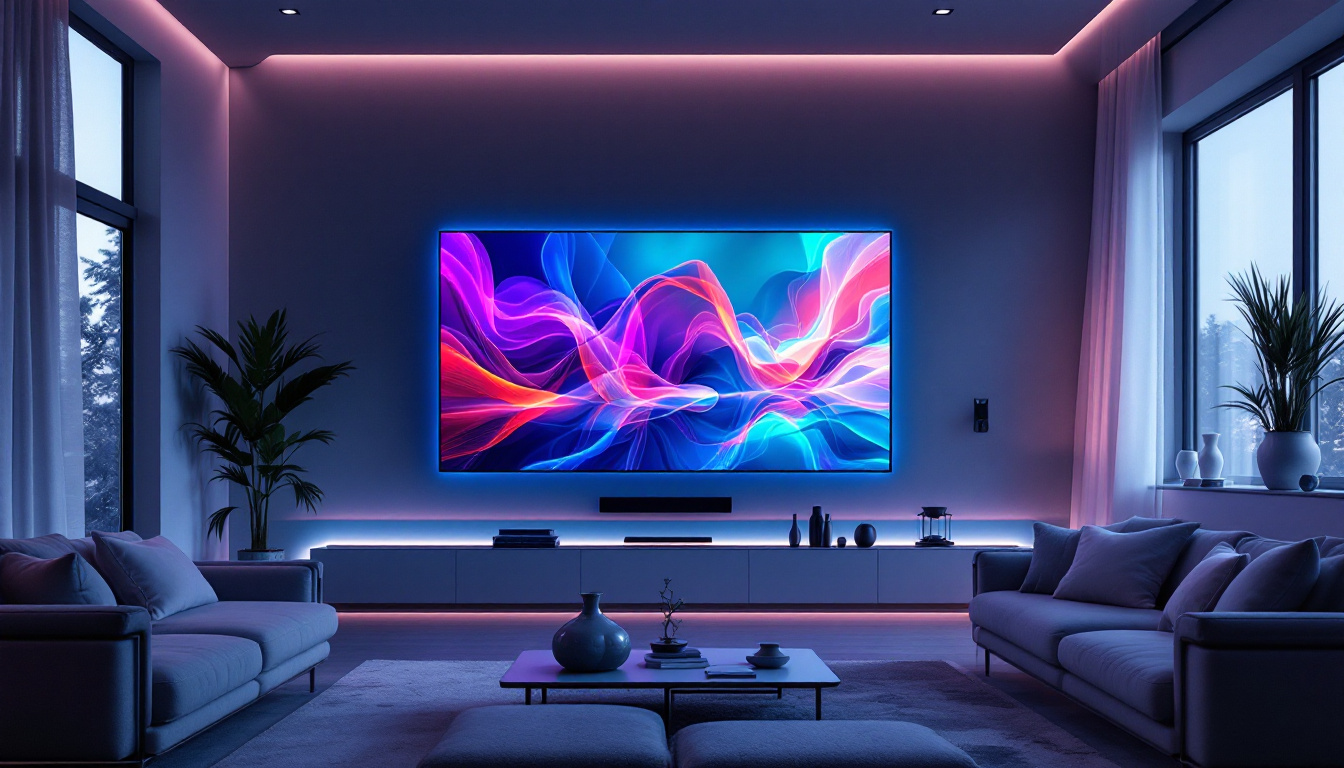
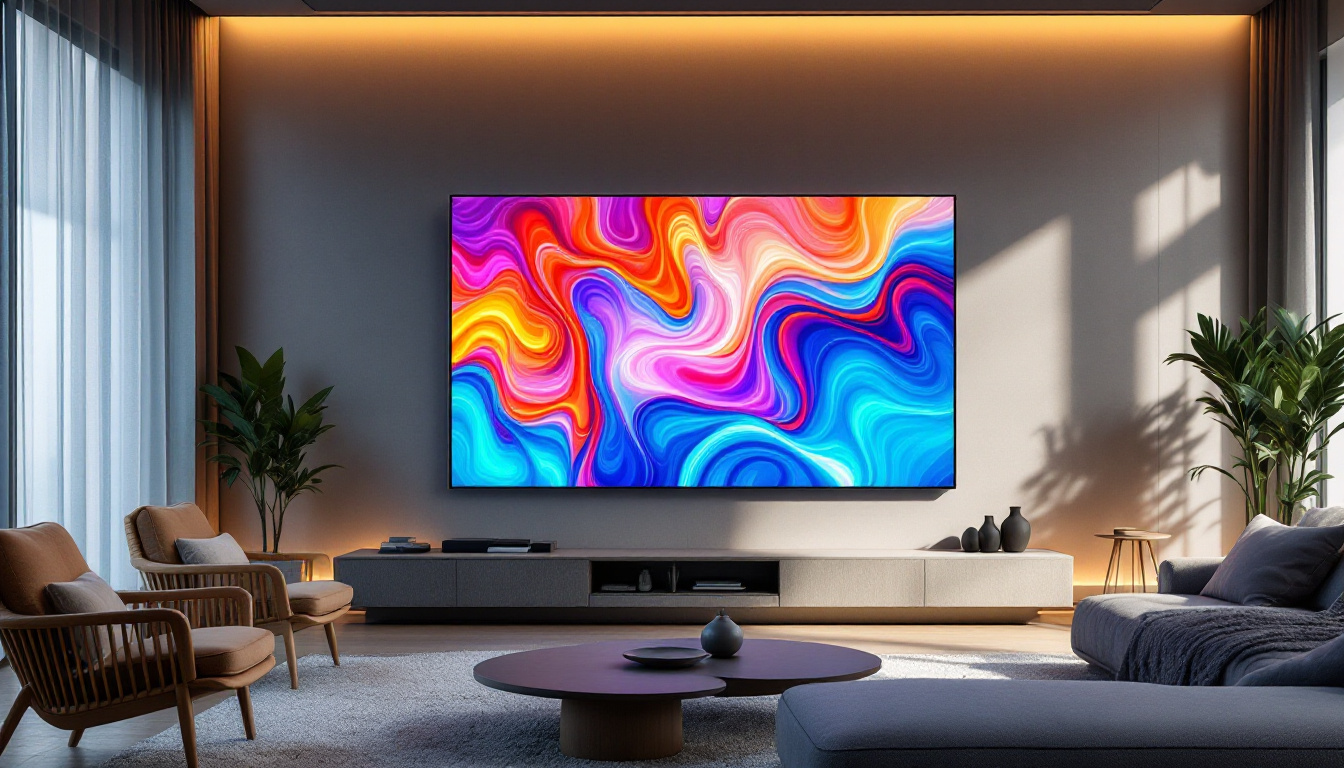
Home theater enthusiasts often prefer projector screens for their ability to deliver cinema-like large images in darkened rooms. Conversely, LED displays are increasingly used in luxury home setups where ambient light control is challenging, providing bright and crisp visuals without the need for a dark environment.
Outdoor and Public Spaces
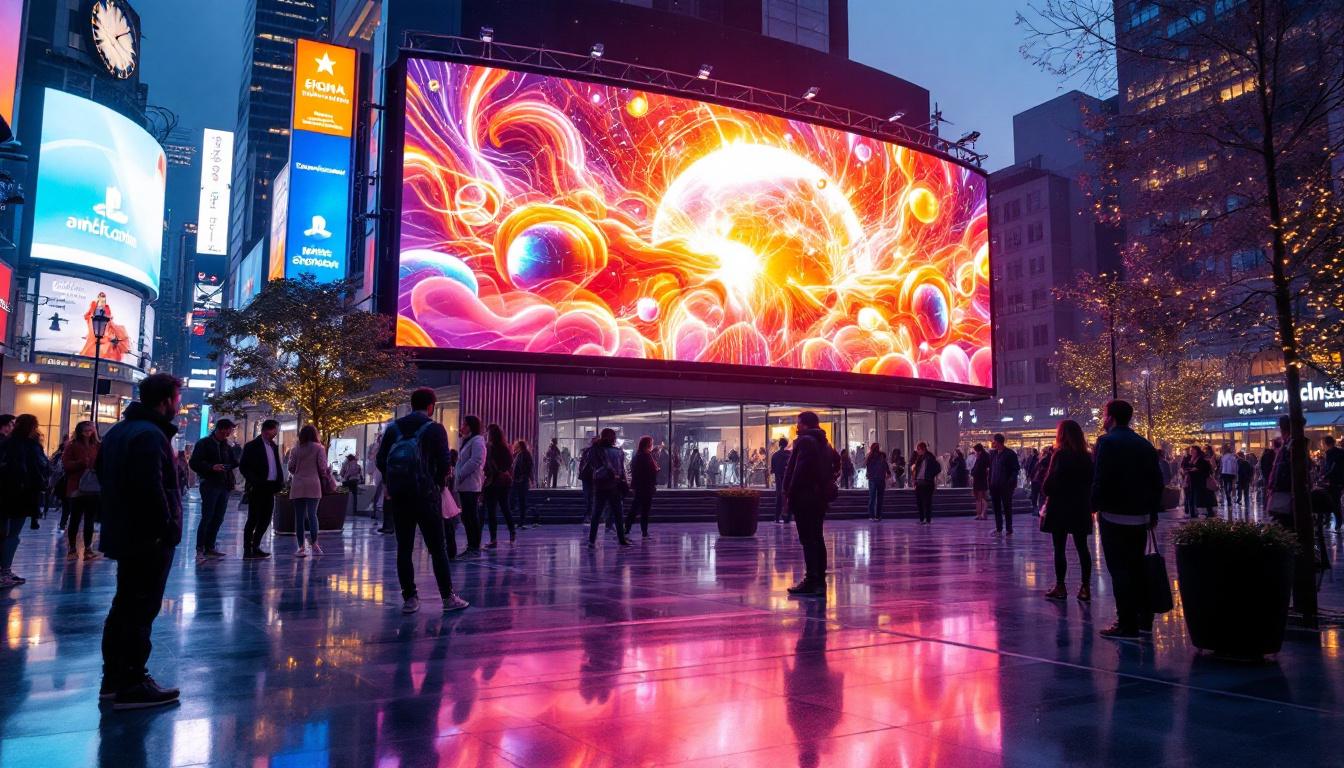
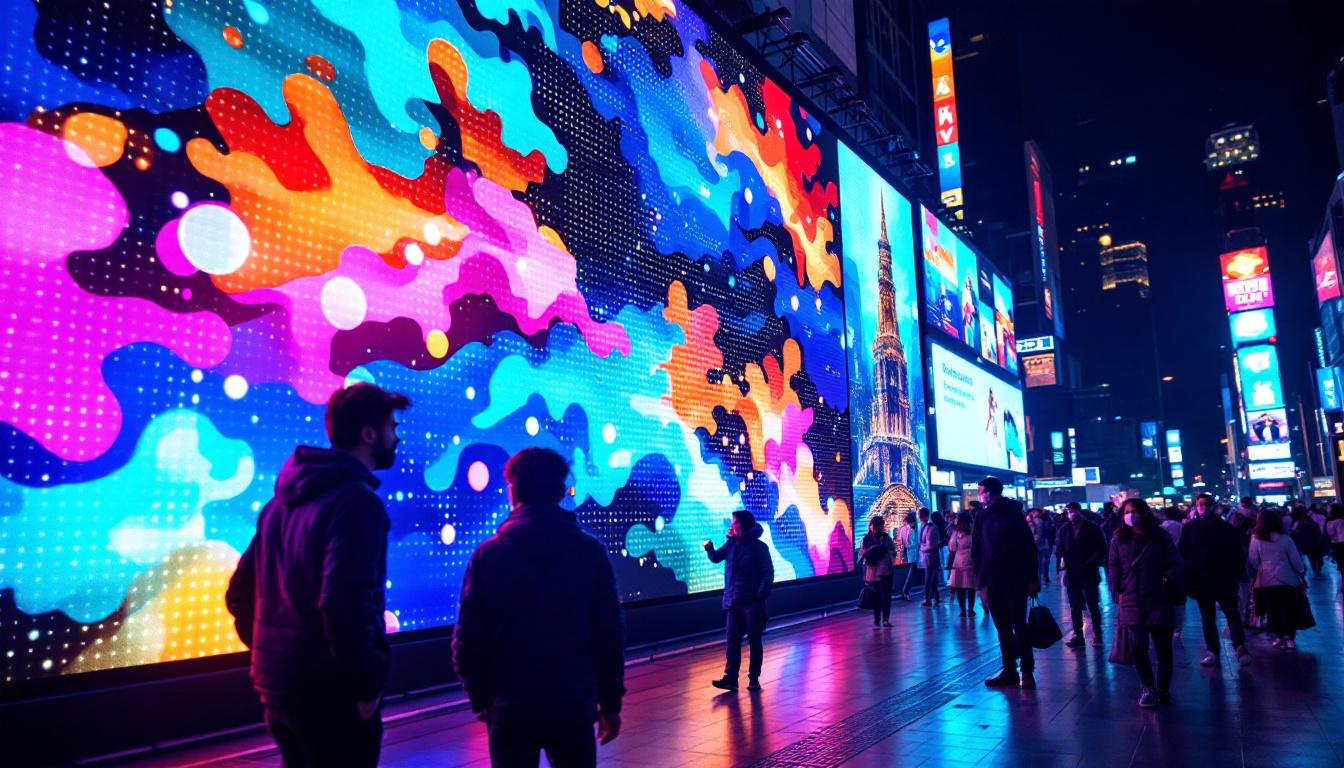
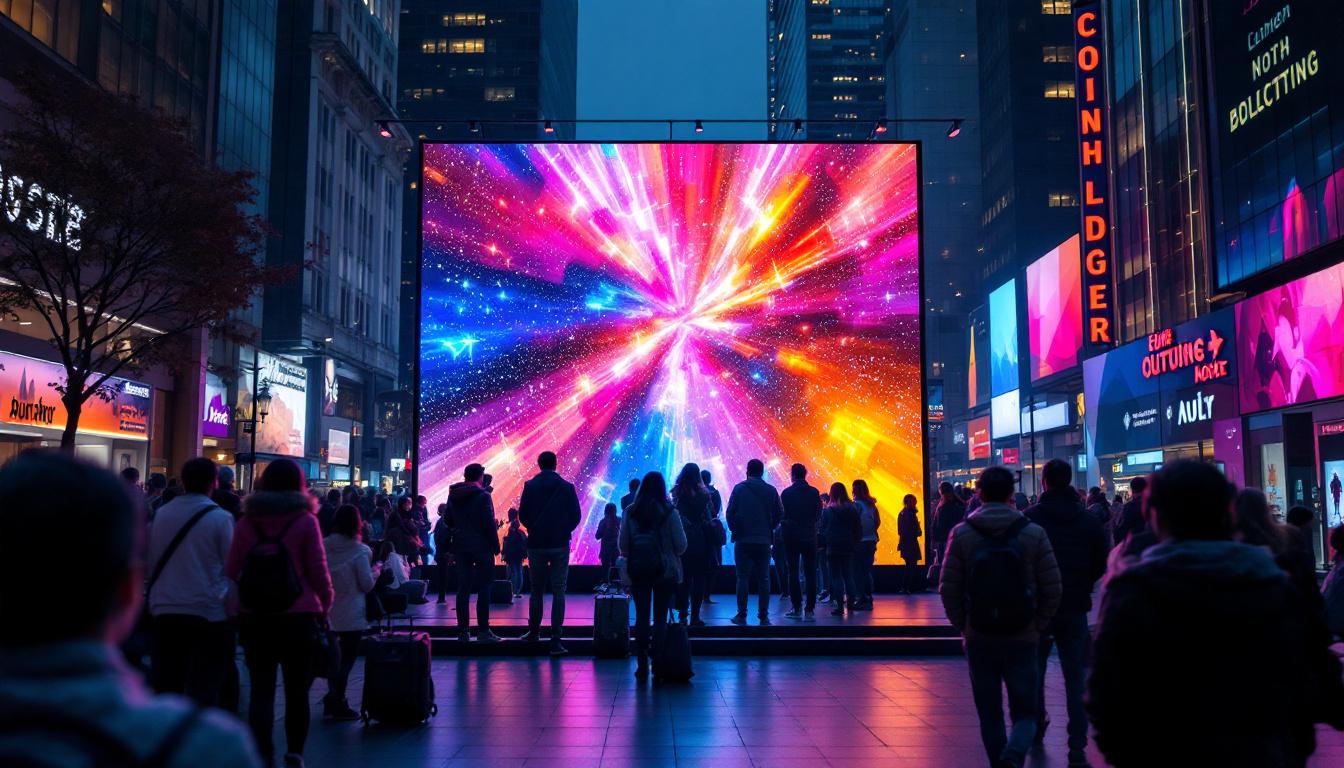
LED displays dominate outdoor advertising, sports arenas, and public information systems due to their robustness and brightness. Projectors are generally unsuitable for these applications because of ambient light interference and durability concerns.
The Future of Visual Display: Integration and Innovation
The line between projector screens and LED displays is blurring as technology advances. Hybrid solutions and emerging trends are shaping the future of visual media.
Laser Projectors and ALR Screens
Laser projectors offer higher brightness and longer lifespans than traditional lamp-based projectors, narrowing the gap with LED displays. When paired with advanced ALR screens, laser projectors can perform well even in moderately lit environments, expanding their usability.
MicroLED and Beyond
MicroLED technology promises to revolutionize LED displays by offering unparalleled brightness, color accuracy, and energy efficiency in thinner, more flexible formats. This could lead to widespread adoption in both consumer electronics and large-scale displays.
Interactive and Smart Displays
Integration of touch capabilities, AI-driven content management, and IoT connectivity is transforming displays into interactive hubs. Both projector screens and LED displays are evolving to support these features, enhancing user engagement and functionality.
Conclusion: Making an Informed Choice
Choosing between a projector screen and an LED display depends on numerous factors including budget, environment, image size requirements, and intended use. Projector screens offer cost-effective large-format viewing in controlled lighting, while LED displays provide unmatched brightness and versatility for challenging environments.
As display technology continues to advance, understanding the strengths and limitations of each option ensures that users select the most effective solution for their visual communication needs. Whether for business presentations, immersive home theaters, or dynamic outdoor advertising, the right choice can significantly impact audience engagement and satisfaction.
Discover LumenMatrix’s Advanced LED Display Solutions
Ready to elevate your visual experience with the latest in LED display technology? LumenMatrix is at the forefront of innovation, offering a wide array of LED display modules designed to captivate your audience and amplify your message. From the brilliance of an Indoor LED Wall Display to the resilience of an Outdoor LED Wall Display, and the dynamic versatility of Custom and All-in-One LED Display solutions, LumenMatrix has the perfect fit for any environment. Experience the future of visual communication with our LED Sports Displays, LED Poster Displays, and even transformative Floor and Transparent LED Displays. Check out LumenMatrix LED Display Solutions today and see how we can help you create unforgettable visual narratives that resonate with impact and clarity.