Infocomm 2023, one of the largest and most influential events in the audiovisual (AV) industry, once again showcased the latest innovations in LED display technology. As LED displays continue to revolutionize digital signage, entertainment, corporate communications, and more, understanding their capabilities and applications has never been more essential. This comprehensive guide delves into the fundamentals of LED displays, explores the latest trends unveiled at Infocomm 2023, and highlights why these technologies are shaping the future of visual communication.
Understanding LED Display Technology
What is an LED Display?
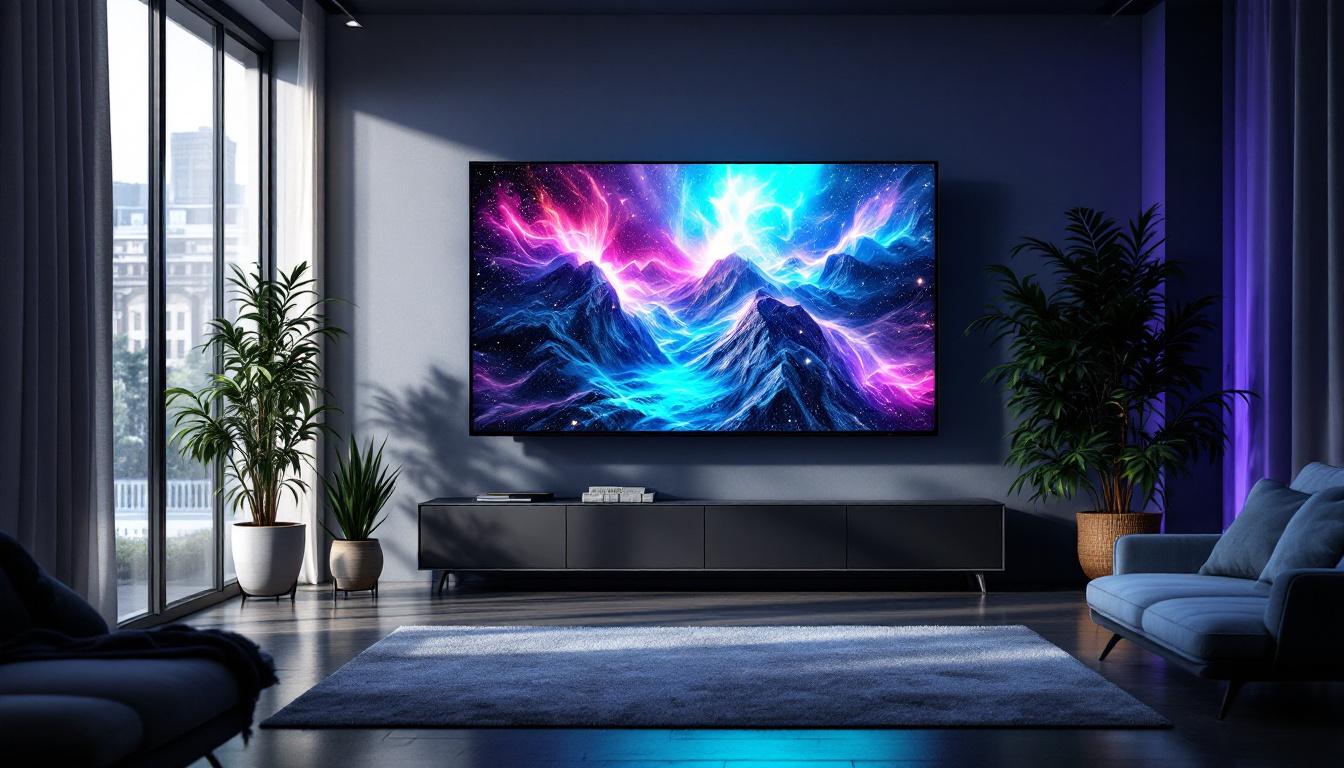
LED, or Light Emitting Diode, displays consist of an array of tiny light sources that emit light when electrically stimulated. Unlike traditional LCD or projection displays, LED displays generate their own light, which results in brighter images, higher contrast ratios, and better visibility in various lighting conditions. This self-illuminating characteristic not only enhances the overall viewing experience but also contributes to energy efficiency, as LED technology consumes less power compared to older display technologies.
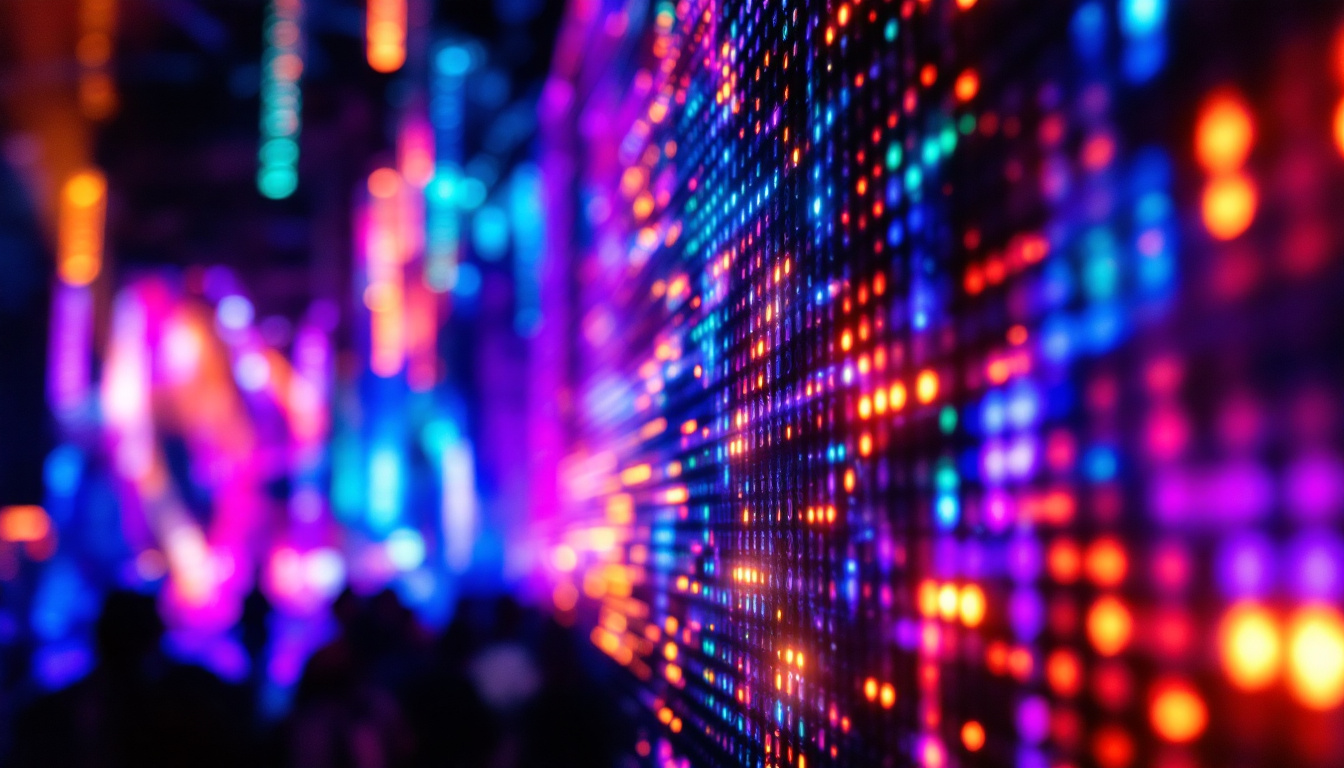
LED displays are composed of numerous modules, each containing multiple LEDs arranged in pixels. These pixels work together to produce vibrant images, videos, and text with exceptional clarity. Their modular nature allows for scalable screen sizes, from small indoor panels to massive outdoor billboards. Furthermore, the longevity of LED technology means that these displays can operate for tens of thousands of hours, making them a cost-effective solution for both temporary and permanent installations.
Types of LED Displays
At Infocomm 2023, several types of LED display technologies were highlighted, each serving different use cases:
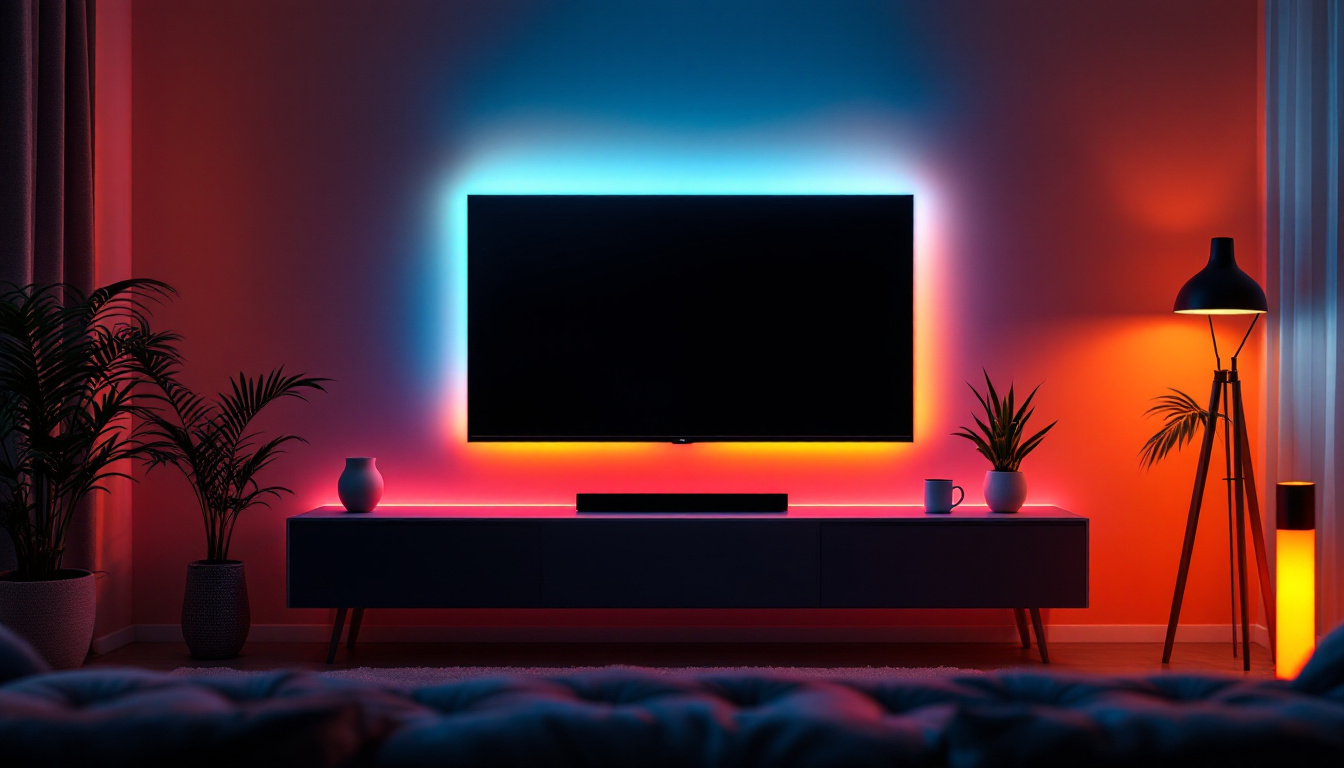
- Indoor LED Displays: Designed for controlled lighting environments, these displays feature smaller pixel pitches (distance between LEDs) for higher resolution and sharper images. They are commonly used in conference rooms, retail spaces, and broadcast studios. The ability to customize these displays for specific environments allows businesses to create engaging visual experiences that can captivate audiences and enhance communication.
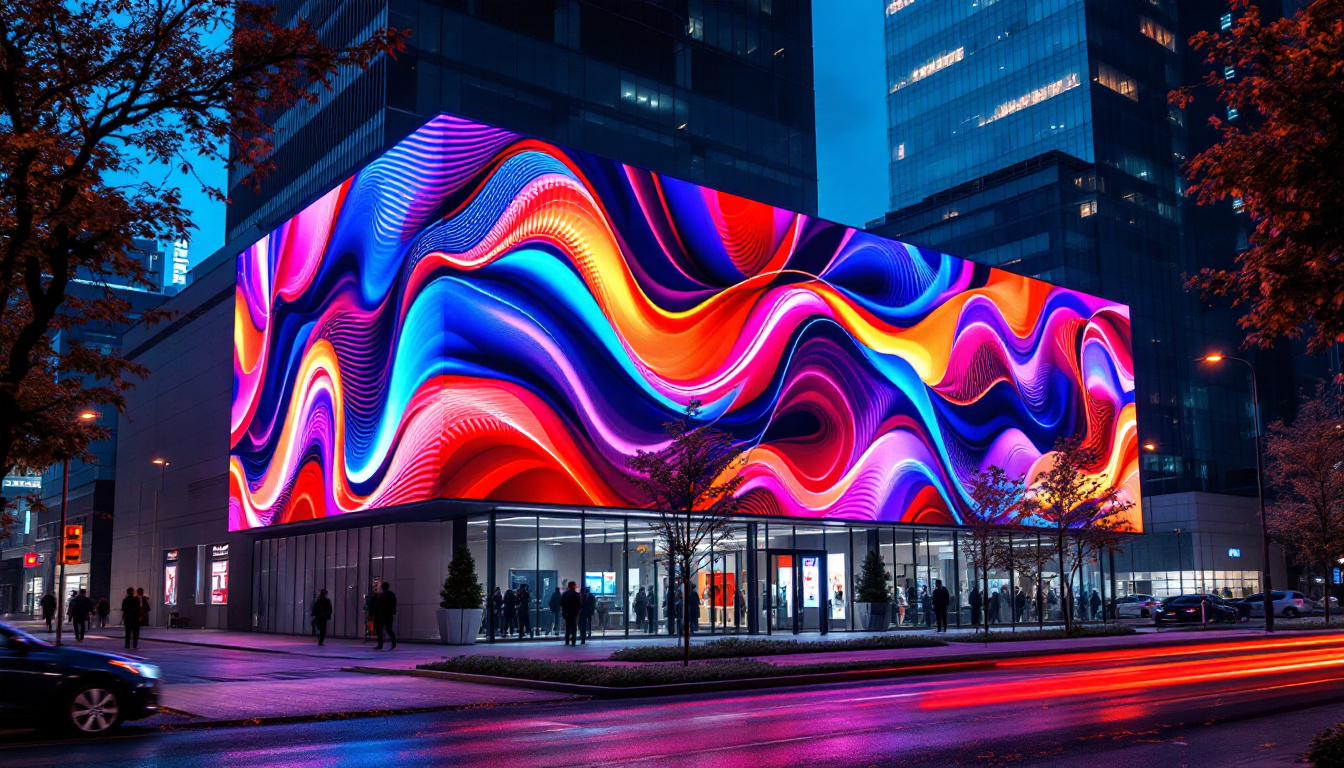
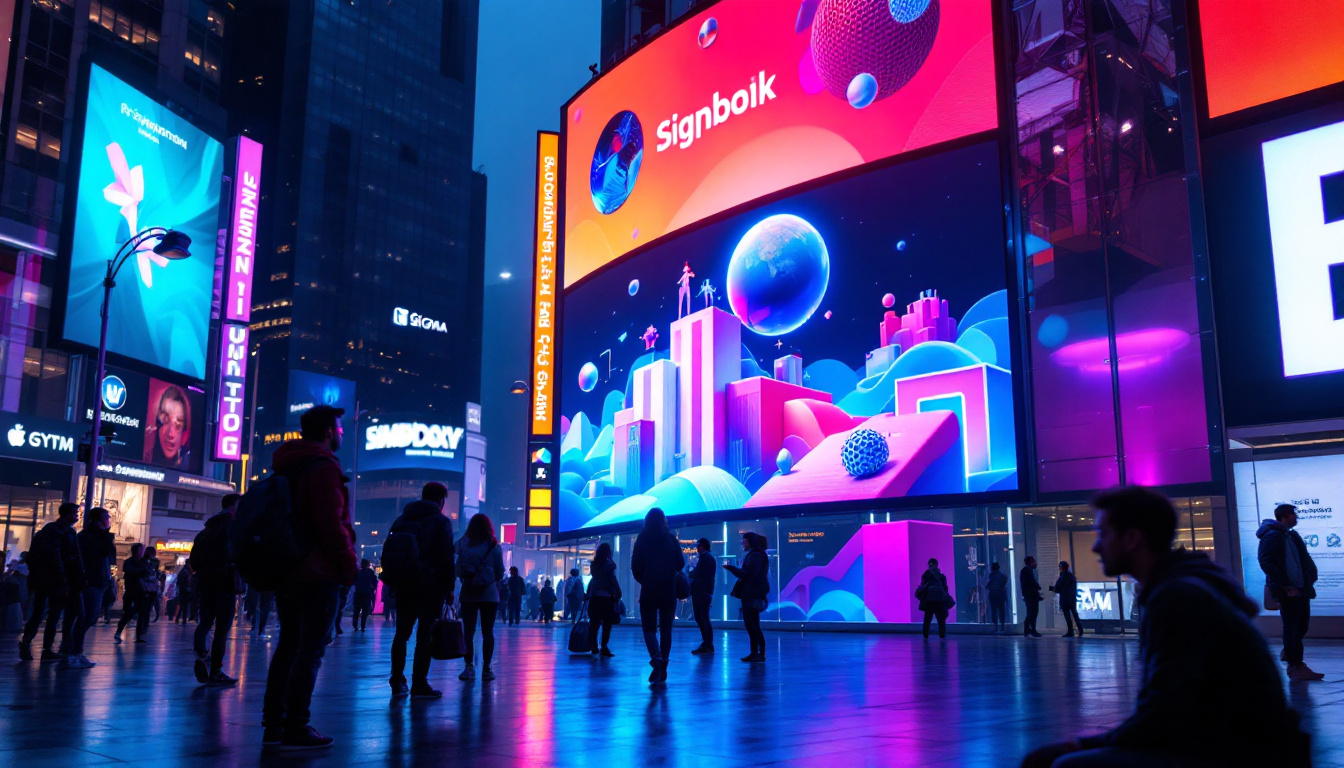
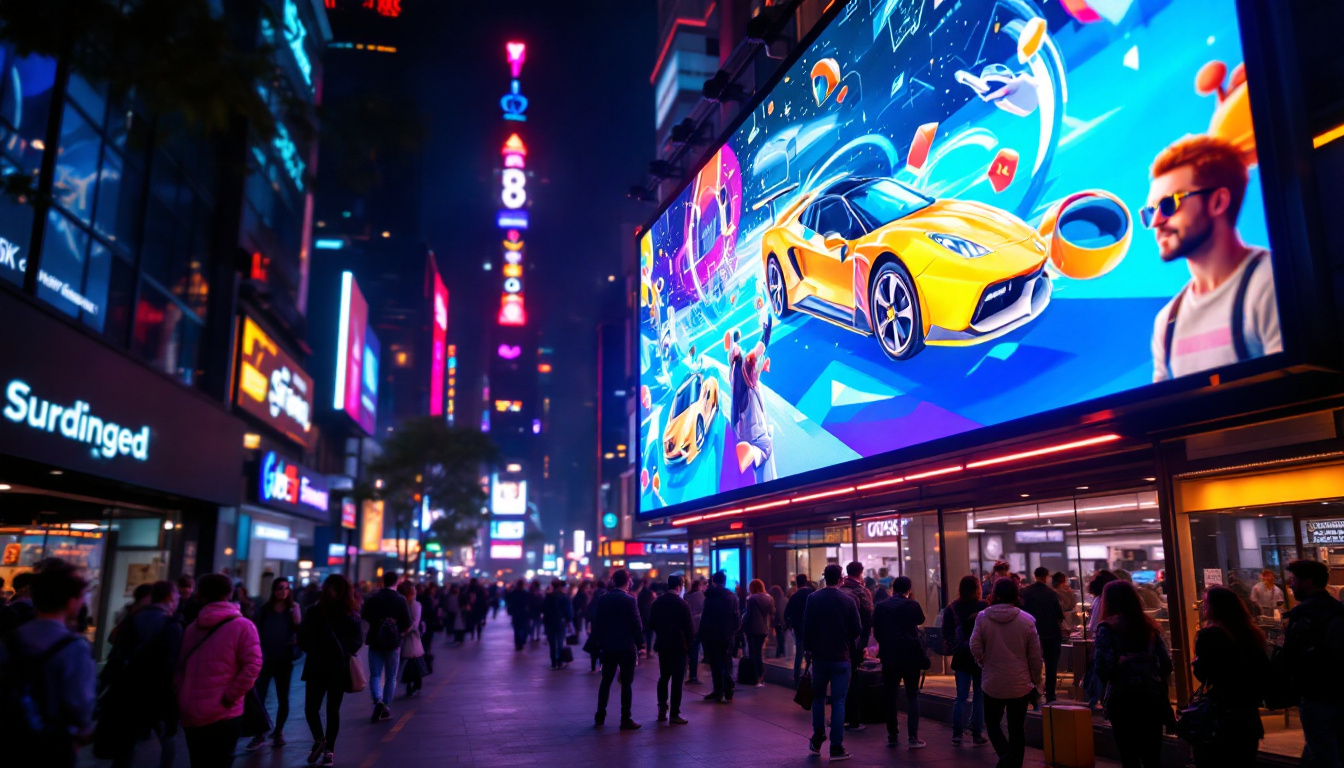
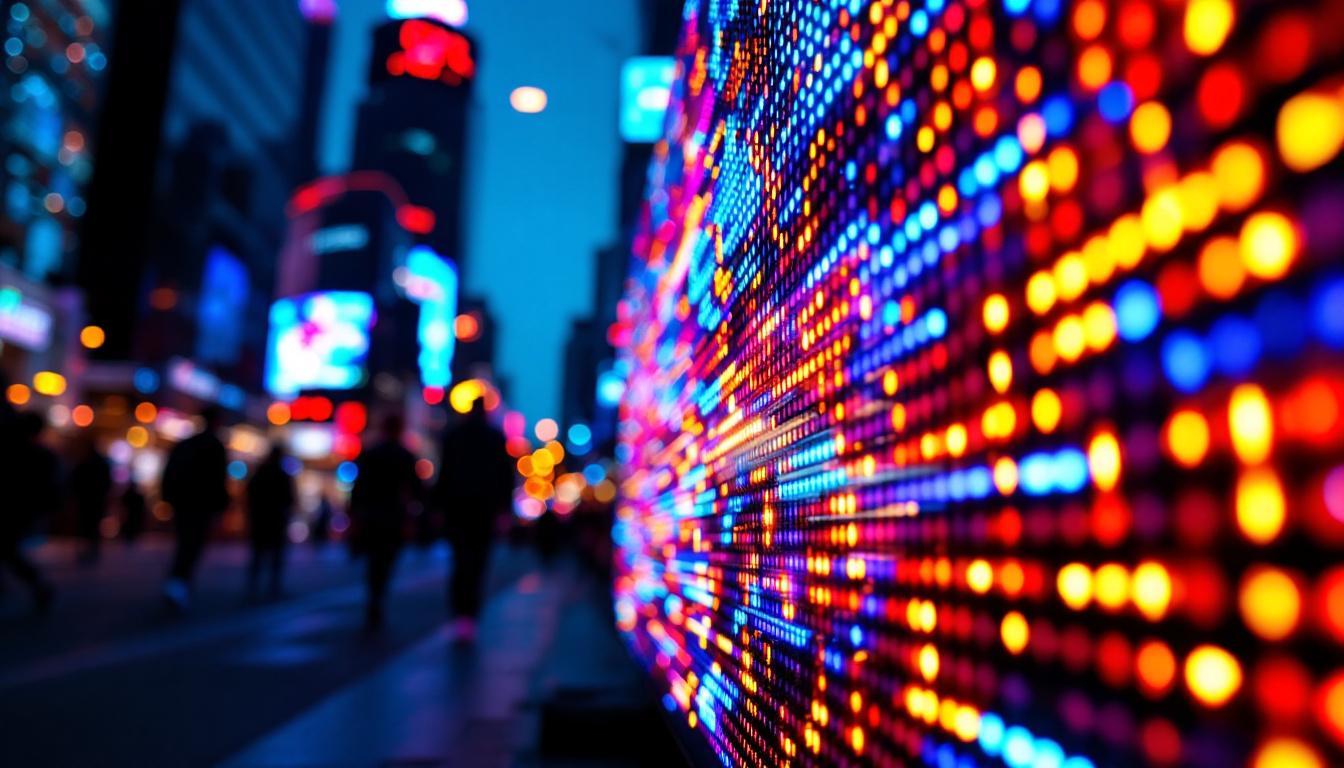
- Outdoor LED Displays: Built to withstand harsh weather conditions, outdoor LEDs have higher brightness levels (often exceeding 5,000 nits) to remain visible in direct sunlight. These are typically used for advertising billboards, stadium screens, and public information displays. Their robust construction ensures durability, while advanced weatherproofing techniques protect the internal components from rain, dust, and extreme temperatures.
- Transparent LED Displays: A newer innovation, transparent LEDs allow light to pass through the screen, enabling unique applications such as shop windows and architectural installations without obstructing views. This technology opens up exciting possibilities for creative advertising and artistic displays, blending digital content with the physical environment seamlessly.
- Flexible and Curved LED Displays: These displays can bend or curve to fit unconventional surfaces, offering creative freedom in design and immersive viewing experiences. This flexibility is particularly advantageous in modern architecture and stage design, where traditional flat screens may not suffice to create the desired visual impact.
Key Performance Metrics
When evaluating LED displays, several technical specifications are crucial:
- Pixel Pitch: Measured in millimeters, pixel pitch determines the resolution and viewing distance. Smaller pitches mean higher resolution and closer viewing capability. For instance, a pixel pitch of 1.5mm is ideal for indoor environments where viewers are close to the screen, while a pitch of 10mm might be more suitable for large outdoor displays viewed from a distance.
- Brightness: Measured in nits, brightness affects visibility, especially in bright environments. Indoor displays typically range from 800 to 1,500 nits, while outdoor displays can reach 5,000 nits or more. This high brightness capability ensures that images remain clear and vibrant, even under the harsh glare of sunlight.
- Refresh Rate: Higher refresh rates reduce flicker and improve image smoothness, critical for live broadcasts and video playback. A refresh rate of 60Hz is standard, but displays designed for high-speed content may offer rates of 120Hz or more, ensuring that fast-moving visuals are rendered fluidly.
- Contrast Ratio: The ratio between the brightest white and darkest black the display can produce, impacting image depth and realism. A higher contrast ratio enhances the viewing experience by providing more detail in shadows and highlights, which is particularly important for cinematic presentations and detailed graphics.
Infocomm 2023 Highlights: Innovations in LED Displays
MicroLED and MiniLED Technologies
One of the standout trends at Infocomm 2023 was the advancement of MicroLED and MiniLED technologies. MicroLED displays use microscopic LEDs as individual pixels, offering unparalleled brightness, color accuracy, and energy efficiency. Unlike OLEDs, MicroLEDs are less prone to burn-in and have longer lifespans.
MiniLEDs, while larger than MicroLEDs, provide improved backlighting for LCD panels, enhancing contrast and brightness. Several manufacturers demonstrated hybrid solutions combining MiniLED backlighting with traditional LCDs to deliver superior image quality at a more accessible price point.
High-Resolution and Ultra-Fine Pixel Pitch Displays
Manufacturers showcased LED panels with pixel pitches as low as 0.7mm, pushing the boundaries of resolution for indoor applications. These ultra-fine pitch displays deliver near-retina quality images, making them ideal for control rooms, broadcast studios, and high-end retail environments where detail is paramount.
Such advancements allow LED displays to compete directly with traditional LCD video walls, offering benefits like seamless image reproduction without bezels and superior brightness.
AI-Driven Content Optimization
Artificial intelligence (AI) integration was another key theme. Several LED display solutions featured AI-powered content optimization that automatically adjusts brightness, contrast, and color balance based on ambient lighting and content type. This ensures optimal viewing experiences while reducing energy consumption.
AI also enables dynamic content adaptation, tailoring advertisements and messaging in real-time based on audience demographics and behavior, a game-changer for digital signage and retail marketing.
Eco-Friendly and Energy-Efficient Designs
With sustainability becoming a priority, many LED display manufacturers emphasized energy-efficient designs. Innovations include advanced heat dissipation systems, low-power LEDs, and recyclable materials. Some companies reported up to 30% reductions in power consumption compared to previous generations.
These eco-friendly features not only reduce operational costs but also align with corporate social responsibility goals, increasingly important for buyers and end-users.
Applications of LED Displays: Beyond Traditional Uses
Corporate and Event Environments
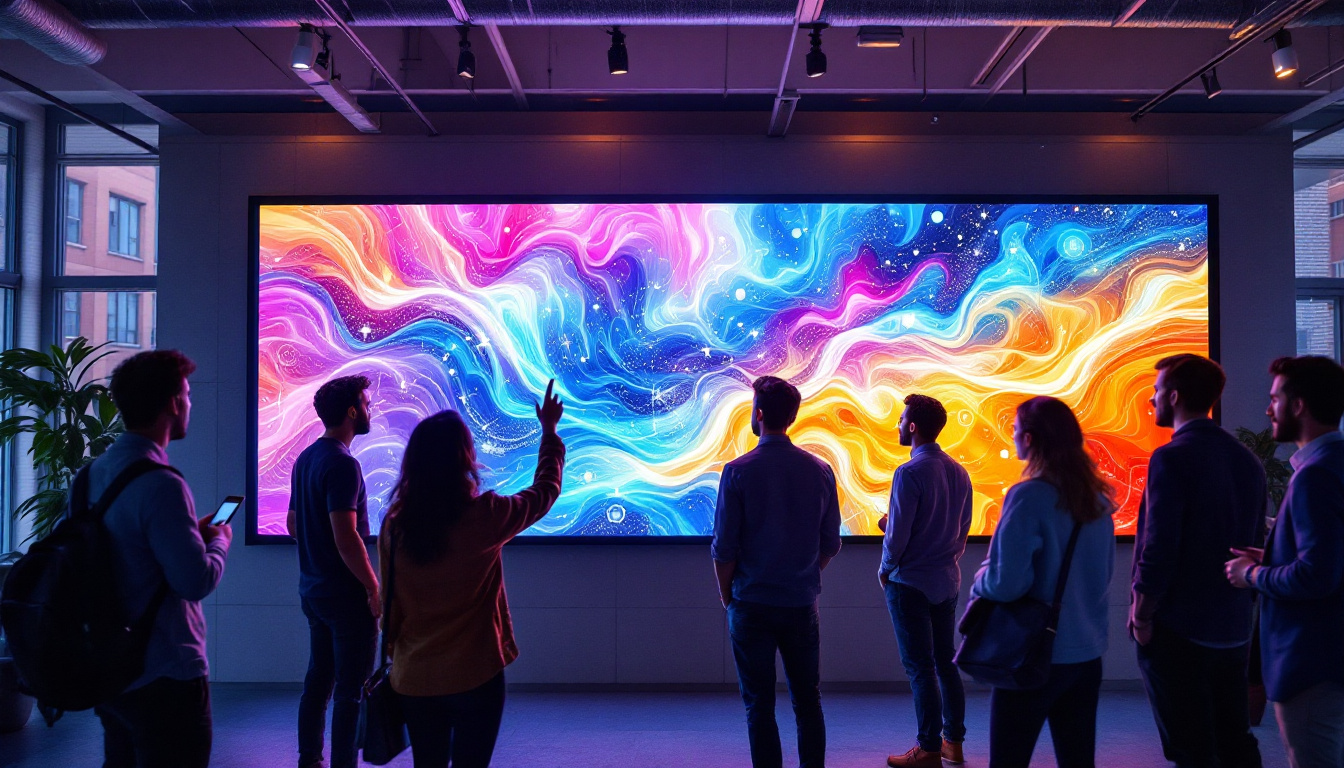
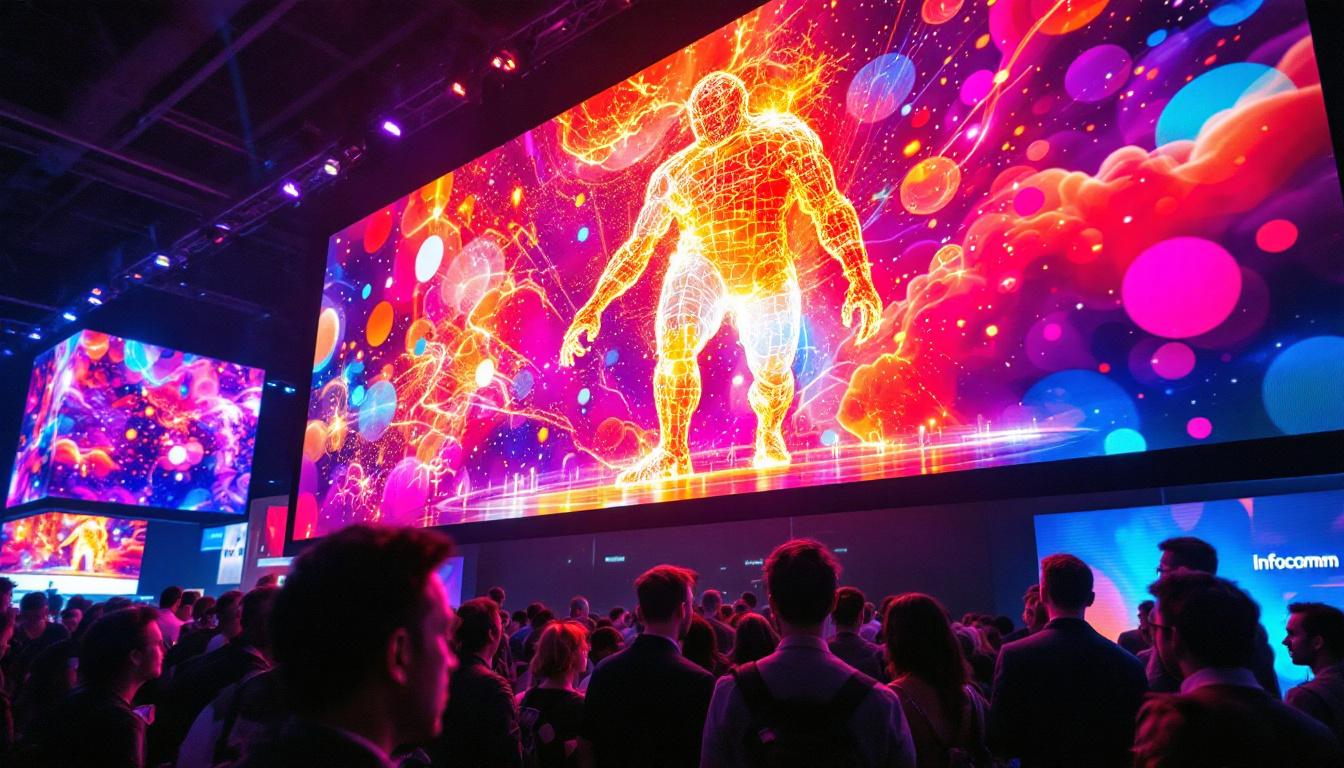
LED displays have become indispensable in corporate settings for presentations, video conferencing, and immersive brand experiences. Infocomm 2023 highlighted modular LED walls that can be quickly assembled and disassembled, providing flexibility for trade shows, conferences, and live events.
High-resolution indoor LED displays enable companies to deliver impactful messaging with vibrant visuals, enhancing audience engagement and communication effectiveness.
Retail and Advertising
Retailers are leveraging LED displays to create dynamic storefronts and in-store experiences. Transparent and curved LED displays enable innovative product showcases without compromising visibility or aesthetics. Digital signage powered by AI allows for personalized promotions, increasing conversion rates.
Outdoor LED billboards continue to dominate urban advertising, with real-time content updates and interactive capabilities becoming standard features.
Entertainment and Sports Venues
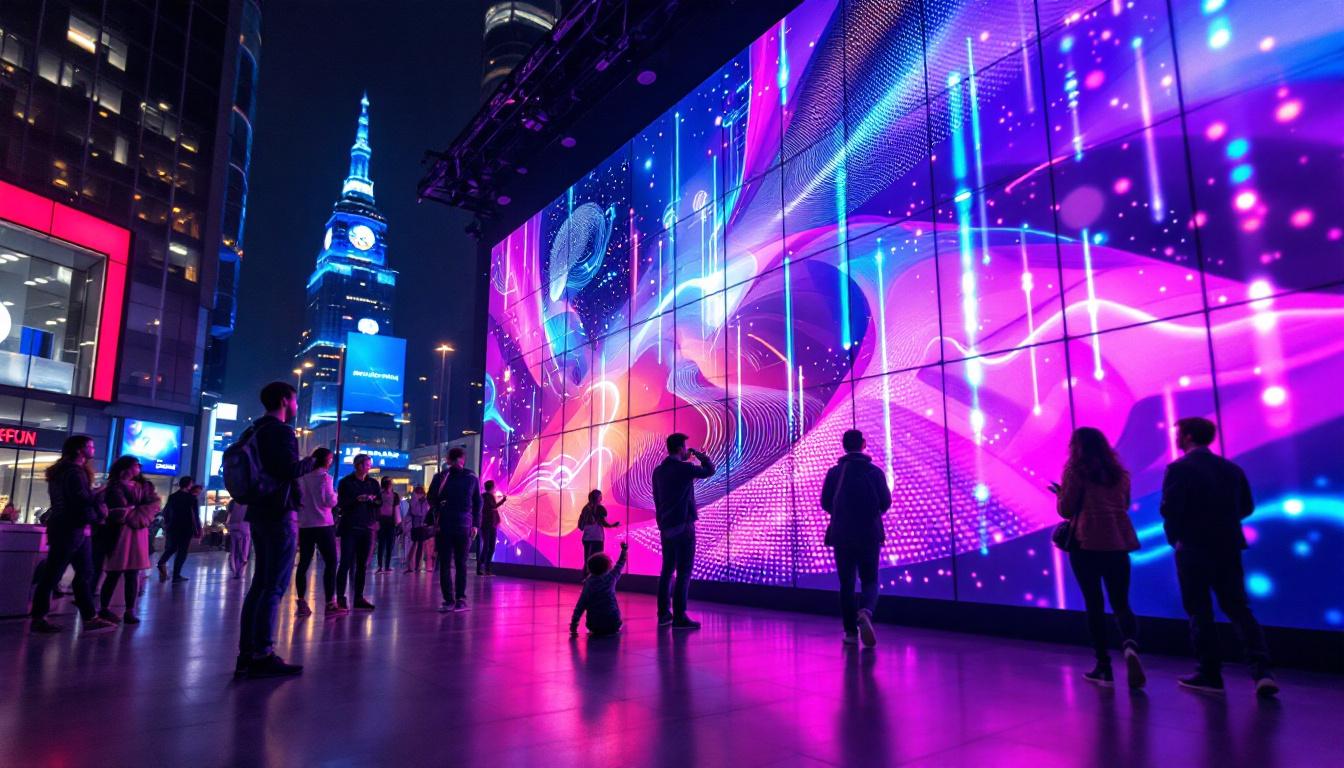
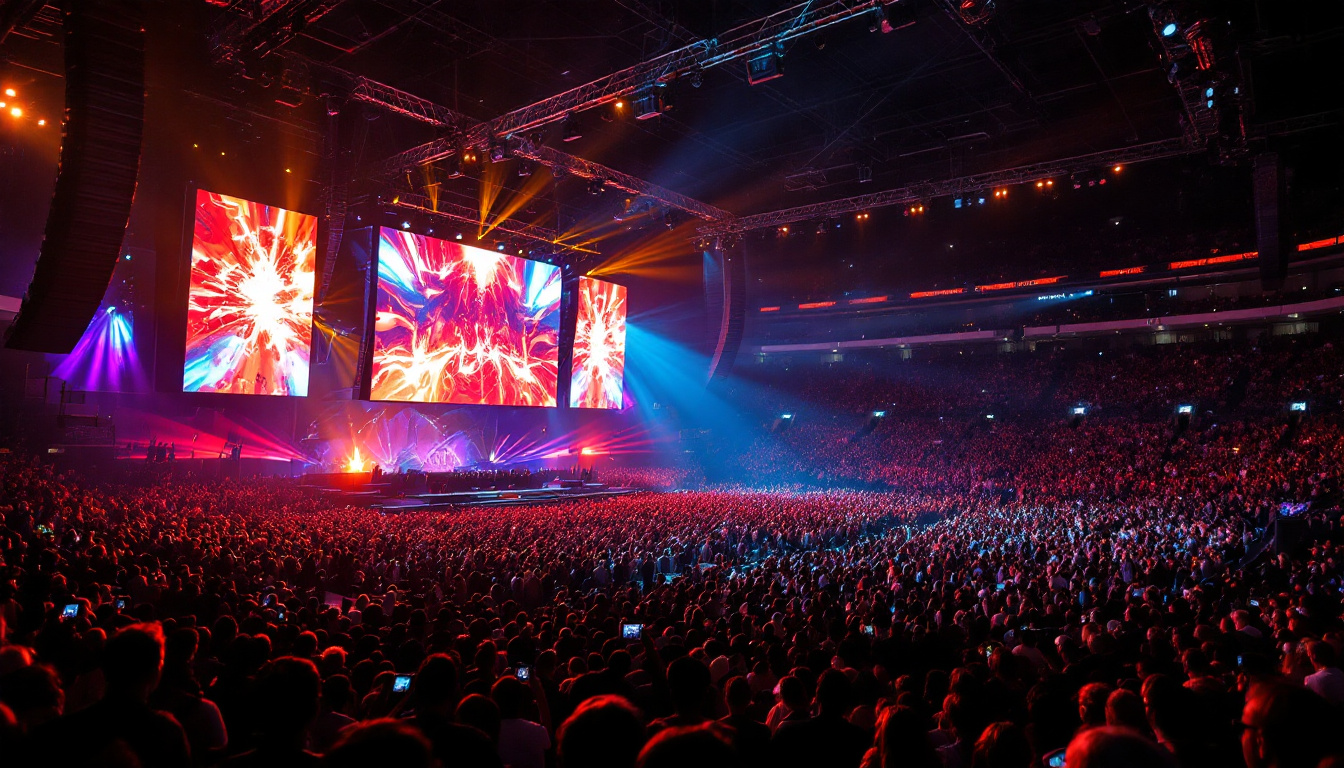
Stadiums and arenas benefit from large-scale outdoor LED displays that provide clear visibility to thousands of spectators. Innovations in brightness and pixel density improve the viewing experience for live events, replays, and advertisements.
In theaters and concert venues, flexible LED screens create immersive backdrops and stage designs, enhancing the overall production value.
Transportation and Public Spaces
LED displays are increasingly used in airports, train stations, and city centers for wayfinding, real-time information, and public safety messaging. Their durability and brightness make them ideal for high-traffic, outdoor environments.
Interactive LED kiosks and displays also improve user engagement and accessibility in public spaces.
Choosing the Right LED Display: Factors to Consider
Assessing Environment and Use Case
Determining whether an LED display will be used indoors or outdoors is critical, as it influences brightness, weatherproofing, and pixel pitch requirements. For example, an outdoor billboard requires high brightness and weather resistance, whereas an indoor conference room display prioritizes resolution and color accuracy.
Budget and Total Cost of Ownership
While LED displays can involve significant upfront investment, factors like energy efficiency, maintenance costs, and lifespan affect the total cost of ownership. It’s important to balance initial costs with long-term savings and performance benefits.
Installation and Maintenance
Modular designs simplify installation and future scalability. Additionally, considering ease of maintenance and availability of technical support can prevent costly downtime and ensure consistent performance.
Content Management and Integration
Modern LED displays often come with integrated content management systems (CMS) that facilitate remote control, scheduling, and analytics. Compatibility with existing AV infrastructure and software platforms is a key consideration for seamless operation.
The Future of LED Displays Post-Infocomm 2023
Continued Miniaturization and Resolution Enhancements
The trend toward smaller pixel pitches and higher resolutions is expected to continue, enabling LED displays to replace traditional display technologies in more applications. This miniaturization will unlock new possibilities in wearable tech, automotive displays, and augmented reality.
Integration with Emerging Technologies
LED displays are poised to integrate more deeply with technologies like 5G, Internet of Things (IoT), and AI, enabling smarter, more responsive visual communication networks. For instance, real-time data feeds can dynamically alter content based on environmental or user inputs.
Greater Emphasis on Sustainability
As environmental concerns grow, manufacturers will focus on developing LED displays with lower carbon footprints, recyclable components, and energy harvesting capabilities. This aligns with global efforts to achieve net-zero emissions and sustainable business practices.
Expanding Creative Possibilities
Flexible, transparent, and curved LED displays will inspire new forms of artistic and architectural expression. The ability to seamlessly integrate digital content into physical spaces will transform how people interact with their environments.
Conclusion
Infocomm 2023 underscored the transformative impact of LED display technology across industries. From cutting-edge MicroLED innovations to AI-driven content optimization and eco-friendly designs, the advancements presented at the event highlight a future where LED displays are more versatile, efficient, and immersive than ever before.
For businesses, event organizers, and content creators, understanding these technologies is vital to harnessing their full potential. As LED displays continue to evolve, they will redefine visual communication, creating richer, more engaging experiences for audiences worldwide.
Discover LumenMatrix’s Advanced LED Display Solutions
As you envision the future of visual communication, consider the role that LumenMatrix can play in bringing that future to life. With our comprehensive range of LED display modules, from the vibrant Indoor LED Wall Display to the robust Outdoor LED Wall Display, and from the dynamic Vehicle LED Display to the innovative Transparent LED Display, LumenMatrix is at the forefront of creating immersive and engaging experiences. Whether you’re looking to enhance your brand’s visibility or captivate your audience with unparalleled clarity, our mission is to provide you with LED display solutions that truly make an impact. Check out LumenMatrix LED Display Solutions today and see how we can transform your visual communication strategy.