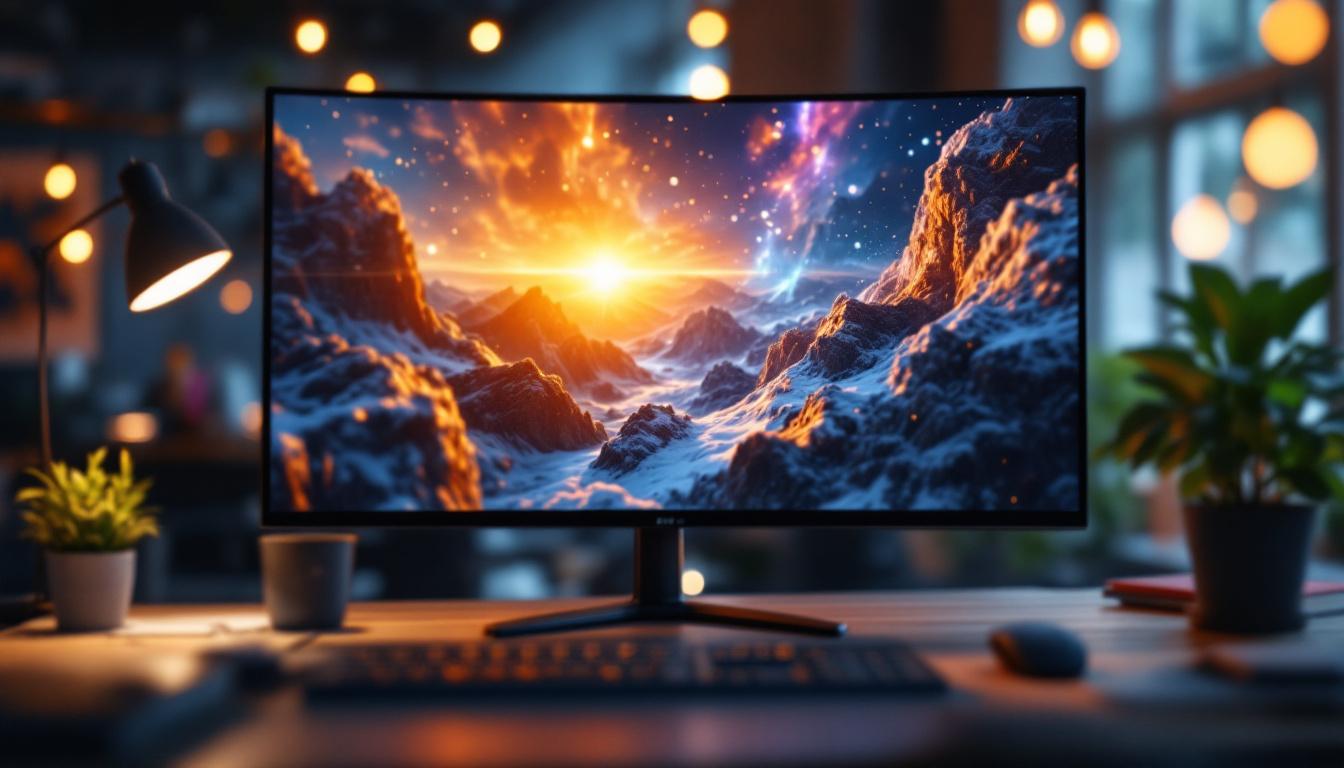
In an era where visual communication dominates, large video monitors have become indispensable tools across various industries. From stadiums and advertising billboards to corporate events and control rooms, LED displays stand out as the technology of choice for delivering vibrant, high-impact visuals on a grand scale. This article delves into the world of large LED video monitors, explaining their technology, applications, advantages, and considerations for selecting the right display solution.
Understanding LED Display Technology
LED, or Light Emitting Diode, technology forms the backbone of modern large video monitors. Unlike traditional LCD screens that rely on backlighting, LED displays use tiny diodes that emit light directly, enabling brighter images and better contrast ratios. This fundamental difference allows LED screens to deliver superior performance, especially in large formats. The evolution of LED technology has not only improved visual quality but also significantly reduced energy consumption, making them a more sustainable choice for both consumers and businesses alike.
How LED Displays Work
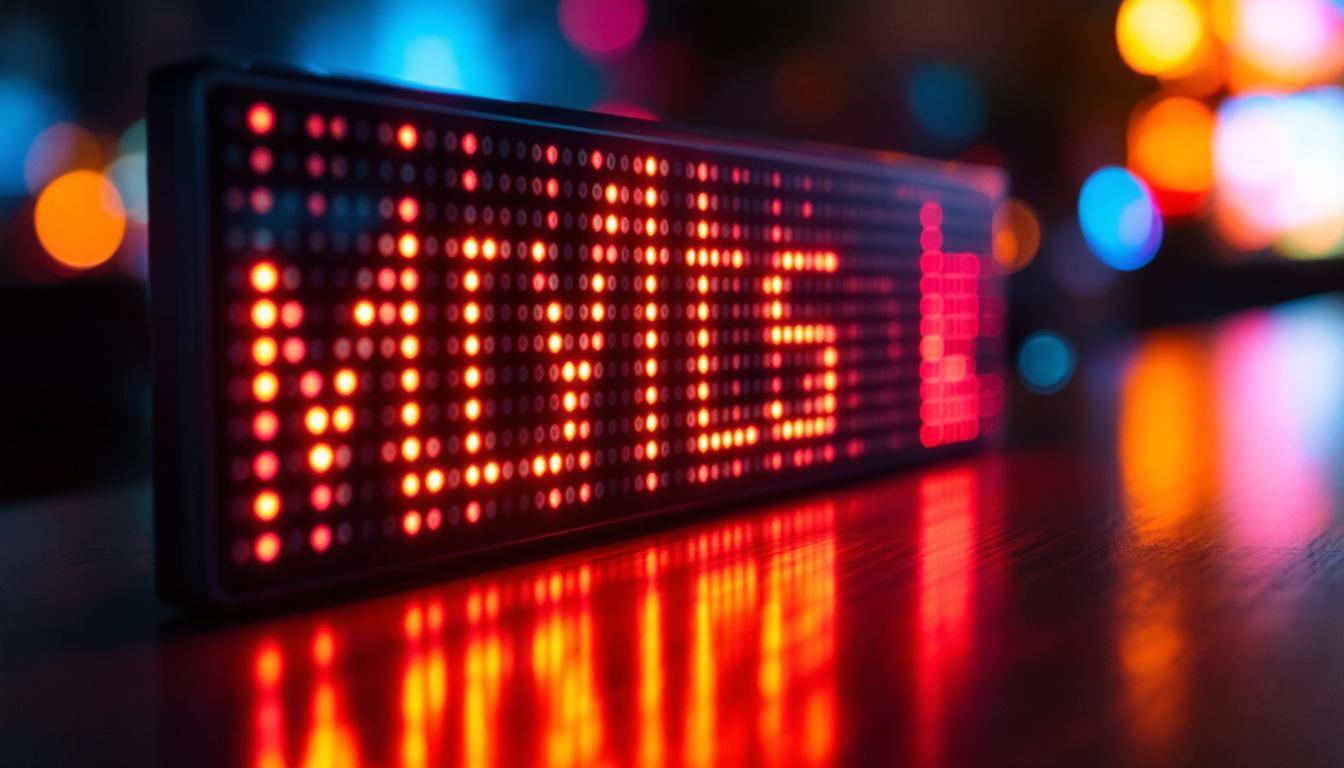
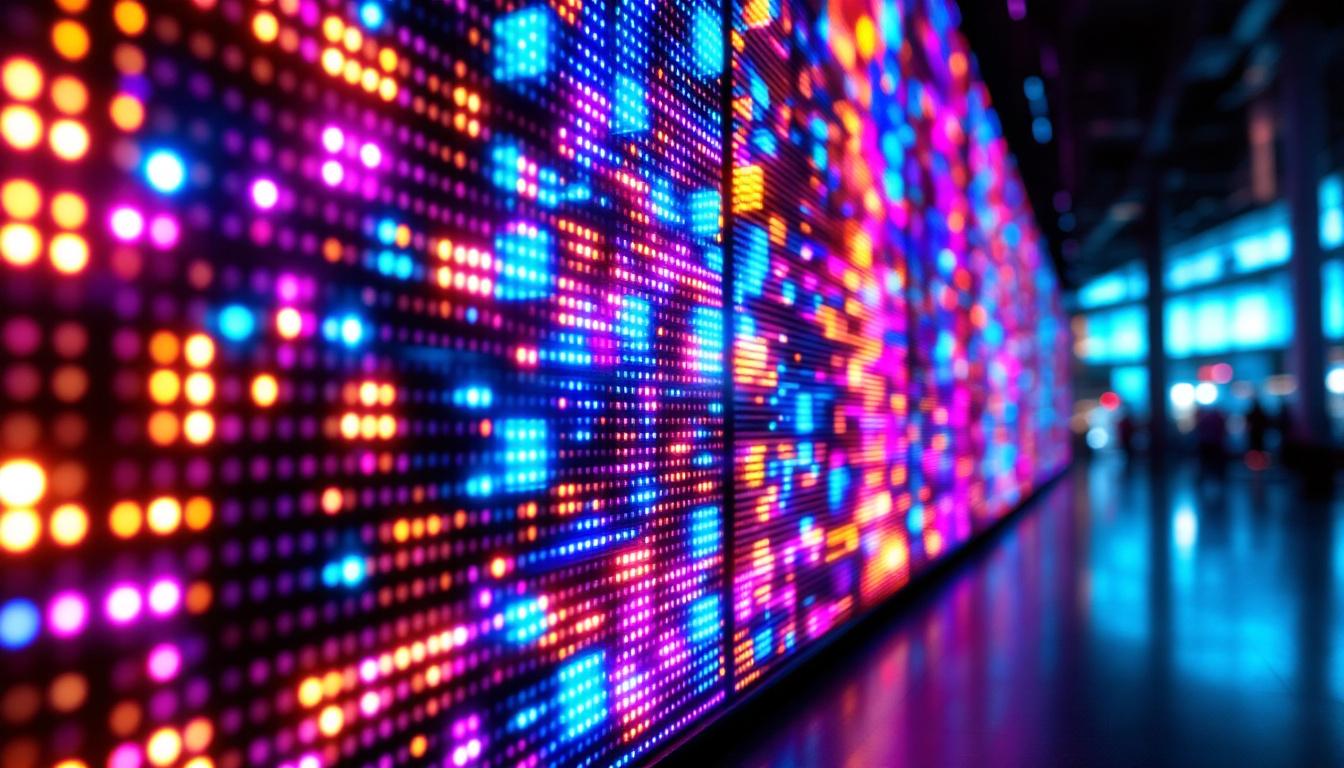
Each pixel on an LED display is composed of red, green, and blue diodes. By adjusting the intensity of these diodes, the screen can produce a full spectrum of colors. The diodes are arranged in modules or panels that are tiled together to create expansive video walls. This modular design allows for flexible sizing and shapes, accommodating everything from small indoor signage to massive outdoor billboards. The precision in color mixing and the ability to control each pixel independently contribute to the vivid imagery and sharp details that LED displays are known for.
The brightness of LEDs can reach up to 5,000 nits or more, making them visible even in direct sunlight. This is a crucial advantage over LCDs, which often struggle with glare and reduced visibility outdoors. Additionally, LEDs have a faster refresh rate, reducing motion blur and providing smoother video playback, essential for dynamic content like sports or live broadcasts. Furthermore, the longevity of LED technology is notable, with many displays rated for over 100,000 hours of use, ensuring that they remain operational for years with minimal maintenance.
Types of LED Displays
Large LED monitors come in several varieties, each suited to different environments and purposes:
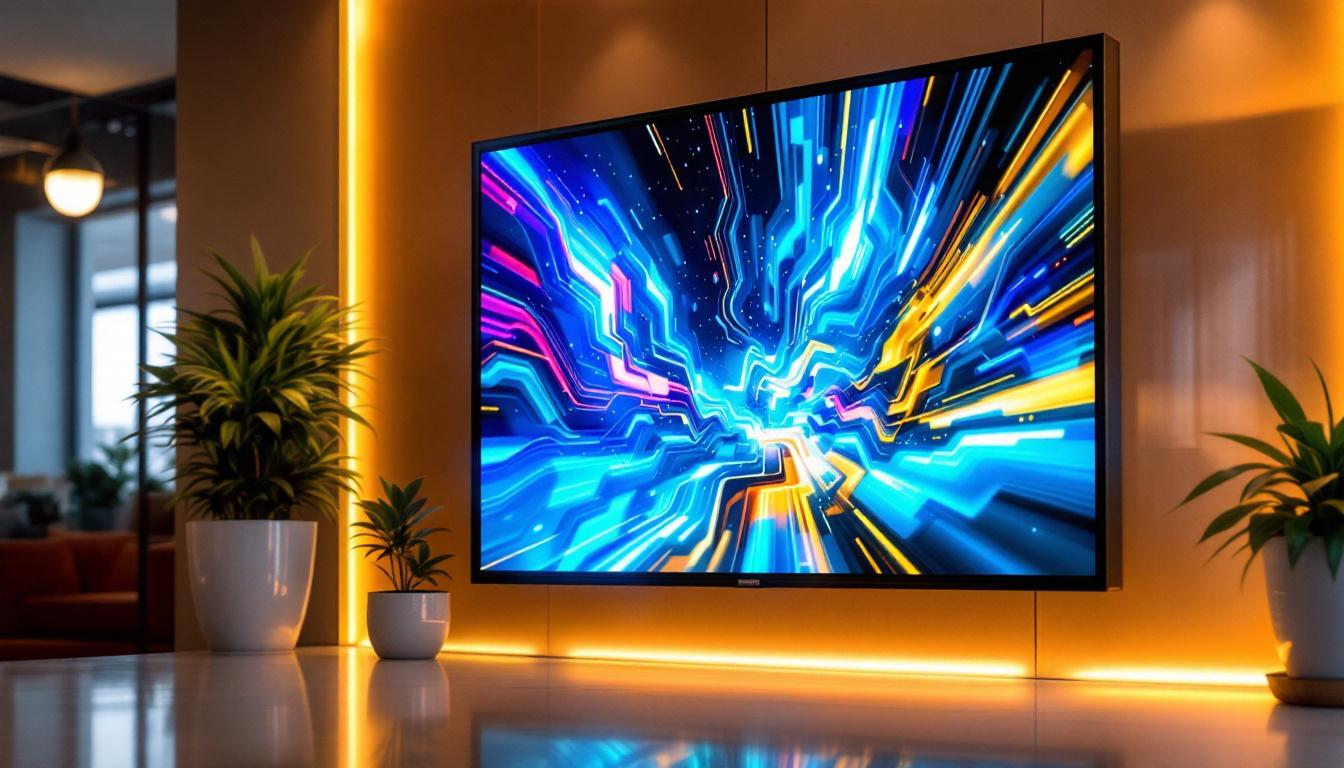
- Indoor LED Displays: Designed for controlled lighting environments, these displays have higher pixel density and smaller pixel pitch (distance between diodes), resulting in sharper images at close viewing distances. They are often used in venues such as theaters, conference rooms, and retail spaces where high-quality visuals are paramount.
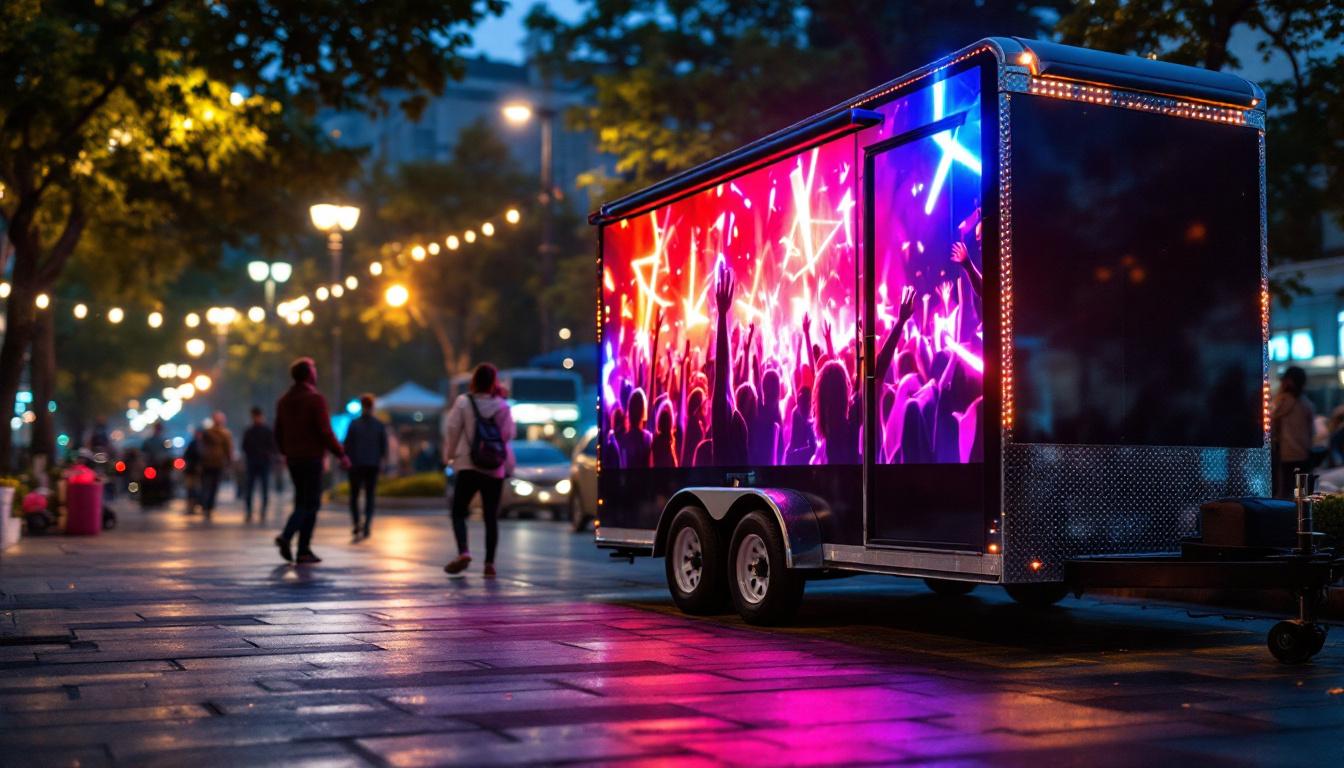
- Outdoor LED Displays: Built to withstand weather conditions, these displays have higher brightness levels and protective coatings. They typically have larger pixel pitches since viewers are farther away. Their durability and visibility make them ideal for advertising billboards, sports arenas, and public events.
- Transparent LED Displays: These innovative screens allow light to pass through, making them ideal for storefront windows or architectural installations where visibility both inside and outside is desired. They create an eye-catching effect that can enhance marketing efforts without obstructing the view of the products behind them.
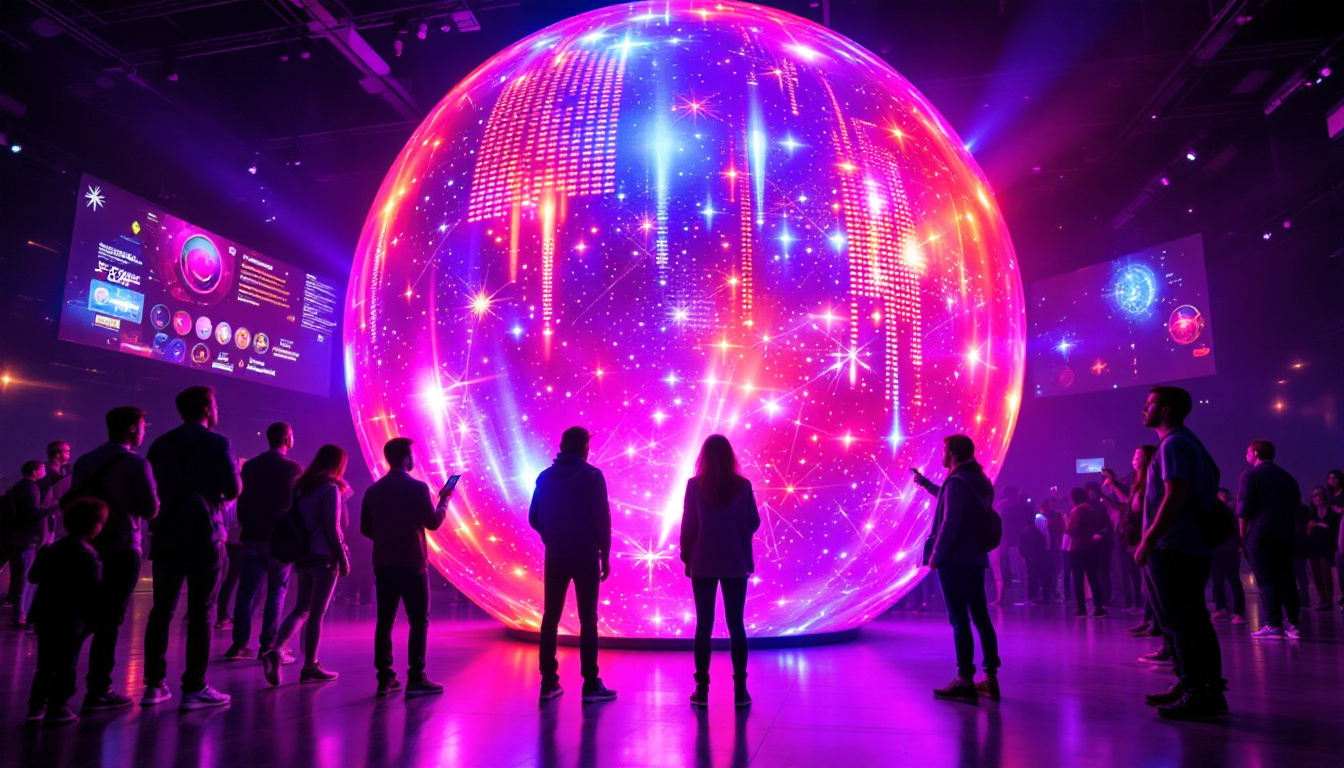
- Flexible and Curved LED Displays: Using flexible substrates, these displays can be curved or shaped to fit unique surfaces, enhancing aesthetic appeal and engagement. Their versatility allows for creative installations in museums, exhibitions, and themed environments, where traditional flat screens would not suffice.
As the demand for immersive experiences grows, LED technology continues to evolve, with advancements such as microLED and miniLED displays on the horizon. These innovations promise even greater color accuracy, contrast, and energy efficiency, pushing the boundaries of what is possible in visual technology. The integration of smart features, such as connectivity and interactive capabilities, is also becoming increasingly common, allowing for dynamic content that can adapt to viewer engagement and environmental conditions.
Applications of Large LED Video Monitors
The versatility of LED displays has led to their widespread adoption across multiple sectors. Their ability to deliver bright, colorful, and dynamic content on a large scale makes them particularly valuable in settings where visibility and impact are paramount.
Advertising and Digital Signage
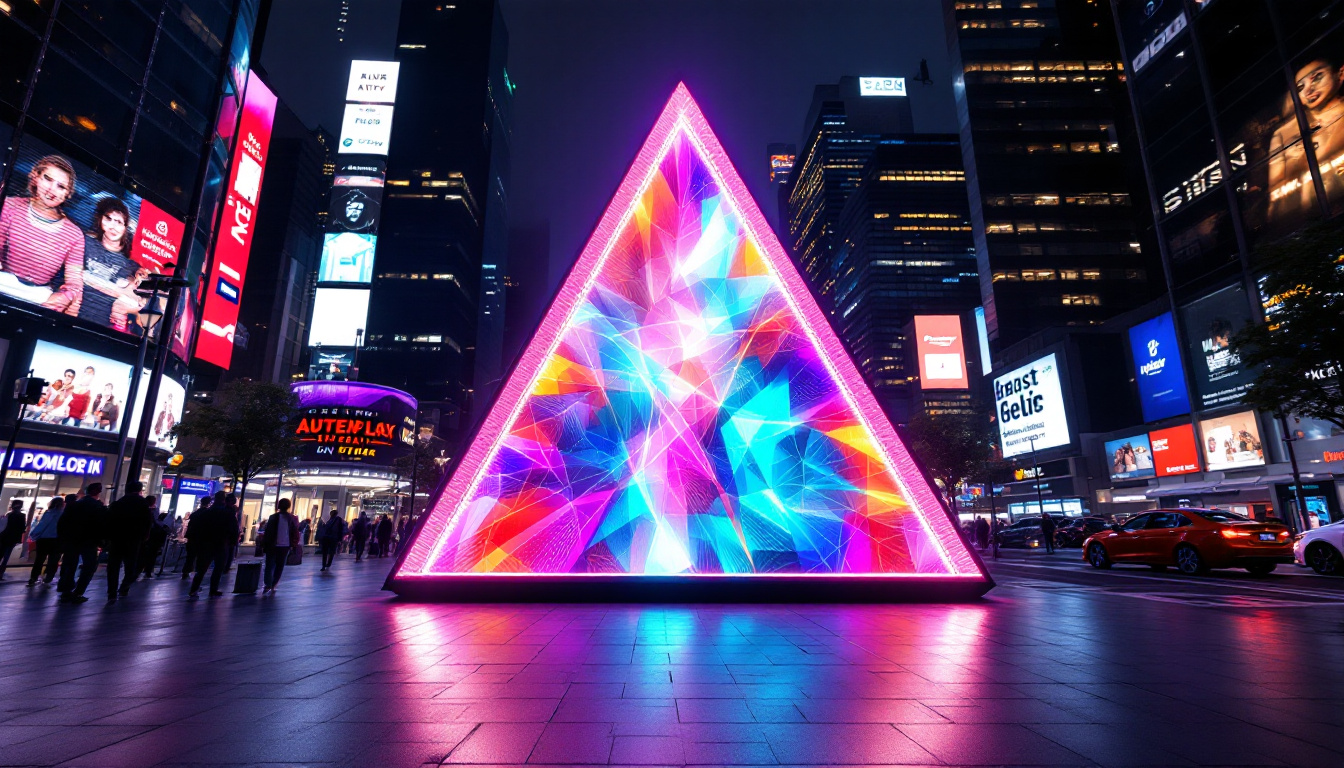
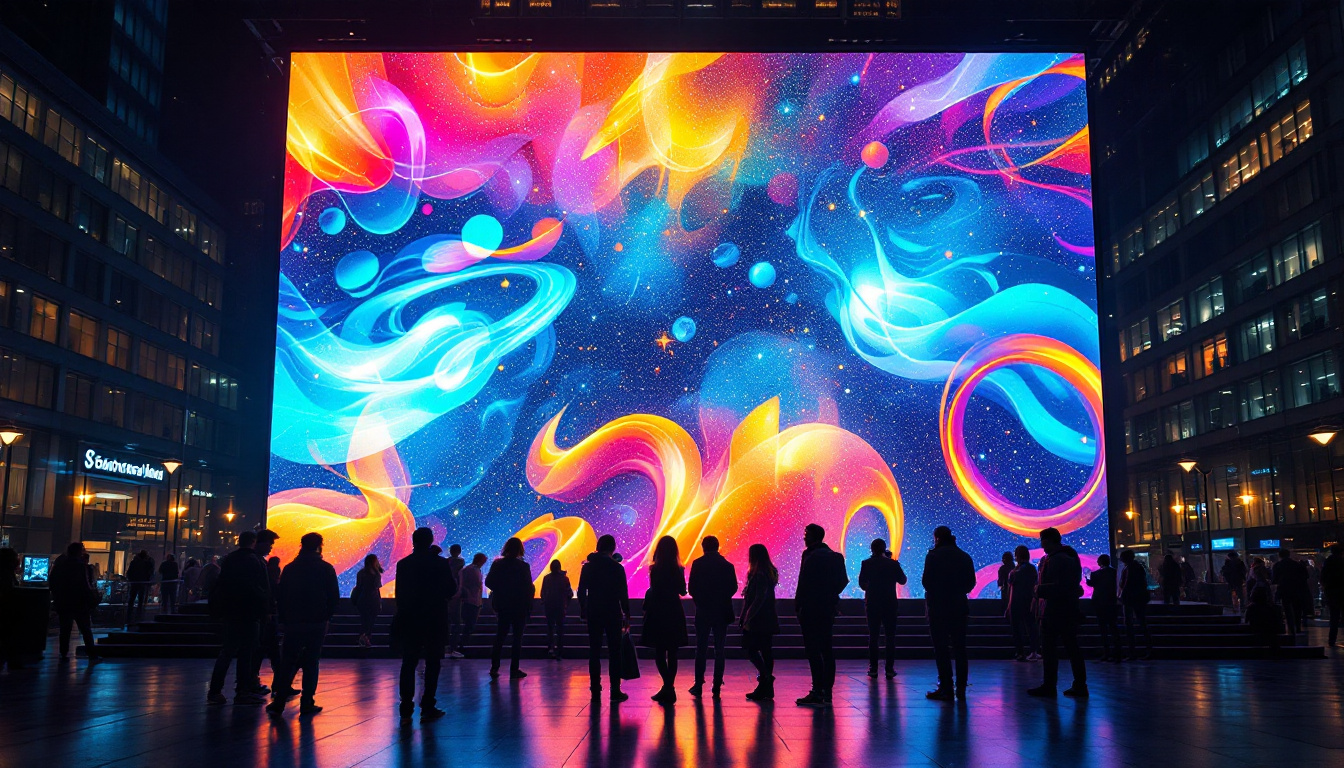
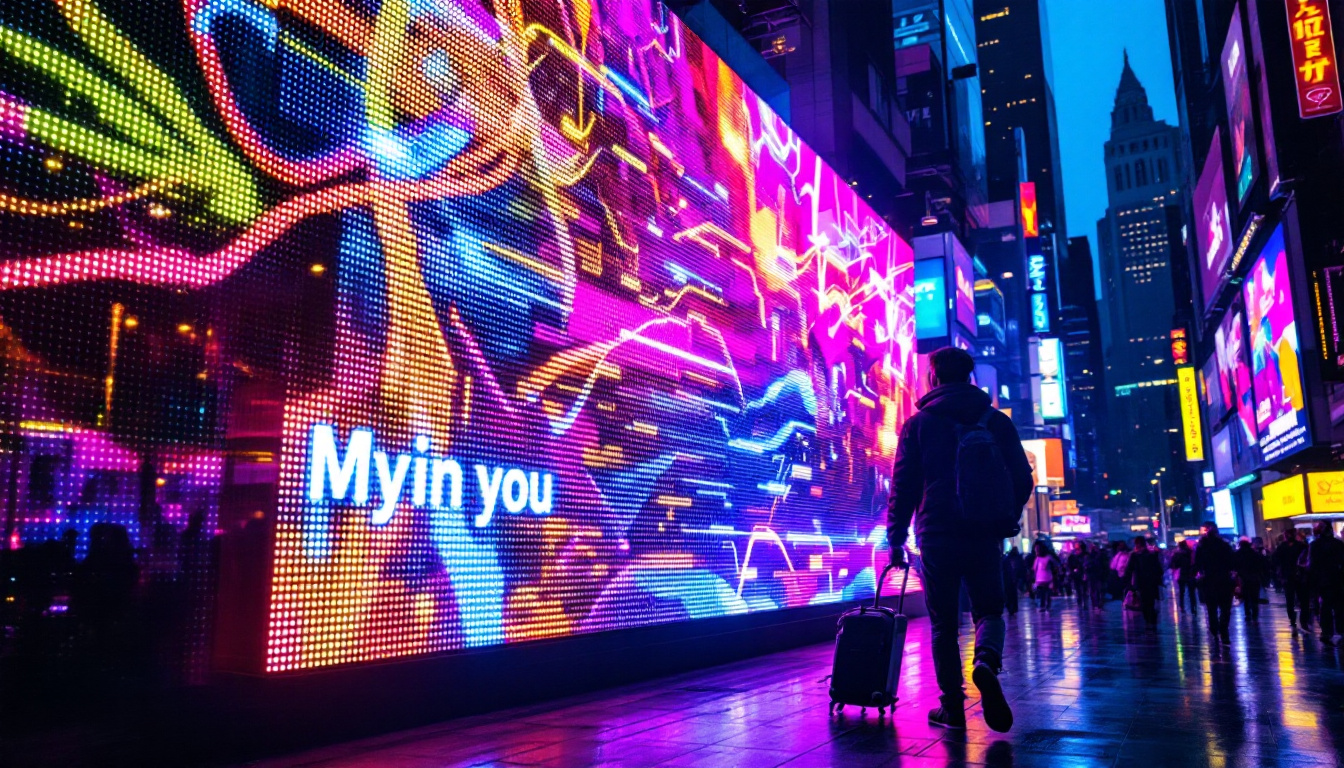
One of the most common uses of large LED monitors is in outdoor advertising. Digital billboards equipped with LED technology can display changing advertisements, animations, and real-time updates, offering advertisers greater flexibility and engagement compared to static signs. According to recent market analyses, the global digital signage market is expected to grow at a compound annual growth rate (CAGR) of over 8% through 2027, driven largely by advancements in LED technology and demand for dynamic content.
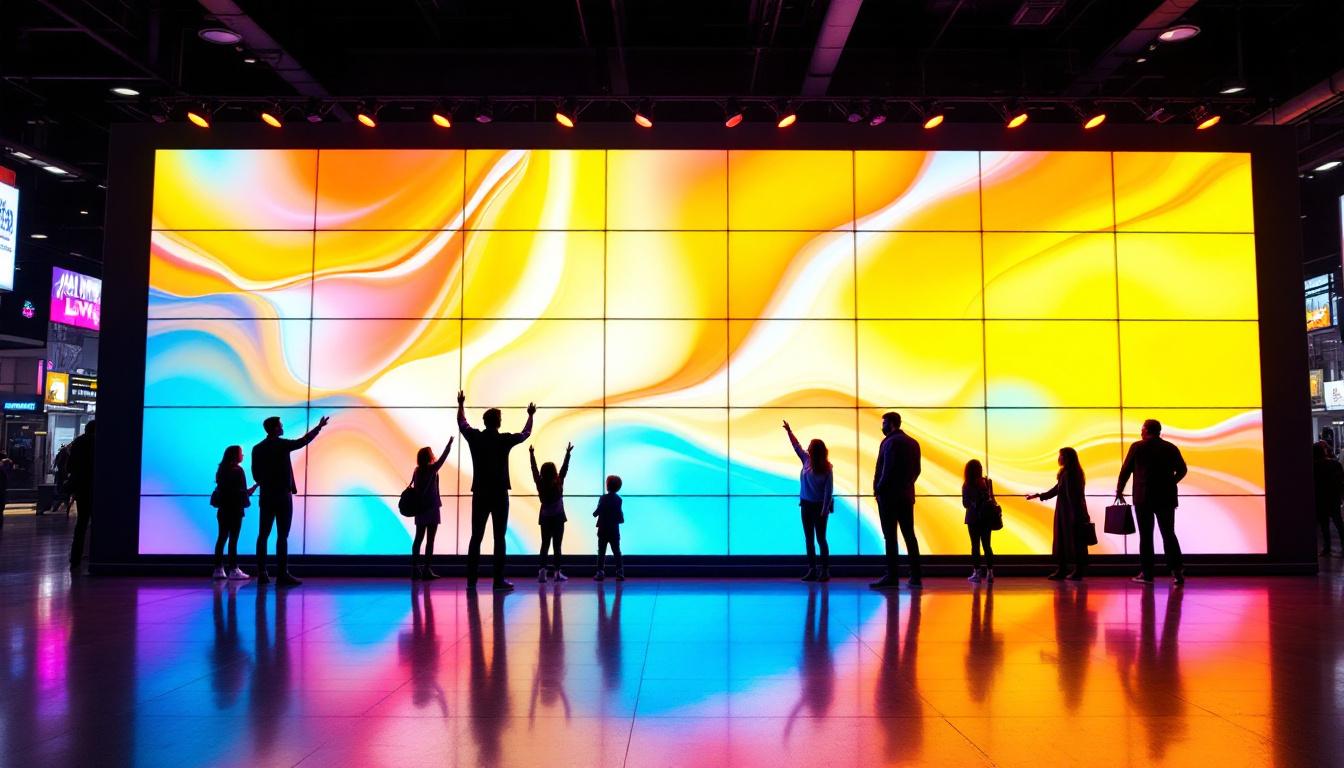
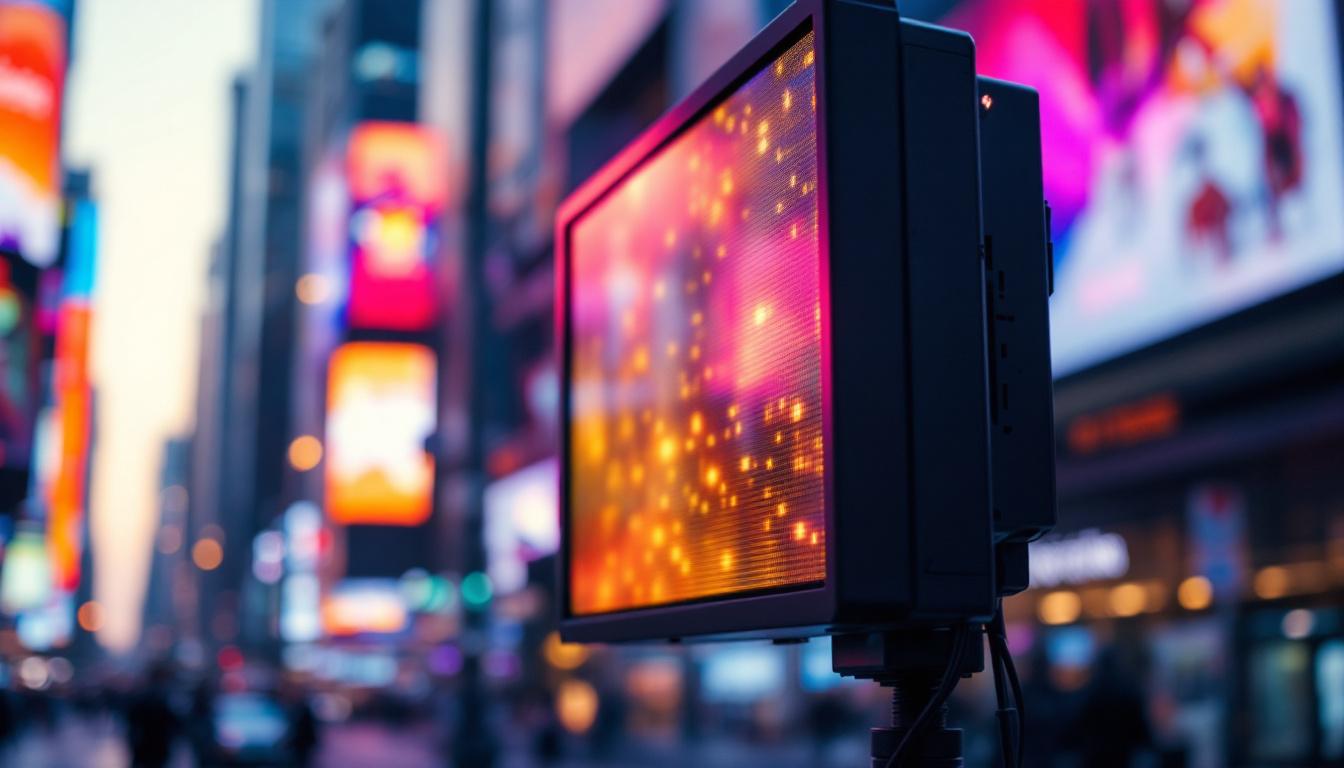
Major cities worldwide are adopting LED video walls in high-traffic areas such as Times Square in New York and Piccadilly Circus in London, turning these locations into vibrant hubs of visual communication. The ability to schedule content remotely and integrate interactive elements further enhances the effectiveness of LED signage in marketing campaigns.
Sports and Entertainment Venues
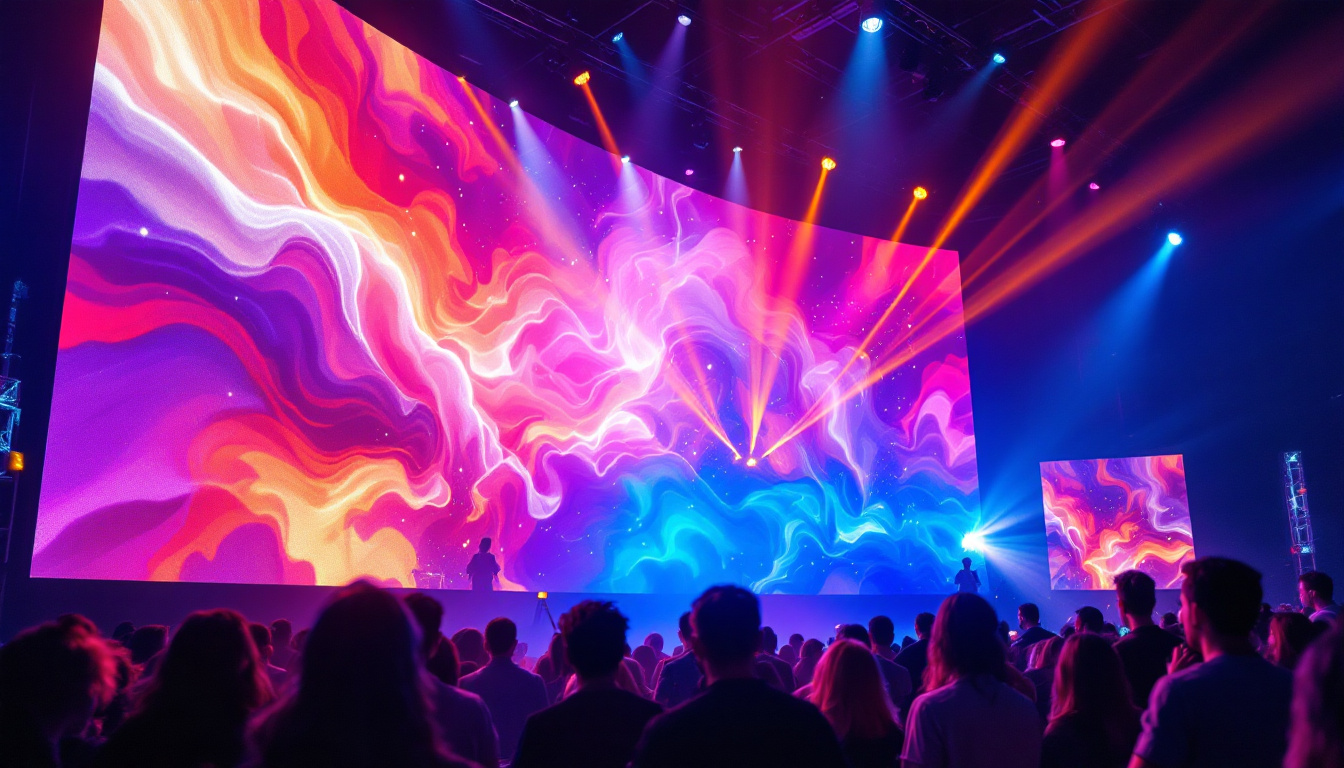
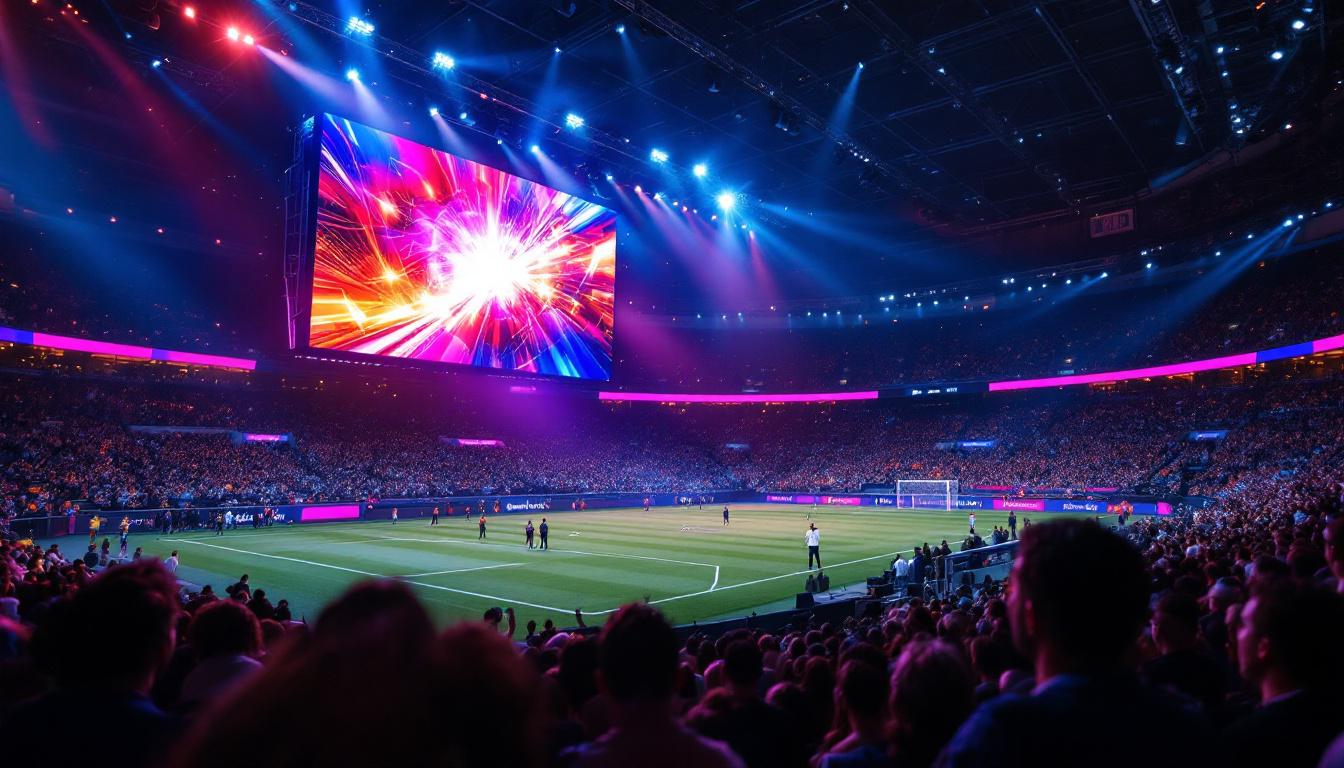
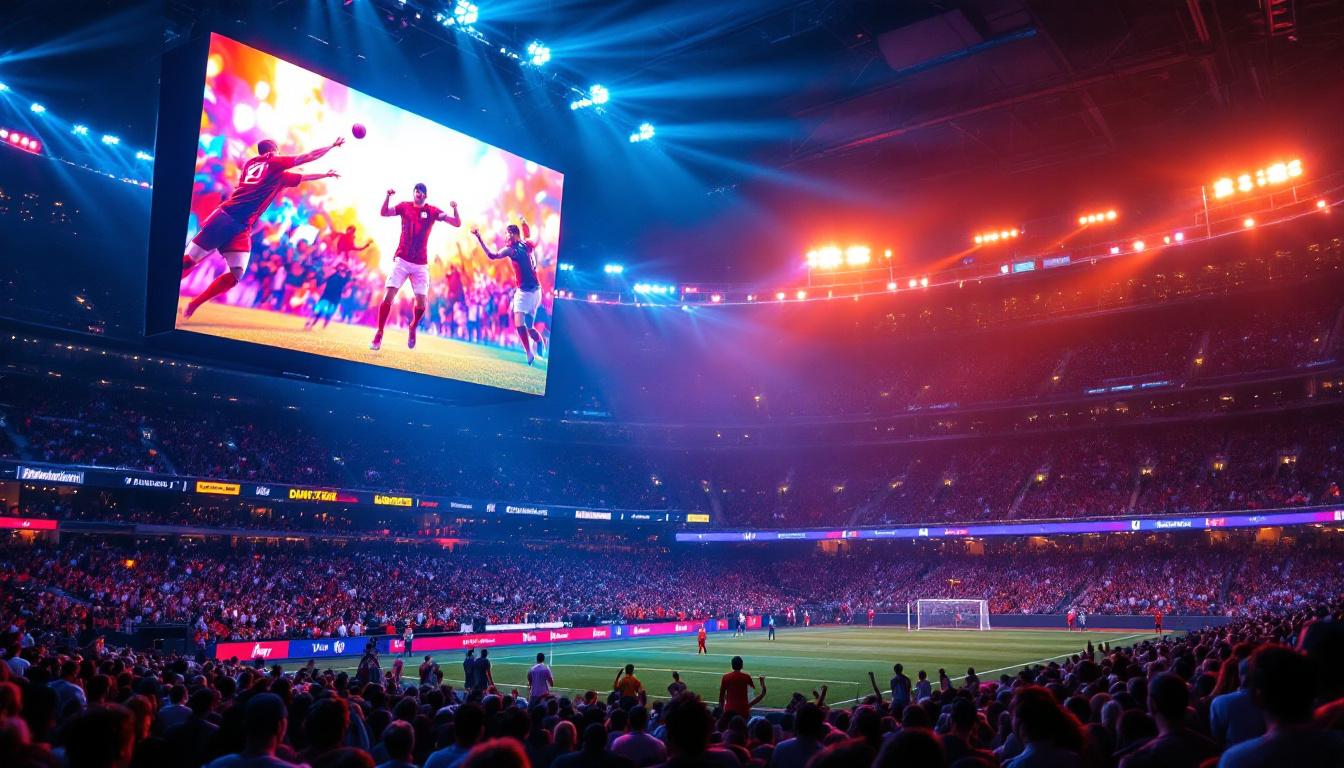
Stadiums and arenas rely heavily on large LED video monitors to enhance the spectator experience. These displays provide live game footage, instant replays, player statistics, and engaging animations that keep audiences entertained during breaks. The clarity and brightness of LED screens ensure visibility from every seat, regardless of ambient lighting conditions.
For example, the AT&T Stadium in Texas features one of the largest LED video boards in the world, measuring over 160 feet wide and 72 feet tall. This massive screen not only broadcasts the game but also hosts concerts and events, demonstrating the multifunctional nature of LED displays in large venues.
Corporate and Control Room Environments
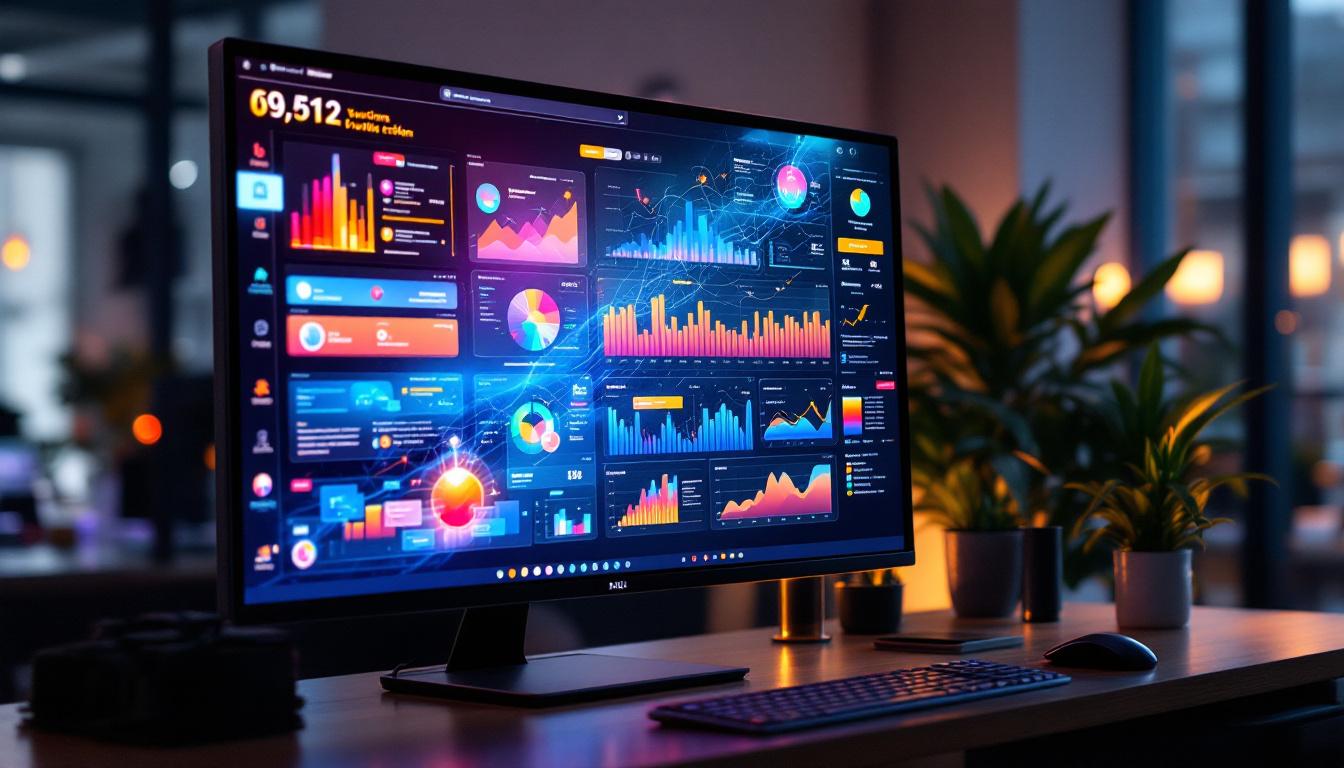
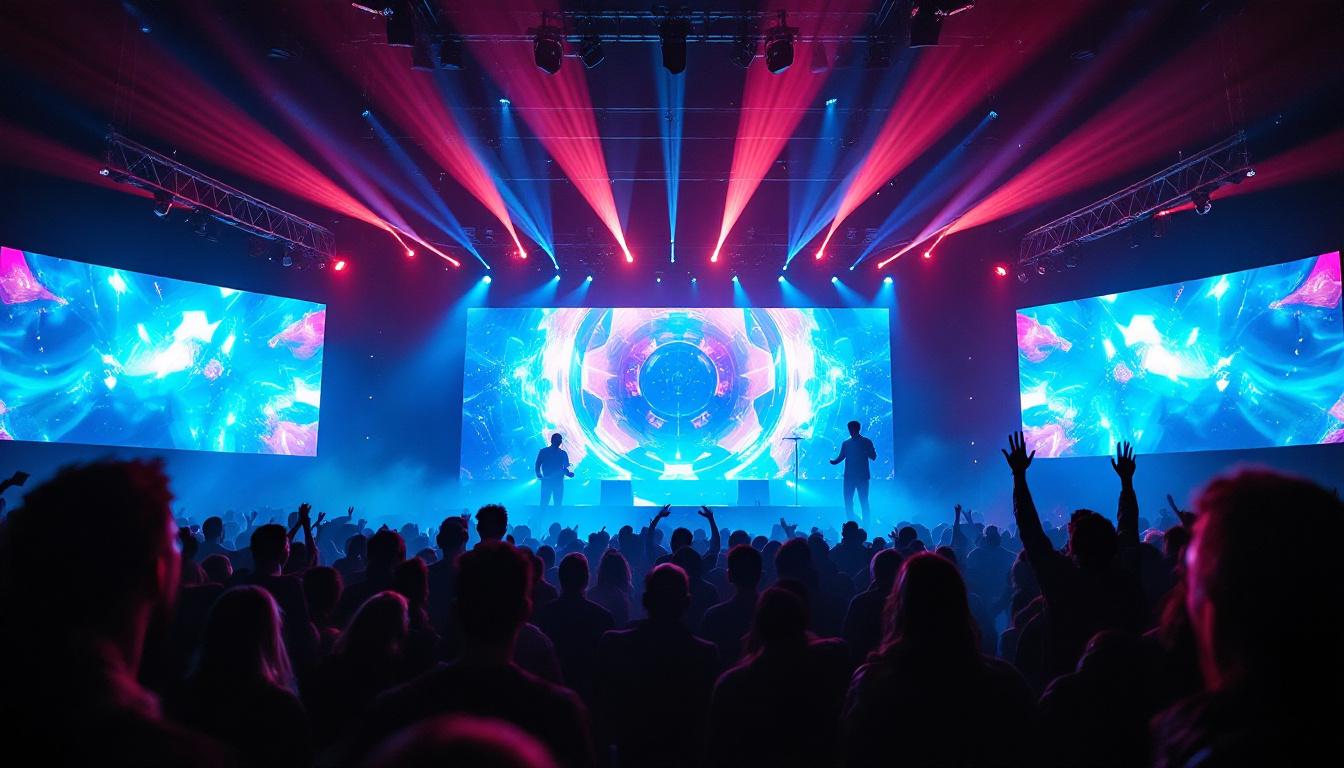
In corporate settings, large LED monitors are used for presentations, video conferencing, and digital dashboards. Their ability to display high-resolution content makes them ideal for boardrooms and auditoriums. In control rooms, such as those used in transportation, utilities, and emergency response, LED video walls provide real-time data visualization crucial for decision-making and operational efficiency.
The modularity of LED displays allows organizations to customize screen sizes and configurations to fit their specific needs, whether it’s a panoramic video wall or a multi-screen setup for monitoring various data streams simultaneously.
Advantages of Large LED Video Monitors
Choosing LED technology for large video monitors offers several compelling benefits that make it the preferred option over other display types.
Superior Brightness and Visibility
LED displays can achieve brightness levels far exceeding those of LCD or projection-based systems. This capability ensures that content remains vivid and readable even under direct sunlight or in brightly lit indoor environments. For outdoor advertising and sports venues, this is a critical advantage that directly impacts viewer engagement.
Energy Efficiency and Longevity
LEDs are inherently energy-efficient, consuming less power than traditional lighting and display technologies. This efficiency translates into lower operating costs, especially important for large installations that run continuously. Furthermore, LED displays have a long lifespan, often rated at 50,000 to 100,000 hours of operation, reducing maintenance and replacement expenses.
Flexibility and Scalability
The modular nature of LED panels allows for flexible sizing and configurations. Whether a business needs a small indoor display or a massive outdoor video wall, LED technology can be scaled accordingly. This adaptability also facilitates creative designs, including curved or irregularly shaped screens that enhance aesthetic appeal and user engagement.
High Refresh Rates and Color Accuracy
LED monitors support high refresh rates, minimizing motion blur and flicker, which is essential for smooth video playback and comfortable viewing. Additionally, advancements in LED technology have improved color accuracy and consistency, ensuring that images and videos appear lifelike and vibrant.
Key Considerations When Choosing a Large LED Monitor
Selecting the right LED display involves evaluating several factors to ensure it meets the specific requirements of the intended application.
Pixel Pitch and Resolution
Pixel pitch, the distance between individual LED diodes, directly affects image clarity and viewing distance. Smaller pixel pitches (e.g., 1.2mm to 2.5mm) are ideal for indoor displays where viewers are close to the screen, providing high resolution and sharpness. Larger pixel pitches (e.g., 4mm to 10mm or more) are suitable for outdoor displays where viewers are farther away, balancing resolution with cost and brightness needs.
Brightness and Environmental Durability
Outdoor LED displays require higher brightness levels—often exceeding 5,000 nits—to combat sunlight glare. Additionally, weatherproofing and protection against dust, moisture, and temperature extremes are essential to ensure longevity and reliable performance. Look for displays with appropriate IP (Ingress Protection) ratings, typically IP65 or higher for outdoor use.
Installation and Maintenance
The physical installation of large LED monitors can be complex, involving structural support, electrical wiring, and data connectivity. It is important to work with experienced professionals to ensure safety and optimal performance. Maintenance accessibility is also crucial; modular designs that allow for easy replacement of individual panels or components can reduce downtime and service costs.
Content Management and Integration
Modern LED displays often come with advanced content management systems (CMS) that enable remote control, scheduling, and real-time updates. Compatibility with various media formats and integration with external data sources (e.g., social media feeds, live event data) can enhance the versatility of the display. Consider the software ecosystem and support when selecting a solution.
Future Trends in Large LED Video Monitors
The LED display industry continues to evolve rapidly, driven by technological innovation and expanding use cases. Several trends are shaping the future of large video monitors:
MicroLED and MiniLED Technologies
Emerging MicroLED and MiniLED technologies promise even higher resolution, better color accuracy, and improved energy efficiency. MicroLEDs, in particular, offer the potential for ultra-thin, flexible displays with exceptional brightness and contrast, potentially revolutionizing both indoor and outdoor large-format screens.
Interactive and Smart Displays
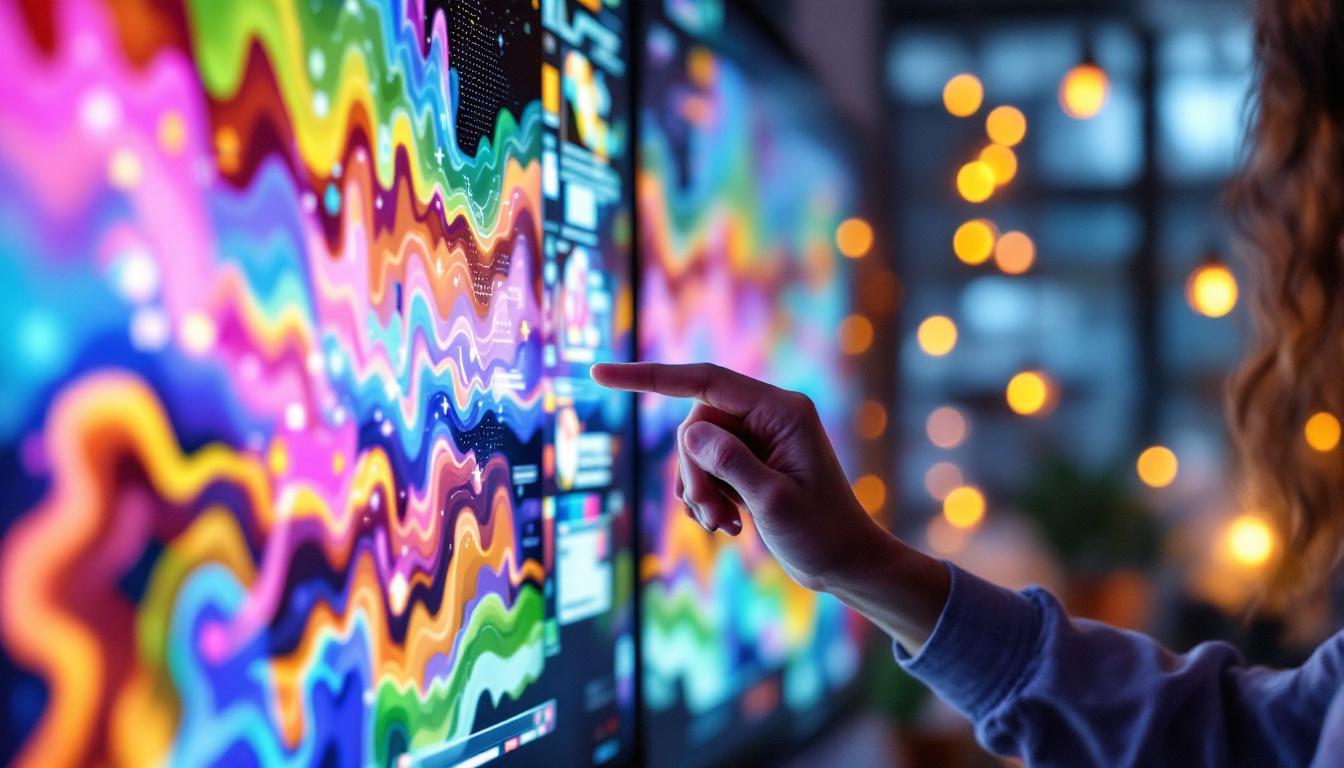
Integration of touch capabilities, sensors, and AI-driven content personalization is transforming LED video walls into interactive platforms. These smart displays can engage audiences more effectively, providing tailored experiences in retail, education, and public information systems.
Environmental Sustainability
As sustainability becomes a priority, manufacturers are focusing on eco-friendly materials, energy-saving features, and recyclability. LED displays already consume less power than many alternatives, but ongoing improvements aim to reduce environmental impact further.
Conclusion
Large LED video monitors have become a cornerstone of modern visual communication, offering unmatched brightness, flexibility, and durability. Their applications span advertising, entertainment, corporate environments, and more, making them versatile tools for engaging audiences at scale. Understanding the technology behind LED displays, along with key factors such as pixel pitch, brightness, and content management, is essential for selecting the right solution.
With continuous advancements like MicroLED and interactive capabilities on the horizon, the future of large video monitors looks bright—literally and figuratively. Businesses and organizations investing in LED display technology can expect to deliver compelling visual experiences that captivate and inform audiences for years to come.
Discover LumenMatrix’s Innovative LED Solutions
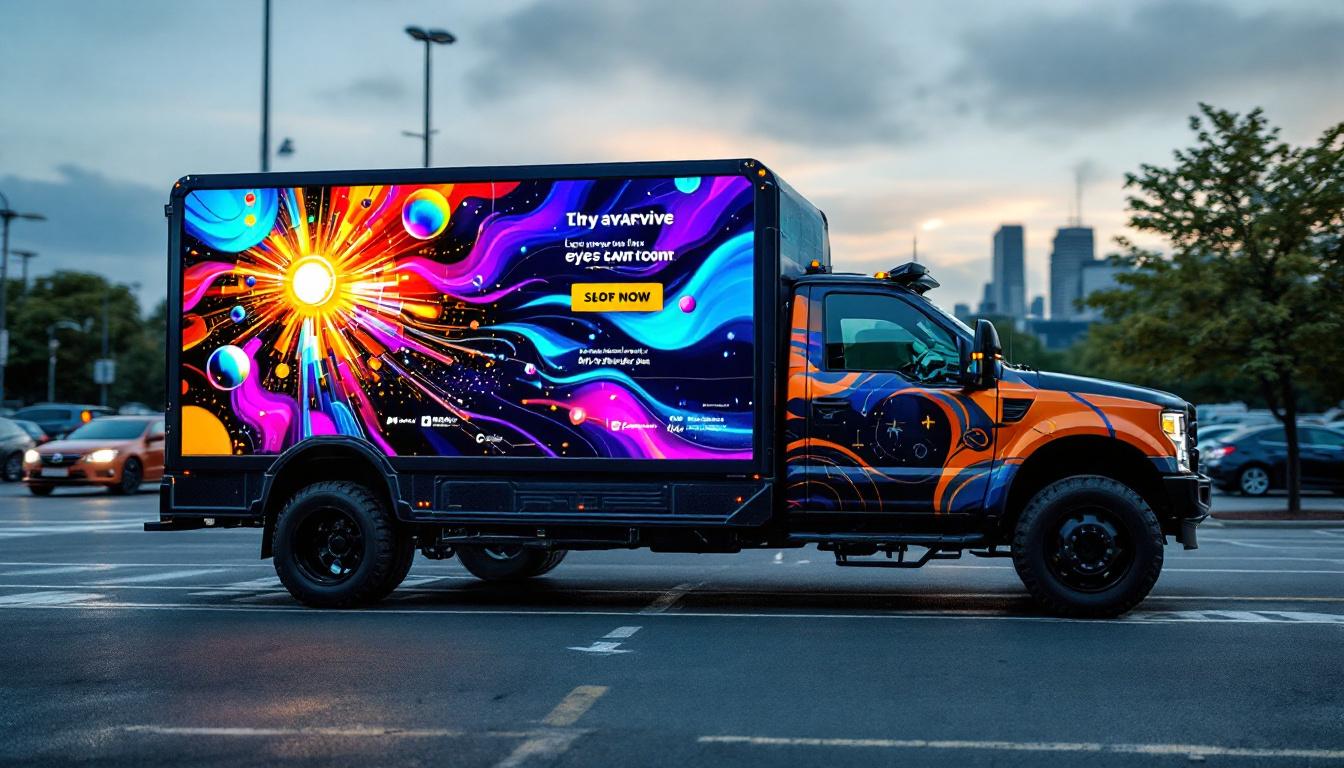
Ready to elevate your visual communication with the latest in LED technology? Look no further than LumenMatrix, a pioneer in crafting exceptional LED display modules that bring your content to life. Whether you need an Indoor LED Wall Display for your corporate events, a vibrant Outdoor LED Wall Display for advertising, or any of our specialized solutions like Vehicle, Sports, or Floor LED Displays, LumenMatrix has you covered. Embrace the future of digital signage with our Custom, All-in-One, and Transparent LED Displays, designed to captivate and engage your audience. Check out LumenMatrix LED Display Solutions today and start creating unforgettable visual experiences.