In the world of digital displays, understanding the terminology and technology behind screens is essential for both consumers and professionals. The phrase “Lcd of 6 9” might initially seem cryptic, but it touches on fundamental concepts related to LED and LCD displays, their differences, and how they impact the viewing experience. This article delves into the intricacies of LCD and LED technologies, clarifies common misconceptions, and explains how these technologies influence screen performance, especially in devices with specific aspect ratios or sizes such as 6:9.
Understanding LCD and LED Technologies
What is an LCD?
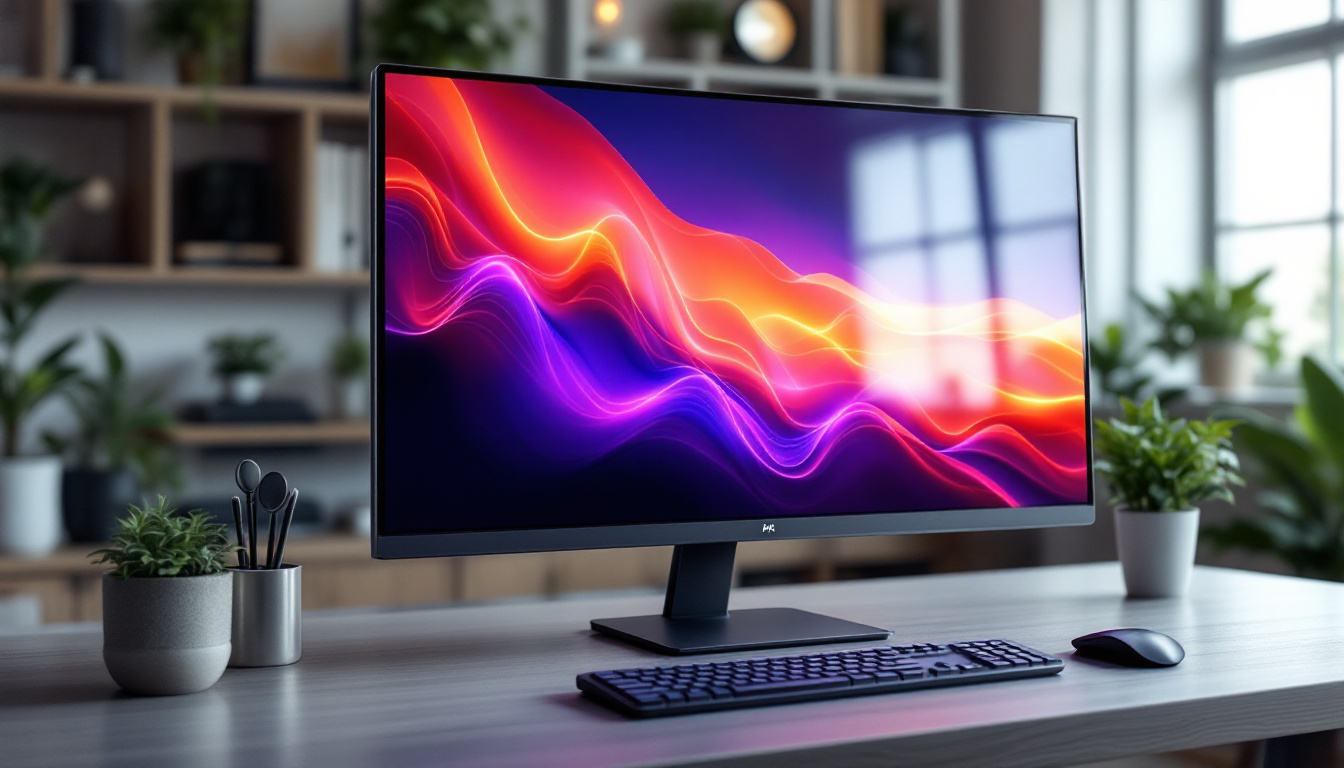
Liquid Crystal Display (LCD) technology has been a cornerstone of screen manufacturing for decades. LCDs use liquid crystals that do not emit light directly. Instead, they rely on a backlight to illuminate the pixels. The liquid crystals manipulate light to create images by blocking or allowing light to pass through color filters.
The key advantage of LCDs lies in their ability to produce sharp images with relatively low power consumption. They are widely used in everything from smartphones and laptops to televisions and digital watches. However, the quality of an LCD screen depends heavily on the backlighting method and the quality of the liquid crystals themselves. For instance, advancements in In-Plane Switching (IPS) technology have significantly improved viewing angles and color reproduction, making LCDs even more appealing for graphic design and multimedia applications. Additionally, the introduction of higher refresh rates has enhanced the experience for gamers, allowing for smoother motion and reduced blurring during fast-paced scenes.
What is an LED Display?
Light Emitting Diode (LED) displays are often confused with LCDs, but the distinction lies primarily in the backlighting technology. An LED display is essentially an LCD screen that uses LEDs for backlighting instead of the older cold cathode fluorescent lamps (CCFLs). This change has led to significant improvements in brightness, energy efficiency, and color accuracy.
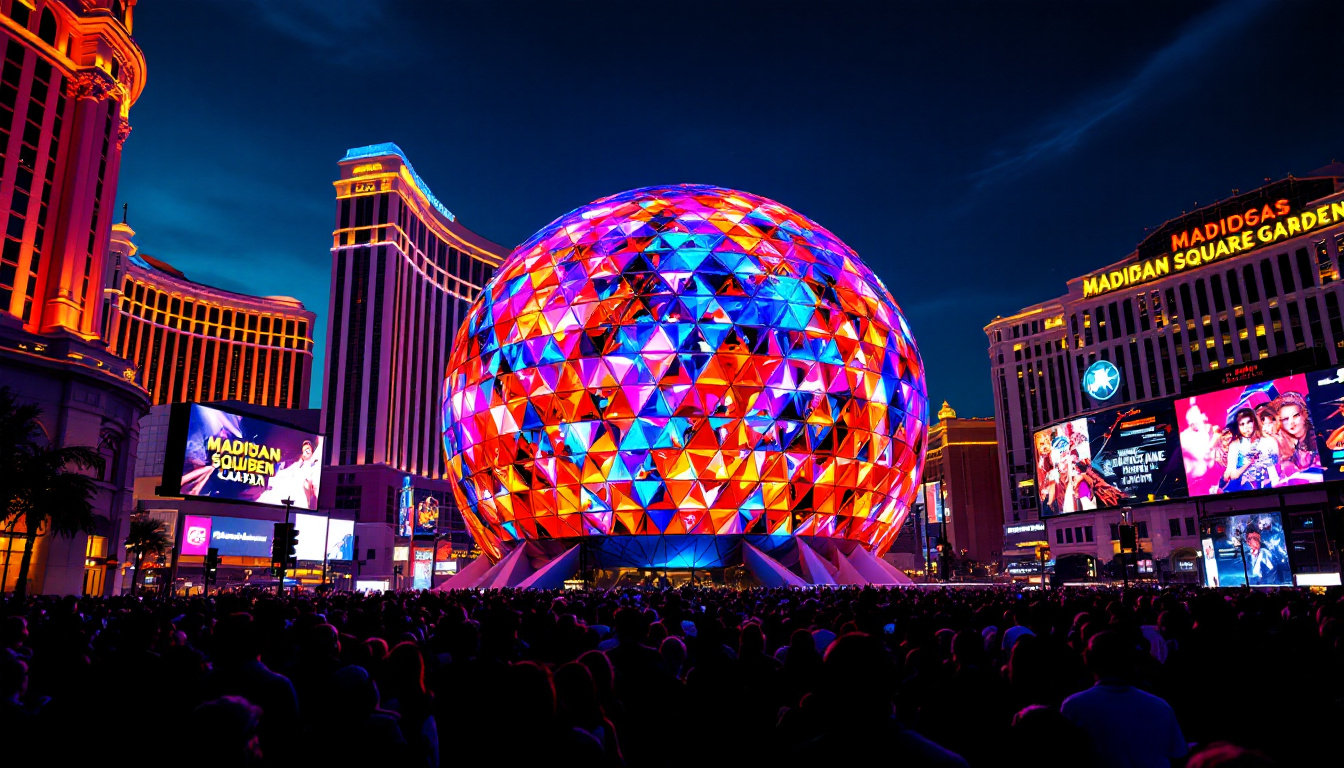
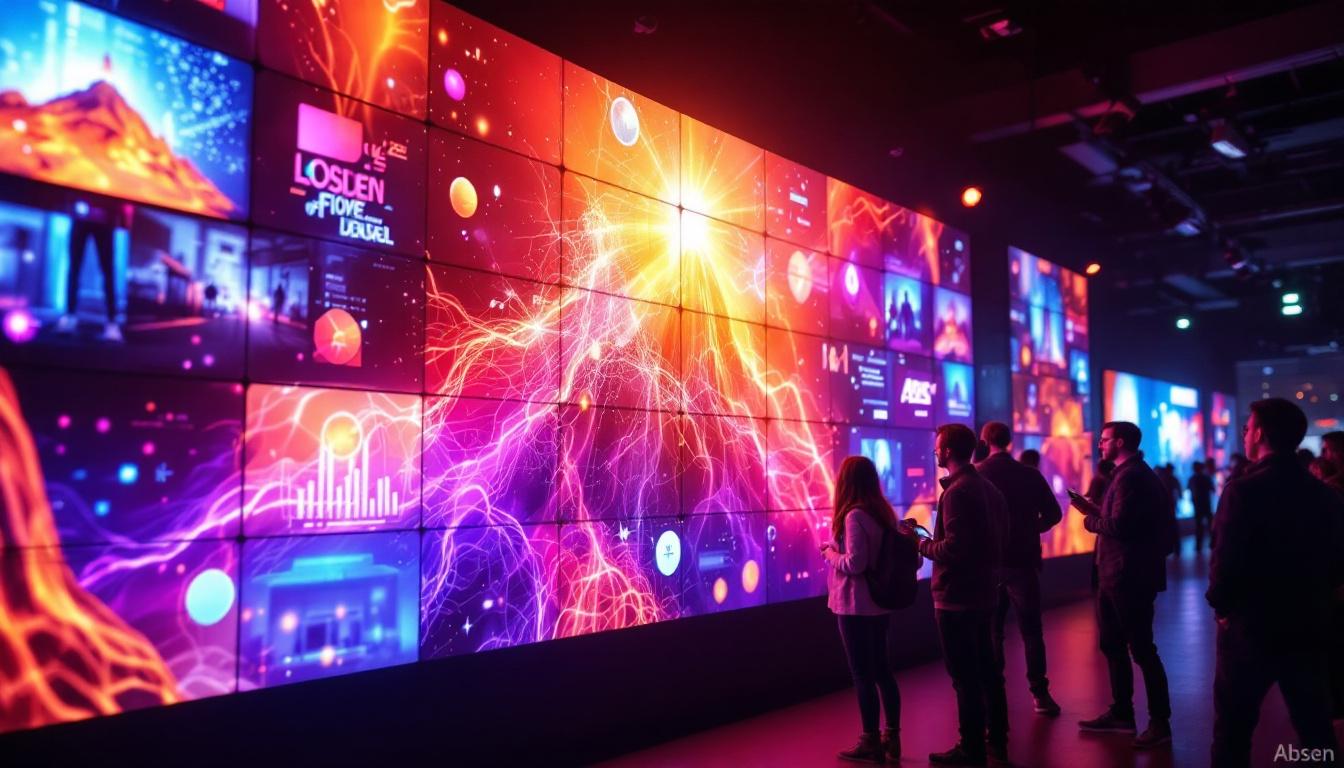
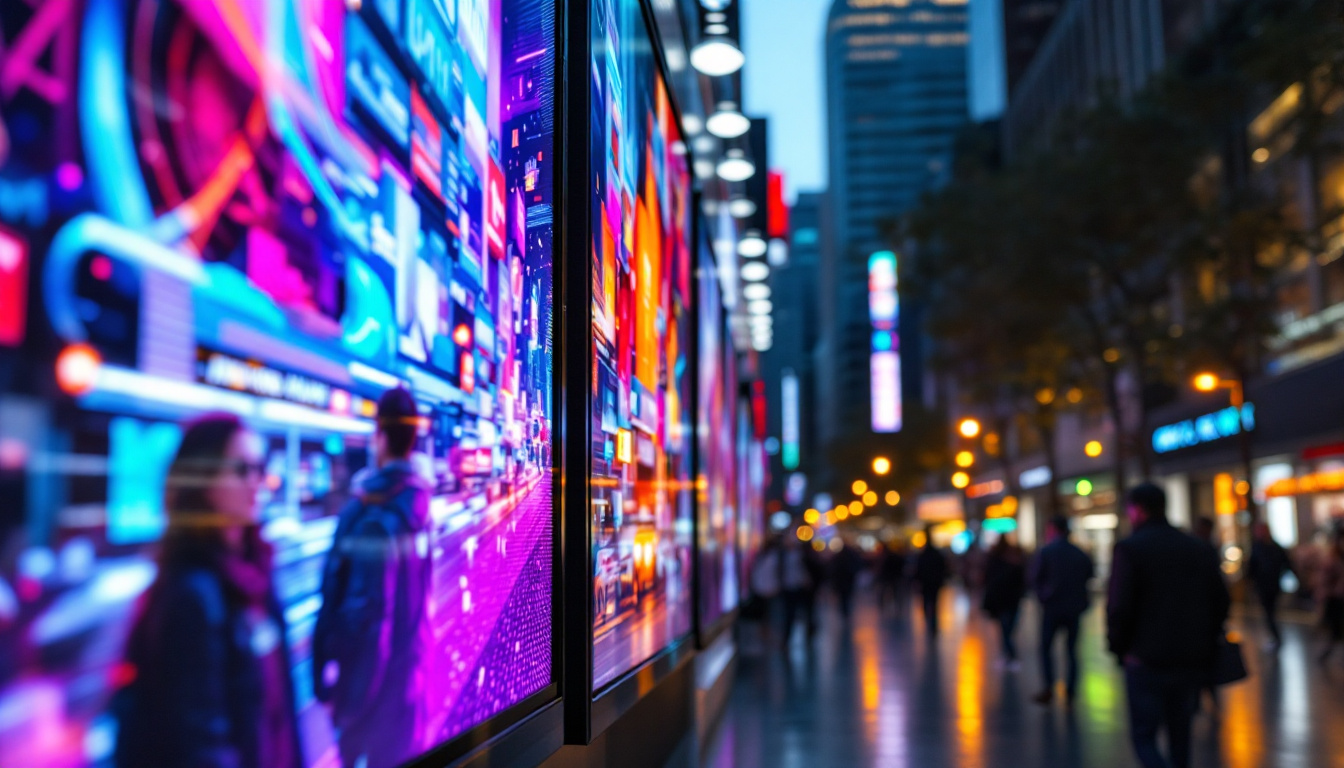
There are also true LED displays, such as OLED (Organic LED) and MicroLED, where each pixel emits its own light. These differ from traditional LCDs with LED backlighting and offer deeper blacks and higher contrast ratios. However, when most people refer to LED displays, they mean LCDs with LED backlighting. The versatility of LED technology has also paved the way for innovative applications, such as flexible displays and large-scale video walls, which are increasingly being used in advertising and entertainment venues. Furthermore, the longevity and durability of LED components make them a preferred choice for outdoor displays, where they can withstand varying weather conditions while maintaining high visibility and performance.
Decoding “Lcd Of 6 9”: The Aspect Ratio and Its Significance
What Does 6:9 Mean in Display Terms?
The term “6 9” in the context of displays often relates to the aspect ratio, which is the proportional relationship between the width and height of a screen. The aspect ratio is typically expressed as two numbers separated by a colon, such as 16:9 or 4:3. A 6:9 ratio simplifies to 2:3, representing a screen that is taller than it is wide, which is less common in mainstream consumer electronics.
Understanding aspect ratios is important because it affects how content is displayed. For example, a 16:9 display is standard for HDTVs and most computer monitors, providing a wide viewing area suitable for movies and gaming. A 6:9 or 2:3 ratio might be found in specialized devices or certain smartphone models, influencing how images and videos are formatted and viewed. This ratio can be particularly beneficial for photography and portrait-oriented applications, where the vertical space allows for a more immersive experience when capturing or viewing images.
Why Aspect Ratio Matters for LCD and LED Displays
The aspect ratio determines how manufacturers design the display panel and how content is rendered. For LCD and LED displays, the aspect ratio impacts pixel density, resolution, and the overall user experience. A 6:9 display, being taller, may offer better vertical space for reading or browsing but could require content to be adjusted or letterboxed when viewing standard widescreen videos.
Moreover, the aspect ratio influences the physical dimensions of the display. In devices where size and portability are critical, such as smartphones or tablets, choosing the right aspect ratio can enhance ergonomics and usability. For instance, a taller display can facilitate easier one-handed operation, allowing users to reach the top of the screen without adjusting their grip. Additionally, in the realm of gaming, a 6:9 aspect ratio could provide unique opportunities for developers to create experiences that utilize the additional vertical space, potentially enhancing gameplay mechanics or storytelling by presenting more information in a single view.
Furthermore, the choice of aspect ratio can also affect the design and layout of applications. Developers may need to consider how their interfaces adapt to various screen shapes, ensuring that buttons and menus remain accessible and visually appealing. This adaptability is crucial in a world where users interact with a myriad of devices, each with its own screen dimensions and resolutions. As technology continues to evolve, the exploration of unconventional aspect ratios like 6:9 may lead to innovative designs that redefine how we consume digital content.
Comparing LCD and LED Displays: Performance and Applications
Brightness and Energy Efficiency
One of the major improvements LED backlighting brought to LCDs is enhanced brightness and energy efficiency. LEDs consume less power than traditional CCFL backlights, which is crucial for battery-powered devices like smartphones and laptops. Additionally, LED backlights can achieve higher brightness levels, improving visibility in bright environments.
This efficiency also translates into longer device lifespans and reduced heat generation, which benefits both users and manufacturers. For example, modern LED-backlit LCD TVs can reach peak brightness levels of 1000 nits or more, making them suitable for HDR (High Dynamic Range) content.
Color Accuracy and Contrast
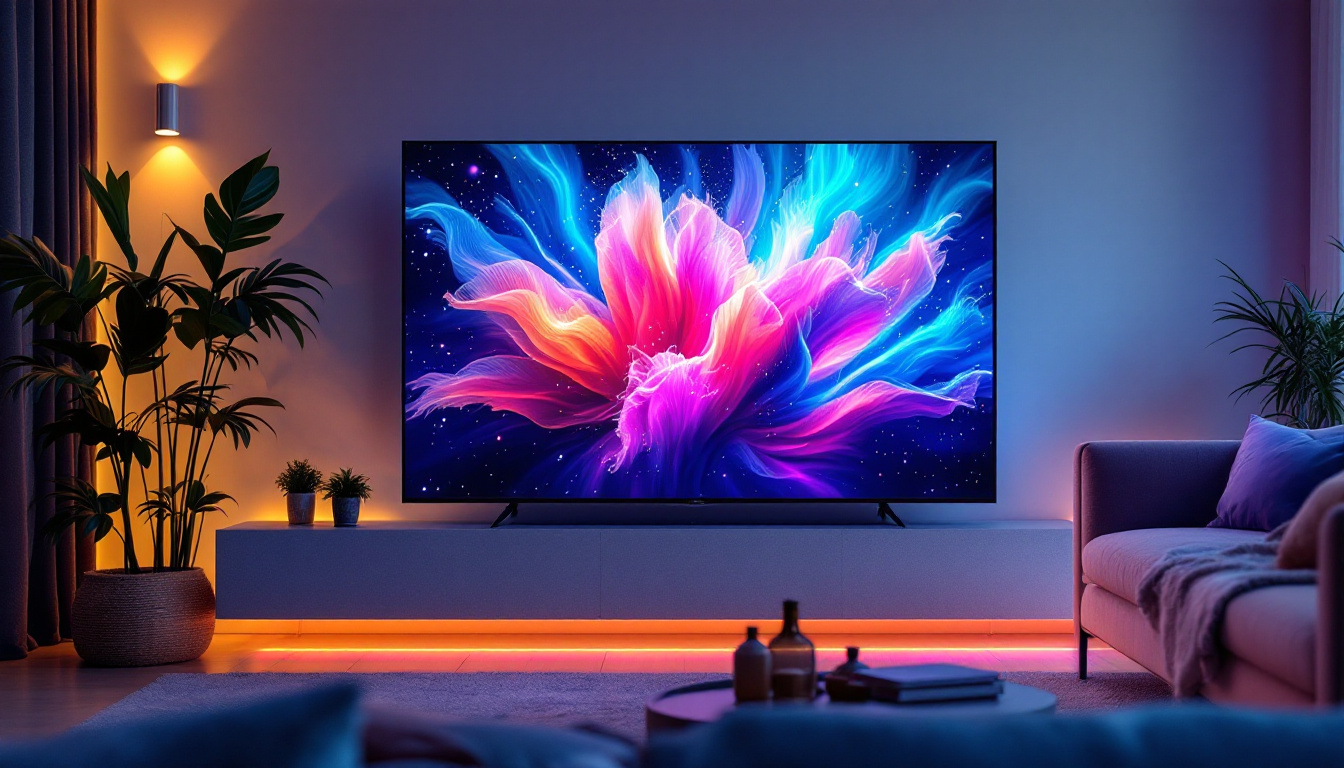
LED backlighting allows for better control over color reproduction and contrast ratios. Some LED displays use local dimming technology, which dims certain areas of the backlight independently to produce deeper blacks and more vivid colors. This feature is particularly beneficial for watching movies or playing games, where visual quality is paramount.
However, true LED displays like OLEDs surpass LED-backlit LCDs by enabling each pixel to emit its own light, resulting in perfect blacks and exceptional contrast. While OLEDs are more expensive and have different durability considerations, they represent the cutting edge of display technology.
Applications Across Industries
LCDs with LED backlighting dominate many sectors due to their balance of cost, performance, and energy efficiency. They are standard in consumer electronics, digital signage, automotive displays, and industrial equipment. The choice of aspect ratio, such as 6:9, can be tailored to specific use cases, like handheld devices or specialized monitors.
In contrast, OLED and MicroLED displays are gaining traction in premium smartphones, high-end TVs, and emerging applications like augmented reality (AR) and virtual reality (VR), where display quality is critical.
Choosing the Right Display: Factors to Consider
Intended Use and Viewing Environment
When selecting a display, understanding the intended use is crucial. For general computing or media consumption, an LCD with LED backlighting and a standard aspect ratio like 16:9 offers versatility and affordability. However, for reading or productivity tasks, a taller aspect ratio such as 6:9 (2:3) might provide a better experience by showing more vertical content without scrolling.
Environmental factors like ambient lighting also influence display choice. Bright rooms benefit from high-brightness LED-backlit LCDs, while darker environments can take advantage of OLED’s superior contrast and black levels.
Resolution and Pixel Density
Resolution refers to the number of pixels on the screen, while pixel density (measured in pixels per inch, or PPI) determines image sharpness. Higher pixel density is especially important for smaller screens to ensure text and images appear crisp.
Aspect ratio impacts resolution choices. For a 6:9 display, manufacturers might offer resolutions like 720×1080 or 1080×1620 pixels, balancing clarity and performance. Consumers should consider their specific needs, such as gaming, photo editing, or casual browsing, when evaluating resolution.
Budget and Longevity
Cost remains a significant factor in display selection. LED-backlit LCDs generally offer the best value for most users, combining good image quality with reasonable prices. OLED and other advanced LED technologies tend to be pricier but provide superior image quality and features.
Longevity and durability also matter. LCDs with LED backlighting typically have longer lifespans and are less susceptible to burn-in compared to OLEDs, which can suffer from image retention if static images are displayed for extended periods.
Future Trends in LCD and LED Display Technologies
Advancements in Backlighting and Panel Design
Manufacturers continue to innovate in LED backlighting, with technologies like mini-LED and micro-LED offering finer control over brightness and contrast. Mini-LEDs use thousands of tiny LEDs to create more precise local dimming zones, dramatically improving picture quality while maintaining the benefits of LCD technology.
These advancements are making their way into monitors, TVs, and mobile devices, bridging the gap between traditional LED-backlit LCDs and OLED displays.
Emerging Aspect Ratios and Form Factors
As device usage evolves, so do display shapes and sizes. Unconventional aspect ratios like 6:9 (2:3) are becoming more common in smartphones and tablets, driven by the need for ergonomic designs and better content consumption. Foldable and flexible displays also introduce new possibilities for aspect ratio customization.
These trends highlight the importance of understanding how aspect ratio interacts with display technology to optimize user experience.
Integration with Smart Technologies
Displays are increasingly integrated with smart technologies such as touch sensitivity, adaptive refresh rates, and AI-driven color calibration. These features enhance interactivity and visual quality, making displays more responsive to user needs and environmental conditions.
LED and LCD technologies are at the core of these innovations, ensuring their relevance in the foreseeable future.
Conclusion
Understanding the relationship between LCD and LED technologies, as well as the implications of aspect ratios like 6:9, is essential for making informed decisions about digital displays. While LCDs with LED backlighting remain the industry standard due to their balance of performance and cost, emerging technologies and changing user preferences continue to shape the landscape.
Whether choosing a display for professional work, entertainment, or everyday use, considering factors such as backlighting type, aspect ratio, resolution, and intended application will lead to a more satisfying and effective viewing experience. As technology advances, staying informed about these developments ensures that consumers and professionals alike can select displays that best meet their needs.
Discover LumenMatrix’s Advanced LED Display Solutions
As you consider the vast landscape of digital displays, take the next step with LumenMatrix, a leader in LED display innovation. Our comprehensive range of products, from Indoor and Outdoor LED Wall Displays to specialized solutions like Vehicle and Sports LED Displays, is designed to elevate your visual experience. Embrace the future with our Custom, All-in-One, and Transparent LED Displays, each crafted to deliver unparalleled clarity and engagement. Check out LumenMatrix LED Display Solutions today and transform how you communicate visually with your audience.