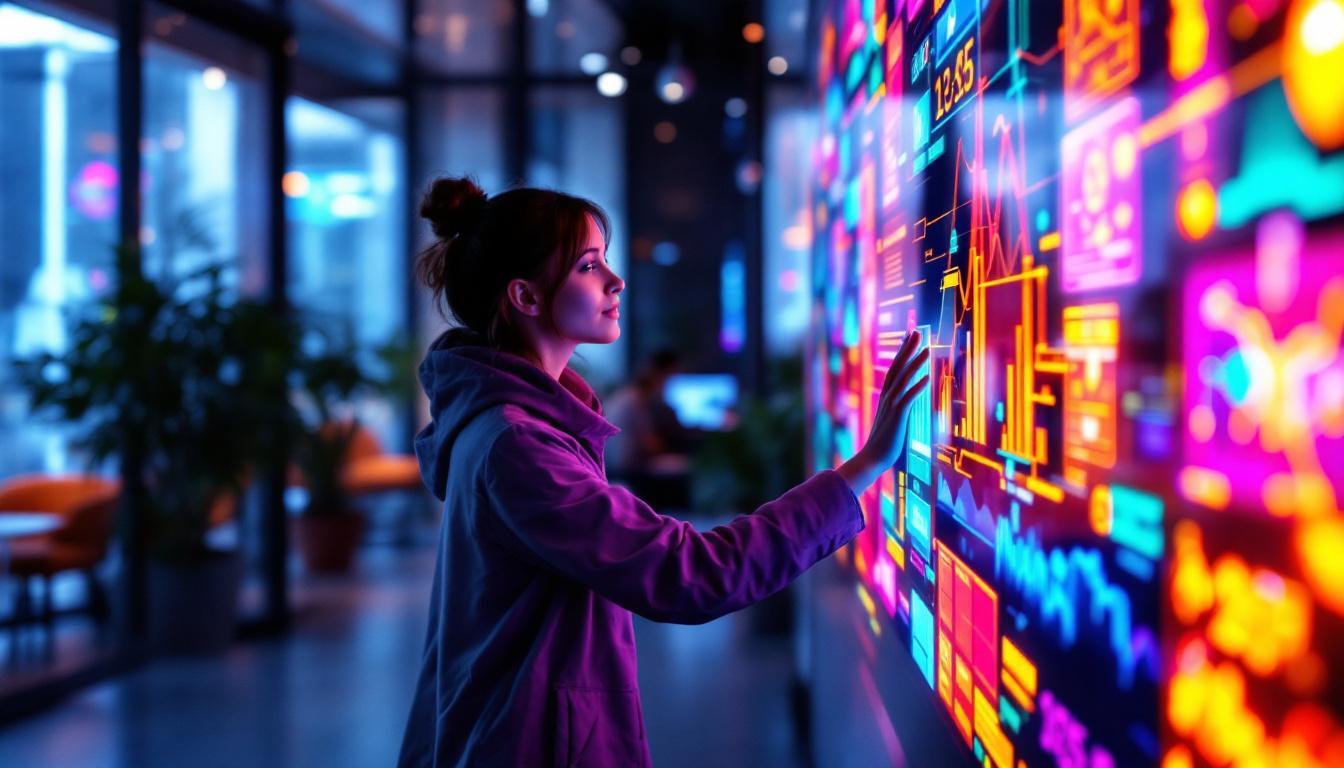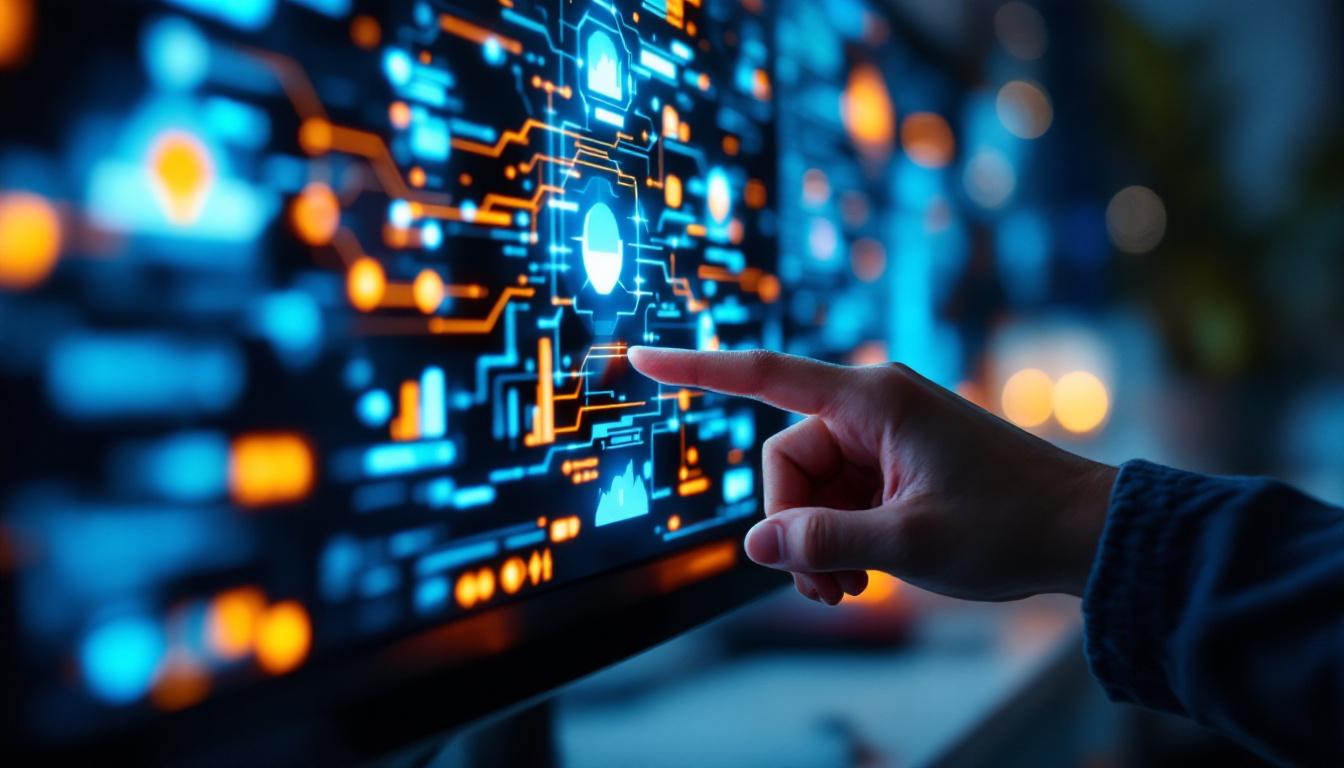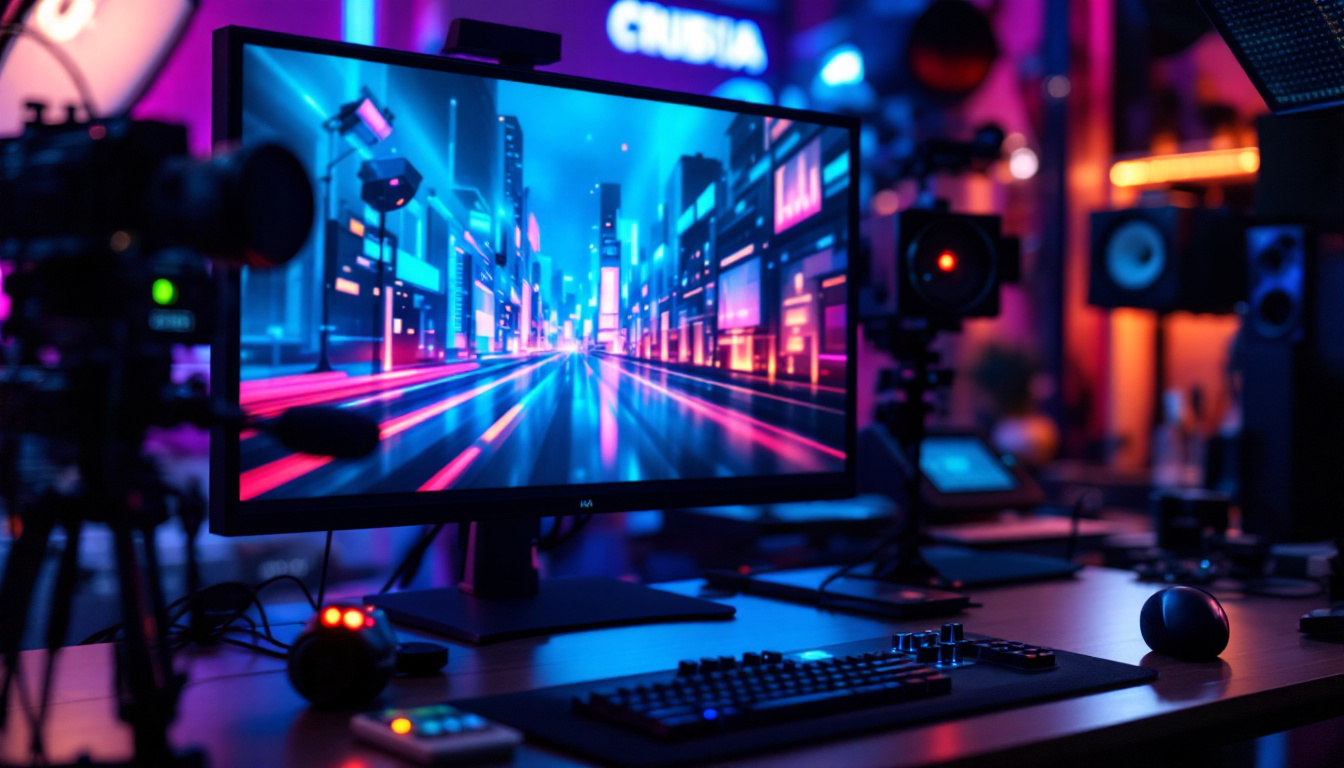
In today’s fast-paced digital world, LED displays have become an integral part of how we communicate, advertise, and entertain. From the vibrant billboards that light up Times Square to the crisp screens on your smartphone, LED technology is everywhere. But what exactly is an LED display, how does it work, and why has it become the preferred choice for so many applications? This comprehensive guide will illuminate the world of LED displays, exploring their technology, types, advantages, and future trends.
Understanding LED Display Technology
What is an LED Display?
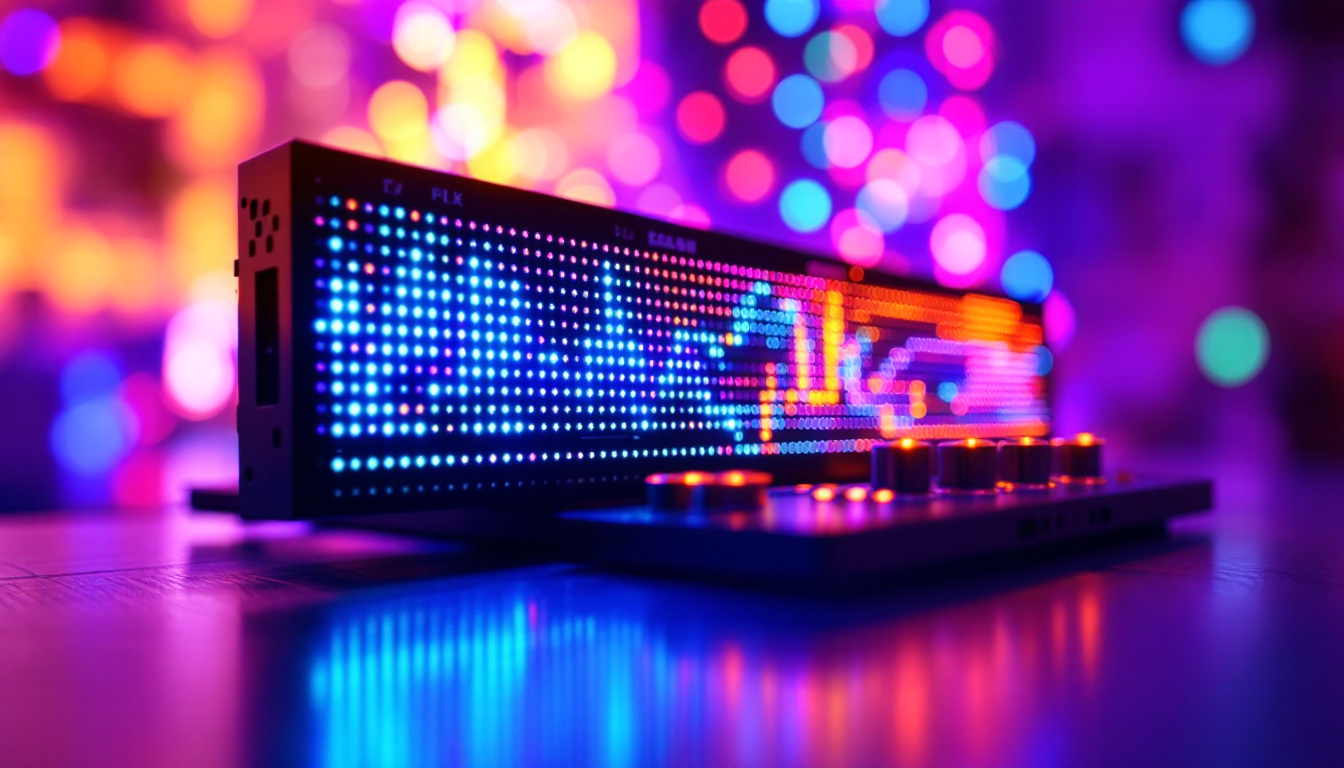
LED stands for Light Emitting Diode, a semiconductor device that emits light when an electric current passes through it. An LED display is essentially a flat panel that uses an array of these tiny LEDs to create images, videos, or text. Unlike traditional display technologies that rely on backlighting, LEDs themselves produce light, enabling brighter and more vibrant visuals.
LED displays come in various sizes and resolutions, from small indicator lights on electronic devices to massive outdoor screens spanning hundreds of square meters. The core principle remains the same: controlling individual LEDs to form patterns that the human eye perceives as images.
How Do LED Displays Work?
Each pixel on an LED display consists of one or more LEDs. In color displays, a pixel typically contains red, green, and blue LEDs. By adjusting the intensity of each color LED, the display can produce a wide spectrum of colors through a process called additive color mixing.
The LEDs are controlled by a driver circuit that receives input signals from a video source. These signals determine which LEDs light up and at what brightness level. The rapid switching of LEDs creates the illusion of continuous images or video frames. This technology allows for high refresh rates, making LED displays ideal for dynamic content such as sports broadcasts and live events.
Types of LED Displays
Indoor vs. Outdoor LED Displays
LED displays are broadly categorized into indoor and outdoor types, each optimized for different environments and use cases.
Indoor LED Displays are designed for environments with controlled lighting. They typically have a higher pixel density, meaning the LEDs are packed closer together. This results in sharper images and finer detail, suitable for conference rooms, retail stores, and digital signage within buildings.
Outdoor LED Displays are built to withstand weather conditions such as rain, wind, and sunlight. They are brighter to combat ambient light and have a larger pixel pitch (distance between LEDs) because viewers usually observe them from a greater distance. Examples include stadium screens, billboards, and traffic signs.
Direct View LED vs. LED-Backlit LCD
It’s important to distinguish between direct view LED displays and LED-backlit LCDs, as the terms are sometimes confused.
Direct View LED displays use LEDs as the actual pixels emitting light. This allows for superior brightness, contrast, and viewing angles. They are often used in large-scale displays and video walls.
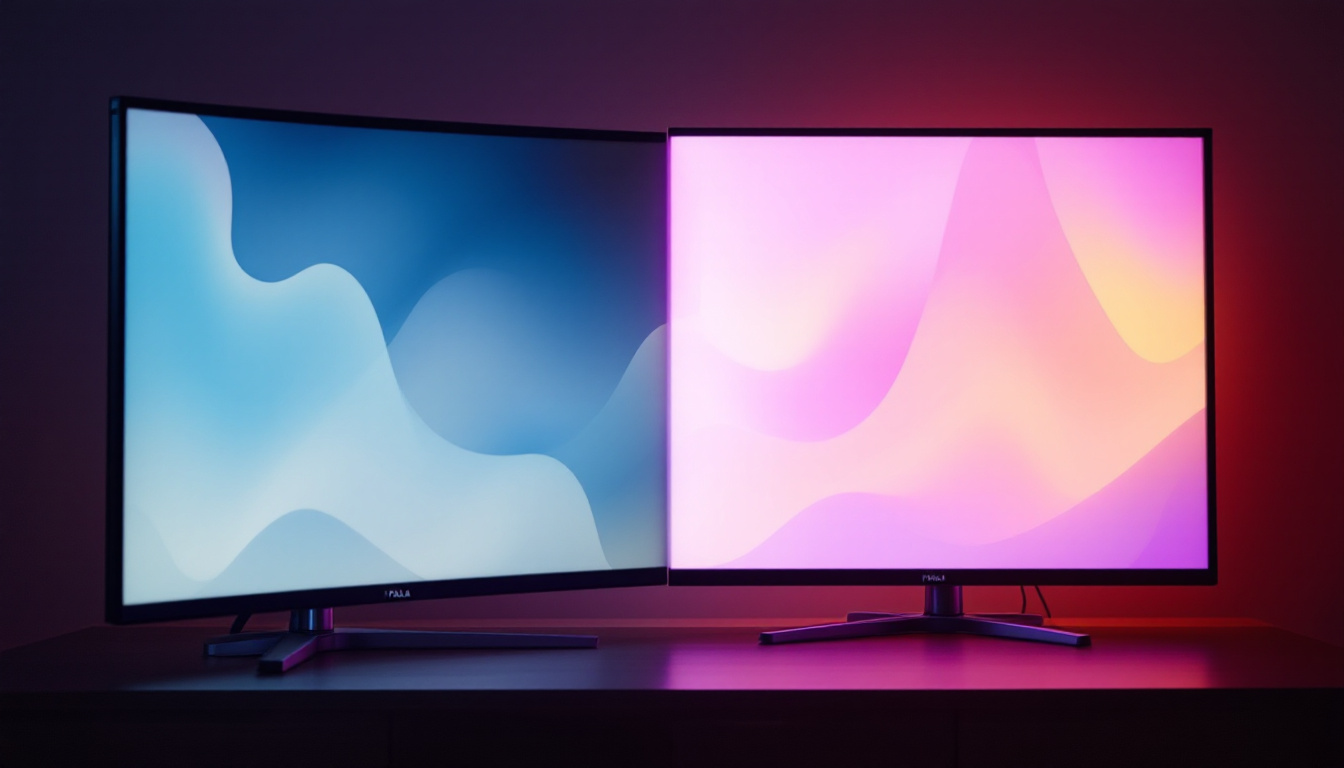
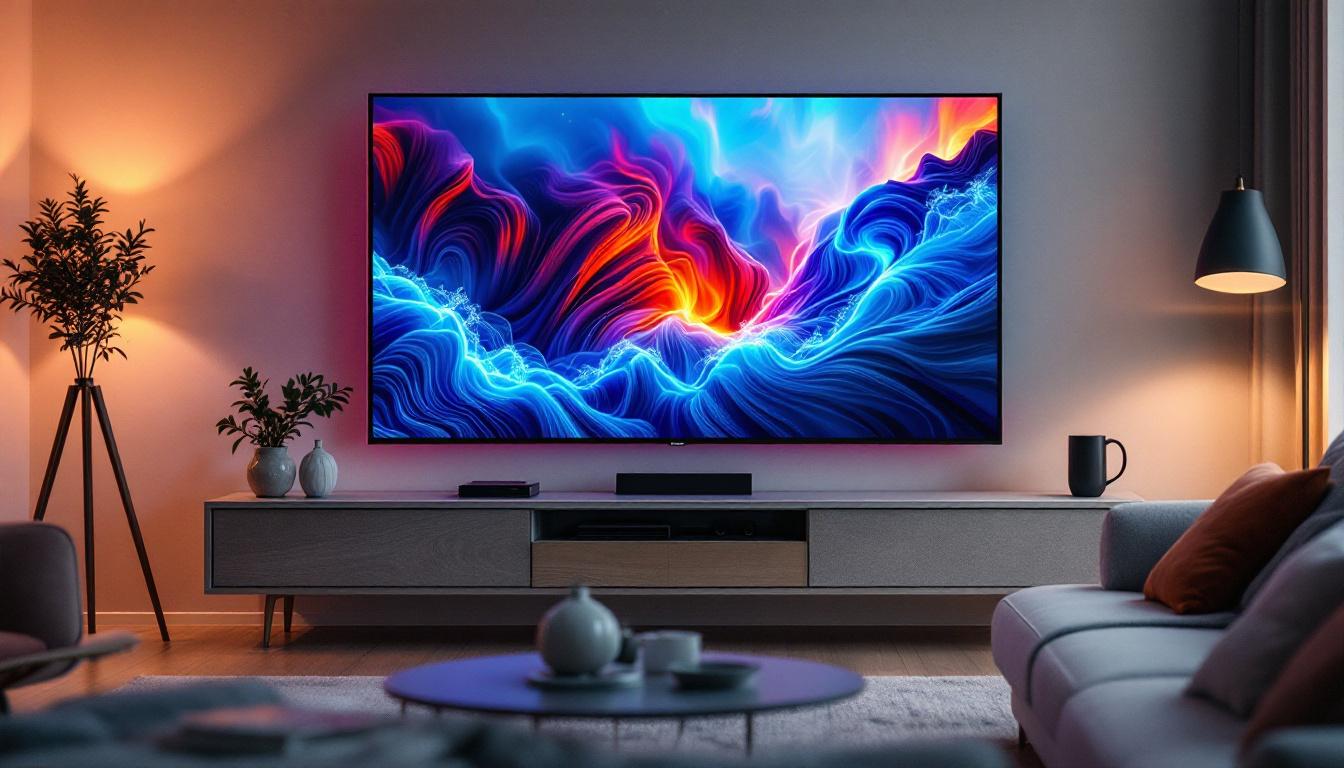
LED-backlit LCD screens use LEDs as a backlight behind an LCD panel. The LCD controls the image by blocking or allowing light through liquid crystals. While LED-backlit LCDs are common in consumer electronics like TVs and monitors, they don’t offer the same level of brightness or contrast as direct view LED displays.
MicroLED and MiniLED: The Next Generation
Emerging technologies such as MicroLED and MiniLED are pushing the boundaries of LED display performance.
MicroLED displays consist of microscopic LEDs that serve as individual pixels. This technology promises exceptional brightness, contrast, and energy efficiency, rivaling OLED displays but without issues like burn-in. Although still expensive and complex to manufacture, MicroLED is gaining traction for premium TVs and augmented reality devices.
MiniLED technology uses thousands of tiny LEDs as backlighting for LCD panels. This allows for more precise local dimming, improving contrast ratios and black levels. MiniLEDs are increasingly popular in high-end laptops, monitors, and TVs, offering a middle ground between traditional LED-backlit LCDs and MicroLEDs.
Advantages of LED Displays
Energy Efficiency and Longevity
One of the most significant benefits of LED displays is their energy efficiency. LEDs consume far less power compared to older technologies like incandescent bulbs or fluorescent backlights. This translates into lower operating costs, especially for large-scale installations that run continuously.
Additionally, LEDs have a long operational lifespan, often exceeding 50,000 hours. This durability reduces maintenance and replacement expenses, making LED displays a cost-effective choice for businesses and public installations.
Brightness and Visibility
LED displays excel in brightness, capable of producing thousands of nits (a unit of luminance). This makes them highly visible even in direct sunlight, a crucial factor for outdoor advertising and information displays.
The high brightness also enhances color vibrancy and contrast, resulting in eye-catching visuals that grab attention and improve message retention. For example, digital billboards using LED technology have been shown to increase viewer engagement by up to 30% compared to static signs.
Flexibility and Scalability
LED displays are incredibly versatile. They can be manufactured in various shapes and sizes, from small curved panels to massive seamless video walls. This flexibility allows designers and advertisers to create immersive environments and unique visual experiences.
Moreover, LED displays are modular. Individual panels can be combined to scale the display size or replace faulty sections without dismantling the entire setup. This modularity is especially valuable for large venues like stadiums and concert halls.
Applications of LED Displays
Advertising and Digital Signage
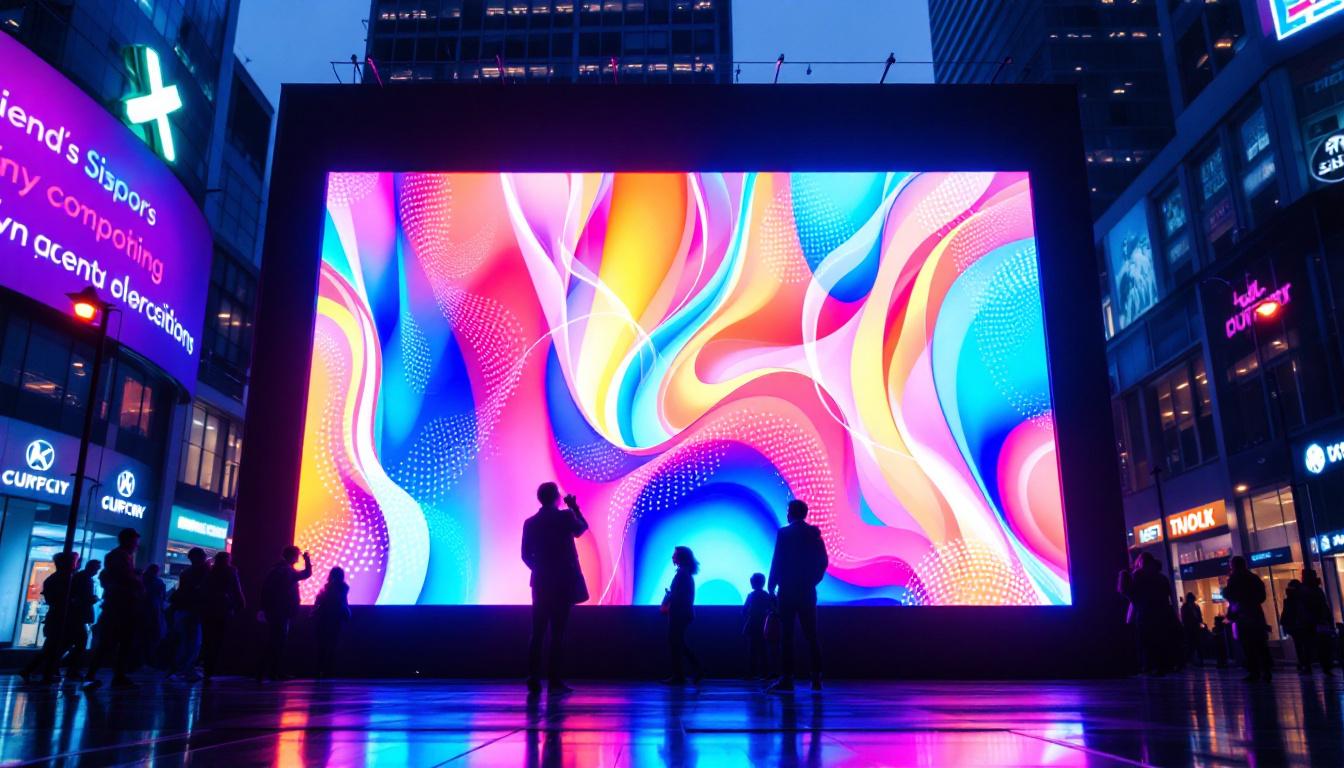
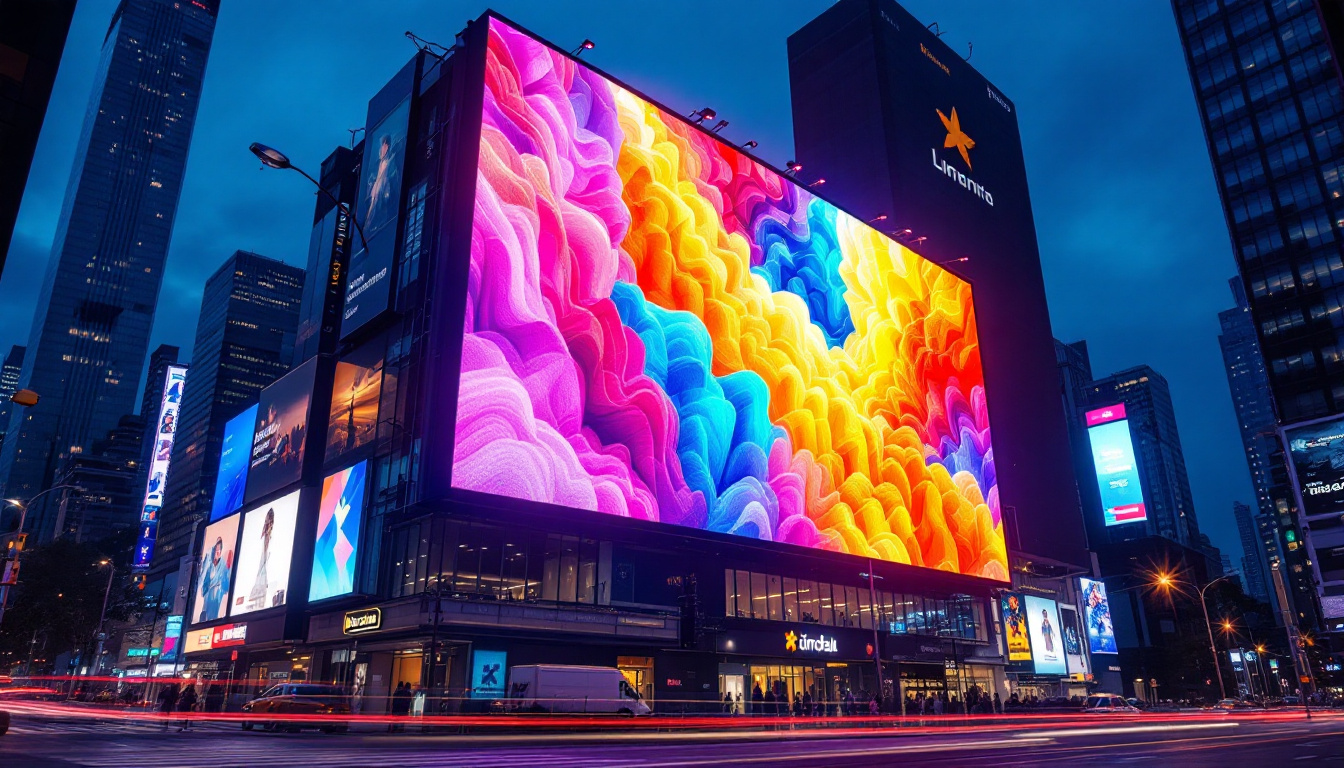
Advertising is one of the most widespread uses of LED displays. Their brightness, color accuracy, and dynamic capabilities make them ideal for capturing consumer attention in busy urban environments. Digital signage powered by LED technology enables real-time content updates, targeted messaging, and interactive features.
According to a report by Grand View Research, the global digital signage market is expected to reach $31.7 billion by 2027, driven largely by the adoption of LED displays in retail, transportation hubs, and public spaces.
Entertainment and Events
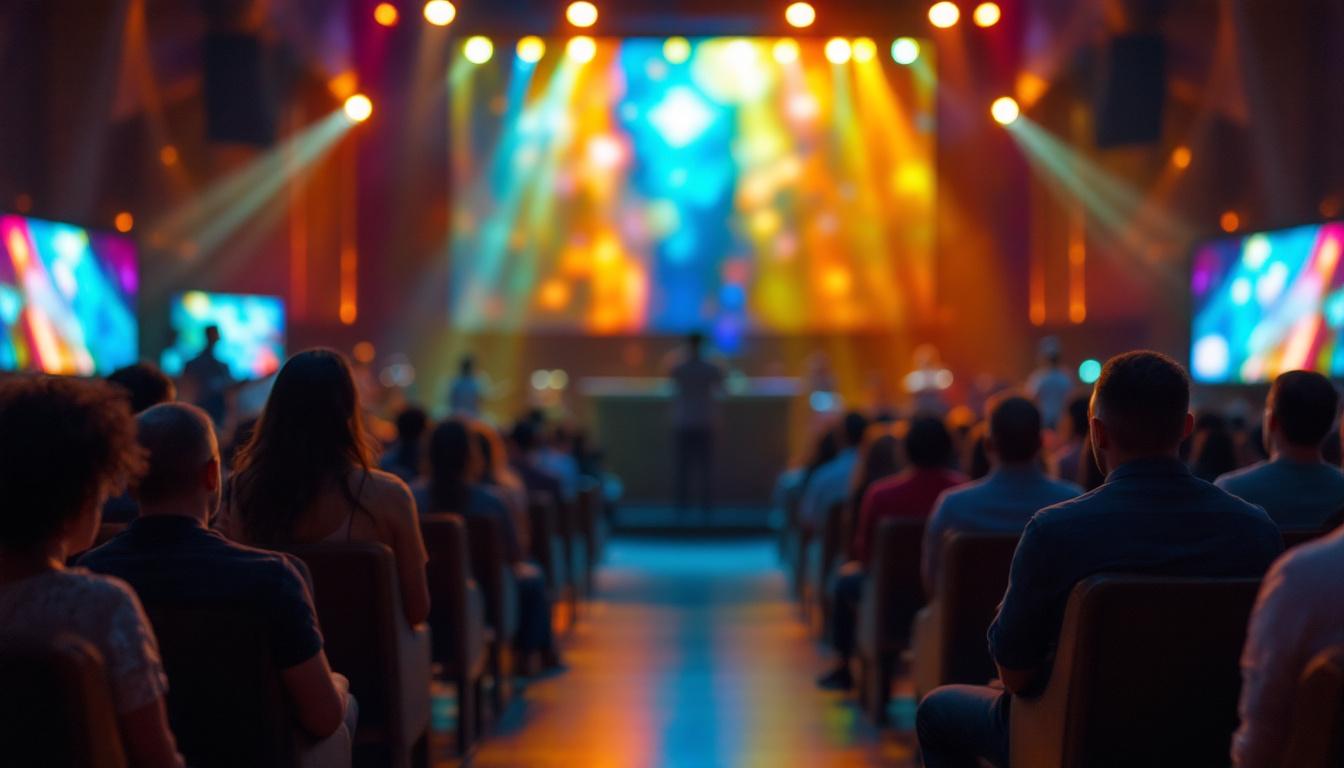
Concerts, sports events, and festivals rely heavily on LED displays to enhance the audience experience. Large LED video walls provide clear visuals visible from great distances, displaying live footage, graphics, and advertisements.
For example, the LED screens used in the 2022 FIFA World Cup stadiums delivered ultra-high-definition content to millions of spectators, demonstrating the technology’s capability to handle massive, high-quality broadcasts in real time.
Transportation and Public Information
LED displays are essential in transportation for providing real-time information such as arrival times, delays, and safety messages. Airports, train stations, and bus terminals use LED panels for their clarity and reliability.
Additionally, traffic management systems employ LED signs to convey warnings and directions, contributing to safer and more efficient roadways.
Retail and Corporate Environments
In retail, LED displays create engaging storefronts and in-store promotions that attract customers and enhance brand presence. Corporate offices use LED video walls for presentations, video conferencing, and digital art installations, improving communication and workplace ambiance.
Challenges and Considerations
Cost and Installation
While LED displays have become more affordable over the years, high-resolution and large-format LED screens still represent a significant investment. Installation requires careful planning, including structural support, power supply, and data connectivity.
Businesses must weigh the upfront costs against long-term benefits such as energy savings, reduced maintenance, and increased engagement.
Pixel Pitch and Resolution
Choosing the right pixel pitch is critical for image quality. Pixel pitch refers to the distance between the centers of adjacent LEDs. Smaller pixel pitches yield higher resolution and sharper images but increase cost and complexity.
For indoor displays viewed up close, a pixel pitch of 1-2 mm is common. Outdoor displays, viewed from a distance, can have pixel pitches of 10 mm or more without compromising perceived image quality.
Environmental Impact
LED technology is more environmentally friendly than many alternatives due to lower energy consumption and longer lifespan. However, the manufacturing and disposal of LED panels involve materials that require responsible handling to minimize ecological footprint.
Recycling programs and advances in sustainable materials are helping to address these concerns, making LED displays a greener choice overall.
The Future of LED Displays
Integration with Smart Technologies
As the Internet of Things (IoT) and artificial intelligence (AI) continue to evolve, LED displays are becoming smarter and more interactive. Future displays will incorporate sensors, cameras, and connectivity to deliver personalized content based on audience demographics and behavior.
This integration will revolutionize advertising and public information systems, making communications more effective and engaging.
Advancements in Display Quality
Ongoing research in materials science and nanotechnology promises even better LED displays. Improvements in color accuracy, contrast ratios, and energy efficiency will continue, along with innovations like flexible and transparent LED panels.
These advancements will open new possibilities in design and application, from wearable displays to augmented reality environments.
Sustainability and Energy Efficiency
With increasing global emphasis on sustainability, LED display manufacturers are focusing on reducing energy consumption and using eco-friendly materials. Future products will likely feature enhanced recyclability and lower carbon footprints, aligning with corporate social responsibility goals.
Conclusion
LED displays have transformed the way information and entertainment are delivered across the globe. Their unique combination of brightness, efficiency, flexibility, and durability makes them indispensable in numerous industries. Understanding the technology behind LED displays, their types, advantages, and challenges can help businesses and consumers make informed decisions when selecting display solutions.
As LED technology continues to advance, it will undoubtedly lead to more immersive, interactive, and sustainable visual experiences. Whether illuminating a city skyline or enhancing a retail environment, LED displays are truly lighting the way forward.
Illuminate Your Space with LumenMatrix
Ready to elevate your visual experience with the brilliance of LED technology? LumenMatrix is at the forefront of LED innovation, offering a diverse range of LED display solutions tailored to your needs. From Indoor and Outdoor LED Walls to dynamic Vehicle and Sports Displays, our mission is to transform your communication with vibrant, energy-efficient displays. Discover how LumenMatrix can light up your brand and create unforgettable impressions. Check out LumenMatrix LED Display Solutions today and step into a brighter, more engaging visual future.