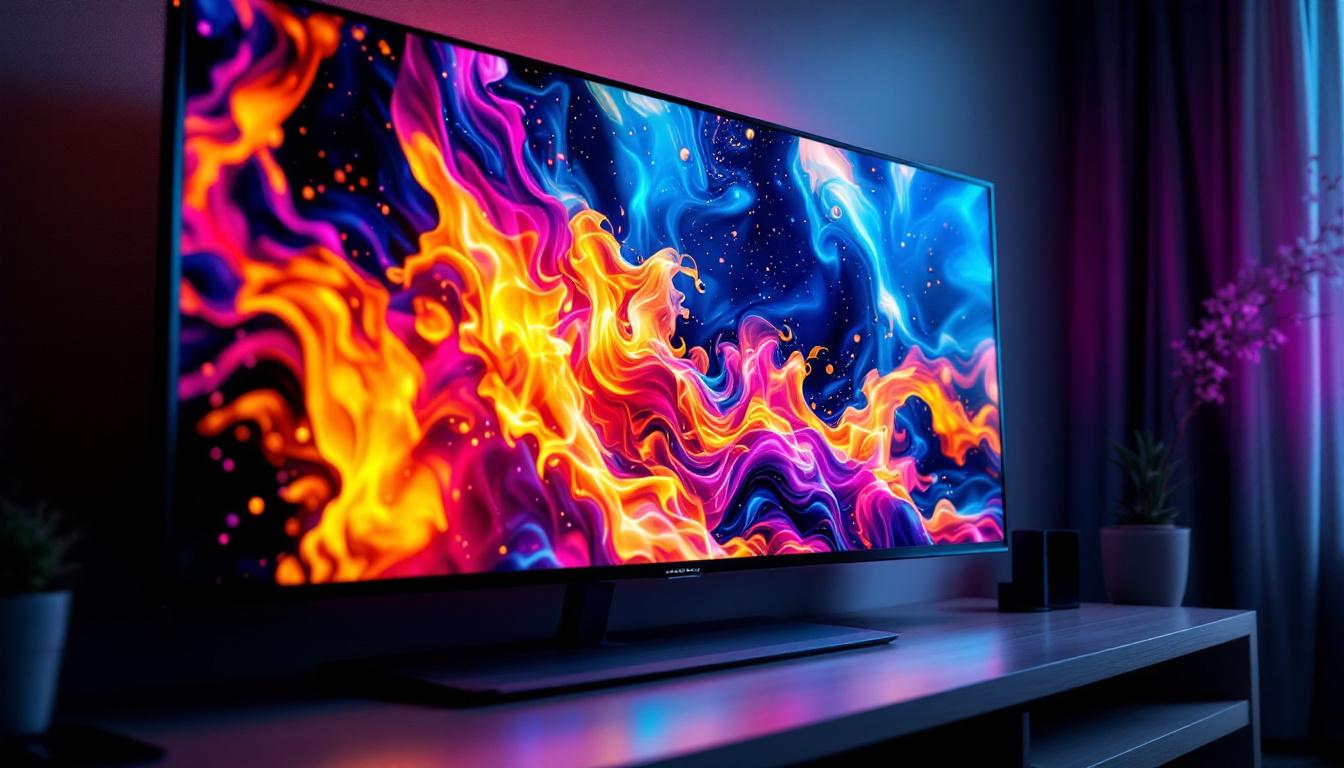
Which TV Is Best: LED or LCD? LED Display Explained
Choosing the right television can be a daunting task, especially with the variety of display technologies available today. Among the most common types are LED and LCD TVs, terms that are often used interchangeably but actually have distinct differences. Understanding these differences is crucial for making an informed purchase that suits your viewing preferences, budget, and room environment.
This article delves deep into the technology behind LED and LCD displays, compares their performance, and highlights which might be the best choice for you.
Understanding the Basics: What Are LCD and LED TVs?
To start, it’s important to clarify what LCD and LED TVs actually mean. The term LCD stands for Liquid Crystal Display, a technology that has been widely used in televisions for decades. LED, or Light Emitting Diode, refers to the type of backlighting used in modern LCD TVs. In fact, all LED TVs are a subset of LCD TVs, but not all LCD TVs use LED backlighting.
How LCD Technology Works
LCD TVs use a liquid crystal layer sandwiched between two sheets of polarized glass. When an electric current passes through the liquid crystals, they align in such a way that they either block or allow light to pass through, creating images on the screen. However, LCD panels themselves do not emit light. They require a backlight to illuminate the display.
Historically, this backlight was provided by cold cathode fluorescent lamps (CCFLs), which are fluorescent tubes placed behind the LCD panel. These CCFL-lit LCD TVs are often simply referred to as LCD TVs. While they were a significant advancement in display technology at the time, CCFLs have largely been phased out in favor of LED technology due to their bulkiness and lower energy efficiency. The transition to LED backlighting has allowed for thinner, lighter TV designs, making it easier for consumers to mount them on walls or fit them into compact spaces.
The Role of LED Backlighting
LED TVs, on the other hand, use light-emitting diodes as the backlight source instead of CCFLs. This seemingly small change has significant implications for picture quality, energy efficiency, and design. LED backlighting can be implemented in different ways, such as edge-lit or full-array, each affecting the TV’s performance differently. Edge-lit LED TVs have LEDs placed around the perimeter of the screen, which can result in a thinner profile but may lead to uneven brightness across the display. Full-array LED TVs, however, have a grid of LEDs behind the entire screen, allowing for better control over local dimming and improved contrast ratios.
Because LED TVs are essentially LCD TVs with LED backlighting, the term “LED TV” is somewhat of a marketing term, but it denotes a newer generation of LCD technology with improved features. The advancements in LED technology have also paved the way for innovations like Quantum Dot displays, which enhance color accuracy and brightness even further. As a result, consumers now have a wider range of options to choose from, catering to various preferences and viewing environments. The competition between these technologies has driven manufacturers to continuously improve their products, ensuring that viewers enjoy an increasingly immersive and vibrant viewing experience.
Comparing Picture Quality: LED vs. LCD TVs
When evaluating TVs, picture quality is often the most critical factor. While both LED and traditional LCD TVs use the same liquid crystal technology for image creation, the backlighting method significantly influences the visual experience.
Brightness and Contrast
LED backlighting generally offers higher brightness levels compared to CCFL backlighting. This is particularly beneficial in brightly lit rooms where glare can wash out the image. LED TVs can achieve peak brightness levels exceeding 600 nits on many models, whereas older CCFL LCD TVs often max out around 300-400 nits. This increased brightness not only enhances the viewing experience in well-lit environments but also allows for more dynamic HDR (High Dynamic Range) content, which relies on a broader range of brightness levels to deliver stunning visuals.
Contrast ratio, the difference between the darkest black and the brightest white, is also improved in LED TVs, especially those with full-array local dimming. Local dimming allows sections of the LED backlight to dim independently, enhancing black levels and reducing halo effects around bright objects on dark backgrounds. This technology is particularly effective for watching movies in darker settings, where the depth of black can significantly impact the overall immersion and realism of the viewing experience.
Color Accuracy and Range
Color reproduction has improved with LED backlighting, particularly with the introduction of quantum dot technology in some LED TVs. These quantum dots enhance the color gamut, allowing for more vivid and accurate colors. While traditional CCFL LCD TVs can display decent colors, they typically don’t match the vibrancy and precision of modern LED TVs. Furthermore, the ability of LED TVs to support wider color spaces, such as DCI-P3, means that viewers can enjoy a more cinematic experience, as the colors presented are closer to what filmmakers intended.
In addition to quantum dots, many LED TVs now incorporate advanced color calibration features that allow users to adjust settings for optimal accuracy. This is especially beneficial for home theater enthusiasts who prioritize a true-to-life color representation. Calibration tools and presets can help tailor the viewing experience to match specific content types, whether it’s sports, movies, or gaming, ensuring that each genre is displayed in its best light.
Viewing Angles
One area where both LCD and LED TVs generally struggle is viewing angles. The liquid crystal technology means colors and contrast can shift when viewed from the side. However, advancements such as IPS (In-Plane Switching) panels have improved viewing angles in many LED TVs, providing more consistent picture quality across wider angles. This is particularly advantageous in scenarios where multiple viewers are watching from different positions in the room, as it minimizes the risk of color distortion and loss of detail.
Additionally, some manufacturers are now exploring new technologies, such as OLED (Organic Light Emitting Diode) displays, which offer superior viewing angles and contrast ratios by allowing each pixel to emit its own light. While OLED is distinct from LED and LCD, its growing popularity highlights the ongoing innovation in display technology aimed at enhancing the viewer’s experience. As the market evolves, consumers will have even more options to choose from, each with unique strengths tailored to different viewing preferences and environments.
Energy Efficiency and Environmental Impact
Energy consumption is an increasingly important consideration for consumers looking to reduce electricity bills and environmental impact. Here, LED TVs have a clear advantage over traditional LCD TVs with CCFL backlighting.
Lower Power Consumption
LED backlighting is more energy-efficient because LEDs consume less power and generate less heat compared to CCFLs. On average, LED TVs use 30-50% less electricity than their CCFL counterparts. This efficiency not only lowers operating costs but also contributes to a smaller carbon footprint.
Longer Lifespan and Reduced Toxicity
LEDs typically have a longer lifespan than CCFLs, meaning LED TVs can maintain their brightness and color quality for a longer period. Additionally, CCFLs contain small amounts of mercury, a toxic substance that poses environmental hazards when disposed of improperly. LEDs do not contain mercury, making LED TVs a more environmentally friendly option.
Design and Form Factor Differences
The type of backlighting also affects the physical design and thickness of the television.
Thinner and Lighter Designs
LED backlighting allows manufacturers to produce thinner and lighter TVs. Edge-lit LED TVs, where LEDs are placed along the edges of the screen, enable ultra-slim profiles that are aesthetically pleasing and easier to mount on walls. In contrast, CCFL backlighting requires more space behind the panel, resulting in bulkier designs.
Heat Generation
LED TVs generate less heat compared to CCFL LCD TVs, which can contribute to a cooler operating environment and potentially longer component life. This can be an important factor in tightly enclosed spaces or when the TV is used for extended periods.
Price Considerations and Market Availability
Price is always a key factor in purchasing decisions, and understanding the cost differences between LED and LCD TVs helps set realistic expectations.
Cost Differences
Traditional CCFL LCD TVs are generally less expensive than LED-backlit models. However, due to the widespread adoption of LED backlighting, most new TVs on the market are LED-based, making CCFL LCD TVs increasingly rare. The price gap has narrowed as LED technology has become standard.
Within LED TVs, there is a broad price range depending on features such as screen size, resolution (Full HD, 4K, 8K), HDR support, and smart TV capabilities. Premium LED TVs with quantum dot technology or OLED panels (which use a different technology altogether) command higher prices but deliver superior picture quality.
Availability and Future Trends
Manufacturers have largely phased out CCFL-backlit LCD TVs in favor of LED backlighting due to its advantages. As a result, consumers looking for new televisions will mostly encounter LED TVs. Emerging technologies like OLED and MicroLED are also gaining traction, offering even better picture quality and contrast but at a higher cost.
Which TV Is Best for You?
Deciding between LED and LCD TVs ultimately depends on your priorities and budget.
When to Choose an LED TV
If you want a TV with better picture quality, higher brightness, improved contrast, and energy efficiency, an LED TV is the superior choice. LED TVs are well-suited for bright rooms, movie watching in dark environments, and gaming due to faster response times. Additionally, their slim design and lower power consumption make them practical for most households.
When an LCD TV Might Suffice
If you are on a tight budget and find a CCFL-backlit LCD TV at a significantly lower price, it can still provide decent picture quality for casual viewing. However, given the declining availability of these models and the advantages of LED technology, investing in an LED TV is generally more future-proof.
Other Considerations
Besides backlighting technology, factors such as screen size, resolution, refresh rate, HDR capability, and smart TV features should influence your decision. It’s also worth visiting stores to compare models side-by-side and reading reviews from trusted sources to ensure the TV meets your expectations.
Conclusion: LED TVs Lead the Way
While the terms LED and LCD are sometimes confusing, understanding that LED TVs are essentially LCD TVs with advanced LED backlighting helps clarify the landscape. LED technology offers clear advantages in brightness, contrast, color accuracy, energy efficiency, and design.
Given the current market trends and technological improvements, LED TVs represent the best value and performance for most consumers. Whether you are upgrading your home entertainment system or purchasing your first large-screen TV, opting for an LED-backlit model ensures a better viewing experience and greater longevity.
As display technologies continue to evolve, staying informed about the differences between LCD, LED, OLED, and emerging options will help you make smart choices that enhance your entertainment for years to come.
Discover the Future of Viewing with LumenMatrix
As you consider upgrading to an LED TV for its superior picture quality and energy efficiency, explore the innovative solutions offered by LumenMatrix. Specializing in a wide array of LED display technologies, from Indoor and Outdoor LED Wall Displays to Custom and All-in-One LED Displays, LumenMatrix is at the forefront of creating immersive visual experiences. Elevate your viewing experience with our LED Transparent Displays or engage audiences like never before with our LED Sports and Floor Displays. Check out LumenMatrix LED Display Solutions today and join the revolution in visual communication.