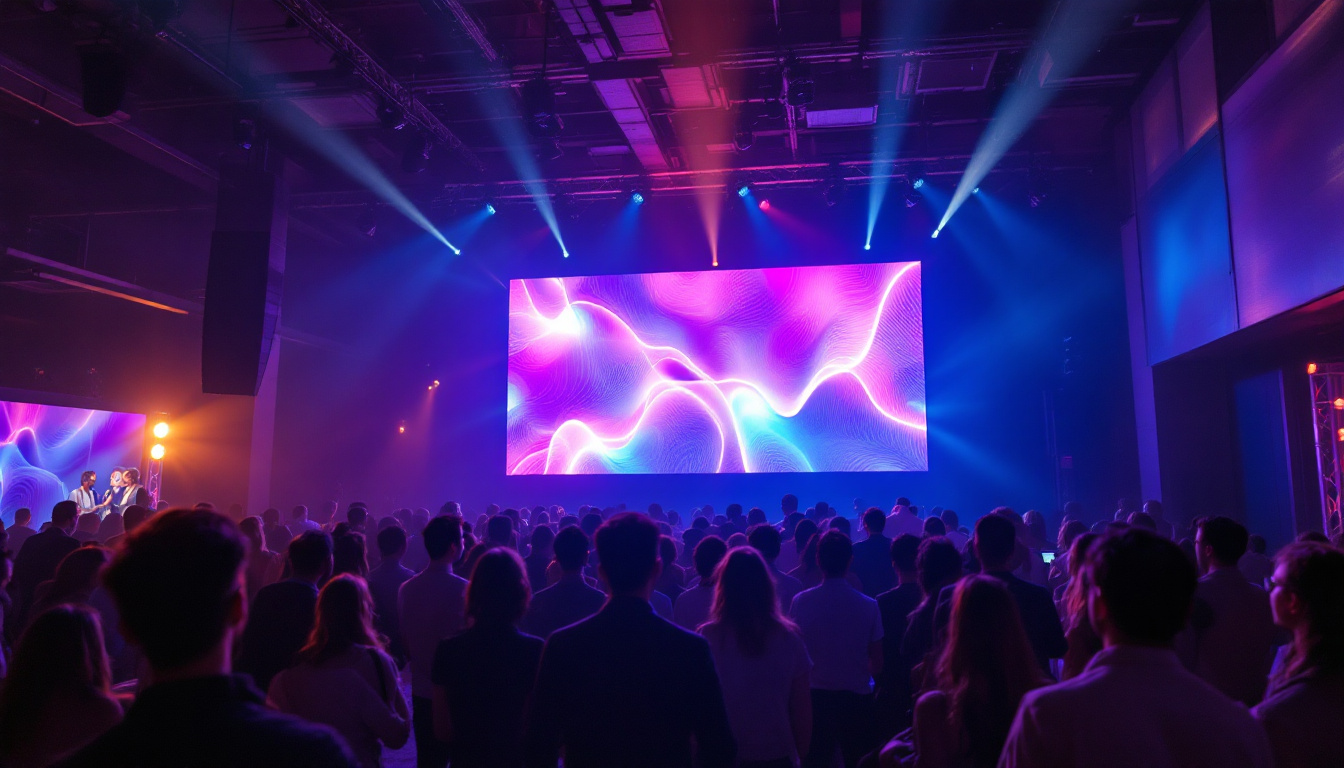
In today’s digital age, LED walls have become a cornerstone of visual communication across various industries. From advertising billboards and concert stages to corporate events and retail displays, LED walls deliver vibrant, dynamic content that captivates audiences. However, understanding the cost structure behind LED walls can be complex due to the many variables involved. This article breaks down the factors influencing LED wall costs, the technology behind these displays, and practical considerations for investing in an LED wall solution.
What Is an LED Wall?
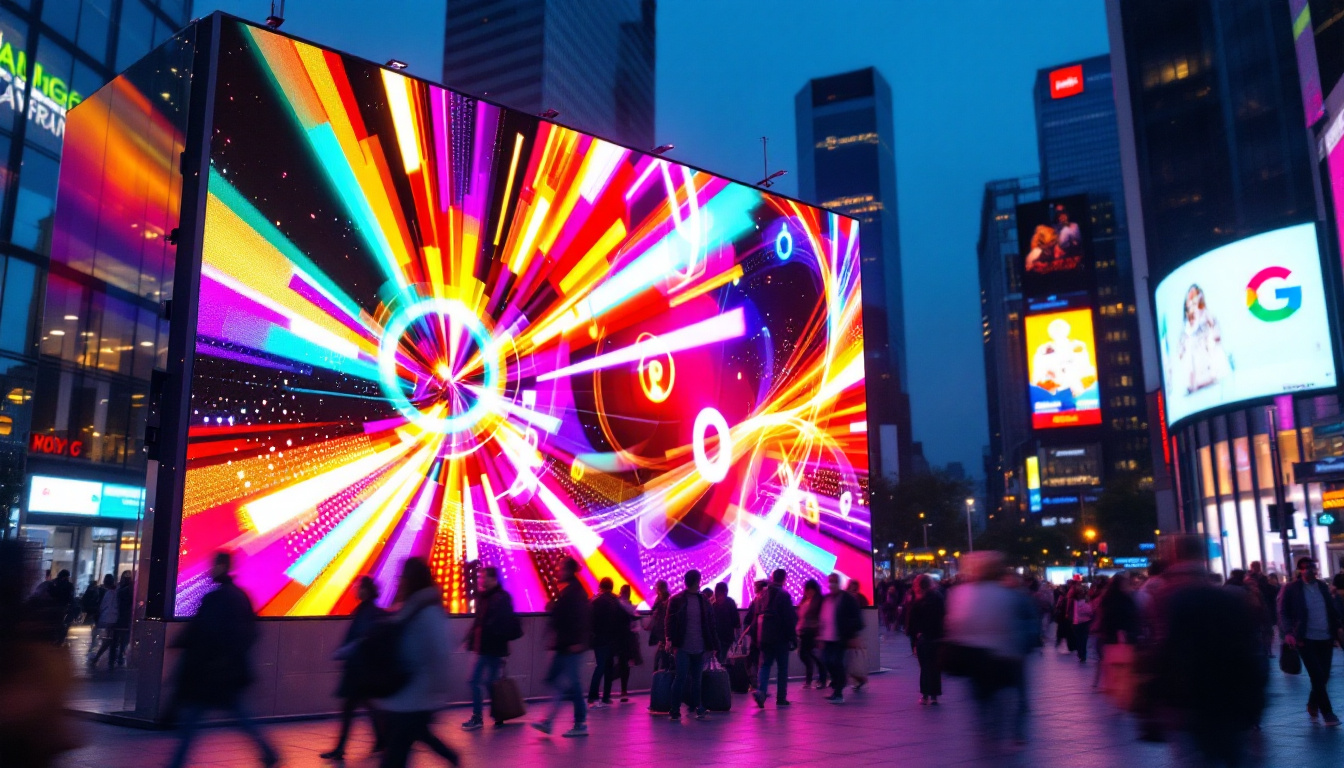
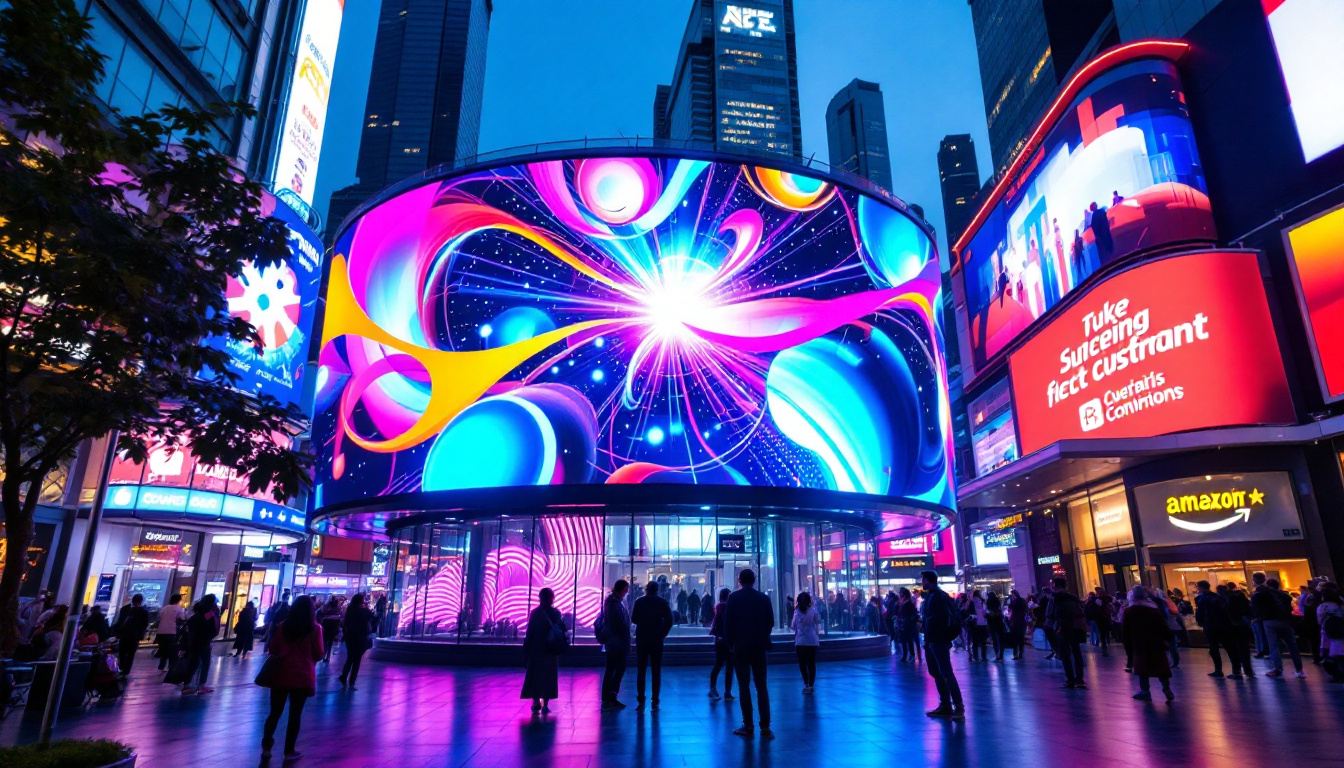
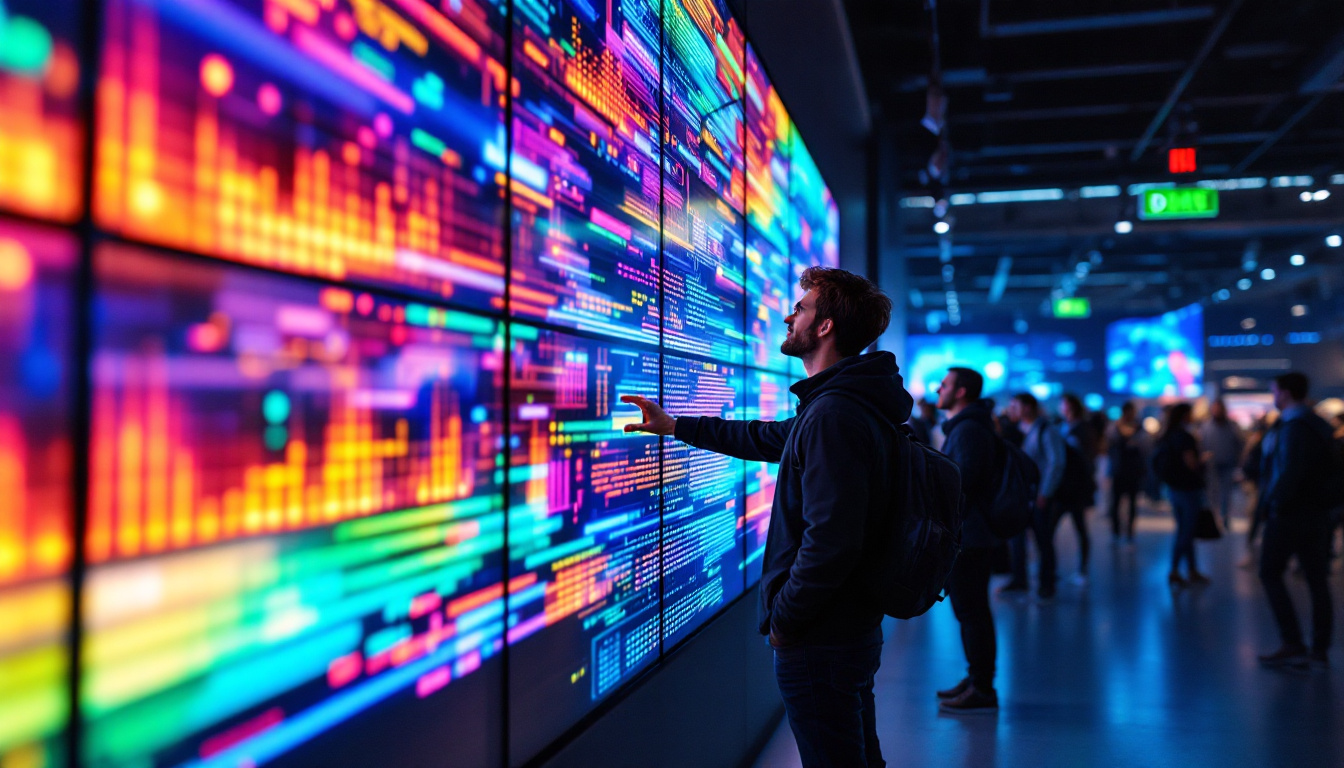
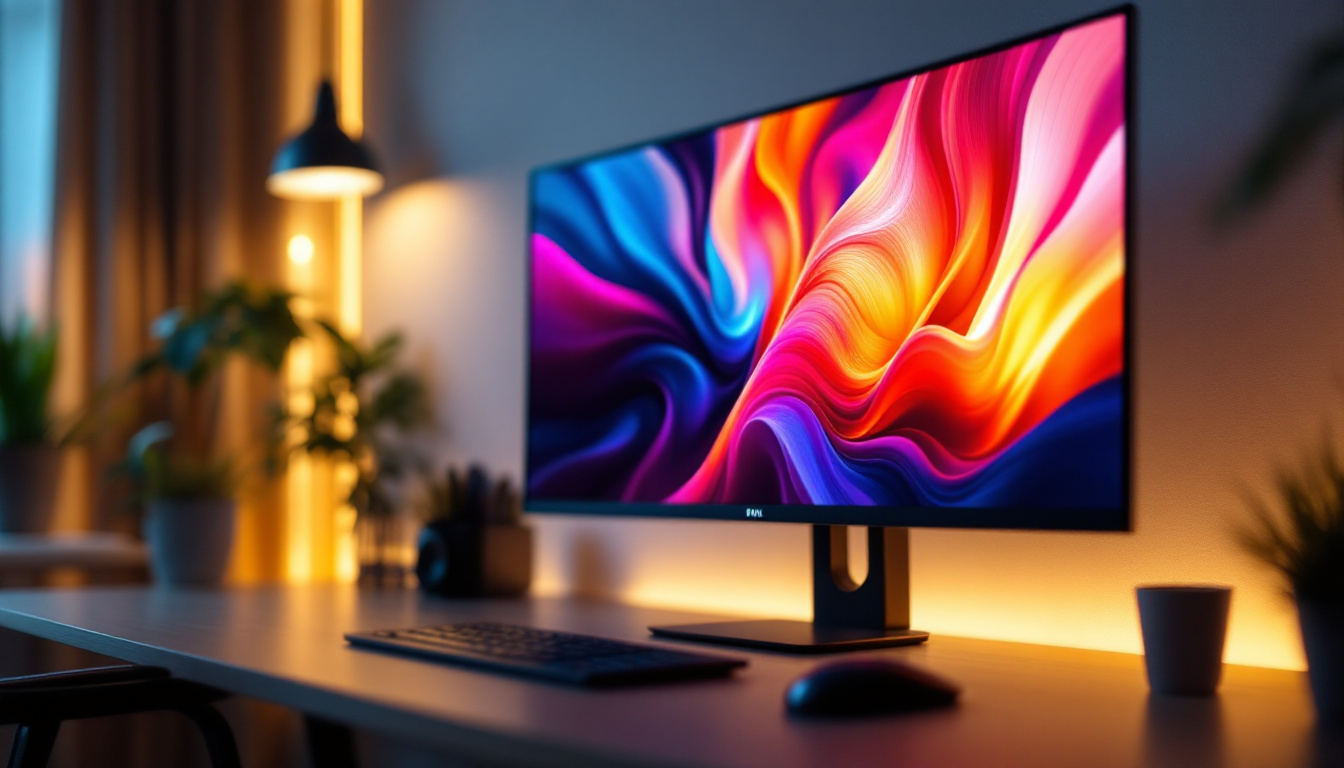
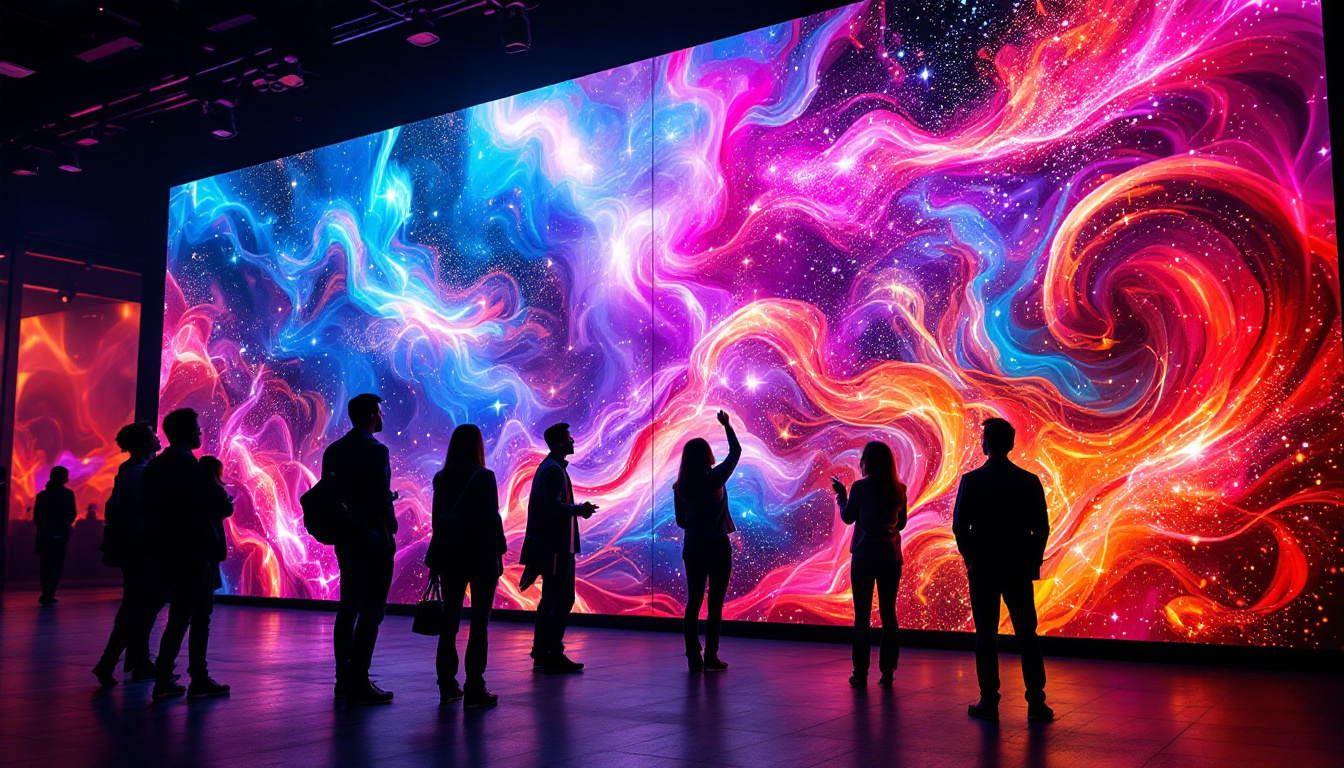
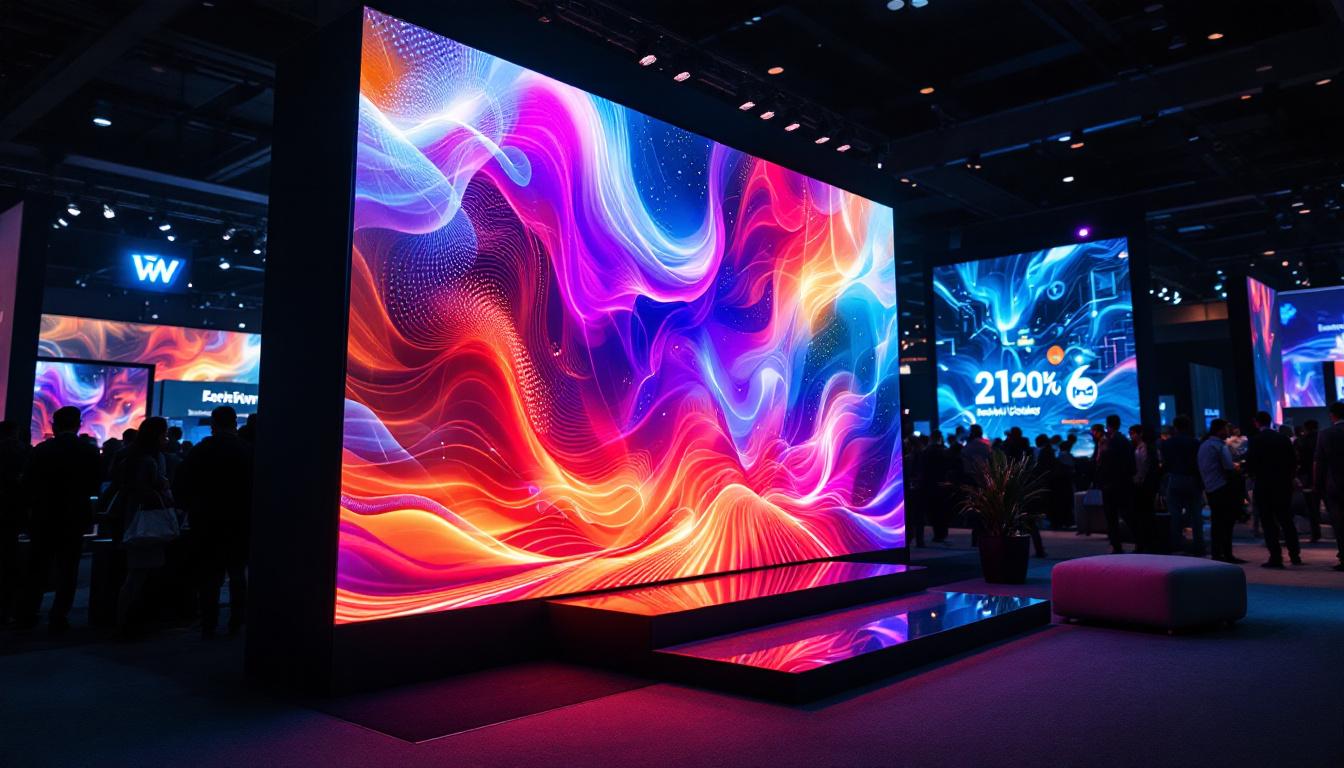
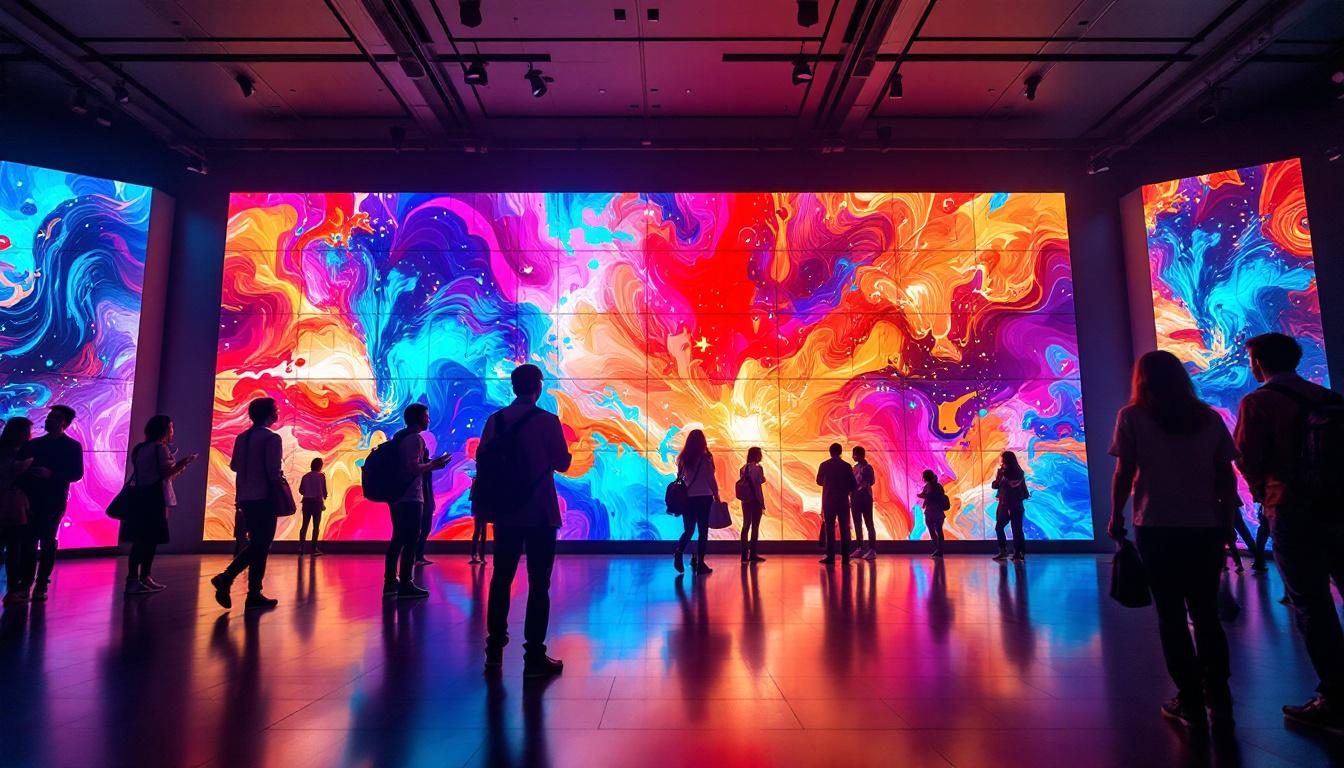
An LED wall, also known as an LED video wall or LED display, is a large screen composed of numerous light-emitting diodes (LEDs) arranged in a matrix. These walls can display video, images, and text with exceptional brightness and clarity, making them ideal for both indoor and outdoor use. Unlike traditional LCD screens, LED walls are modular and scalable, allowing for custom sizes and shapes tailored to specific needs.
LED walls are widely used in various applications, including:
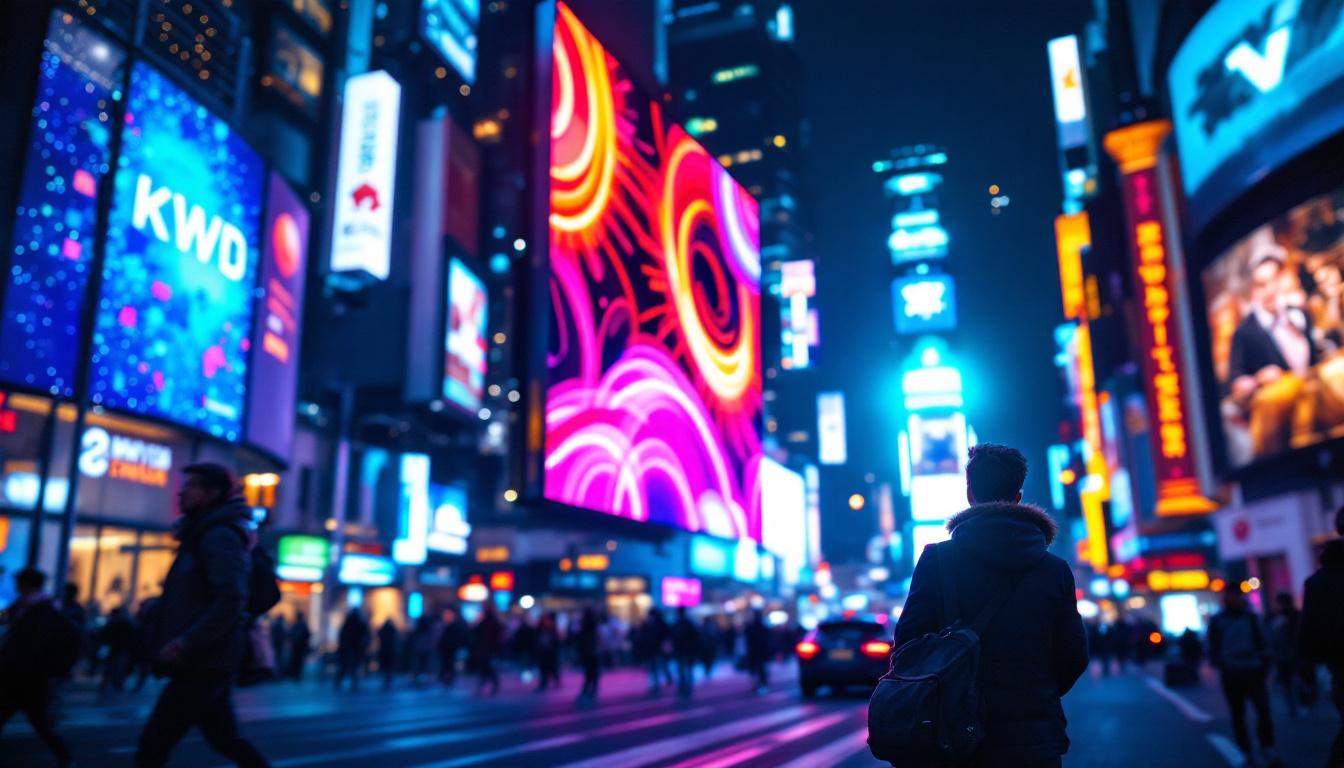
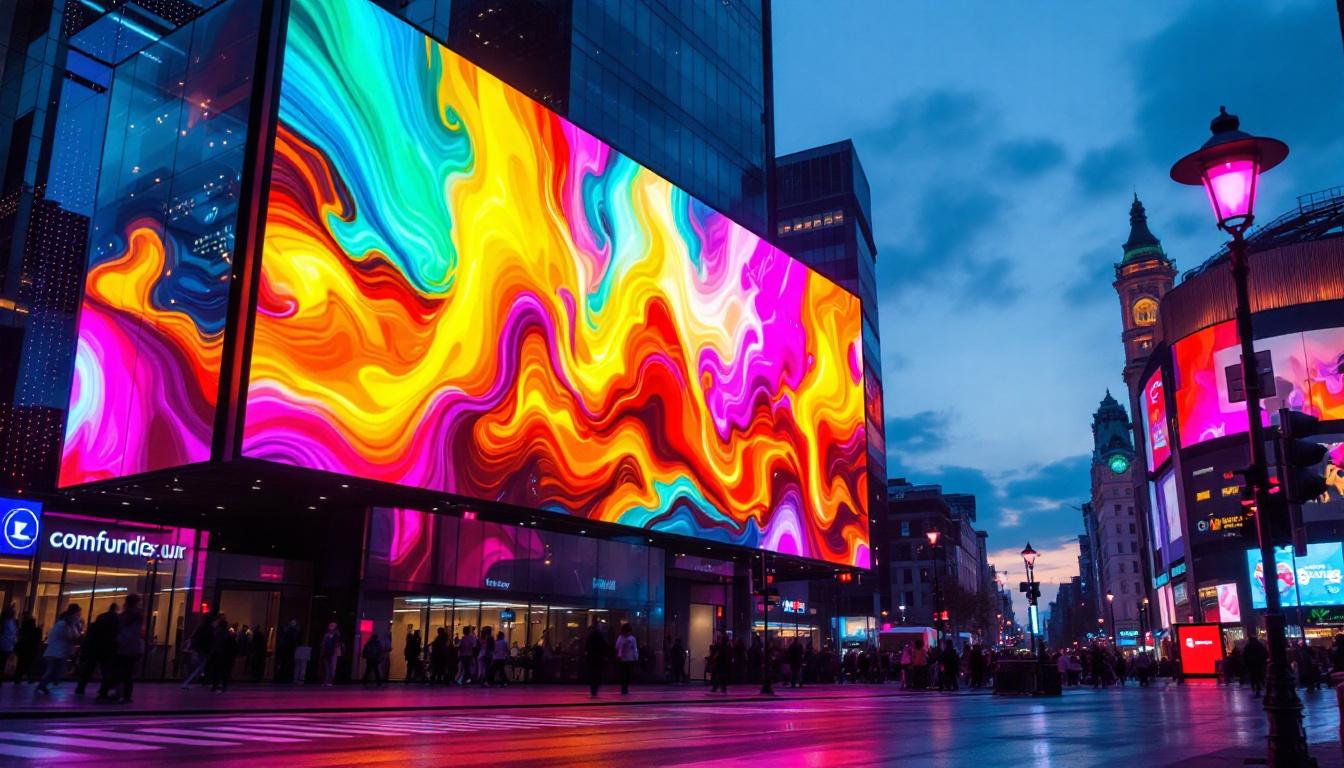
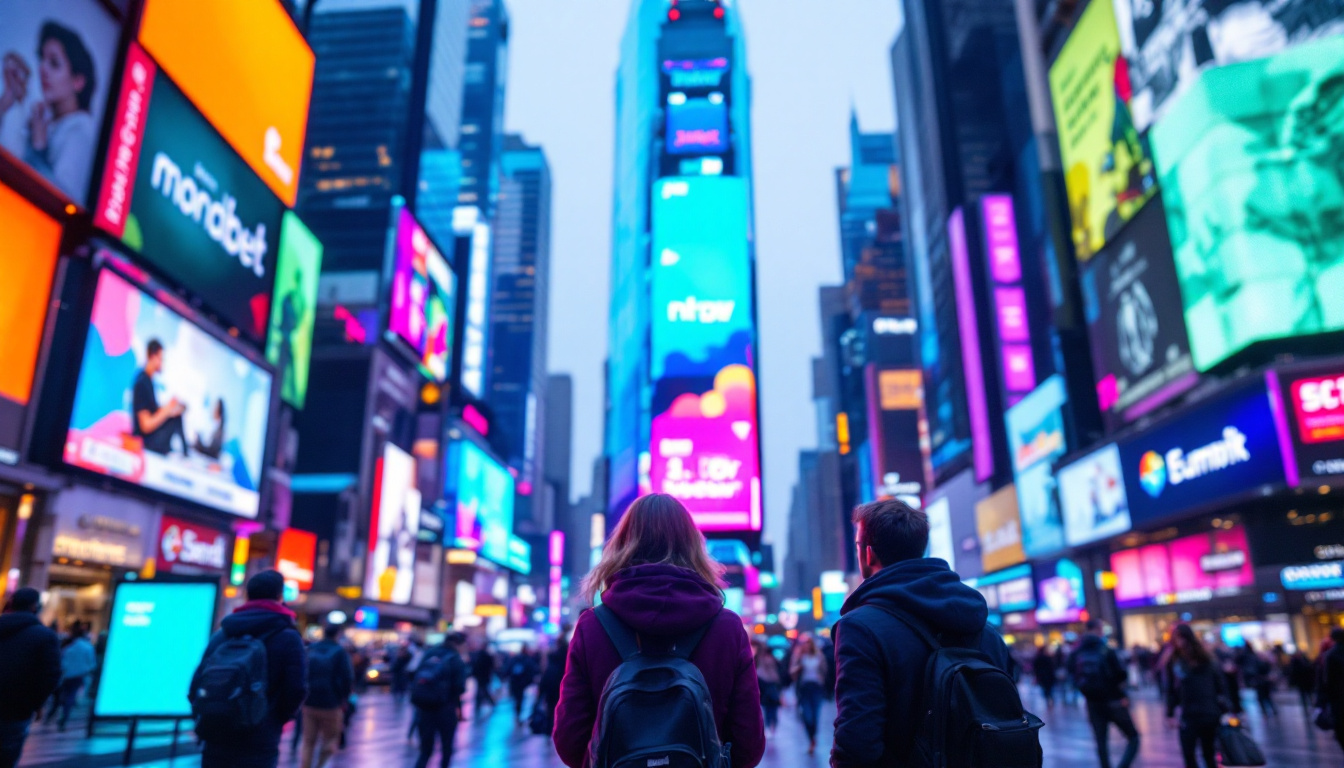
- Outdoor advertising and digital billboards
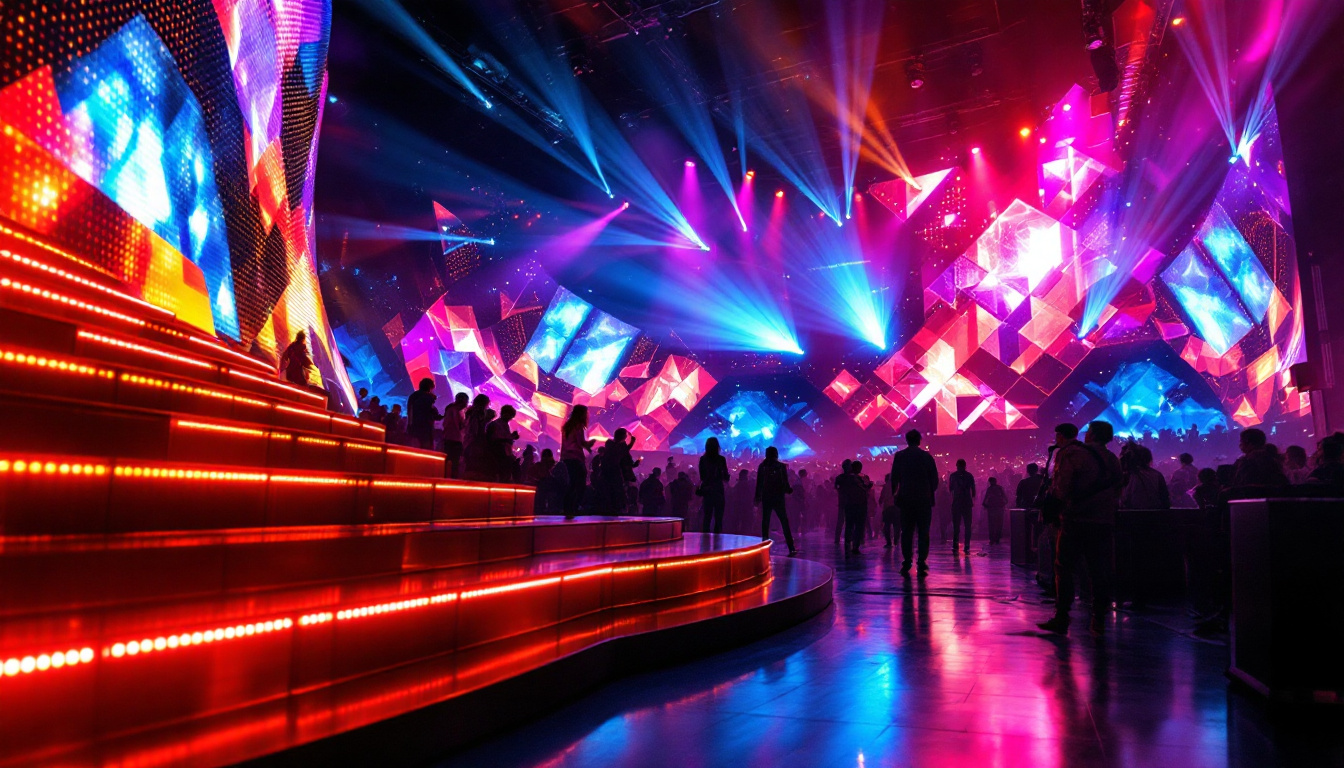
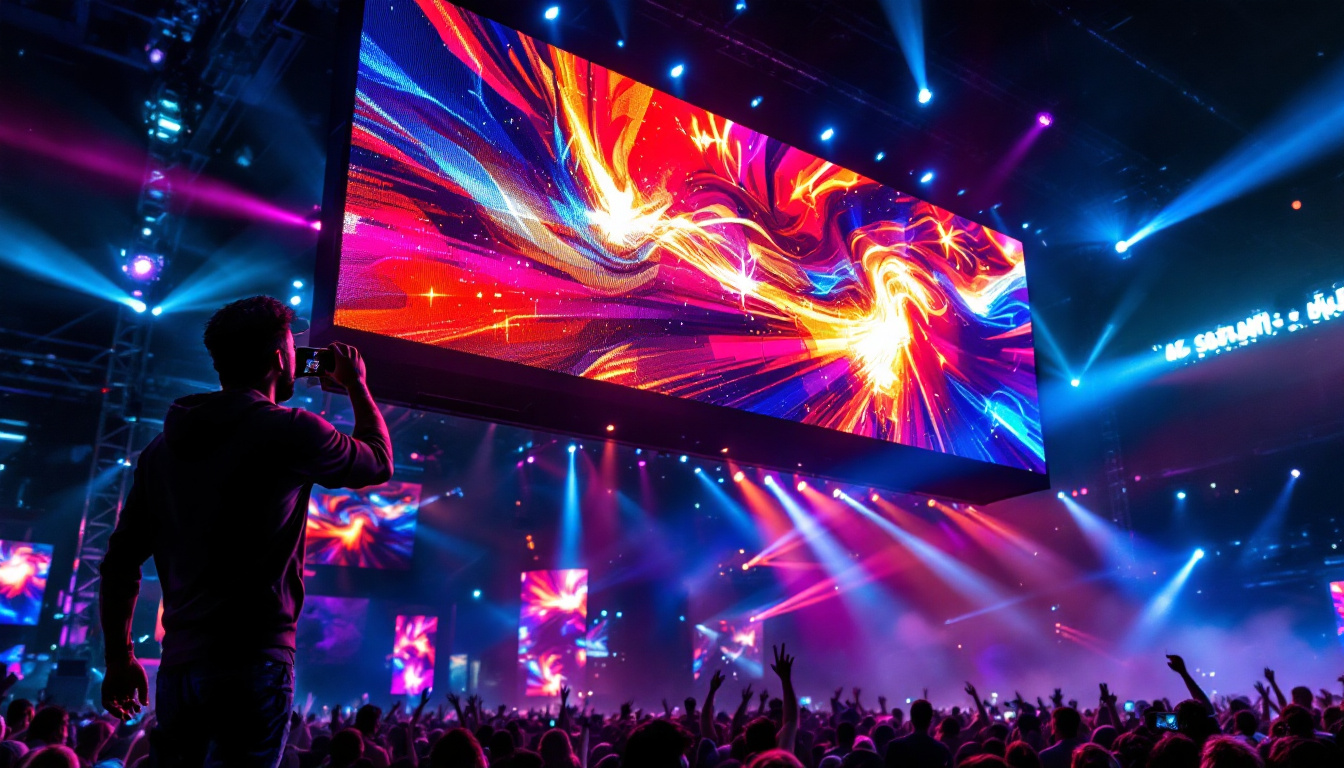
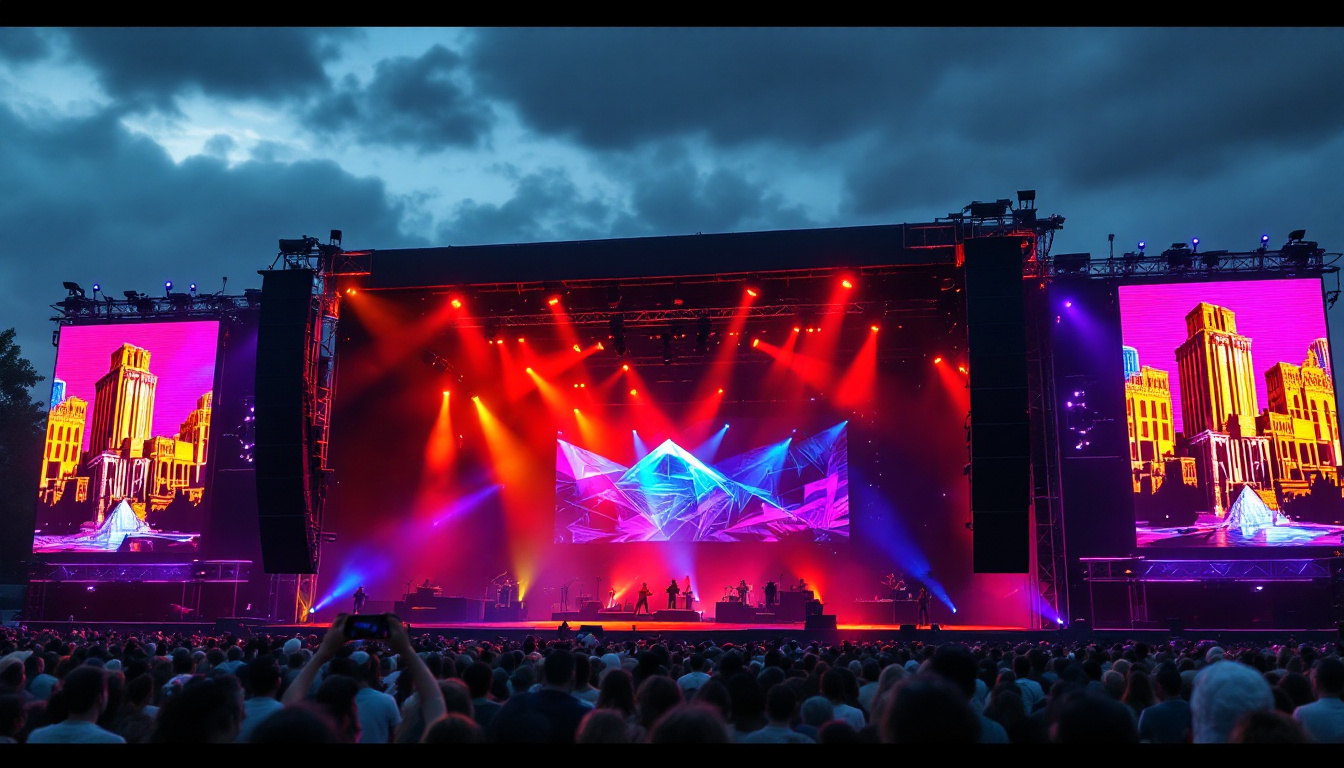
- Concert and event backdrops
- Retail and shopping mall displays
- Corporate lobbies and conference rooms
- Sports arenas and stadiums
Their ability to deliver high-impact visuals even in direct sunlight makes them a preferred choice for many businesses aiming to enhance their visual presence.
Key Factors Influencing LED Wall Cost
When considering the cost of an LED wall, it’s important to recognize that the price is not fixed and depends on several critical factors. These factors determine both the initial investment and the ongoing operational costs.
1. Pixel Pitch
Pixel pitch refers to the distance between the centers of two adjacent pixels on the LED panel, typically measured in millimeters (mm). It directly affects the resolution and image clarity of the display. Smaller pixel pitches (e.g., 1.2mm to 2.5mm) provide higher resolution and are ideal for close viewing distances, such as indoor corporate environments or control rooms. Larger pixel pitches (e.g., 4mm to 10mm or more) are suited for outdoor displays viewed from a distance.
Because smaller pixel pitch panels require more LEDs per square meter, they are significantly more expensive. For example, a 1.5mm pixel pitch LED wall can cost two to three times more per square meter than a 6mm pixel pitch wall.
2. Size and Resolution
The overall size of the LED wall is a major cost driver. Larger walls require more LED modules, increasing material and installation costs. Additionally, higher resolution walls with more pixels per square meter demand more sophisticated processing hardware and higher-quality components.
For instance, a 10 square meter LED wall with a 4mm pixel pitch will cost less than a 10 square meter wall with a 1.5mm pitch due to the increased pixel density and complexity of the latter.
3. Indoor vs. Outdoor Use
Outdoor LED walls must be weatherproof, UV-resistant, and capable of maintaining brightness in sunlight, which adds to the cost. These displays often have higher brightness levels (5,000 to 7,000 nits or more) compared to indoor walls (typically 800 to 1,200 nits). Outdoor LED panels also require robust enclosures to protect against rain, dust, and temperature extremes.
Indoor LED walls, while less expensive in terms of weatherproofing, may require higher resolution and finer pixel pitch to accommodate closer viewing distances.
4. Refresh Rate and Color Quality
The refresh rate, measured in Hertz (Hz), indicates how many times per second the image is refreshed. Higher refresh rates (above 3,000 Hz) are essential for smooth video playback and reducing flicker, especially for broadcast or live event applications. Displays with superior color accuracy and depth, such as those supporting HDR (High Dynamic Range), also tend to be more costly.
5. Installation and Maintenance
Installation costs vary depending on the complexity of mounting, structural support, and electrical requirements. Large LED walls may require custom frames or rigging. Additionally, ongoing maintenance such as calibration, cleaning, and repairs should be factored into the total cost of ownership.
6. Control Systems and Software
LED walls require control systems to manage content playback, synchronization, and image processing. Advanced software solutions that enable real-time content updates, remote management, and integration with other systems can add to the initial cost but improve functionality and ease of use.
Typical LED Wall Cost Breakdown
To provide a clearer picture, here is a breakdown of typical costs associated with LED walls based on industry data and market pricing as of 2024:
| Component | Estimated Cost Range (USD) | Notes |
|---|---|---|
| LED Panels (per square meter) | $1,000 – $3,500 | Varies by pixel pitch and brightness |
| Control System & Processing Hardware | $5,000 – $20,000 | Depends on display size and complexity |
| Installation & Mounting | $10,000 – $50,000+ | Structural work and labor intensive |
| Content Management Software | $1,000 – $10,000 | Licensing and customization fees |
| Maintenance (annual) | $1,000 – $5,000 | Cleaning, calibration, repairs |
For example, a 20 square meter indoor LED wall with a 2.5mm pixel pitch might cost around $40,000 to $70,000 including installation and control systems. Outdoor LED walls of the same size with a 6mm pitch could range from $30,000 to $60,000 but require additional weatherproofing and structural support.
Understanding LED Wall Technology
To appreciate the cost implications, it helps to understand the technology behind LED walls. Each LED module contains thousands of tiny red, green, and blue LEDs that combine to create full-color pixels. The brightness and color of each pixel are controlled by electrical signals, enabling dynamic and vivid images.
Modern LED walls use surface-mounted device (SMD) LEDs, which are small and energy-efficient. Advances in LED chip technology have improved brightness, color gamut, and energy consumption over the past decade. Additionally, innovations such as micro-LED and mini-LED technology promise even higher resolutions and contrast ratios, though these remain at premium price points.
LED walls are typically composed of multiple modules or panels that fit together seamlessly. This modularity allows for flexible sizing but requires precise calibration to ensure uniform brightness and color across the entire display.
Pixel Density and Viewing Distance
The pixel density of an LED wall determines how close viewers can stand without noticing individual pixels. For example:
- Indoor displays with pixel pitches of 1.2mm to 2.5mm are suitable for viewing distances of 1 to 5 meters.
- Outdoor displays with pixel pitches of 6mm to 10mm are designed for viewing distances of 10 meters or more.
Choosing the right pixel pitch based on viewing distance is crucial for optimizing cost without compromising visual quality.
Why Invest in an LED Wall?
Despite the initial investment, LED walls offer significant advantages that justify their cost for many businesses and organizations.
High Visibility and Impact
LED walls provide bright, eye-catching displays that stand out in any environment. Their ability to display dynamic content such as videos, animations, and real-time data makes them powerful tools for marketing, entertainment, and information dissemination.
Flexibility and Scalability
Because LED walls are modular, they can be customized to fit unique spaces and expanded or reconfigured as needs change. This flexibility is particularly valuable for venues hosting varied events or campaigns.
Durability and Longevity
LED technology is known for its long lifespan, often exceeding 100,000 hours of operation. Outdoor LED walls are designed to withstand harsh weather conditions, reducing the need for frequent replacements.
Energy Efficiency
Compared to older display technologies, LED walls consume less power relative to their brightness output, helping reduce operational costs over time.
Practical Tips for Managing LED Wall Costs
To maximize value and control expenses, consider the following strategies when planning an LED wall project:
1. Define Your Objectives Clearly
Understanding the primary purpose of the LED wall—whether it’s for advertising, entertainment, or information—will guide decisions on size, resolution, and location. Avoid over-specifying features that won’t add meaningful value.
2. Choose the Right Pixel Pitch
Select a pixel pitch appropriate for your typical viewing distance. Investing in ultra-high resolution for a display that will be viewed from afar is unnecessary and costly.
3. Plan for Installation Early
Engage with structural engineers and installation experts during the design phase to anticipate challenges and avoid costly modifications later.
4. Consider Leasing or Rental Options
For temporary events or short-term needs, renting LED walls can be a cost-effective alternative to purchasing.
5. Budget for Maintenance
Regular maintenance ensures optimal performance and extends the lifespan of the display, protecting your investment.
Future Trends in LED Wall Technology
The LED display industry continues to evolve rapidly. Emerging trends include:
- Micro-LED Technology: Offering even finer pixel pitches and improved energy efficiency, micro-LEDs are poised to revolutionize indoor displays, though costs remain high.
- Flexible and Transparent LED Panels: These innovations enable creative architectural integrations, such as curved walls or glass facades with embedded displays.
- AI-Driven Content Management: Artificial intelligence is increasingly used to tailor content dynamically based on audience demographics and environmental factors.
- Improved Energy Efficiency: Advances in LED chip design and power management continue to reduce operational costs and environmental impact.
Staying informed about these trends can help businesses plan future upgrades and maintain competitive visual communication strategies.
Conclusion
Investing in an LED wall is a significant decision that involves understanding both the technology and the cost factors at play. By carefully considering pixel pitch, size, usage environment, and installation requirements, organizations can select an LED display that meets their needs and budget.
While upfront costs can be substantial, the benefits of high visibility, flexibility, and durability make LED walls a valuable asset for many applications. As technology advances, LED walls will continue to offer more options and better performance, making them an increasingly accessible tool for impactful visual communication.
For businesses exploring LED wall solutions, partnering with experienced suppliers and installers ensures a smooth process and optimal results. With the right approach, LED walls can transform spaces and elevate brand presence in powerful ways.
Discover Cutting-Edge LED Displays with LumenMatrix
Ready to elevate your visual communication with high-impact LED displays? LumenMatrix is at the forefront of LED display technology, offering a diverse range of solutions tailored to your unique needs. From vibrant Indoor and Outdoor LED Wall Displays to innovative Custom and All-in-One LED Displays, our products are designed to captivate your audience and amplify your message. Experience the future of digital signage with LumenMatrix and transform your space into a dynamic visual experience. Check out LumenMatrix LED Display Solutions today and take the first step towards revolutionizing your brand’s presence.