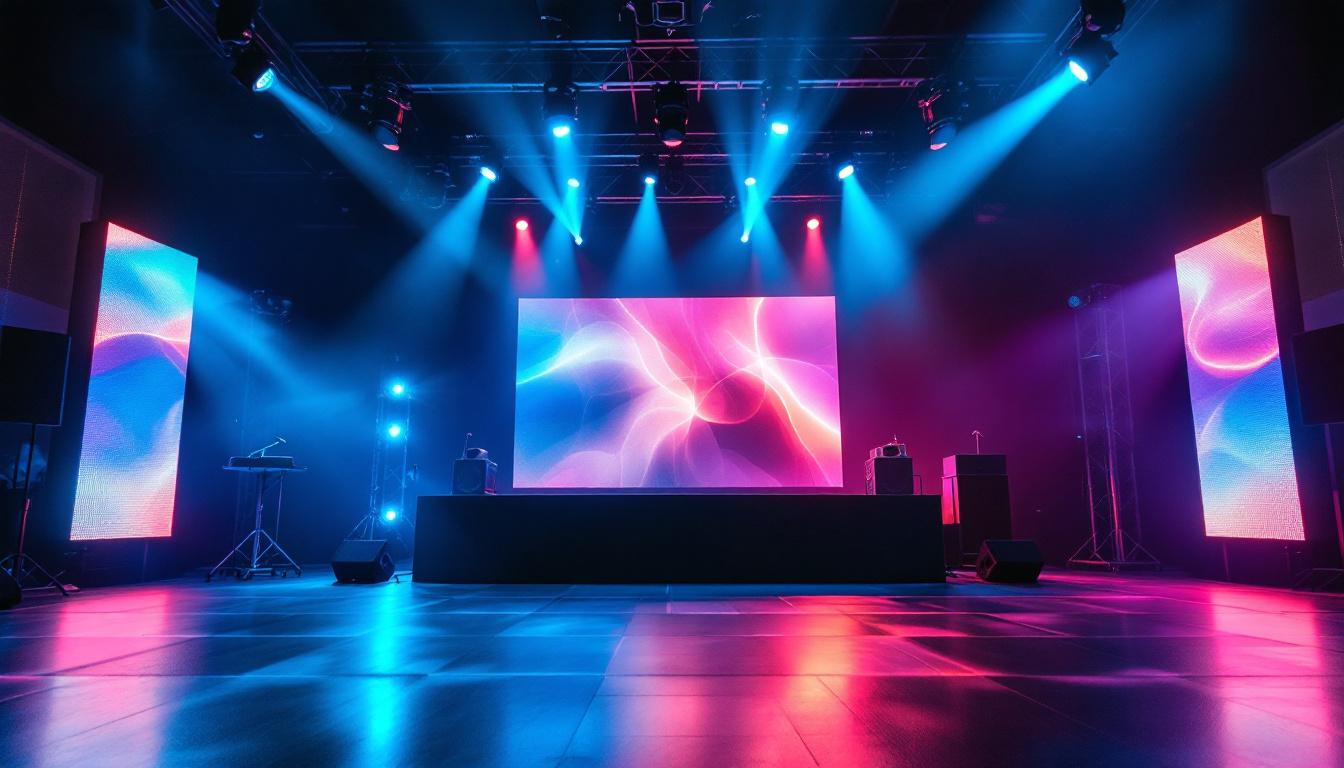
In today’s fast-paced event industry, the demand for versatile, high-impact staging solutions has never been greater. Lightweight portable stages combined with cutting-edge LED displays are revolutionizing how events are produced and experienced. Whether it’s a corporate conference, music festival, trade show, or outdoor celebration, these technologies offer unmatched flexibility, visual appeal, and ease of setup.
This article explores the intricacies of lightweight portable stages and the LED displays that enhance them. From the technical specifications to practical applications, this comprehensive guide will help event planners, rental companies, and production professionals understand why this combination is becoming the industry standard.
Understanding Lightweight Portable Stages
What Defines a Lightweight Portable Stage?
A lightweight portable stage is designed to be easily transported, assembled, and disassembled without compromising structural integrity or safety. Unlike traditional bulky stages, these systems often use materials such as aluminum alloys, composite panels, and modular platforms to reduce weight while maintaining strength.
Typical stages weigh between 10 to 30 pounds per square foot, significantly lighter than conventional wooden or steel stages that can weigh upwards of 50 pounds per square foot. The modular design allows for customized shapes and sizes, adapting to various venue requirements and audience capacities. This flexibility is particularly beneficial for events that require quick changes in layout, such as festivals or corporate gatherings, where the stage might need to be reconfigured multiple times throughout the day.
Key Features and Benefits
One of the most important features of a lightweight portable stage is its quick assembly time. Many systems can be set up by a small crew in under an hour, which is crucial for events with tight schedules. Additionally, these stages often include integrated leveling systems, non-slip surfaces, and compatibility with various accessories such as railings, stairs, and lighting rigs. The ability to quickly adapt to different performance needs ensures that artists and presenters can focus on their craft rather than logistical challenges.
Portability is another major advantage. Compact packaging and lightweight components mean that stages can be transported using standard vehicles, reducing logistical costs. This accessibility opens opportunities for smaller event companies and community organizations to host professional-grade events without the need for heavy equipment or specialized transport. Moreover, many lightweight portable stages come with weather-resistant features, making them suitable for both indoor and outdoor events. This versatility allows organizers to confidently plan events in various environments, from parks and plazas to convention centers and auditoriums, knowing that their stage can withstand the elements while providing a safe and stable performance platform.
The Role of LED Displays in Modern Staging
Why LED Displays Are Essential
LED (Light Emitting Diode) displays have become the centerpiece of modern event production due to their brightness, clarity, and versatility. Unlike traditional projection screens, LED displays perform exceptionally well in various lighting conditions, including direct sunlight, making them ideal for both indoor and outdoor events.
According to recent market research, the global LED display market is projected to grow at a CAGR of 12.5% from 2023 to 2030, driven by increasing demand in live events, advertising, and sports arenas. This growth reflects the technology’s expanding role in delivering immersive visual experiences. As audiences become more accustomed to high-quality visuals, event organizers are compelled to invest in cutting-edge LED technology to enhance engagement and create memorable experiences. The ability to showcase vibrant colors and sharp images not only captivates attendees but also elevates the overall production value of any event.
Types of LED Displays Used on Portable Stages
There are several types of LED displays commonly integrated with portable stages:
- Indoor LED Panels: Designed for controlled lighting environments, these panels offer high resolution and pixel density, perfect for close viewing distances.
- Outdoor LED Panels: Built to withstand weather conditions, these displays feature higher brightness levels (often exceeding 5,000 nits) and rugged enclosures.
- Flexible and Curved LED Screens: These allow for creative stage designs, wrapping around structures or forming dynamic shapes.
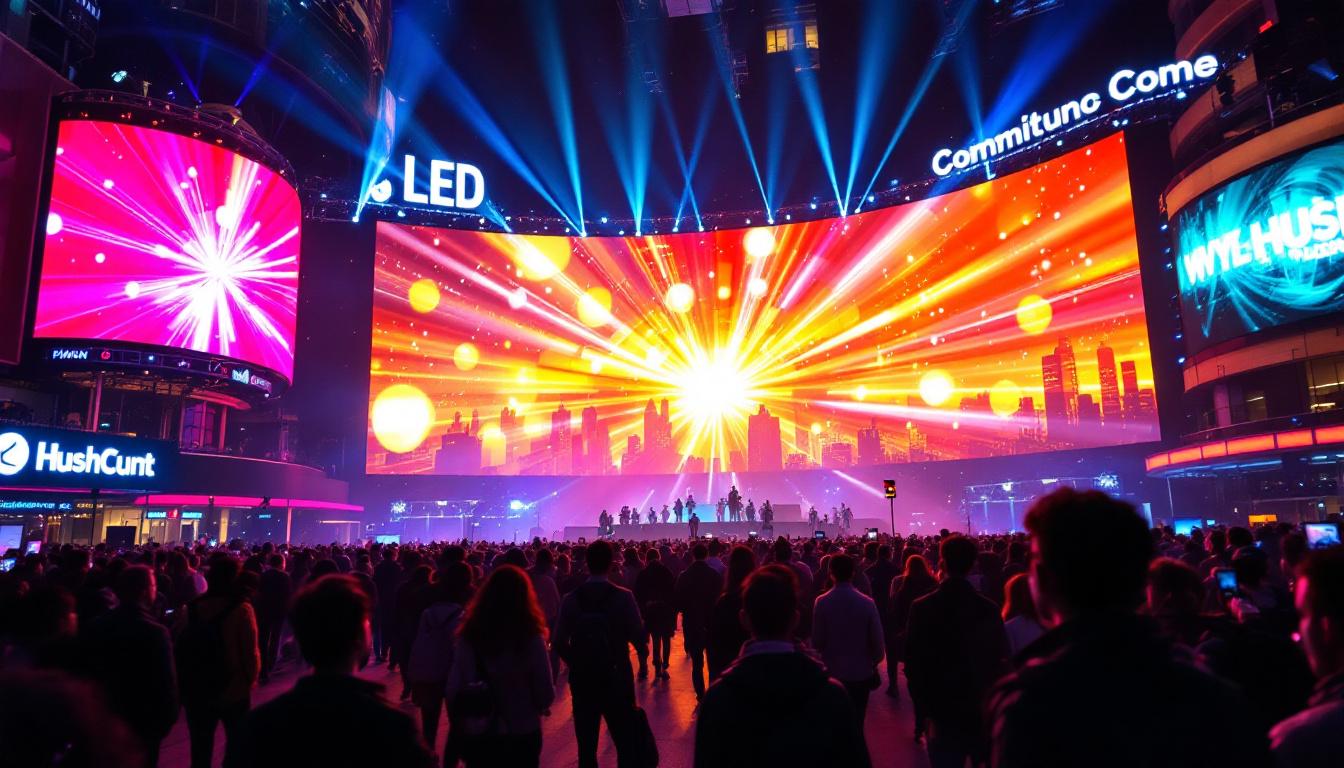
Choosing the right type depends on the event’s location, audience size, and visual requirements. For instance, indoor events such as corporate presentations or concerts benefit from the high resolution of indoor LED panels, ensuring that every detail is visible to the audience. On the other hand, outdoor events like festivals or sports games necessitate the robustness of outdoor LED panels, which can endure harsh weather while delivering stunning visuals. Additionally, flexible and curved screens have revolutionized stage design, allowing for innovative layouts that can transform the audience’s experience. These screens can be configured to create immersive environments, enhancing storytelling and thematic elements of performances.
Furthermore, the integration of LED displays with advanced technologies such as augmented reality (AR) and virtual reality (VR) is pushing the boundaries of what is possible in live events. By combining LED displays with AR, event producers can create interactive experiences that engage audiences on multiple levels. This synergy not only captivates viewers but also encourages participation, making events more memorable. As the technology continues to evolve, we can expect even more innovative applications of LED displays that will redefine the landscape of modern staging.
Integrating LED Displays with Lightweight Portable Stages
Design Considerations for Seamless Integration
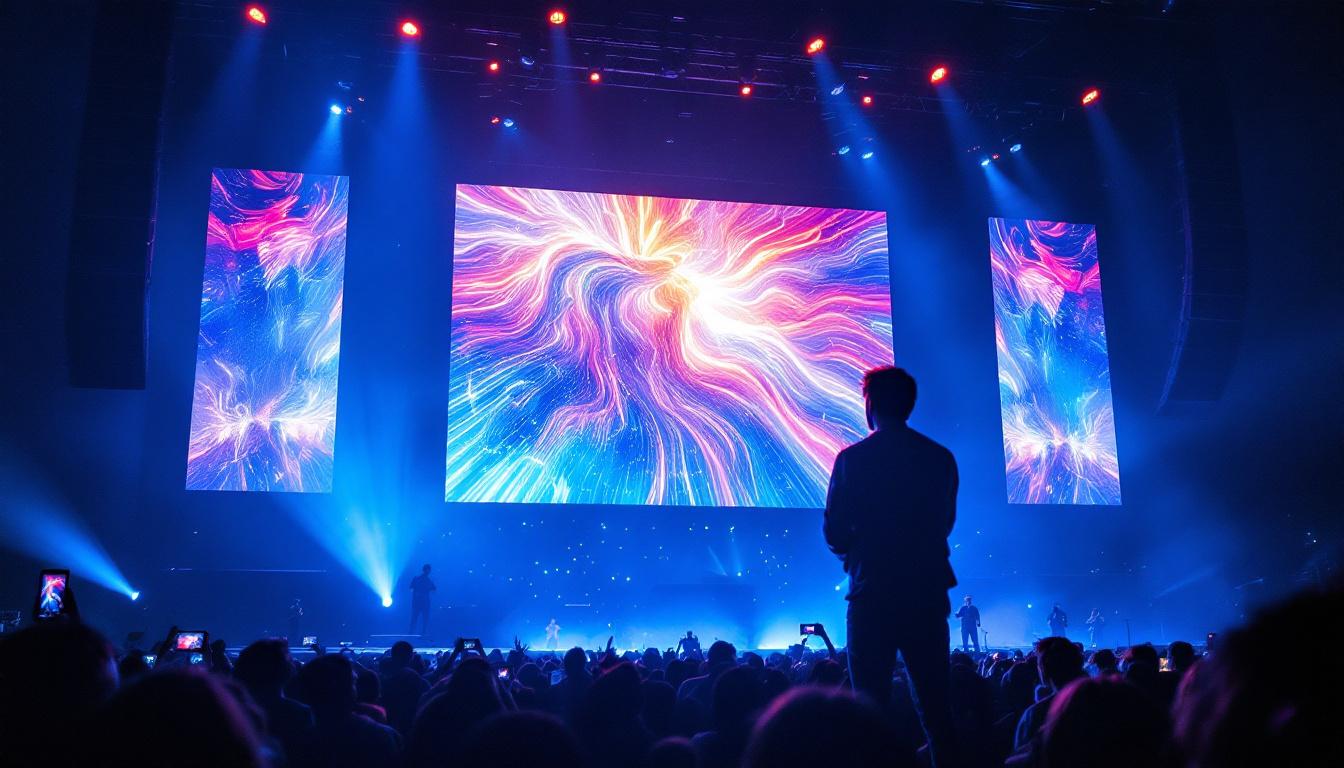
Integrating LED displays with portable stages requires careful planning to ensure stability, safety, and optimal viewing angles. The stage must support the weight of the LED panels and associated hardware without compromising portability.
Modern stage systems often include built-in mounting points and cable management channels to simplify the installation of LED screens. Additionally, the modular nature of both stages and LED panels allows for scalable solutions, from small backdrop screens to massive video walls enveloping the entire stage.
Power and Connectivity Requirements
LED displays are power-intensive, especially larger configurations. Portable stages need to accommodate power distribution units and ensure safe cable routing to prevent trip hazards. Battery-powered LED panels are emerging as a solution for locations without easy access to electrical outlets, though they currently support smaller displays and shorter operational times.
Connectivity is equally critical. Most LED displays use Ethernet or proprietary data protocols to synchronize content. Wireless solutions are improving but still face challenges with latency and interference in crowded event environments.
Practical Applications and Case Studies
Corporate Events and Trade Shows
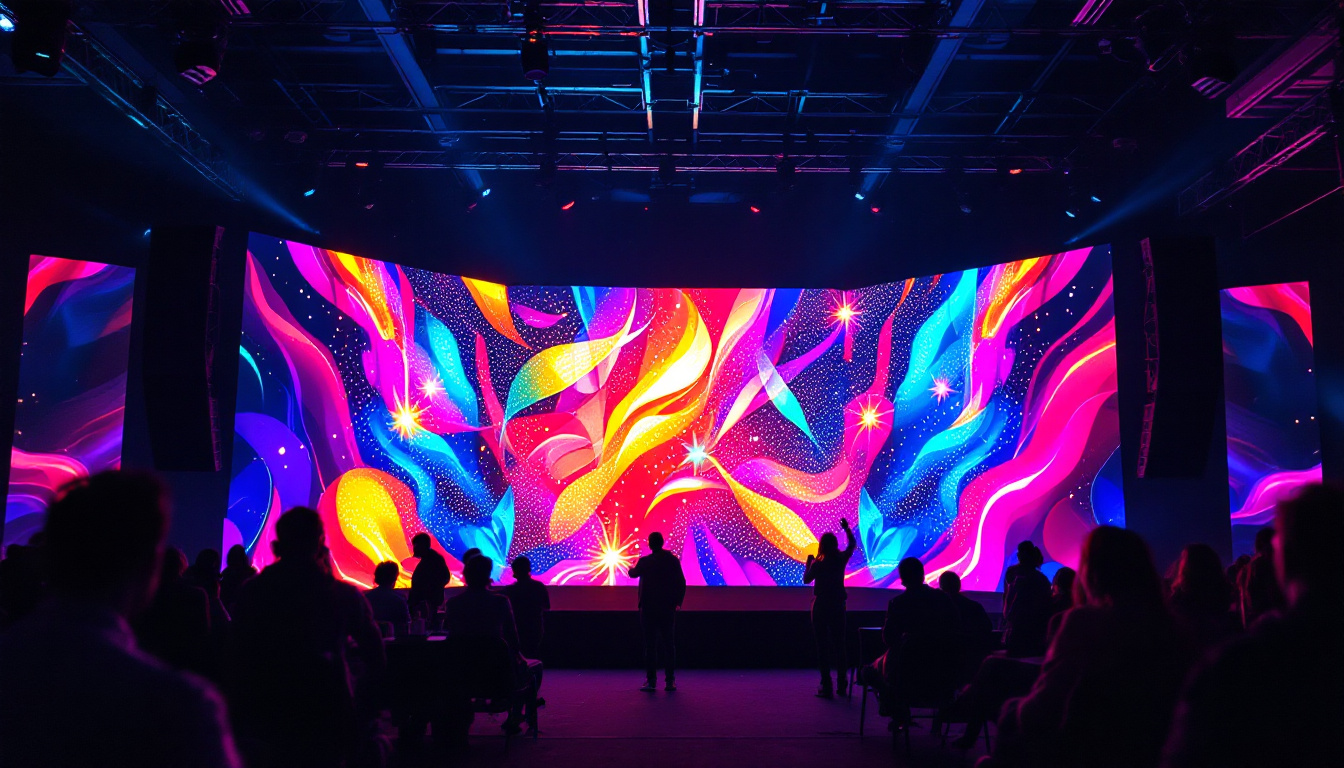
Lightweight portable stages with LED displays are ideal for corporate presentations and trade shows where branding and messaging must be clear and engaging. For example, a recent technology expo utilized a 20×10-foot portable stage with a 4K LED backdrop to showcase product demos. The setup time was under 90 minutes, allowing the event team to focus on content rather than logistics.
Music Festivals and Outdoor Performances
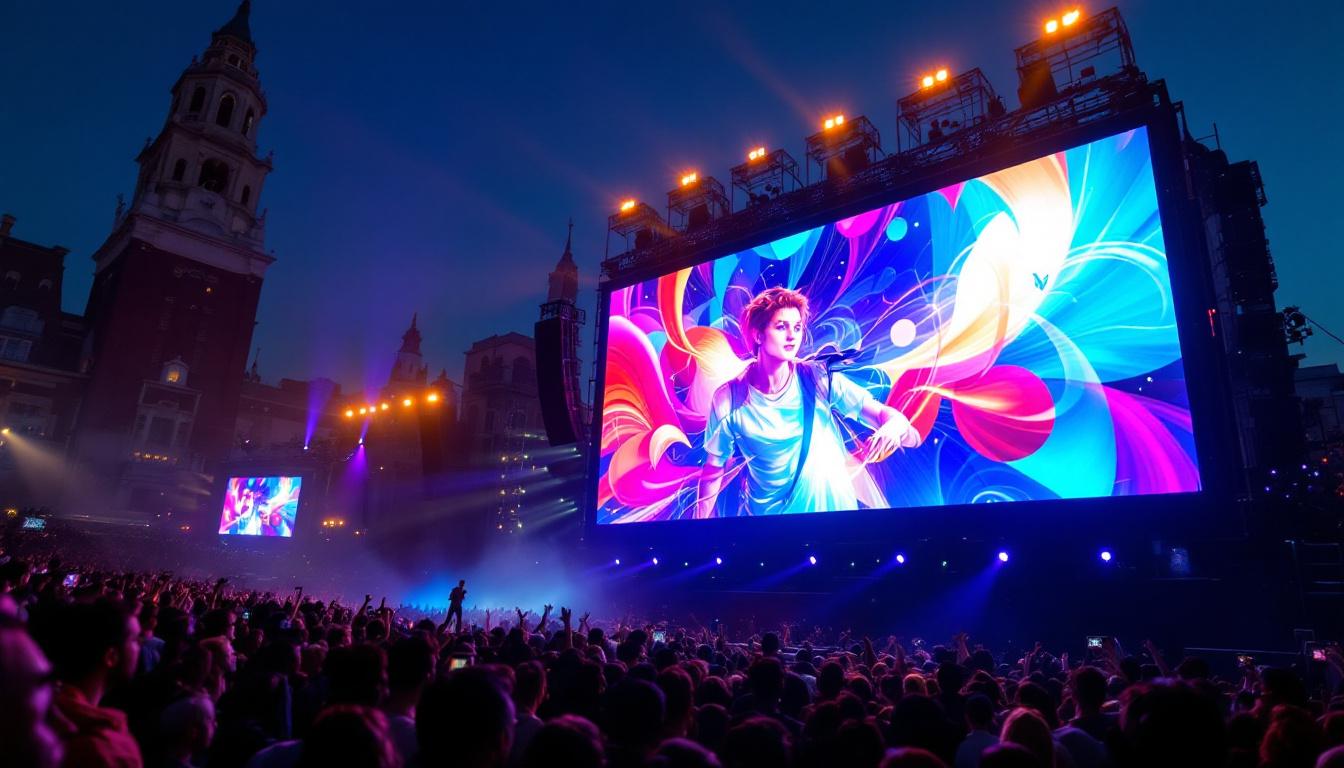
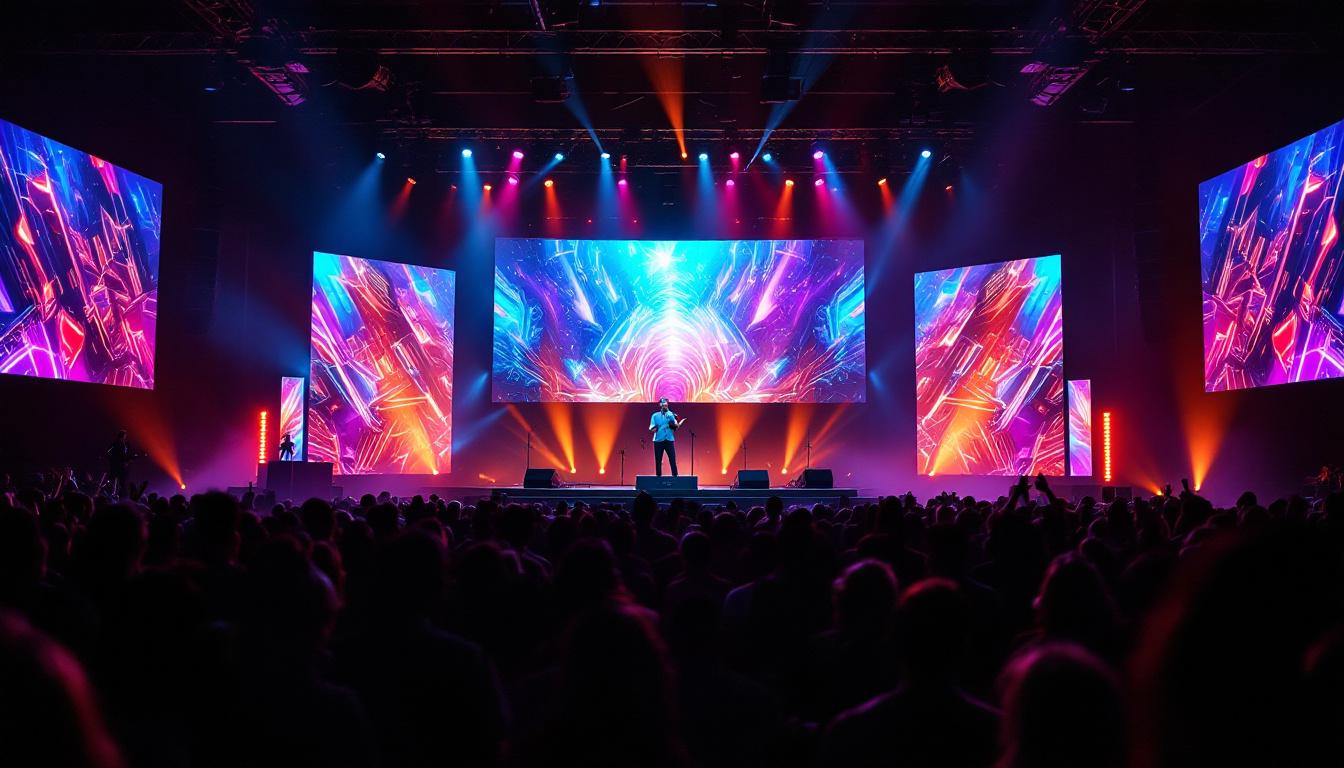
Outdoor music events benefit immensely from the combination of portable stages and high-brightness LED screens. At a mid-sized summer festival, organizers deployed a stage with integrated weatherproof LED panels that delivered vibrant visuals even under direct sunlight. The lightweight design enabled rapid stage changes between acts, maintaining event flow and audience engagement.
Community and Educational Events
Schools, community centers, and local theaters are increasingly adopting portable stages with LED displays to enhance performances and presentations. These systems democratize access to professional staging, allowing smaller organizations to produce visually compelling events without large budgets or technical expertise.
Choosing the Right System: What to Consider
Assessing Your Event Needs
Before investing in or renting a lightweight portable stage with LED display, it’s essential to evaluate the specific needs of your event. Consider factors such as venue size, audience demographics, content type, and environmental conditions. For instance, a daytime outdoor event will require higher brightness LED panels and weather-resistant stage components.
Budget and Cost Efficiency
While LED displays and portable stages can represent a significant upfront investment, their reusability and ease of transport often result in cost savings over time. Renting is a viable option for one-off events, with many providers offering turnkey solutions that include setup, operation, and teardown.
Technical Support and Training
Working with LED technology and modular stages requires some technical knowledge. Partnering with experienced suppliers who provide training and on-site support can mitigate risks and ensure smooth event execution. Additionally, understanding the maintenance requirements of LED panels and stage components will prolong their lifespan and performance.
Future Trends in Portable Staging and LED Technology
Advancements in Lightweight Materials
Research into advanced composites and alloys promises even lighter yet stronger stage platforms. Innovations such as carbon fiber reinforcements and nano-material coatings are on the horizon, potentially reducing setup times and transportation costs further.
Higher Resolution and Energy Efficiency
LED display technology continues to evolve with improvements in pixel density, color accuracy, and energy consumption. MicroLED and miniLED technologies are emerging, offering brighter displays with lower power requirements, which is particularly beneficial for portable applications.
Augmented Reality and Interactive Displays
Integration of AR elements and interactive LED screens is becoming more common, providing immersive experiences that engage audiences beyond traditional visuals. Portable stages equipped with these technologies will redefine live event production in the coming years.
Conclusion
Lightweight portable stages combined with LED displays represent a transformative solution for modern event production. Their flexibility, ease of use, and visual impact make them indispensable tools for a wide range of applications, from corporate gatherings to large-scale festivals.
By understanding the technical aspects, integration challenges, and future trends, event professionals can make informed decisions that enhance audience engagement while optimizing operational efficiency. As technology continues to advance, these staging solutions will only become more accessible, powerful, and essential to the live event landscape.
Discover LumenMatrix’s Advanced LED Solutions
Ready to elevate your event with the ultimate visual experience? LumenMatrix is at the forefront of LED display innovation, offering a comprehensive range of solutions tailored to your unique needs. From Indoor and Outdoor LED Wall Displays to specialized options like Vehicle, Sports, and Floor LED Displays, our technology is designed to captivate your audience and amplify your message. Embrace the future of event staging with our Custom, All-in-One, and Transparent LED Displays. Check out LumenMatrix LED Display Solutions today and transform your next event into an unforgettable spectacle.