In recent years, display technology has undergone remarkable transformations, with Micro LED emerging as one of the most promising innovations. Among its many applications, Micro LED technology is revolutionizing the projector industry, offering unparalleled brightness, color accuracy, and energy efficiency. This article delves deep into the world of Micro LED projectors, explaining the technology behind LED displays, how Micro LED differs from traditional LED and OLED, and why this advancement is significant for consumers and professionals alike.
Understanding LED Display Technology
What is an LED Display?
LED, or Light Emitting Diode, displays have become a staple in modern visual technology. Unlike traditional LCD screens that rely on backlighting, LED displays use tiny diodes that emit light when an electric current passes through them. This direct emission of light allows for brighter images and improved contrast ratios. The technology has advanced significantly over the years, leading to a variety of applications that enhance user experiences across different platforms.
LED displays are commonly found in televisions, monitors, smartphones, and increasingly, in projectors. Their efficiency and longevity make them a preferred choice over older technologies like CCFL (cold cathode fluorescent lamp) backlights. Moreover, the energy efficiency of LED displays contributes to lower electricity bills and a reduced carbon footprint, making them an eco-friendly option for consumers and businesses alike. As technology continues to evolve, LED displays are also becoming more versatile, with innovations such as flexible screens and transparent displays that open up new possibilities for design and functionality.
Types of LED Displays
There are several types of LED displays, each with unique characteristics:
- Standard LED: These use LEDs as backlights behind an LCD panel. The LEDs illuminate the liquid crystals, producing the image. This technology is widespread in consumer televisions and monitors, offering a good balance between performance and cost. Many standard LED displays now come equipped with features like HDR (High Dynamic Range) support, which enhances color accuracy and brightness levels, providing a more immersive viewing experience.
- OLED (Organic LED): OLED screens use organic compounds that emit light when an electric current is applied. Each pixel emits its own light, allowing for perfect blacks and high contrast ratios. However, OLEDs can suffer from burn-in and have limited brightness compared to some LED technologies. Despite these drawbacks, OLED displays are favored by many for their superior color reproduction and viewing angles, making them ideal for high-end televisions and professional monitors used in graphic design and video editing.
- Micro LED: This is an emerging technology where microscopic LEDs form each pixel, emitting light directly without the need for backlighting or organic materials. Micro LED displays promise to combine the best features of both OLED and traditional LED technologies, offering high brightness, excellent color accuracy, and improved longevity without the risk of burn-in. As manufacturers continue to develop this technology, it is anticipated that Micro LED will play a significant role in the future of display technology, particularly in large-scale installations and high-resolution applications.
What is Micro LED Technology?
Micro LED Explained
Micro LED technology consists of tiny, inorganic LEDs—each less than 100 micrometers in size—that serve as individual pixels in a display. Because each LED emits its own light, Micro LED displays can achieve exceptional brightness, color accuracy, and contrast without the drawbacks associated with OLED, such as burn-in or limited lifespan.
Micro LEDs are fabricated using gallium nitride (GaN), a semiconductor material known for its efficiency and durability. This inorganic nature contributes to the technology’s robustness and longevity.
Advantages Over Other Display Technologies
Compared to OLED and traditional LED-backlit LCDs, Micro LED offers several compelling benefits:
- Brightness: Micro LED displays can reach brightness levels exceeding 1,000 nits, making them suitable for environments with high ambient light.
- Longevity: The inorganic LEDs used in Micro LED displays degrade much slower than organic compounds in OLEDs, resulting in longer device lifespans.
- Energy Efficiency: By emitting light only where needed, Micro LED displays consume less power, which is especially beneficial for portable devices and projectors.
- Color Accuracy and Contrast: Each pixel’s independent light emission allows for perfect blacks and vibrant colors, enhancing visual fidelity.
- Scalability: Micro LED technology can be scaled to very large displays without loss of quality, making it ideal for cinema screens and large venue projectors.
Micro LED Projectors: The Next Generation of Projection
How Micro LED Projectors Work
Traditional projectors typically use lamps or lasers as light sources, projecting images onto a screen through lenses. Micro LED projectors, however, integrate Micro LED arrays as their light source. These arrays consist of millions of microscopic LEDs that modulate light directly to create images with incredible precision.
Because each Micro LED pixel can be turned on or off independently, these projectors can achieve high contrast ratios and excellent color reproduction without the need for complex color filters or additional light modulation components.
Benefits of Micro LED in Projectors
Micro LED projectors bring several advantages over conventional projector technologies:
- Exceptional Brightness: With brightness levels surpassing many laser and lamp-based projectors, Micro LED projectors perform well even in brightly lit rooms or outdoor settings.
- Compact and Lightweight: The miniature size of Micro LEDs allows for smaller, more portable projector designs without compromising on image quality.
- Longer Lifespan: Traditional projector lamps often require replacement after a few thousand hours. Micro LED projectors, with their durable LEDs, can last tens of thousands of hours, reducing maintenance costs.
- Instant On/Off: Unlike lamp-based projectors that require warm-up time, Micro LED projectors can power on and off instantly, enhancing convenience.
- Reduced Heat Generation: Micro LEDs generate less heat than traditional lamps, minimizing the need for bulky cooling systems and further reducing device size.
Current Market Examples
Several companies have begun to explore and commercialize Micro LED projectors. For example, Sony’s recent prototypes showcase ultra-bright, compact Micro LED projectors aimed at professional cinema and home theater markets. Similarly, Samsung and LG have invested heavily in Micro LED technology, with plans to integrate it into both display panels and projection systems.
While widespread consumer availability is still developing, the rapid pace of innovation suggests that Micro LED projectors will become more accessible within the next few years, potentially replacing laser and lamp-based projectors in many applications.
Comparing Micro LED Projectors to Other Projection Technologies
Micro LED vs. Laser Projectors
Laser projectors have gained popularity due to their high brightness and color accuracy. However, Micro LED projectors offer several advantages:
- Better Energy Efficiency: Micro LED arrays consume less power for comparable brightness levels.
- Longer Lifespan: While laser diodes are durable, Micro LEDs’ inorganic nature may offer even greater longevity.
- Improved Contrast: Micro LED projectors can achieve true blacks by turning off individual pixels, a feature that laser projectors with phosphor wheels cannot replicate.
That said, laser projectors currently have a more established market presence and cost advantage, but Micro LED technology is poised to challenge this status quo.
Micro LED vs. DLP and LCD Projectors
DLP (Digital Light Processing) and LCD (Liquid Crystal Display) projectors are common in both consumer and professional settings. They use lamps or lasers as light sources combined with micro-mirrors or LCD panels to create images.
Micro LED projectors differ fundamentally by integrating the light source and image pixels into one component, resulting in:
- Higher Brightness and Contrast: Direct pixel-level light emission allows for superior image quality.
- Reduced Complexity: Fewer optical components mean less light loss and simpler designs.
- Lower Maintenance: No lamps or filters to replace, reducing long-term costs.
Challenges and Future Outlook
Manufacturing Complexity and Cost
One of the primary challenges facing Micro LED technology is the difficulty and expense of mass production. The process of placing millions of microscopic LEDs precisely on a substrate requires advanced equipment and techniques such as pick-and-place robotics and wafer bonding.
Currently, these manufacturing hurdles translate into high costs, limiting Micro LED projectors predominantly to premium markets. However, ongoing research and investment aim to streamline production methods, which will likely reduce costs over time.
Applications Beyond Projectors
While projectors are a significant application, Micro LED technology is also transforming other display areas:
- Televisions and Monitors: Ultra-large, high-resolution displays with superior brightness and color fidelity.
- Wearables and AR/VR: Compact, energy-efficient displays ideal for augmented and virtual reality devices.
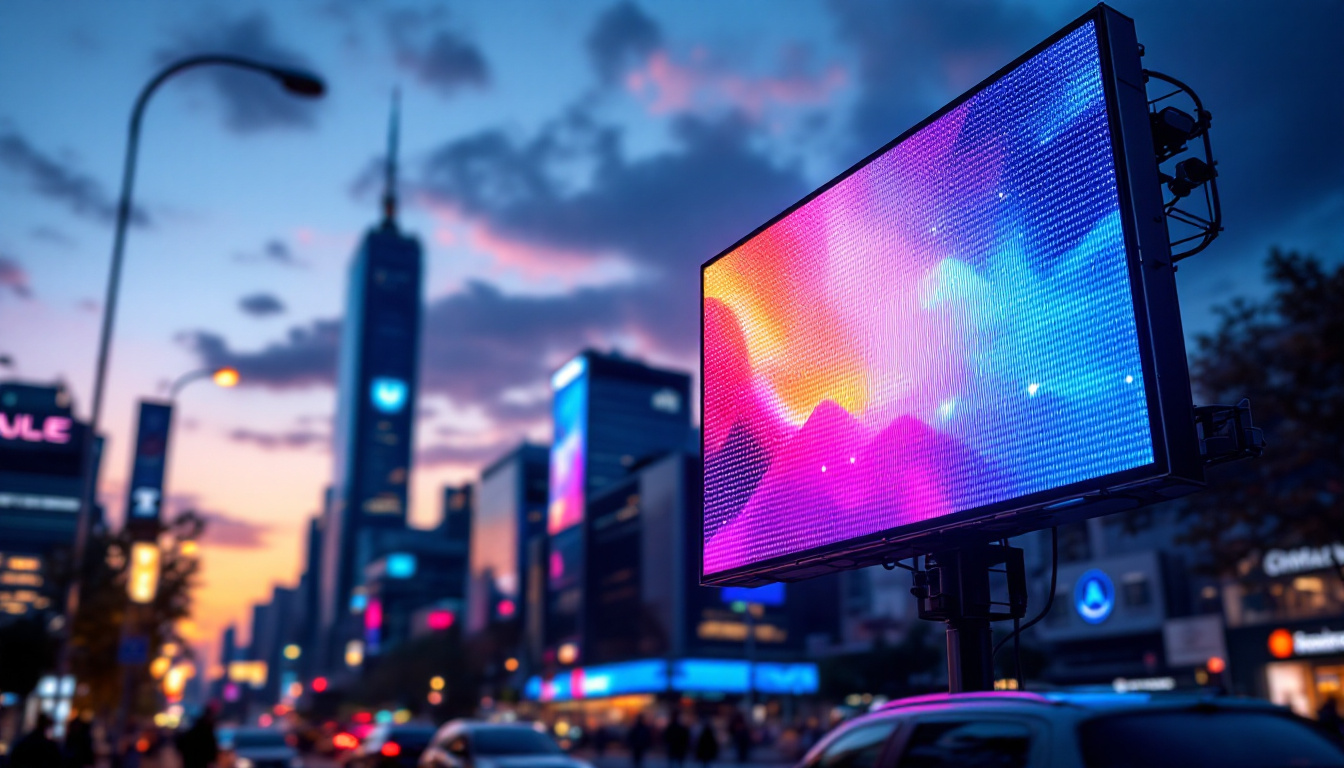
- Outdoor Signage: Durable, bright displays suitable for all weather conditions.
Looking Ahead
As Micro LED technology matures, it is expected to become a dominant force in the display industry. For projectors, this means more compact, efficient, and visually stunning devices that can serve a wide range of environments—from home theaters and classrooms to large-scale commercial venues.
Industry analysts predict that by the mid-2020s, Micro LED projectors will become more affordable and widely adopted, driven by advancements in manufacturing and increasing consumer demand for high-quality, energy-efficient displays.
Conclusion
Micro LED projectors represent a significant leap forward in display technology, combining the best attributes of LED and OLED systems while overcoming many of their limitations. Their ability to deliver bright, vibrant images with exceptional contrast, long lifespan, and energy efficiency positions them as a compelling choice for the future of projection.
Although challenges remain in scaling production and reducing costs, the rapid pace of innovation suggests that Micro LED projectors will soon become accessible to a broader audience. Whether for professional cinema, business presentations, or immersive home entertainment, Micro LED technology is set to redefine the projector landscape.
Explore the Future of Projection with LumenMatrix
Ready to experience the next evolution in display technology? LumenMatrix is at the forefront of the LED revolution, offering a diverse range of cutting-edge LED display solutions. From captivating Indoor LED Walls to dynamic Outdoor LED Displays, and from versatile Vehicle LED Displays to innovative Custom LED Solutions, LumenMatrix has the perfect display to bring your vision to life. Embrace the future with displays that promise to transform any space into a vibrant canvas for storytelling. Check out LumenMatrix LED Display Solutions today and see how we can enhance your visual communication with clarity and impact.