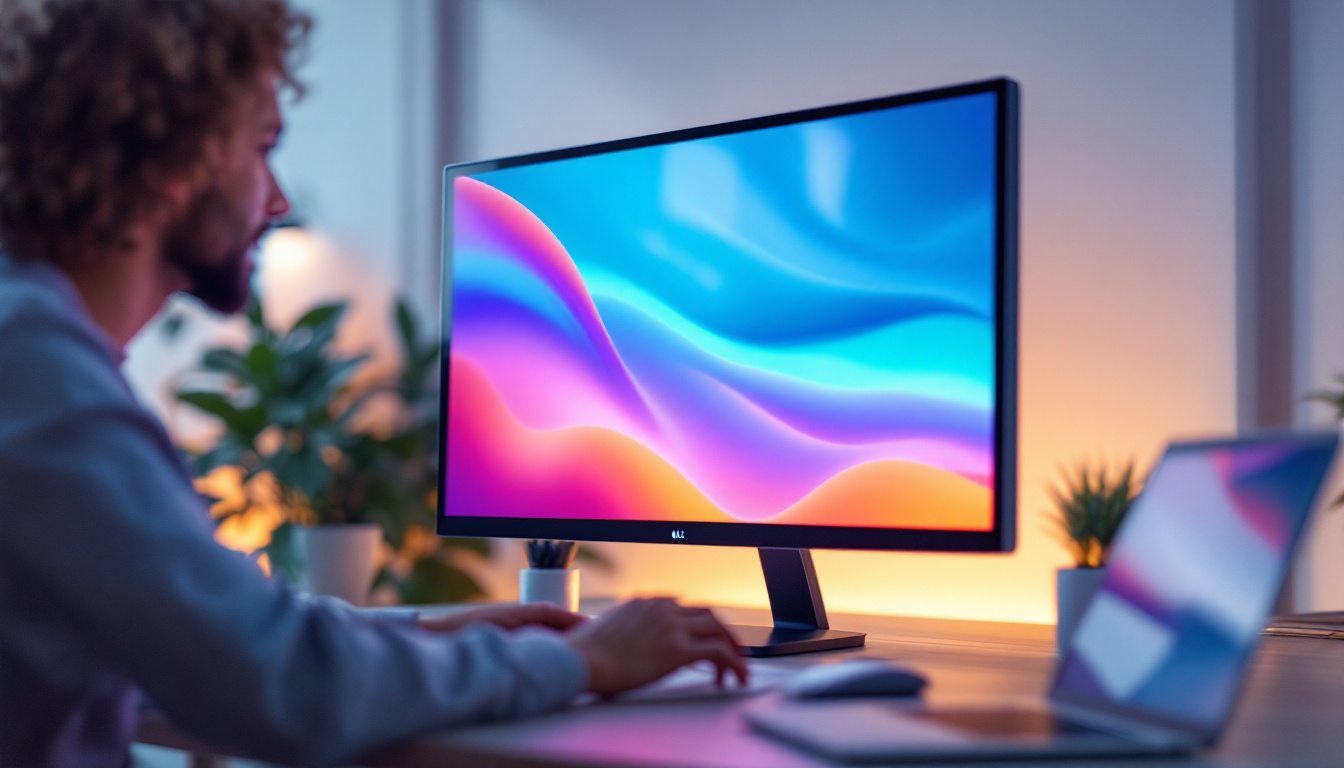
In the rapidly evolving world of digital signage and visual communication, LED displays have emerged as a cornerstone technology. From sprawling outdoor billboards to dynamic indoor video walls, LED displays offer unparalleled brightness, flexibility, and impact. This article delves into the multifaceted world of multi-screen LED displays, explaining their technology, applications, and why they are revolutionizing how businesses and organizations communicate with audiences worldwide.
Understanding LED Display Technology
At its core, an LED (Light Emitting Diode) display is a flat panel that uses an array of light-emitting diodes as pixels to create images and videos. Unlike traditional LCD or plasma screens, LED displays produce their own light, which results in higher brightness and better contrast ratios. This capability allows for vibrant colors and sharp images, making LED technology a popular choice for everything from small electronic devices to massive outdoor billboards.
How LED Displays Work
Each pixel on an LED display consists of tiny diodes that emit light when an electric current passes through them. These diodes can be red, green, or blue, and by varying the intensity of each color, the display can render a full spectrum of colors. The combination of these pixels creates vivid images that are visible even in bright daylight conditions. The technology behind LED displays also allows for rapid refresh rates, which is essential for displaying fast-moving content like sports or action movies without blurring.
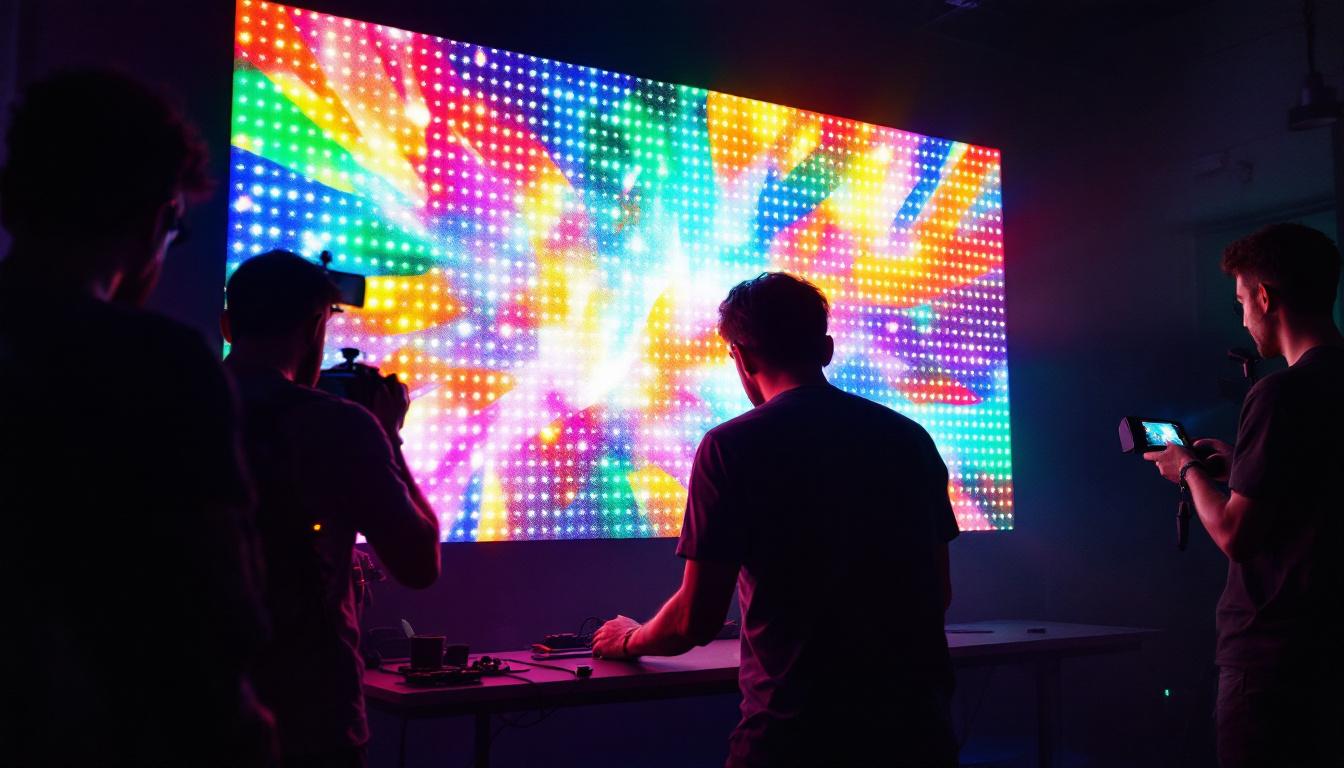
Modern LED displays are typically composed of modules, which are small panels containing a grid of LEDs. These modules are tiled together to form a larger screen, enabling the creation of multi-screen setups that can be customized to virtually any size or shape. This modular design not only enhances flexibility in installation but also simplifies maintenance; if a module fails, it can be easily replaced without needing to dismantle the entire display.
Types of LED Displays
LED displays come in two primary types: direct view LED and LED-backlit LCD. Direct view LED displays use diodes as the actual pixels, offering superior brightness and viewing angles. LED-backlit LCDs, on the other hand, use LEDs as a backlight source behind an LCD panel, which is common in consumer televisions but less suitable for large-scale signage. The choice between these types often depends on the intended application, with direct view LED displays being favored for high-impact advertising and large venues.
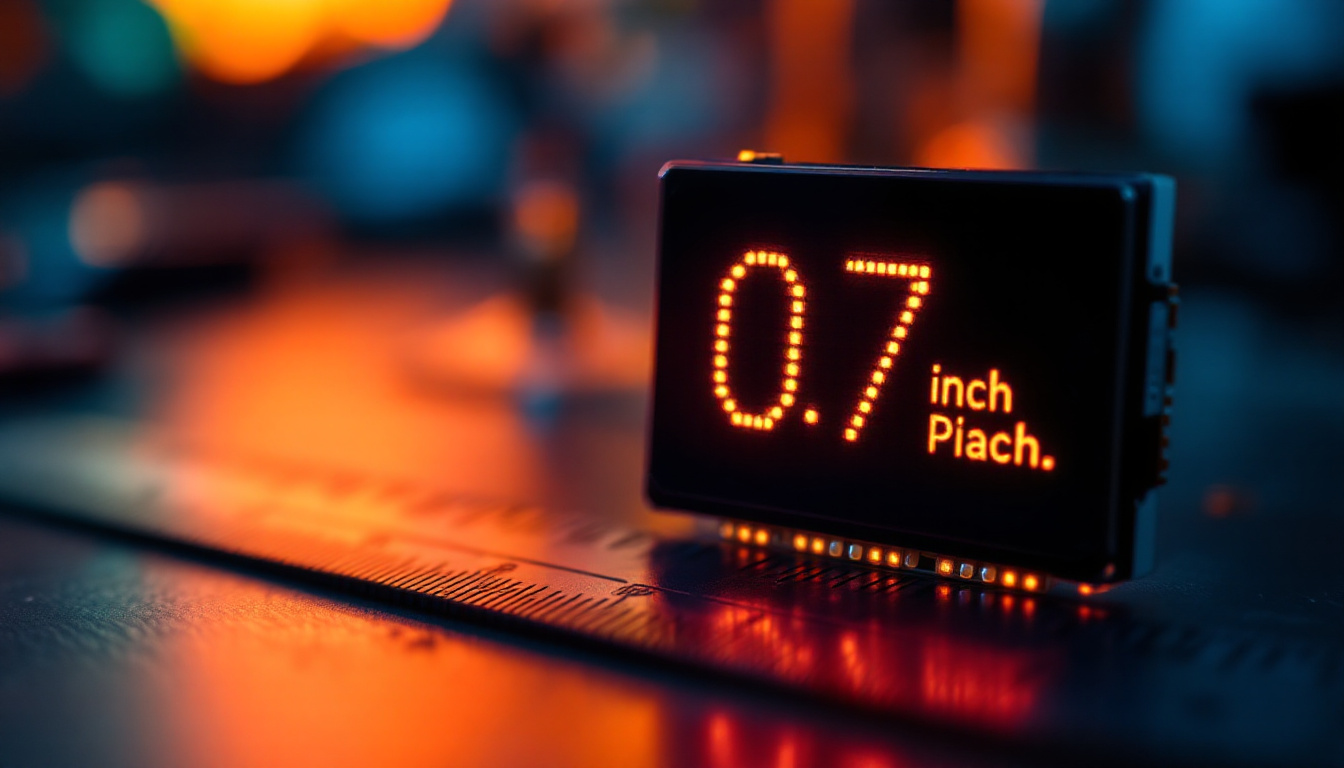
Within direct view LED displays, there are further distinctions based on pixel pitch — the distance between the centers of adjacent pixels. Smaller pixel pitches (e.g., 1.2 mm to 2.5 mm) are ideal for indoor use where viewers are close to the screen, while larger pitches (e.g., 10 mm and above) are suited for outdoor applications where the viewing distance is greater. Additionally, advancements in technology have led to the development of flexible LED displays, which can be bent or shaped to fit unconventional spaces, opening up new possibilities for creative installations in art and architecture.
The Rise of Multi-Screen LED Displays
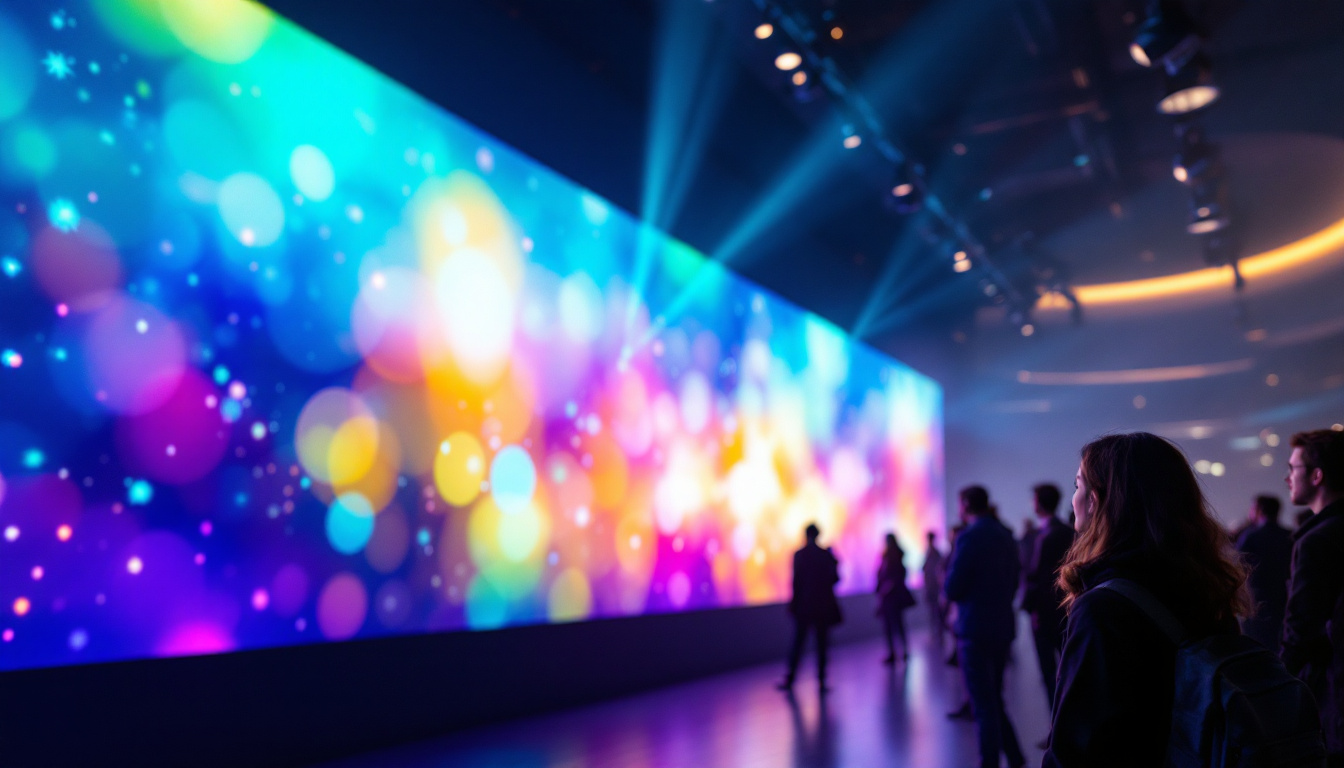
Multi-screen LED displays take the concept of a single LED panel and multiply it, creating expansive visual canvases that can captivate large audiences. These setups are increasingly popular in arenas, retail environments, transportation hubs, and corporate settings. Their ability to deliver high-impact visuals makes them an essential tool for engaging viewers and conveying messages effectively in a variety of contexts.
Advantages of Multi-Screen Configurations
One of the key benefits of multi-screen LED displays is scalability. Businesses can start with a modest setup and expand their display area as needed without replacing the entire system. This modularity also allows for creative freedom in design, enabling curved, angled, or irregularly shaped video walls that enhance visual appeal. Such flexibility is particularly advantageous for brands looking to create unique experiences that stand out in crowded marketplaces.
Additionally, multi-screen LED displays provide redundancy. If one module or screen experiences a fault, the rest of the display can continue operating, minimizing downtime. This reliability is crucial in environments where continuous operation is essential, such as control rooms or live event venues. Moreover, the ease of maintenance inherent in these systems means that technicians can quickly replace or service individual screens without significant disruption to the overall display, ensuring that the show goes on.
Technological Innovations Driving Multi-Screen Displays
Recent advancements have made multi-screen LED displays more accessible and versatile. For example, improvements in pixel pitch technology have allowed for ultra-fine resolutions, making video walls indistinguishable from traditional high-definition screens even at close range. This level of detail not only enhances the viewing experience but also allows for more intricate visual storytelling, making it easier for brands to communicate complex messages through stunning imagery.
Furthermore, sophisticated video processing hardware and software enable seamless content distribution across multiple screens, ensuring synchronized playback and dynamic content management. Innovations like bezel-less designs and flexible LED panels allow for nearly invisible seams between screens, enhancing the immersive experience. In addition, the integration of artificial intelligence and machine learning algorithms is paving the way for smarter content curation and audience engagement strategies, allowing businesses to tailor their displays to the preferences and behaviors of their viewers in real-time. This fusion of technology and creativity is transforming how we interact with visual media, setting the stage for even more groundbreaking applications in the future.
Applications of Multi-Screen LED Displays
The versatility of multi-screen LED displays has led to their adoption across a wide range of industries and use cases. Understanding these applications highlights the technology’s impact and potential.
Advertising and Outdoor Signage
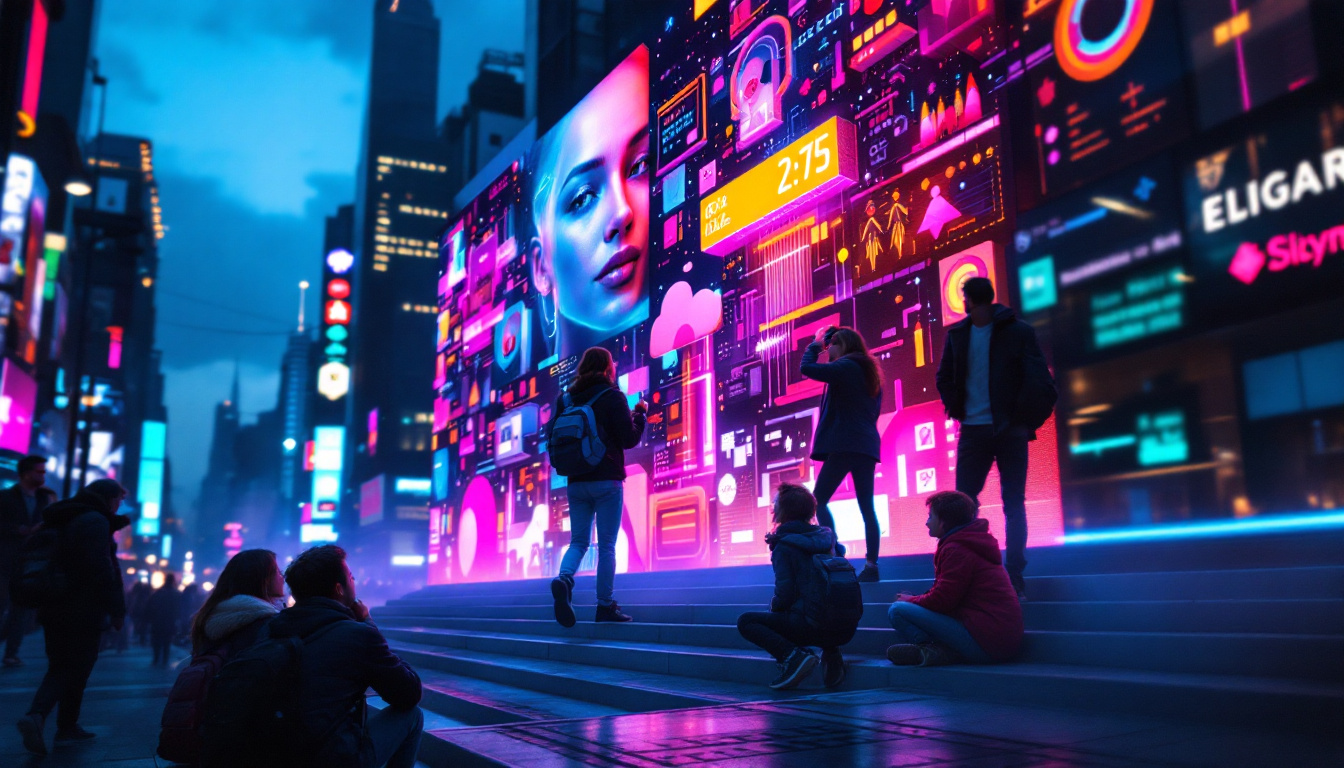
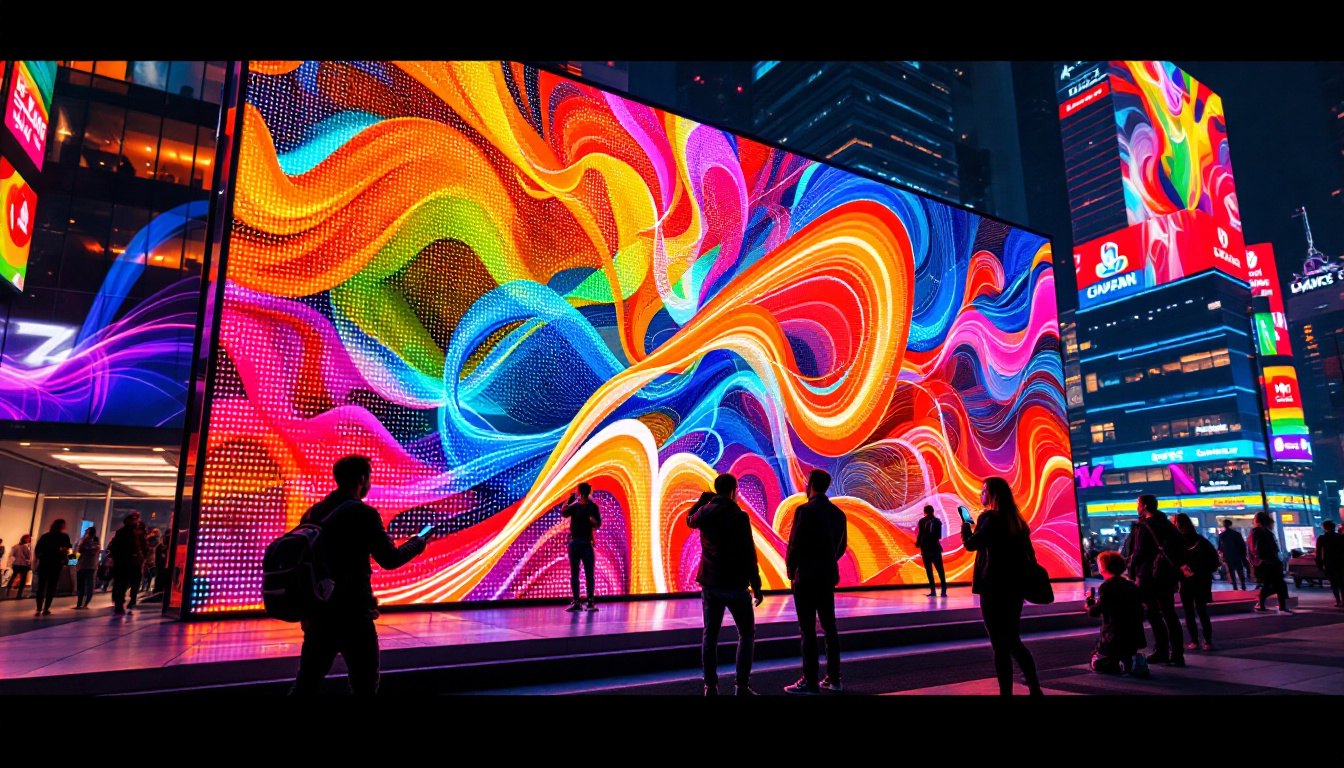
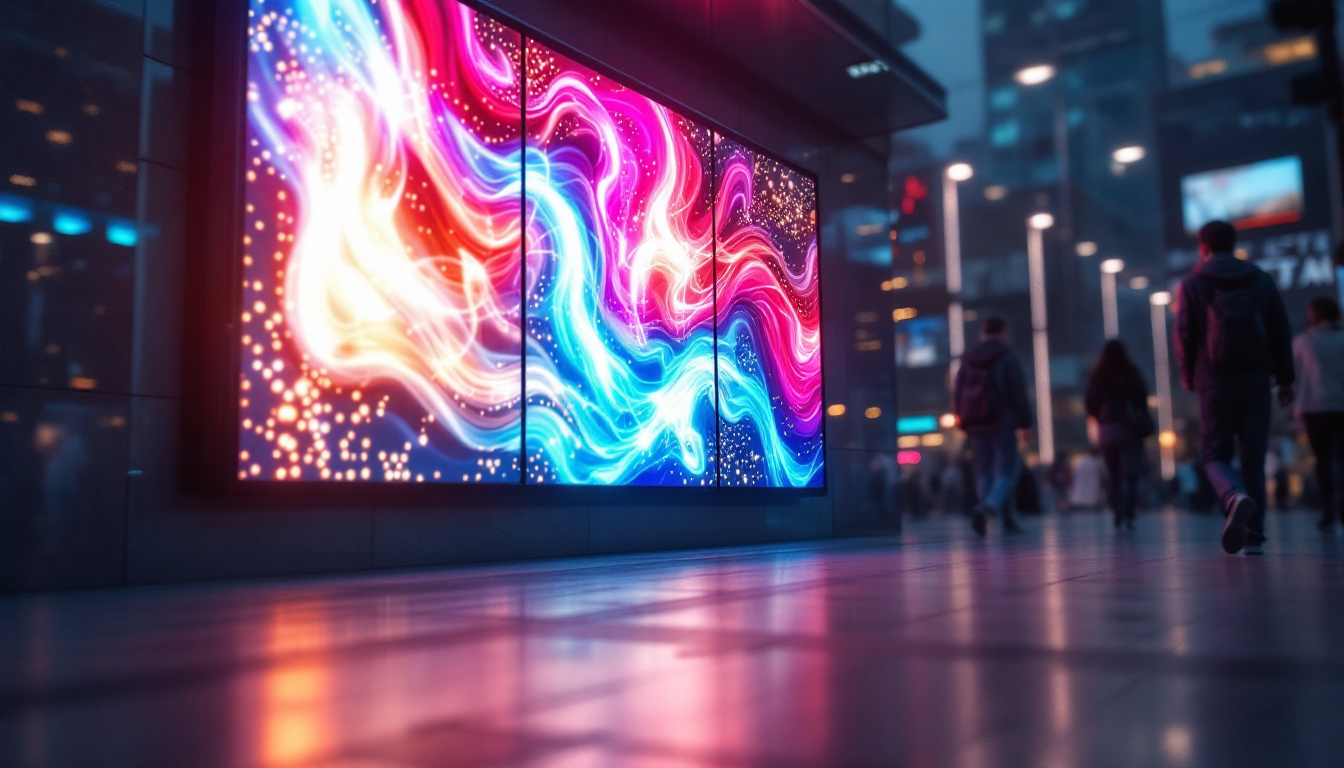
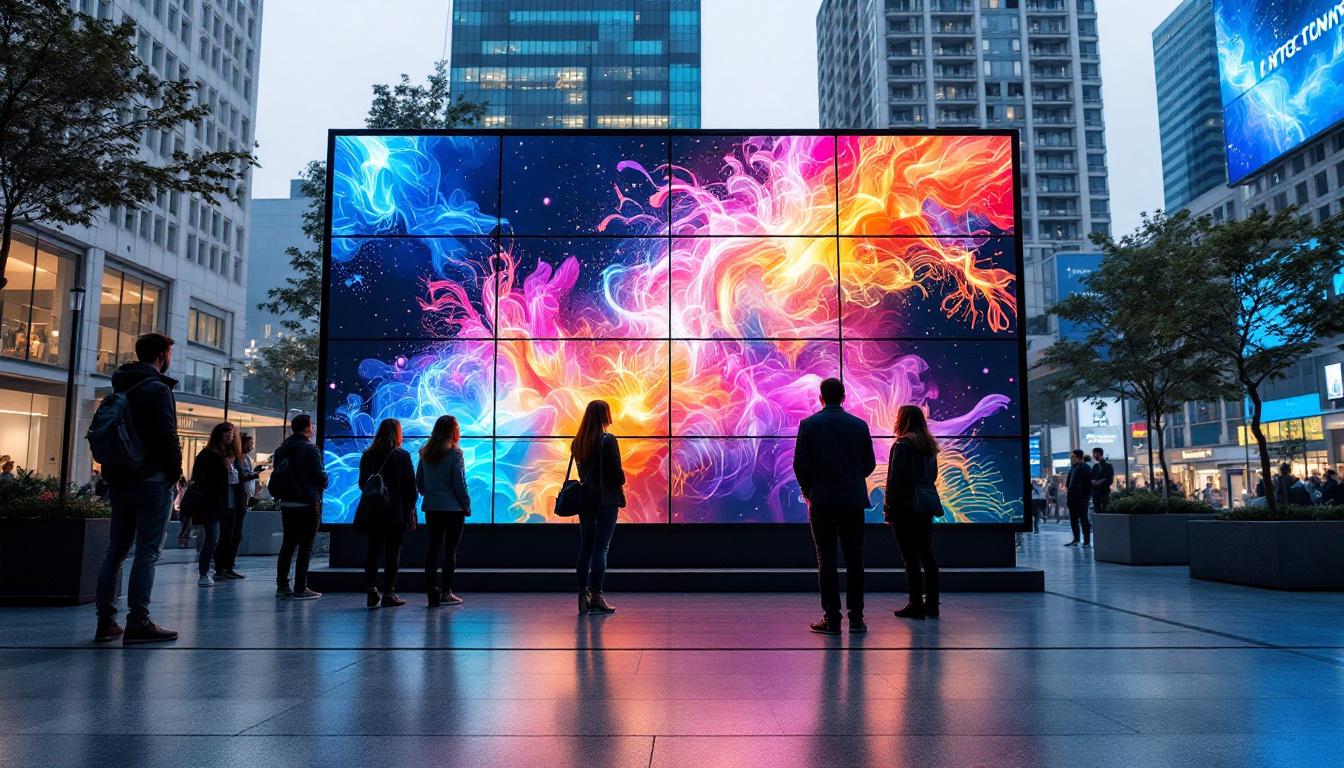
Outdoor LED billboards are among the most visible examples of multi-screen LED technology. According to the Outdoor Advertising Association of America, digital out-of-home advertising revenue surpassed $4 billion in 2023, driven largely by LED displays. Their high brightness and weather resistance make them ideal for capturing attention in bustling urban environments.
Brands use these displays for dynamic advertisements that can be updated in real time, allowing for targeted messaging based on time of day, weather, or audience demographics. Multi-screen configurations enable the creation of massive, eye-catching installations that dominate cityscapes.
Sports Arenas and Entertainment Venues
Sports arenas have embraced multi-screen LED displays to enhance fan engagement. Large video walls provide instant replays, live statistics, and immersive visuals that enrich the spectator experience. The ability to configure screens in unique shapes allows venues to integrate displays into architectural elements seamlessly.
Entertainment venues also use these displays for concerts, theater productions, and exhibitions, where dynamic backgrounds and interactive visuals can transform the ambiance and storytelling.
Corporate and Control Rooms
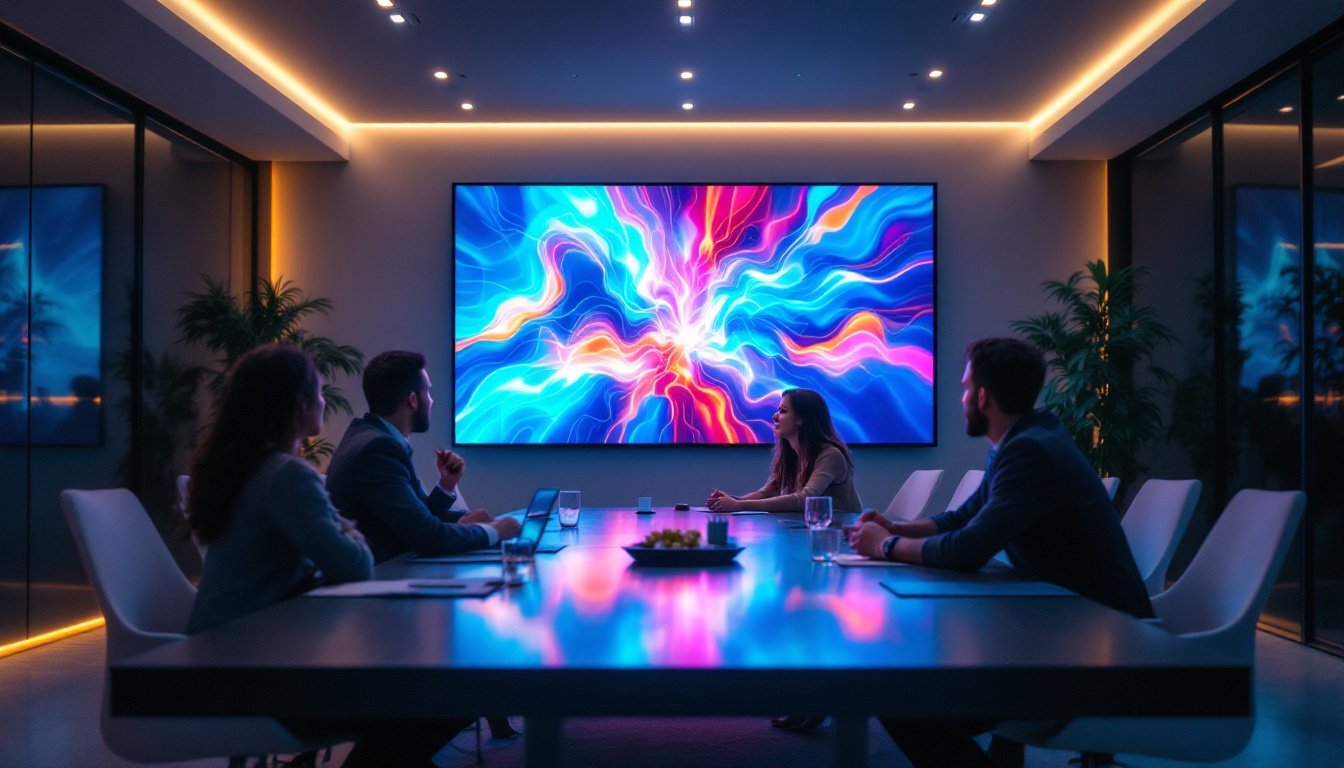
In corporate environments, multi-screen LED walls serve as powerful tools for presentations, video conferencing, and data visualization. They enable teams to collaborate more effectively by displaying multiple streams of information simultaneously.
Control rooms in industries such as transportation, utilities, and security rely on multi-screen LED displays to monitor complex systems in real time. The high resolution and brightness ensure critical data is visible at a glance, improving situational awareness and decision-making.
Retail and Hospitality
Retailers use multi-screen LED displays to create immersive shopping experiences. Video walls can showcase product features, promotional content, and interactive elements that engage customers and drive sales. In hospitality, LED displays enhance guest experiences by providing wayfinding, event information, and entertainment.
Key Considerations When Choosing Multi-Screen LED Displays
Selecting the right LED display setup requires careful evaluation of various factors to ensure it meets the specific needs of the application.
Resolution and Pixel Pitch
The resolution of an LED display is determined by its pixel pitch and physical size. For indoor environments where viewers are close, a smaller pixel pitch is essential to avoid visible pixelation. Conversely, outdoor displays can use larger pixel pitches without sacrificing image quality due to greater viewing distances.
Choosing the appropriate resolution ensures content appears sharp and professional, which is critical for brand image and viewer engagement.
Brightness and Contrast
Brightness levels are measured in nits, with outdoor LED displays often requiring 5,000 nits or more to remain visible under direct sunlight. Indoor displays typically operate at lower brightness levels but still need sufficient luminance to overcome ambient lighting conditions.
High contrast ratios improve image depth and color vibrancy, making content more appealing and easier to read.
Durability and Maintenance
LED displays, especially those used outdoors, must withstand environmental challenges such as rain, dust, and temperature fluctuations. IP ratings indicate the level of protection against these elements, with IP65 or higher being common for outdoor installations.
Modular designs facilitate easier maintenance by allowing individual panels to be replaced without dismantling the entire display. This reduces downtime and service costs.
Content Management and Connectivity
Effective content management systems (CMS) are vital for multi-screen LED displays, enabling users to schedule, update, and synchronize content across multiple screens. Integration with network infrastructure and compatibility with various media formats enhance operational flexibility.
Connectivity options such as HDMI, DVI, and Ethernet ensure seamless communication between the display and control systems.
The Future of Multi-Screen LED Displays
As LED technology continues to advance, the future of multi-screen displays looks promising with innovations that will further enhance their capabilities and applications.
MicroLED and MiniLED Technologies
Emerging technologies like MicroLED and MiniLED promise even higher resolutions, improved energy efficiency, and longer lifespans. MicroLED, in particular, offers the potential for true pixel-level control without the need for backlighting, resulting in superior image quality and thinner displays.
Interactive and Smart Displays
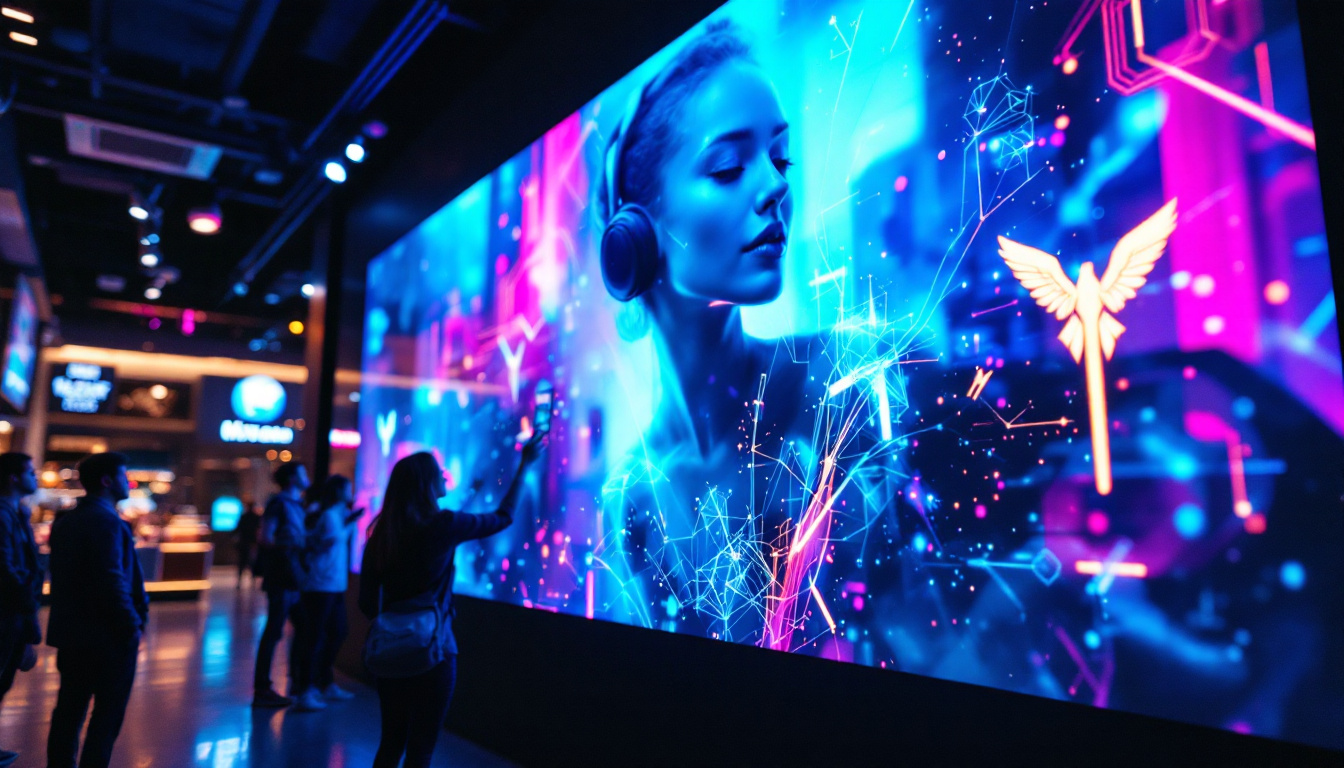
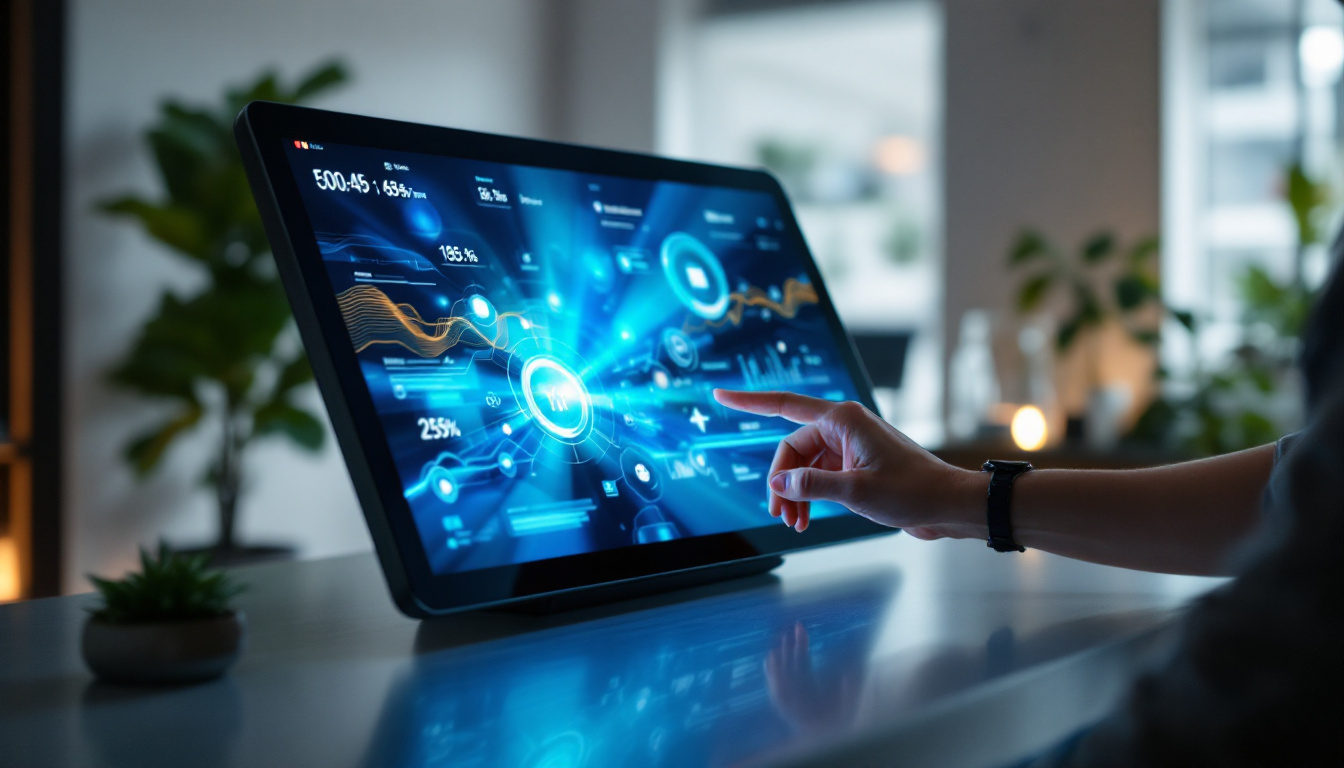
Integration of touch and gesture recognition technologies is transforming LED video walls into interactive platforms. This interactivity opens new possibilities for retail, education, and public information systems, where users can engage directly with the content.
Smart LED displays equipped with AI-powered content optimization and analytics will enable more personalized and effective communication strategies.
Sustainability and Energy Efficiency
With growing emphasis on sustainability, LED display manufacturers are focusing on reducing power consumption and using eco-friendly materials. Advances in driver electronics and heat management contribute to greener operation, aligning with corporate social responsibility goals.
Conclusion
Multi-screen LED displays represent a powerful medium for visual communication, combining technological sophistication with creative flexibility. Their ability to deliver bright, high-resolution content across expansive surfaces makes them indispensable in advertising, entertainment, corporate, and public sectors.
By understanding the underlying technology, applications, and key considerations, businesses and organizations can harness the full potential of multi-screen LED displays to engage audiences, enhance experiences, and convey messages with impact and clarity.
Illuminate Your Space with LumenMatrix
Ready to elevate your visual communication and create an unforgettable experience for your audience? LumenMatrix is at the forefront of LED display innovation, offering a diverse range of solutions from Indoor and Outdoor LED Wall Displays to specialized options like Vehicle, Sports, and Floor LED Displays. Our mission is to transform your space with LED displays that not only captivate but also convey your message with unparalleled clarity. Don’t miss the opportunity to enhance your brand’s visibility with our cutting-edge technology. Check out LumenMatrix LED Display Solutions today and step into the future of digital signage.