The NBC Olympic Studio has become an iconic part of the Olympic Games broadcasting experience, captivating millions of viewers worldwide. Central to this immersive experience is the use of cutting-edge LED display technology, which transforms the studio into a dynamic, visually stunning environment. This article explores the role of LED displays in the NBC Olympic Studio, explaining how they work, why they are chosen, and the impact they have on the viewing experience.
The Evolution of Broadcast Technology in Olympic Coverage
Broadcasting the Olympic Games has always been a technological challenge due to the scale and diversity of events. Over the decades, NBC has continually innovated to enhance the viewer experience, moving from simple camera setups to advanced virtual sets and high-definition video.
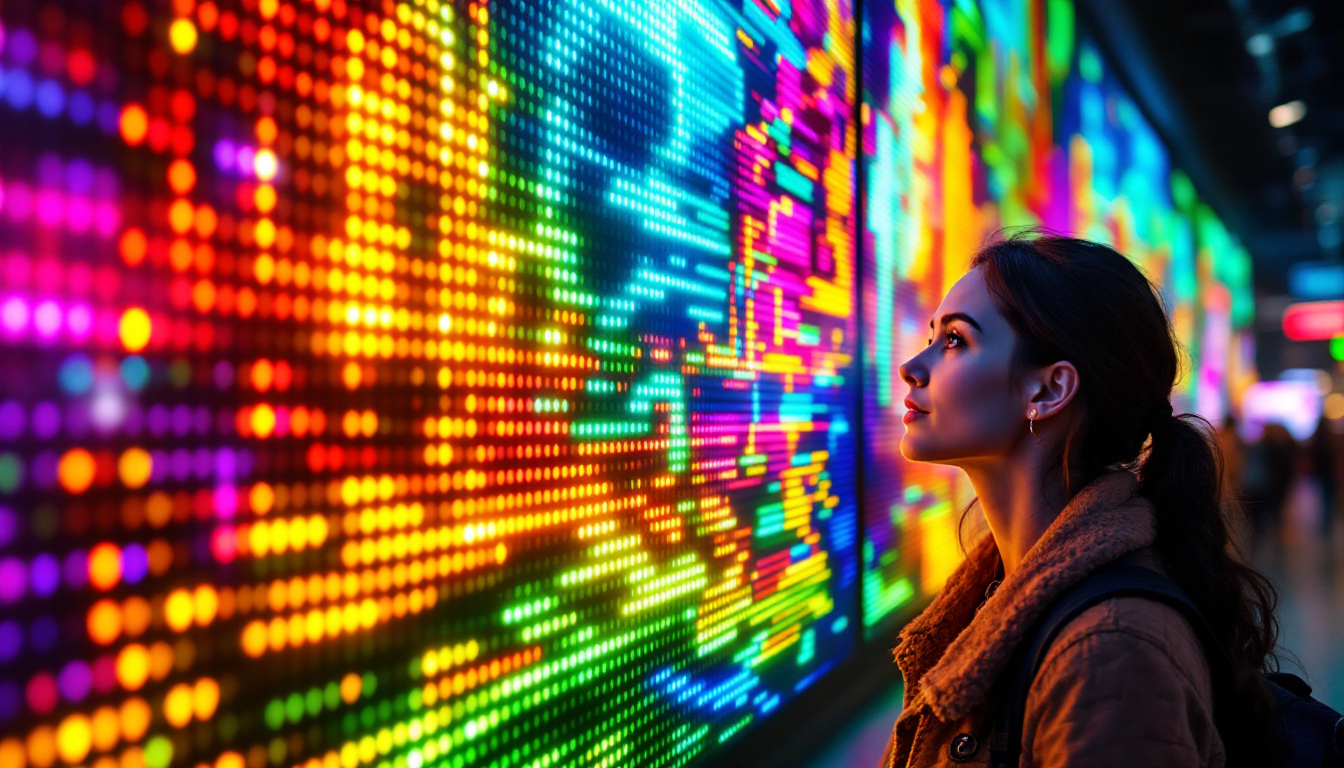
In recent years, LED display technology has become a cornerstone of this evolution. Unlike traditional green screens or static backdrops, LED displays offer vibrant, high-resolution visuals that can be changed instantly to reflect the mood, theme, or specific event being covered. This flexibility allows NBC to create a studio environment that feels alive and engaging, mirroring the energy of the Games themselves.
From Static Sets to Dynamic Visuals
In earlier Olympic broadcasts, studios relied heavily on physical set pieces and printed backdrops. While effective, these methods lacked versatility and visual impact. The introduction of LED walls and floors has revolutionized this approach, enabling seamless integration of live footage, graphics, and animations directly into the studio space.
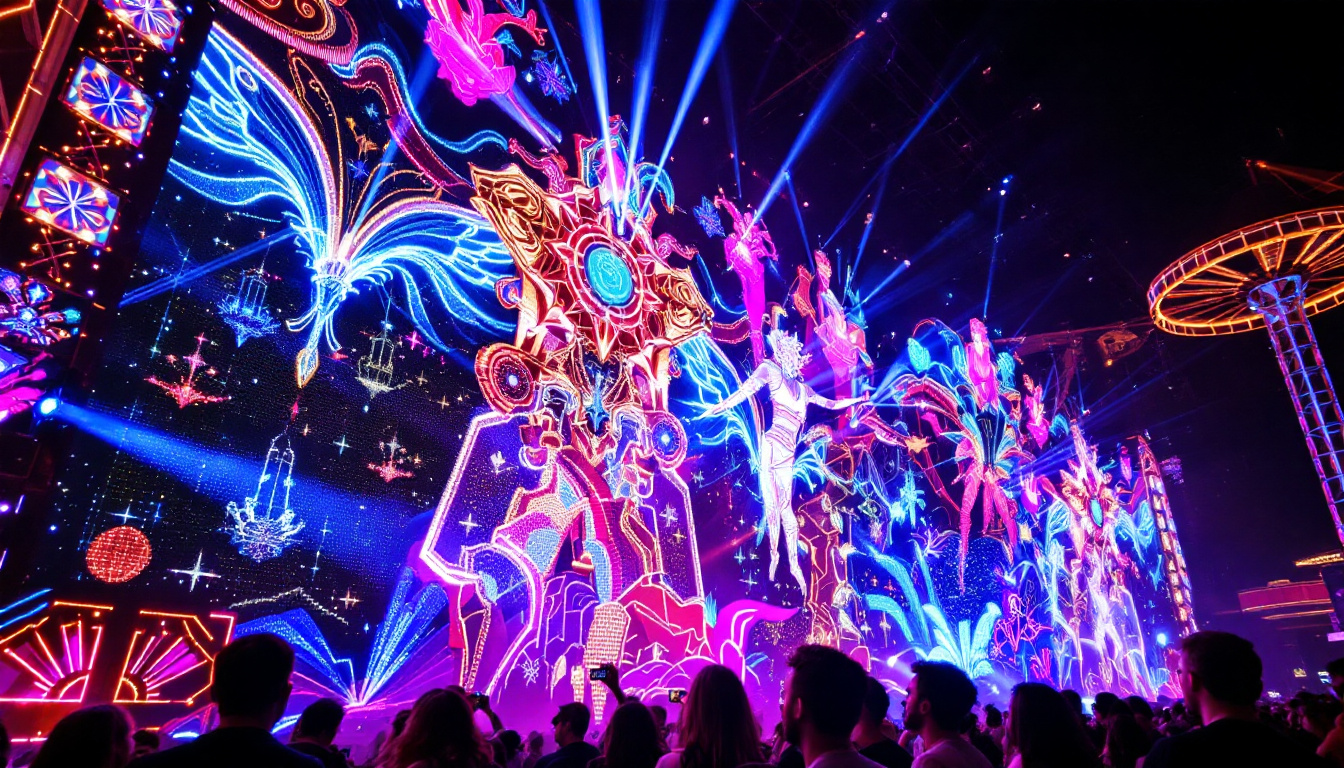
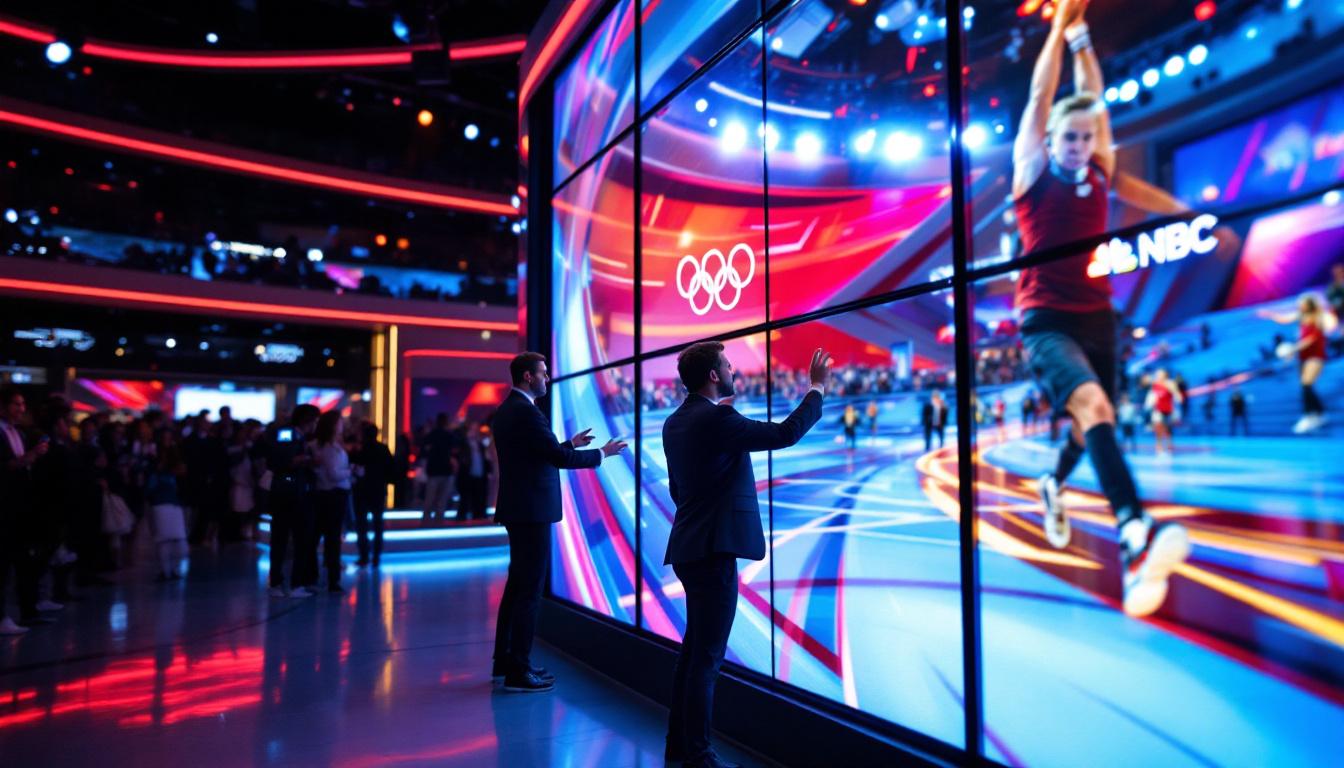
For example, during the Tokyo 2020 Olympics, NBC’s studio featured expansive LED walls that displayed real-time event highlights, athlete profiles, and interactive graphics. This immersive setup helped viewers feel closer to the action, even when the studio was physically distant from the venues. Furthermore, the use of augmented reality (AR) technology allowed commentators to provide deeper insights into the athletes’ performances and the intricacies of each sport, enhancing the storytelling aspect of the broadcasts.
As the Olympic Games continue to evolve, so too does the technology that brings them to life for millions of viewers around the globe. The implementation of drone cameras has added a new dimension to coverage, offering breathtaking aerial views of events and venues that were previously unattainable. This innovation not only captures the grandeur of the Olympic stage but also provides unique perspectives that engage viewers in ways traditional camera angles cannot. With each iteration of the Games, NBC pushes the boundaries of what is possible in sports broadcasting, ensuring that the Olympic experience is as dynamic and thrilling as the athletes competing for gold.
Understanding LED Display Technology
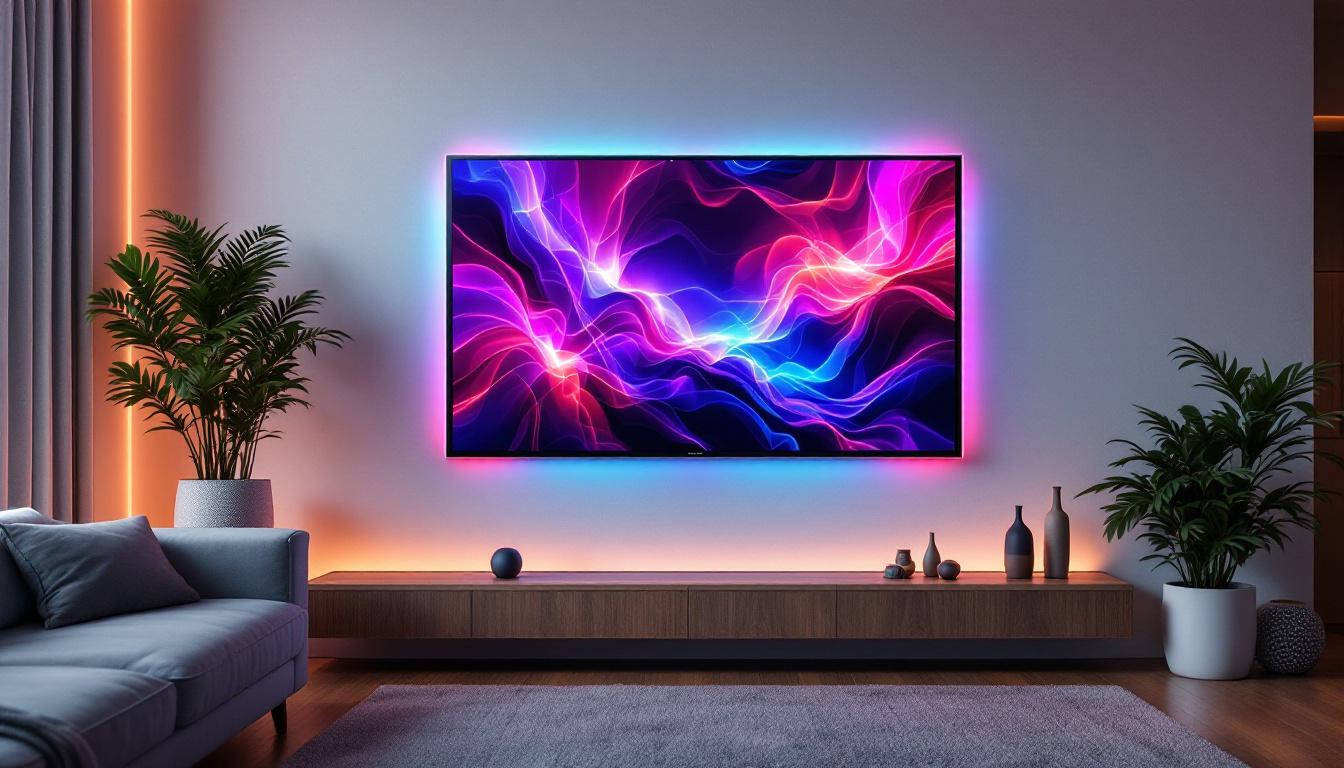
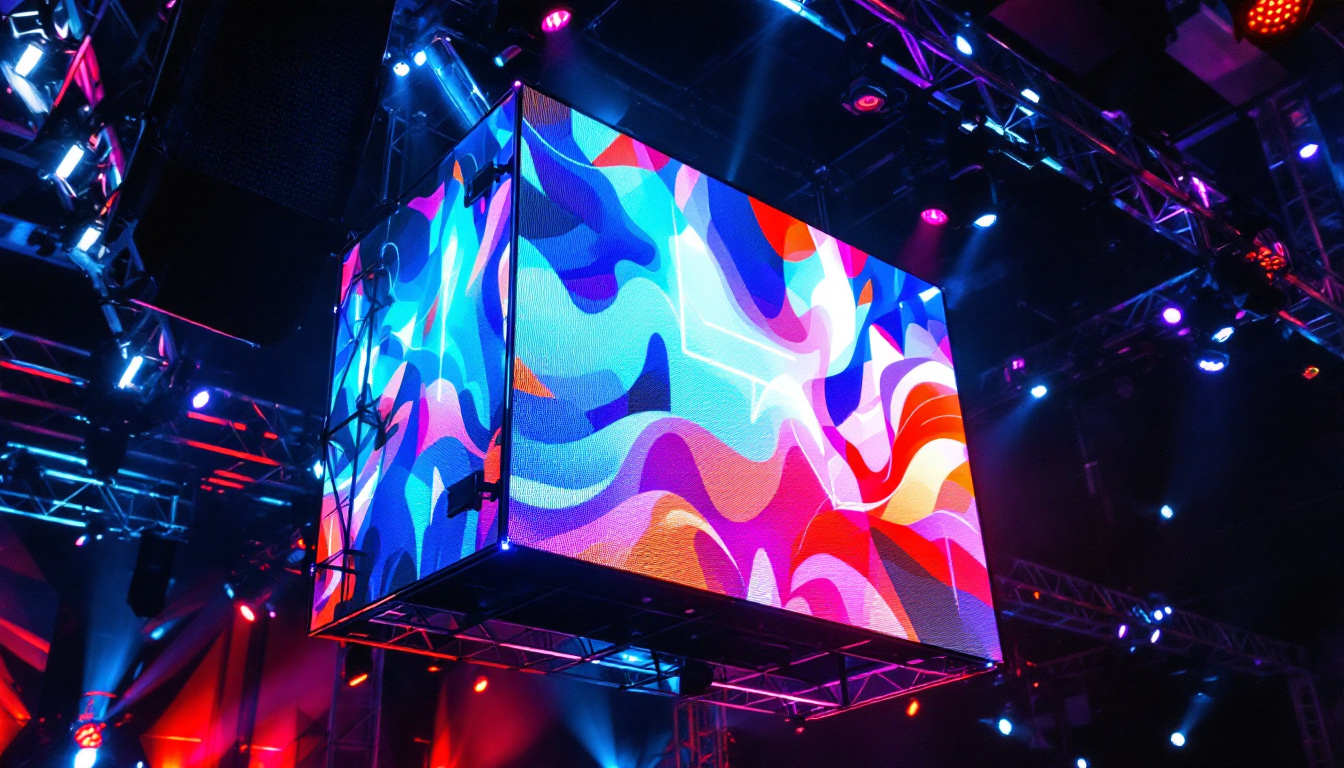
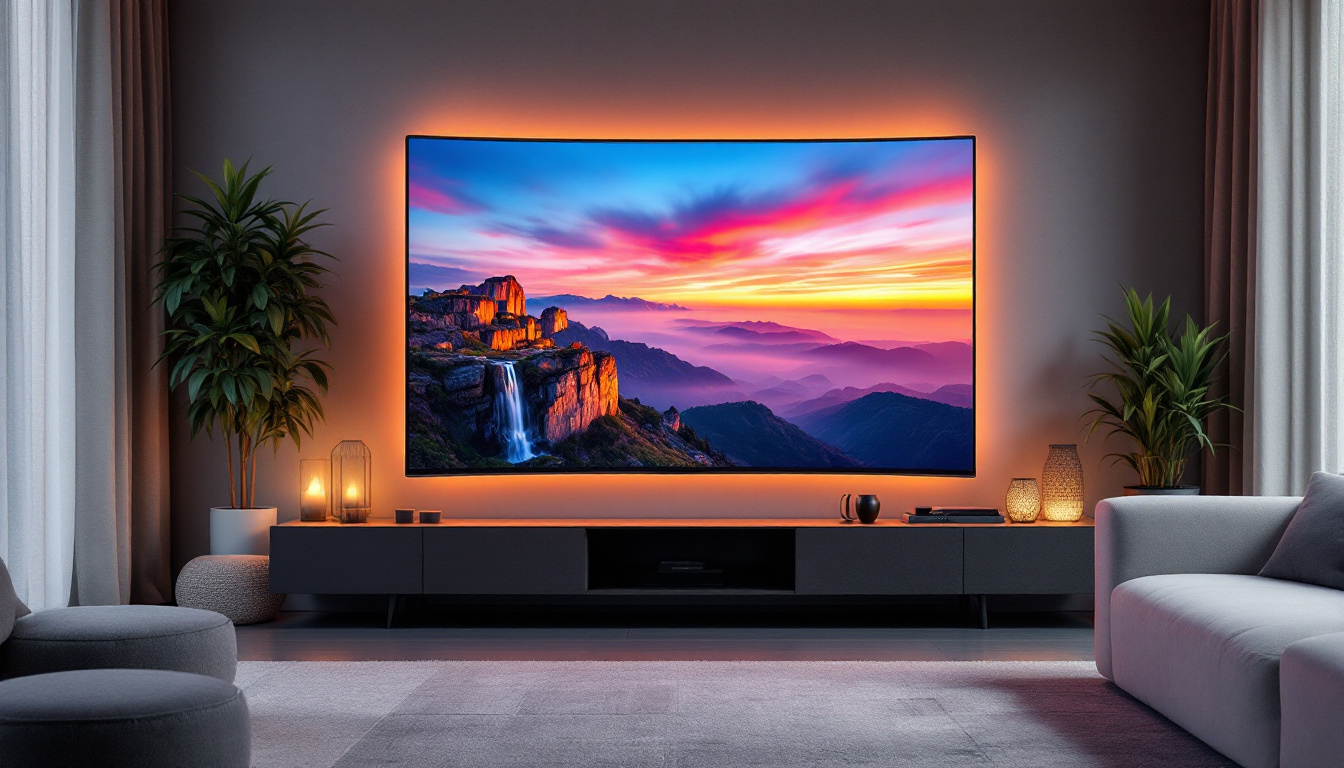
LED, or Light Emitting Diode, displays consist of numerous tiny diodes that emit light when an electrical current passes through them. These diodes are arranged in panels, which can be combined to form large screens of virtually any size and shape. The modular nature of LED technology allows for flexible configurations, making it possible to create curved or irregularly shaped displays that can fit into unique studio designs or architectural spaces.
The key advantages of LED displays include high brightness, excellent color accuracy, and wide viewing angles. These characteristics make them ideal for broadcast studios, where lighting conditions can vary and image clarity is paramount. Additionally, LED displays are energy-efficient compared to traditional display technologies, which not only reduces operational costs but also aligns with sustainability goals that many broadcasters are now prioritizing.
How LED Displays Work in a Broadcast Studio
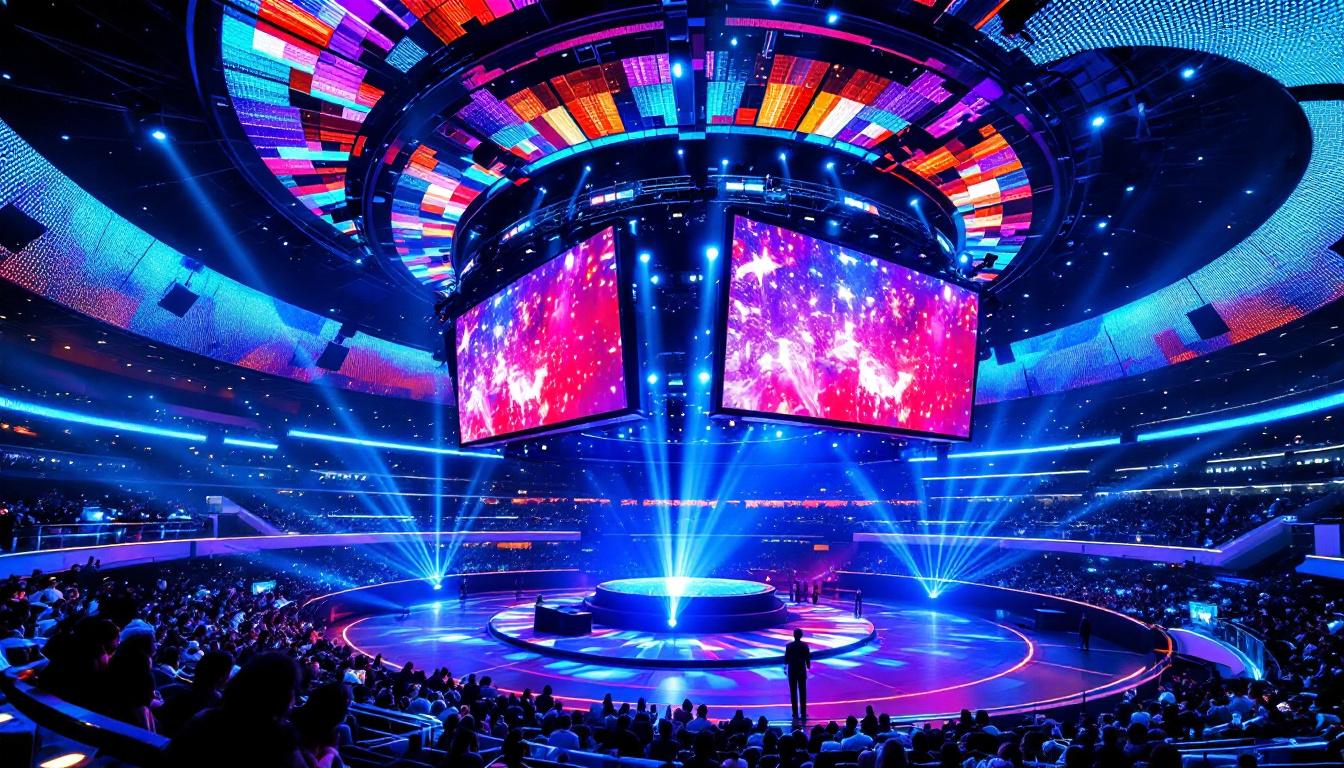
In the NBC Olympic Studio, LED panels are strategically placed to create immersive backgrounds and interactive surfaces. The displays can show anything from static images to complex video sequences, all controlled by sophisticated software that synchronizes content with the broadcast schedule. This capability allows for dynamic storytelling, where the backdrop can change in real-time to reflect the action or theme of the broadcast segment, enhancing viewer engagement.
One notable feature is the ability to display content in ultra-high definition (UHD), ensuring that every detail is crisp and clear. This is crucial for Olympic coverage, where viewers expect to see athletes’ expressions, intricate movements, and detailed graphics without any loss of quality. Furthermore, the integration of augmented reality (AR) elements into the broadcasts is made possible by LED technology, allowing for innovative visual effects that can overlay graphics onto live footage, creating a more interactive viewing experience.
Pixel Pitch and Resolution
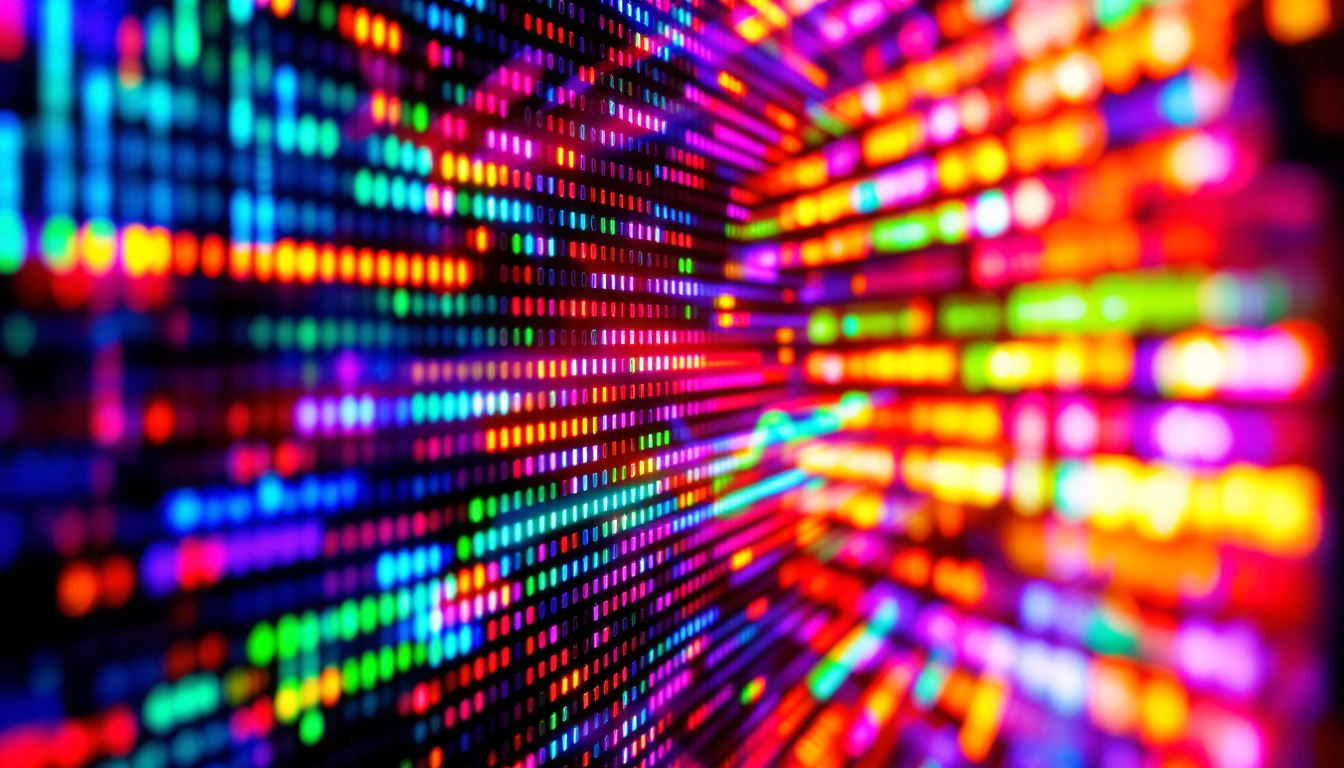
Pixel pitch, the distance between the centers of adjacent LEDs, is a critical factor in determining display quality. Smaller pixel pitches yield higher resolution and sharper images, which is essential for close-up shots in a studio environment. This precision in pixel arrangement ensures that the displays can maintain clarity even when zoomed in, which is often necessary during high-stakes moments in sports coverage.
The NBC Olympic Studio typically uses LED panels with pixel pitches ranging from 1.5 to 2.5 millimeters. This tight spacing allows the displays to deliver vivid, detailed visuals even when viewed from a short distance, such as by the on-air talent and studio cameras. Additionally, advancements in LED technology have led to the development of microLED displays, which offer even finer pixel pitches and improved performance in terms of contrast and color reproduction, further elevating the quality of broadcasts and viewer satisfaction.
Why NBC Chooses LED Displays for Olympic Coverage
The decision to use LED displays in the Olympic Studio is driven by several factors, including versatility, visual impact, and technical reliability. Each of these contributes to creating a broadcast that is both visually compelling and operationally efficient.
Versatility and Customization
One of the greatest strengths of LED technology is its adaptability. NBC can customize the studio environment in real-time to match the tone of the broadcast, whether it’s a high-energy medal ceremony or an in-depth athlete interview.
For instance, during the Beijing 2022 Winter Olympics, LED walls were used to simulate snowy landscapes and icy textures, enhancing the thematic atmosphere without the need for physical props. This capability allows producers to tell stories more effectively and keep viewers engaged throughout long broadcast hours.
Enhanced Viewer Engagement
Visual storytelling is a critical component of sports broadcasting. LED displays enable NBC to integrate live statistics, instant replays, and augmented reality elements seamlessly into the studio backdrop, enriching the narrative.
Studies have shown that dynamic visuals increase viewer retention and satisfaction. By leveraging LED technology, NBC ensures that its Olympic coverage is not only informative but also entertaining and immersive, helping to maintain high ratings and audience loyalty.
Operational Efficiency and Reliability
Broadcasting live events like the Olympics demands equipment that is dependable and easy to manage. LED displays are known for their durability and low maintenance requirements, which reduces the risk of technical issues during live broadcasts.
Moreover, the modular nature of LED panels allows for quick setup and reconfiguration, enabling NBC to adapt the studio layout as needed throughout the Games. This flexibility is invaluable when covering a multi-week event with diverse programming needs.
Technical Challenges and Solutions in Using LED Displays
Despite their advantages, LED displays also present technical challenges that must be addressed to ensure flawless broadcasts. NBC’s engineering teams work meticulously to overcome these hurdles.
Managing Brightness and Color Consistency
One common issue with LED walls is maintaining consistent brightness and color across large surfaces. Variations can occur due to differences in panel calibration or environmental lighting conditions.
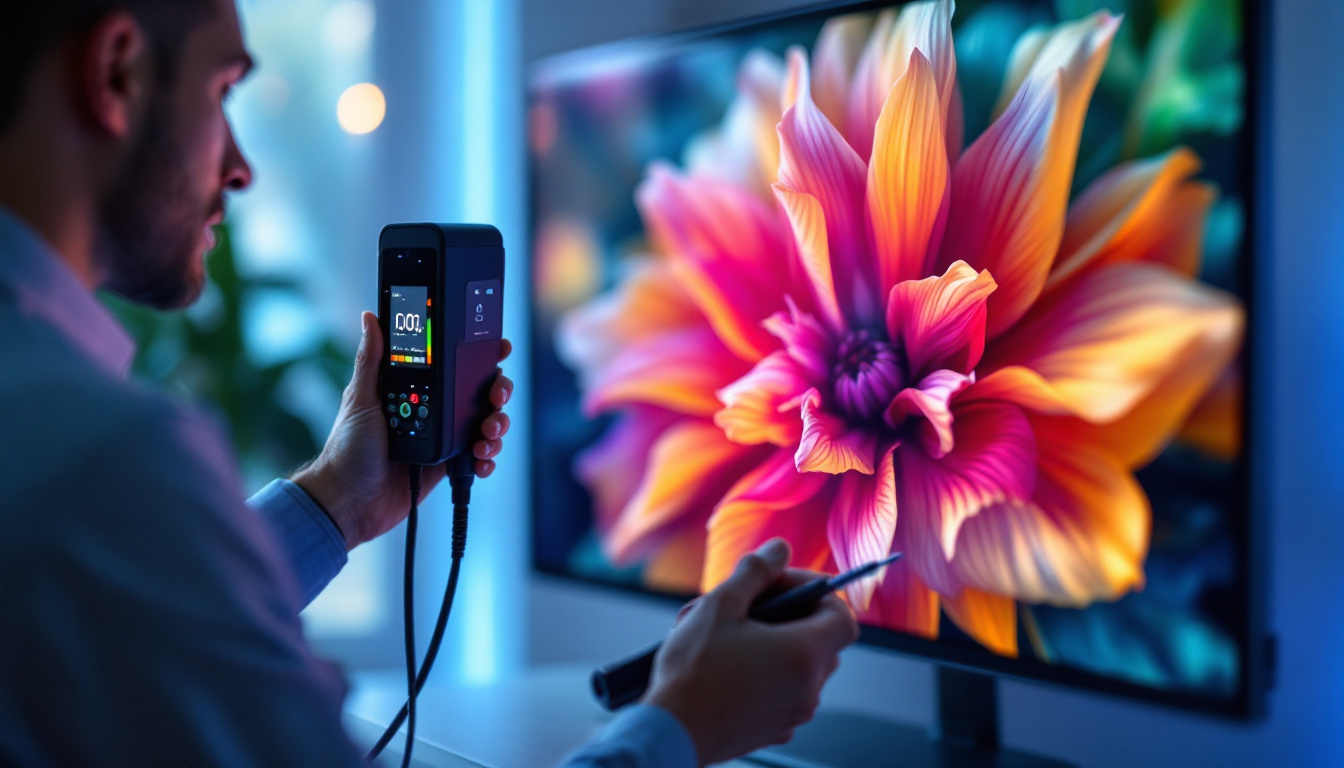
To tackle this, NBC employs advanced calibration tools that adjust each LED panel individually, ensuring uniformity. Additionally, studio lighting is carefully designed to complement the LED displays without causing glare or reflections.
Synchronization with Camera Systems
Another challenge is synchronizing the LED content with camera movements and angles to avoid visual artifacts such as flickering or moiré patterns. This requires precise timing and coordination between the LED control systems and camera tracking technology.
NBC uses specialized software that integrates with camera rigs, allowing the LED content to adjust dynamically based on the camera’s position. This results in smooth, natural visuals that enhance the overall broadcast quality.
Heat Management and Power Consumption
Large LED installations generate significant heat and consume considerable power, which can impact studio comfort and operational costs. NBC addresses this by using energy-efficient LED panels and implementing robust cooling systems to maintain optimal temperatures.
These measures ensure that the studio environment remains comfortable for on-air talent and crew, while also supporting sustainable broadcast practices.
The Future of LED Displays in Olympic Broadcasting
As technology continues to advance, LED displays are poised to play an even greater role in sports broadcasting. Emerging innovations promise to enhance the visual experience and expand creative possibilities.
MicroLED and Higher Resolution Panels
MicroLED technology, which uses even smaller LEDs than current panels, offers the potential for ultra-high resolution and brightness with lower power consumption. This could enable NBC to create even more detailed and immersive studio environments in future Olympic Games.
Higher resolution panels will allow for seamless integration of 8K video content, providing viewers with unprecedented clarity and realism.
Interactive and Immersive Experiences
Future LED displays may incorporate interactive features, allowing on-air talent to manipulate graphics and data in real-time through gesture recognition or touch interfaces. This interactivity could deepen viewer engagement and provide new storytelling opportunities.
Moreover, combining LED walls with augmented reality (AR) and virtual reality (VR) technologies could create hybrid broadcast environments that blend physical and digital elements, offering audiences a richer, multi-dimensional viewing experience.
Sustainability and Environmental Impact
As global awareness of environmental issues grows, broadcasters like NBC are prioritizing sustainable practices. LED technology is inherently more energy-efficient than traditional lighting and display methods, but ongoing improvements aim to further reduce power consumption and material waste.
Future LED installations may incorporate recyclable materials and smarter energy management systems, aligning Olympic broadcasts with broader sustainability goals.
Conclusion
The NBC Olympic Studio’s use of LED display technology represents a significant leap forward in sports broadcasting. By combining technical innovation with creative storytelling, NBC delivers a visually stunning and engaging viewer experience that captures the spirit of the Olympic Games.
Understanding the technology behind these displays reveals the complexity and precision required to produce world-class broadcasts. As LED technology continues to evolve, audiences can expect even more immersive and dynamic Olympic coverage in the years to come.
Illuminate Your Broadcast with LumenMatrix
As you’ve seen, LED display technology is transforming the way we experience the Olympic Games, thanks to innovators like LumenMatrix. If you’re inspired to elevate your own broadcast or live event with the same level of clarity, engagement, and dynamic storytelling, explore LumenMatrix’s comprehensive range of LED display solutions. From Indoor and Outdoor LED Walls to Custom and All-in-One LED Displays, LumenMatrix is dedicated to enhancing your brand’s visibility and creating unforgettable visual experiences. Check out LumenMatrix LED Display Solutions today and step into the future of visual communication.