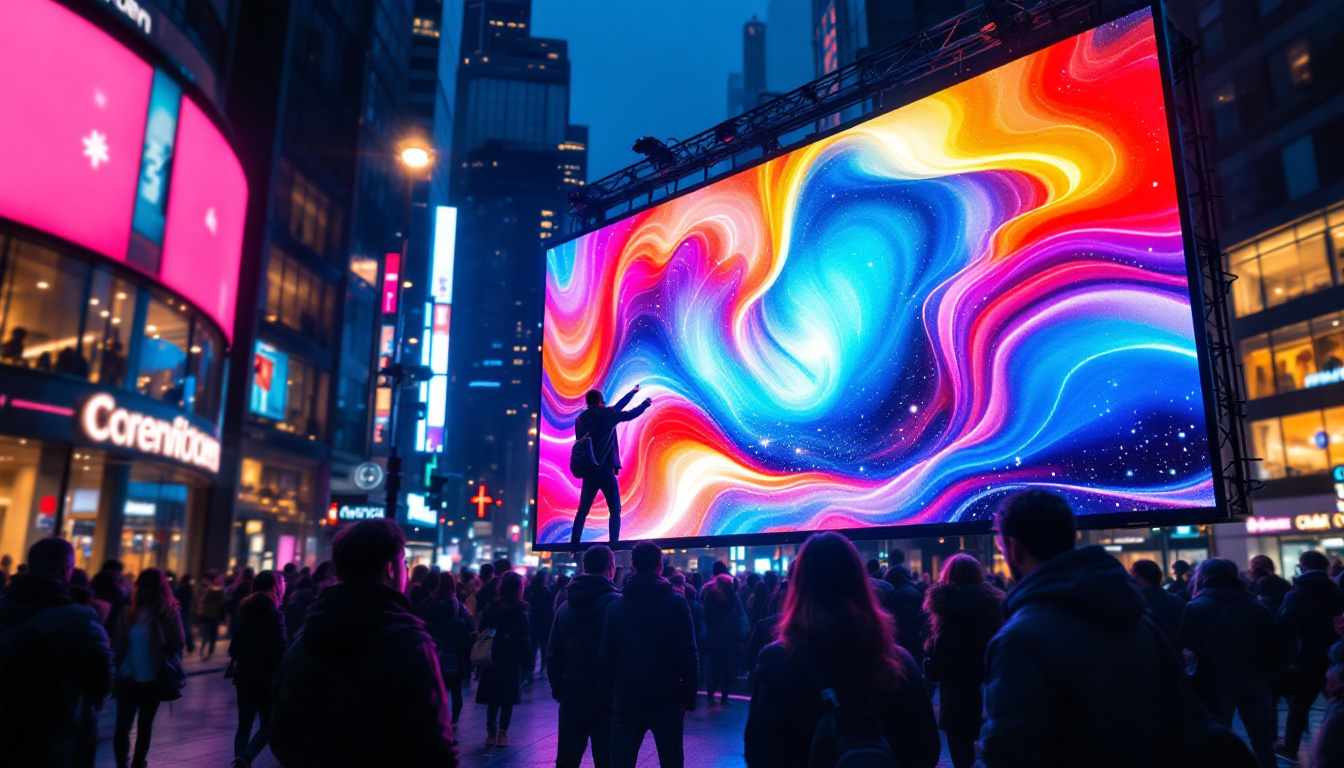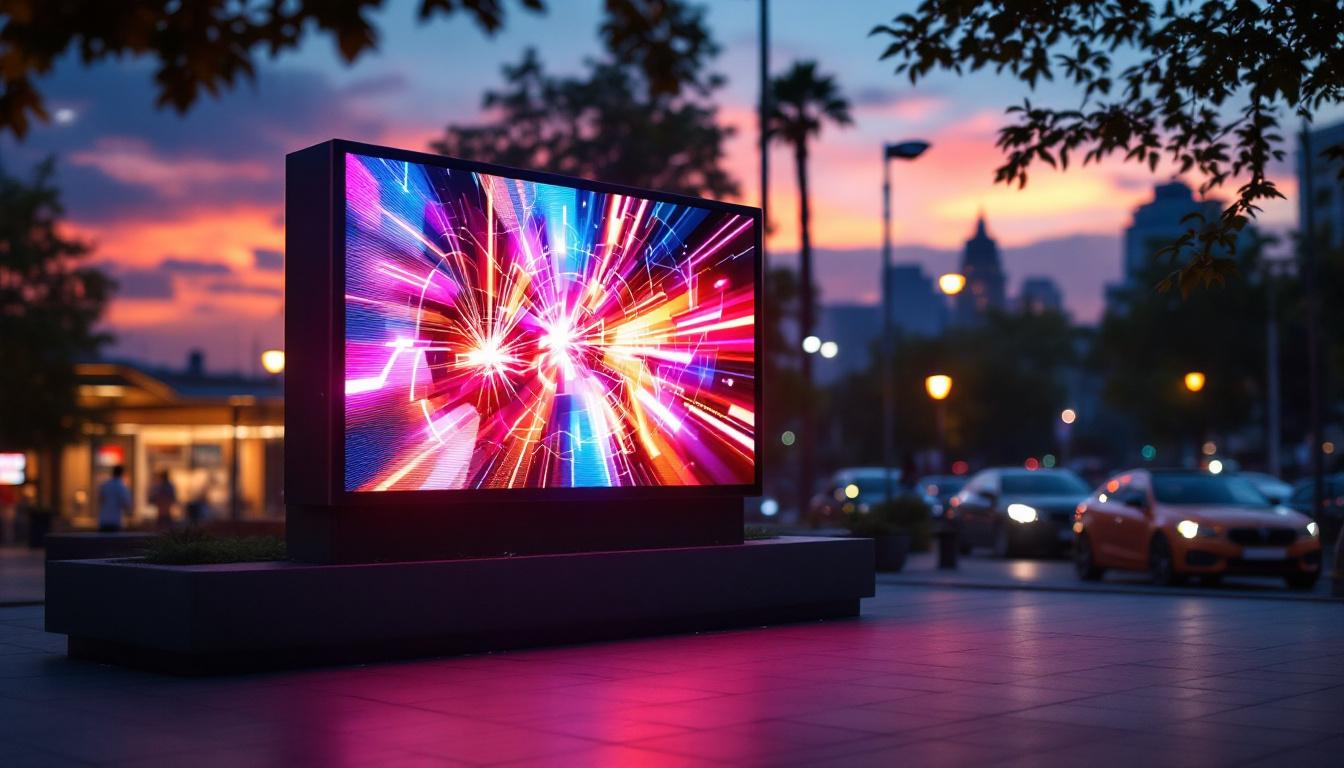
In the rapidly evolving world of digital signage, outdoor LED display boxes have become a cornerstone for businesses, municipalities, and event organizers aiming to capture attention in bustling environments. These vibrant, durable screens offer unmatched visibility and versatility, making them an essential tool for communication and advertising in outdoor spaces. This article delves into the technology behind outdoor LED display boxes, their advantages, key features, and practical applications, providing a comprehensive understanding for anyone considering this impactful medium.
Understanding Outdoor LED Display Boxes
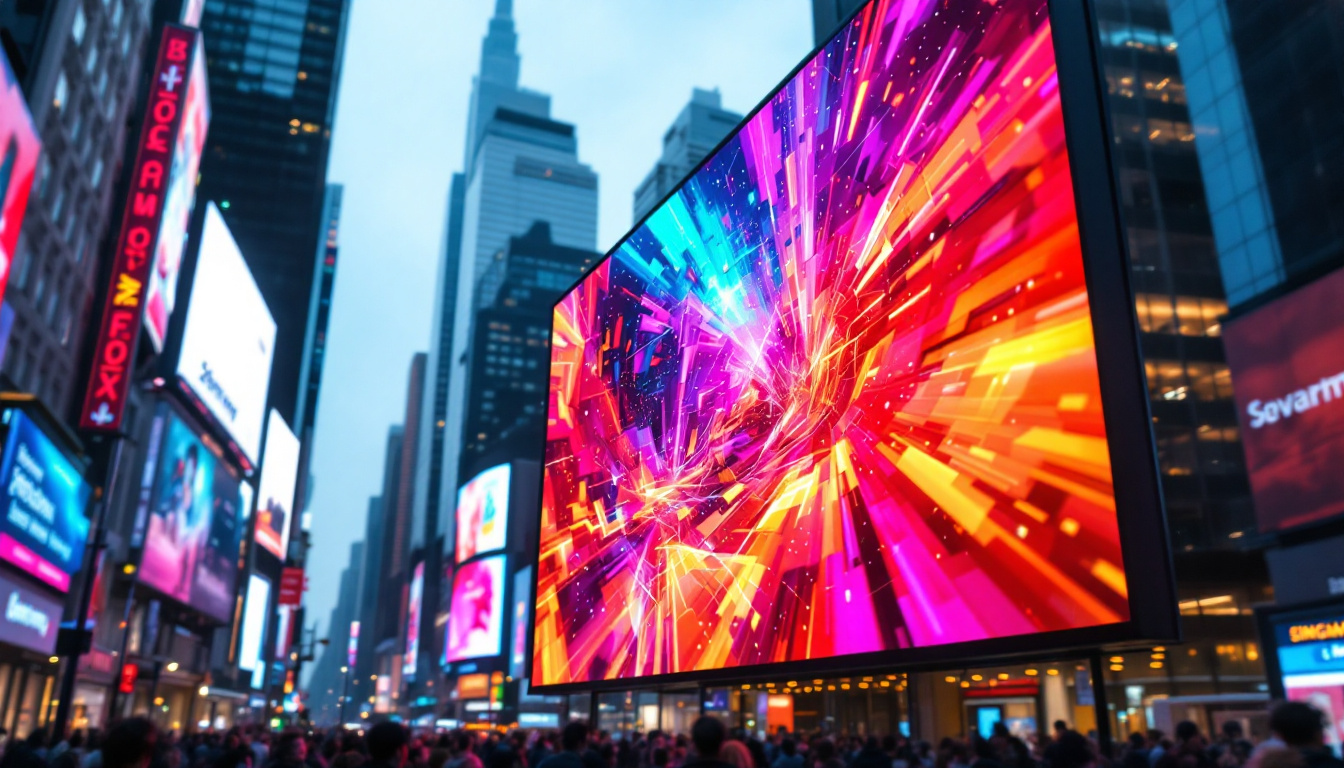
Outdoor LED display boxes are specialized digital screens designed to operate in external environments, showcasing dynamic content such as advertisements, public information, event schedules, and more. Unlike traditional static billboards, these displays use light-emitting diodes (LEDs) to produce bright, colorful images that remain clear even under direct sunlight.
The term “display box” typically refers to the protective enclosure housing the LED panel, electronics, and power supply. This enclosure is engineered to withstand weather elements such as rain, dust, wind, and temperature fluctuations, ensuring reliable performance year-round. Many manufacturers incorporate features like anti-glare coatings and UV-resistant materials to further enhance durability and visibility, making these displays suitable for a variety of outdoor settings, from busy urban streets to remote rural areas.
How LED Technology Works in Outdoor Displays
LEDs are semiconductor devices that emit light when an electric current passes through them. Outdoor LED displays consist of thousands to millions of these tiny diodes arranged in a grid, each capable of producing red, green, or blue light. By varying the intensity of these primary colors, the display can render a full spectrum of colors to create vivid images and videos. This technology allows for not just static images but also animated graphics and video playback, making it an engaging medium for advertisers and event promoters alike.
One of the key advantages of LED technology is its high brightness level. Outdoor LED displays often reach brightness levels of 5,000 to 8,000 nits or more, making them easily visible even in direct sunlight. This brightness is significantly higher than that of LCD or projection-based outdoor displays, which struggle with glare and visibility issues. Additionally, LED displays have a longer lifespan and lower energy consumption compared to traditional lighting solutions, making them an environmentally friendly option that reduces operational costs over time.
Pixel Pitch and Resolution
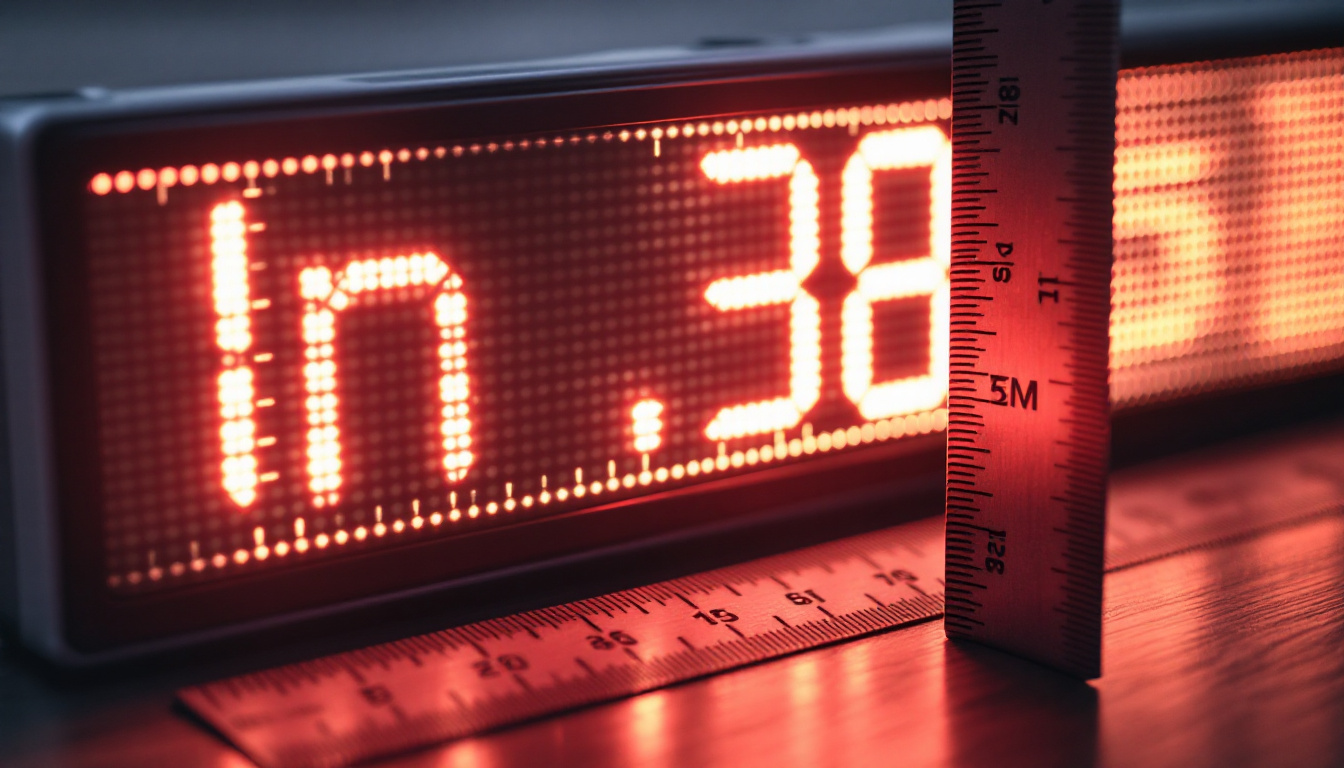
A critical specification in outdoor LED displays is the pixel pitch—the distance between the centers of two adjacent pixels, usually measured in millimeters. Smaller pixel pitches mean higher resolution and finer image detail, but also increase the cost. Outdoor displays typically have pixel pitches ranging from 4mm to 20mm, balancing visibility at distance with cost-effectiveness. This flexibility allows businesses to choose displays that best fit their specific needs, whether for high-traffic areas where viewers are far away or for locations where viewers will be up close.
For example, a billboard visible from 50 meters away might use a 16mm pixel pitch, while a display intended for close pedestrian viewing may require a 4mm pitch or less. Choosing the right pixel pitch is essential to ensure the content is clear and engaging for the intended audience. Moreover, advancements in technology are continuously improving pixel density, allowing for even more detailed and vibrant displays. As a result, outdoor LED displays are becoming increasingly popular in various applications, from sports arenas and concert venues to retail environments and public transportation hubs, where capturing attention is crucial for success.
Key Features of Outdoor LED Display Boxes
Outdoor LED display boxes are engineered with several features that differentiate them from indoor displays and make them suitable for harsh environments.
Weatherproof and Durable Construction
The enclosure of an outdoor LED display box is typically rated with an IP65 or higher ingress protection rating, meaning it is dust-tight and protected against water jets. This ensures the electronics inside remain safe from rain, dust storms, and other environmental hazards.
Materials like aluminum alloy or stainless steel are commonly used for the frame and housing to resist corrosion and physical impact. Additionally, tempered glass or polycarbonate panels protect the LED modules while maintaining high light transmission.
High Brightness and Anti-Glare Technology
To maintain visibility in bright daylight, outdoor LED displays incorporate high-brightness LEDs and often feature anti-glare coatings or optical films. These enhancements reduce reflections and improve contrast, ensuring the displayed content remains crisp and readable under varying lighting conditions.
Energy Efficiency and Heat Management
Modern outdoor LED display boxes are designed with energy efficiency in mind, using LEDs that consume less power while delivering high brightness. Effective heat dissipation systems, such as built-in fans, heat sinks, or ventilation channels, prevent overheating, which can degrade performance and shorten the lifespan of the display.
Remote Content Management
One of the most powerful features of outdoor LED displays is the ability to update content remotely via internet-connected control systems. This flexibility allows operators to schedule advertisements, announcements, or emergency messages in real time, adapting quickly to changing needs without physical intervention.
Applications of Outdoor LED Display Boxes
Outdoor LED display boxes serve a wide range of purposes across various industries and settings. Their adaptability and impact make them a preferred choice for communication in public and commercial spaces.
Advertising and Marketing
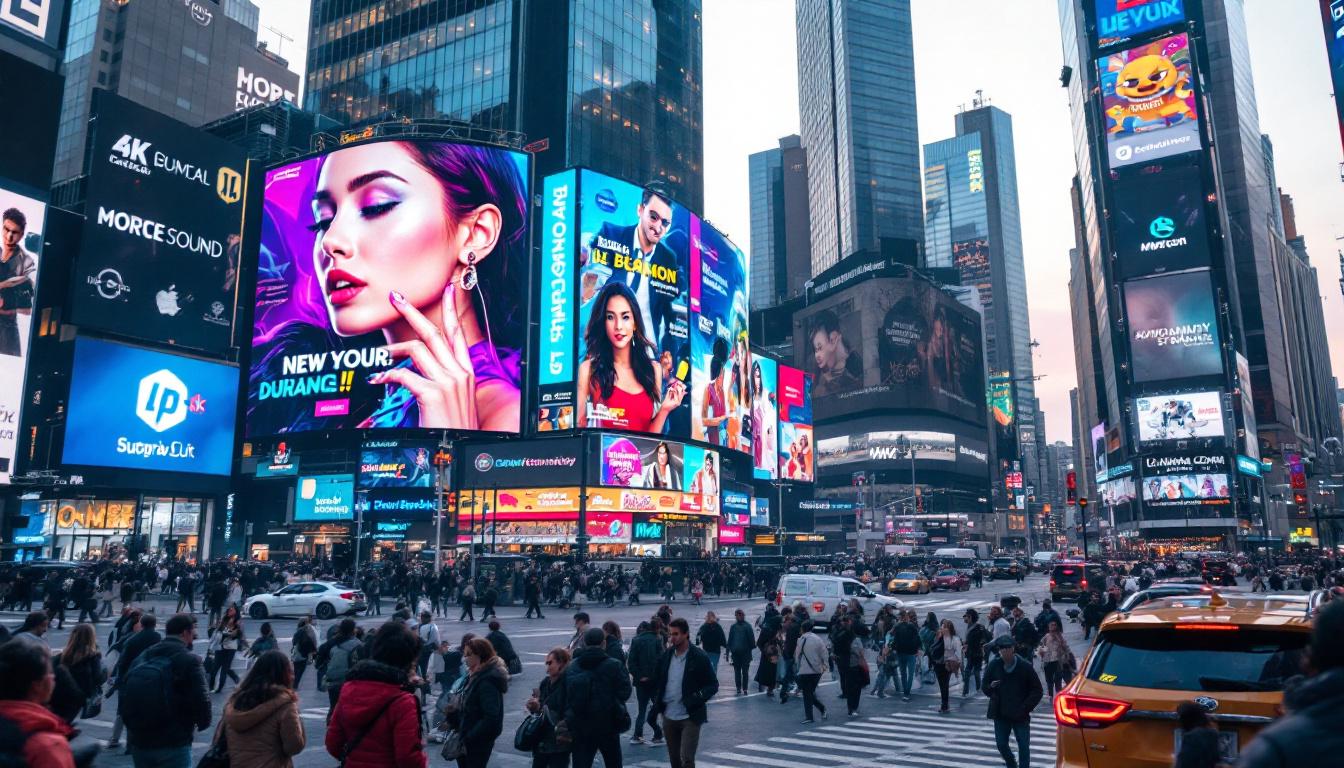
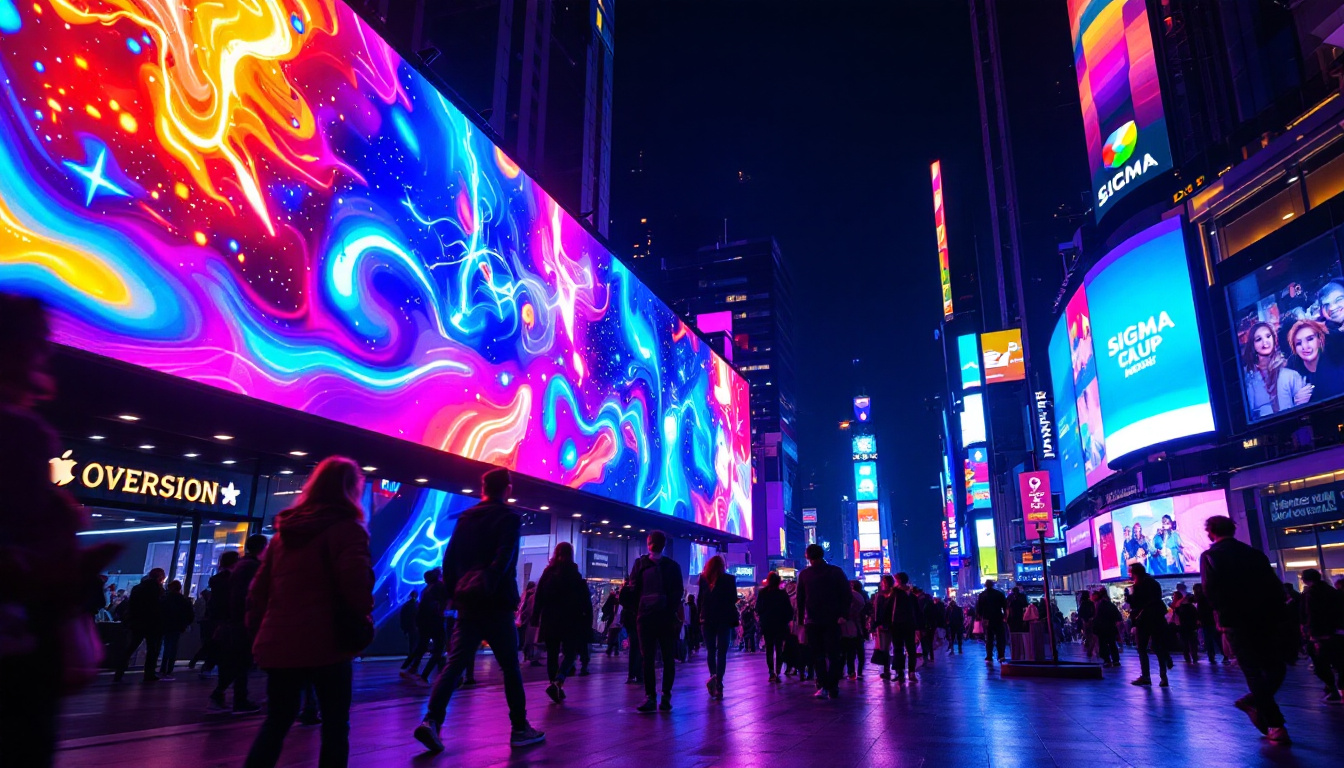
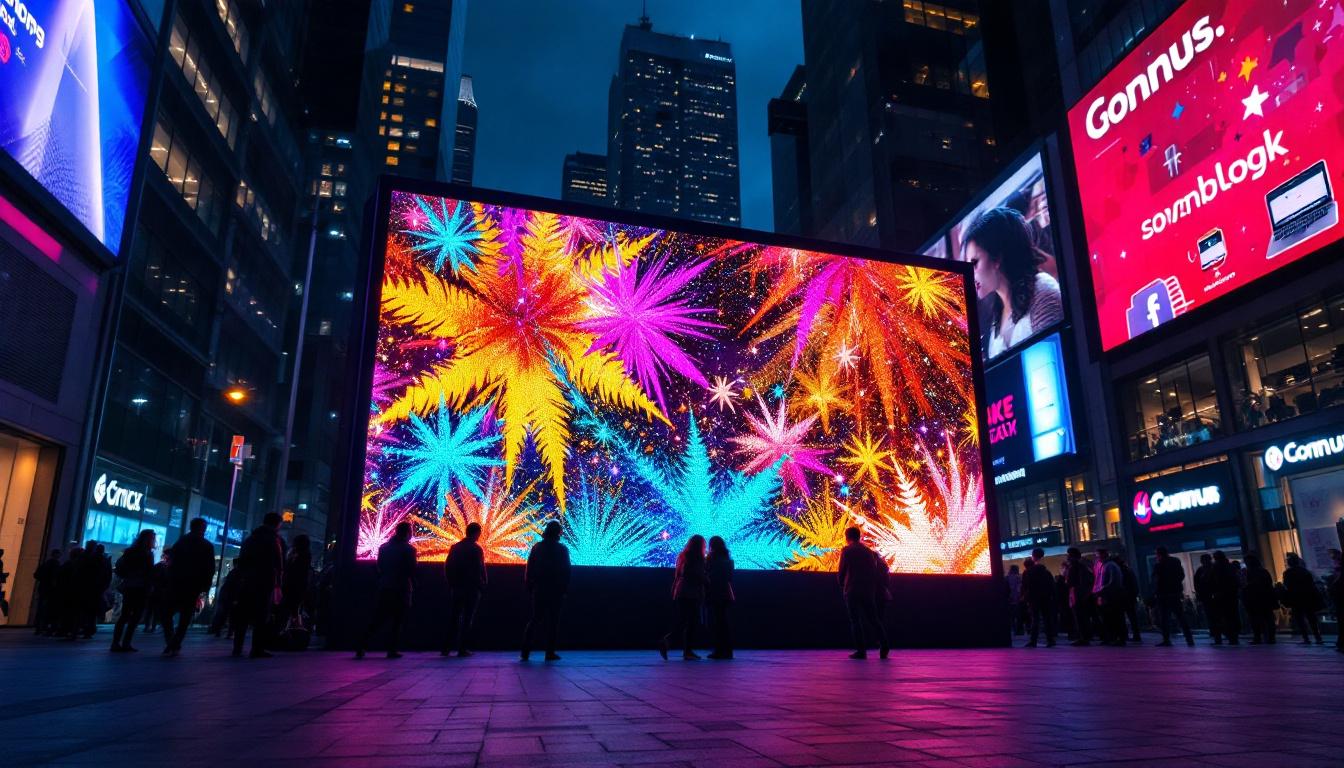
Outdoor LED displays are extensively used for advertising due to their eye-catching brightness and dynamic content capabilities. Retailers, shopping malls, and transportation hubs leverage these displays to promote products, special offers, and brand messages. According to recent market analyses, digital out-of-home advertising, which includes LED displays, is projected to grow at a compound annual growth rate (CAGR) of over 10% through 2027, highlighting the increasing demand for this medium.
Public Information and Safety
Municipalities and government agencies use outdoor LED displays to disseminate important information such as traffic updates, weather alerts, public health advisories, and emergency notifications. The ability to instantly update content is crucial in these scenarios, helping to keep communities informed and safe.
Events and Entertainment
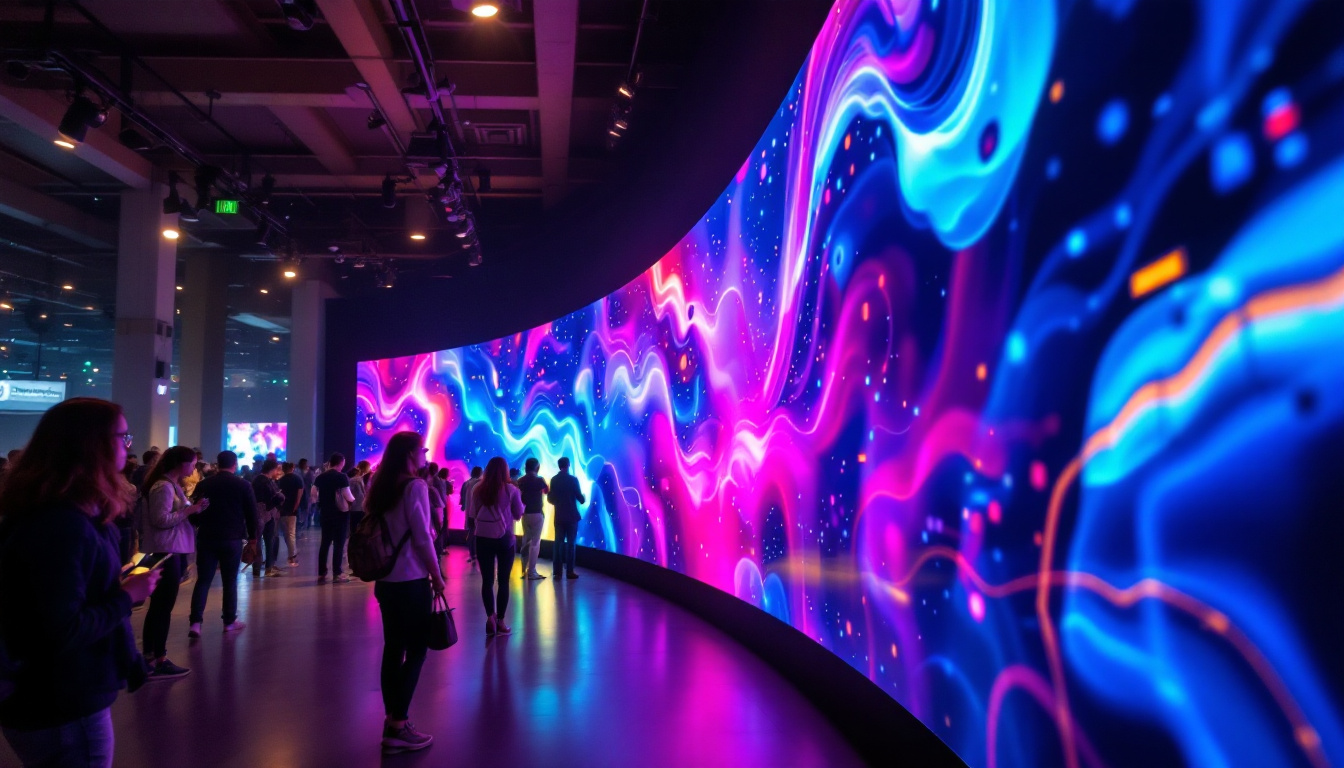
Outdoor LED display boxes are integral to concerts, festivals, sports events, and exhibitions. They enhance audience experience by displaying live feeds, schedules, and interactive content. Their modular design allows for scalable setups, from small screens to massive video walls.
Transportation and Wayfinding
Airports, train stations, and bus terminals utilize outdoor LED displays to provide real-time schedules, directions, and service announcements. These displays improve passenger experience by offering clear, timely information in high-traffic environments.
Choosing the Right Outdoor LED Display Box
Selecting the appropriate outdoor LED display box involves considering several factors to meet specific operational and budgetary requirements.
Assessing Environmental Conditions
Understanding the installation environment is critical. Factors such as exposure to direct sunlight, temperature extremes, humidity, and potential vandalism influence the choice of enclosure materials, IP rating, and brightness levels.
Determining Viewing Distance and Angle
The intended audience’s distance and viewing angle dictate pixel pitch and screen size. For instance, a roadside billboard viewed by drivers traveling at high speeds requires larger pixel pitches and higher brightness, while a pedestrian-facing display in a plaza benefits from finer resolution and wider viewing angles.
Content Type and Update Frequency
The nature of the content—whether static images, videos, or live feeds—and how often it needs to be updated affect the control system and software requirements. Displays requiring frequent updates benefit from advanced content management systems with remote access capabilities.
Budget and Total Cost of Ownership
While initial purchase price is important, total cost of ownership includes installation, maintenance, energy consumption, and potential repairs. Investing in high-quality displays with robust warranties can reduce long-term costs and downtime.
Maintenance and Longevity of Outdoor LED Displays
Proper maintenance is essential to maximize the lifespan and performance of outdoor LED display boxes. Routine inspections, cleaning, and timely repairs prevent issues such as pixel failure, water ingress, and electrical faults.
Regular Cleaning and Inspection
Accumulated dirt, dust, and debris can reduce brightness and cause overheating. Cleaning the protective glass and ventilation areas regularly ensures optimal operation. Inspections should check for loose connections, damaged modules, and signs of corrosion.
Software Updates and Calibration
Keeping the control software up to date enhances security, adds new features, and improves compatibility with content formats. Periodic calibration ensures color accuracy and uniform brightness across the display.
Professional Servicing
Engaging qualified technicians for maintenance and repairs helps maintain warranty coverage and ensures that technical issues are resolved efficiently. Many manufacturers offer service contracts tailored to outdoor LED display installations.
The Future of Outdoor LED Display Technology
Advancements in LED technology continue to push the boundaries of outdoor digital signage. Innovations such as micro-LEDs, flexible displays, and enhanced energy-saving features are making outdoor LED display boxes more versatile and sustainable.
Integration with artificial intelligence and Internet of Things (IoT) platforms is enabling smarter content delivery, personalized advertising, and real-time analytics. These developments promise to make outdoor LED displays even more effective tools for communication and engagement in the coming years.
Conclusion
Outdoor LED display boxes represent a powerful fusion of technology, durability, and visual impact. Their ability to deliver bright, dynamic content in challenging environments makes them indispensable for modern advertising, public communication, and event management. By understanding the technology, features, and applications of these displays, organizations can make informed decisions that maximize their investment and connect effectively with their audience.
As the digital signage landscape evolves, outdoor LED display boxes will continue to illuminate public spaces, transforming how information and messages are conveyed to the world.
Illuminate Your Space with LumenMatrix
Ready to elevate your outdoor space with vibrant, high-impact visuals? LumenMatrix is at the forefront of LED display technology, offering a wide array of solutions tailored to your unique needs. From dazzling outdoor LED walls to dynamic vehicle displays and beyond, our products are designed to captivate and engage your audience. Don’t just share your message—make it resonate with clarity and color. Check out LumenMatrix LED Display Solutions today and transform your visual communication.