In the rapidly evolving world of digital signage and outdoor advertising, LED displays have become a cornerstone technology. Whether it’s for advertising billboards, public information screens, or large-scale event backdrops, outdoor LED displays offer unparalleled brightness, durability, and versatility. This article delves into the fundamentals of outdoor LED displays, exploring their technology, benefits, applications, and considerations for choosing the right system.
Understanding Outdoor LED Display Technology
What Is an LED Display?
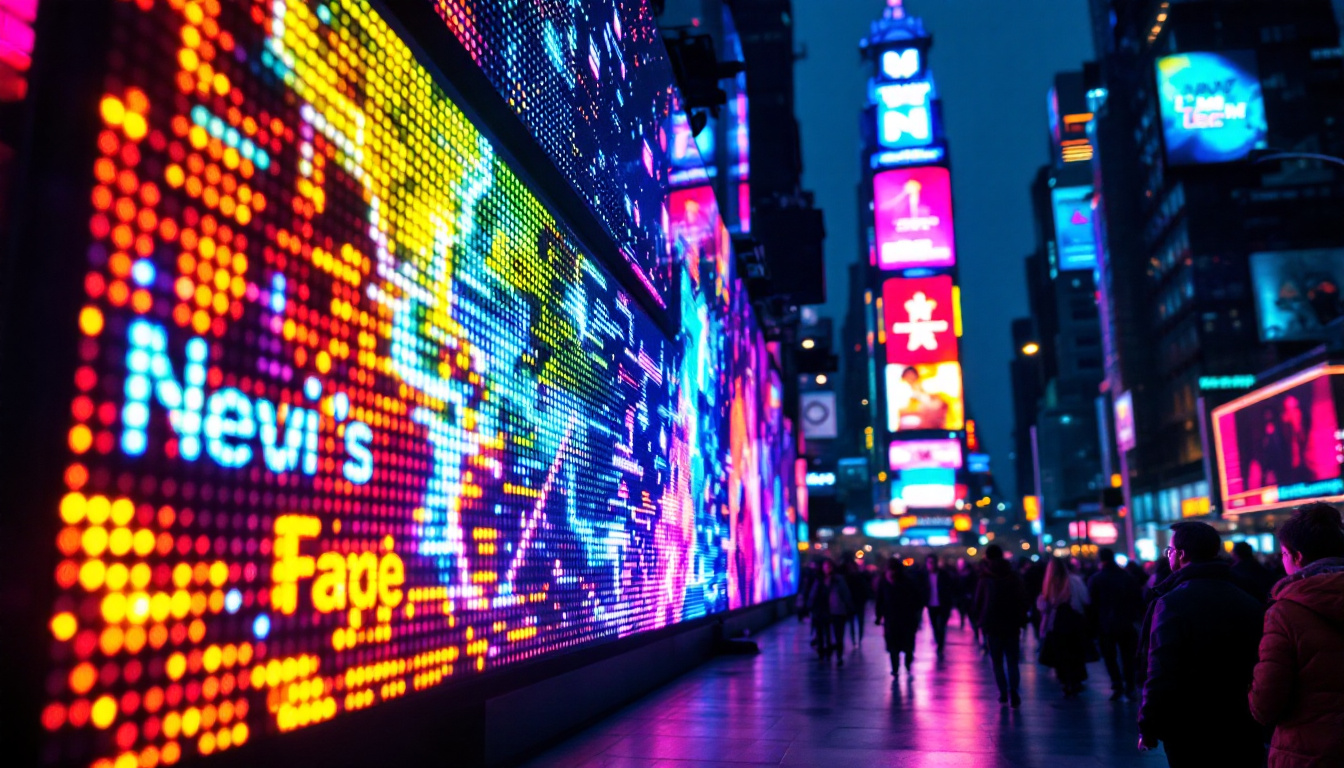
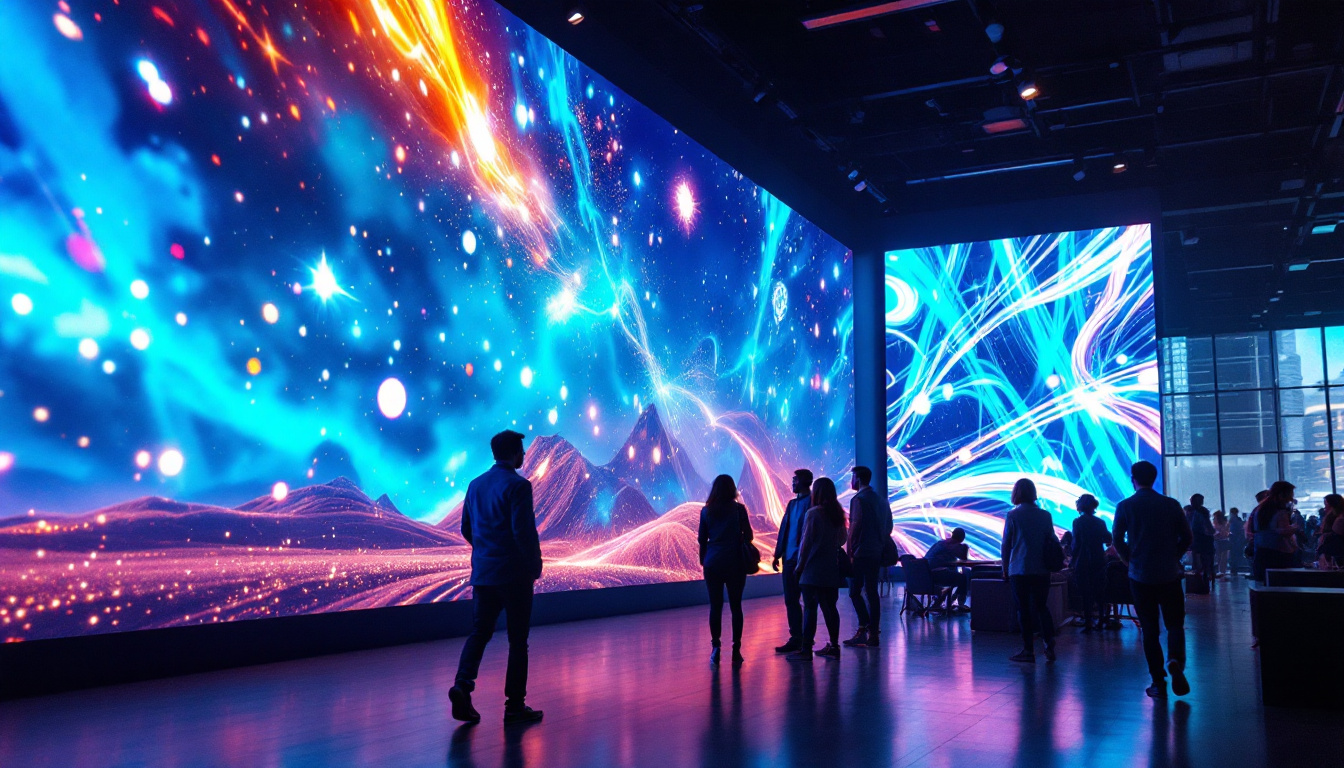
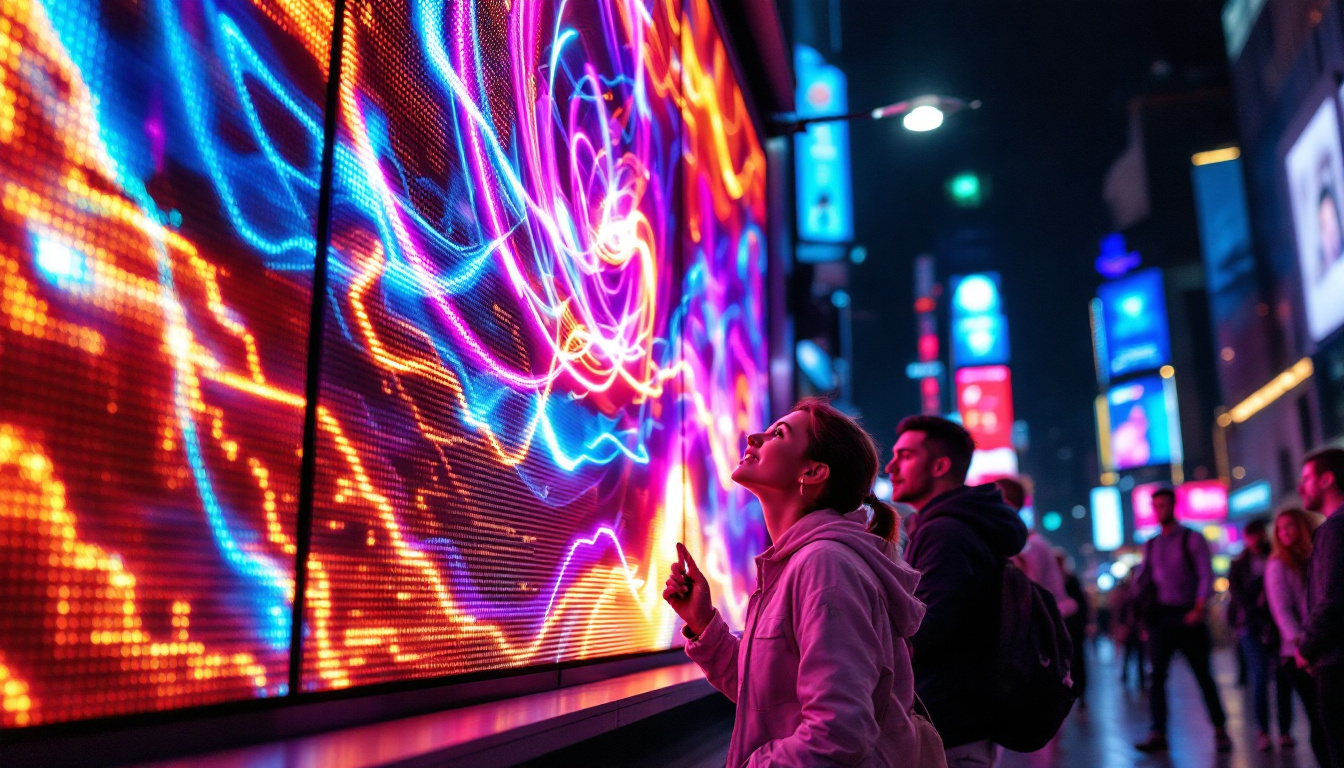
LED stands for Light Emitting Diode, a semiconductor device that emits light when an electric current passes through it. An LED display is a flat panel that uses an array of these tiny LEDs as pixels to create images, videos, or text. Outdoor LED displays are specifically designed to withstand environmental factors such as sunlight, rain, wind, and temperature fluctuations. These displays are often seen in high-traffic areas, such as stadiums, shopping centers, and city squares, where they serve as dynamic advertising platforms or information boards.
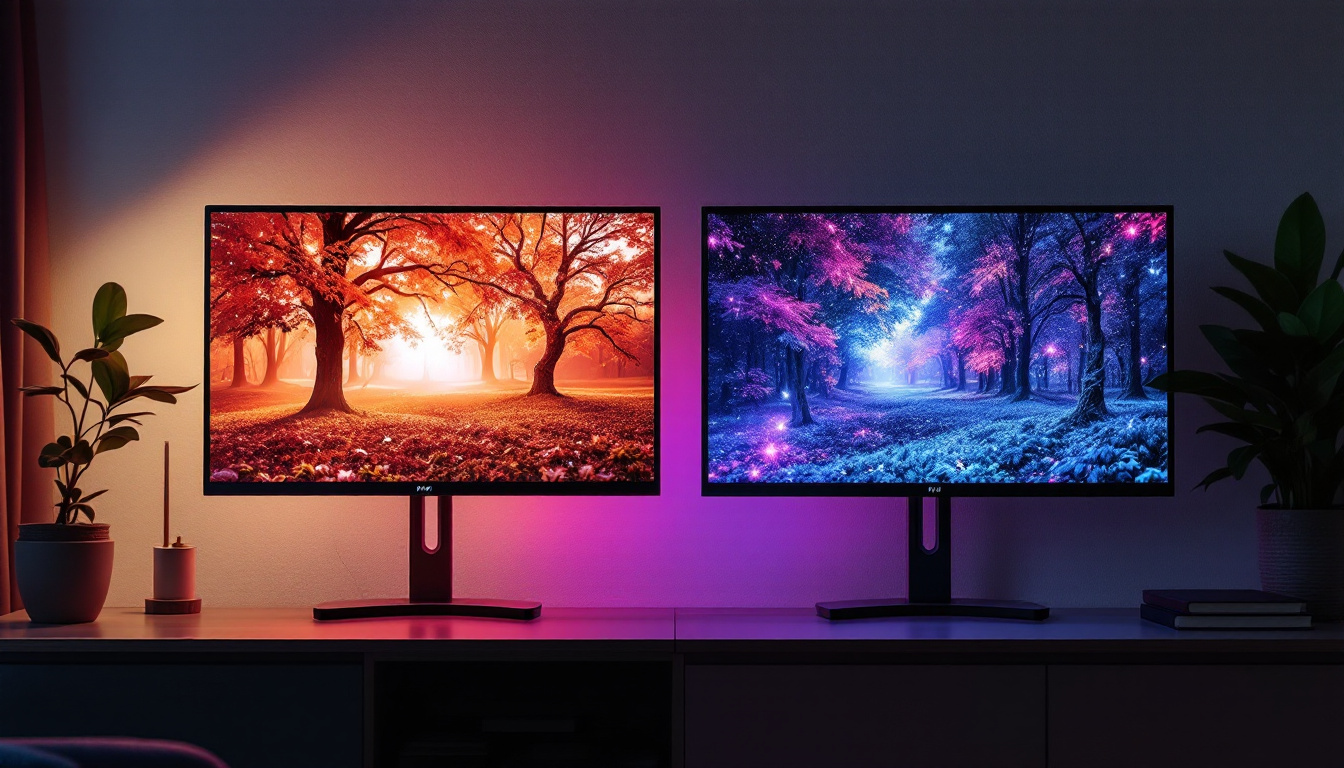
Unlike traditional LCD or projection screens, LED displays are self-illuminating, meaning each pixel emits its own light. This characteristic allows outdoor LED displays to achieve high brightness levels, essential for visibility in direct sunlight. Additionally, the ability to produce vibrant colors and high contrast ratios makes LED displays particularly effective for capturing attention and conveying messages quickly, which is crucial in environments where viewers may only glance at the display for a few seconds.
Key Components of Outdoor LED Displays
Outdoor LED displays consist of several critical components:
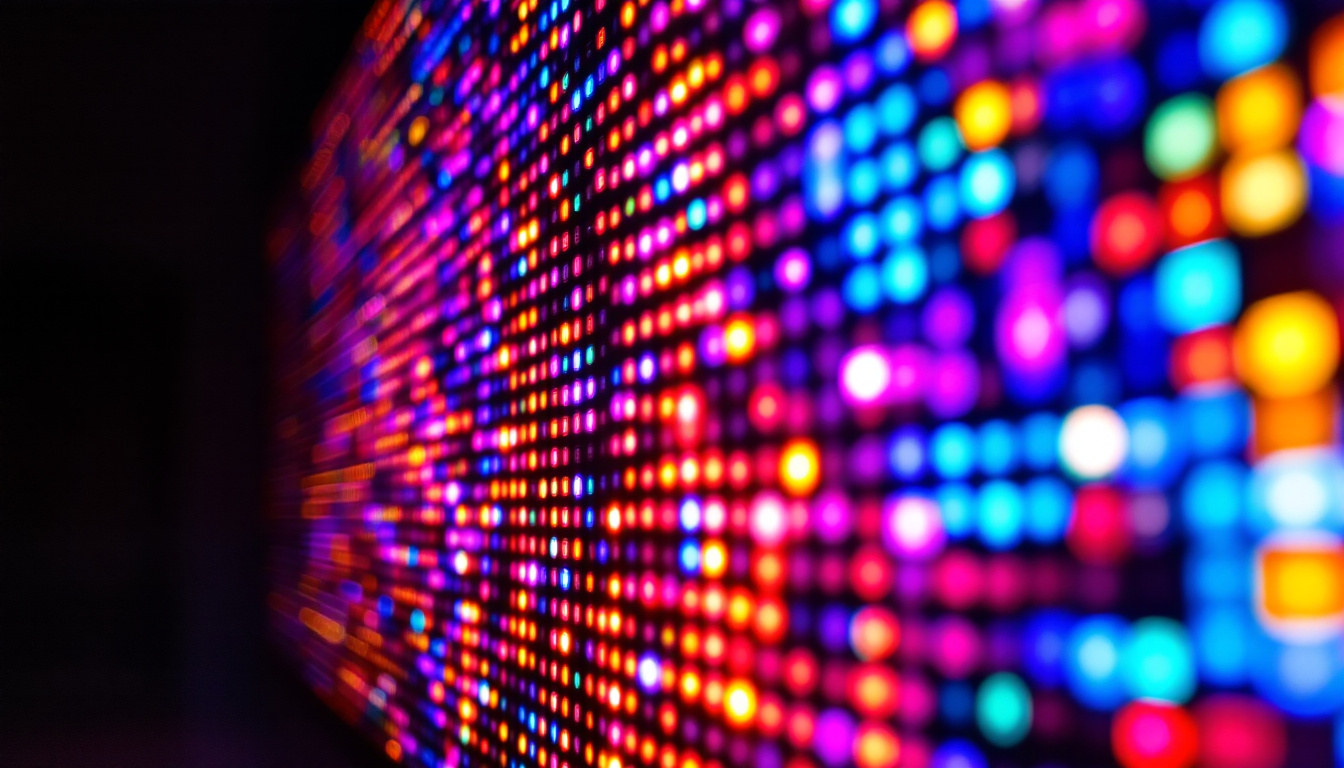
- LED Modules: These are the building blocks of the display, containing clusters of LEDs arranged in a grid. The density of LEDs per square meter, known as pixel pitch, determines the resolution and clarity of the image.
- Cabinets: The modules are mounted onto weatherproof cabinets that protect the electronics from moisture, dust, and physical damage. These cabinets are designed to be sturdy and often feature ventilation systems to dissipate heat generated during operation.
- Power Supply and Control System: These components regulate power and manage the content displayed, often controlled remotely via software. Advanced control systems can allow for real-time updates and scheduling, enabling advertisers to change messages based on time of day or audience demographics.
- Protective Coating: Outdoor displays typically feature coatings to resist UV rays and corrosion, extending the lifespan of the unit. This protective layer is crucial for maintaining the display’s performance and appearance over time, especially in harsh weather conditions.
Pixel Pitch and Resolution
Pixel pitch is a critical specification for LED displays, representing the distance in millimeters between the centers of two adjacent pixels. A smaller pixel pitch means more LEDs per unit area, resulting in higher resolution and sharper images. For example, a 4mm pixel pitch display will have much finer detail than a 10mm pitch display. This is particularly important for applications where viewers are close to the display, such as in retail environments or at events where the audience is seated nearby.
However, smaller pixel pitches generally increase the cost and power consumption. For outdoor applications where viewers are often far away, pixel pitches between 6mm and 20mm are common, balancing cost and visual quality. Additionally, advancements in LED technology have led to the development of fine-pitch displays that maintain high brightness and clarity even at larger sizes, making them suitable for a variety of outdoor settings. As technology continues to evolve, we can expect to see even more innovative solutions that enhance the viewing experience while optimizing energy efficiency.
Advantages of Outdoor LED Displays
High Brightness and Visibility
One of the most significant benefits of outdoor LED displays is their ability to produce extremely bright images. Typical outdoor LED screens can reach brightness levels of 5,000 to 7,000 nits, compared to 250 to 350 nits for indoor LCD screens. This high brightness ensures that content remains visible even under direct sunlight, a crucial factor for outdoor advertising and public information systems. Additionally, the vivid colors and sharp contrast offered by LED technology enhance the viewer’s experience, making advertisements more eye-catching and engaging. This capability is particularly beneficial in busy urban environments where competition for attention is fierce, allowing brands to stand out amidst the hustle and bustle of city life.
Durability and Weather Resistance
Outdoor LED displays are engineered to endure harsh environmental conditions. They are usually rated with an IP65 or higher ingress protection rating, meaning they are dust-tight and protected against water jets from any direction. This makes them suitable for all-weather operation, from scorching summer heat to heavy rain or snow. Furthermore, many outdoor LED displays are built with reinforced materials that can withstand impacts and vibrations, ensuring longevity even in high-traffic areas. This resilience not only reduces maintenance costs but also ensures that the display continues to operate effectively, providing consistent messaging and advertising opportunities regardless of external conditions.
Energy Efficiency
Despite their brightness, LED technology is energy efficient compared to other lighting and display technologies. Advances in LED chip design and power management have further reduced energy consumption, making outdoor LED displays a cost-effective solution over their operational lifespan. This energy efficiency translates into lower electricity bills, which is a significant advantage for businesses looking to maximize their advertising budget. Moreover, many outdoor LED displays are now equipped with smart technology that allows for adaptive brightness adjustments based on ambient light conditions, further enhancing energy savings while ensuring optimal visibility at all times.
Flexibility and Customization
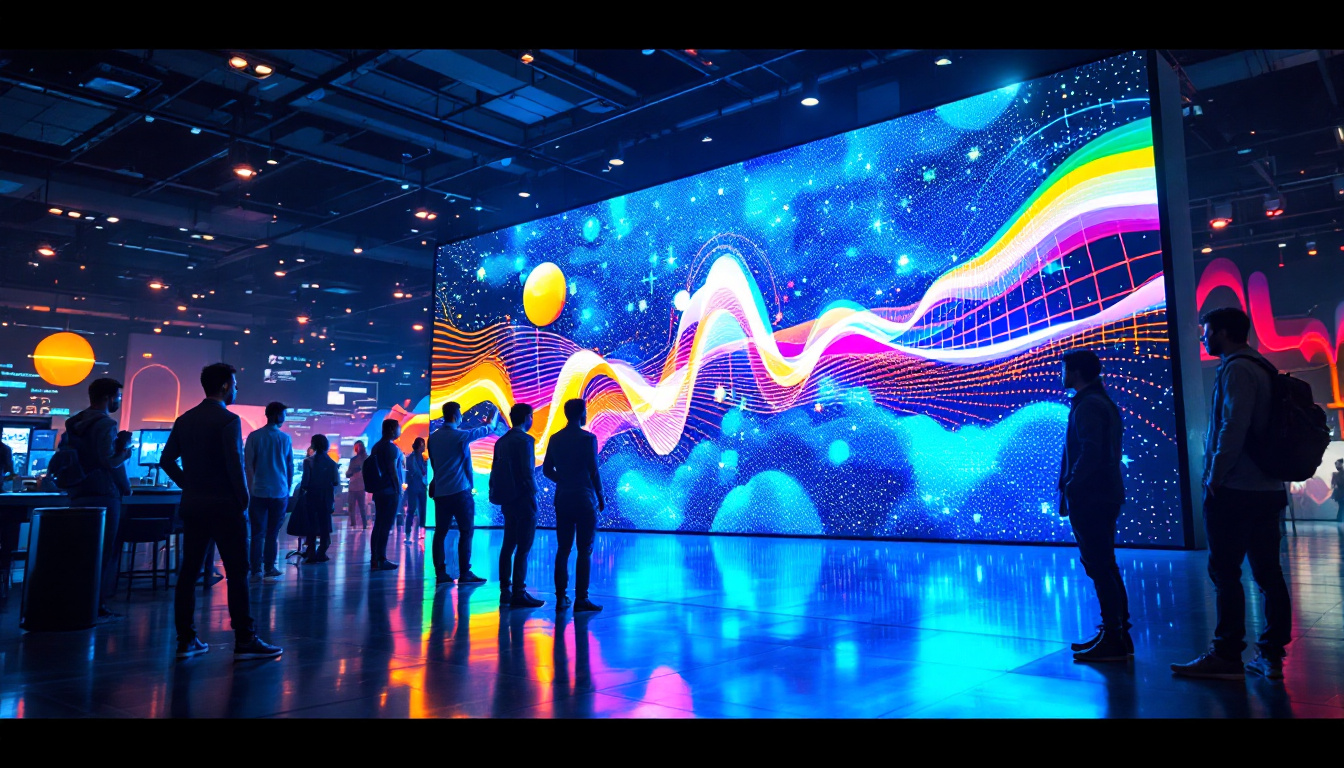
LED displays can be manufactured in various sizes and shapes, from small digital signs to massive video walls spanning hundreds of square meters. Their modular design allows for easy installation, maintenance, and scalability. Content can be updated in real-time, enabling dynamic messaging tailored to specific audiences or events. This flexibility also extends to the types of content that can be displayed, ranging from static images and videos to interactive elements that engage viewers. As a result, businesses can create targeted campaigns that resonate with their audience, whether it’s promoting a local event, announcing special offers, or providing real-time information such as weather updates or traffic alerts. The adaptability of outdoor LED displays makes them an invaluable tool for effective communication in a variety of settings, from retail spaces to public squares.
Common Applications of Outdoor LED Displays
Advertising and Marketing
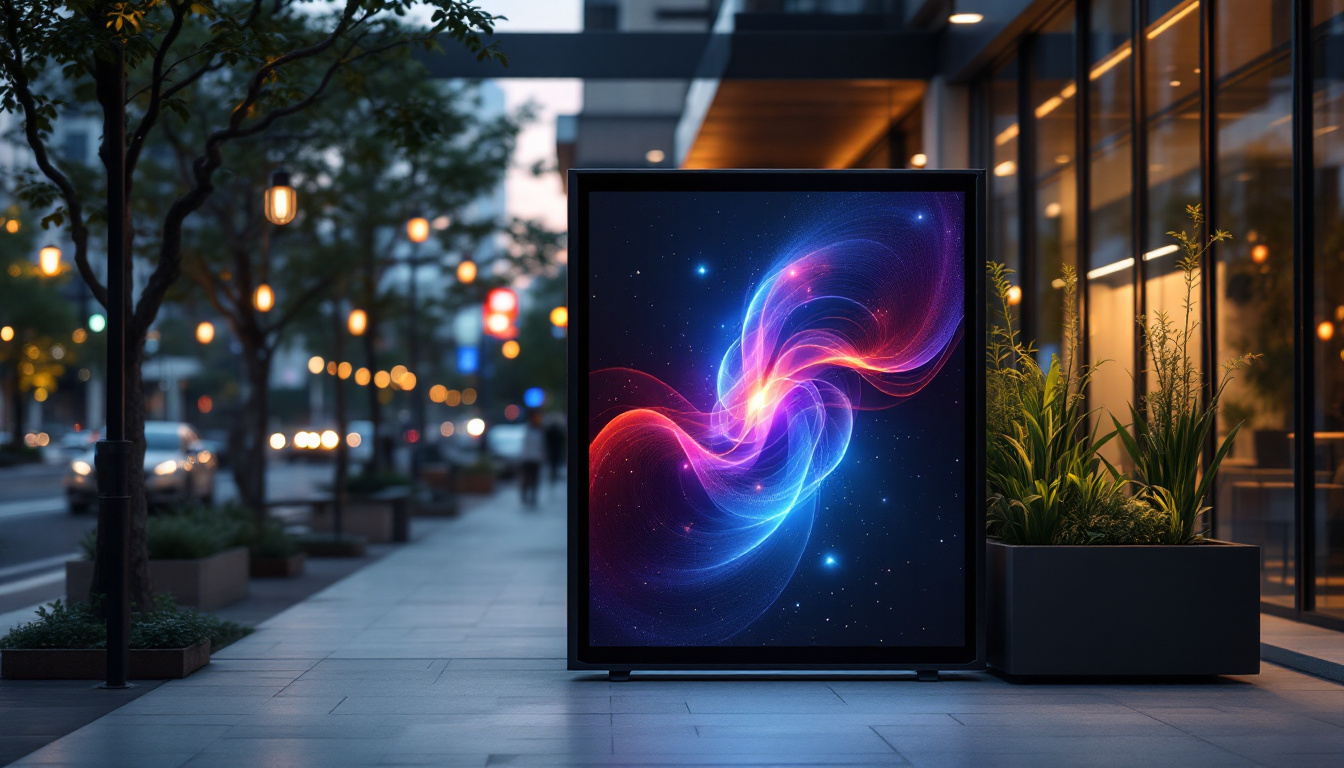
Outdoor LED billboards have revolutionized advertising by enabling vibrant, eye-catching campaigns that can be changed instantly. According to a 2023 report by the Digital Signage Federation, digital out-of-home advertising, which includes LED displays, is projected to grow at an annual rate of 10.5%, reflecting increased demand for dynamic content in public spaces.
Brands use outdoor LED displays to showcase product launches, promotions, and interactive content in high-traffic areas such as highways, shopping centers, and sports arenas.
Public Information and Safety
Governments and municipalities deploy outdoor LED displays to provide real-time information, including traffic updates, weather alerts, emergency notifications, and event schedules. Their high visibility and reliability make them indispensable tools for public safety communication.
Entertainment and Events
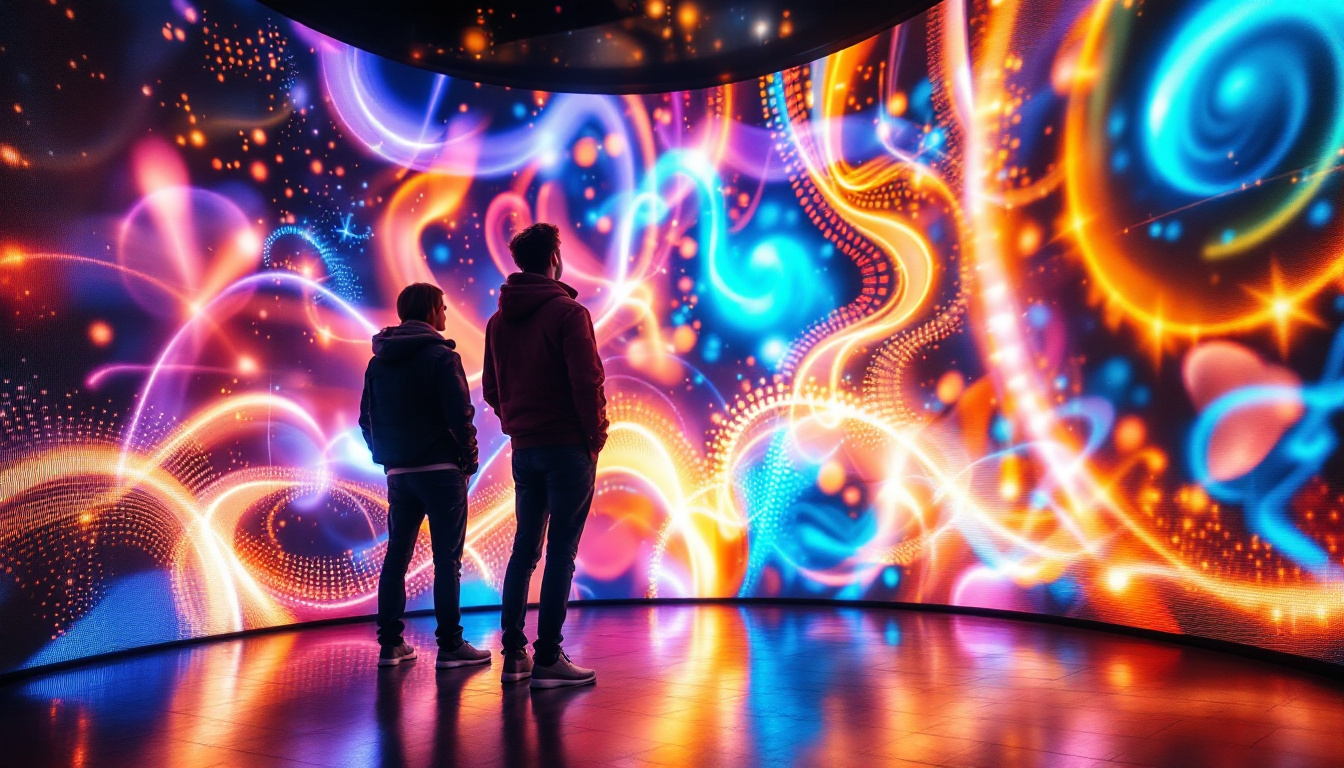
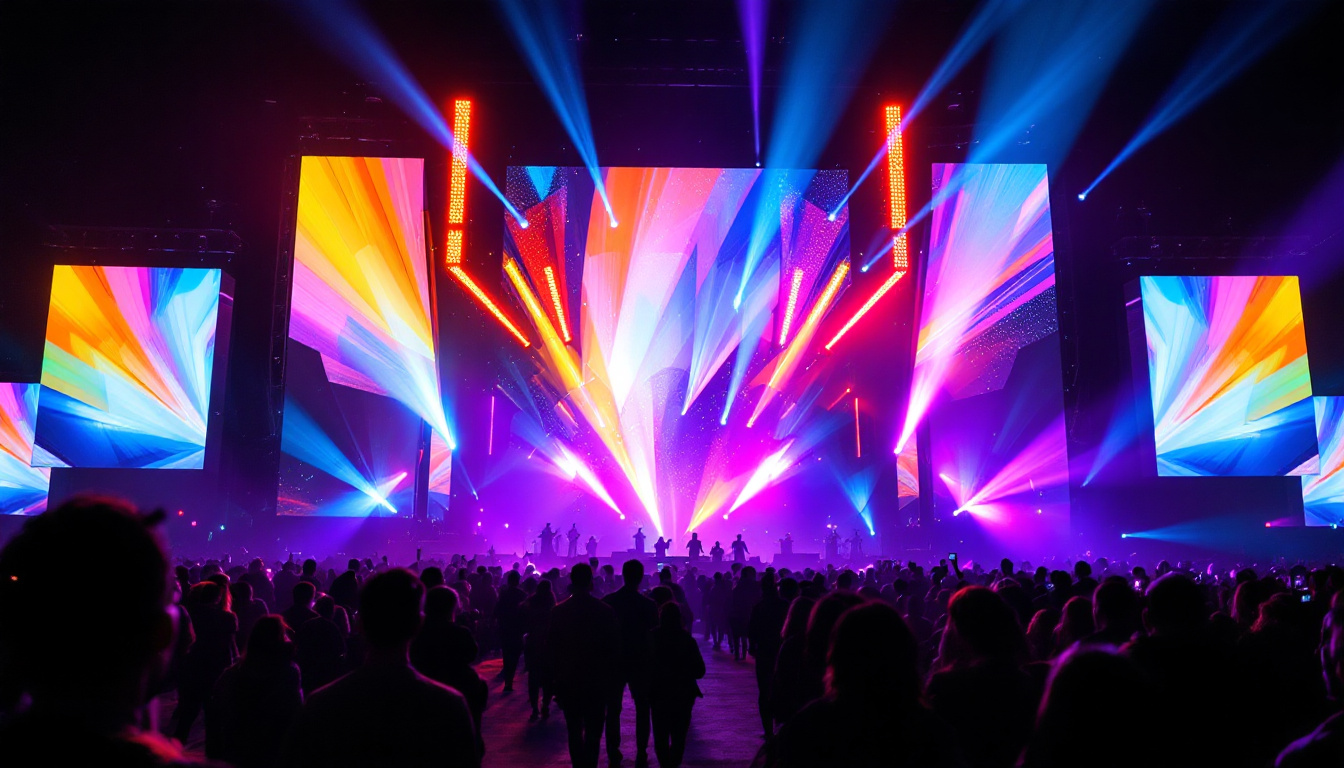
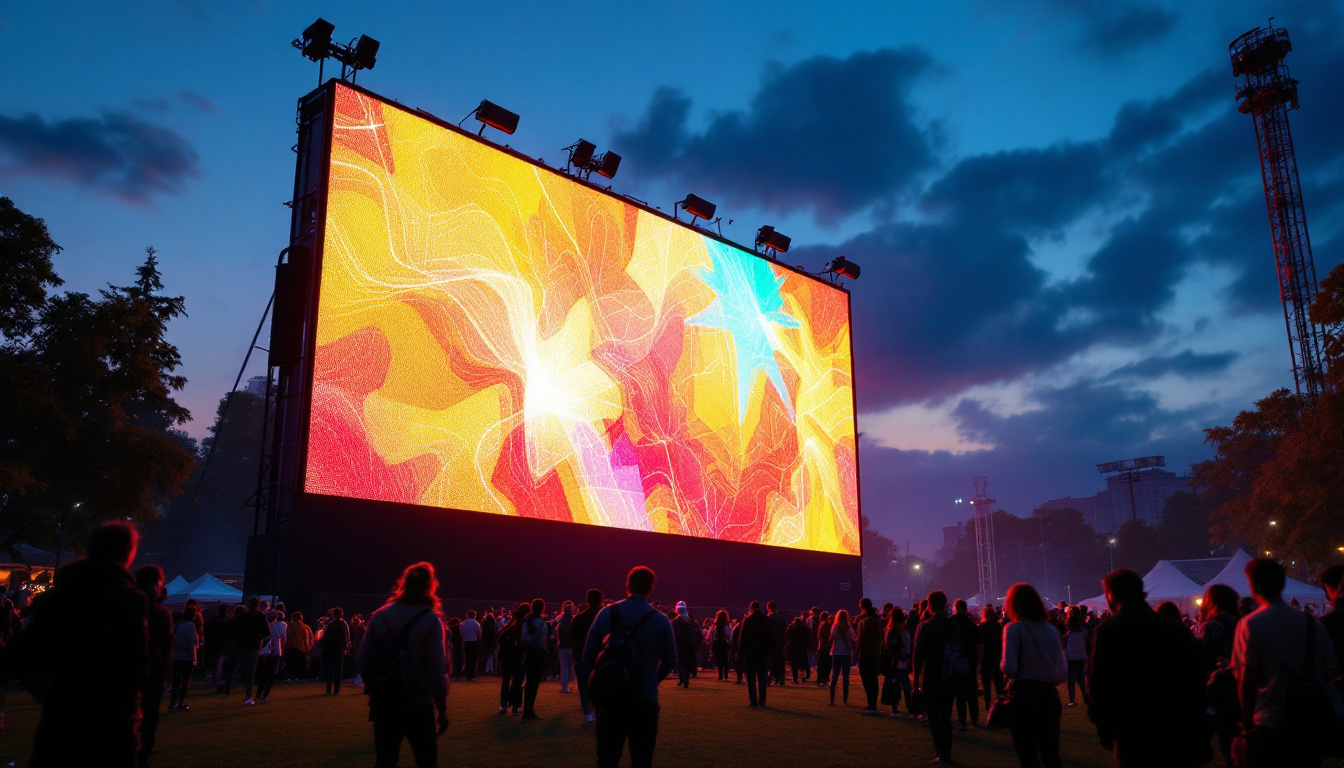
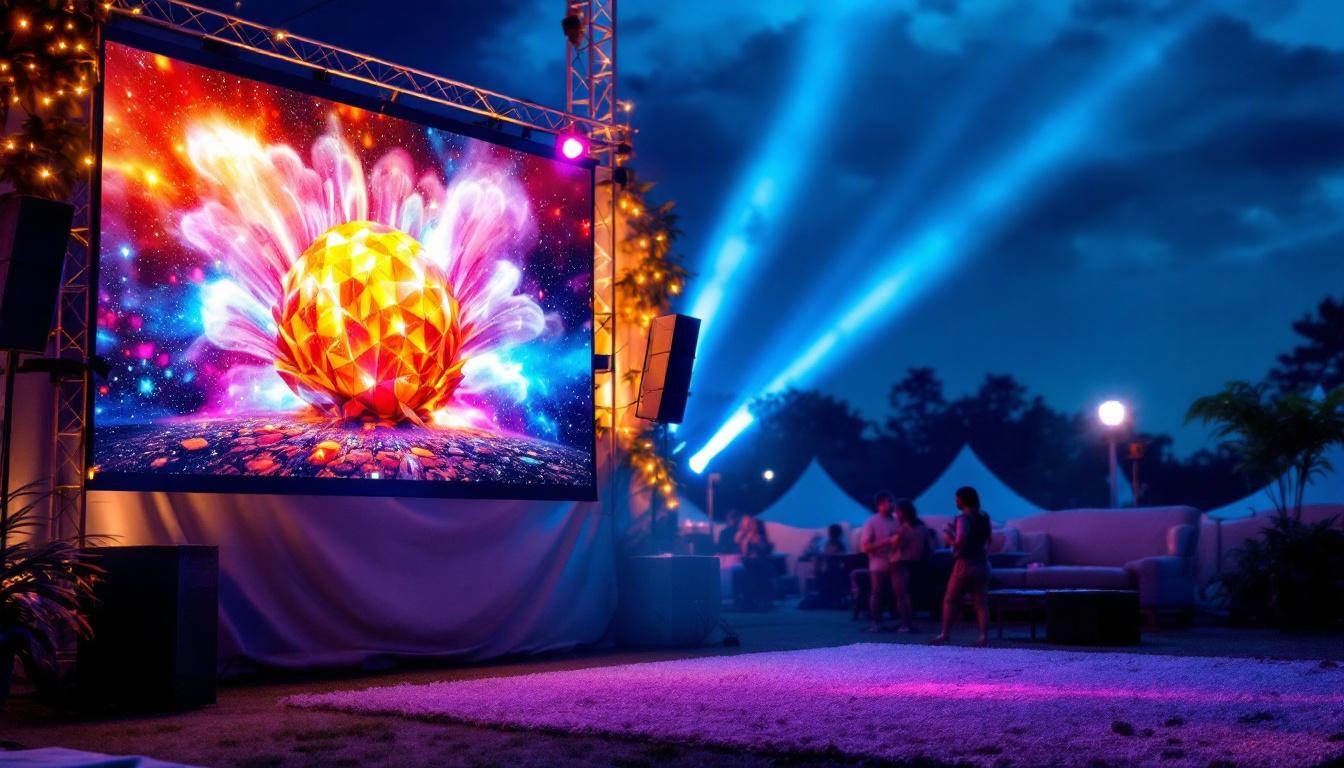
Concerts, festivals, and sporting events frequently use large outdoor LED screens to enhance the audience experience. These displays provide live video feeds, replays, and interactive graphics, ensuring that attendees, even those far from the stage, can engage fully with the event.
Transportation Hubs
Airports, train stations, and bus terminals utilize outdoor LED displays for schedules, wayfinding, and advertising. Their robustness and clarity help manage large crowds efficiently and improve passenger experience.
Choosing the Right Outdoor LED Display
Assessing Viewing Distance and Resolution Needs
The intended viewing distance is a primary factor when selecting pixel pitch and resolution. For example, a billboard visible from a highway might have a pixel pitch of 16mm or more, as viewers are typically hundreds of meters away. Conversely, a display in a pedestrian plaza may require a finer pixel pitch of 6mm or less to ensure crisp images at closer range.
Brightness and Environmental Conditions
Consider the typical ambient light conditions where the display will be installed. Locations with intense sunlight require higher brightness levels to maintain visibility. Additionally, areas prone to extreme weather may necessitate displays with enhanced protective features.
Content Management and Connectivity
Modern outdoor LED displays often come with sophisticated content management systems (CMS) that allow remote control and scheduling. Ensure the system supports the desired media formats and integrates easily with existing infrastructure. Reliable connectivity options, such as 4G/5G, Wi-Fi, or Ethernet, are essential for timely content updates.
Maintenance and Support
Outdoor LED displays require routine maintenance to ensure optimal performance. Modular designs facilitate quick replacement of faulty modules, reducing downtime. When selecting a supplier, consider their service offerings, warranty terms, and availability of technical support.
Future Trends in Outdoor LED Display Technology
Higher Resolution and Miniaturization
As LED manufacturing technology advances, pixel pitches continue to shrink, enabling ultra-high-definition outdoor displays. This trend allows for more detailed and immersive visual experiences even at relatively close viewing distances.
Energy-Saving Innovations
Emerging technologies such as micro-LEDs and improved power management systems promise to reduce energy consumption further while enhancing brightness and color accuracy. These innovations will make outdoor LED displays more sustainable and cost-effective.
Interactive and Smart Displays
Integration with sensors, cameras, and AI will enable outdoor LED displays to deliver personalized content based on audience demographics, weather conditions, or time of day. Interactive features such as touch or gesture recognition are also becoming more prevalent, transforming static signage into engaging digital experiences.
Environmental and Regulatory Considerations
With increasing focus on sustainability, manufacturers are developing eco-friendly LED displays with recyclable materials and lower light pollution. Additionally, regulatory bodies are introducing guidelines to manage brightness levels and energy use, ensuring outdoor displays coexist harmoniously with urban environments.
Conclusion
Outdoor LED displays represent a powerful medium for communication, combining high visibility, durability, and flexibility. Understanding the technology behind these displays, their advantages, and application areas is essential for businesses, municipalities, and event organizers looking to harness their potential.
By carefully considering factors such as pixel pitch, brightness, environmental conditions, and content management capabilities, stakeholders can select the ideal outdoor LED display system tailored to their specific needs. As technology continues to advance, outdoor LED displays will become even more integral to the way information and advertising are delivered in public spaces worldwide.
Illuminate Your Message with LumenMatrix
Ready to elevate your outdoor advertising and communication? Discover LumenMatrix’s extensive range of LED display solutions, from vibrant billboards to interactive digital signage. Our innovative products are designed to capture attention and deliver your content with unparalleled clarity and impact. Whether you’re looking to enhance a public space, drive brand engagement, or create a memorable event, LumenMatrix has the technology to bring your vision to life. Check out LumenMatrix LED Display Solutions and start transforming your visual communication today.