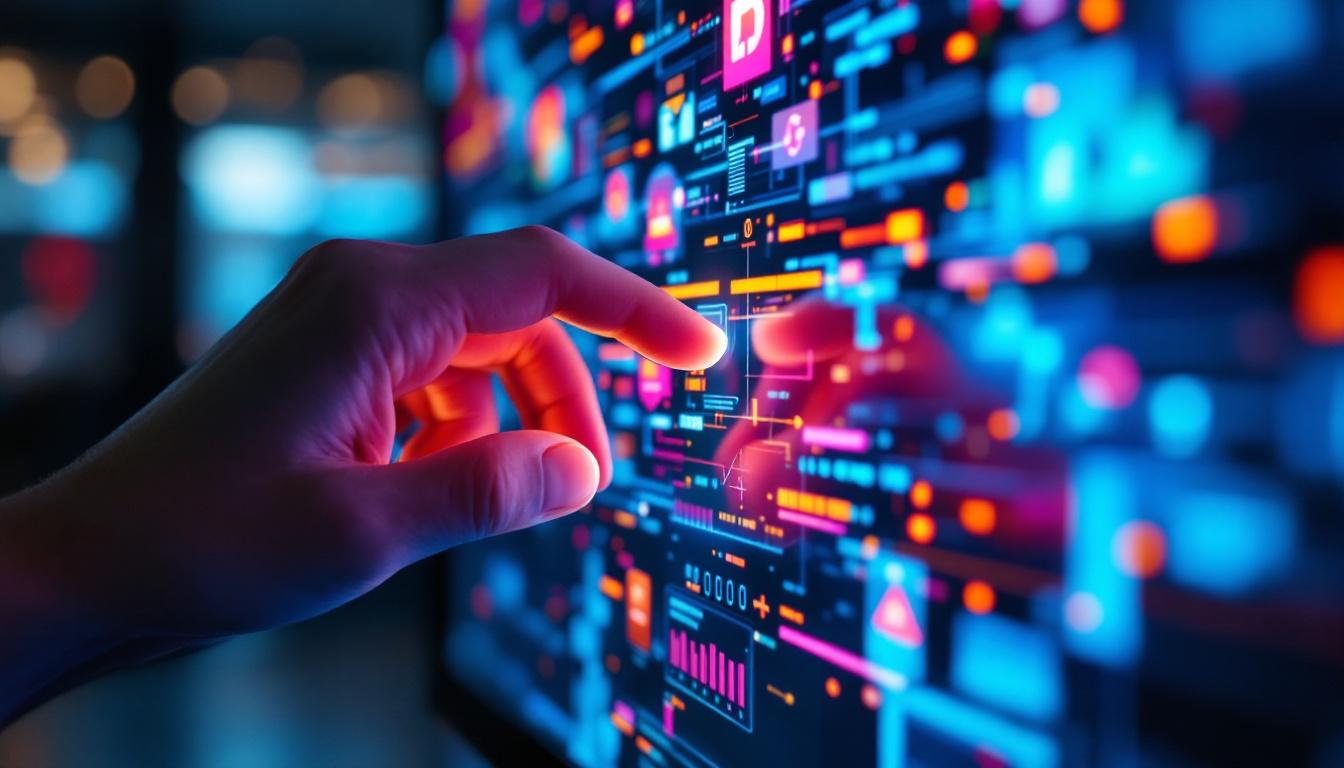
In recent years, the evolution of display technology has transformed the way we interact with digital content. Among the most remarkable advancements is the development of paper-thin LED display screens, which combine ultra-slim form factors with vibrant, high-quality visuals. These displays are rapidly becoming the go-to solution for a wide range of applications, from consumer electronics to large-scale commercial installations.
This article delves into the technology behind paper-thin LED displays, exploring how they work, their advantages, and their growing impact across various industries. Whether you’re a technology enthusiast, a business owner considering digital signage, or simply curious about the future of display technology, this comprehensive guide will provide valuable insights.
Understanding LED Display Technology
What is an LED Display?
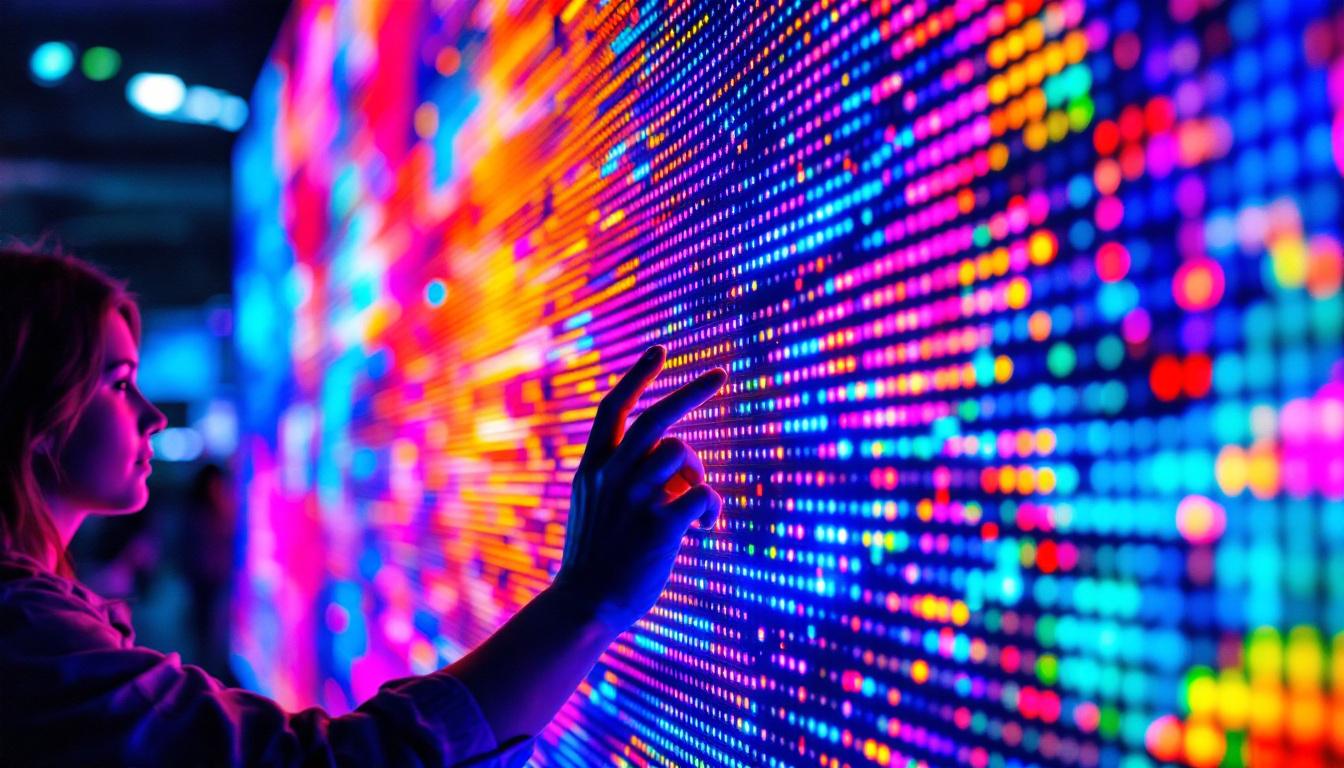
LED stands for Light Emitting Diode, a semiconductor device that emits light when an electric current passes through it. An LED display is a flat panel display that uses an array of LEDs as pixels to create images, videos, or text. Unlike traditional LCDs that rely on backlighting, LED displays emit their own light, resulting in brighter and more vivid visuals.
Paper-thin LED displays take this technology a step further by integrating ultra-thin LED modules into flexible or rigid substrates, allowing screens to be incredibly slim — sometimes as thin as a few millimeters or less. This innovation enables displays to be mounted on surfaces where traditional bulky screens would be impractical. The lightweight nature of these displays also makes them ideal for portable applications, such as digital signage in retail environments or interactive displays at trade shows, where space and weight are at a premium.
Types of LED Displays
LED displays come in several forms depending on their intended use and construction:
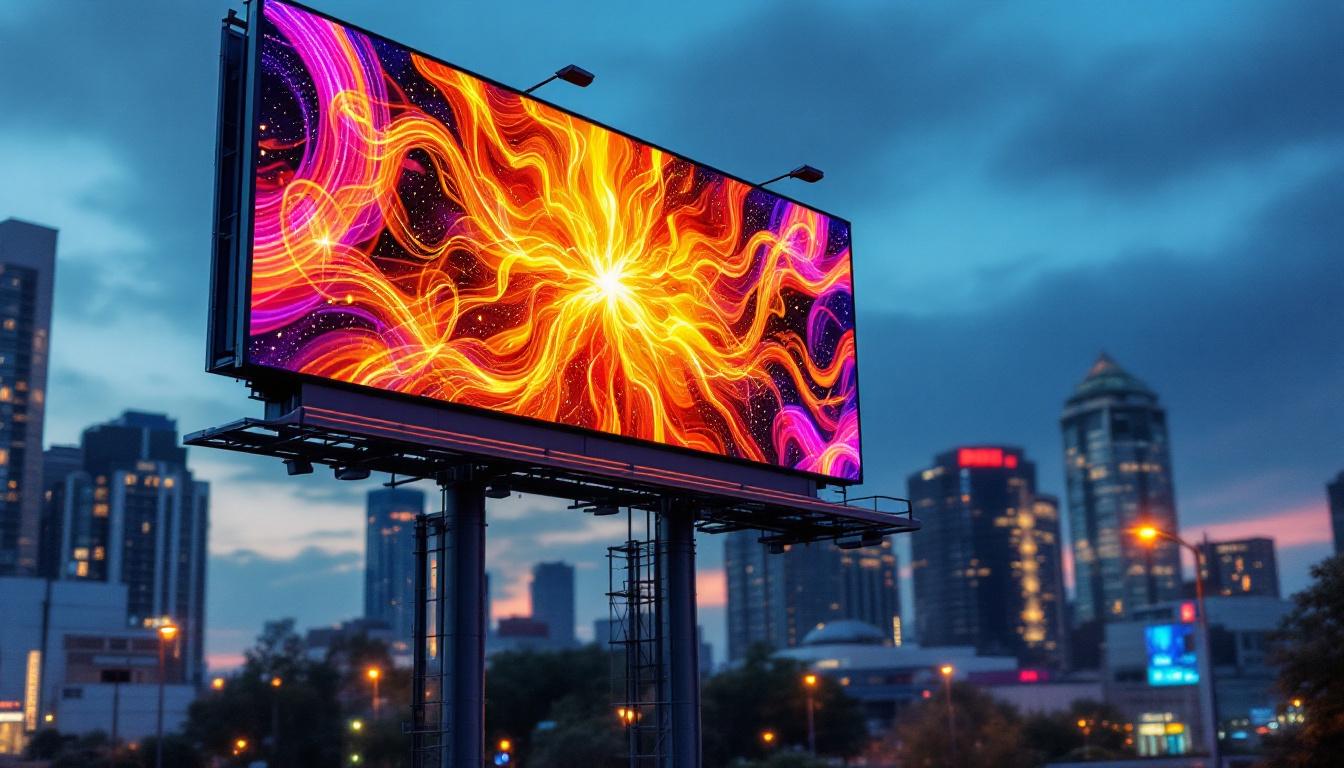
- Direct View LED (DVLED): These displays use LEDs as individual pixels, offering high brightness and contrast. They are commonly used in outdoor billboards and large video walls.
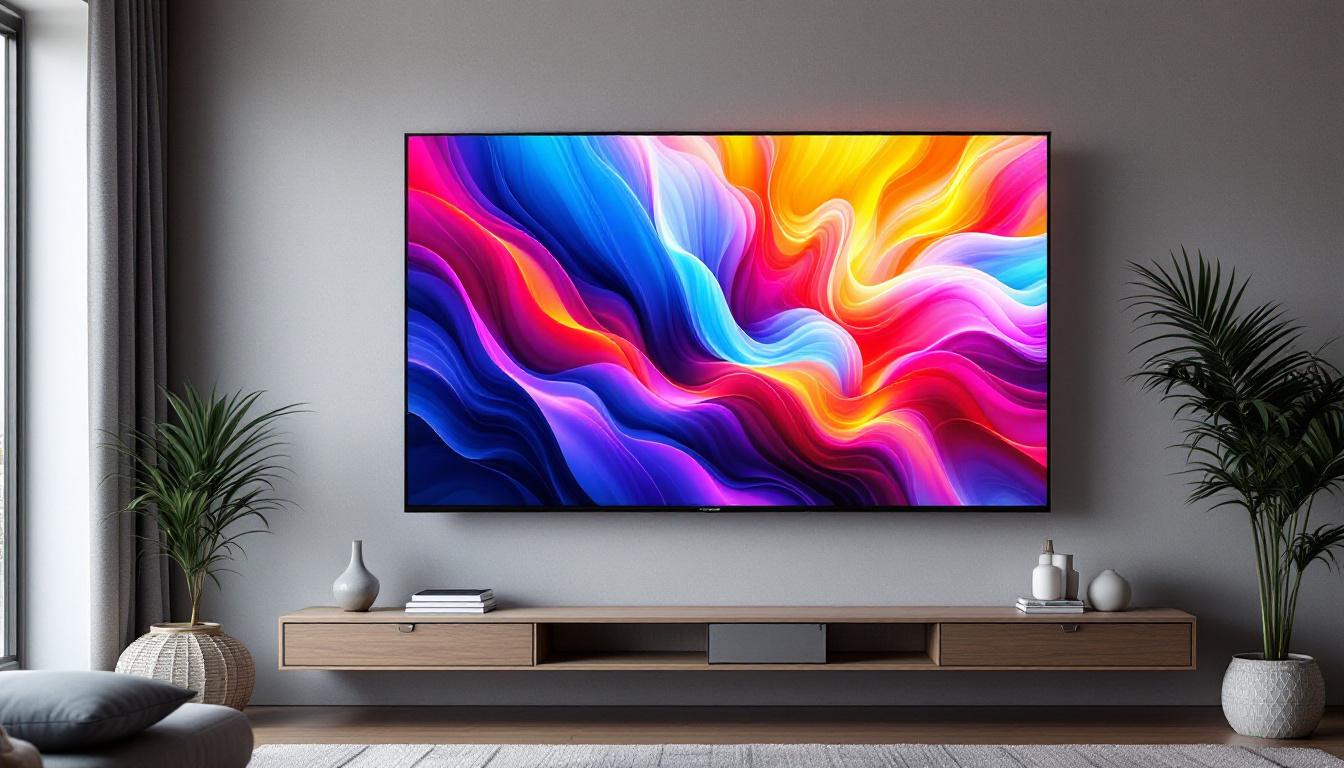
- MicroLED: An emerging technology featuring microscopic LEDs that provide superior image quality, energy efficiency, and durability. MicroLEDs are often used in high-end TVs and wearable devices.
- OLED (Organic LED): Although technically different, OLEDs are sometimes grouped with LED displays. They use organic compounds that emit light when electrically stimulated, allowing for even thinner and flexible screens.
Paper-thin LED displays often leverage microLED or advanced DVLED technologies to achieve their slim profile without sacrificing performance. These displays are not only aesthetically pleasing but also environmentally friendly, as they consume less power than traditional display technologies. Furthermore, the longevity of LED technology means that these displays can operate for thousands of hours without significant degradation in quality, making them a sustainable choice for both consumers and businesses alike.
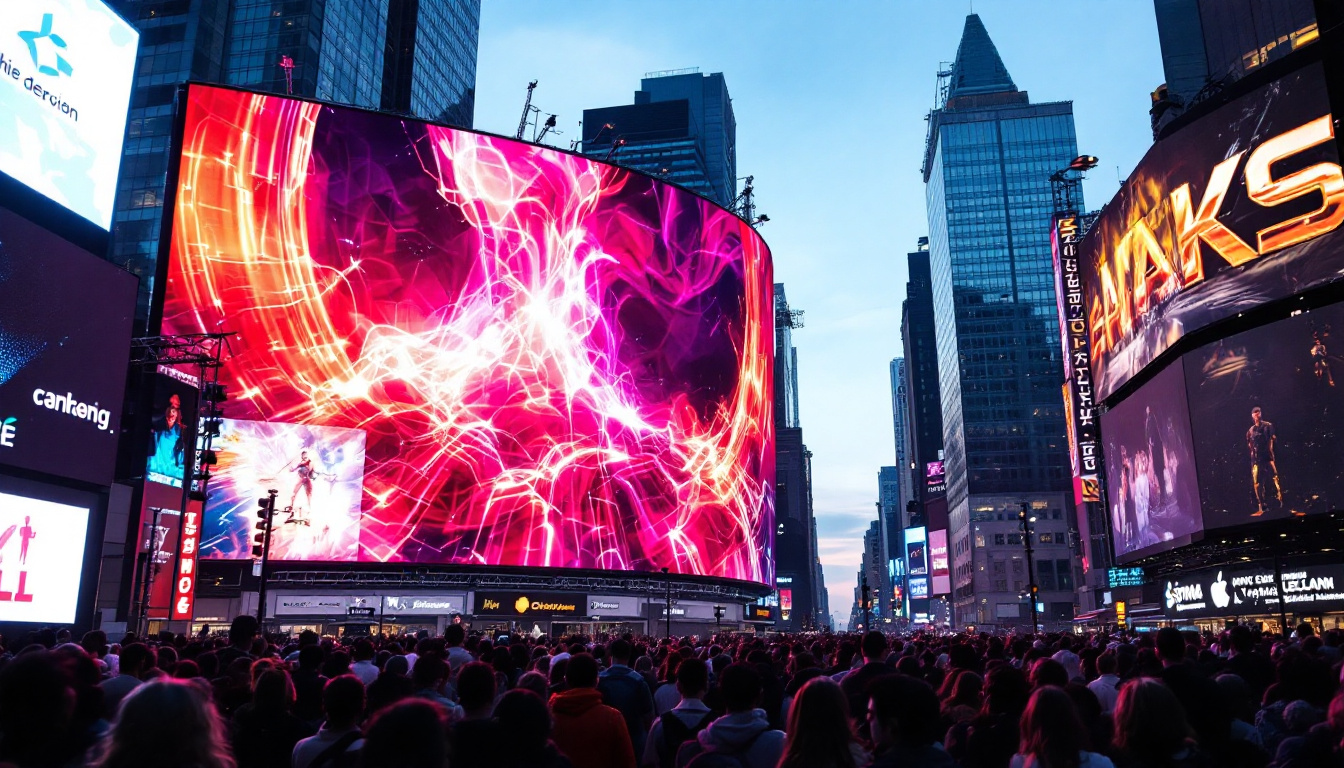
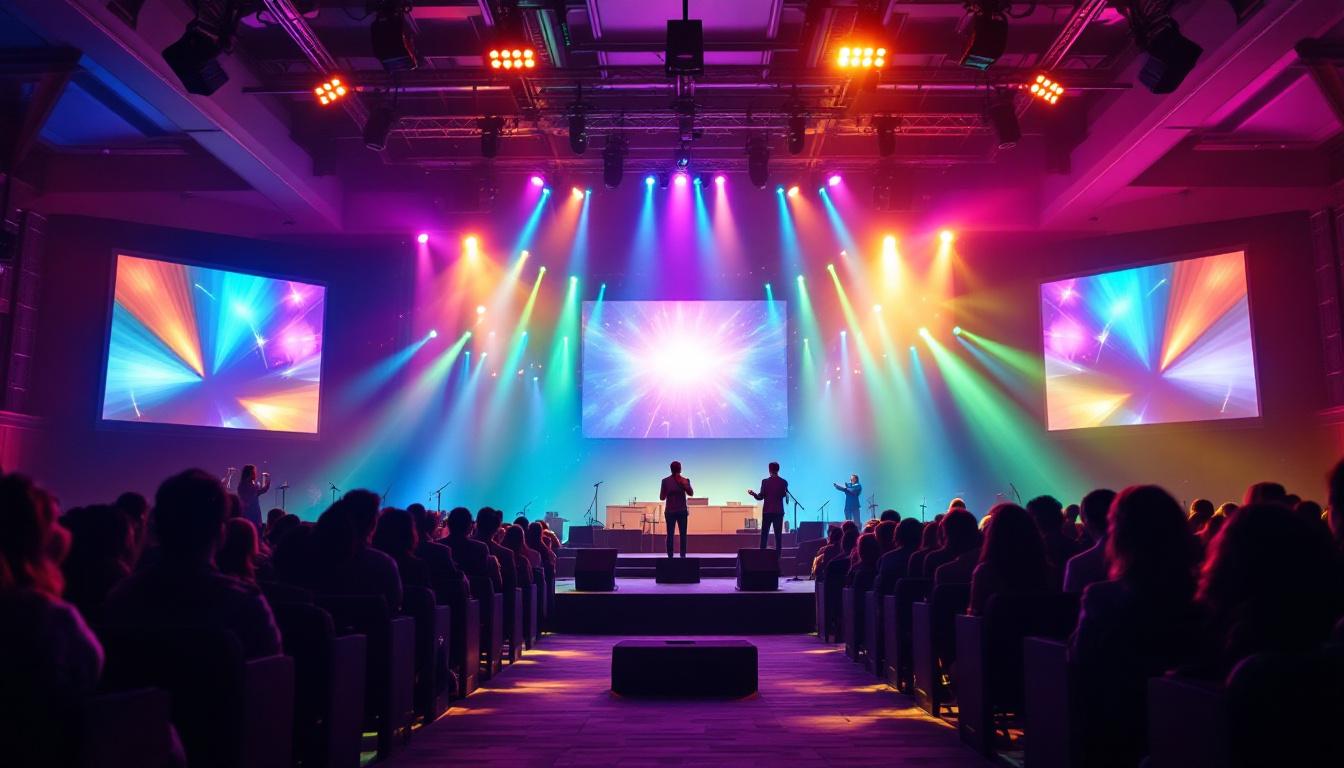
In addition to their energy efficiency and slim design, LED displays are also highly adaptable. They can be configured in various shapes and sizes, from large-scale installations in stadiums to small screens embedded in furniture or architecture. This versatility opens up new possibilities for creative applications, such as immersive art installations or dynamic advertising that can change in real-time based on audience interaction. As technology continues to evolve, the potential for LED displays to transform our visual experiences is virtually limitless.
The Science Behind Paper-Thin LED Displays
How Are Paper-Thin LED Screens Made?
The key to creating paper-thin LED displays lies in miniaturization and innovative materials. Engineers use ultra-small LEDs, sometimes measuring just a few microns, arranged on flexible substrates such as thin plastic films or specially engineered glass.
Advanced manufacturing techniques like wafer bonding, laser lift-off, and precision pick-and-place allow for the accurate placement of millions of tiny LEDs onto these substrates. The result is a display that is not only incredibly thin but also lightweight and flexible, opening up new design possibilities.
Flexibility and Durability
One of the standout features of paper-thin LED displays is their flexibility. Unlike traditional rigid screens, these displays can bend or curve without damaging the LEDs or the circuitry. This flexibility is achieved through the use of bendable materials and innovative circuit designs that distribute stress evenly.
Durability is another critical factor. Paper-thin LED displays are often coated with protective layers to resist scratches, moisture, and UV exposure, making them suitable for both indoor and outdoor use. This robustness ensures longevity even in demanding environments.
Advantages of Paper-Thin LED Displays
Ultra-Slim Design and Aesthetic Appeal
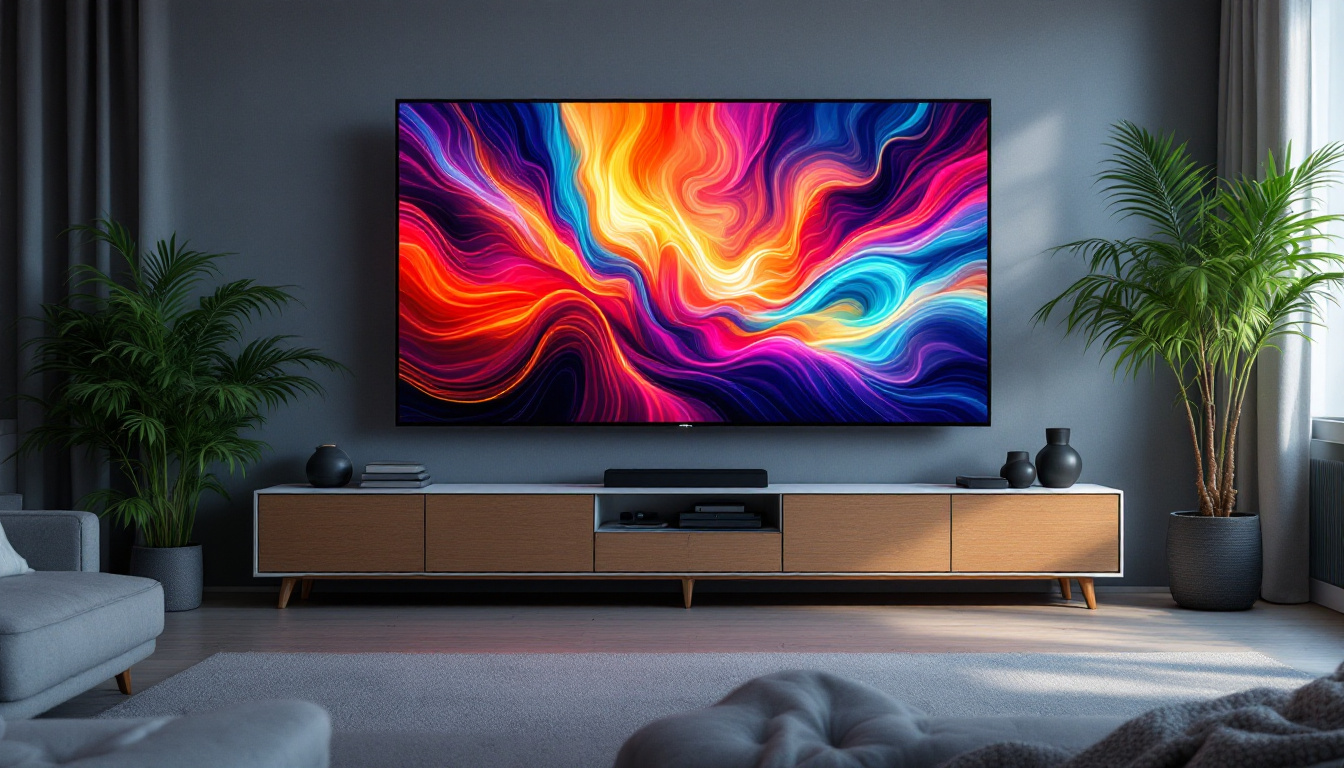
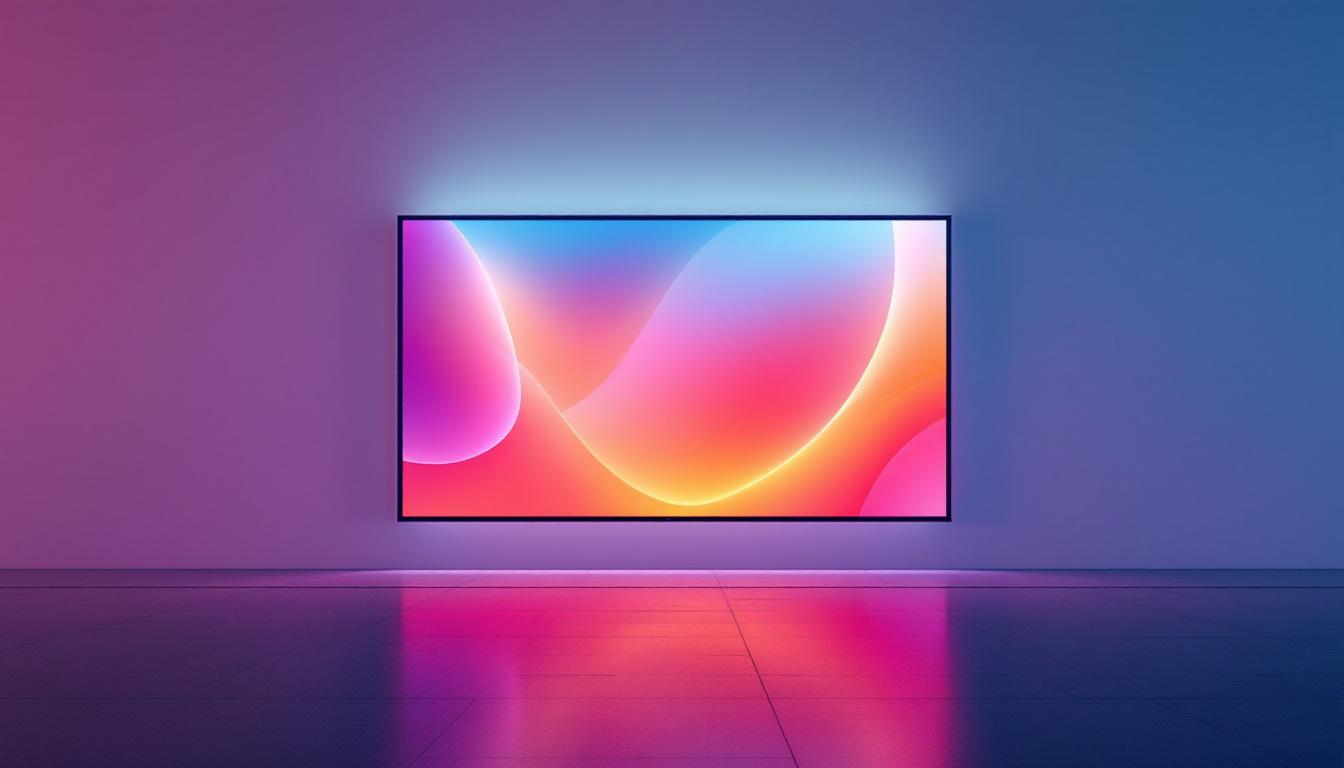
The most obvious advantage of paper-thin LED displays is their sleek, minimalistic design. With thicknesses often less than 5 millimeters, these screens can be seamlessly integrated into walls, windows, or even furniture, creating visually stunning installations that blend into their surroundings.
This aesthetic appeal is particularly valuable in retail, hospitality, and corporate environments where design and branding are paramount. For example, luxury stores use transparent LED displays embedded in glass to showcase dynamic content without obstructing the view.
Superior Image Quality
Despite their thinness, paper-thin LED displays do not compromise on image quality. Thanks to the inherent brightness of LEDs, these screens offer excellent contrast ratios, vibrant colors, and wide viewing angles. They perform exceptionally well in bright environments where traditional LCDs might struggle.
Additionally, the fast response time of LEDs ensures smooth motion rendering, making these displays ideal for video playback, interactive content, and digital signage.
Energy Efficiency
Energy consumption is a critical consideration for any display technology. Paper-thin LED displays are generally more energy-efficient than their LCD counterparts because they do not require backlighting. Instead, each LED emits light directly, reducing power usage significantly.
For instance, microLED displays can consume up to 50% less power than OLEDs or LCDs of comparable size and brightness. This efficiency translates into lower operating costs and a smaller environmental footprint, which is increasingly important for businesses and consumers alike.
Versatility and Customization
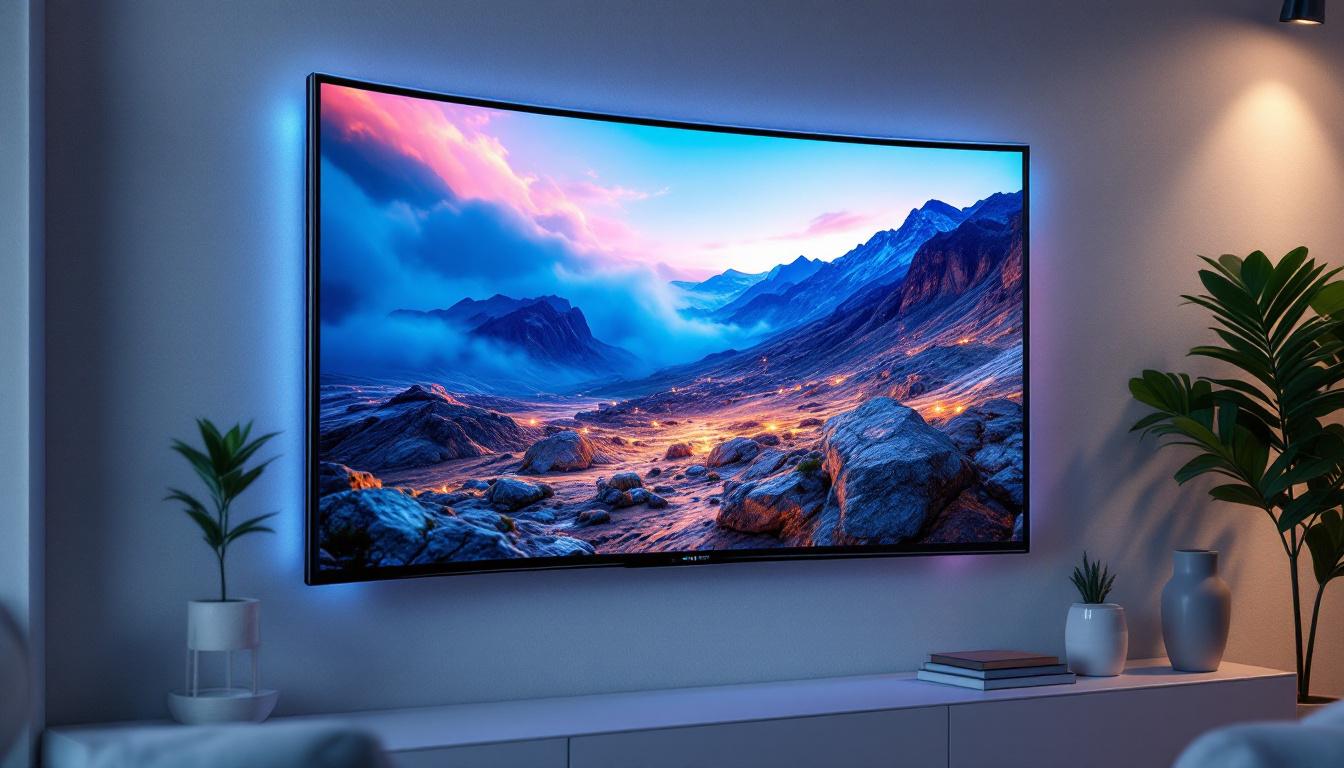
The flexibility and modular nature of paper-thin LED displays allow for a wide range of configurations. Screens can be curved, shaped, or made transparent, enabling creative applications that were previously impossible.
Modular panels can be combined to create massive video walls or custom shapes tailored to specific spaces. This adaptability makes paper-thin LED displays suitable for everything from wearable devices and smartphones to building facades and large-scale advertising.
Applications of Paper-Thin LED Displays
Consumer Electronics
In the realm of consumer electronics, paper-thin LED displays are revolutionizing smartphones, tablets, and wearable devices. Companies are racing to incorporate microLED technology to deliver brighter screens with longer battery life and improved durability.
For example, some of the latest smartwatches feature ultra-thin, flexible LED displays that conform comfortably to the wrist while providing sharp, colorful visuals. Similarly, foldable smartphones leverage flexible LED panels to offer larger screen sizes without increasing device bulk.
Digital Signage and Advertising
One of the fastest-growing markets for paper-thin LED displays is digital signage. Retailers, transportation hubs, and event venues use these displays to attract attention with dynamic, eye-catching content.
Transparent LED displays embedded in storefront windows allow businesses to showcase promotions without blocking natural light or visibility. Outdoor installations benefit from the high brightness and weather resistance of LED technology, ensuring messages remain clear even in direct sunlight or adverse weather.
Architectural and Interior Design
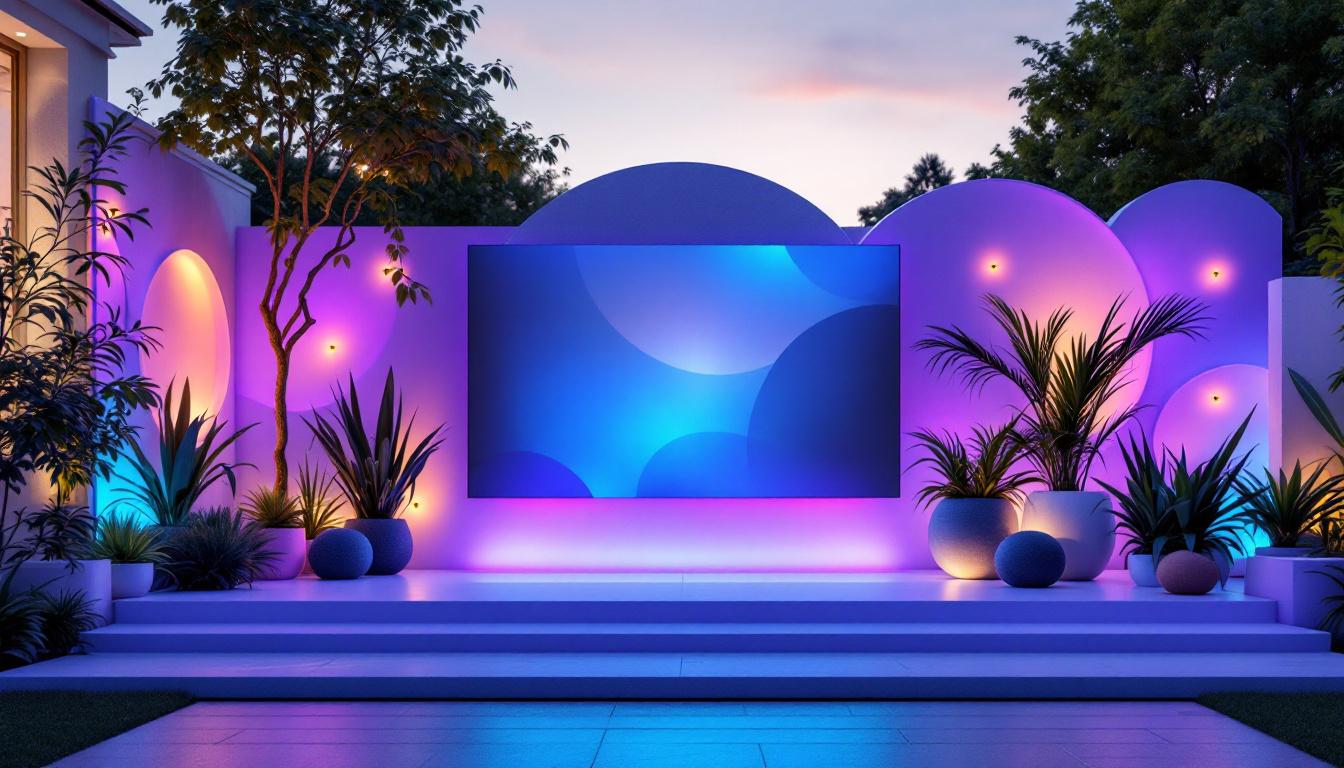
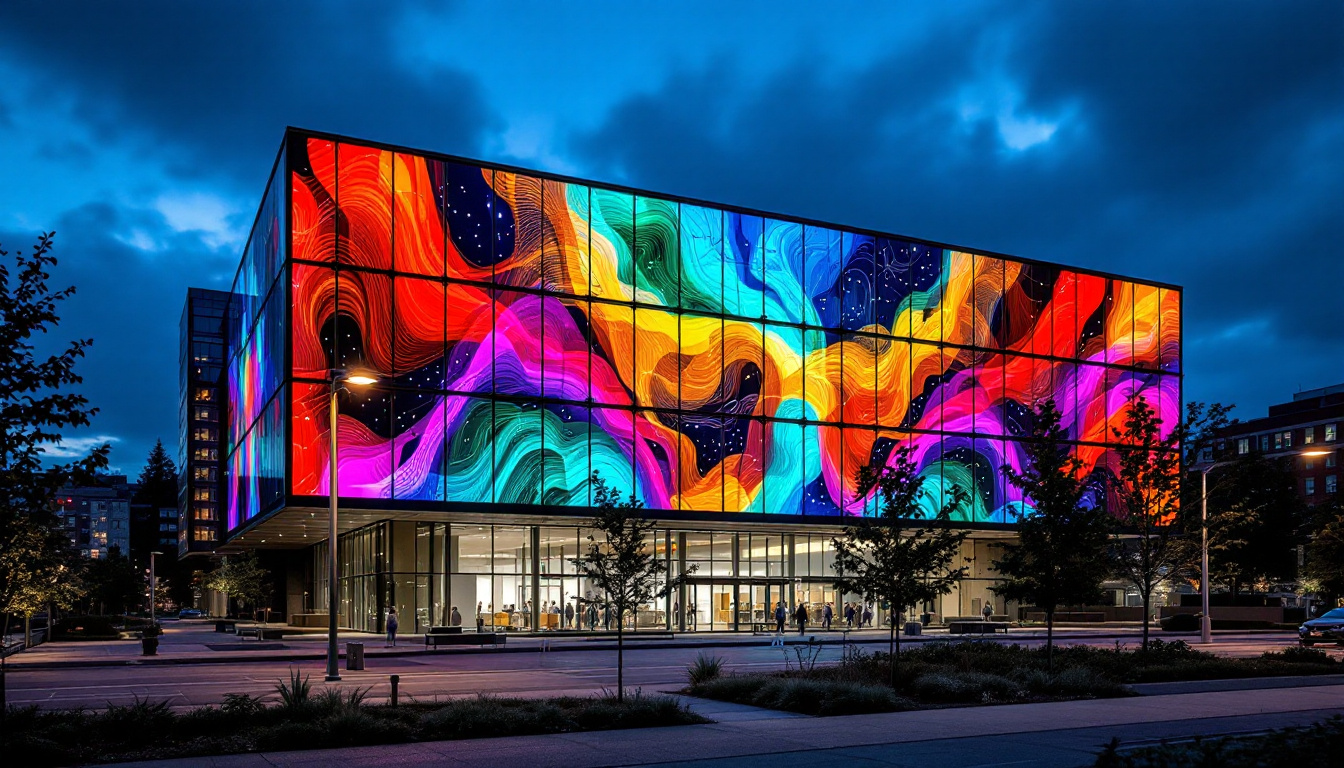
Architects and interior designers are embracing paper-thin LED displays to create immersive environments. These screens can be integrated into walls, ceilings, or furniture to provide ambient lighting, interactive art, or informational displays.
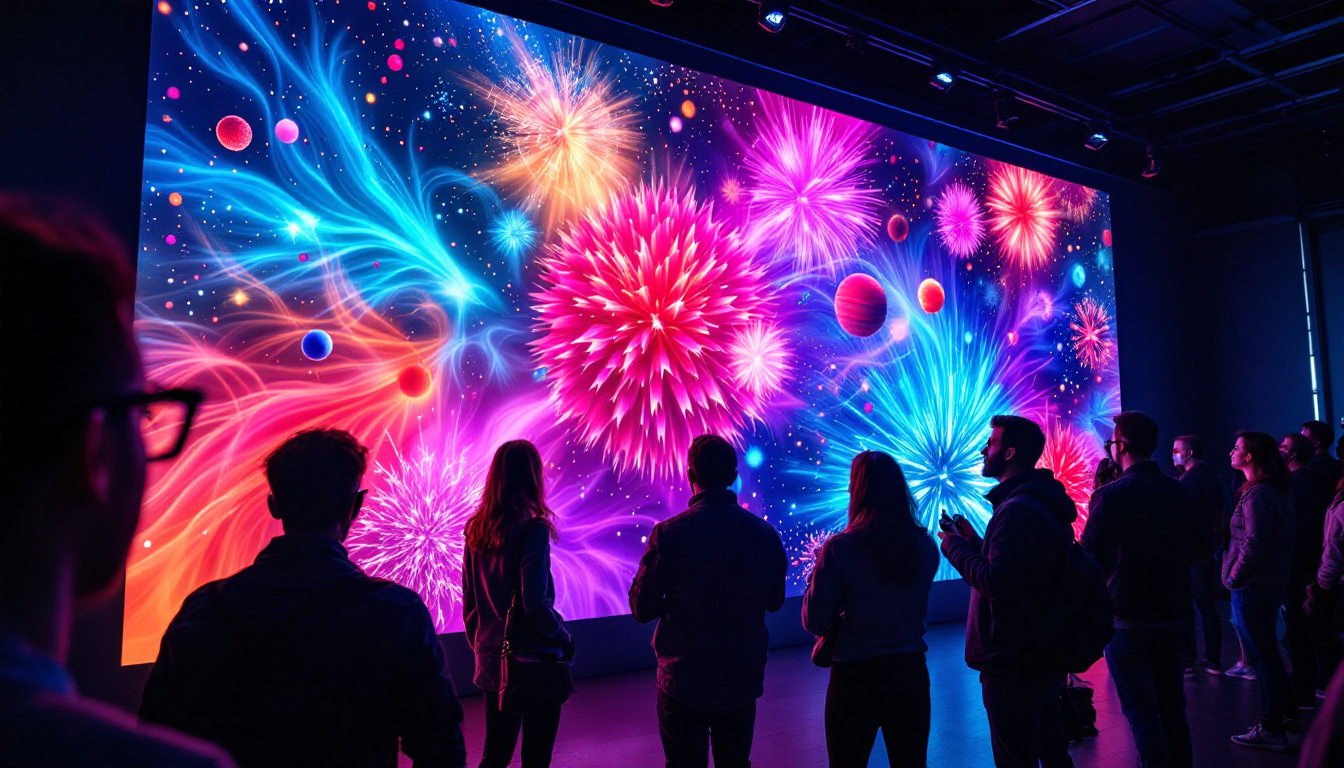
For instance, hotels use curved LED walls in lobbies to create captivating visual experiences, while museums incorporate flexible LED panels to enhance exhibits with dynamic content. The ability to customize shapes and transparency levels opens up endless creative possibilities.
Automotive and Transportation
The automotive industry is also exploring paper-thin LED displays for dashboards, heads-up displays, and exterior lighting. Flexible LED screens can conform to curved surfaces inside vehicles, providing drivers with clear, customizable information without cluttering the cabin.
Public transportation systems use LED displays for real-time updates and advertising, benefiting from their durability and visibility in various lighting conditions.
Challenges and Future Outlook
Manufacturing Complexity and Cost
Despite their many advantages, paper-thin LED displays face challenges related to manufacturing complexity and cost. Producing millions of microscopic LEDs with precise alignment requires sophisticated equipment and processes, which can drive up prices.
However, as production techniques improve and economies of scale are achieved, costs are expected to decline. Industry analysts predict that microLED displays will become more affordable and widespread within the next five years, potentially overtaking OLED and LCD technologies in many segments.
Technical Limitations
Current limitations include challenges in achieving perfect uniformity and color accuracy across large flexible displays. Additionally, integrating transparent LED displays without compromising transparency or brightness remains an area of active research.
Advancements in materials science and nanotechnology are likely to address these issues, enabling even thinner, brighter, and more versatile displays in the near future.
Environmental Impact
While LED displays are generally more energy-efficient than traditional screens, concerns remain about the environmental impact of manufacturing and disposing of electronic components. Manufacturers are increasingly focusing on sustainable practices, including recyclable materials and energy-efficient production methods.
Consumers and businesses are encouraged to consider the lifecycle impact of their display choices and support companies committed to environmental responsibility.
Conclusion
Paper-thin LED displays represent a significant leap forward in display technology, combining ultra-slim design with exceptional image quality, flexibility, and energy efficiency. Their versatility is transforming industries ranging from consumer electronics to advertising and architecture, enabling new forms of interaction and visual storytelling.
As production costs decrease and technical challenges are overcome, paper-thin LED displays are poised to become a ubiquitous feature in everyday life. Staying informed about these advancements can help businesses and consumers make smarter decisions about adopting the latest display technologies.
Whether integrated into a smartphone, a storefront window, or a futuristic building facade, paper-thin LED displays are illuminating the path toward a more connected and visually engaging future.
Illuminate Your Space with LumenMatrix
Ready to embrace the future of display technology with ultra-thin, high-quality LED screens? LumenMatrix is at the forefront of this innovation, offering a wide array of LED display solutions tailored to your needs. From captivating indoor and outdoor displays to versatile vehicle and custom LED options, our products are designed to elevate your brand and engage your audience. Don’t miss the opportunity to transform your visual communication. Check out LumenMatrix LED Display Solutions today and step into a brighter, more engaging world.