In today’s fast-paced digital world, visual communication plays a pivotal role in capturing attention and conveying messages effectively. Among the many display technologies available, LED displays have emerged as a dominant force due to their brightness, versatility, and energy efficiency. One of the most innovative applications of LED technology is the 360-degree LED display, which offers immersive viewing experiences that traditional screens cannot match. This article delves into the intricacies of 360 LED displays, exploring their technology, applications, benefits, and future trends.
Understanding LED Display Technology
What is an LED Display?
LED stands for Light Emitting Diode, a semiconductor device that emits light when an electric current passes through it. LED displays consist of numerous tiny LEDs arranged in a matrix to form pixels, which collectively produce images and videos. Unlike LCD or OLED screens, LED displays are self-illuminating, meaning each pixel emits its own light, resulting in higher brightness and better contrast ratios.
The fundamental advantage of LED technology lies in its energy efficiency and durability. LEDs consume less power compared to traditional lighting methods and have a longer lifespan, often exceeding 50,000 hours. This makes LED displays ideal for both indoor and outdoor applications, where visibility and longevity are critical. Furthermore, the robust nature of LEDs allows them to withstand harsh environmental conditions, making them suitable for outdoor advertising and signage in various climates, from scorching heat to heavy rain.
In addition to their practical benefits, LED displays also offer a wide range of customization options. They can be designed in various shapes and sizes, allowing for creative installations that can enhance architectural features or draw attention in crowded spaces. The versatility of LED technology means that businesses can tailor their displays to fit specific branding needs, whether it’s a massive billboard or a small promotional screen in a retail store.
How Does a 360 LED Display Work?
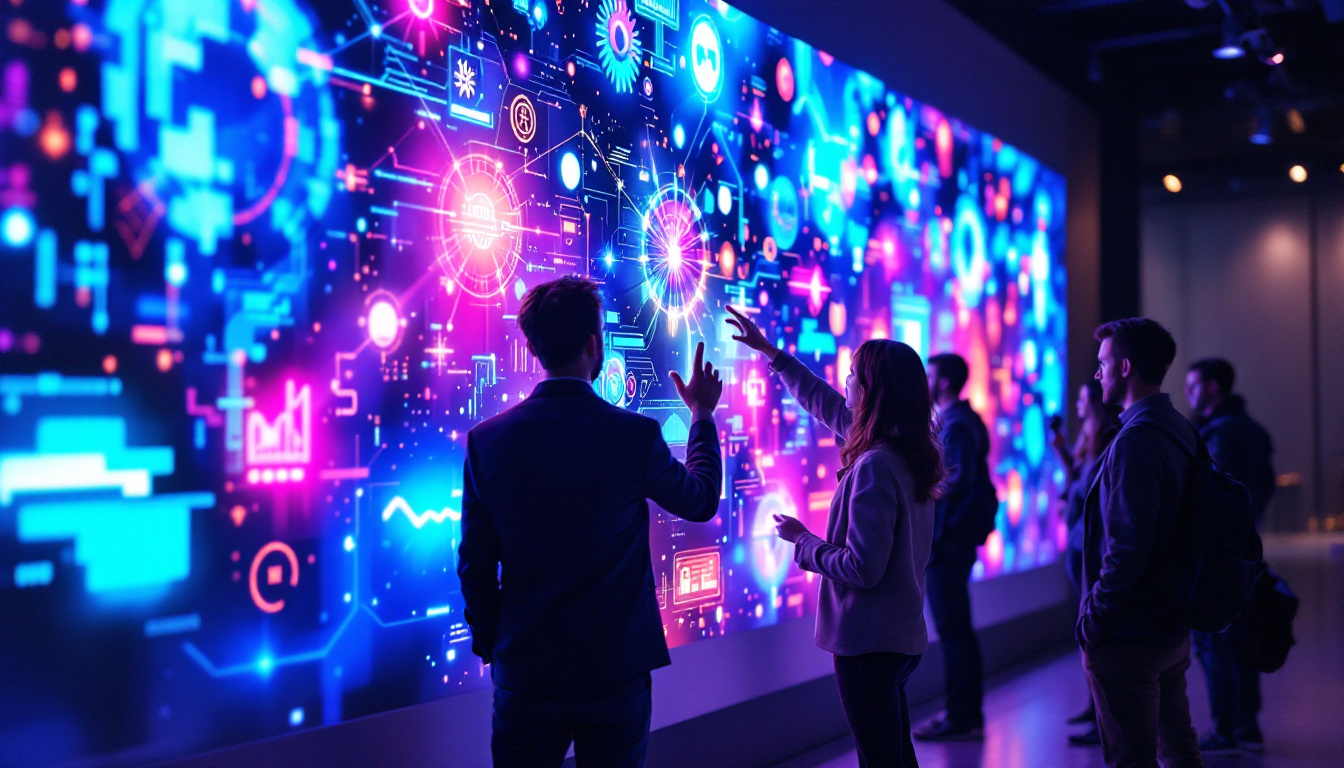
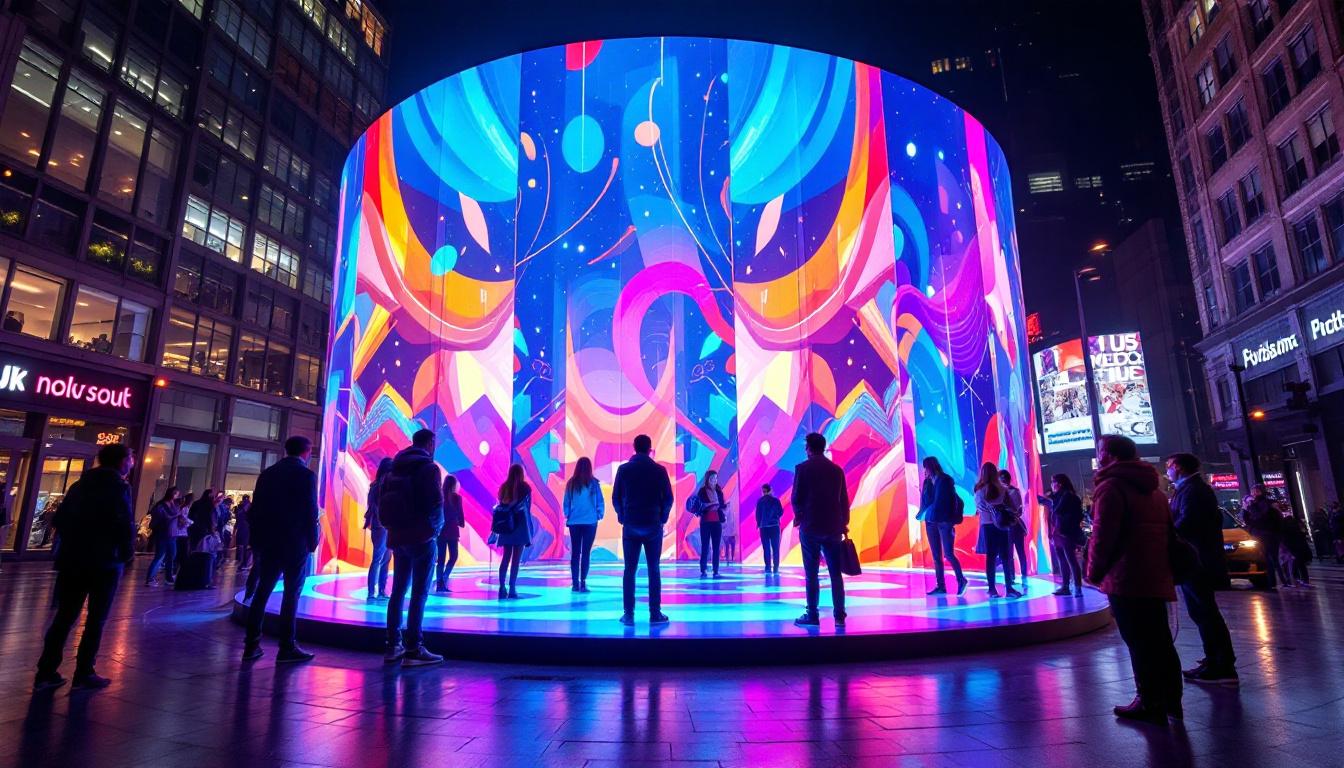
A 360 LED display is designed to provide a panoramic viewing experience by wrapping the LED panels around a cylindrical or spherical structure. Unlike flat screens that offer a limited viewing angle, 360 displays enable viewers to see content from all directions, creating an immersive environment.
These displays use modular LED panels that can be seamlessly connected to form curved surfaces. Advanced calibration and synchronization technologies ensure that the content flows smoothly around the display without distortion or color inconsistency. The result is a captivating visual that can engage audiences in public spaces, exhibitions, retail environments, and entertainment venues. This technology is particularly effective in creating dynamic experiences, such as virtual reality simulations or interactive installations, where the viewer’s perspective can change based on their movement around the display.
Moreover, 360 LED displays can be integrated with various content management systems, allowing for real-time updates and dynamic content delivery. This capability is particularly advantageous for events, where live feeds, social media interactions, or promotional videos can be showcased instantly. The ability to adapt content on-the-fly ensures that the display remains relevant and engaging, capturing the attention of passersby and enhancing the overall experience. As technology continues to evolve, the potential applications for 360 LED displays are expanding, paving the way for innovative uses in advertising, art installations, and beyond.
Applications of 360 LED Displays
Advertising and Marketing
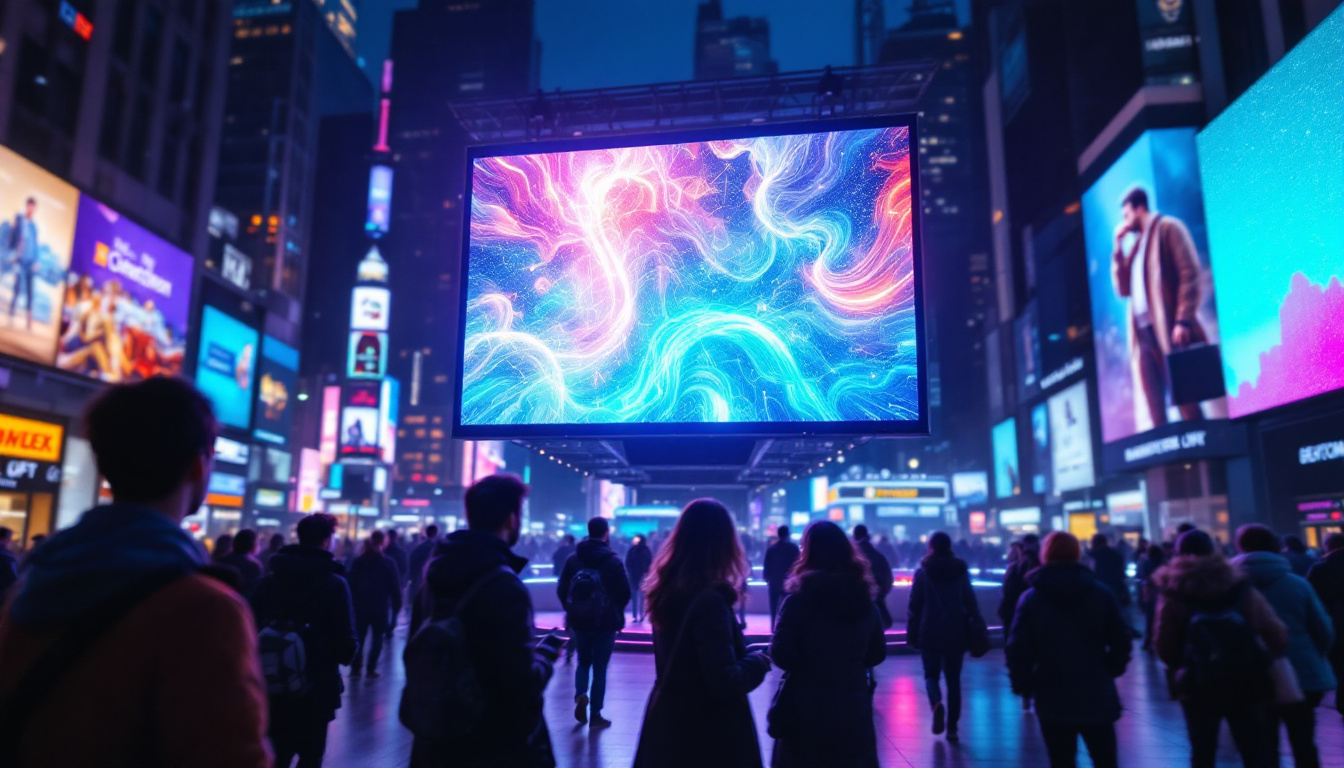
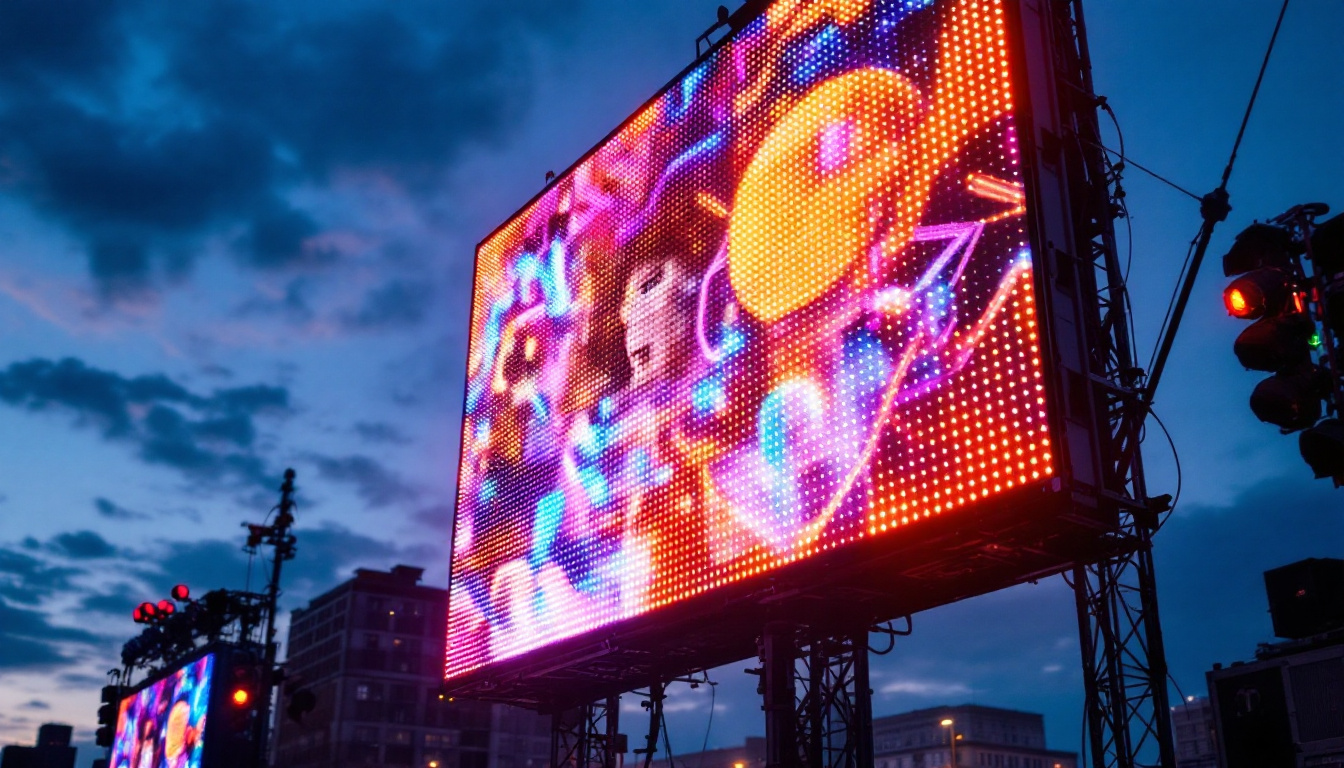
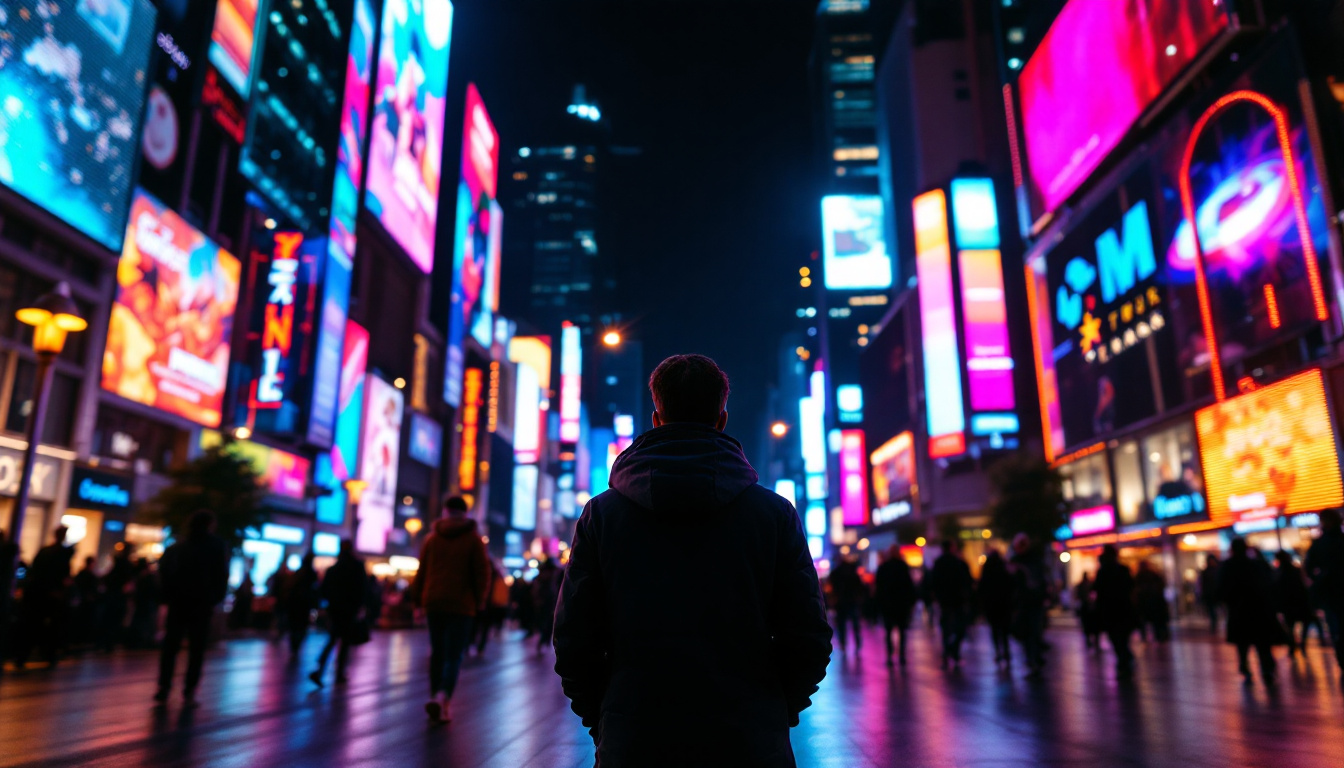
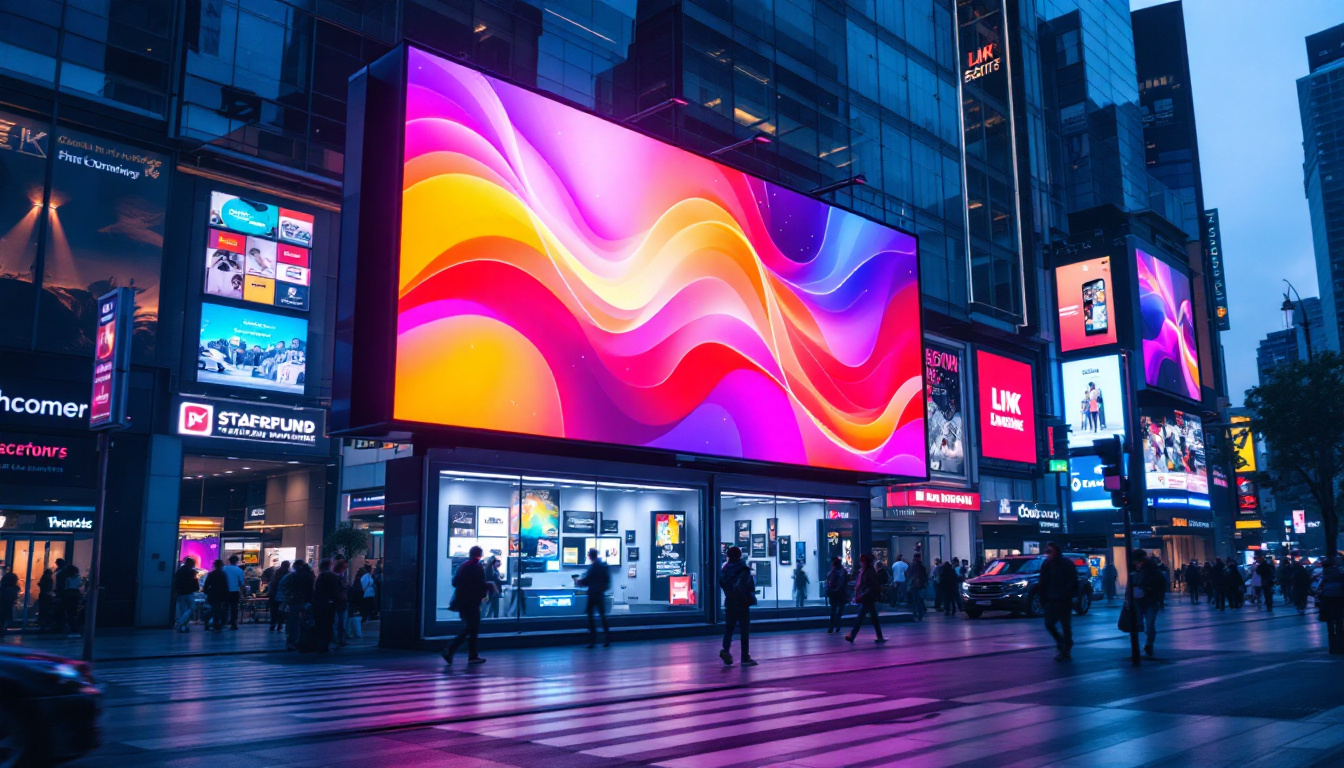
One of the most prevalent uses of 360 LED displays is in advertising. Brands leverage these displays to create eye-catching campaigns that stand out in crowded urban environments. For instance, Times Square in New York City features several 360-degree LED installations that captivate millions of visitors annually. The ability to display dynamic, high-resolution content around a structure allows advertisers to maximize visibility and engagement.
Moreover, 360 LED displays can be programmed to show interactive content, adapting in real-time to audience behavior or environmental factors. This interactivity enhances consumer engagement, making marketing campaigns more memorable and effective.
Events and Entertainment
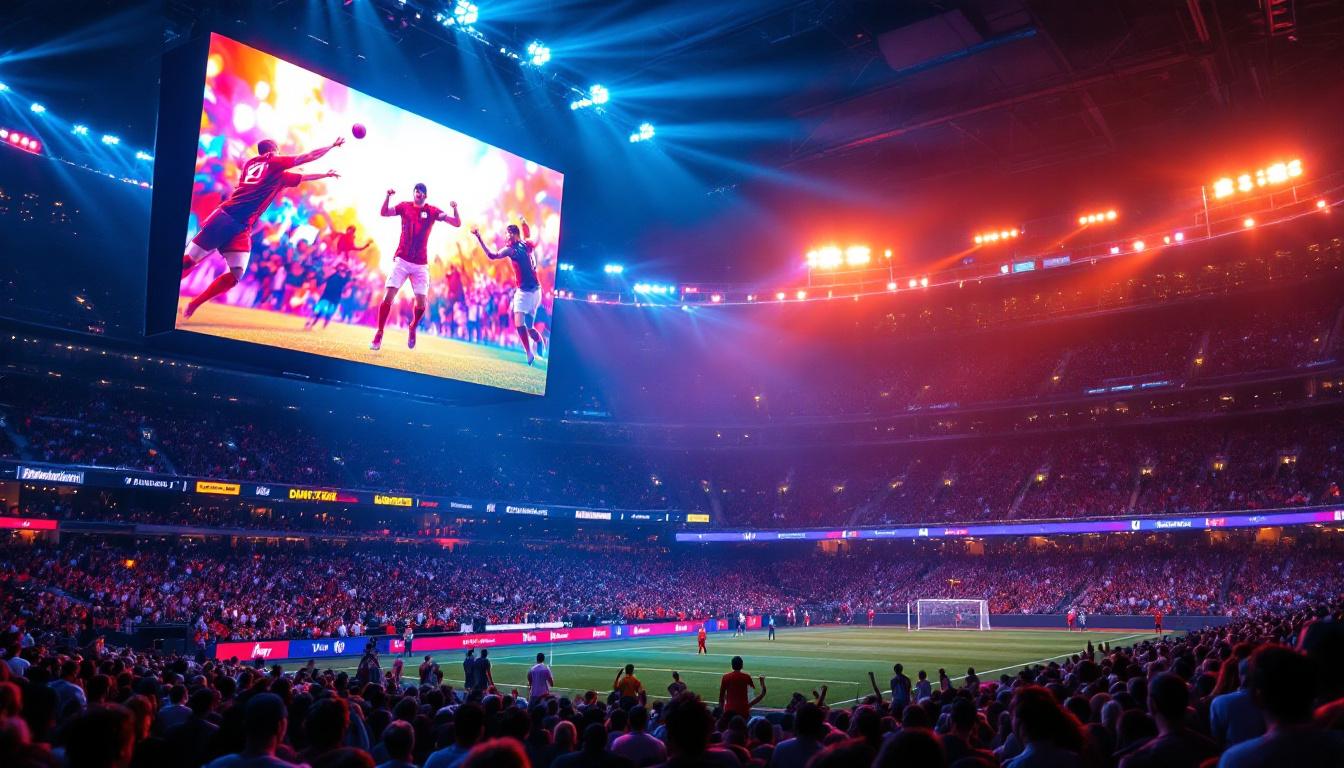
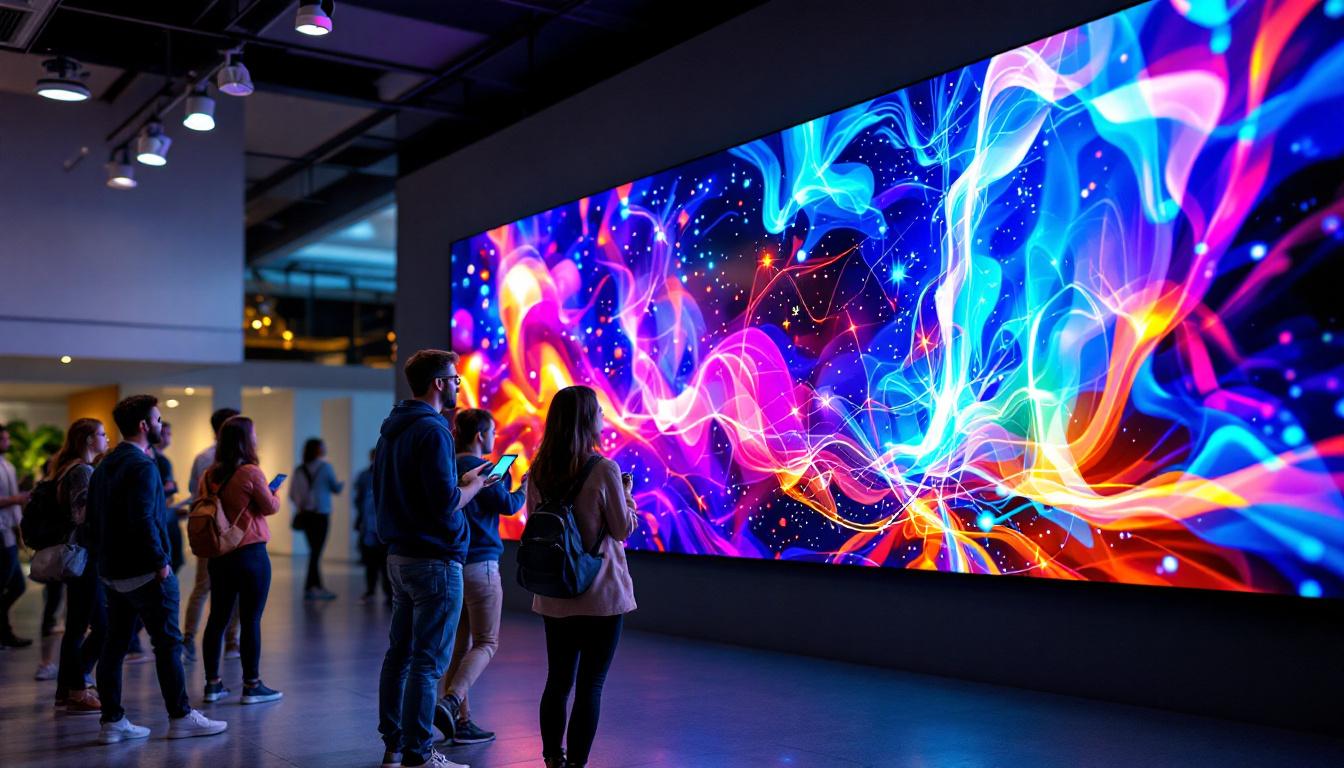
Concerts, festivals, and sporting events have embraced 360 LED displays to enhance the spectator experience. By surrounding audiences with vibrant visuals, these displays create immersive atmospheres that elevate the overall event. For example, some stadiums use 360 LED rings around the arena to display live scores, player stats, and crowd animations, keeping fans informed and entertained.
In theme parks and museums, 360 LED displays serve as immersive storytelling tools. They can simulate environments, transport visitors to different worlds, or provide interactive educational content. This application underscores the versatility of 360 LED technology beyond mere advertising.
Retail and Hospitality
Retailers and hospitality businesses utilize 360 LED displays to create unique customer experiences. In flagship stores, these displays can showcase product launches, fashion shows, or brand narratives in a visually striking manner. The 360-degree format encourages customers to explore the display from all angles, increasing dwell time and potentially boosting sales.
Hotels and restaurants also use 360 LED displays to enhance ambiance and communicate information such as menus, event schedules, or promotional offers. The dynamic nature of LED content allows businesses to update messaging quickly and tailor it to different times of day or customer demographics.
Advantages of 360 LED Displays
Enhanced Visibility and Engagement
The primary advantage of 360 LED displays is their ability to capture attention from all directions. Traditional flat screens limit viewing angles, often requiring viewers to be positioned directly in front of the display. In contrast, 360 displays ensure that content is visible and impactful regardless of where the audience stands.
This omnidirectional visibility is particularly important in high-traffic areas such as shopping malls, airports, and public squares, where people move freely and unpredictably. By engaging viewers from every angle, 360 LED displays increase the likelihood of message retention and brand recall.
Flexibility and Customization
360 LED displays are highly customizable in terms of size, shape, and resolution. Modular LED panels can be configured to fit a variety of architectural designs, from cylindrical columns to spherical domes. This flexibility allows designers and marketers to integrate displays seamlessly into existing environments or create entirely new visual landmarks.
Additionally, the content displayed can be tailored to specific audiences or events. Real-time data integration enables dynamic updates, such as displaying weather information, social media feeds, or interactive games. This adaptability enhances the relevance and appeal of the display.
Energy Efficiency and Durability
Compared to other large-format display technologies, LED displays consume significantly less power. This energy efficiency translates into lower operating costs and a reduced environmental footprint. Given the scale and continuous operation of many 360 LED installations, these savings can be substantial over time.
Durability is another key benefit. LED panels are resistant to shock, vibration, and weather conditions, making them suitable for both indoor and outdoor use. Many 360 LED displays are designed with protective coatings and cooling systems to maintain performance in harsh environments.
Technical Considerations for 360 LED Displays
Resolution and Pixel Pitch
Resolution refers to the number of pixels in a display, directly affecting image clarity and detail. Pixel pitch, the distance between the centers of adjacent pixels, determines how sharp the display appears from a given viewing distance. For 360 LED displays, selecting the appropriate pixel pitch is crucial to balance cost, image quality, and viewing distance.
For example, a display with a smaller pixel pitch (e.g., 2mm) offers higher resolution and is suitable for close-up viewing, such as in retail environments. Larger pixel pitches (e.g., 10mm or more) are more cost-effective for outdoor installations viewed from a distance, like billboards or stadium displays.
Content Management Systems (CMS)
Managing content on a 360 LED display requires specialized software capable of handling complex geometries and synchronization. A robust CMS allows operators to schedule, update, and monitor content remotely, ensuring seamless playback and minimizing downtime.
Advanced CMS platforms support features such as multi-zone content, interactive elements, and integration with external data sources. This functionality empowers businesses to create dynamic and engaging visual experiences tailored to their objectives.
Installation and Maintenance
Installing a 360 LED display involves precise engineering to ensure structural stability, optimal viewing angles, and effective cooling. The modular nature of LED panels facilitates assembly, but professional expertise is essential to address challenges such as curvature alignment and electrical connectivity.
Maintenance considerations include regular cleaning, firmware updates, and component replacement. Many modern LED displays incorporate diagnostic tools that alert operators to potential issues, enabling proactive maintenance and reducing downtime.
Future Trends and Innovations in 360 LED Displays
Higher Resolution and Miniaturization
As LED technology advances, pixel pitches continue to shrink, enabling ultra-high-definition 360 displays. This trend will allow for even more detailed and realistic visuals, enhancing immersive experiences in retail, entertainment, and public art installations.
Miniaturization of LED components also opens possibilities for lighter and more flexible displays, expanding the range of applications and simplifying installation.
Integration with Augmented Reality (AR) and Artificial Intelligence (AI)
The convergence of 360 LED displays with AR and AI technologies promises to revolutionize interactive experiences. AI-driven content personalization can tailor visuals based on audience demographics, behavior, or environmental conditions. Meanwhile, AR overlays can add layers of information or virtual objects, enriching the viewer’s engagement.
For instance, a 360 LED display in a shopping mall could interact with shoppers’ smartphones to provide personalized promotions or navigation assistance, creating a seamless blend of physical and digital environments.
Sustainability and Energy Innovations
Environmental concerns are driving innovation in LED display manufacturing and operation. Researchers are exploring new materials and designs to reduce energy consumption further and improve recyclability. Solar-powered LED displays and smart energy management systems are emerging as viable solutions for sustainable large-scale installations.
These advancements not only reduce operational costs but also align with corporate social responsibility goals, enhancing brand reputation among environmentally conscious consumers.
Conclusion
360 LED displays represent a significant leap forward in visual communication technology. Their ability to deliver immersive, omnidirectional content makes them invaluable across various sectors, from advertising and entertainment to retail and public information. The combination of high visibility, flexibility, energy efficiency, and durability ensures that 360 LED displays will continue to grow in popularity and impact.
As technological innovations such as higher resolution panels, AI integration, and sustainable designs emerge, the potential applications and benefits of 360 LED displays will expand even further. For businesses and organizations seeking to captivate audiences and create memorable experiences, investing in 360 LED display technology offers a compelling opportunity to stand out in an increasingly competitive visual landscape.
Discover the Future of Visual Engagement with LumenMatrix
Ready to elevate your visual communication and create experiences that resonate with your audience? LumenMatrix is at the forefront of LED display innovation, offering a diverse range of solutions tailored to your unique needs. From Indoor and Outdoor LED Wall Displays to specialized options like Vehicle, Sports, and Floor LED Displays, our technology is designed to captivate and engage. Embrace the power of cutting-edge LED displays and transform your space with LumenMatrix. Check out LumenMatrix LED Display Solutions today and step into the future of immersive visual storytelling.