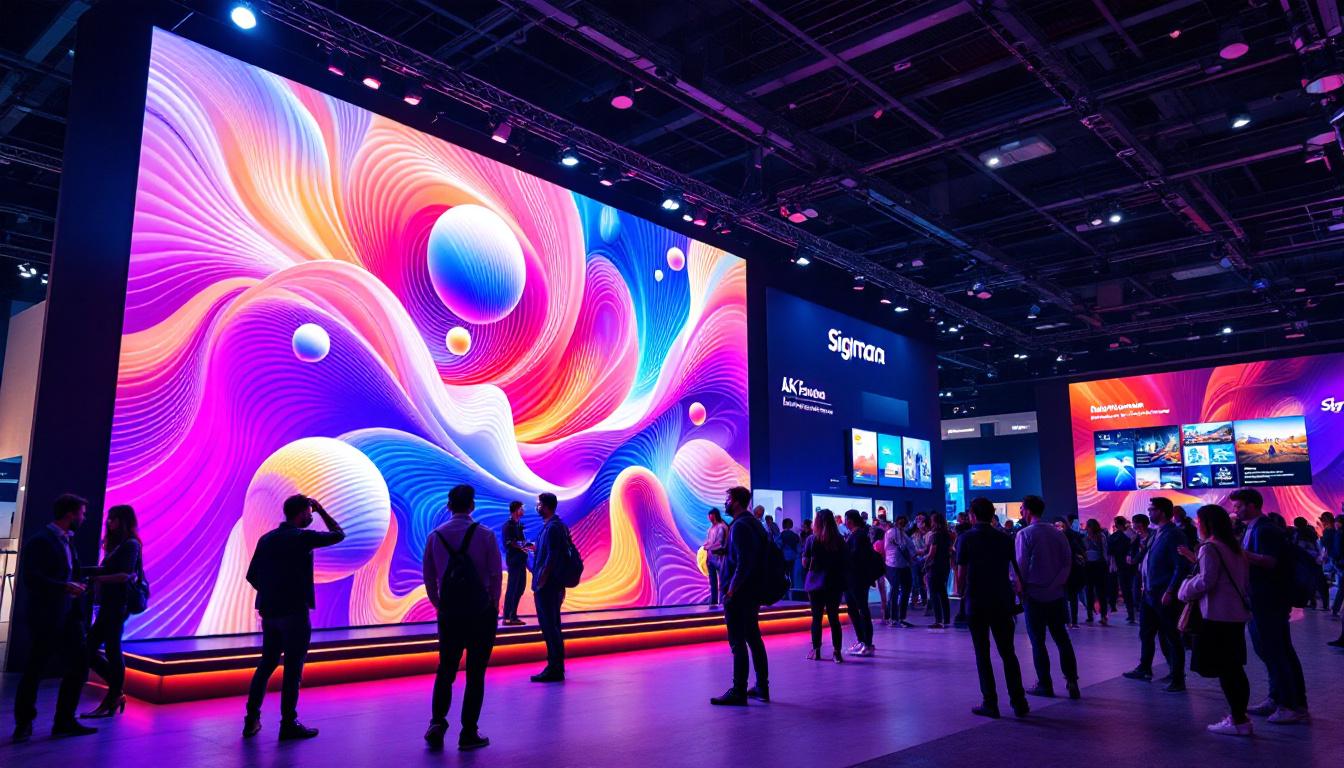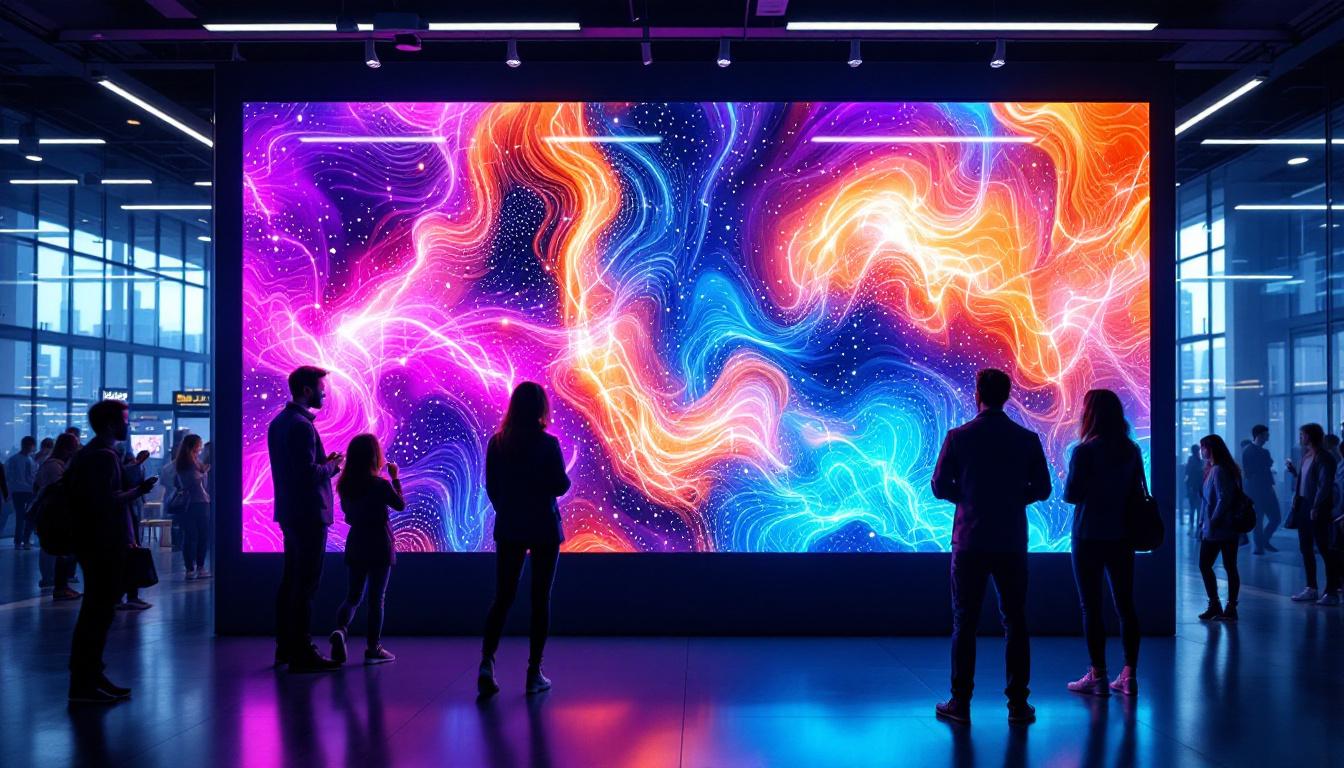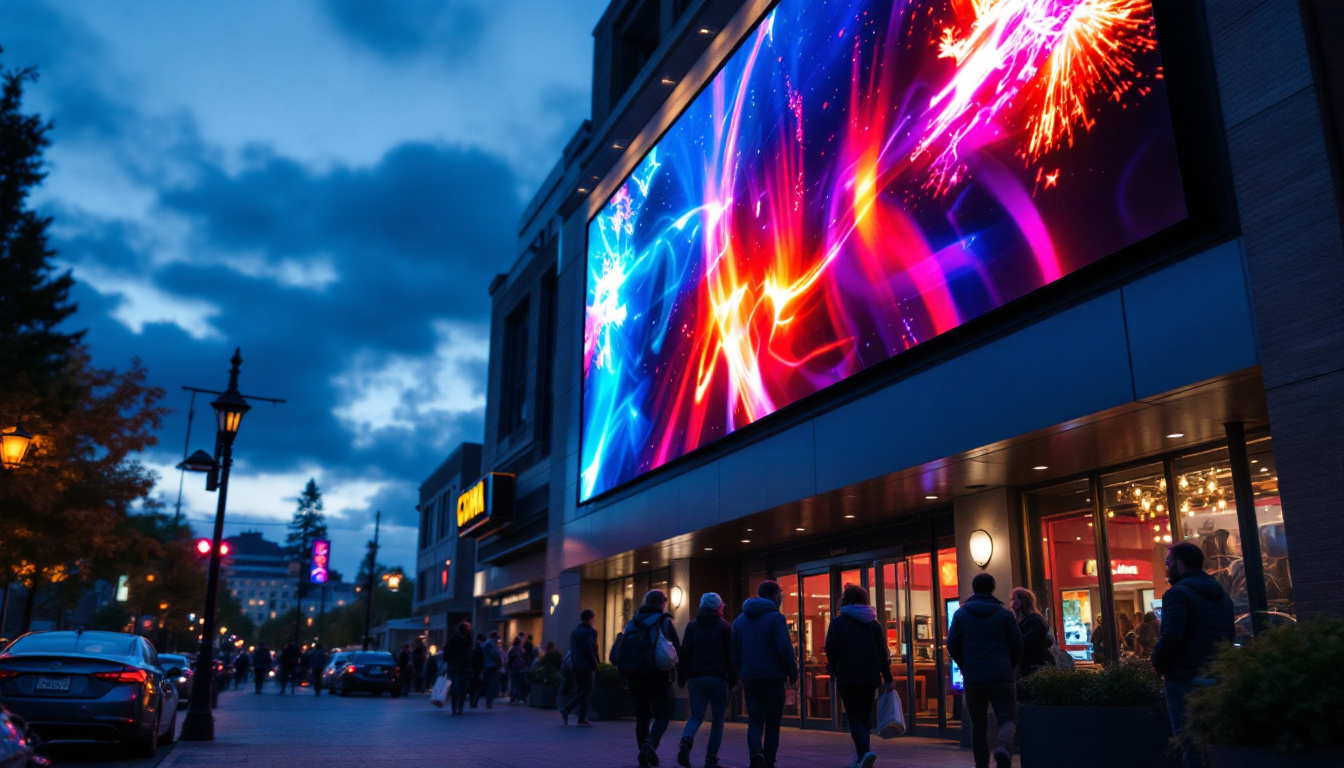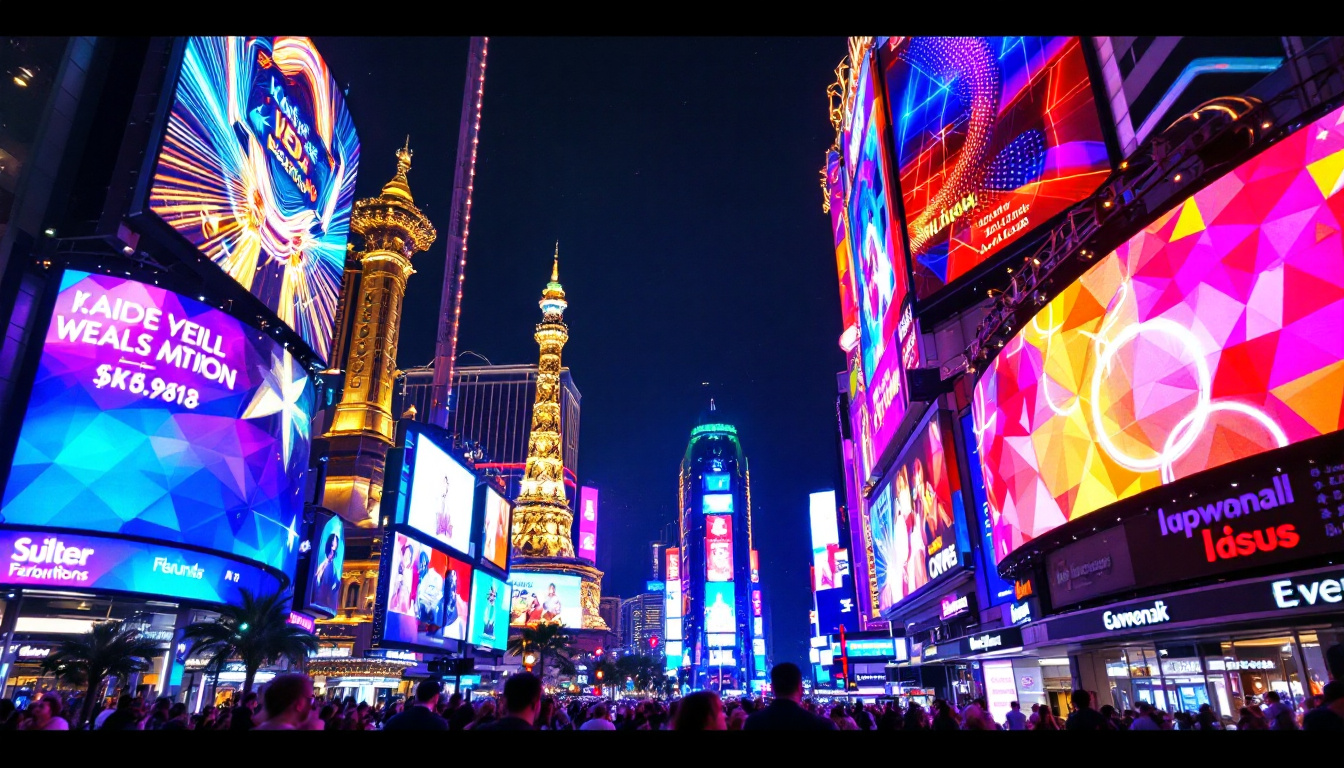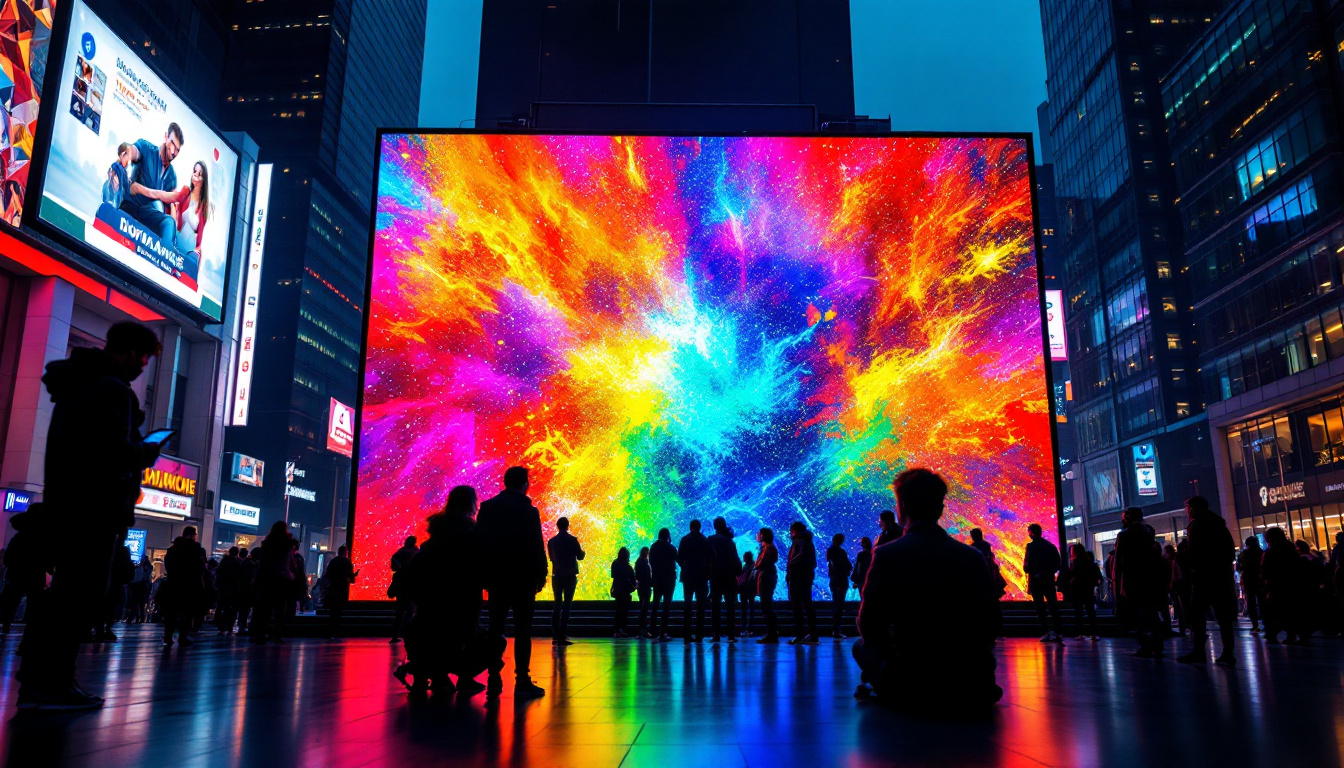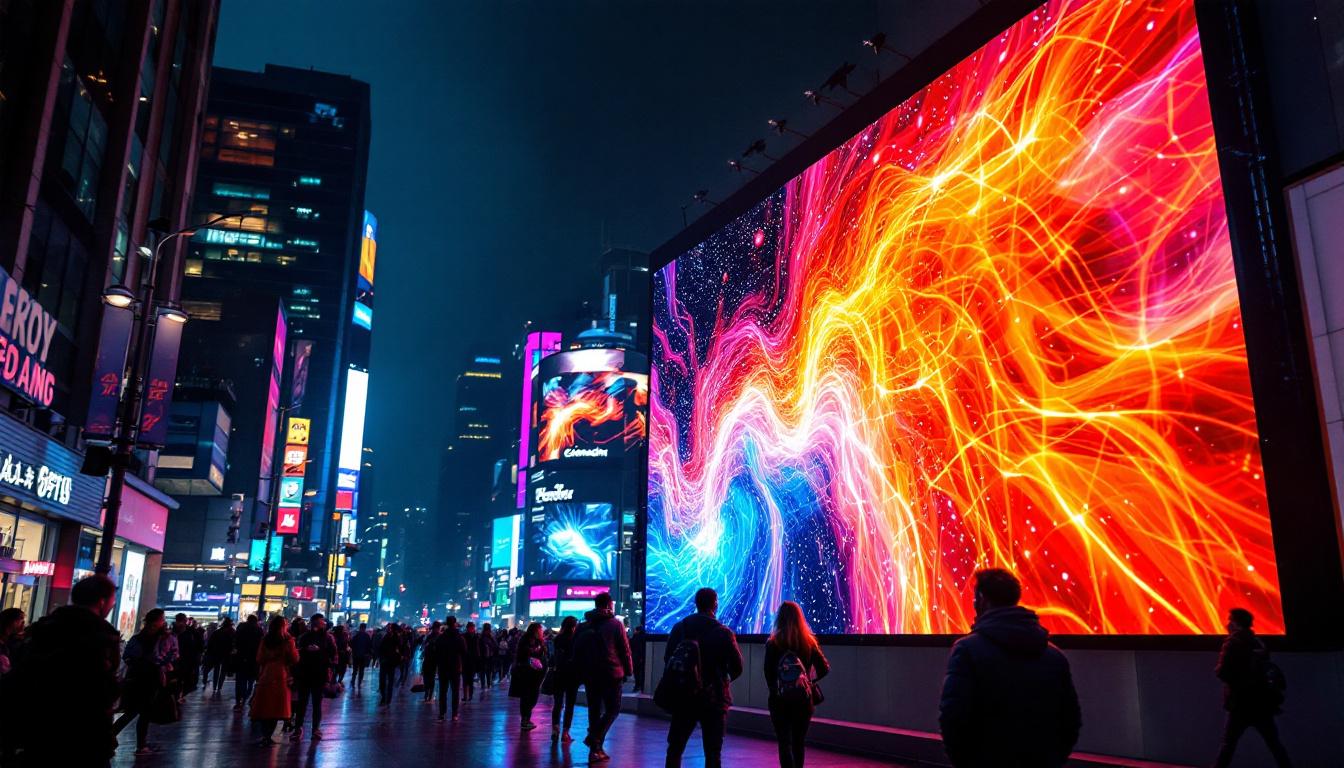
In the rapidly evolving world of digital signage and display technology, LED displays have emerged as a dominant force, transforming how businesses, advertisers, and event organizers communicate visually. From massive outdoor billboards to sleek indoor screens, LED displays offer unparalleled brightness, flexibility, and energy efficiency. This article delves into the fundamentals of LED displays, exploring their technology, applications, benefits, and future trends to provide a comprehensive understanding of this dynamic medium.
Understanding LED Display Technology
LED stands for Light Emitting Diode, a semiconductor device that emits light when an electric current passes through it. Unlike traditional display technologies such as LCD or projection, LED displays use millions of tiny LEDs to create vivid images with exceptional brightness and contrast. These LEDs can be arranged in various configurations depending on the intended use, size, and resolution of the display.
How LED Displays Work
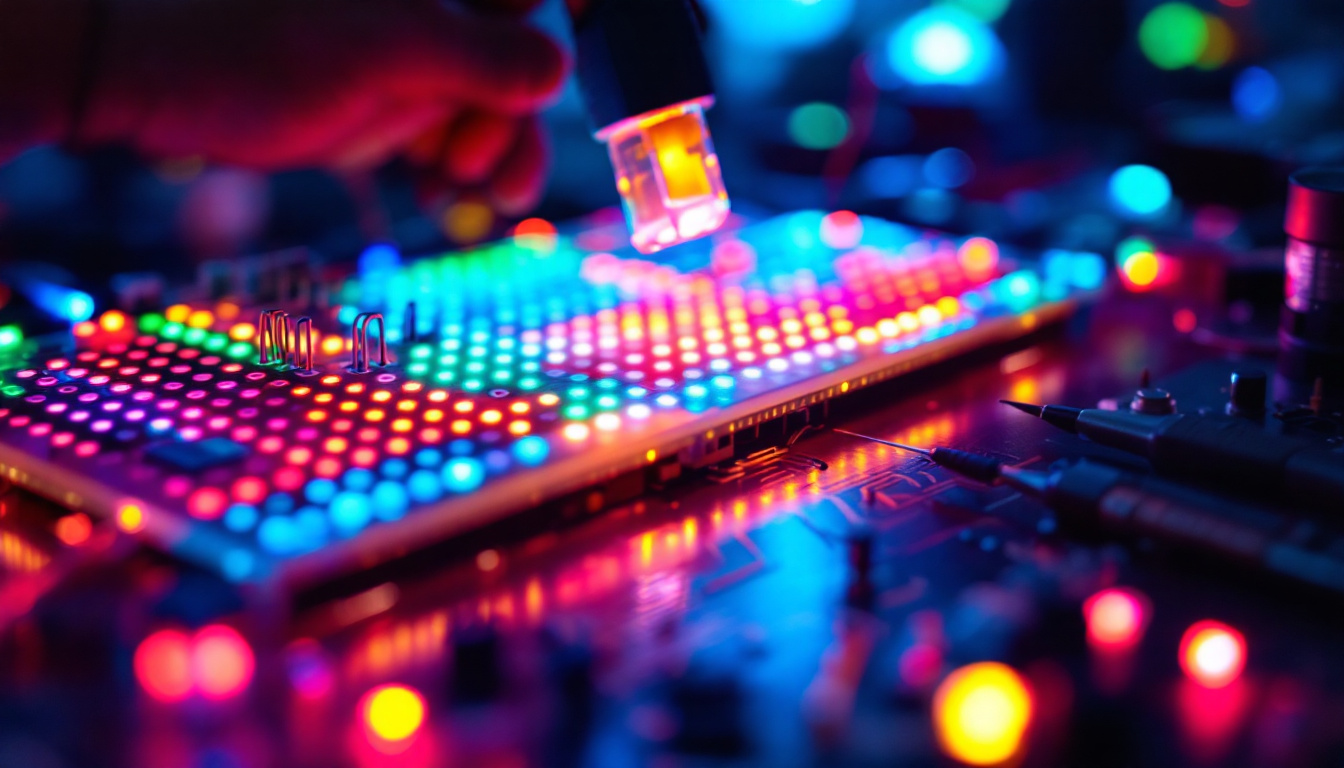
At the core of every LED display is a matrix of individual LED pixels. Each pixel typically consists of red, green, and blue diodes, which combine to produce a full spectrum of colors through a process called additive color mixing. By varying the intensity of each diode, the display can render millions of colors, enabling vibrant and dynamic visuals.
The LEDs are controlled by a sophisticated driver circuit and a controller board that processes the incoming video signal. This system ensures that each pixel illuminates with the correct brightness and color to form coherent images or videos. The refresh rate and pixel pitch—distance between individual pixels—are critical factors that influence image quality and viewing distance. A higher refresh rate is particularly important for applications involving fast-moving content, such as sports broadcasts or video games, where motion blur can detract from the viewing experience.
Types of LED Displays
LED displays come in several types, each suited for different environments and purposes:
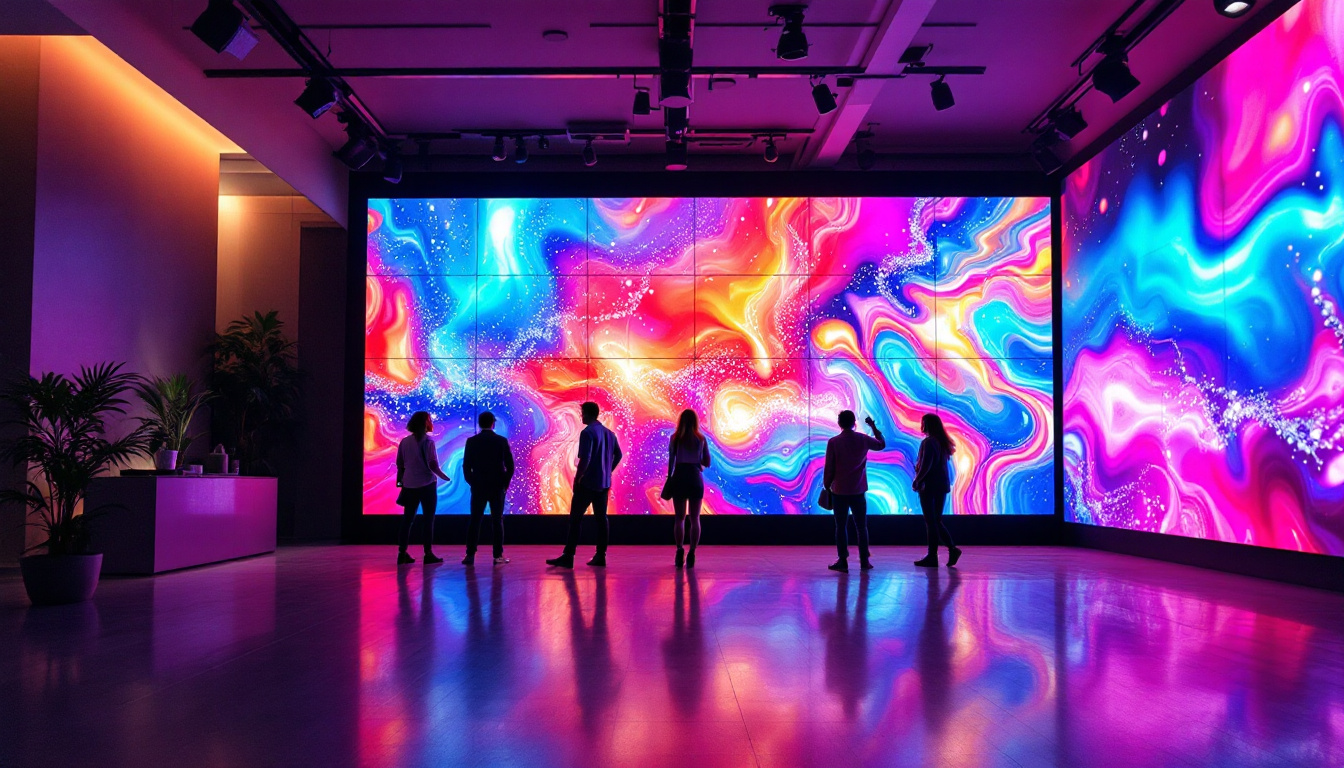
- Indoor LED Displays: These screens feature a fine pixel pitch (often less than 2mm) to provide high resolution and clarity at close viewing distances. They are commonly used in retail stores, conference rooms, and control centers. The ability to display detailed graphics and videos makes them ideal for advertising and presentations, where visual impact is key.
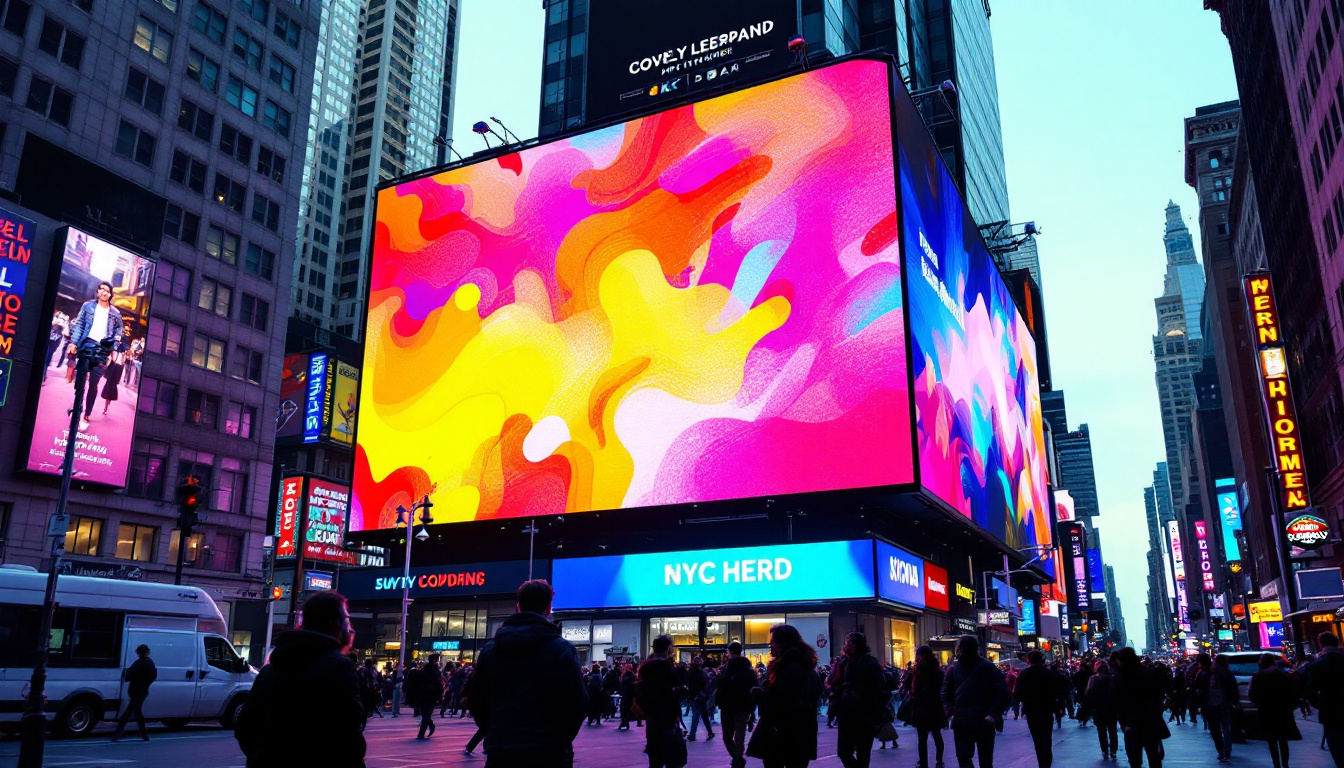
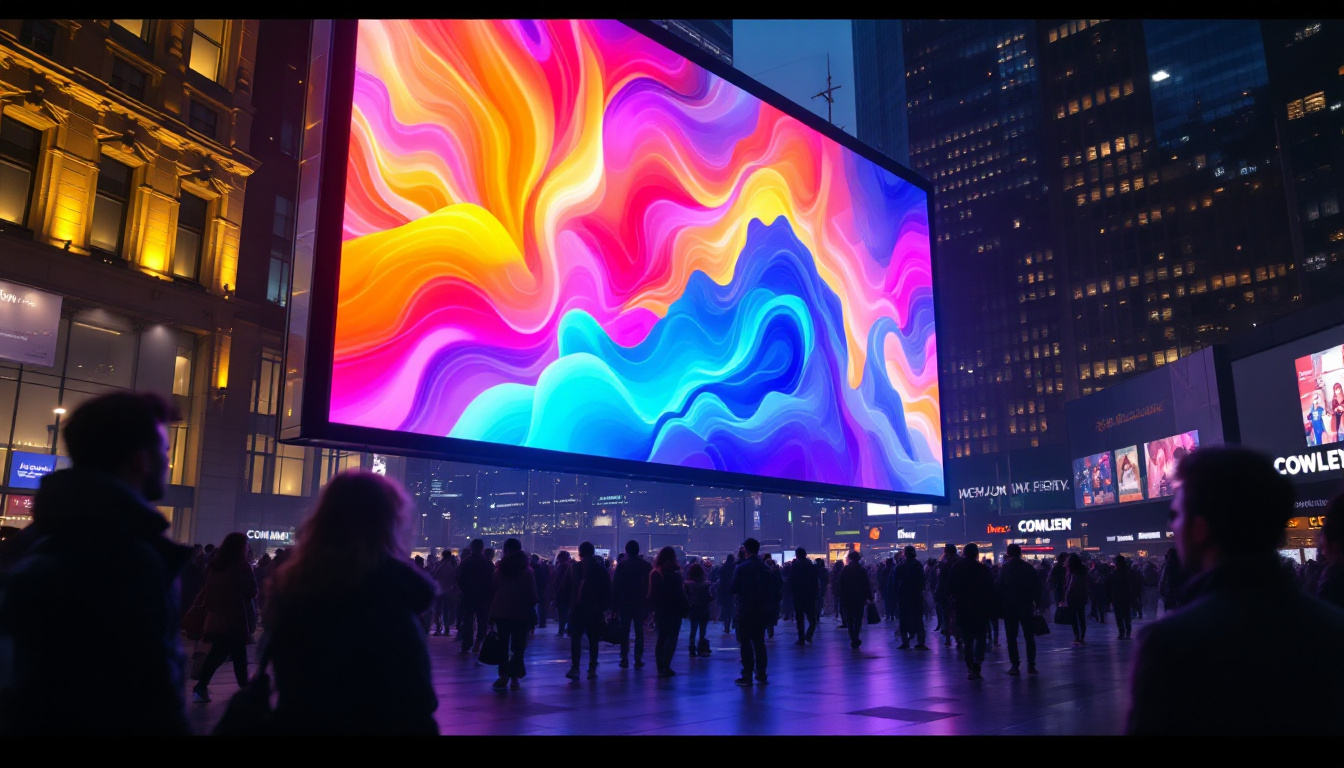
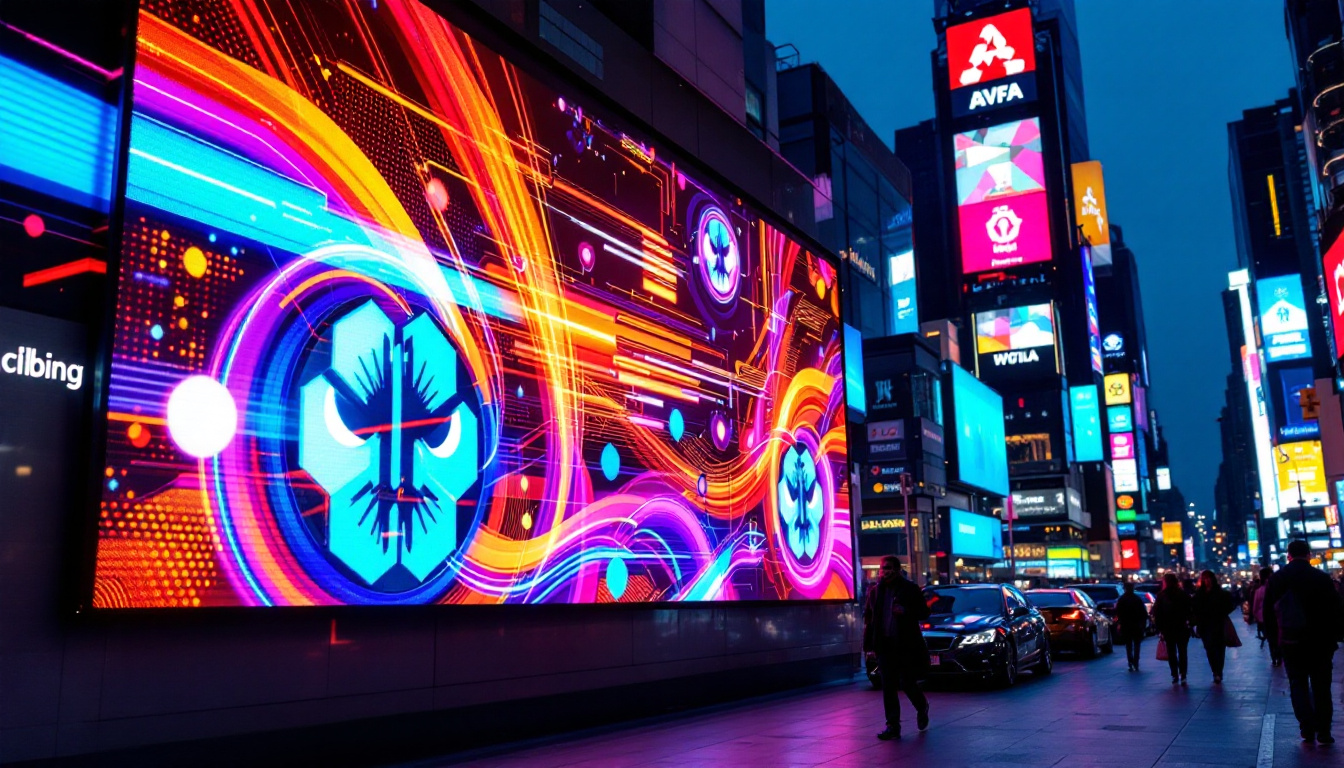
- Outdoor LED Displays: Designed to withstand harsh weather conditions, these displays have a larger pixel pitch (typically 4mm to 20mm) and high brightness levels (up to 7,000 nits or more) to remain visible even in direct sunlight. They are ideal for billboards, stadium screens, and public information boards. The durability of these displays is enhanced by protective coatings that shield them from rain, dust, and UV radiation, ensuring longevity and consistent performance.
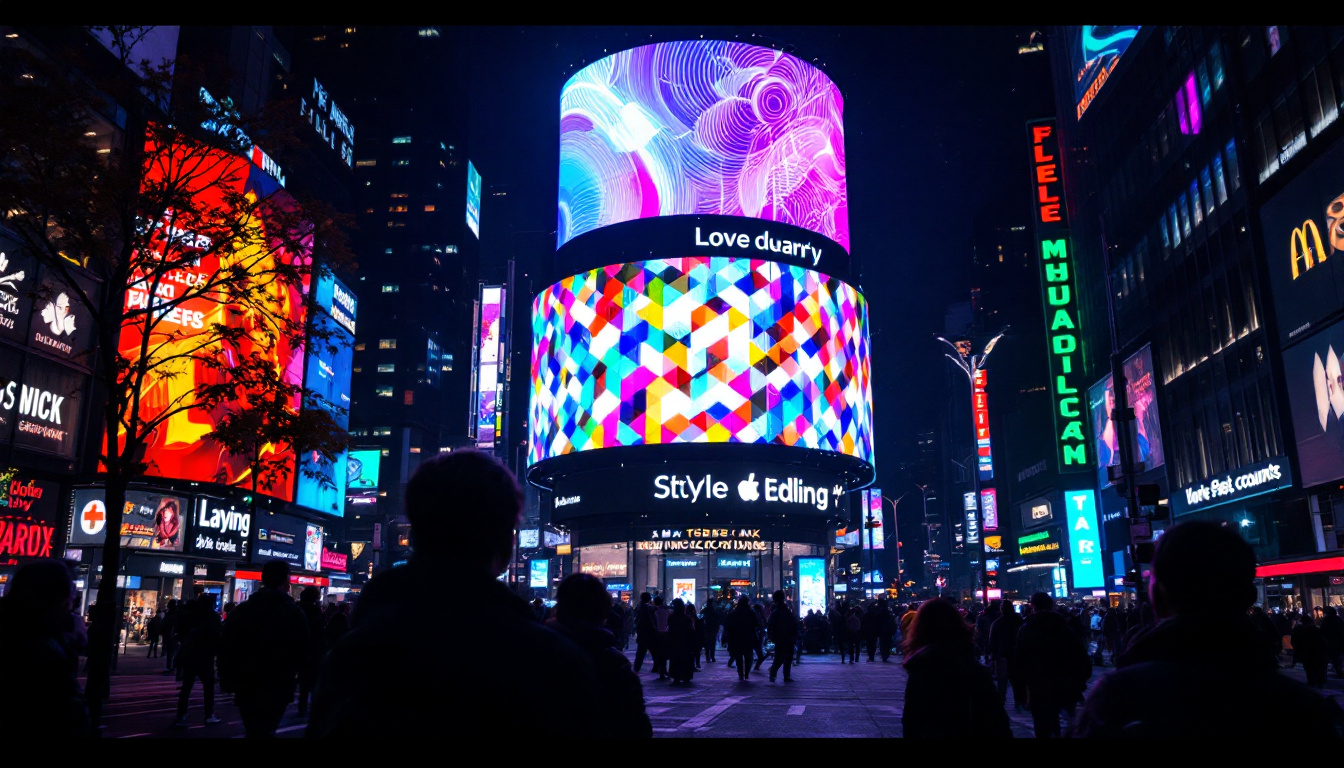
- Flexible and Transparent LED Displays: Innovations in LED technology have led to flexible and transparent screens that can be integrated into curved surfaces or glass facades, opening new creative possibilities for architects and designers. These displays can be used in unique applications, such as retail windows that allow customers to see products while also showcasing advertisements, or in modern art installations that blend technology with creativity.
Moreover, the integration of smart technology into LED displays is transforming how content is managed and delivered. With advancements in connectivity, many LED displays can now be controlled remotely via apps or cloud-based systems, allowing for real-time updates and dynamic content changes. This capability is particularly beneficial for businesses that need to adapt their messaging quickly based on audience engagement or current events. The future of LED technology looks bright, with ongoing research into energy efficiency and even more advanced display capabilities, paving the way for more immersive experiences in entertainment, advertising, and information dissemination.
Key Advantages of LED Displays
LED displays offer several compelling benefits that have driven their widespread adoption across industries. Understanding these advantages helps explain why LED technology has become the preferred choice for digital signage and large-scale displays.
Superior Brightness and Visibility
One of the most significant advantages of LED displays is their brightness. With luminance levels that can exceed 7,000 nits, LED screens remain highly visible even under direct sunlight, making them ideal for outdoor advertising and public information displays. This brightness also contributes to better contrast ratios and vibrant colors, enhancing the overall viewing experience.
Energy Efficiency and Longevity
Compared to traditional lighting and display technologies, LEDs consume significantly less power. This energy efficiency translates into lower operating costs, especially for large installations that run continuously. Additionally, LED displays boast a long lifespan, often exceeding 100,000 hours of operation, reducing maintenance and replacement expenses.
Flexibility and Customization
LED displays can be manufactured in virtually any size and shape, from small indoor panels to massive outdoor screens spanning hundreds of square meters. Their modular design allows for easy installation, maintenance, and scalability. Furthermore, LED technology supports dynamic content, enabling real-time updates, animations, and interactive features that engage audiences effectively.
Durability and Weather Resistance
Outdoor LED displays are engineered to withstand extreme weather conditions, including rain, snow, heat, and dust. They are typically rated with Ingress Protection (IP) standards such as IP65 or higher, ensuring reliable performance and longevity in challenging environments.
Applications of LED Displays Across Industries
The versatility of LED displays has led to their adoption in a wide range of sectors. Each application leverages the unique strengths of LED technology to meet specific communication and entertainment needs.
Advertising and Marketing
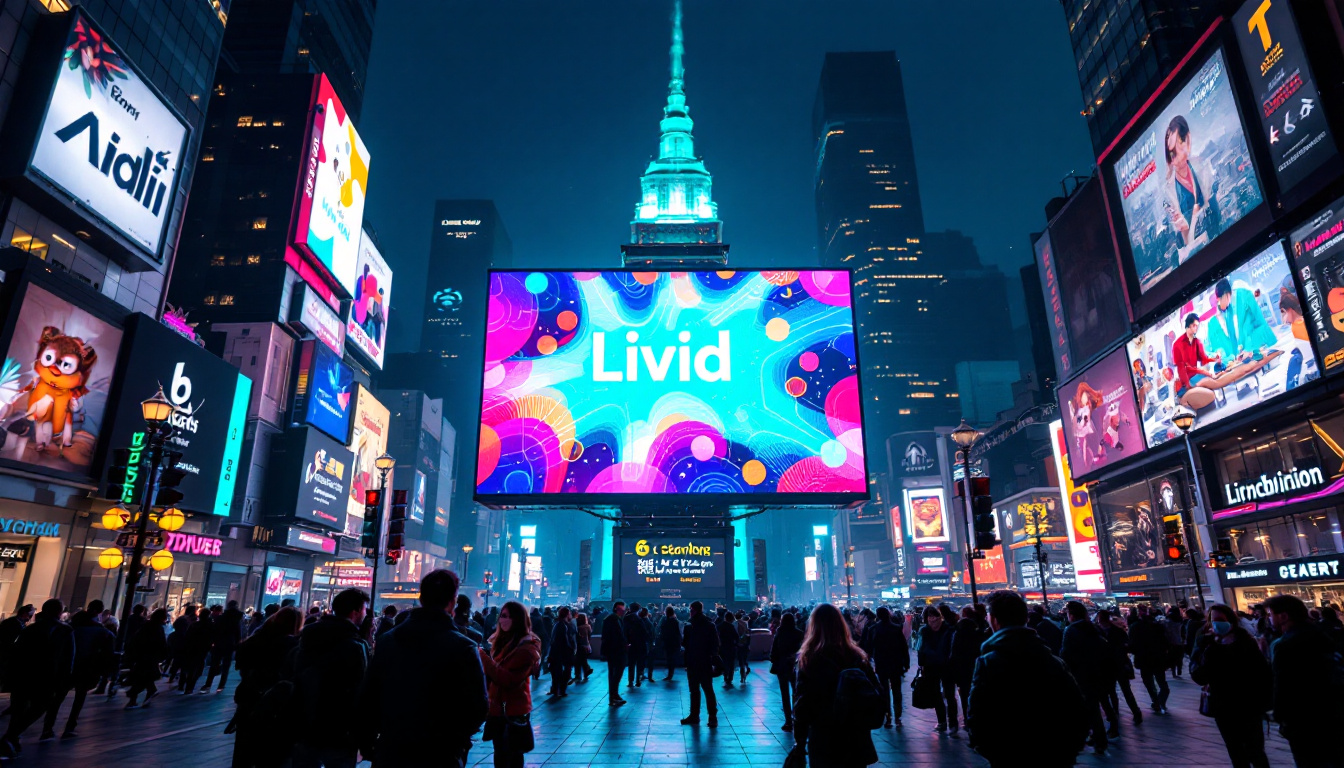
Digital billboards and signage have revolutionized outdoor advertising by enabling dynamic, eye-catching content that can be updated remotely and instantly. According to a 2023 report by the Digital Signage Federation, LED billboards have increased advertising engagement rates by up to 35% compared to static signs. Brands use LED displays to showcase promotions, launch new products, and create immersive brand experiences that capture consumer attention in high-traffic areas.
Sports and Entertainment Venues
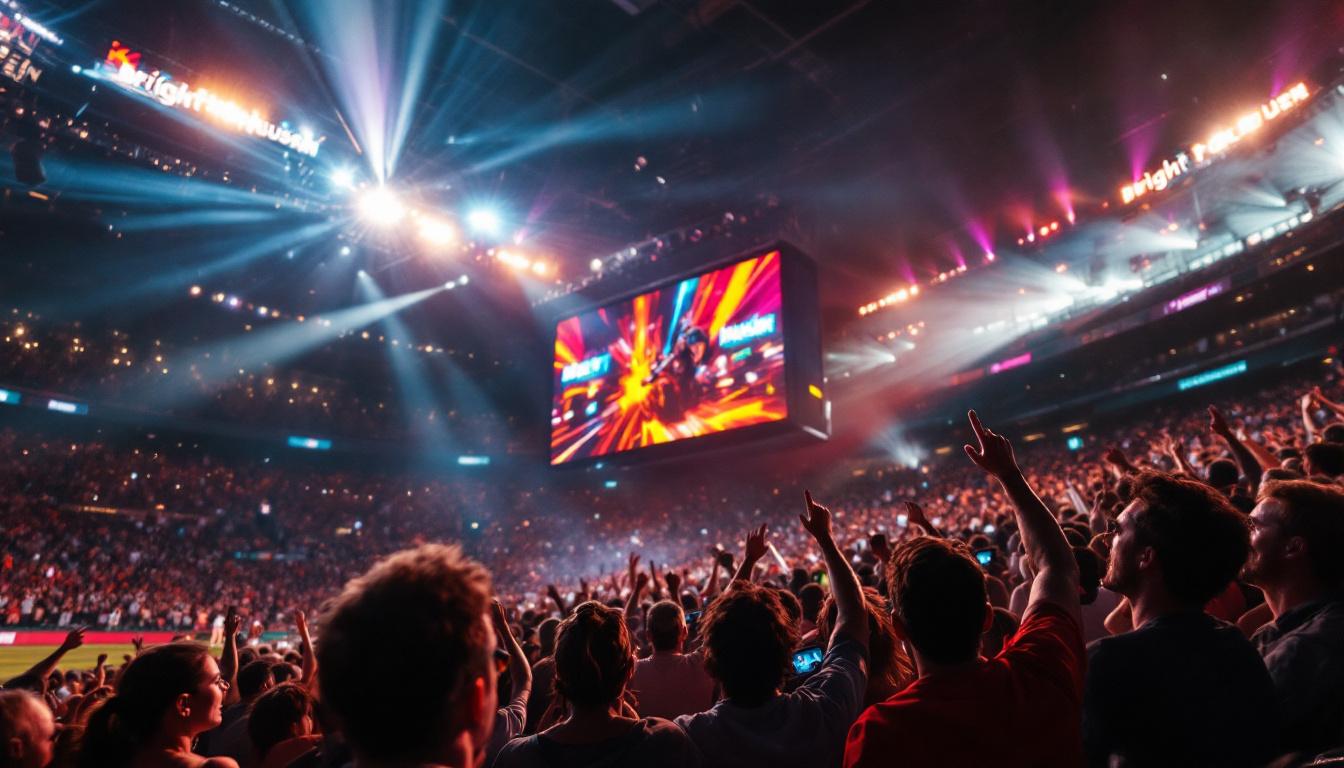
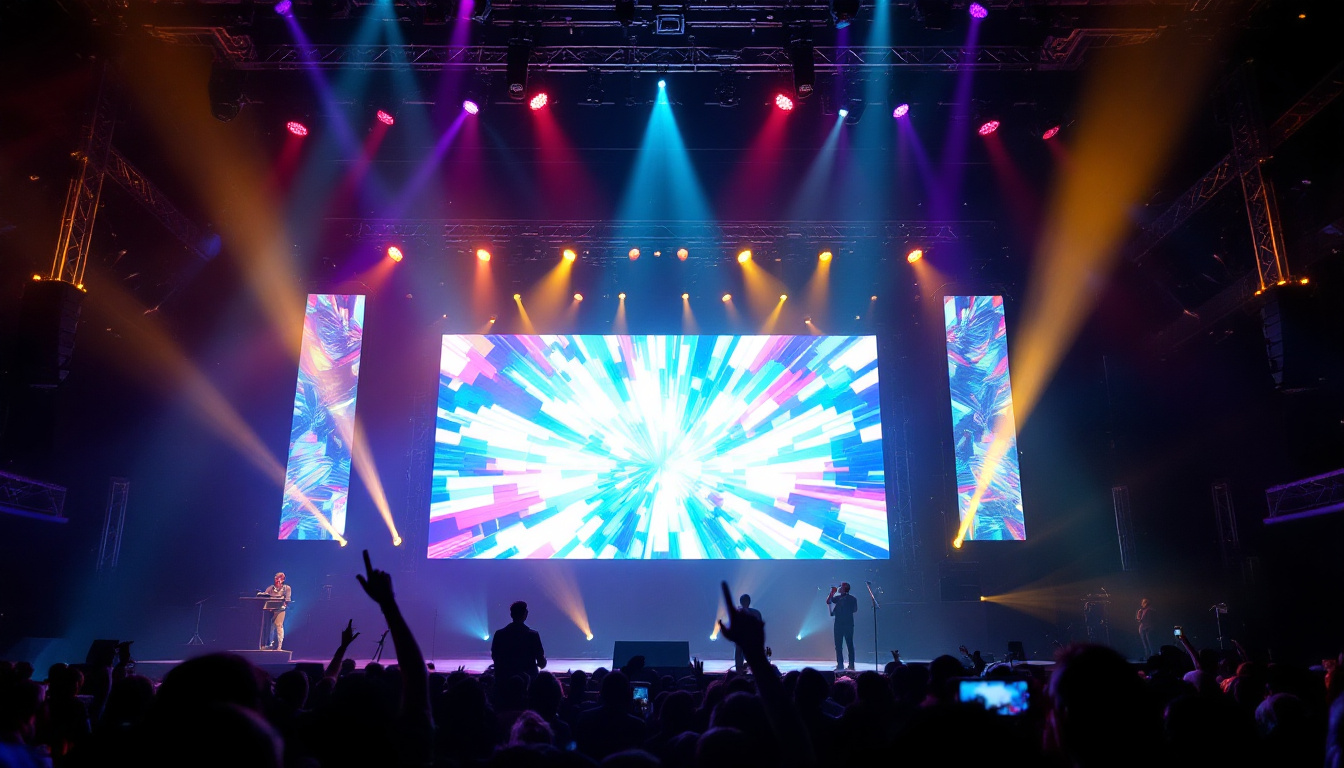
Stadiums, arenas, and concert venues rely on large LED screens to enhance the spectator experience. These displays provide live video feeds, replays, scores, and interactive content that keep audiences engaged. The flexibility of LED technology allows for creative installations, such as curved or wrap-around screens, that integrate seamlessly with venue architecture.
Corporate and Control Rooms
In corporate environments, LED displays are used for presentations, video conferencing, and data visualization. Control rooms in industries like transportation, utilities, and emergency services utilize large LED video walls to monitor operations and respond quickly to critical situations. The high resolution and reliability of LED technology make it ideal for these mission-critical applications.
Retail and Hospitality
Retailers use LED displays to create dynamic window displays, digital price tags, and in-store promotions that drive sales and enhance customer experience. Hotels, restaurants, and casinos deploy LED screens for signage, entertainment, and wayfinding, contributing to a modern and engaging atmosphere.
Choosing the Right LED Display: Factors to Consider
Selecting the appropriate LED display requires careful consideration of several technical and environmental factors. Making the right choice ensures optimal performance, longevity, and return on investment.
Pixel Pitch and Resolution
The pixel pitch determines the density of LEDs per unit area and directly impacts image sharpness. Smaller pixel pitches (e.g., 1.5mm to 2.5mm) are suitable for indoor displays viewed from close distances, while larger pitches (e.g., 10mm or more) are acceptable for outdoor screens viewed from afar. Understanding the typical viewing distance is essential to selecting the right resolution.
Brightness and Contrast Ratio
Brightness levels must match the ambient lighting conditions. Outdoor displays require higher brightness to combat sunlight, whereas indoor screens can operate effectively at lower luminance. Contrast ratio, the difference between the darkest black and brightest white, affects image depth and clarity, especially in video content.
Durability and Environmental Ratings
For outdoor installations, weather resistance is crucial. Look for displays with appropriate IP ratings to ensure protection against dust and moisture. Additionally, consider factors such as temperature tolerance and UV resistance to guarantee reliable operation in the intended environment.
Installation and Maintenance
Modular LED panels facilitate easier installation and maintenance, allowing individual modules to be replaced without dismantling the entire display. Evaluate the support and service options provided by manufacturers to minimize downtime and maintenance costs.
Emerging Trends and the Future of LED Displays
As LED technology continues to advance, several trends are shaping the future landscape of digital displays, promising even more innovative and immersive experiences.
Mini-LED and Micro-LED Technologies
Mini-LED and Micro-LED represent the next generation of LED technology, offering higher resolution, better contrast, and improved energy efficiency. Micro-LEDs, in particular, use microscopic LEDs that can be individually controlled, resulting in displays with exceptional color accuracy and brightness. These technologies are poised to revolutionize both consumer electronics and large-scale digital signage.
Integration with IoT and Smart Systems
LED displays are increasingly being integrated with Internet of Things (IoT) platforms, enabling real-time data-driven content updates and interactivity. Smart LED displays can respond to environmental cues, user interactions, or external data feeds, creating personalized and context-aware messaging.
Environmental Sustainability
Manufacturers are focusing on eco-friendly materials and energy-saving designs to reduce the environmental impact of LED displays. Advances in recycling processes and the use of sustainable components are becoming standard practices, aligning with global sustainability goals.
Augmented Reality (AR) and Interactive Displays
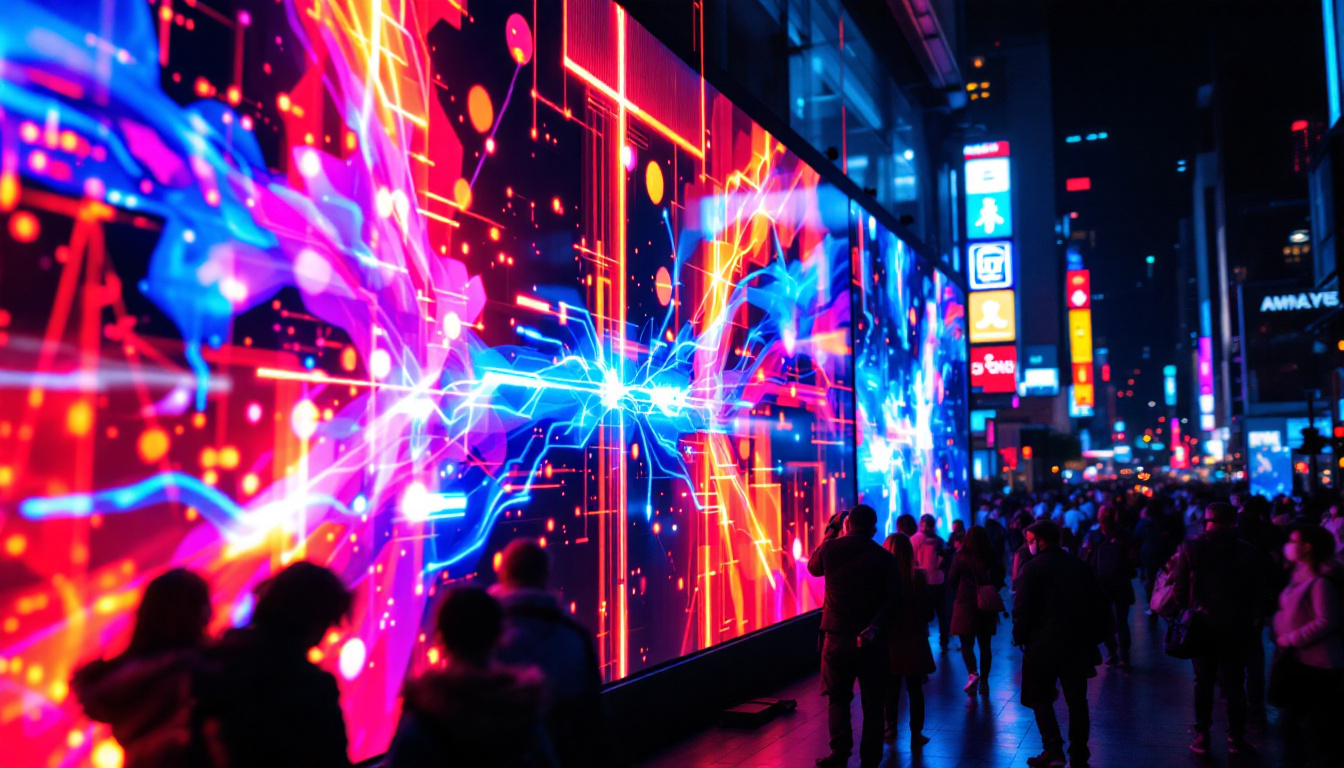
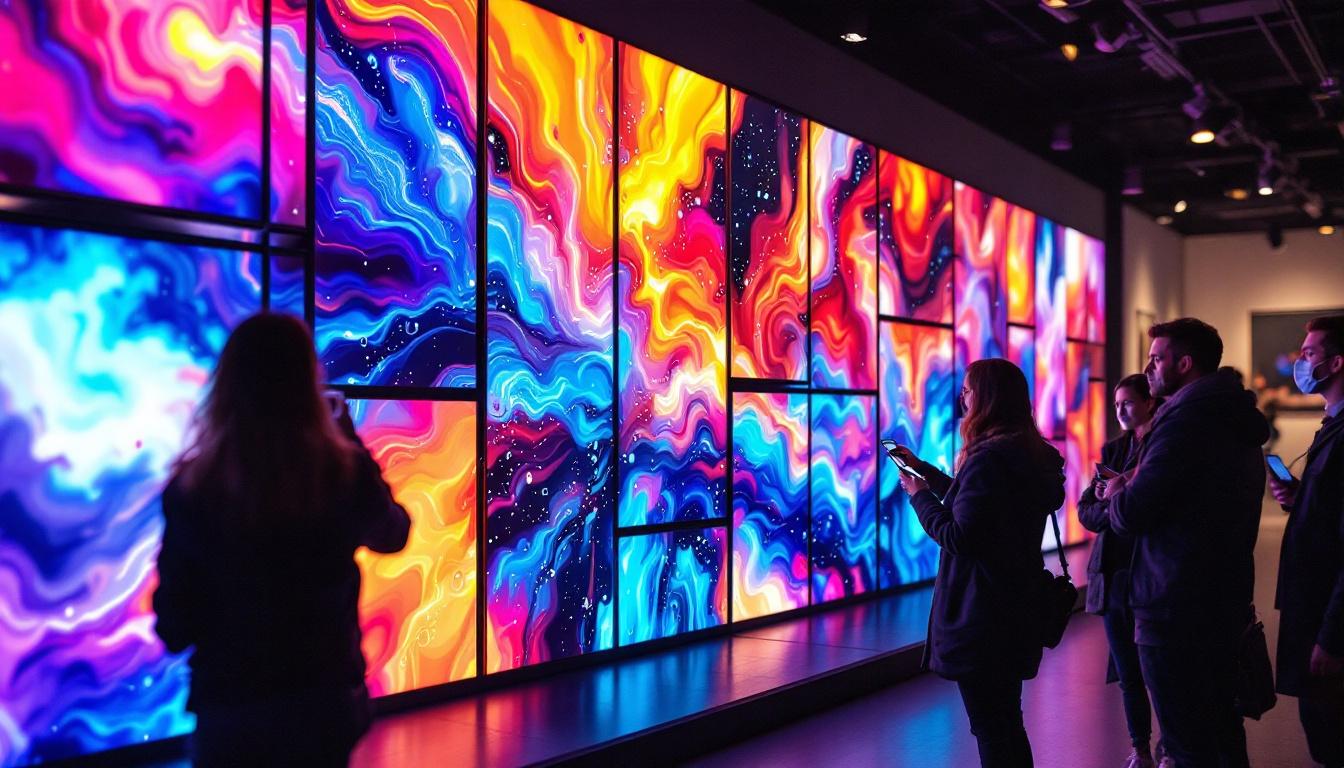
The fusion of LED displays with AR and interactive technologies is opening new possibilities for engaging audiences. Interactive LED walls can respond to gestures, touch, or mobile devices, creating immersive experiences in retail, entertainment, and education sectors.
Conclusion
LED displays have fundamentally transformed the way visual information is presented and consumed across multiple industries. Their superior brightness, energy efficiency, flexibility, and durability make them an ideal solution for a wide array of applications, from advertising and entertainment to corporate communications and public information. With ongoing technological advancements such as Micro-LED and smart integration, the future of LED displays promises even greater innovation and impact.
For businesses and organizations looking to invest in digital display solutions, understanding the nuances of LED technology is essential to making informed decisions that maximize engagement and return on investment. As LED displays continue to evolve, they will undoubtedly remain at the forefront of visual communication in the digital age.
Discover LumenMatrix’s Innovative LED Solutions
Ready to elevate your visual communication strategy with cutting-edge LED technology? Explore LumenMatrix’s comprehensive range of LED display solutions, designed to captivate your audience and amplify your message. From vibrant Indoor LED Walls to robust Outdoor LED Displays, and from dynamic Vehicle LED Displays to sleek LED Posters, our products are tailored to meet your unique needs. Experience the future of digital signage with LumenMatrix and transform your brand’s visibility today. Check out LumenMatrix LED Display Solutions and see the difference innovation can make.