In the rapidly evolving world of digital signage and display technology, curved LED displays have emerged as a compelling innovation. Their ability to deliver immersive visual experiences has made them popular across various industries, from advertising and entertainment to corporate environments and public spaces. This article explores the concept of curved LED displays in detail, focusing on their technology, benefits, applications, and considerations for choosing the right curved LED solution.
Understanding Curved LED Displays
What is a Curved LED Display?
A curved LED display is a type of digital screen composed of light-emitting diodes (LEDs) arranged on a flexible or segmented surface that forms a curved shape. Unlike traditional flat LED panels, these displays bend either inward or outward to create a concave or convex surface. This curvature can range from subtle to dramatic, depending on the design and intended viewing experience.
The curvature enhances the display’s ability to wrap around viewers, offering a wider field of view and a more engaging visual presentation. This makes curved LED displays particularly effective in environments where immersive content delivery is critical. For instance, in retail spaces, curved displays can create a more inviting atmosphere, drawing customers in and encouraging them to interact with the products on display. Additionally, in entertainment venues like theaters or concert halls, these screens can provide a more immersive experience, allowing audiences to feel as if they are part of the action.
How Curved LED Technology Works
At the core of every curved LED display are the individual LED modules. These modules are designed with flexible or segmented frames that allow them to be assembled into curved structures. The LEDs themselves emit light when an electric current passes through semiconductor materials, producing bright, vibrant colors.
Modern curved LED displays often use SMD (Surface-Mounted Device) technology, which places red, green, and blue LEDs closely together on a single chip. This arrangement provides excellent color accuracy and brightness. The modules are connected via a robust mounting system that supports the curve while maintaining structural integrity and seamless image continuity. Furthermore, advanced calibration techniques ensure that color and brightness are uniform across the entire display, which is crucial for maintaining visual quality, especially in large installations where multiple panels are used together.
Types of Curved LED Displays
Curved LED displays can be broadly categorized based on their curvature and pixel pitch:
- Concave Displays: These curve inward, creating a bowl-like effect that draws the viewer’s attention to the center of the screen.
- Convex Displays: These curve outward, often used for panoramic or wrap-around installations.
- Flexible LED Screens: Featuring highly flexible panels, these can form complex shapes beyond simple curves, including waves or cylinders.
- Pixel Pitch Variations: Pixel pitch—the distance between individual LEDs—affects resolution and viewing distance. Curved LED displays come in various pixel pitches, from fine pitch (under 2mm) for close-up viewing to larger pitches for outdoor or large-scale installations.
In addition to these categories, curved LED displays can also be tailored to specific applications. For example, in sports arenas, large convex displays can provide real-time game statistics and highlights, while concave displays can enhance the viewing experience for fans seated at various angles. Moreover, the integration of smart technology allows for interactive features, enabling viewers to engage with the content through touch or mobile devices, further enhancing the overall experience. As technology continues to evolve, the potential applications for curved LED displays are expanding, making them a versatile choice for a wide range of industries.
Benefits of Curved LED Displays
Enhanced Viewing Experience
One of the primary advantages of curved LED displays is their ability to deliver a more immersive viewing experience. The curvature aligns better with the natural field of vision, reducing distortion and glare that often occur with flat screens. This creates a sense of depth and realism that flat displays struggle to achieve.
For example, in retail environments, curved displays can captivate shoppers by wrapping promotional content around them, increasing engagement and dwell time. Similarly, in control rooms or command centers, curved LED walls provide operators with a comprehensive, panoramic view of critical data, improving situational awareness.
Improved Visual Uniformity and Brightness
Curved LED displays often exhibit better brightness uniformity across the screen. Because the surface curves toward the viewer, light is directed more evenly, reducing hotspots and dark areas. This is particularly important in environments with varying ambient light conditions, such as outdoor advertising or large indoor venues.
Moreover, the curved design can minimize reflections from overhead lighting or windows, enhancing image clarity and color vibrancy.
Space Efficiency and Aesthetic Appeal
Curved LED displays can be designed to fit unique architectural spaces where flat screens would be impractical or visually intrusive. Their ability to conform to walls, columns, or custom structures allows for creative installations that complement the environment.
From an aesthetic perspective, curved LED walls provide a futuristic and sophisticated look that can elevate brand perception. This is why many high-end retail stores, museums, and corporate lobbies invest in curved LED technology as a statement piece.
Applications of Curved LED Displays
Advertising and Retail
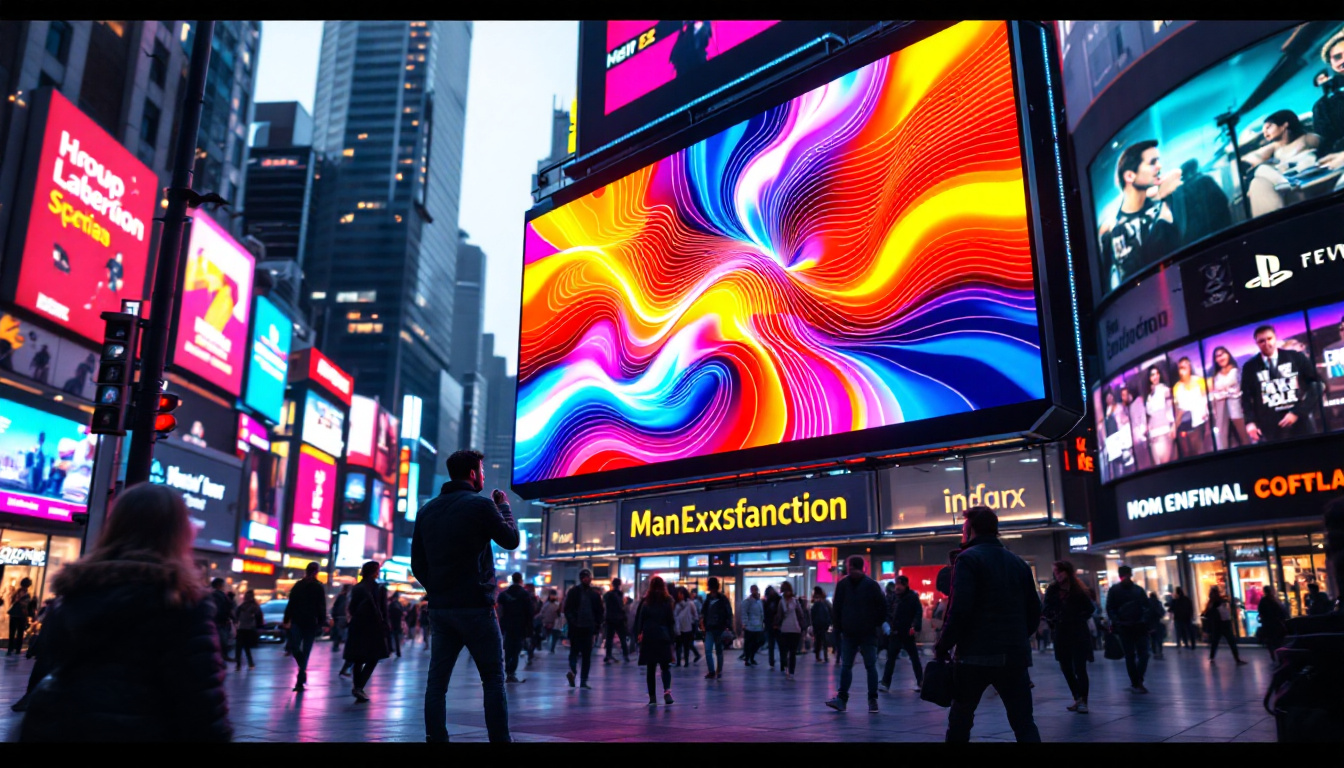
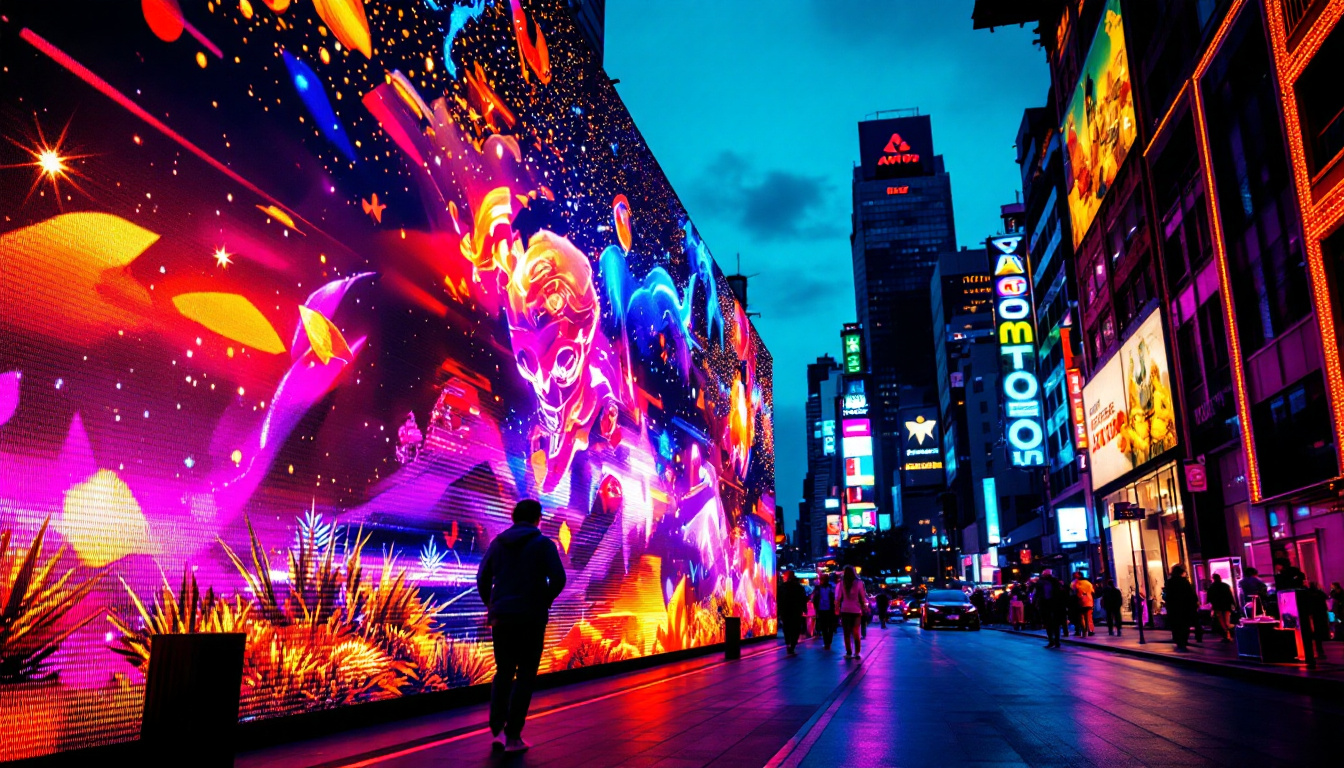
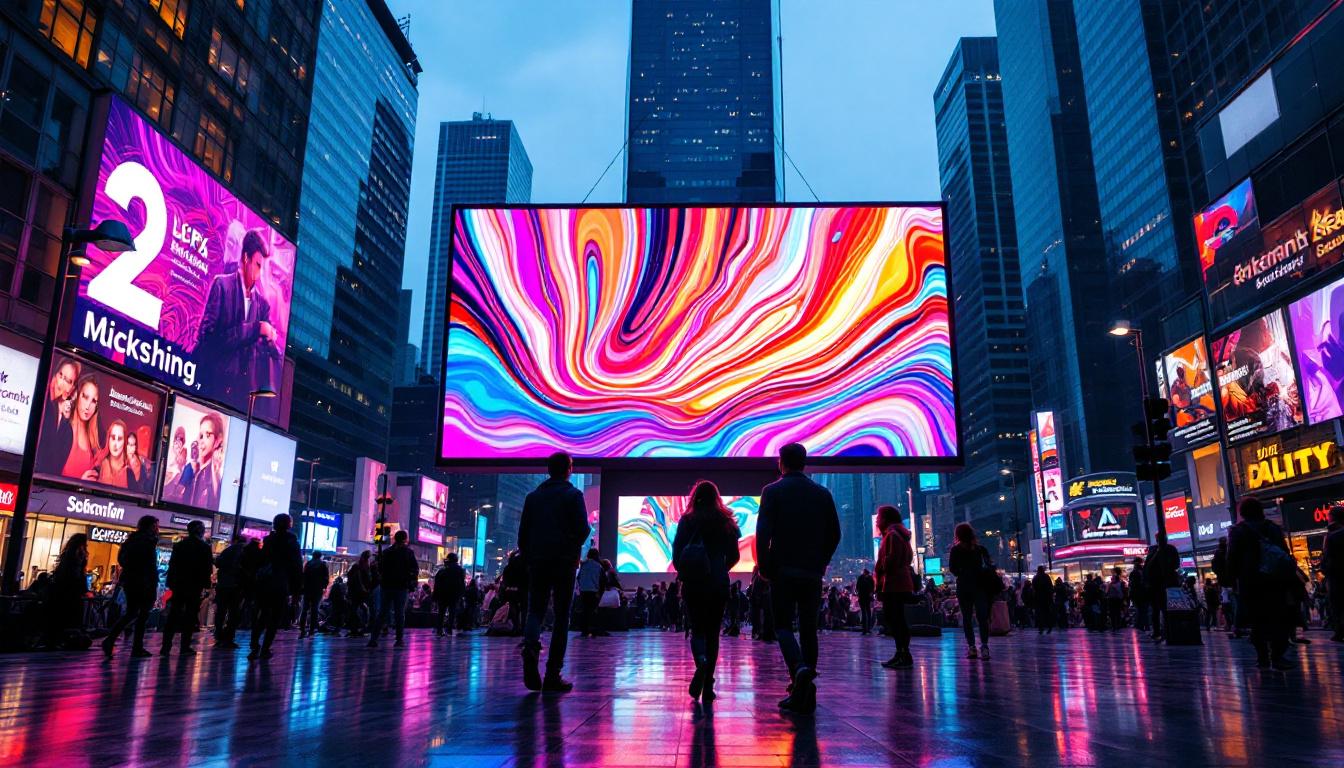
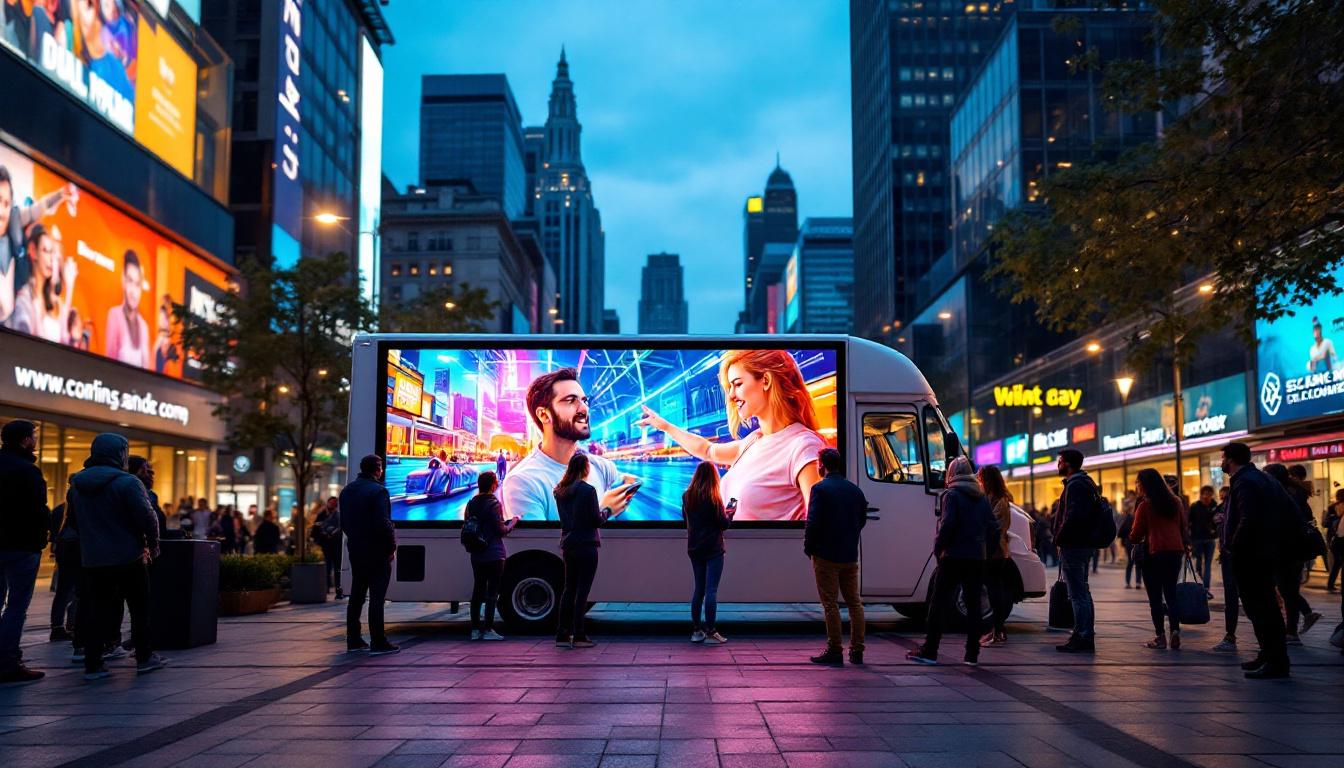
Curved LED displays have transformed the advertising landscape by offering dynamic, eye-catching content that can be viewed from multiple angles. Digital billboards with curved surfaces are increasingly common in urban centers, where they stand out amid the clutter of flat signage.
Retailers use curved LED walls to create immersive brand experiences, showcasing product launches, promotions, and interactive content that draws customers deeper into the store. The ability to wrap content around corners or pillars maximizes available space and visibility.
Entertainment and Events
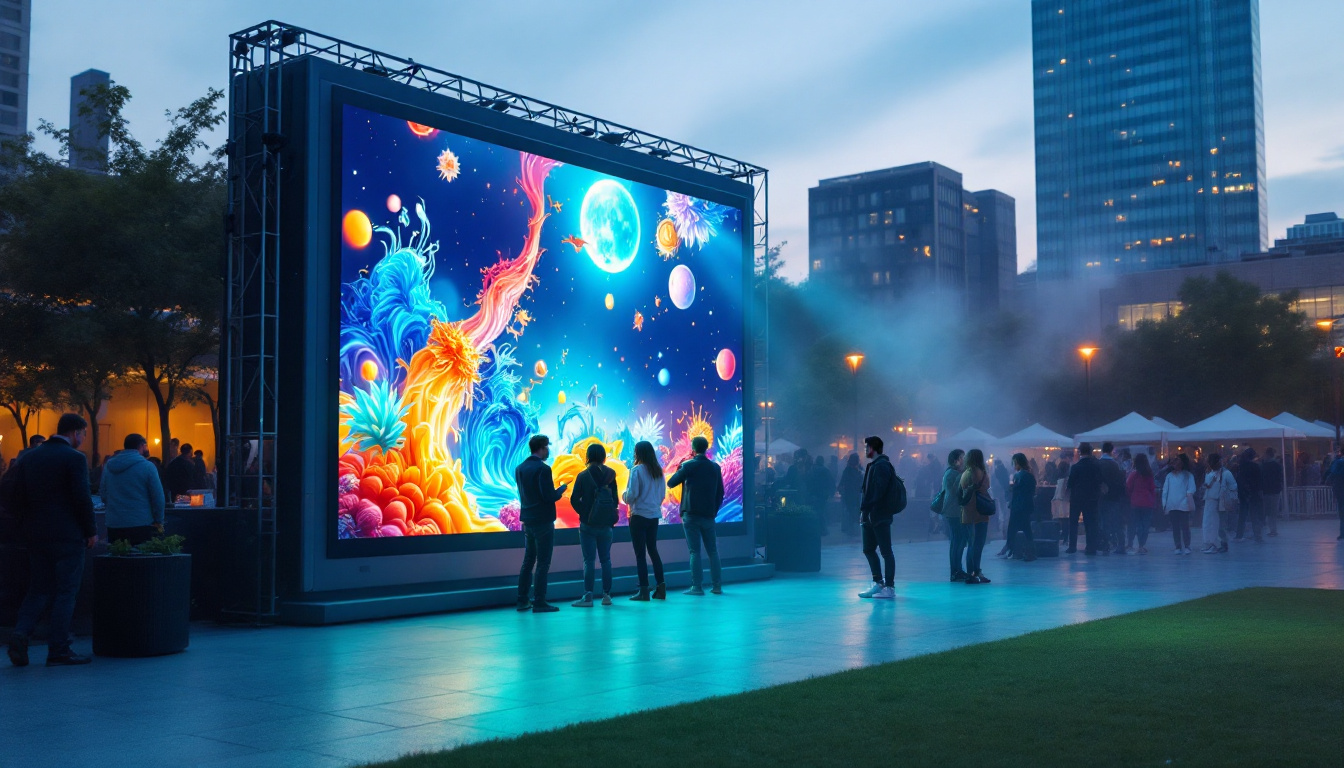
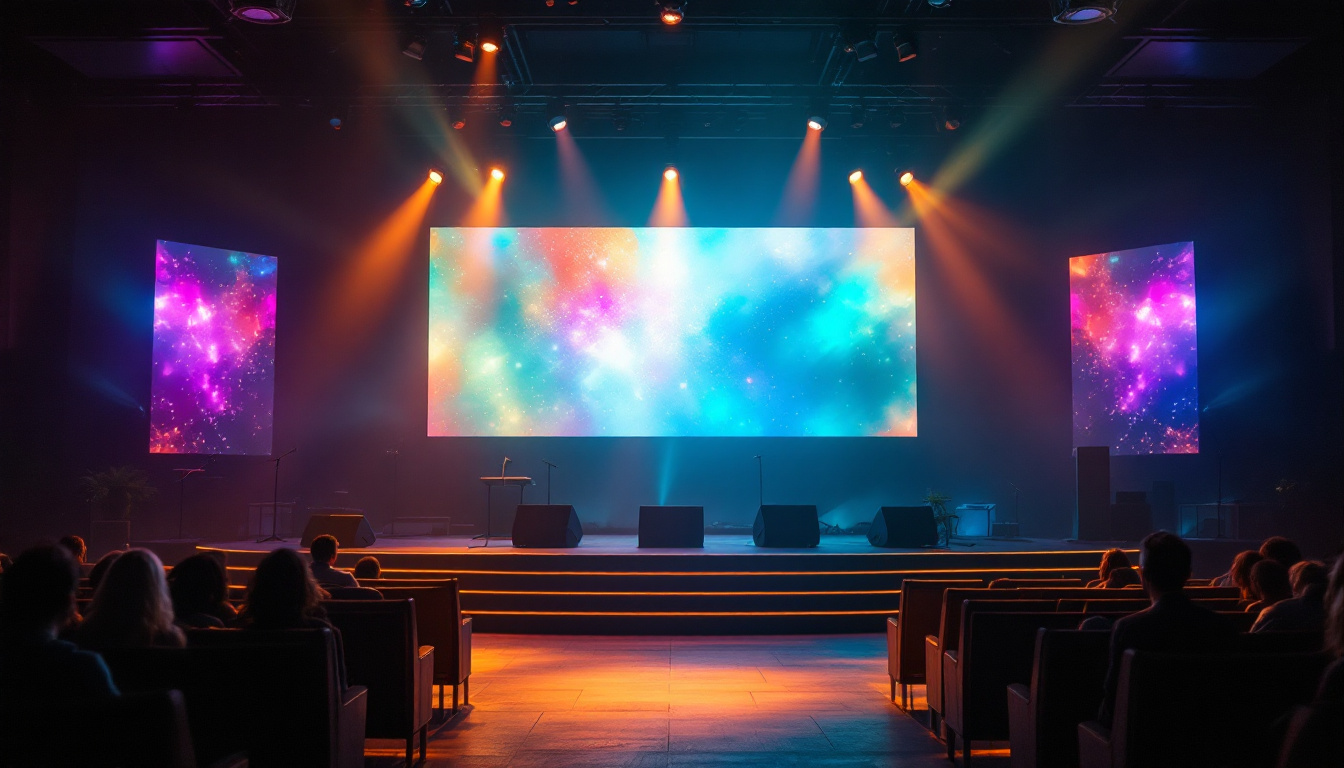
The entertainment industry has embraced curved LED displays for concerts, theaters, and live events. These displays serve as immersive backdrops that enhance storytelling and audience engagement. For instance, large curved LED screens at music festivals provide panoramic visuals that synchronize with performances, creating unforgettable experiences.
In cinemas and virtual reality setups, curved LED walls help simulate environments that surround the viewer, adding to the sense of immersion beyond what flat screens can offer.
Corporate and Control Rooms
In corporate settings, curved LED video walls are used in boardrooms and lobbies to present data, branding, and communications in a visually impactful manner. The curvature allows for better viewing angles for multiple participants, facilitating collaboration and presentations.
Control rooms, such as those used in transportation, utilities, or emergency response, benefit from curved LED walls by providing operators with a seamless, wide-angle view of critical information. This improves decision-making speed and accuracy.
Architectural and Public Spaces
Curved LED displays are increasingly integrated into architectural designs in airports, museums, and public squares. They serve both functional and decorative purposes, delivering information, art, or advertising while enhancing the space’s visual identity.
For example, airports use curved LED walls to provide flight information and wayfinding, while museums employ them to create interactive exhibits that engage visitors.
Key Considerations When Choosing a Curved LED Display
Resolution and Pixel Pitch
The choice of resolution and pixel pitch depends heavily on the intended viewing distance and application. Fine-pitch curved LED displays (with pixel pitches under 2mm) are ideal for close-up viewing environments like corporate lobbies or control rooms, where image clarity and detail are paramount.
For large-scale outdoor advertising or venues where viewers are farther away, a larger pixel pitch can be more cost-effective without sacrificing perceived image quality.
Curvature Radius and Viewing Angle
The curvature radius defines how sharply the display bends. A smaller radius creates a more pronounced curve, which can enhance immersion but may limit the optimal viewing angle. It’s important to select a curvature that suits the physical environment and the typical viewer positions.
Manufacturers often provide specifications on optimal viewing angles and curvature radii, which should be matched to the installation site to ensure the best visual experience.
Brightness and Environmental Suitability
Brightness levels are critical, especially for outdoor or brightly lit indoor environments. Curved LED displays typically offer high brightness, often exceeding 1,000 nits, to ensure visibility under direct sunlight or strong artificial lighting.
Additionally, environmental factors such as weather resistance, temperature tolerance, and dust protection should be considered for outdoor installations. IP-rated curved LED displays provide necessary protection against elements like rain and dust.
Installation and Maintenance
Curved LED displays require precise installation to maintain image continuity and structural integrity. Modular designs with adjustable mounting systems facilitate easier installation and alignment. It’s also important to consider access for maintenance, as LED modules may need periodic servicing or replacement.
Partnering with experienced installation professionals can help avoid common pitfalls and ensure long-term performance.
Future Trends in Curved LED Display Technology
Advancements in Flexible and Transparent LEDs
Emerging technologies are pushing the boundaries of what curved LED displays can achieve. Flexible LED panels are becoming thinner and more bendable, enabling more complex shapes and even wearable displays. Transparent LED screens are also gaining traction, allowing for see-through displays that blend seamlessly with glass surfaces.
These innovations will expand the creative possibilities for architects, advertisers, and designers, making curved LED displays an even more integral part of modern visual communication.
Integration with AI and Interactive Technologies
Artificial intelligence and interactive technologies are being integrated with curved LED displays to create personalized and responsive content. For example, facial recognition and motion sensors can trigger targeted advertisements or immersive experiences based on viewer demographics and behavior.
Such smart displays enhance engagement and provide valuable data insights for marketers and operators.
Energy Efficiency and Sustainability
As sustainability becomes a priority, manufacturers are focusing on energy-efficient LED components and eco-friendly materials. Curved LED displays with lower power consumption and recyclable parts contribute to reducing the environmental impact of digital signage.
Additionally, advances in heat dissipation and cooling technologies extend the lifespan of LED modules, further supporting sustainable operation.
Conclusion
Curved LED displays represent a significant advancement in digital display technology, offering immersive visuals, enhanced brightness, and flexible design options that cater to a wide range of applications. Whether used for advertising, entertainment, corporate communication, or architectural enhancement, these displays provide unique benefits that flat screens cannot match.
When selecting a curved LED display, it is essential to consider factors such as resolution, curvature radius, brightness, and environmental conditions to ensure optimal performance. As technology continues to evolve, curved LED displays will become increasingly versatile, interactive, and sustainable, solidifying their role as a cornerstone of modern visual communication.
Discover LumenMatrix’s Innovative LED Display Solutions
Ready to elevate your visual communication with the immersive power of curved LED displays? LumenMatrix, a pioneer in LED display technology, offers a diverse range of solutions tailored to your needs. From captivating Indoor and Outdoor LED Wall Displays to dynamic Vehicle and Sports LED Displays, and even customizable options like Floor and Transparent LED Displays, LumenMatrix is committed to enhancing your brand’s presence. Experience the future of digital signage with our cutting-edge LED display modules. Check out LumenMatrix LED Display Solutions today and transform your space into a visually stunning environment.