In today’s technology-driven world, the integration of touch screen controllers with LED displays has revolutionized the way users interact with television devices. From smart TVs to interactive kiosks, understanding the synergy between touch screen controllers and LED displays is essential for consumers, manufacturers, and tech enthusiasts alike. This comprehensive article delves into the core concepts, technologies, and practical applications behind touch screen TV controllers and LED displays, providing a clear and detailed explanation of how these components work together to enhance user experience.
Understanding LED Displays: The Heart of Modern TVs
LED (Light Emitting Diode) technology has become the standard for modern television displays, replacing older LCD and plasma technologies due to its superior brightness, energy efficiency, and color accuracy. An LED display consists of millions of tiny diodes that emit light when an electric current passes through them. These diodes are arranged in a matrix to form images by varying their brightness and color.
One of the key advantages of LED displays is their ability to produce vibrant colors and deep blacks, which contribute to a more immersive viewing experience. According to a 2023 report by the Consumer Technology Association, over 85% of new TV sales globally are LED-based, underscoring the technology’s dominance in the market.
LED TVs come in various configurations, including edge-lit and full-array backlighting. Edge-lit LED TVs place LEDs along the edges of the screen, offering thinner designs and lower costs, while full-array LED TVs have LEDs distributed uniformly behind the screen, providing better contrast and local dimming capabilities. This local dimming feature allows certain areas of the screen to dim while others remain bright, enhancing the overall picture quality, especially in dark scenes.
The Role of LED Displays in Touch Screen TVs
While LED displays primarily serve as the visual output, their integration with touch screen technology transforms passive viewing into an interactive experience. The LED panel delivers crisp visuals, while the touch screen controller interprets user input, enabling functionalities such as menu navigation, app control, and gesture recognition. This interactivity is not just a novelty; it allows viewers to engage with content in new ways, such as using apps for streaming services, video calls, and even gaming, all from the comfort of their couch.
In touch screen TVs, the LED display must maintain high brightness and clarity even when a touch-sensitive layer is added on top. Manufacturers carefully balance the layering and materials to ensure that touch responsiveness does not compromise image quality. Additionally, advancements in technology have led to the development of anti-glare coatings and improved touch sensitivity, making it easier for users to interact with their screens without the frustration of smudges or unresponsive areas. As touch screen TVs continue to evolve, they are becoming more prevalent in homes, classrooms, and businesses, demonstrating the versatility and adaptability of LED technology in various settings.
What is a Touch Screen TV Controller?
A touch screen TV controller is an electronic component or system responsible for detecting and processing touch inputs on a television’s display surface. It acts as the intermediary between the user’s touch gestures and the TV’s operating system, translating physical interactions into commands that control the device.
Touch screen controllers are essential for enabling intuitive user interfaces, especially in smart TVs that support apps, web browsing, and multimedia control. They allow users to tap, swipe, pinch, and perform other gestures directly on the screen, eliminating the need for remote controls or external devices.
Types of Touch Screen Controllers Used in TVs
There are several types of touch screen controllers, each with unique technologies and characteristics:
- Resistive Touch Controllers: These detect touch by measuring pressure applied to the screen. They consist of two flexible layers separated by a gap. When pressed, the layers make contact, registering the touch. While cost-effective, resistive screens are less sensitive and do not support multi-touch gestures.
- Capacitive Touch Controllers: The most common in modern touch screen TVs, capacitive controllers detect changes in the electrical field caused by the conductive properties of the human finger. They offer high sensitivity, multi-touch support, and better durability compared to resistive types.
- Infrared (IR) Touch Controllers: These use an array of infrared LEDs and sensors around the screen edges to detect touch by interruption of the IR beams. IR touch screens can detect any input object and are highly durable but can be more expensive and bulky.
- Optical and Acoustic Wave Controllers: Less common in TVs, these technologies use cameras or ultrasonic waves to detect touch points. They are mostly used in specialized applications requiring large or transparent displays.
Among these, capacitive touch controllers dominate the TV market due to their responsiveness and support for complex gestures, which are essential for modern smart TV interfaces.
How Touch Screen Controllers Work with LED Displays
The integration of touch screen controllers with LED displays involves a sophisticated layering and communication process. The touch-sensitive layer is typically placed over the LED panel without obstructing the display’s brightness or color accuracy.
When a user touches the screen, the controller detects the location and type of touch. This data is then processed by the TV’s firmware or operating system to execute the corresponding command, such as opening an app, adjusting volume, or scrolling through menus.
Signal Processing and Latency Considerations
One critical aspect of touch screen TV controllers is minimizing latency—the delay between a user’s touch and the TV’s response. Low latency is crucial for a smooth and natural user experience, especially when interacting with fast-moving content or gaming applications.
Advanced touch controllers use high-speed signal processing chips and optimized firmware algorithms to reduce latency to just a few milliseconds. This responsiveness rivals that of smartphones and tablets, making touch screen TVs highly interactive and user-friendly.
Calibration and Accuracy
Accurate touch detection depends on precise calibration between the touch controller and the LED display. Calibration ensures that the touch input corresponds exactly to the intended point on the screen, avoiding misinterpretations that could frustrate users.
Manufacturers often include automatic or manual calibration tools within the TV’s software to maintain accuracy over time, compensating for factors such as temperature changes or screen wear.
Advantages of Touch Screen TVs with LED Displays
The combination of touch screen controllers and LED displays offers numerous benefits that enhance the overall television experience:
Enhanced User Interaction
Touch screen TVs provide a more intuitive and direct way to interact with content. Users can navigate menus, control playback, and access apps with simple gestures, reducing reliance on remote controls. This is particularly beneficial for users who find traditional remotes cumbersome or confusing.
Improved Accessibility
Touch screens can improve accessibility for individuals with disabilities. Features such as larger touch targets, customizable gestures, and voice-assisted touch commands make TVs more inclusive. Additionally, touch interfaces can be paired with screen readers and other assistive technologies.
Space Efficiency and Aesthetics
By integrating touch controls directly into the screen, manufacturers can design sleeker, minimalist TVs without the need for additional buttons or bulky remote controls. This contributes to a cleaner aesthetic and saves space in living environments.
Versatility in Applications
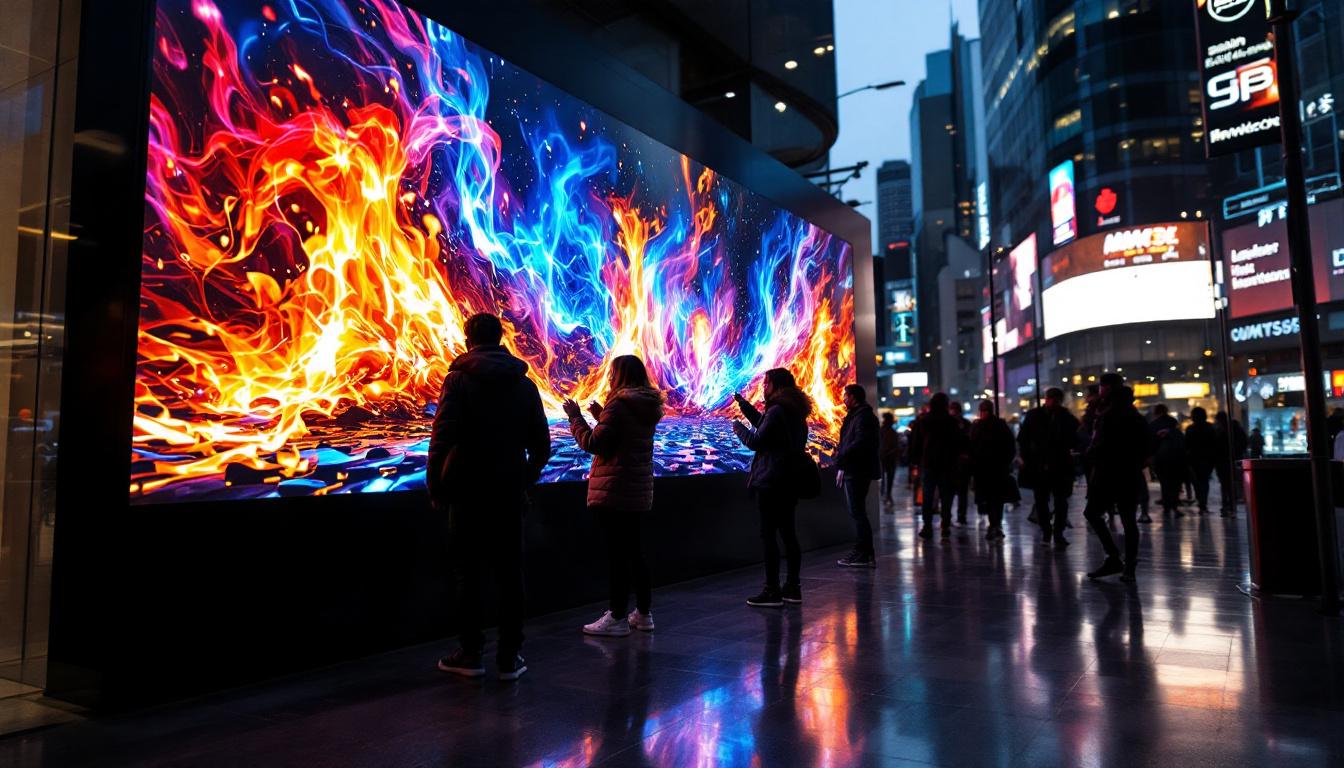
Beyond home entertainment, touch screen TVs with LED displays are increasingly used in commercial settings such as retail stores, hotels, and conference rooms. They serve as interactive kiosks, digital signage, and collaborative tools, demonstrating the technology’s versatility.
Challenges and Considerations in Touch Screen TV Technology
Despite the many advantages, integrating touch screen controllers with LED displays presents certain challenges that manufacturers and users should be aware of.
Cost Implications
Adding touch screen capabilities to LED TVs increases production costs due to additional hardware components and more complex manufacturing processes. This can result in higher retail prices, which may deter budget-conscious consumers.
Durability and Maintenance
Touch screens are more susceptible to scratches, fingerprints, and wear compared to traditional displays. Maintaining screen cleanliness and protecting the surface with durable coatings or tempered glass is essential to preserve functionality and appearance.
Potential for Screen Glare and Reflection
The touch-sensitive layer can sometimes increase screen glare or reflections, especially in brightly lit environments. Manufacturers address this by applying anti-reflective coatings and optimizing screen brightness, but users should consider ambient lighting when placing touch screen TVs.
Software Compatibility and Updates
Effective touch screen operation relies on well-designed software interfaces and regular updates. Poorly optimized apps or outdated firmware can lead to lag, unresponsiveness, or inaccurate touch detection, detracting from the user experience.
Future Trends in Touch Screen TV Controllers and LED Displays
The future of touch screen TVs is poised for exciting advancements, driven by innovations in display technology, artificial intelligence, and user interface design.
Integration of AI and Voice Control
Artificial intelligence is increasingly integrated with touch screen controllers to offer predictive and personalized user experiences. Voice commands combined with touch inputs allow for seamless multitasking and accessibility enhancements.
Flexible and Transparent Displays
Emerging LED technologies, such as microLED and OLED, enable flexible and transparent displays that can be incorporated into novel form factors. Touch screen controllers will evolve to support these new designs, expanding the possibilities for interactive TV applications.
Enhanced Multi-Touch and Gesture Recognition
Advancements in capacitive and optical touch technologies will improve multi-touch capabilities and enable more complex gesture recognition, including 3D gestures detected above the screen surface. This will create more immersive and natural ways to interact with content.
Energy Efficiency and Sustainability
Future touch screen TVs will focus on reducing power consumption through more efficient LED backlighting and low-power touch controllers. Sustainable materials and manufacturing processes will also become priorities as environmental concerns grow.
Conclusion
The integration of touch screen controllers with LED displays represents a significant leap forward in television technology, transforming passive viewing into an interactive, engaging experience. Understanding the underlying technologies—from the intricacies of LED panel design to the responsiveness of capacitive touch controllers—empowers consumers and industry professionals to make informed decisions and appreciate the innovation behind modern touch screen TVs.
As technology continues to advance, touch screen TVs will become even more versatile, intuitive, and accessible, reshaping the way people consume media and interact with digital content in their homes and beyond.
Explore the Future of Interactive LED Technology with LumenMatrix
Ready to experience the next level of interactive television and LED display solutions? LumenMatrix is at the forefront of this technological revolution, offering an extensive range of innovative LED display modules designed to bring your visual communication to life. Whether you’re looking for Indoor LED Walls, Outdoor Displays, or Custom LED Solutions that push the boundaries of engagement, LumenMatrix has the expertise to elevate your brand’s presence. Don’t just read about the future of touch screen TVs—be a part of it. Check out LumenMatrix LED Display Solutions today and see how we’re transforming spaces with captivating visual experiences.