Transparent TV Monitor: LED Display Explained
In recent years, the evolution of display technology has brought about innovative solutions that blend seamlessly into modern environments. Among these innovations, the transparent TV monitor stands out as a remarkable advancement, combining the functionality of a traditional television with the aesthetic appeal of transparency. This article delves into the technology behind transparent LED displays, exploring how they work, their applications, and the future potential of this cutting-edge technology.
Understanding Transparent LED Displays
What Is a Transparent TV Monitor?
A transparent TV monitor is a display device that allows viewers to see images or videos while simultaneously being able to see through the screen. Unlike conventional LCD or OLED screens, which block light to produce images, transparent displays use specialized technology to maintain a level of see-through clarity. This creates an effect where the display content appears to float in mid-air or overlaid on real-world objects.
These monitors are typically based on transparent LED or OLED technology, with transparent LED displays gaining significant traction due to their brightness, energy efficiency, and scalability. Transparent TVs can be used in retail, advertising, automotive, and even home environments, offering a futuristic way to present content without obstructing the view. For instance, in retail spaces, these displays can showcase promotional videos while allowing customers to see the products behind the screen, thereby enhancing the shopping experience without compromising visibility.
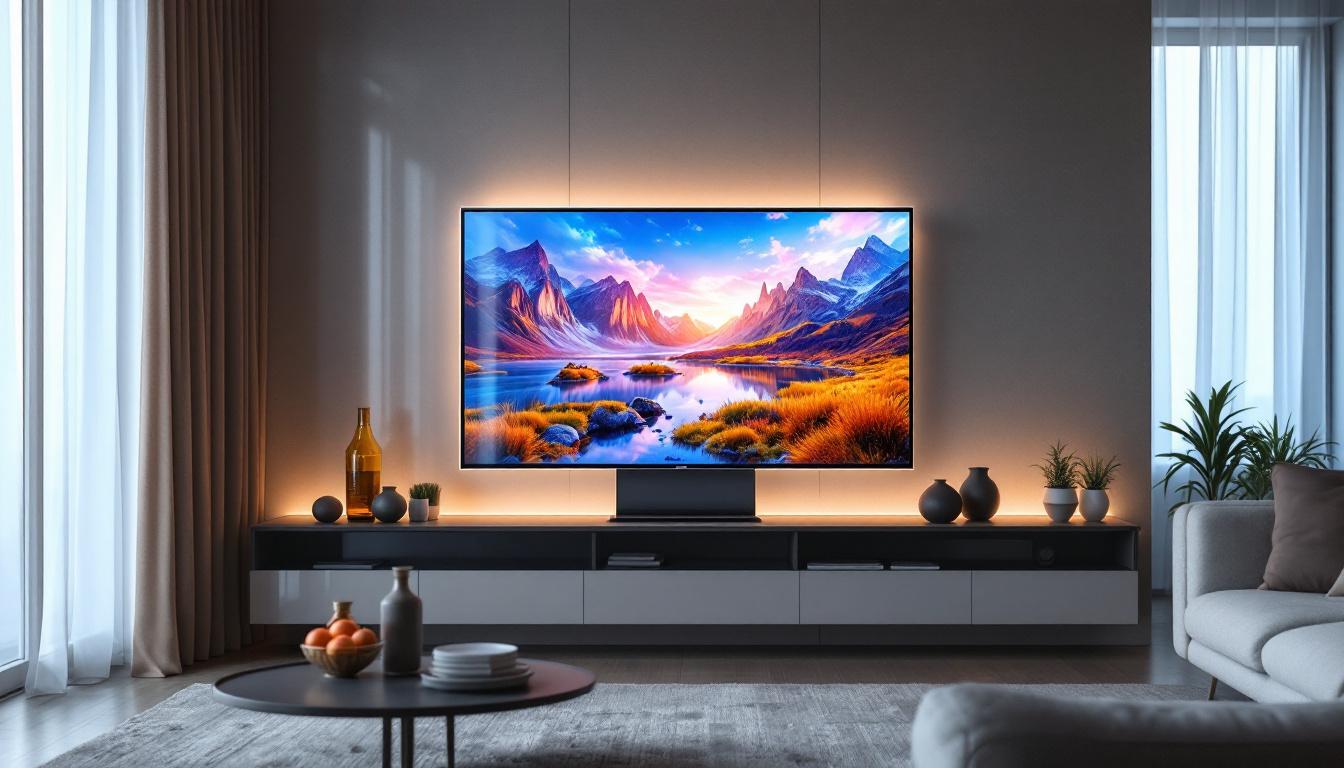
Moreover, the aesthetic appeal of transparent displays adds a modern touch to any environment. Imagine a sleek transparent TV mounted in a living room, where it seamlessly blends with the decor when not in use, or a transparent display used in a museum setting, providing interactive information about exhibits while maintaining the integrity of the viewing experience. This innovative technology is not just about functionality; it also transforms the way we perceive and interact with visual content.
How Does Transparent LED Technology Work?
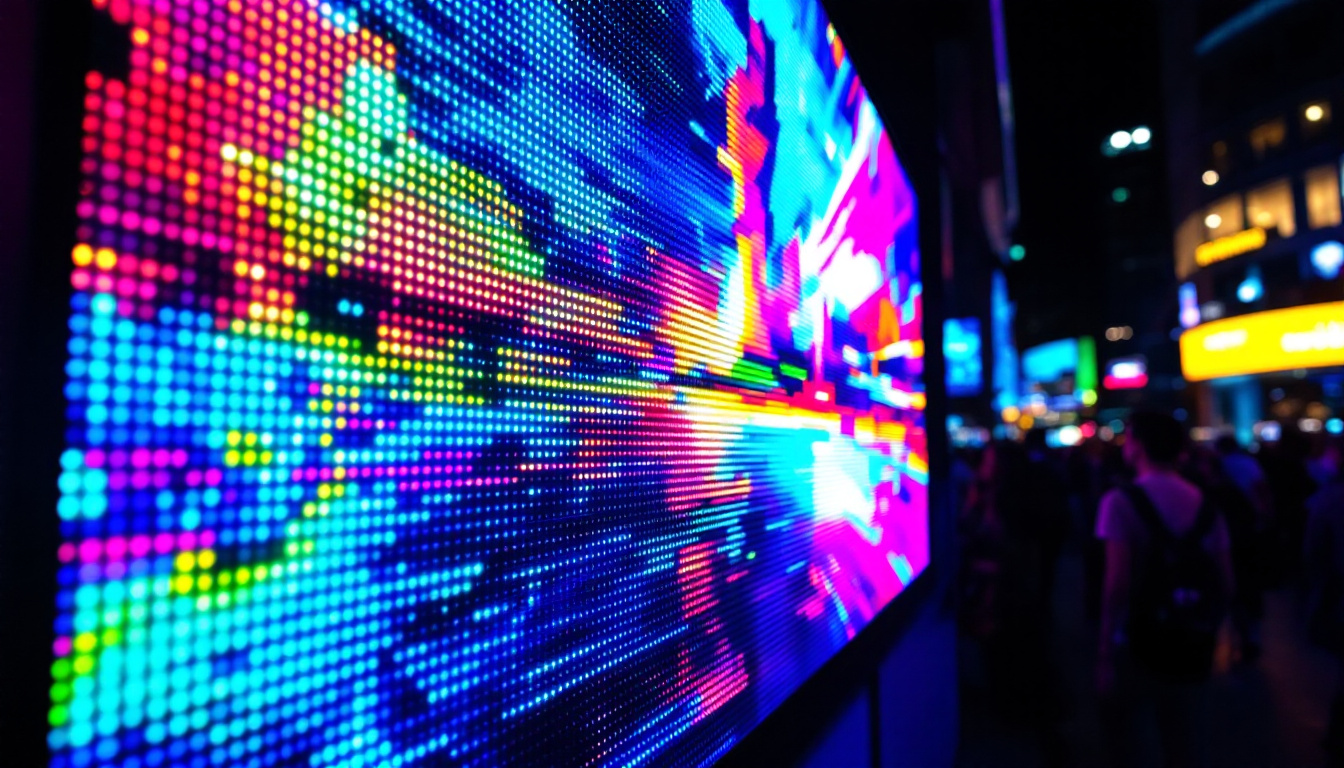
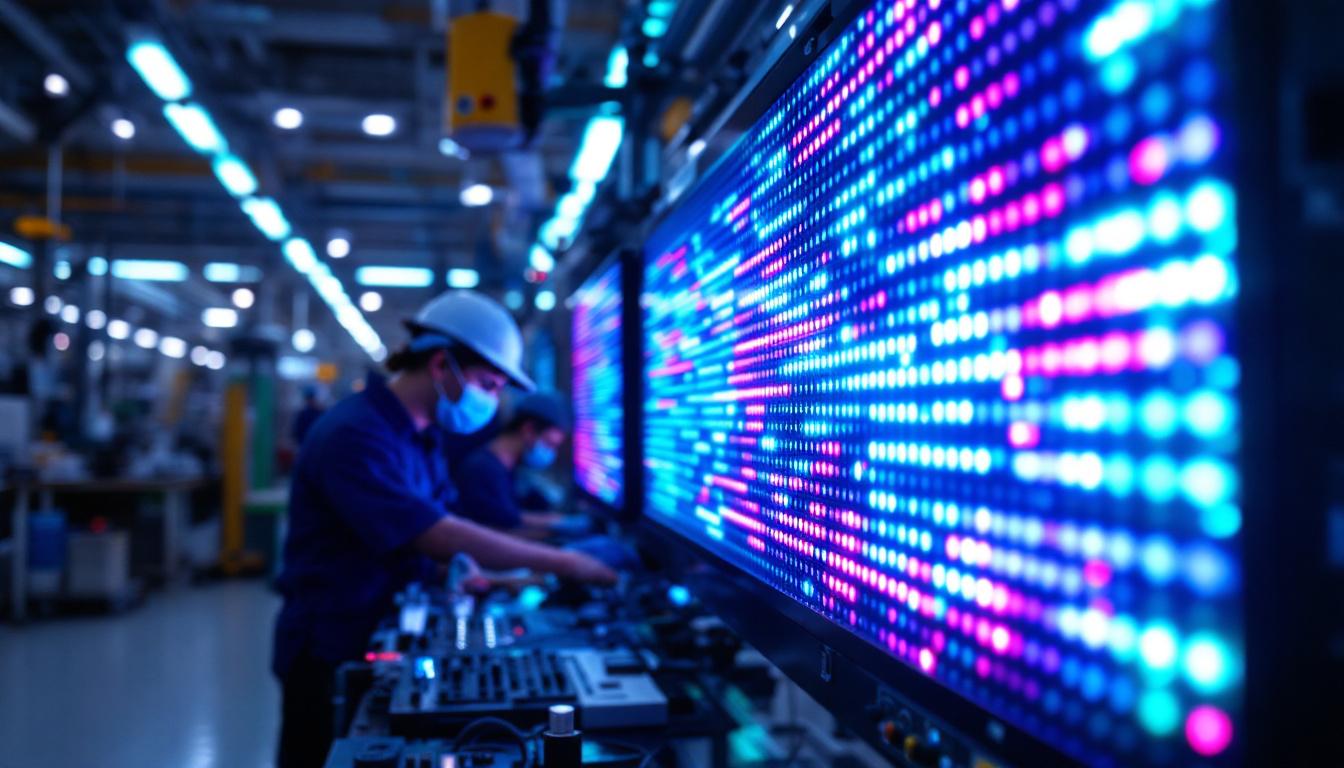
At the core of transparent LED displays is the integration of tiny light-emitting diodes arranged on a transparent substrate, such as glass or acrylic. Unlike traditional LED screens that use a dense matrix of LEDs to produce images, transparent LED panels space out the diodes to allow light to pass through the gaps. This spacing is crucial for maintaining transparency.
The LEDs emit light to form images, while the transparent areas between them allow the background to remain visible. The pixel pitch—the distance between individual LEDs—plays a vital role in balancing image quality and transparency. A smaller pixel pitch improves image resolution but reduces transparency, whereas a larger pitch enhances transparency at the expense of image sharpness. This delicate balance is essential for applications where clarity and visibility are paramount, such as in architectural displays or high-end retail environments.
Additionally, these displays often incorporate advanced driver electronics and software algorithms to optimize brightness and color reproduction, ensuring the images are vivid even in brightly lit environments. The result is a display that can showcase dynamic content without completely obscuring the view behind it. Furthermore, the adaptability of transparent LED technology allows for various configurations and sizes, making it suitable for everything from large-scale advertising billboards to compact home entertainment systems. As the technology continues to evolve, we can expect even more innovative applications that push the boundaries of visual communication and design.
Advantages of Transparent LED Displays
Enhanced Visual Appeal and Design Flexibility
One of the most compelling advantages of transparent LED monitors is their ability to blend into surroundings, creating visually stunning effects. This makes them ideal for applications where aesthetics are paramount, such as in retail storefronts, museums, and corporate lobbies. The transparency allows for creative layering of digital content over physical objects, enhancing storytelling and engagement.
Moreover, the slim and lightweight design of transparent LED panels allows for easy integration into existing architectural elements like glass walls, windows, and partitions. This flexibility opens up new possibilities for interior design and advertising, enabling businesses to transform ordinary spaces into interactive experiences.
Energy Efficiency and Brightness
Transparent LED displays are known for their energy efficiency compared to traditional backlit LCD screens. Because they emit light directly from the LEDs without the need for a backlight, they consume less power. This efficiency is particularly beneficial in commercial settings where displays operate for extended periods.
Additionally, transparent LED monitors can achieve high brightness levels, often exceeding 1,000 nits, making them suitable for environments with strong ambient light, such as shopping malls or outdoor installations. This brightness ensures that content remains clear and vibrant, even in challenging lighting conditions.
Durability and Maintenance
LED technology is inherently robust, with long lifespans often exceeding 50,000 hours of operation. Transparent LED panels benefit from this durability, requiring minimal maintenance over their operational life. The absence of backlighting components reduces the risk of failure, and the solid-state nature of LEDs makes them resistant to shock and vibration.
Furthermore, the modular design of many transparent LED displays allows for easy replacement of individual panels or sections, minimizing downtime and maintenance costs. This reliability is a significant advantage for businesses relying on continuous operation.
Applications of Transparent TV Monitors
Retail and Advertising
Retail environments have been quick to adopt transparent LED displays for their ability to attract attention without obstructing product views. Stores use these monitors in windows to showcase promotional content, seasonal campaigns, or interactive advertisements while allowing customers to see merchandise behind the screen.
This dual functionality enhances customer engagement by combining physical product displays with dynamic digital content. Studies have shown that digital signage can increase sales by up to 30%, and transparent displays add a futuristic appeal that further captivates shoppers.
Corporate and Public Spaces
In corporate settings, transparent TV monitors serve as innovative tools for presentations, branding, and wayfinding. They can be integrated into glass walls or reception areas to display company information, news, or interactive content without compromising the openness of the space.
Public spaces such as airports, museums, and exhibition centers also benefit from transparent displays. For example, museums use them to overlay historical information on artifacts, creating immersive educational experiences. Airports employ transparent screens for flight information that doesn’t block natural light or architectural features.
Automotive and Transportation
The automotive industry is exploring transparent LED technology for heads-up displays (HUDs) and smart windows. Transparent monitors can project navigation, speed, and safety information directly onto the windshield, allowing drivers to access critical data without diverting their attention from the road.
Beyond cars, public transportation systems use transparent displays in bus and train windows to provide real-time route updates and advertisements, enhancing passenger experience while maintaining visibility.
Challenges and Considerations
Balancing Transparency and Image Quality
One of the primary challenges in transparent LED display technology is finding the right balance between transparency and image resolution. Increasing transparency requires spacing out the LEDs, which can reduce image sharpness and color density. Conversely, improving image quality often means sacrificing some degree of transparency.
Manufacturers continuously innovate to optimize this trade-off, using advanced materials and pixel arrangements. However, for applications requiring high-definition content, transparent displays may not yet match the clarity of traditional screens.
Cost and Accessibility
Transparent LED monitors are generally more expensive than conventional displays due to the complexity of their design and manufacturing processes. The cost includes not only the panels themselves but also specialized installation and calibration.
While prices have been decreasing as the technology matures, transparent displays remain a premium solution, primarily adopted by businesses and institutions with specific aesthetic or functional needs. Wider adoption in consumer markets may take time as costs continue to fall.
Environmental and Lighting Conditions
The effectiveness of transparent LED displays can be influenced by environmental factors such as lighting conditions and background complexity. Highly reflective or brightly lit backgrounds may interfere with the visibility of displayed content, reducing contrast and legibility.
To mitigate these issues, transparent monitors often incorporate brightness adjustments and anti-reflective coatings. However, careful planning of installation locations and ambient lighting is essential to maximize performance.
The Future of Transparent LED Displays
Technological Advances on the Horizon
Research and development in transparent display technology continue to push the boundaries of what is possible. Innovations such as micro-LEDs, which offer even smaller pixel sizes and higher brightness, promise to enhance image quality without compromising transparency.
Additionally, the integration of augmented reality (AR) with transparent displays could revolutionize how users interact with digital content. Imagine storefront windows that not only display advertisements but also respond to gestures or provide personalized information based on user proximity.
Expanding Use Cases
As transparent LED technology becomes more affordable and versatile, its applications are expected to expand. Smart homes could incorporate transparent TVs into windows or furniture, blending entertainment with interior design. In healthcare, transparent displays might be used in operating rooms to provide surgeons with real-time data without obstructing their view.
Moreover, the rise of smart cities could see transparent displays integrated into public infrastructure, offering dynamic information while maintaining urban aesthetics.
Conclusion
Transparent TV monitors powered by LED technology represent a significant leap forward in display innovation. By combining transparency with vivid digital content, these displays offer unparalleled design flexibility and user engagement across various industries. While challenges remain in balancing image quality and transparency, ongoing advancements are steadily overcoming these hurdles.
For businesses and institutions looking to create immersive, futuristic environments, transparent LED displays provide a compelling solution that merges technology with aesthetics. As the technology matures and becomes more accessible, transparent TV monitors are poised to become a common feature in everyday life, transforming the way people interact with digital content and their surroundings.
Discover the Future of Display Technology with LumenMatrix
Ready to elevate your space with the cutting-edge innovation of transparent LED displays? LumenMatrix is at the forefront of LED display technology, offering a wide array of solutions that bring your brand to life. From Indoor and Outdoor LED Walls to specialized options like Vehicle, Sports, and Floor LED Displays, our products are designed to captivate and engage. Embrace the future of visual communication with our Custom, All-in-One, and LED Transparent Displays. Check out LumenMatrix LED Display Solutions today and transform your environment with clarity, impact, and unparalleled design flexibility.