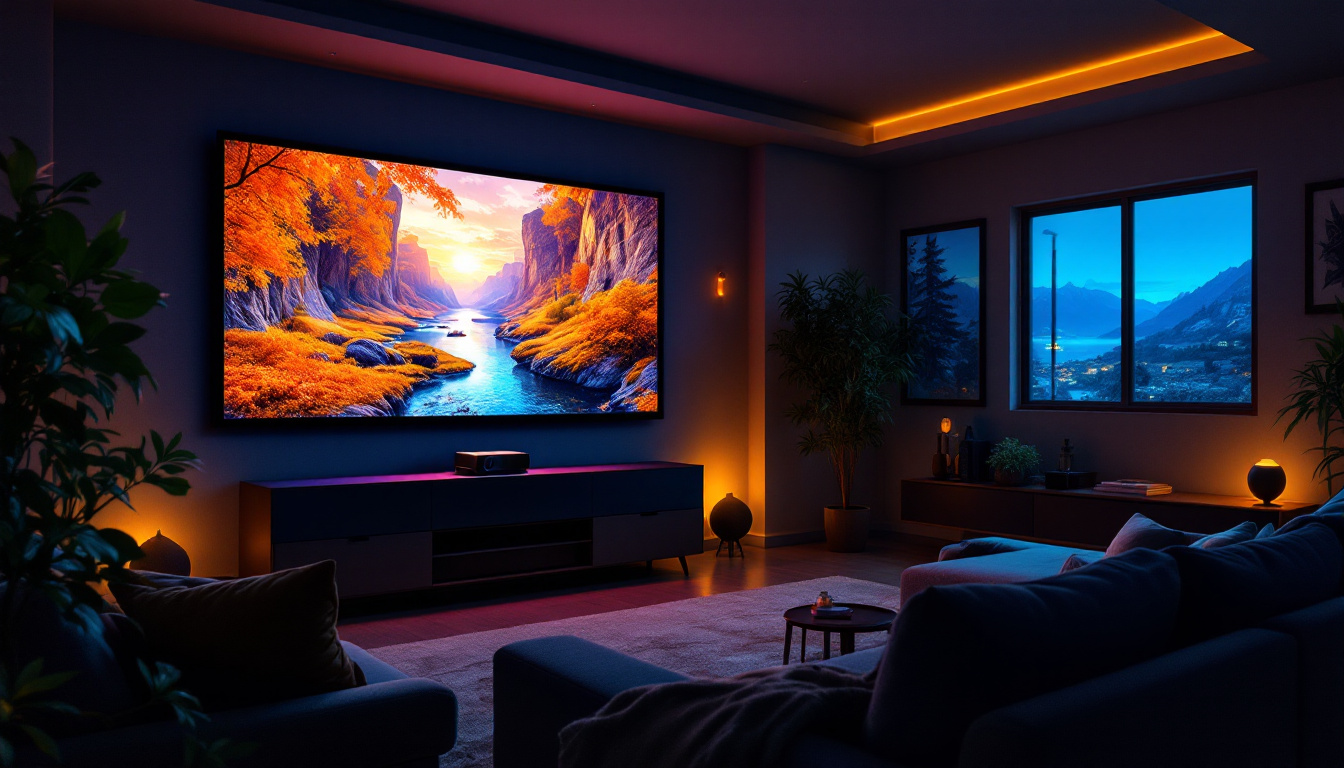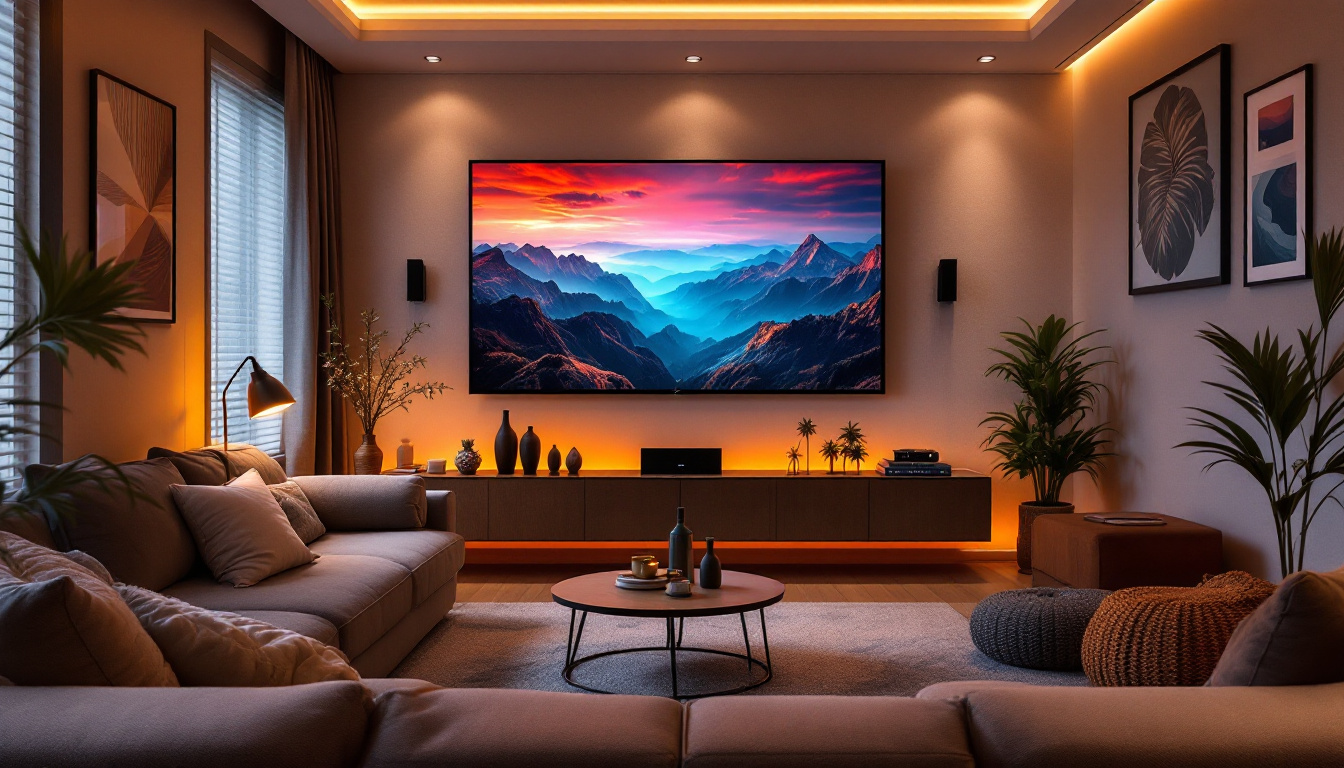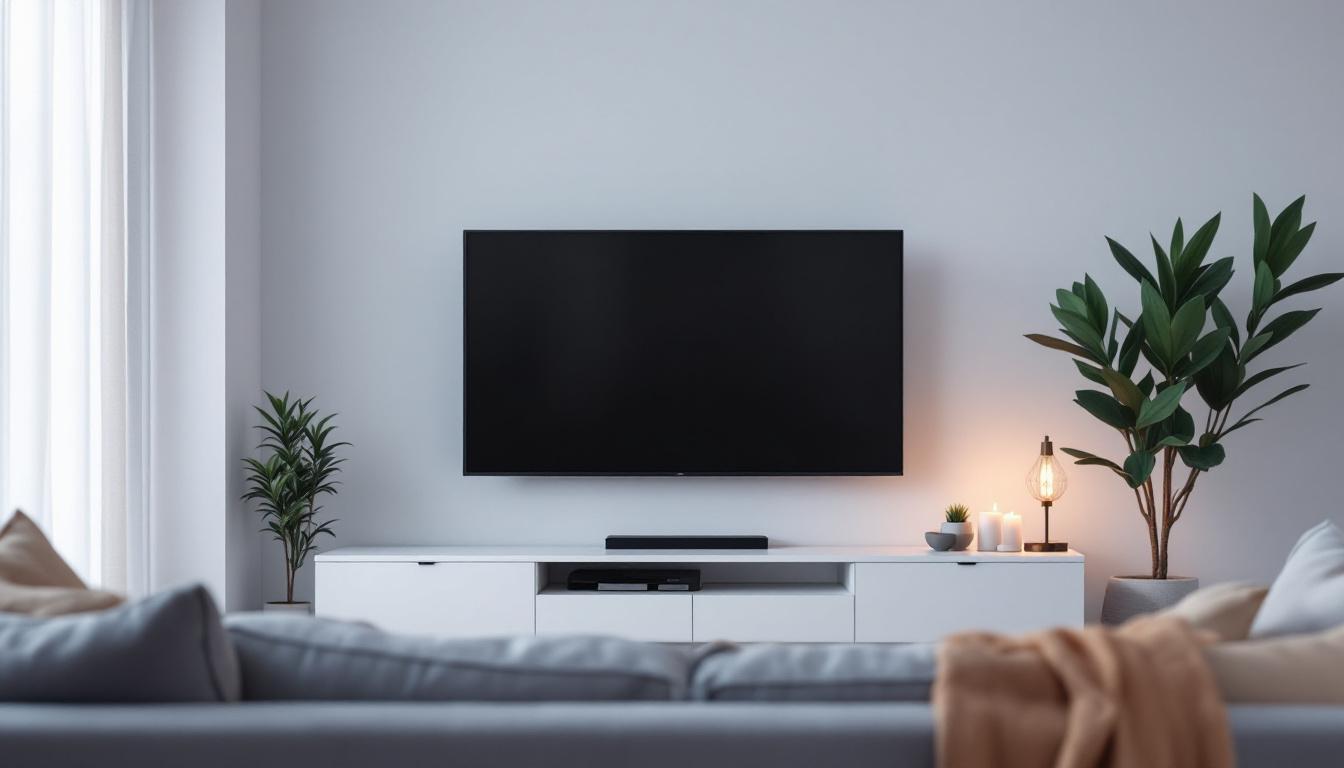
Choosing the right television is about more than just screen size and brand. One of the most critical factors often overlooked is the viewing distance—the space between where you sit and the TV screen. This is especially important with LED displays, which have unique characteristics affecting picture quality, eye comfort, and overall viewing experience. Understanding the relationship between TV size, resolution, and viewing distance can transform how you enjoy your favorite shows, movies, and games.
Understanding LED TV Technology
What Is an LED Display?
LED TVs are a type of LCD (Liquid Crystal Display) television that use Light Emitting Diodes (LEDs) as a backlight source. Unlike traditional LCD TVs that use fluorescent lamps, LED TVs employ thousands of tiny LEDs to illuminate the screen. This technology allows for thinner panels, better brightness control, and improved energy efficiency. The shift from fluorescent to LED technology has not only transformed the design of televisions but has also paved the way for more advanced features and capabilities, making LED TVs a popular choice among consumers.
There are two main types of LED backlighting: edge-lit and full-array. Edge-lit LED TVs place LEDs along the edges of the screen, which can sometimes cause uneven brightness. Full-array LED TVs have LEDs spread evenly behind the screen, enabling local dimming—a feature that enhances contrast and black levels by dimming parts of the screen independently. This capability is particularly beneficial for viewing darker scenes, as it allows for deeper blacks and more detailed shadow areas, significantly enhancing the overall cinematic experience.
Why LED TVs Are Popular
LED TVs dominate the market because they offer a balance of affordability, picture quality, and energy efficiency. They can produce vibrant colors and high brightness levels, making them suitable for various lighting conditions. Additionally, LED technology supports high dynamic range (HDR), which enhances the contrast and color accuracy, providing a more lifelike image. The advancements in LED technology have also led to a variety of screen sizes and styles, catering to different preferences and room configurations, from compact models for smaller spaces to large screens that create an immersive viewing experience.
However, the quality of the viewing experience depends on several factors, including the TV’s resolution (HD, Full HD, 4K, or 8K) and the distance from which you watch the screen. Higher resolutions provide more detail, which is especially noticeable on larger screens. Furthermore, many LED TVs now come equipped with smart features, allowing users to access streaming services, browse the internet, and connect with other smart devices. This integration of technology not only enhances the viewing experience but also makes LED TVs a central hub for entertainment in modern homes, appealing to tech-savvy consumers who seek convenience and versatility in their devices.
The Importance of Viewing Distance
How Viewing Distance Affects Picture Quality
Viewing distance plays a crucial role in how sharp and immersive the picture appears. Sit too far away, and you might miss out on the finer details; sit too close, and the image can look pixelated or cause eye strain. The experience of watching a movie or a show is not just about the content but also how that content is delivered to your senses. The right distance can enhance color vibrancy and contrast, making scenes pop with life and depth.
The human eye has a limited ability to distinguish detail, which is measured in pixels per degree (PPD). The goal is to sit close enough to the TV so that individual pixels blend seamlessly, creating a smooth image without visible pixelation. This blending effect is crucial for high-action scenes, where clarity can mean the difference between following the plot and losing track of the narrative. Additionally, the viewing angle can also affect perceived picture quality, as sitting off to the side may result in color distortion and reduced brightness, further emphasizing the importance of optimal positioning.
Optimal Viewing Distance Based on Resolution
Resolution determines how many pixels the screen contains. Higher resolution TVs pack more pixels into the same screen size, allowing viewers to sit closer without noticing pixel structure. Here’s a general guide for optimal viewing distances based on common resolutions:
- 1080p (Full HD): For a 55-inch TV, the ideal distance is about 7 to 11.5 feet.
- 4K Ultra HD: The increased pixel density allows viewers to sit closer—about 4.5 to 7 feet for a 55-inch screen.
- 8K Ultra HD: With even more pixels, the ideal distance shrinks further, allowing for immersive viewing at around 3 to 4.5 feet for a 55-inch TV.
These distances ensure that the viewer’s field of vision is filled with the screen, maximizing immersion without sacrificing clarity. Moreover, as technology advances, the lines between these resolutions blur, and future formats may further alter our understanding of optimal viewing distances. For instance, advancements in display technology such as OLED and QLED not only enhance color accuracy but also allow for wider viewing angles, making the experience even more versatile in different room layouts.
Calculating Viewing Distance: The 1.5 to 2.5 Rule
A widely accepted rule of thumb for viewing distance is to sit at a distance between 1.5 and 2.5 times the diagonal size of the TV screen. For example, if you have a 65-inch TV, the ideal viewing distance would be between 8 and 13.5 feet. This range balances immersion with visual comfort. Sitting closer than 1.5 times the screen size may cause eye strain, especially with lower resolution TVs, while sitting farther than 2.5 times can reduce the impact of the viewing experience. It’s also worth noting that personal preference plays a significant role; some viewers may prefer a more immersive experience, while others may prioritize comfort.
Additionally, the layout of your room can influence how you calculate this distance. Factors such as the arrangement of furniture, the height of the TV, and ambient lighting conditions can all affect your viewing experience. For instance, a well-lit room might necessitate a slightly farther distance to avoid glare, while a darkened environment can enhance the perceived quality of the image, allowing for a closer viewing distance. Therefore, it’s essential to consider not just the numbers but also how your unique space interacts with your viewing habits.
Factors Influencing Viewing Distance Choices
Room Size and Layout
The physical dimensions of your living space often dictate how far you can sit from the TV. In smaller rooms, it might be challenging to achieve the ideal viewing distance for larger TVs, which can affect picture quality and comfort.
Consider the room layout when selecting a TV. For compact spaces, a smaller screen with higher resolution (like 4K) may deliver a better experience than a large screen viewed from too close.
Content Type and Viewing Preferences
The type of content you watch also influences the best viewing distance. For fast-paced action movies or sports, sitting closer can enhance immersion and allow you to catch subtle details. For casual TV watching or news, a slightly greater distance might be more comfortable.
Gamers often prefer sitting closer to the screen to improve reaction times and notice finer details, especially with high-resolution displays and fast refresh rates.
Eye Comfort and Health
Prolonged viewing at improper distances can cause eye strain, dryness, and fatigue. The American Optometric Association recommends maintaining a comfortable distance and taking regular breaks during extended viewing sessions.
LED TVs with higher brightness and better contrast can reduce eye strain in well-lit rooms, but the viewing distance remains a key factor in ensuring comfort.
Practical Tips for Setting Up Your LED TV
Measure Your Space Before Buying
Before purchasing a TV, measure the distance between your seating area and the TV wall or stand. Use the optimal viewing distance guidelines to select a screen size that fits your room.
For example, if your couch is 9 feet from the TV location, a 55 to 65-inch 4K TV would be ideal. This ensures you benefit from the resolution and screen size without compromising comfort.
Adjust TV Positioning
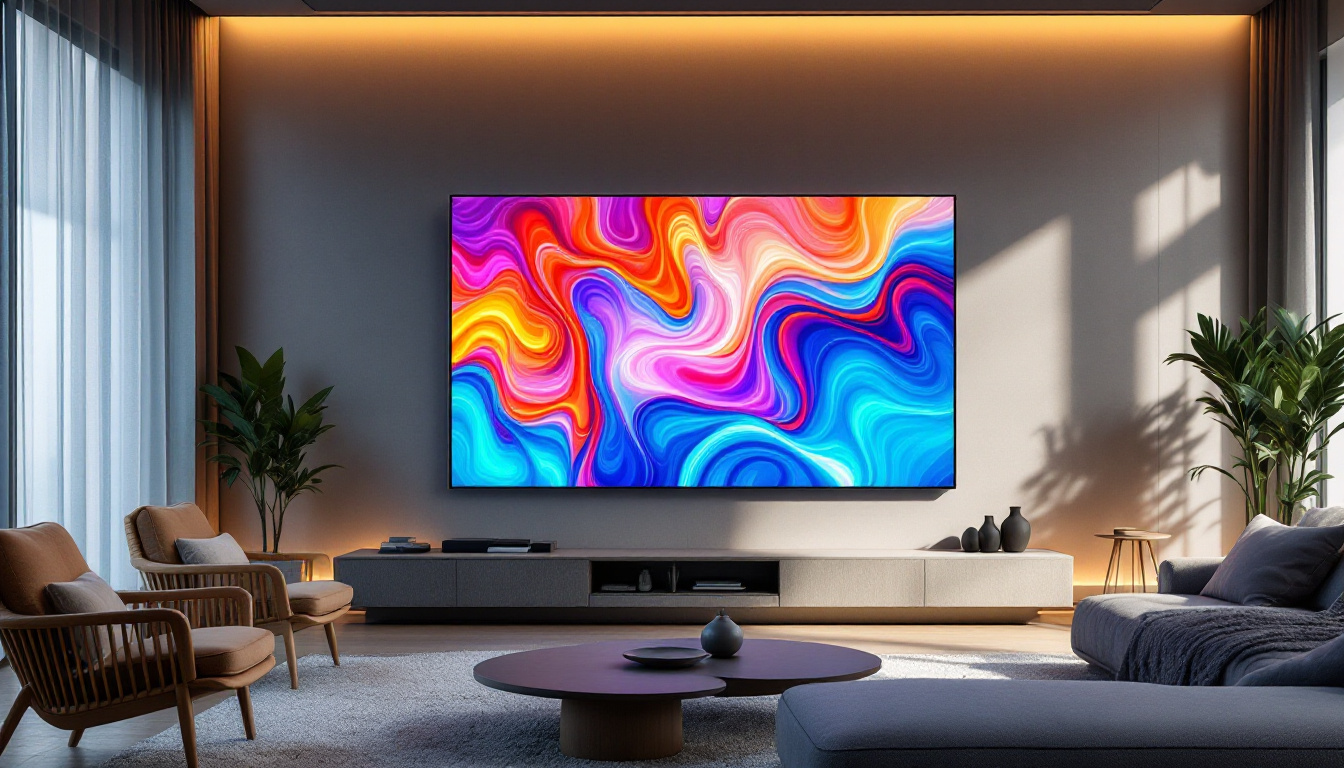
Position your TV so that the center of the screen is at eye level when seated. This reduces neck strain and provides the best viewing angle. Tilt the TV slightly if necessary to avoid glare from windows or lights.
Consider Wall Mounting
Wall mounting your LED TV can free up space and allow for flexible positioning. It also helps maintain the correct viewing height and distance. Use adjustable mounts to fine-tune the angle and distance if your seating arrangement changes.
Optimize Room Lighting
LED TVs perform best in environments with controlled lighting. Avoid placing the TV opposite bright windows or direct light sources, which can cause reflections and reduce picture quality. Use curtains or blinds to manage ambient light.
Future Trends in LED TV Viewing Distance
Increasing Popularity of 4K and 8K TVs
The market is rapidly shifting towards higher resolution TVs. According to recent industry reports, 4K TVs accounted for over 70% of global TV shipments in 2023, with 8K models gaining traction among early adopters and enthusiasts.
As these higher-resolution TVs become more affordable, consumers will have more flexibility to choose larger screens and sit closer without losing image quality. This trend will likely redefine traditional viewing distance guidelines.
Advancements in Display Technology
Emerging technologies such as Mini-LED and MicroLED promise even better brightness, contrast, and color accuracy. These improvements enhance viewing comfort and image fidelity, potentially allowing for more flexible viewing distances.
Additionally, innovations in eye-tracking and adaptive brightness may customize the viewing experience based on individual preferences and room conditions.
Impact of Streaming and Content Quality
With the rise of 4K and HDR content on streaming platforms like Netflix, Disney+, and Amazon Prime Video, viewers demand higher quality displays. This content availability encourages consumers to optimize their viewing setups, including adjusting viewing distances for the best experience.
As internet speeds improve globally, streaming higher resolution content will become standard, further influencing how people arrange their home entertainment spaces.
Conclusion
Understanding the interplay between TV size, resolution, and viewing distance is essential for maximizing the benefits of LED display technology. Selecting the right screen size for your room, maintaining an optimal viewing distance, and considering personal preferences can dramatically improve picture quality and viewing comfort.
As LED TVs continue to evolve with higher resolutions and advanced features, staying informed about these factors ensures that your investment in a new television delivers the immersive, high-quality experience you expect. Whether watching the latest blockbuster, streaming a favorite series, or gaming, proper viewing distance remains a cornerstone of enjoying your LED TV to its fullest potential.
Explore Cutting-Edge LED Displays with LumenMatrix
Ready to elevate your viewing experience with the latest in LED display technology? LumenMatrix is at the forefront of innovation, offering a wide range of LED display solutions tailored to your needs. From immersive Indoor LED Wall Displays to dynamic Outdoor LED Wall Displays, and from versatile Vehicle LED Displays to engaging LED Sports Displays, our products are designed to captivate and communicate with unparalleled clarity. Discover how LumenMatrix can transform your visual engagement. Check out LumenMatrix LED Display Solutions today and step into the future of visual storytelling.