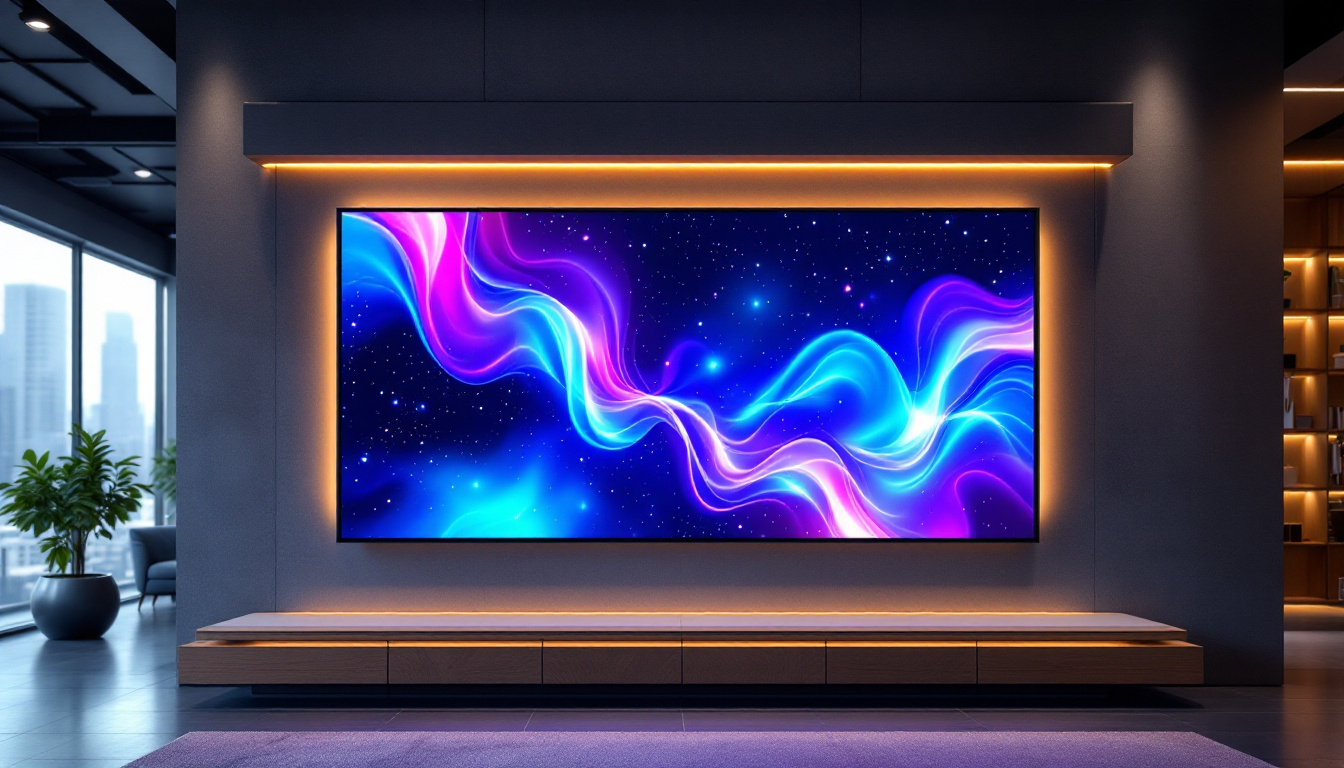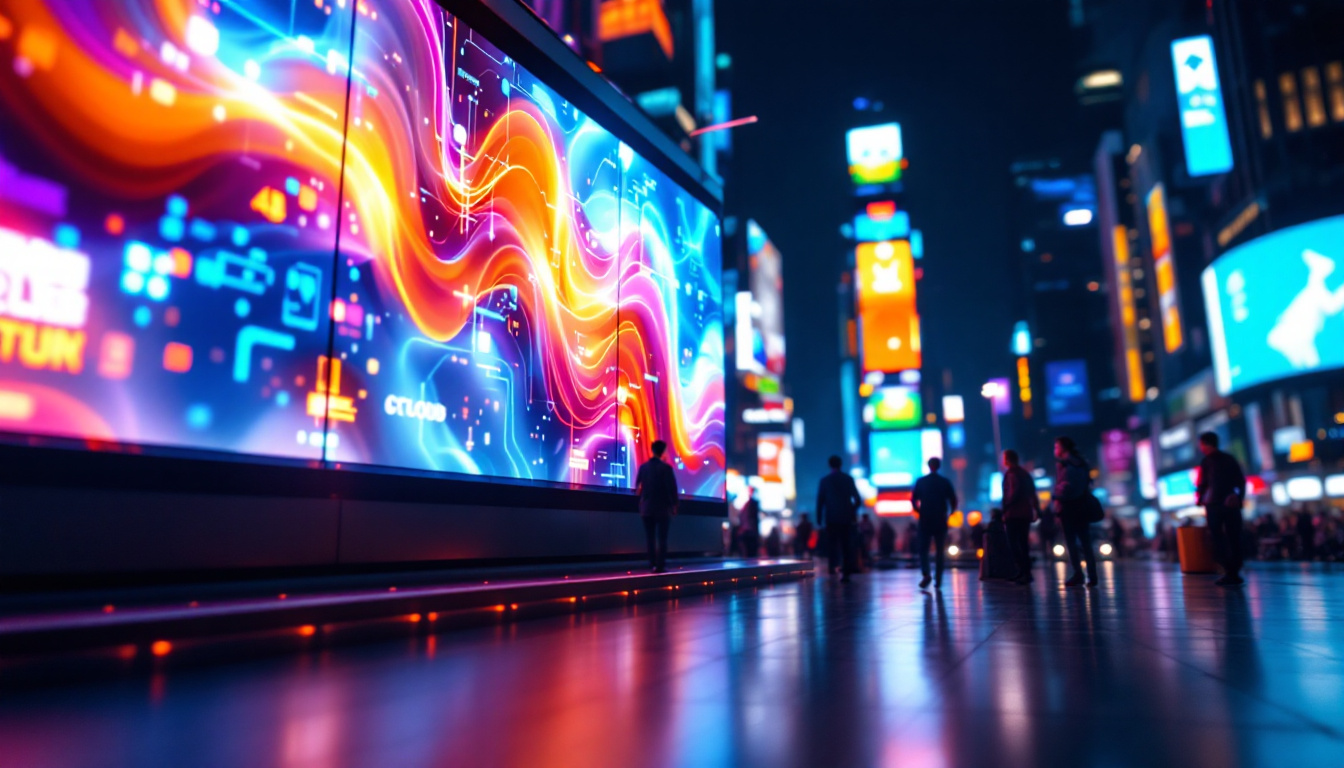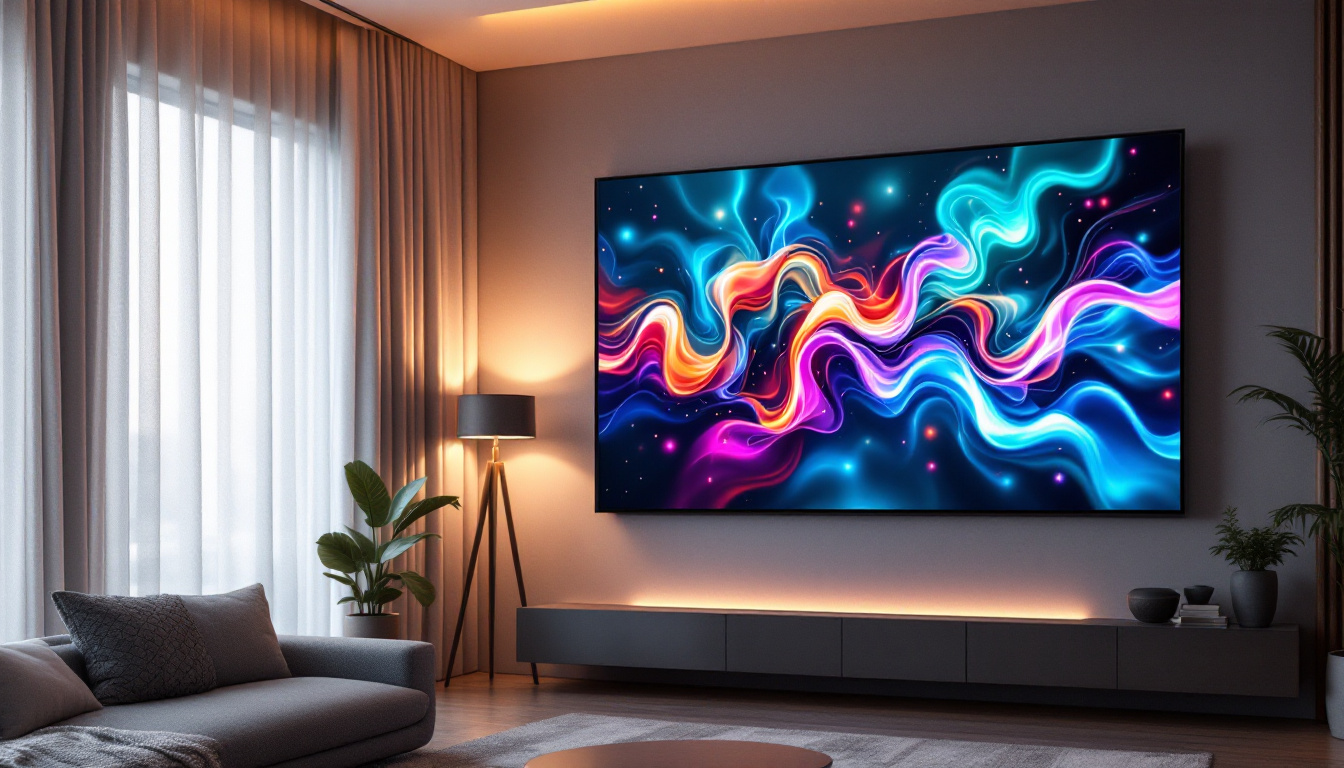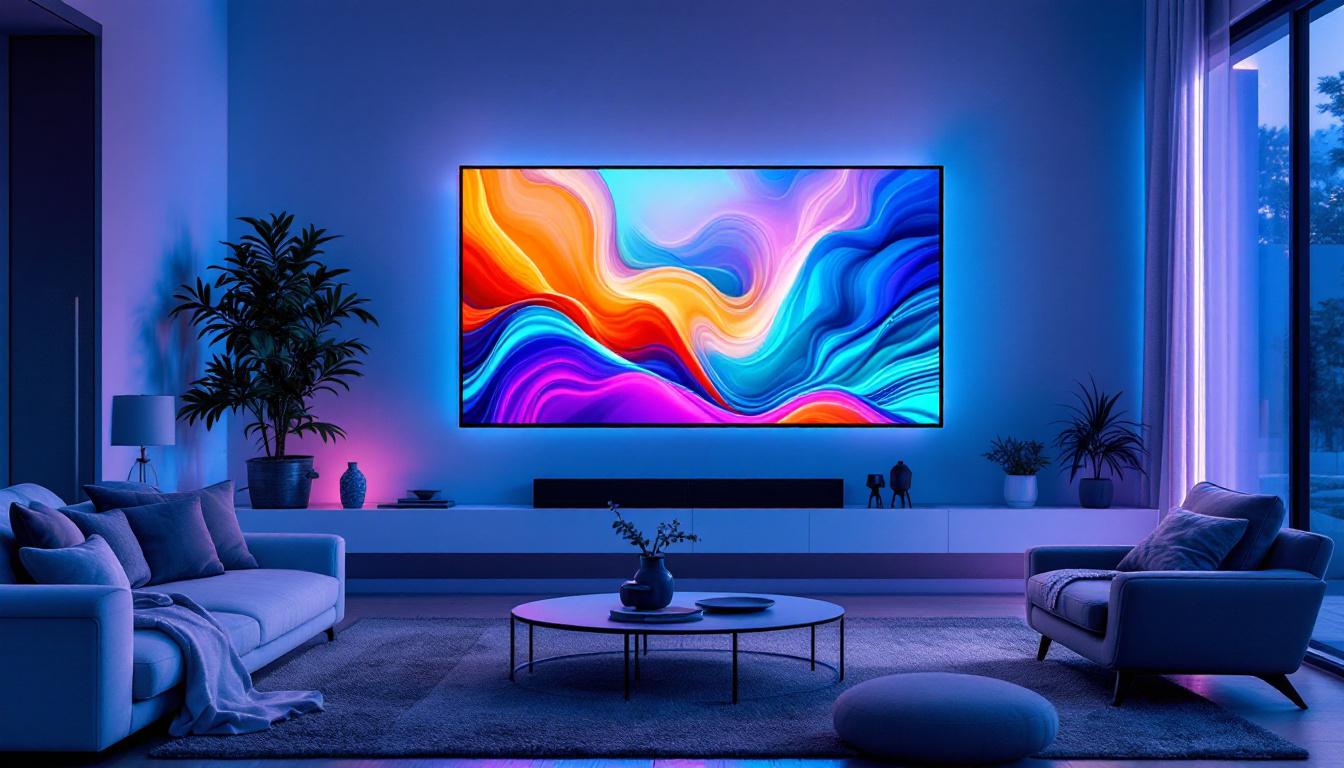
In the rapidly evolving world of display technology, LED video walls have emerged as a leading choice for both commercial and residential applications. Their vibrant colors, scalability, and sleek design have transformed how we think about large-format displays. This article delves into the modern design of TV walls using LED displays, exploring their technology, benefits, design considerations, and future trends.
Understanding LED Display Technology
At the core of modern TV walls lies LED (Light Emitting Diode) technology. Unlike traditional LCD or plasma screens, LED displays use tiny diodes that emit light individually, allowing for brighter images and deeper blacks. This fundamental difference is what gives LED walls their superior visual performance.
What is an LED Video Wall?
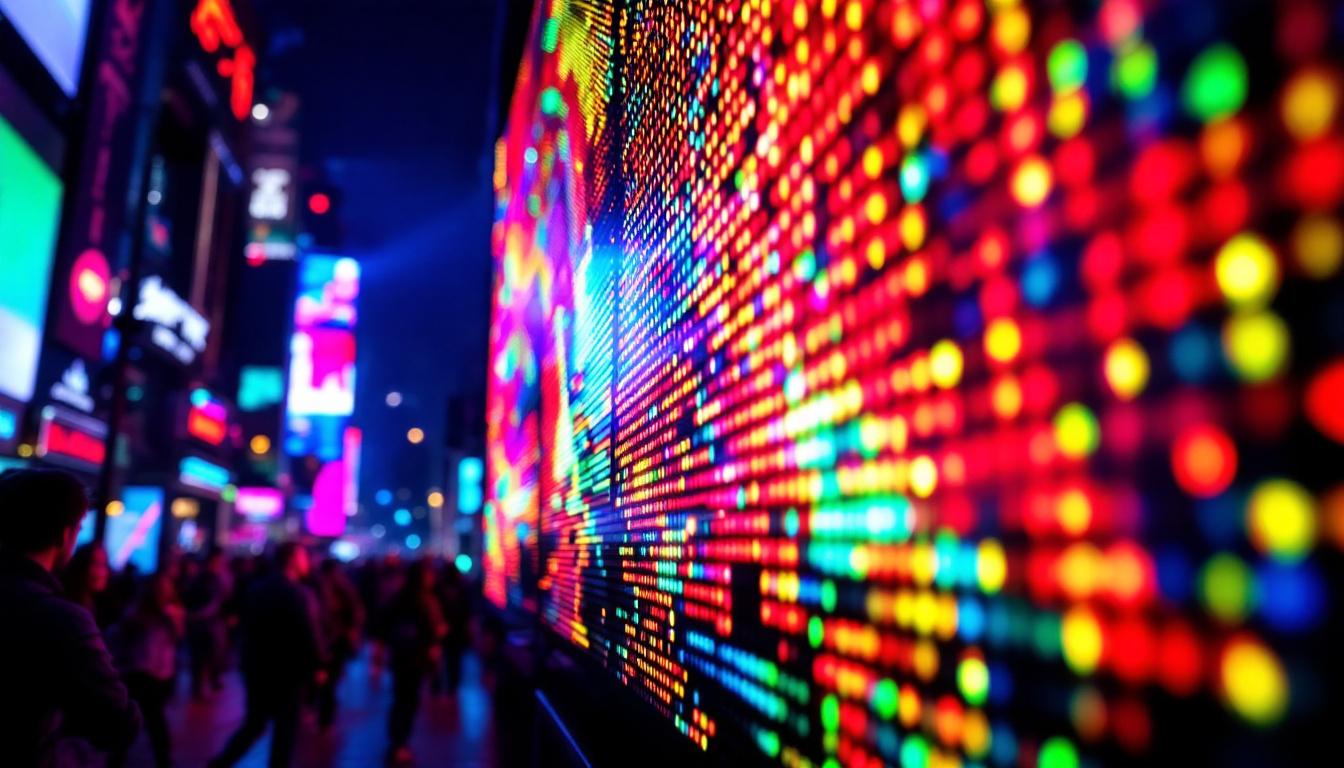
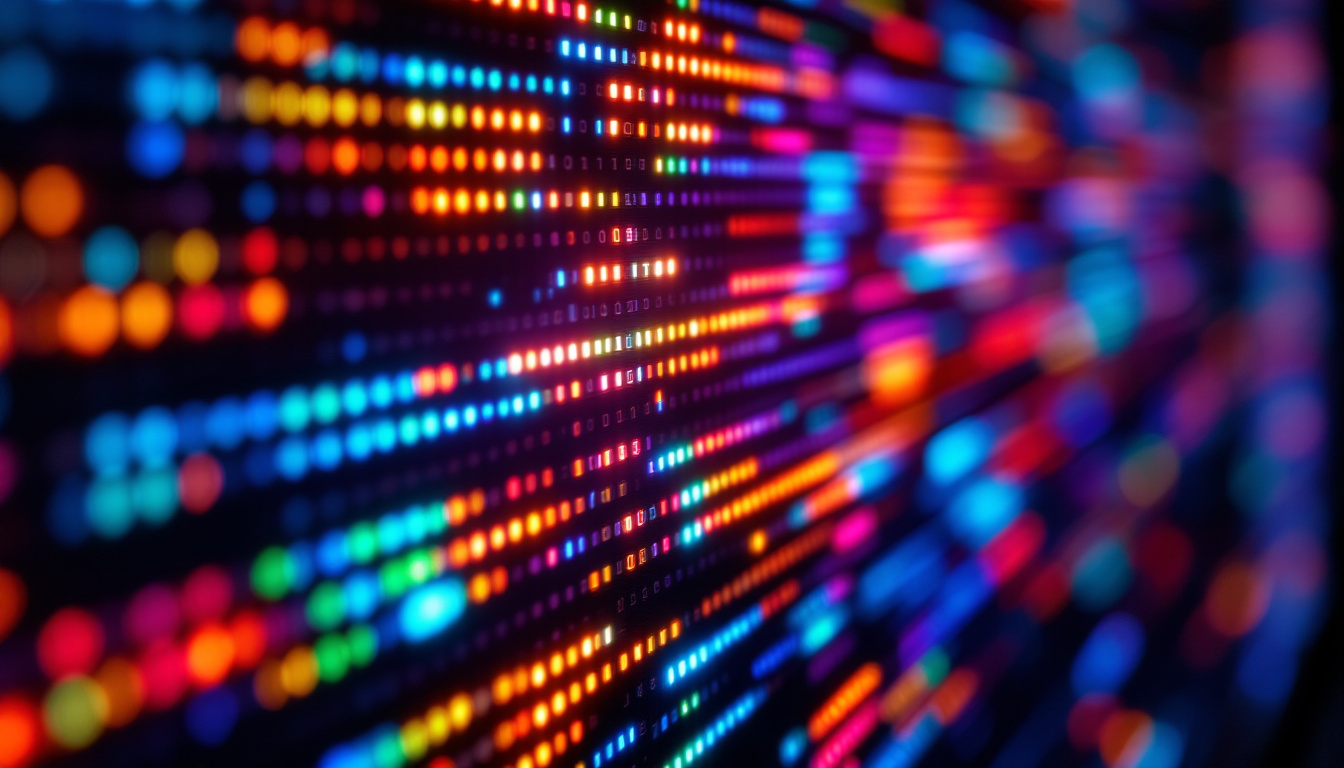
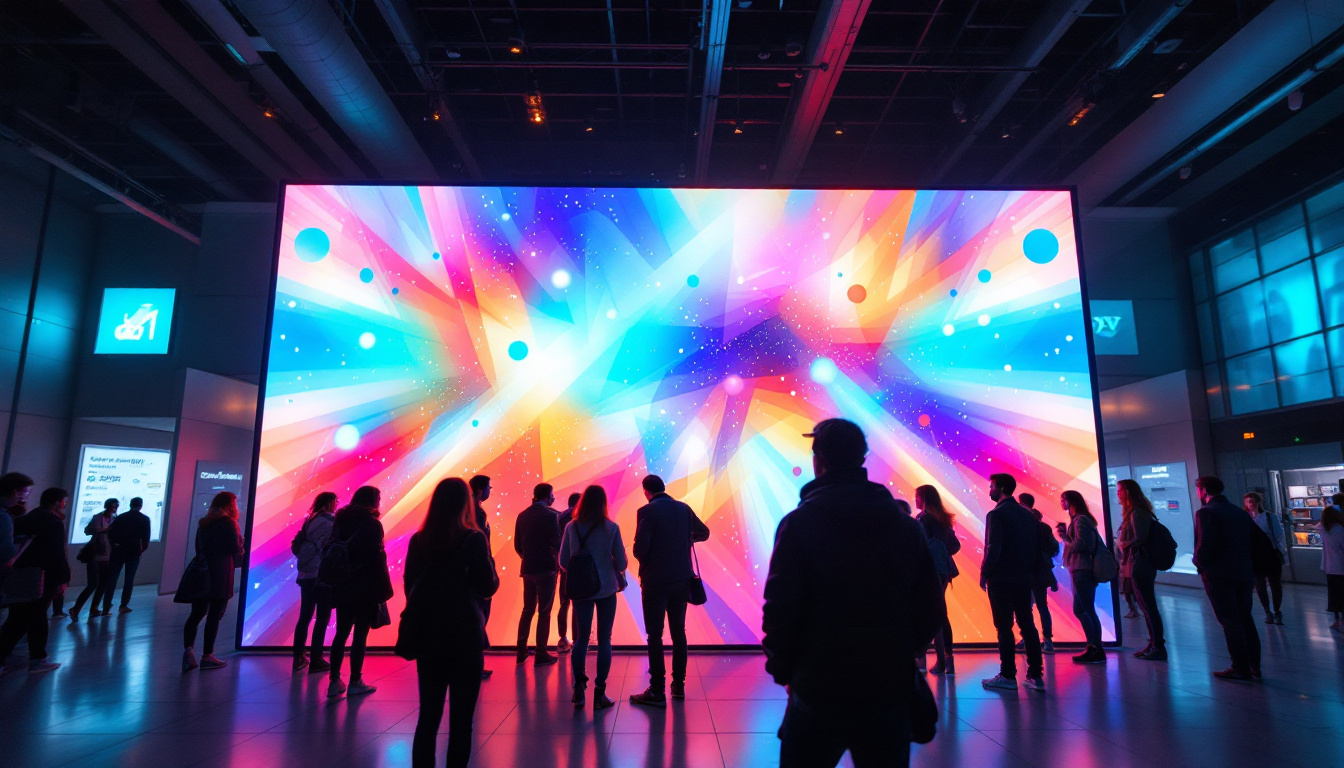
An LED video wall is a large-scale display composed of multiple LED panels seamlessly tiled together to form one continuous screen. Each panel consists of thousands of microscopic LEDs arranged in a grid, which collectively produce the image. The modular nature of these panels allows for flexible sizing and aspect ratios, making LED video walls highly customizable for various environments.
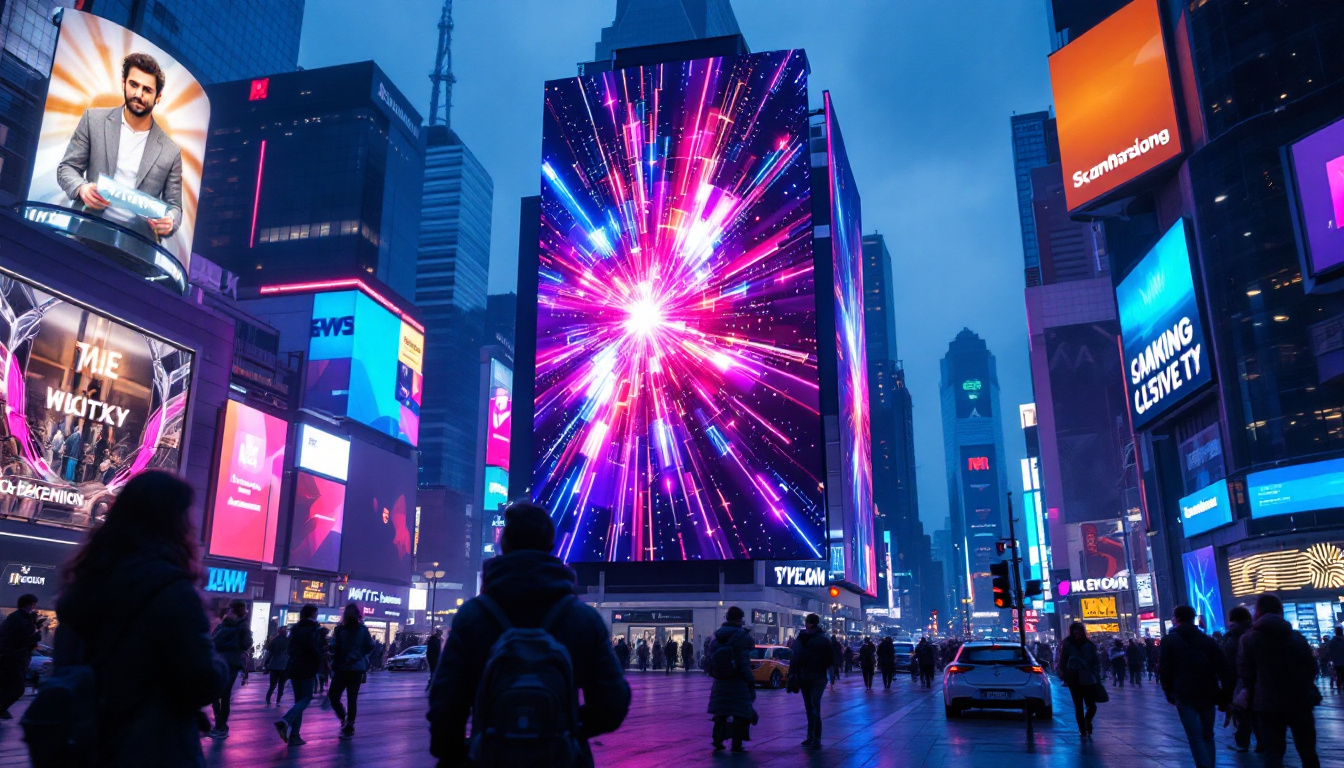
For instance, a retail store might use a video wall to showcase dynamic advertisements, while a corporate office could install one in their lobby for branding and informational purposes. The ability to create ultra-large displays without compromising image quality is a key advantage of LED technology.
Types of LEDs Used in TV Walls
There are primarily two types of LEDs used in video walls: surface-mounted device (SMD) LEDs and discrete LEDs. SMD LEDs are compact and house red, green, and blue diodes in a single package, enabling higher pixel density and finer image resolution. Discrete LEDs, on the other hand, have separate diodes for each color and are often used in outdoor or large-scale installations where pixel pitch is larger.
Pixel pitch—the distance between the centers of two adjacent LEDs—is a critical factor in determining the display’s resolution and viewing distance. Smaller pixel pitches (e.g., 1.2mm to 2.5mm) are suitable for indoor environments where viewers are close to the screen, while larger pitches (e.g., 4mm and above) are preferred for outdoor or distant viewing.
Advantages of Modern LED TV Walls
LED video walls offer several compelling benefits that have made them the preferred choice for modern display solutions. These advantages extend beyond just image quality to include durability, energy efficiency, and design flexibility.
Superior Image Quality and Brightness
One of the most notable benefits of LED walls is their exceptional brightness and color accuracy. LEDs can achieve brightness levels exceeding 1,000 nits, which is significantly higher than typical LCD screens. This makes LED walls highly effective in environments with strong ambient light, such as shopping malls, airports, and outdoor venues.
Additionally, LED displays provide a wider color gamut and better contrast ratios. The ability to turn off individual LEDs completely results in true blacks, enhancing overall image depth and realism. This feature is particularly important for high-end applications like broadcast studios and control rooms.
Scalability and Customization
Unlike traditional TVs, LED video walls are modular. This means they can be scaled to virtually any size or shape by adding or removing panels. This flexibility allows designers to create unique installations that fit specific architectural requirements or branding goals.
For example, curved or angled LED walls can be constructed to wrap around corners or fit irregular spaces, providing immersive viewing experiences. The modular design also simplifies maintenance, as individual panels can be replaced without dismantling the entire display.
Durability and Longevity
LED displays are known for their robust build quality and long lifespan. High-quality LED panels can operate continuously for over 100,000 hours without significant degradation in performance. This reliability is crucial for commercial applications where downtime can be costly.
Moreover, many LED video walls are designed to withstand harsh environmental conditions, including dust, moisture, and temperature fluctuations. This makes them suitable for both indoor and outdoor use, expanding their range of applications.
Energy Efficiency
Compared to older display technologies like plasma or fluorescent-backlit LCDs, LEDs consume less power while delivering brighter images. This energy efficiency translates into lower operating costs and a reduced environmental footprint, aligning with the growing emphasis on sustainable design practices.
Design Considerations for LED TV Walls
Creating an effective LED video wall involves more than just selecting panels. Several design factors must be considered to ensure optimal performance, aesthetics, and user experience.
Pixel Pitch and Viewing Distance
Choosing the right pixel pitch is essential to achieve a sharp and clear image. If the pixel pitch is too large for the viewing distance, the image will appear pixelated. Conversely, an unnecessarily small pixel pitch can increase costs without noticeable improvement for viewers far away.
As a general guideline, the optimal viewing distance is approximately 1.5 to 2 times the pixel pitch in millimeters. For example, a 2mm pixel pitch display is best viewed from about 3 to 4 meters away. Understanding this relationship helps designers select the appropriate LED panels for the intended environment.
Resolution and Content Quality
The resolution of the LED wall should match the content it will display. High-resolution content requires panels with a higher pixel density to avoid image distortion. Content creators also need to consider the aspect ratio and orientation of the video wall to ensure seamless playback.
Modern LED video walls support 4K and even 8K resolutions, enabling ultra-high-definition visuals. However, delivering such content requires compatible media players and network infrastructure capable of handling large data streams.
Installation and Maintenance
Proper installation is critical for the longevity and performance of LED video walls. Panels must be aligned precisely to avoid visible seams or gaps. Additionally, the supporting structure should accommodate weight, ventilation, and access for maintenance.
Many manufacturers offer front-serviceable LED panels, allowing technicians to perform repairs or replacements from the front without disassembling the entire wall. This feature minimizes downtime and simplifies upkeep, especially in high-traffic areas.
Integration with Surrounding Design
An LED video wall should complement the overall interior or exterior design. This includes considerations such as bezel width, frame color, and mounting style. Modern LED panels often feature ultra-thin bezels to create a nearly seamless image, enhancing the immersive effect.
Lighting conditions also play a role; designers may incorporate ambient lighting or anti-glare coatings to optimize visibility. The goal is to create a harmonious installation that enhances the space without overwhelming it.
Applications of LED TV Walls in Modern Spaces
LED video walls have found applications across a wide range of industries and settings, thanks to their versatility and visual impact.
Corporate and Commercial Environments
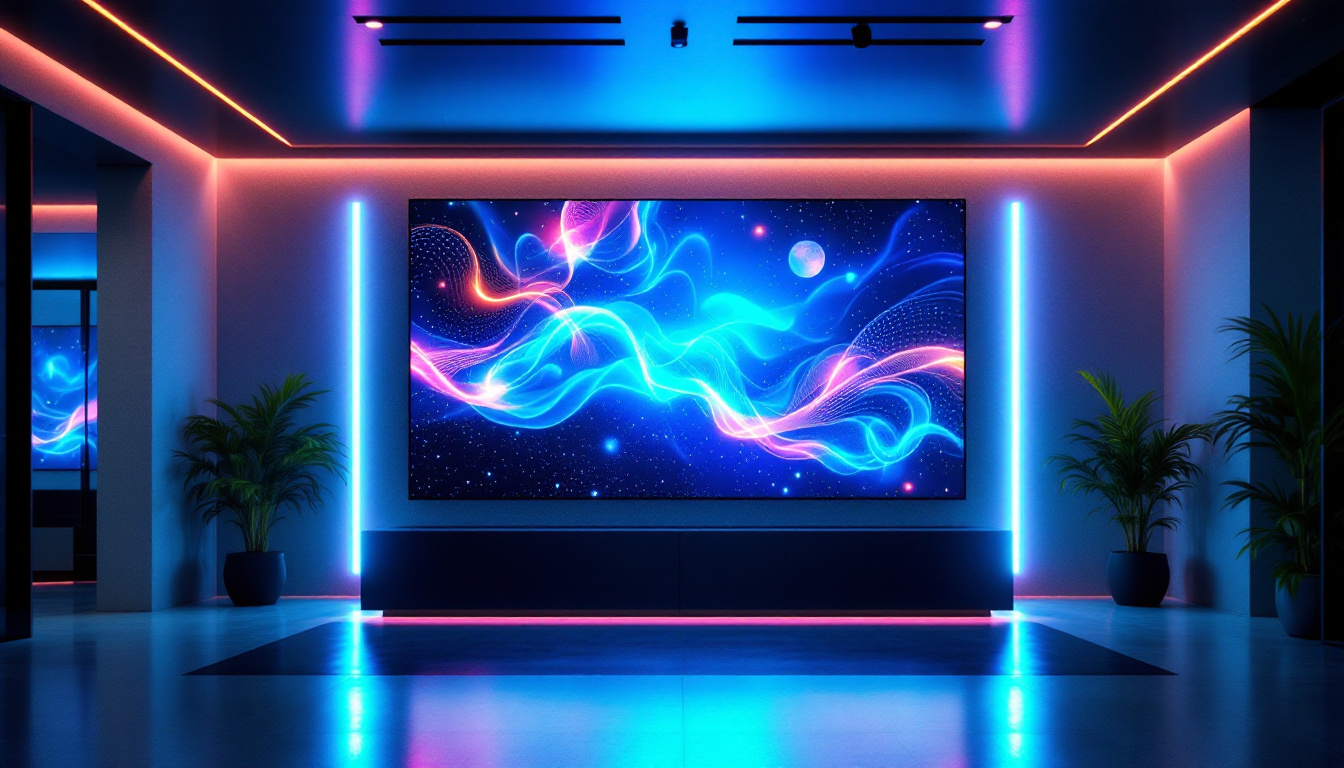
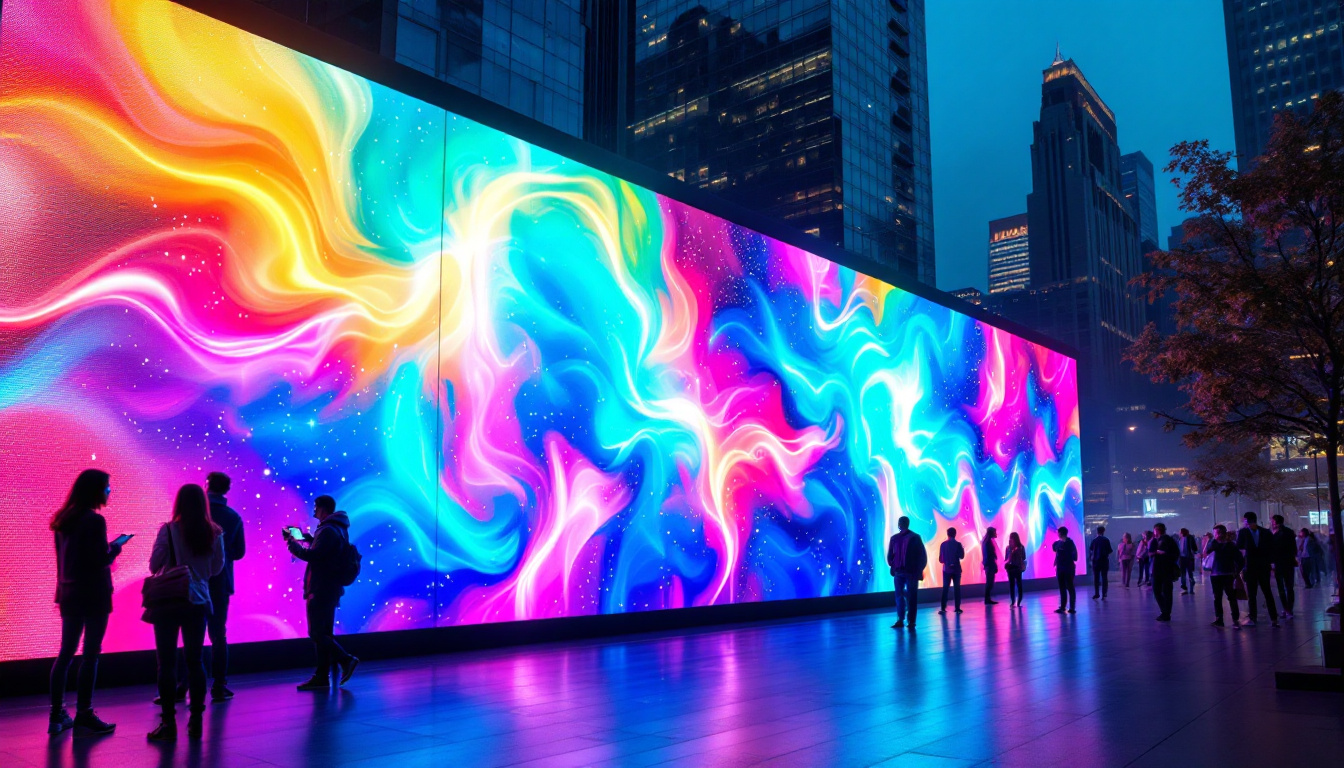
In corporate lobbies and conference rooms, LED walls serve as dynamic branding tools and information displays. They can showcase company achievements, live data feeds, or promotional content, creating a professional and engaging atmosphere.
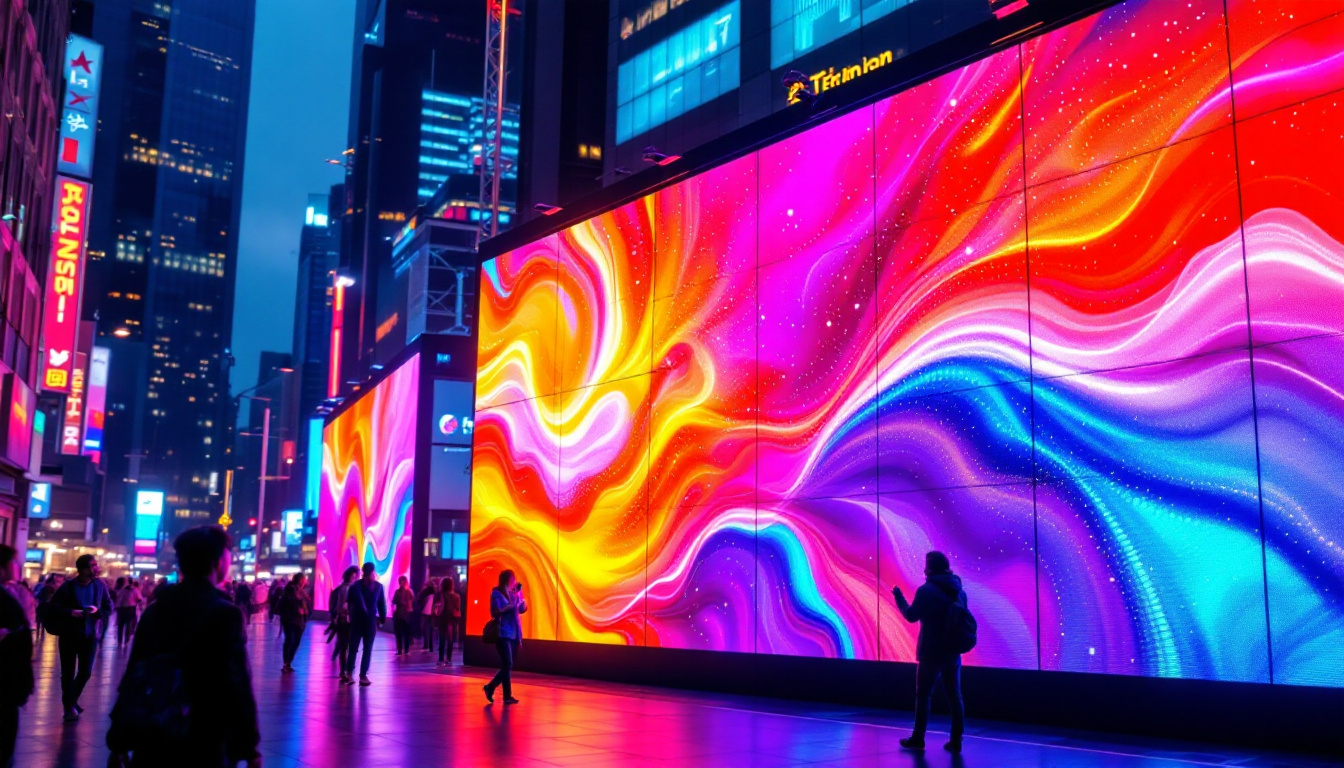
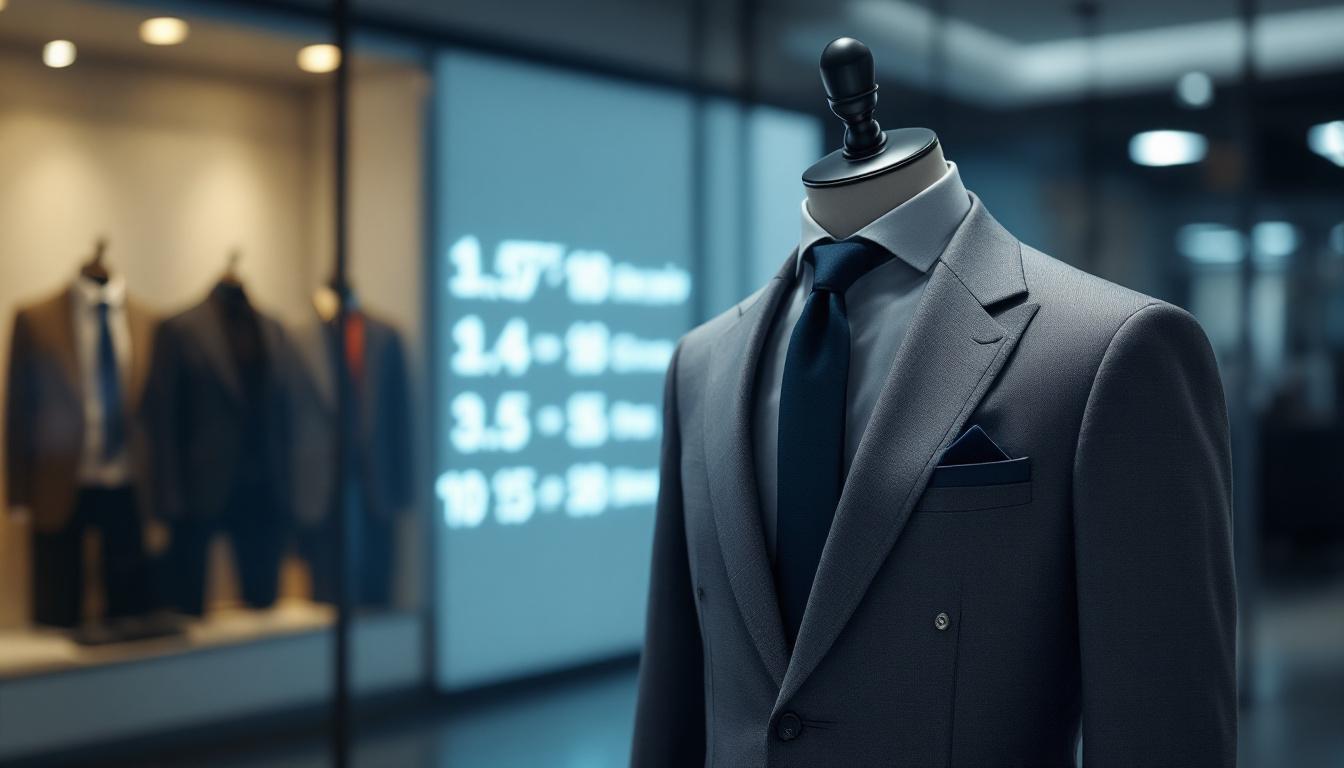
Retailers use LED walls to attract customers with vibrant advertisements and interactive content. The ability to update content remotely allows for timely marketing campaigns and personalized messaging.
Entertainment and Events
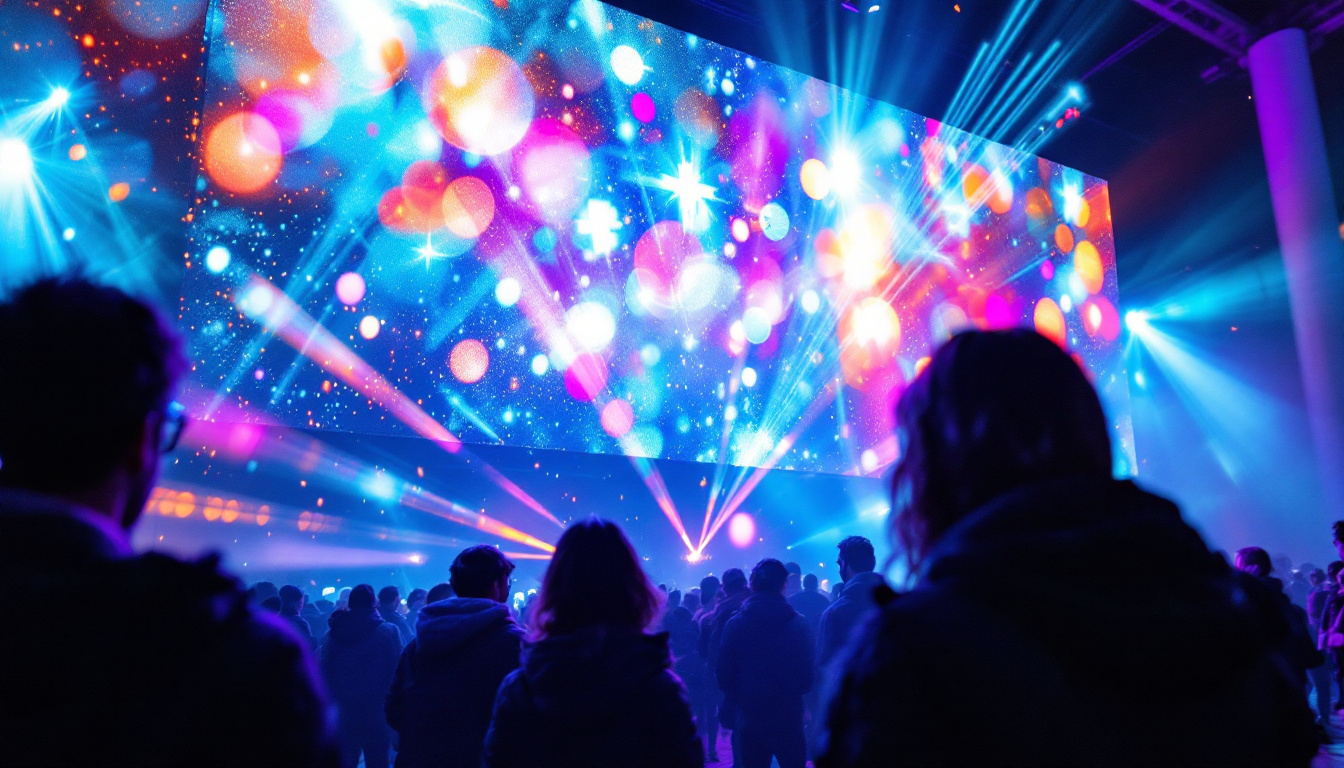
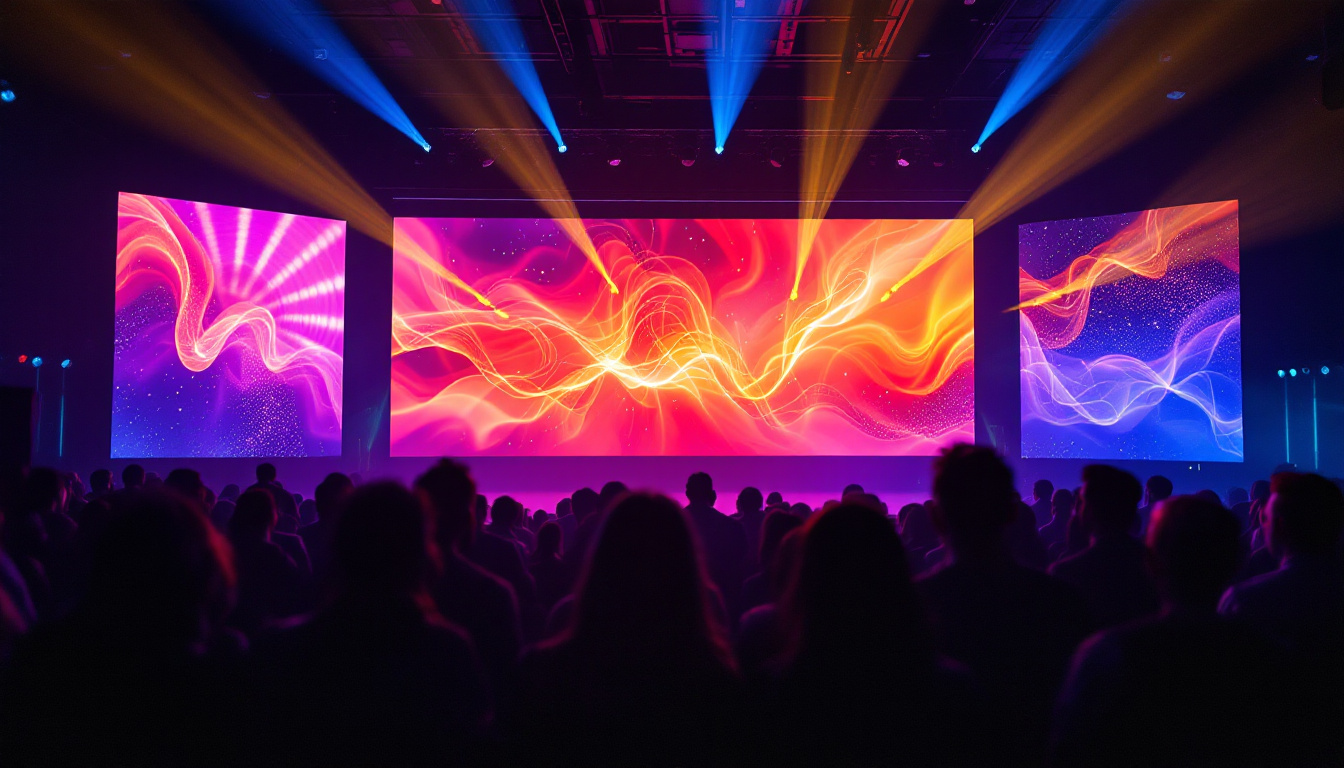
Concerts, theaters, and sports arenas utilize LED video walls to enhance audience experience. Large-scale displays provide close-up views of performers or athletes, ensuring that every seat in the venue has a great view.
Event organizers also benefit from the portability and quick setup of modular LED panels, enabling creative stage designs and immersive visuals that captivate audiences.
Control Rooms and Public Safety
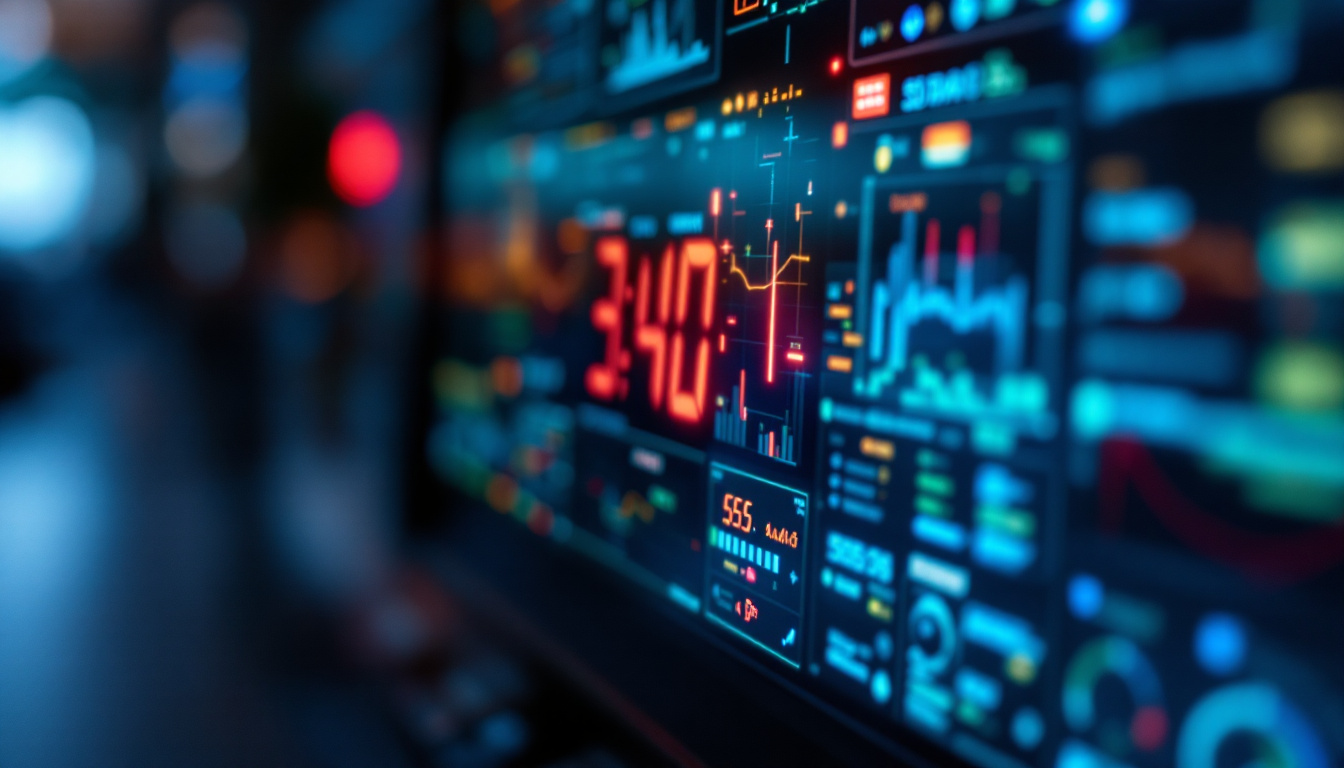
Control centers for utilities, transportation, and emergency services rely on LED video walls for real-time monitoring and decision-making. The high resolution and brightness ensure critical information is visible under all lighting conditions.
These installations often feature multi-window capabilities, allowing operators to view multiple data sources simultaneously and respond promptly to incidents.
Residential and Luxury Installations
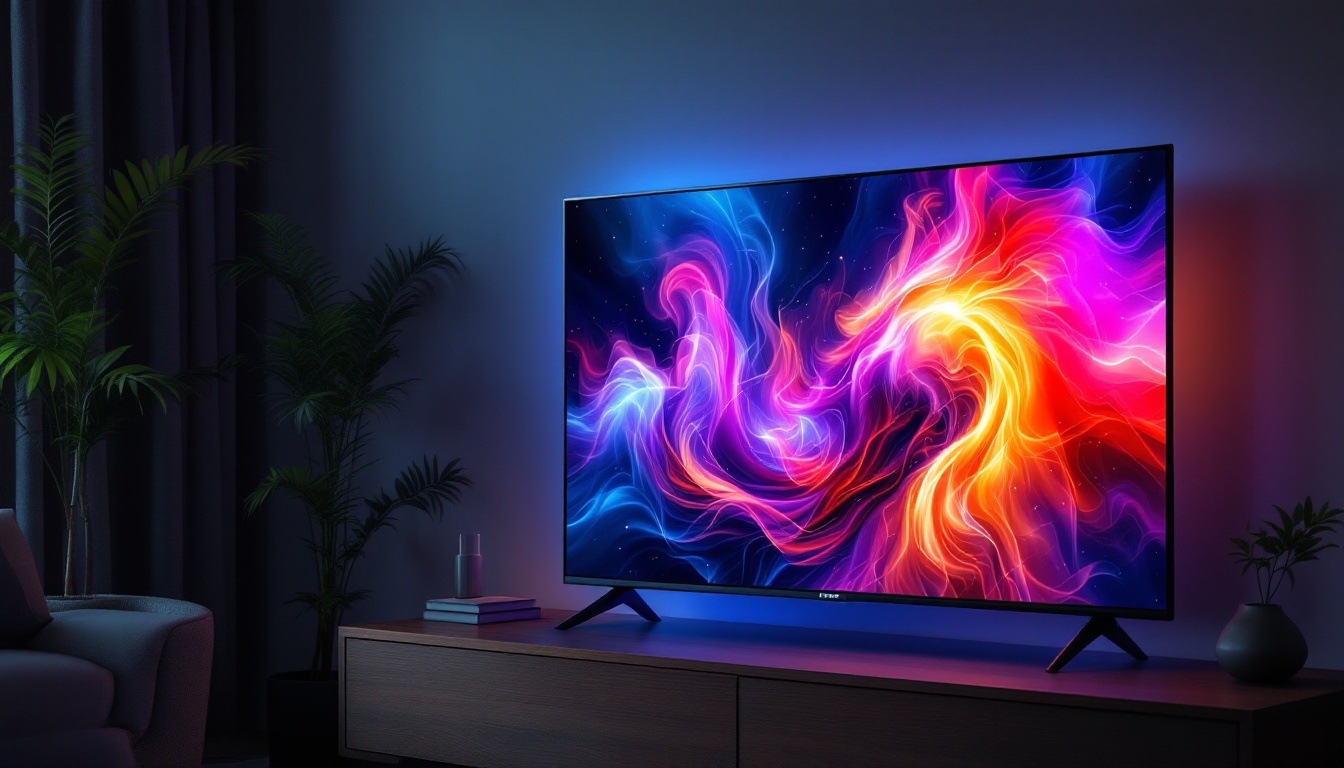
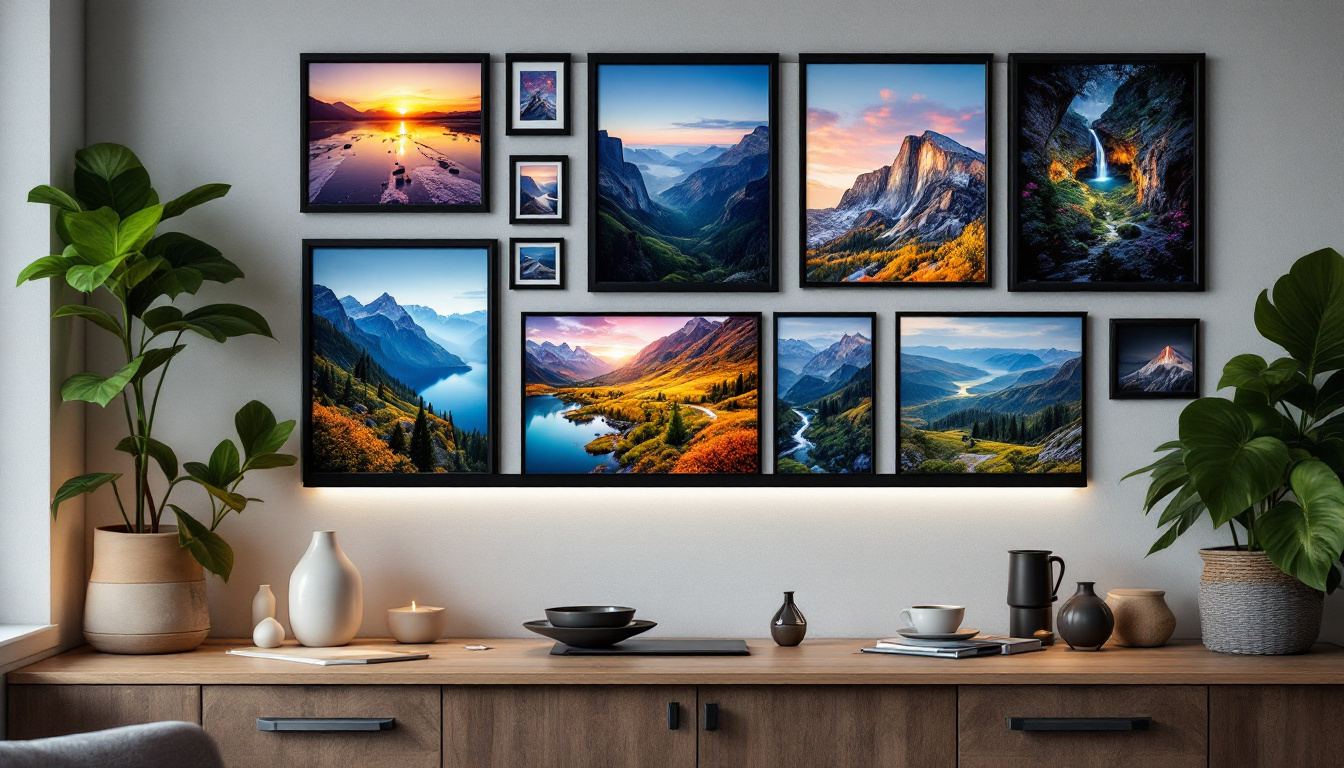
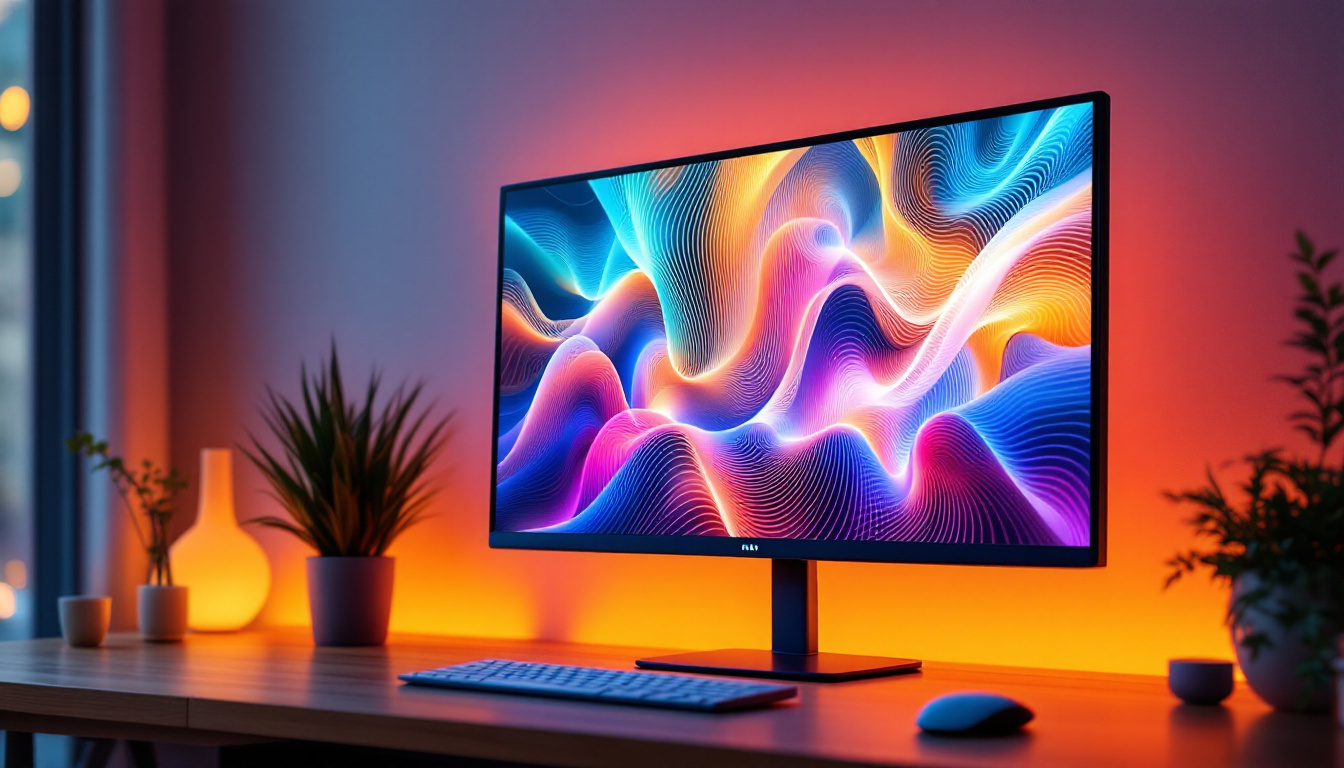
While traditionally associated with commercial use, LED video walls are increasingly entering the residential market. High-end homes incorporate LED walls for home theaters, gaming rooms, or art displays, offering unparalleled image quality and customization.
Advancements in fine-pitch LED technology have made it possible to install visually stunning displays that blend seamlessly with interior decor, elevating the living experience.
Future Trends in LED TV Wall Design
The LED display industry continues to innovate, pushing the boundaries of what is possible with TV wall design. Several emerging trends are shaping the future of this technology.
MicroLED and MiniLED Technologies
MicroLED and MiniLED represent the next generation of LED technology, offering even higher resolution, improved contrast, and better energy efficiency. MicroLEDs are microscopic LEDs that can be densely packed to create displays rivaling OLED in picture quality but with greater brightness and longevity.
These technologies promise thinner, lighter, and more flexible video walls, opening new possibilities for design and installation.
Flexible and Transparent LED Displays
Flexible LED panels enable curved or bendable video walls that conform to unique architectural shapes. Transparent LED displays allow for see-through installations, ideal for storefronts or glass walls where visibility must be maintained while displaying dynamic content.
Such innovations expand creative freedom for designers and architects, blending technology seamlessly into the built environment.
AI-Enhanced Content and Interactivity
Artificial intelligence is being integrated into LED display systems to optimize content delivery and interactivity. AI can analyze viewer behavior to tailor advertisements or provide real-time adjustments to brightness and color based on ambient conditions.
Interactive LED walls equipped with sensors and cameras enable immersive experiences, from touchless control to augmented reality applications, transforming passive viewing into active engagement.
Conclusion
Modern TV wall design using LED displays represents a convergence of cutting-edge technology, aesthetic innovation, and practical functionality. Their superior image quality, scalability, and durability make LED video walls an ideal choice for a broad spectrum of applications, from corporate environments to entertainment venues and luxury homes.
As LED technology continues to advance, the possibilities for creative, immersive, and interactive display solutions will only grow. Understanding the fundamentals of LED video walls and their design considerations equips businesses, designers, and consumers to make informed decisions and fully leverage this transformative technology.
Explore the Future of Visual Experience with LumenMatrix
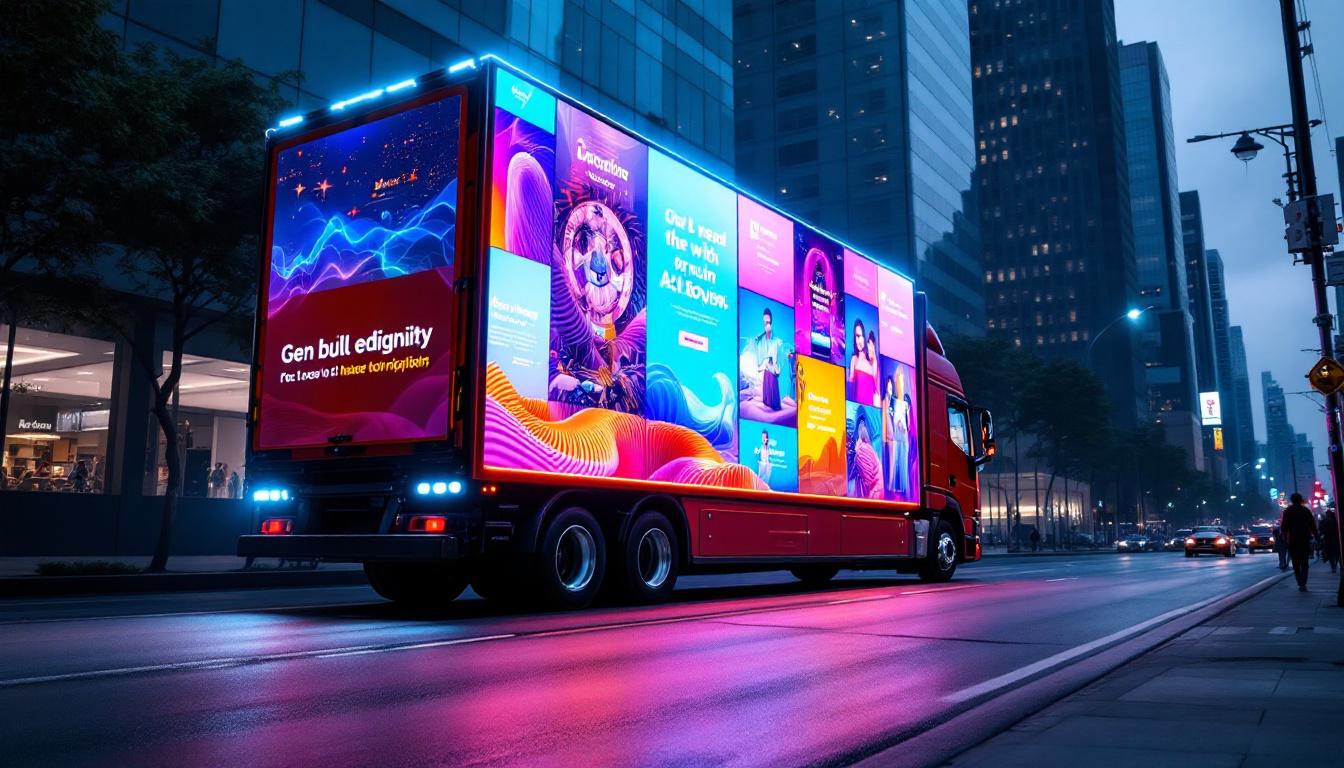
Ready to elevate your space with the latest in LED display technology? Discover LumenMatrix’s comprehensive range of innovative solutions, from Indoor and Outdoor LED Wall Displays to specialized options like Vehicle, Sports, and Floor LED Displays. Each product is crafted to transform your visual communication and captivate your audience. Whether for business, entertainment, or luxury living, LumenMatrix is here to revolutionize your display experience. Check out LumenMatrix LED Display Solutions today and see your vision come to life in vibrant color and unmatched clarity.