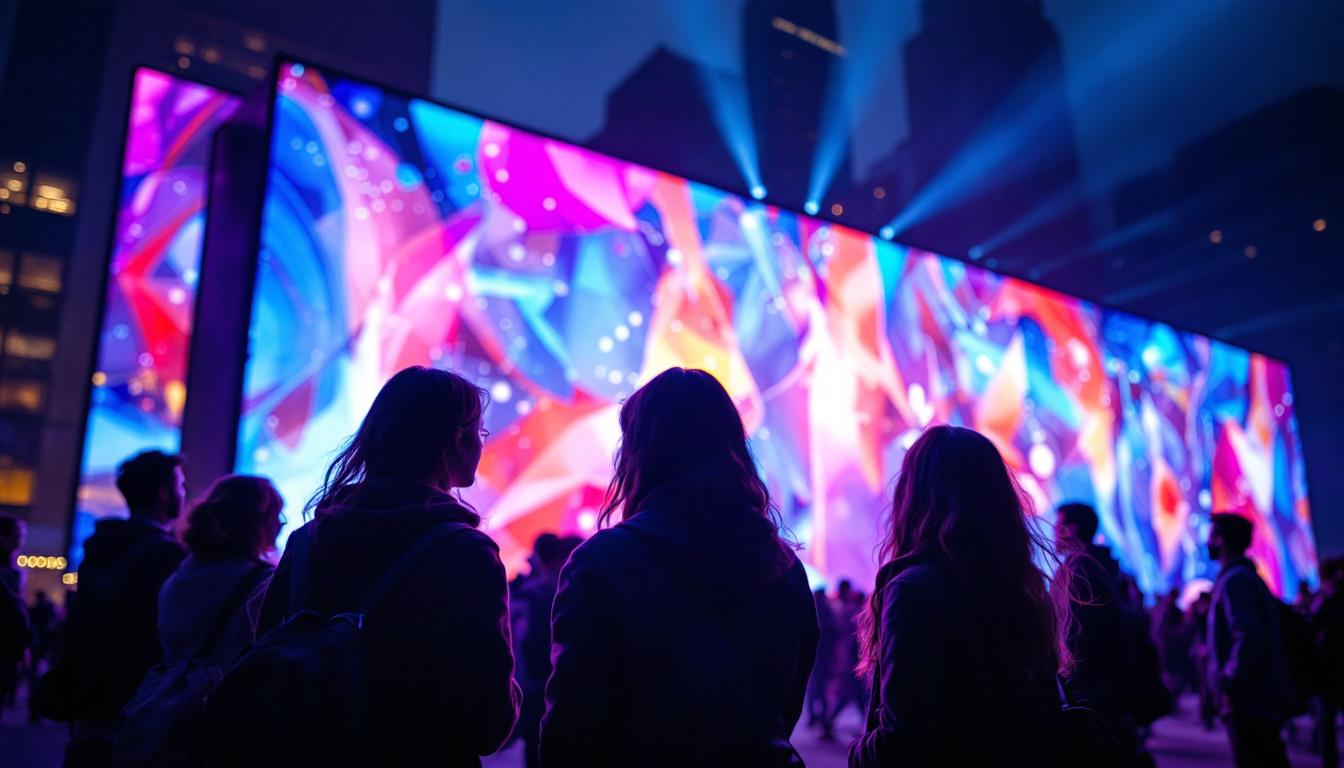
In today’s digital age, LED displays have become an integral part of our visual environment, from advertising billboards to stadium screens and even indoor signage. Understanding how LED displays work and the technology behind them is essential for businesses, event organizers, and tech enthusiasts alike. This article delves into the world of LED displays, explaining the technology, types, applications, and how led players operate these systems to deliver vibrant, high-quality visuals.
What is an LED Display?
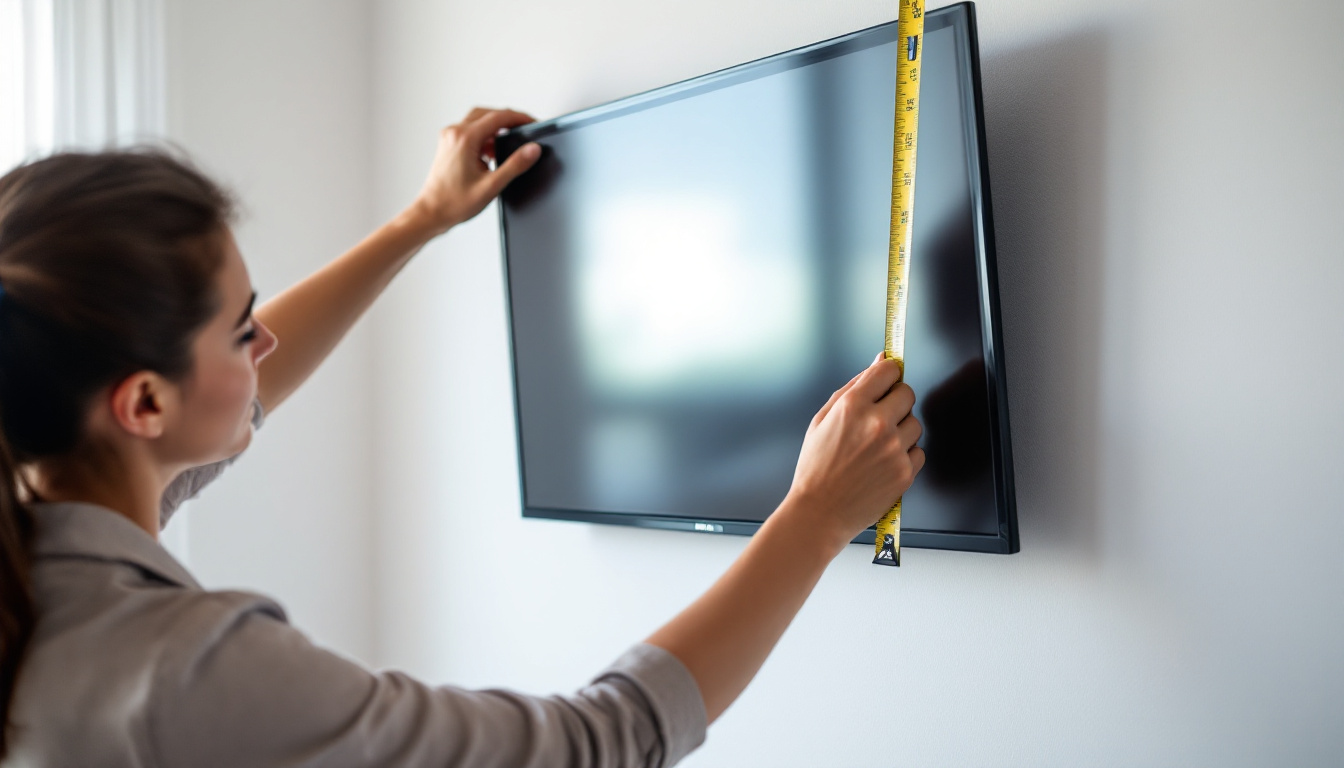
LED stands for Light Emitting Diode, a semiconductor device that emits light when an electric current passes through it. An LED display is a flat panel display that uses an array of LEDs as pixels to create images, videos, or text. Unlike traditional LCD or plasma screens, LED displays rely on these tiny light sources to produce bright, vivid colors and high contrast ratios.
The technology behind LED displays has evolved significantly over the past decade. Modern LED panels can be configured in various sizes and resolutions, making them versatile for both indoor and outdoor use. The brightness of LED displays can reach up to 10,000 nits or more, which is crucial for visibility in direct sunlight, a common requirement for outdoor advertising.
How LEDs Work in Displays
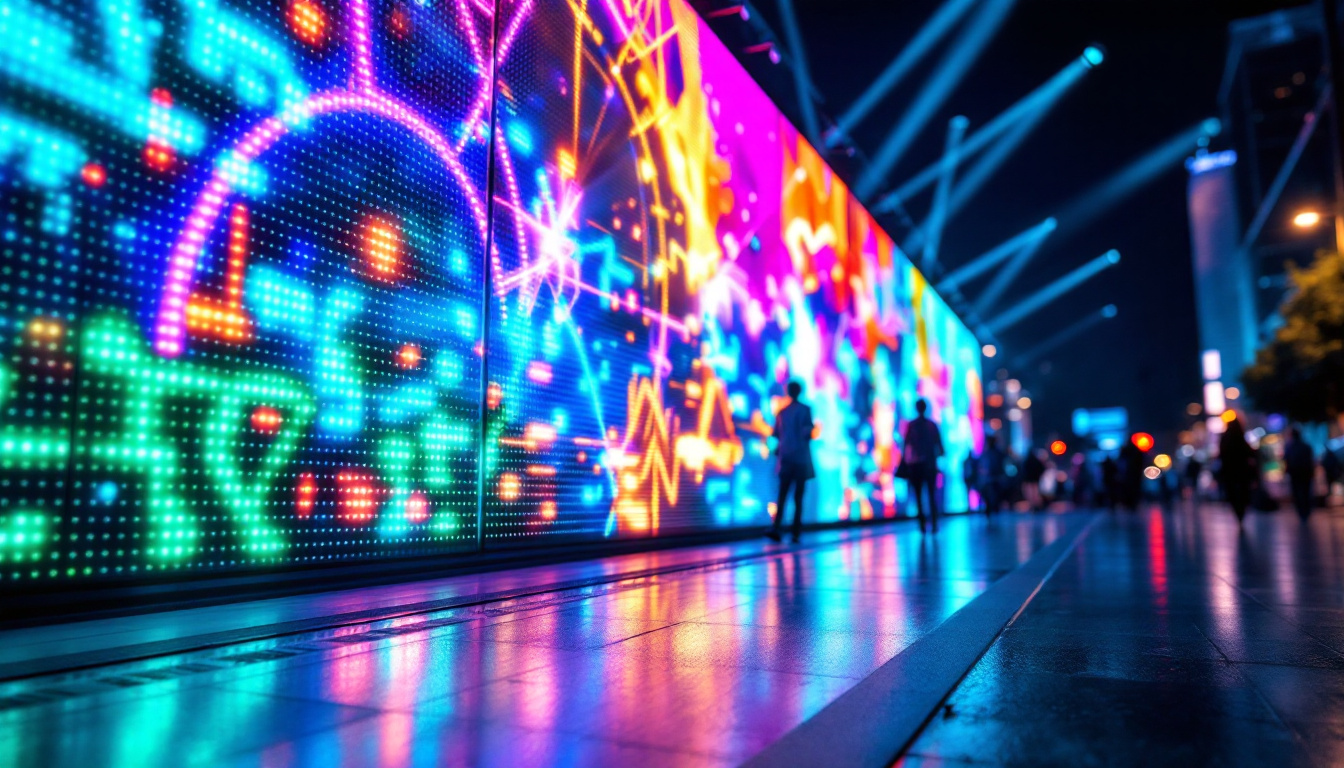
Each LED in a display acts as an individual pixel or part of a pixel. These diodes emit light in red, green, and blue colors, which combine to produce a full spectrum of colors through a process called additive color mixing. By adjusting the intensity of each LED, the display can render millions of colors with precision.
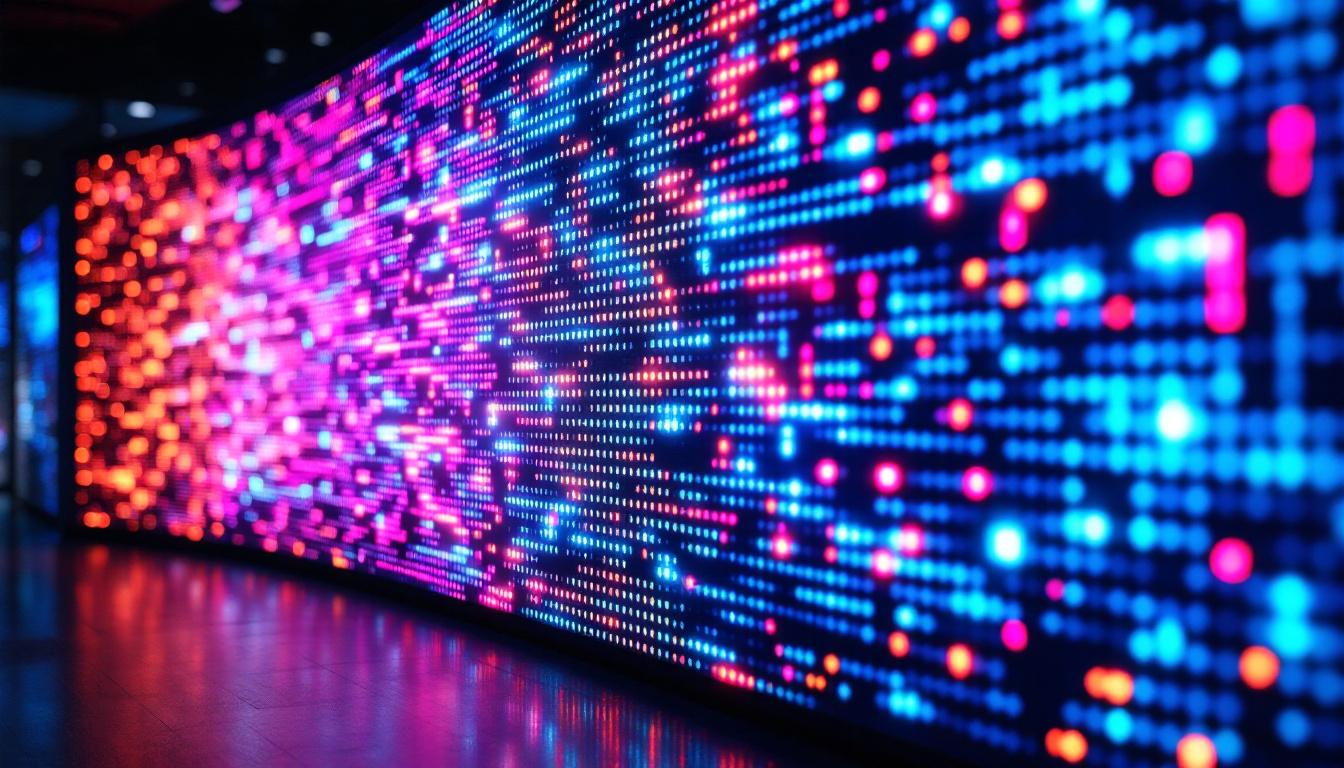
LED displays are typically made up of modules or panels, each containing thousands of LEDs arranged in a grid. These modules are connected and controlled by a central processing unit or led player, which manages the input signals, color calibration, and synchronization to ensure seamless image reproduction.
Types of LED Displays
LED displays come in various types, each designed for specific applications and environments. Understanding these types helps in selecting the right display for your needs.
Indoor LED Displays
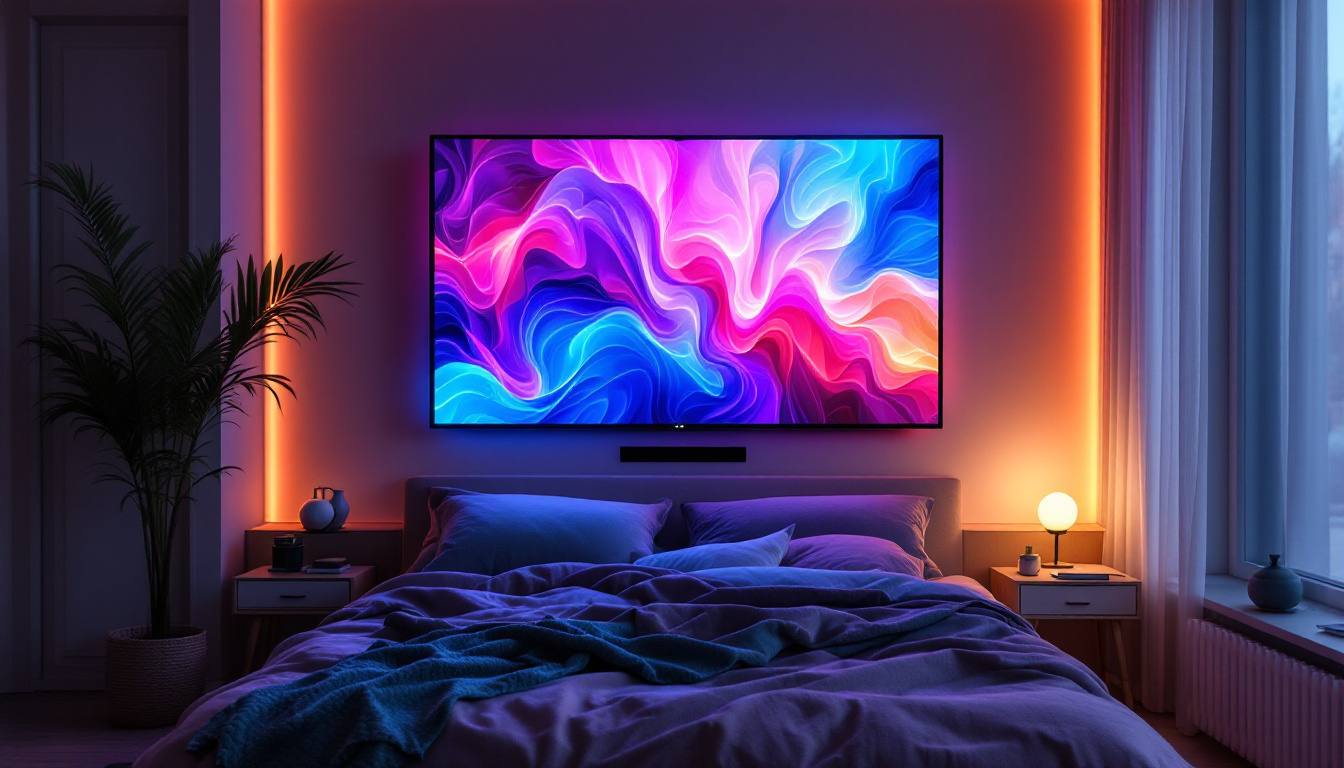
Indoor LED displays are designed for environments with controlled lighting. They usually have a higher pixel density, meaning the LEDs are packed closer together, which results in sharper images and finer details. Typical pixel pitches for indoor displays range from 1.2mm to 4mm.
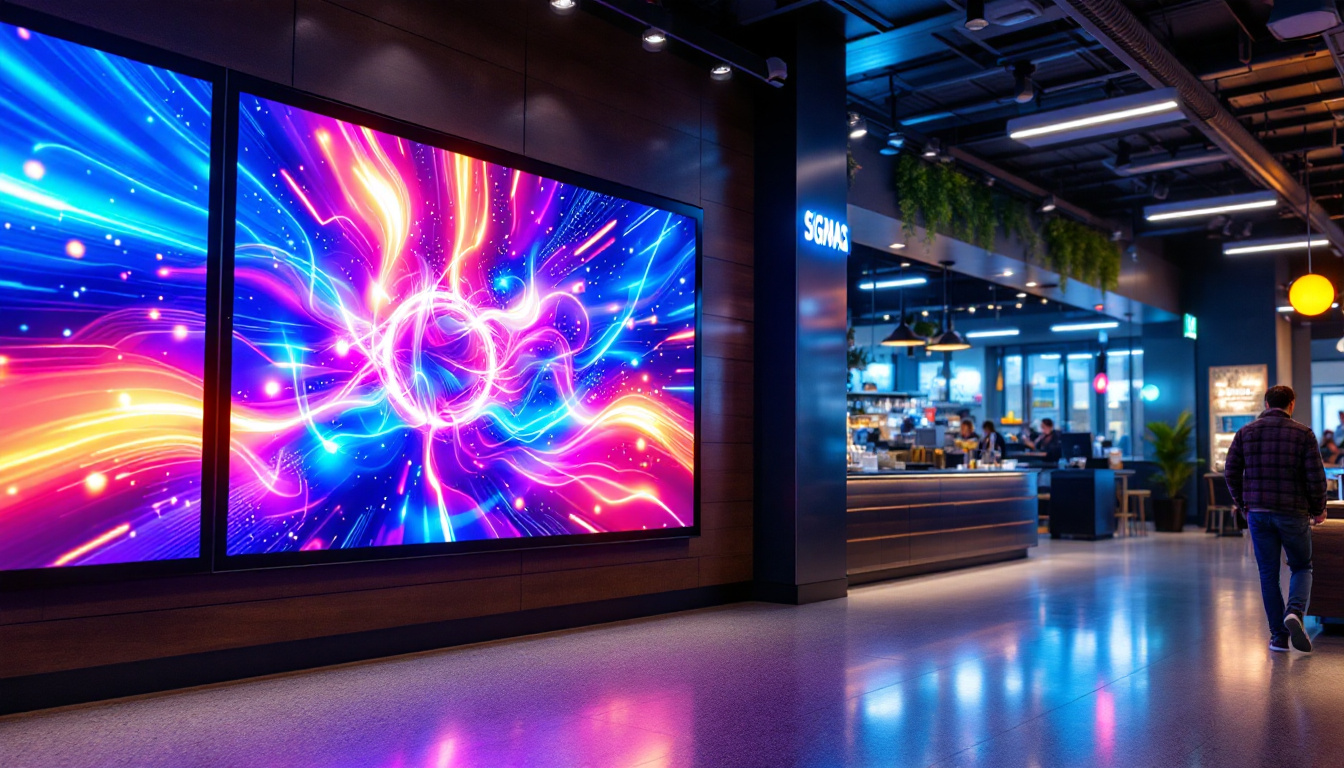
These displays are commonly used in conference rooms, retail stores, airports, and concert venues. Their brightness levels are lower than outdoor displays, usually between 800 to 1500 nits, which is sufficient for indoor lighting conditions.
Outdoor LED Displays
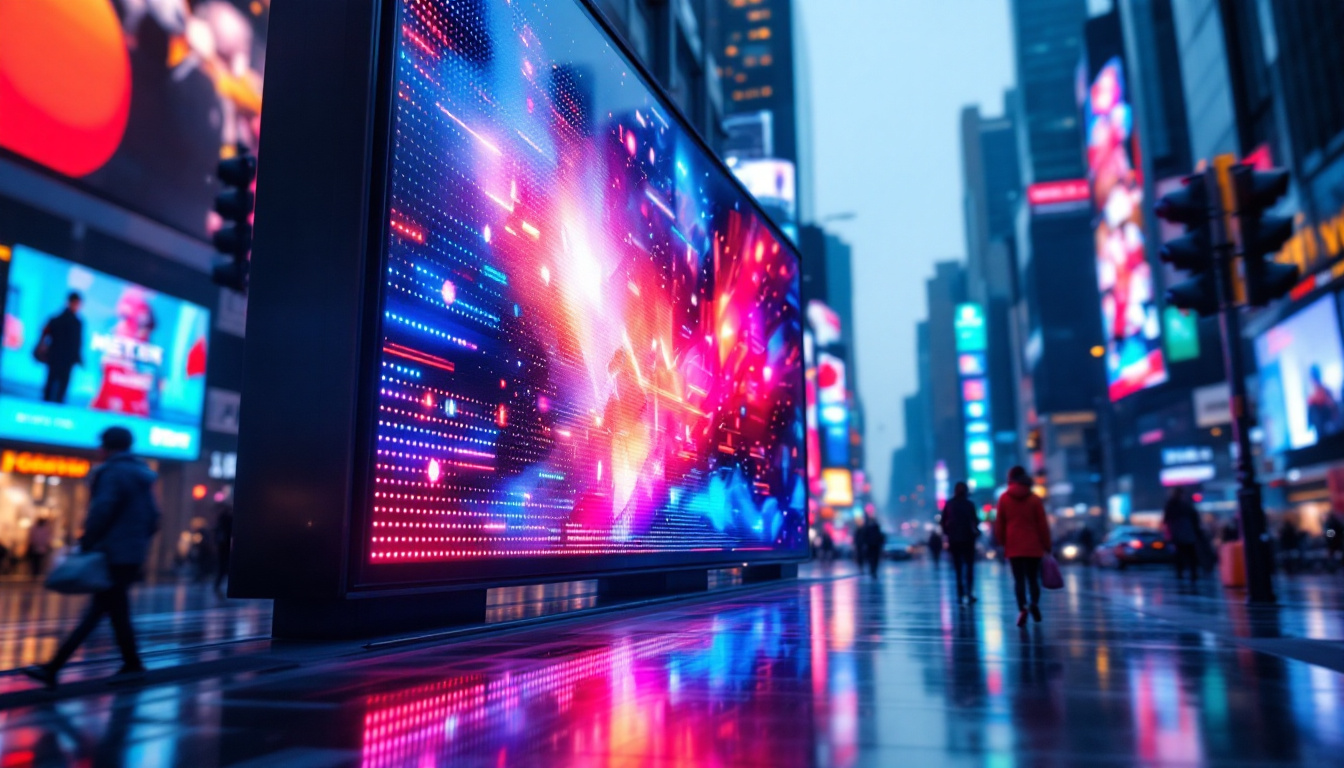
Outdoor LED displays are built to withstand harsh weather conditions such as rain, wind, and extreme temperatures. They have a wider pixel pitch, often between 6mm and 20mm, which allows for larger screen sizes at a lower cost. The brightness levels are significantly higher, typically ranging from 5000 to 10,000 nits, to ensure visibility even in direct sunlight.
These displays are widely used for billboards, sports arenas, transportation hubs, and public information boards. Their robust construction includes waterproof and dustproof features, often rated with IP65 or higher standards.
Flexible and Transparent LED Displays
Recent innovations have introduced flexible and transparent LED displays, expanding the possibilities for creative installations. Flexible LED displays can bend and curve, making them ideal for architectural applications and dynamic stage designs. Transparent LED displays allow light to pass through, enabling their use on glass surfaces without obstructing views.
These cutting-edge displays are gaining popularity in retail, museums, and corporate environments where aesthetics and innovation are key.
Role of a Led Player in LED Display Systems
The term “led player” often refers to the hardware or software component responsible for controlling the LED display. This includes processing video input, managing display settings, and ensuring smooth playback of content.
Hardware Led Players
Hardware led players are dedicated devices designed to interface directly with LED panels. They receive input signals from sources such as computers, media servers, or cameras and convert these signals into formats compatible with the LED modules. These devices often include features like multiple input ports, real-time signal processing, and synchronization capabilities.
For example, a hardware led player used in a large outdoor billboard might accept HDMI or SDI inputs, scale the video to match the resolution of the LED panel, and handle color calibration to ensure consistent image quality.
Software Led Players
Software led players are applications installed on computers or media servers that control the LED display. They offer greater flexibility in content management, allowing users to schedule playlists, add effects, and remotely monitor the display status. These players communicate with the LED controller hardware to deliver the processed video signals.
Many modern LED display setups combine both hardware and software led players to optimize performance and ease of use. This hybrid approach provides reliability through dedicated hardware and versatility through software control.
Applications of LED Displays
LED displays are used across various sectors due to their brightness, durability, and scalability. Below are some of the most common applications where LED displays have made a significant impact.
Advertising and Marketing
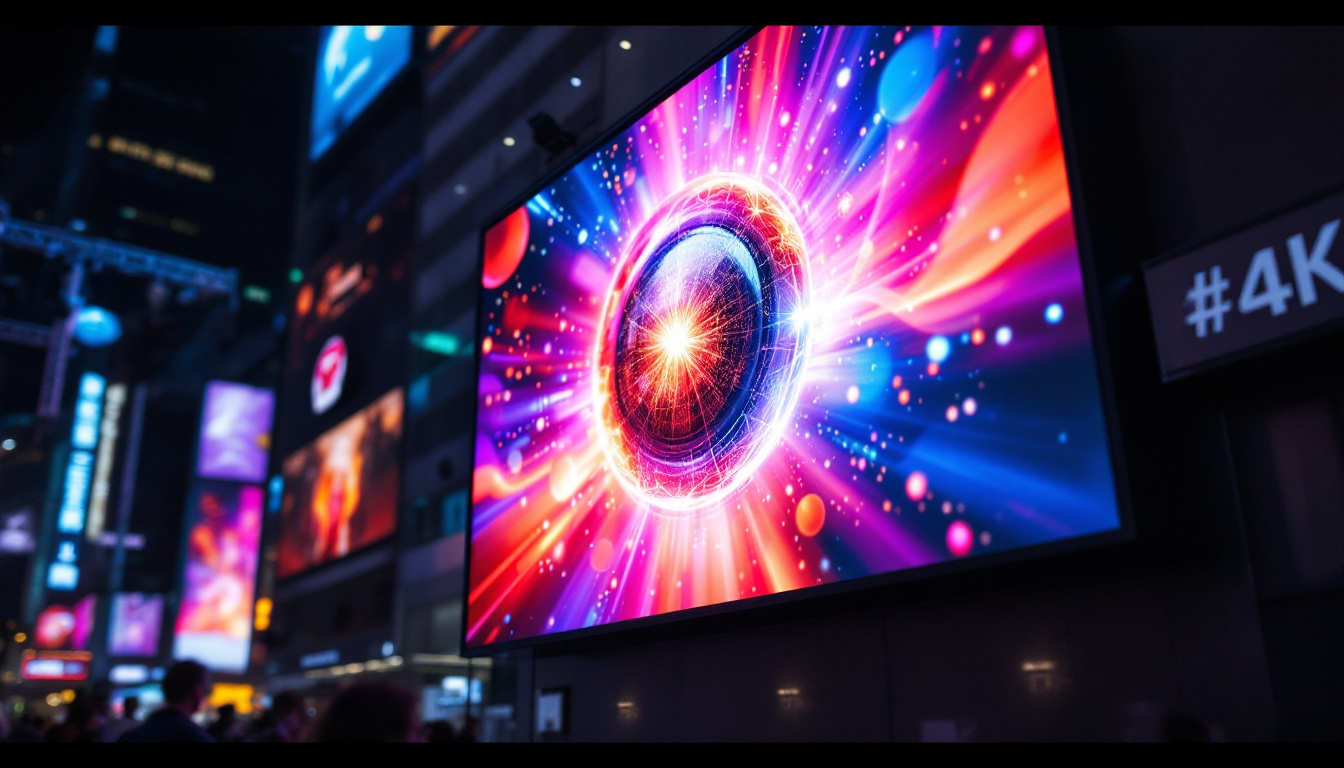
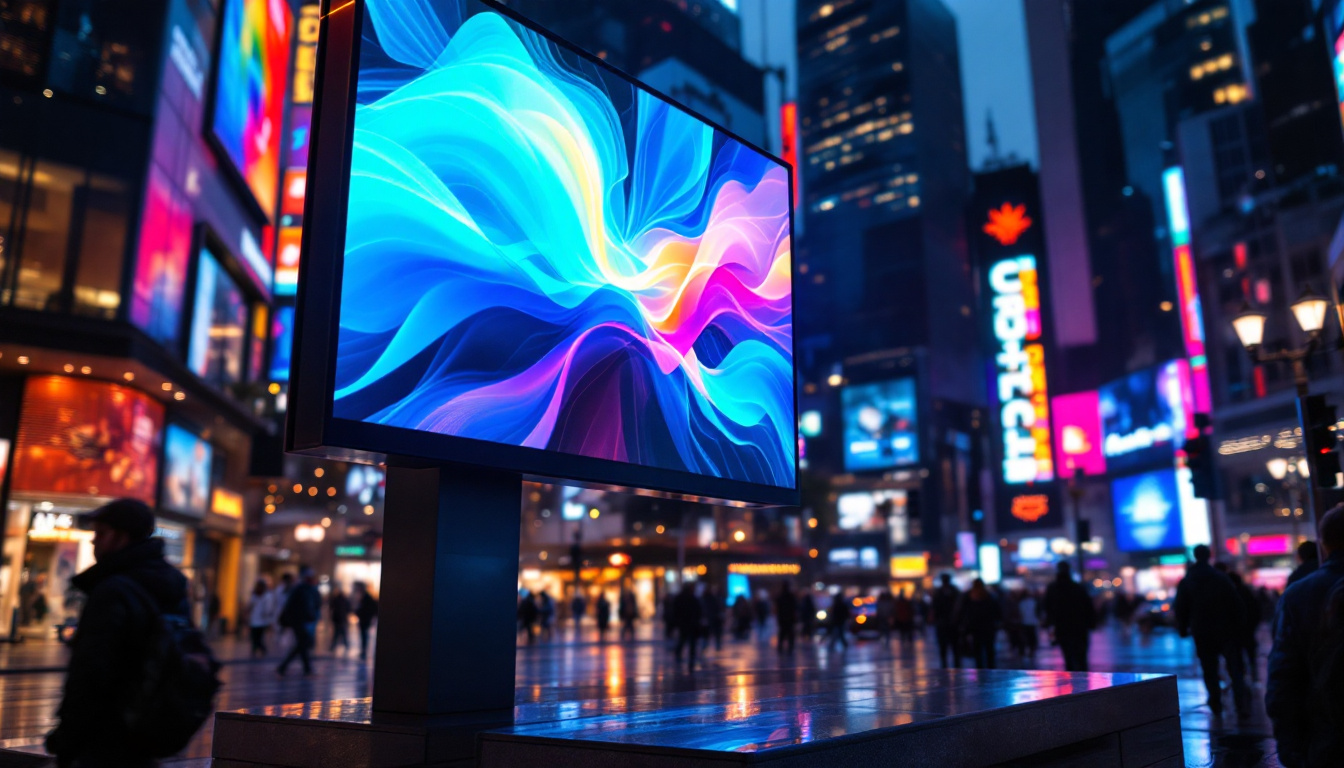
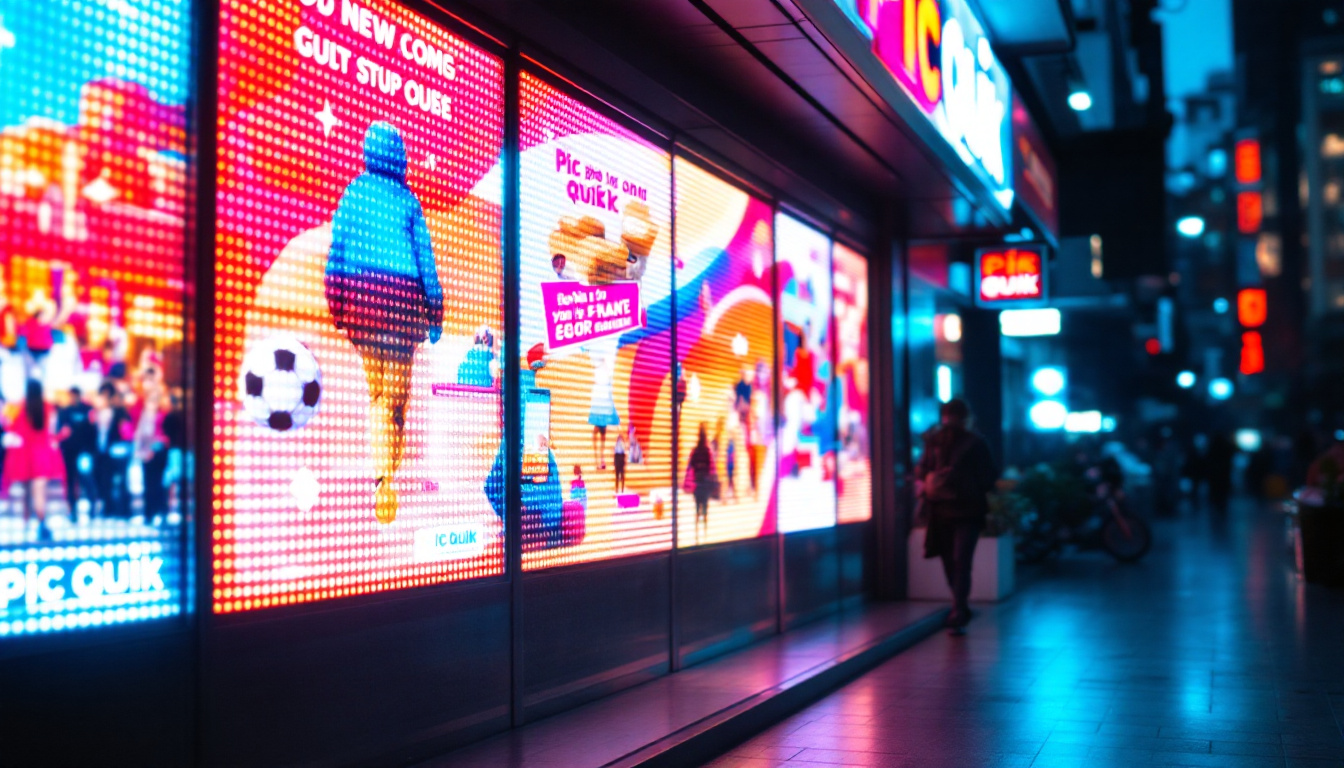
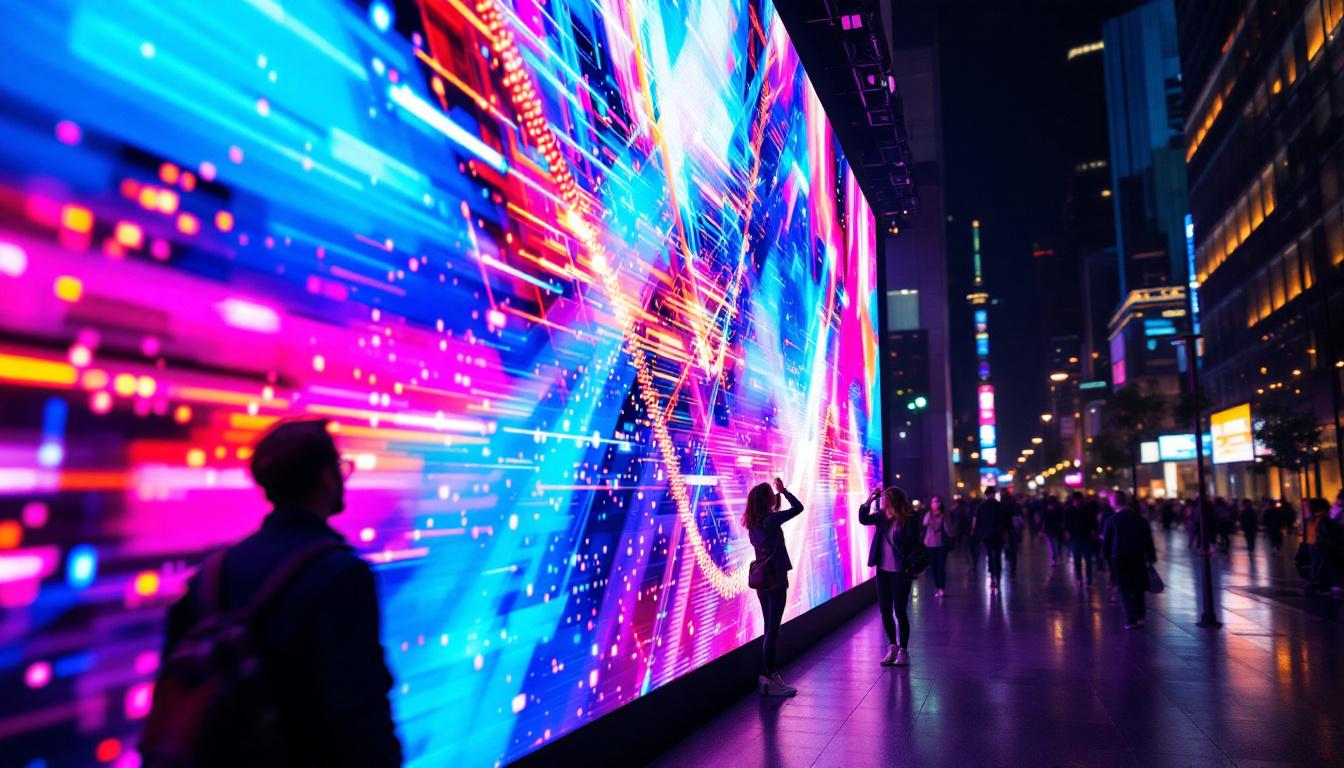
Outdoor LED billboards have revolutionized advertising by offering dynamic, eye-catching content that can be updated instantly. Brands can display multiple ads in rotation, target different audiences at different times, and incorporate real-time data such as weather or social media feeds to enhance engagement.
According to a 2023 study by the Outdoor Advertising Association of America, digital billboards with LED technology have increased viewer recall rates by 47% compared to static billboards, highlighting their effectiveness in capturing attention.
Sports and Entertainment Venues
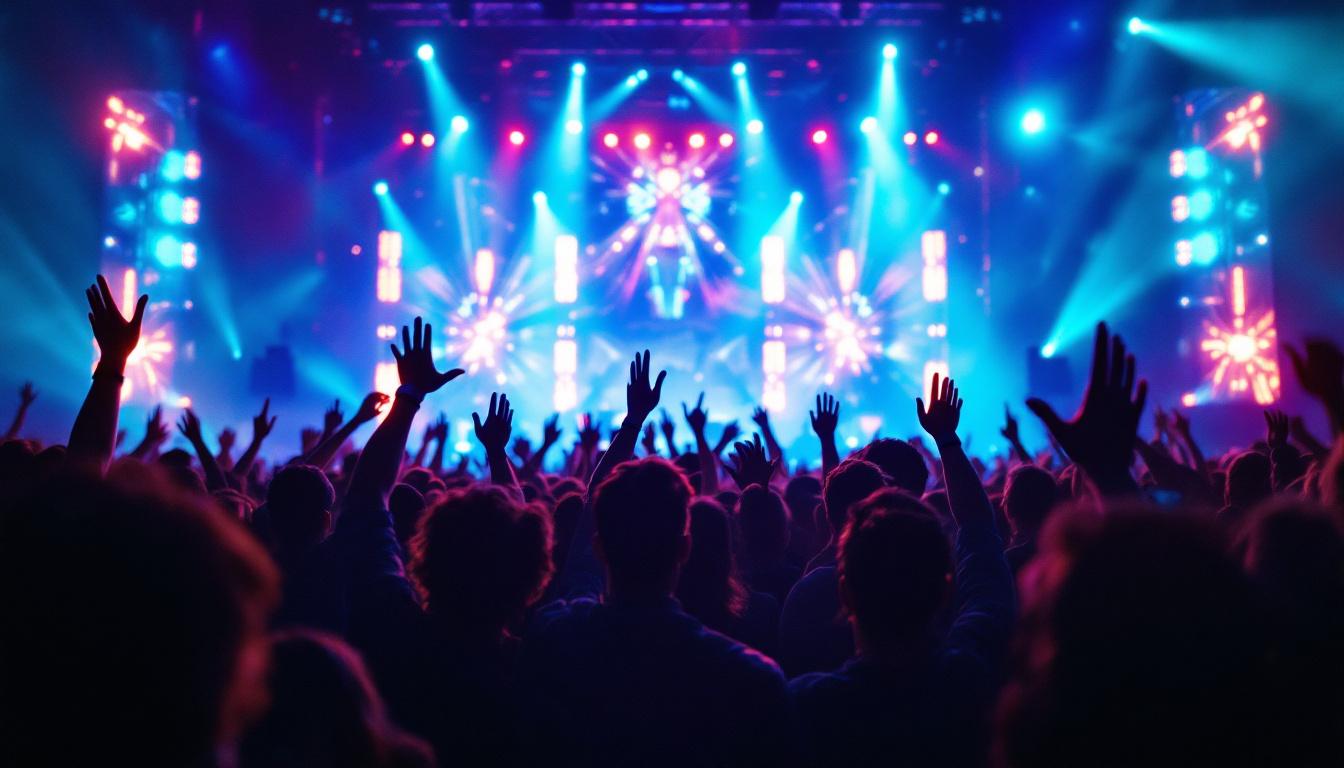
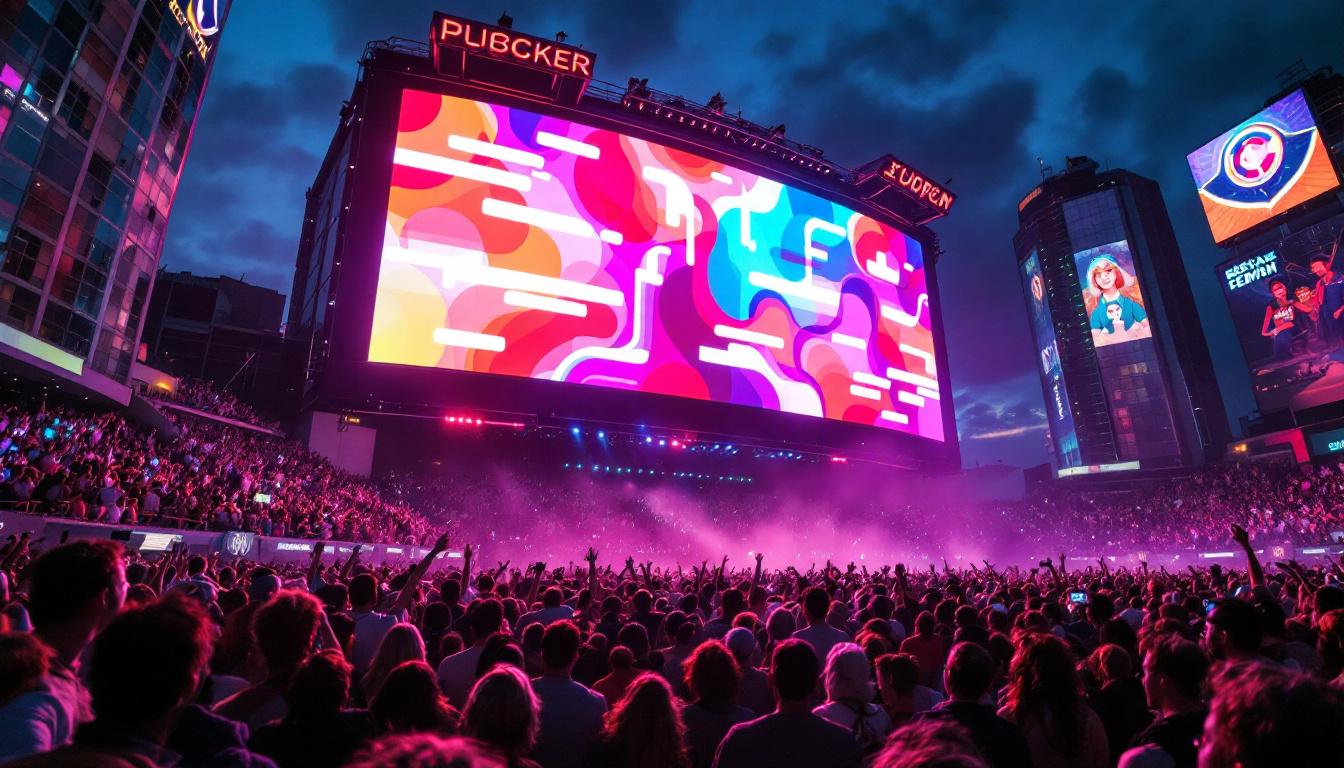
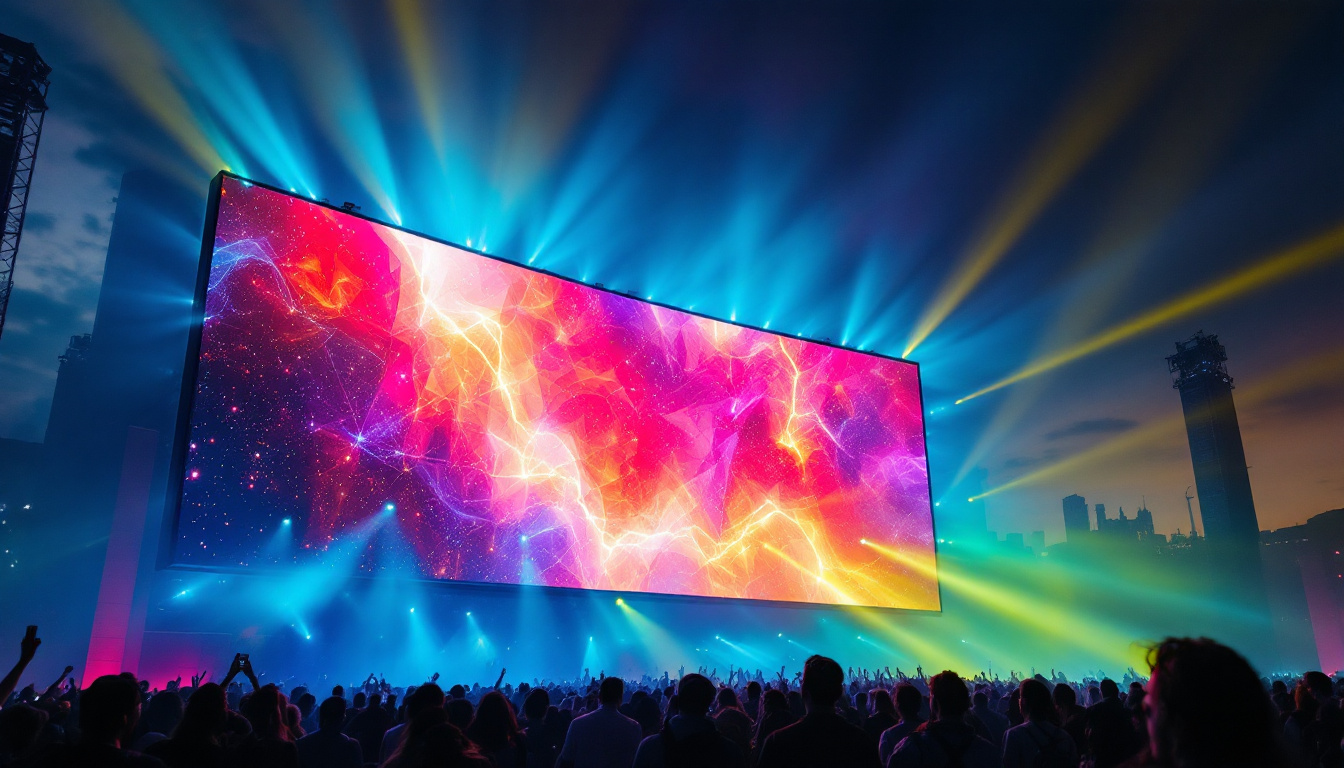
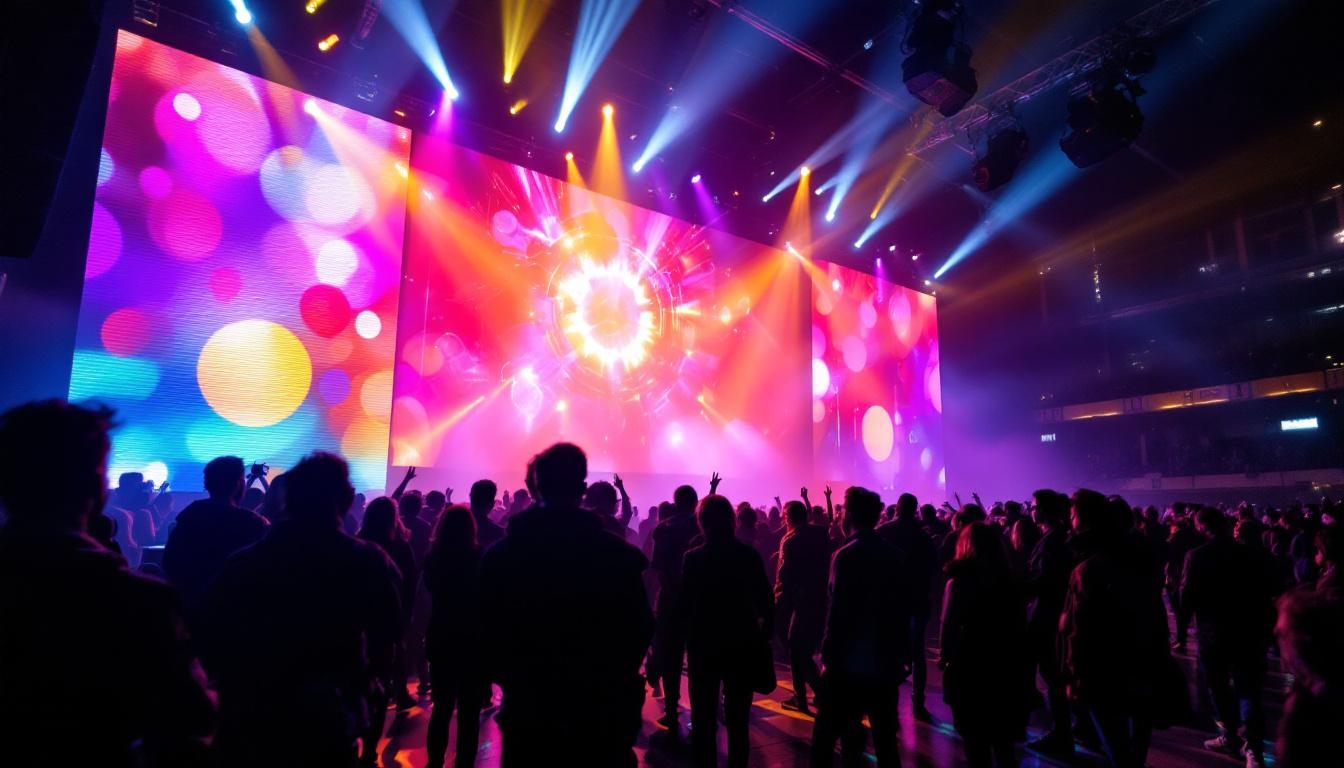
Stadiums and arenas use massive LED screens to enhance the spectator experience. These displays show live game footage, replays, scores, and interactive content. The high brightness and fast refresh rates of LED displays ensure clear visibility even in bright daylight or under stadium lighting.
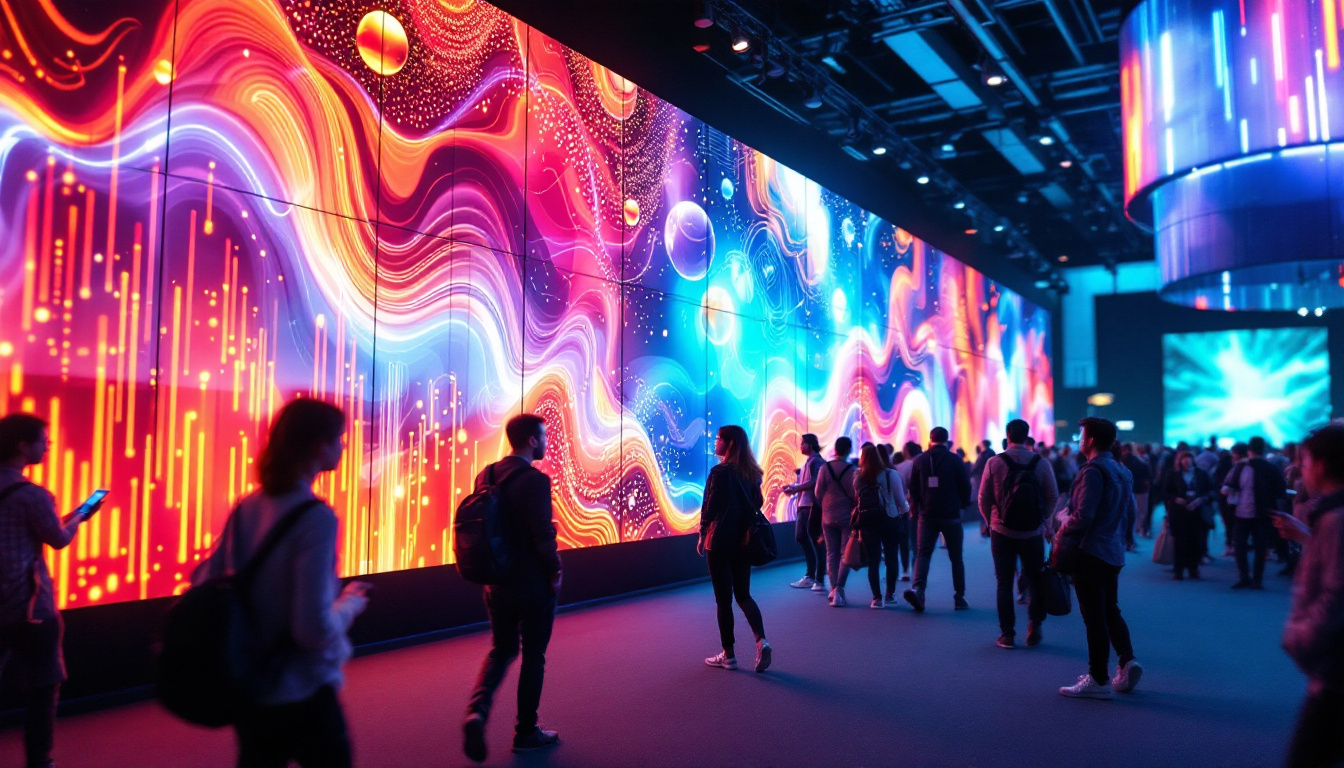
Additionally, concert tours and theatrical productions utilize flexible LED displays for immersive stage designs, creating visually stunning backdrops that can change dynamically throughout the performance.
Corporate and Retail Environments
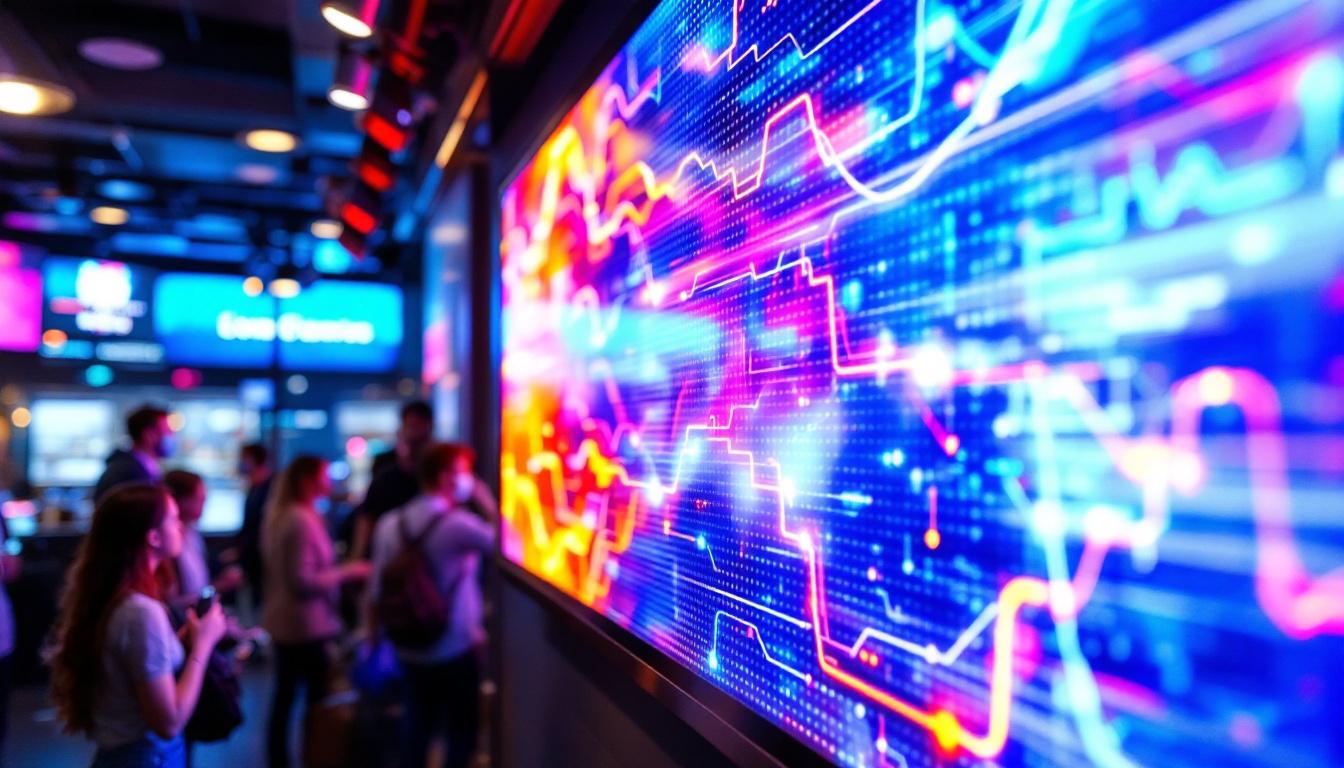
Indoor LED displays are increasingly popular in corporate lobbies, conference rooms, and retail stores. They serve as digital signage for branding, information dissemination, and customer engagement. Retailers use LED displays to showcase promotions, product videos, and interactive content that enhances the shopping experience.
In corporate settings, LED walls facilitate presentations, video conferencing, and digital art installations, contributing to a modern and professional atmosphere.
Transportation and Public Information
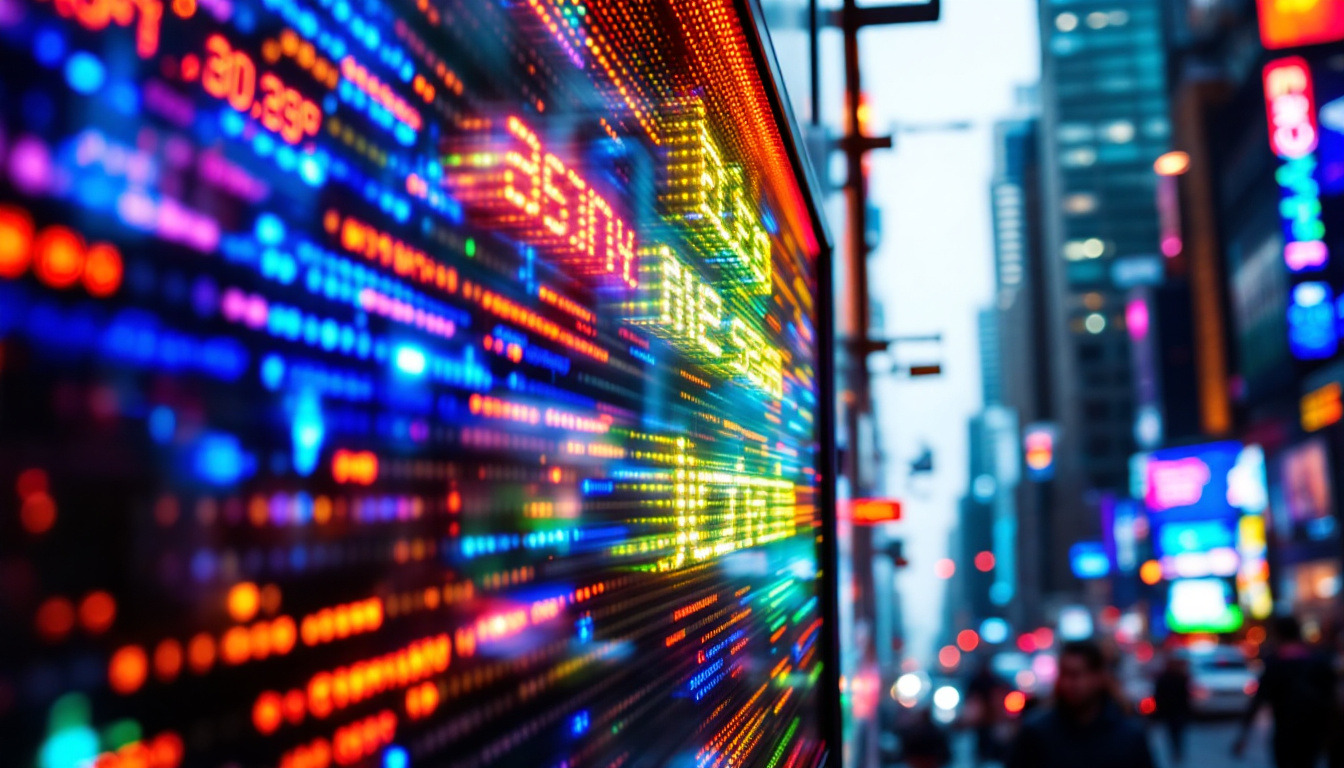
LED displays are widely used in airports, train stations, and bus terminals to provide real-time information such as schedules, delays, and safety announcements. Their high visibility and reliability make them ideal for critical communication in busy public spaces.
Smart city initiatives also leverage LED displays for traffic management, public alerts, and community engagement, integrating them with IoT systems for enhanced functionality.
Key Considerations When Choosing an LED Display
Selecting the right LED display involves evaluating several factors to ensure it meets the specific needs of the application.
Resolution and Pixel Pitch
Pixel pitch, the distance between the centers of adjacent LEDs, directly affects image clarity. Smaller pixel pitches yield higher resolution and are better suited for close viewing distances, typical in indoor environments. Larger pixel pitches are cost-effective for large outdoor displays viewed from afar.
For example, a 2mm pixel pitch indoor display offers crisp visuals for presentations, while a 10mm outdoor display provides excellent visibility for highway billboards.
Brightness and Contrast
Brightness is measured in nits and determines how well the display performs under different lighting conditions. Outdoor displays require higher brightness levels to combat sunlight glare, whereas indoor displays can operate effectively at lower brightness.
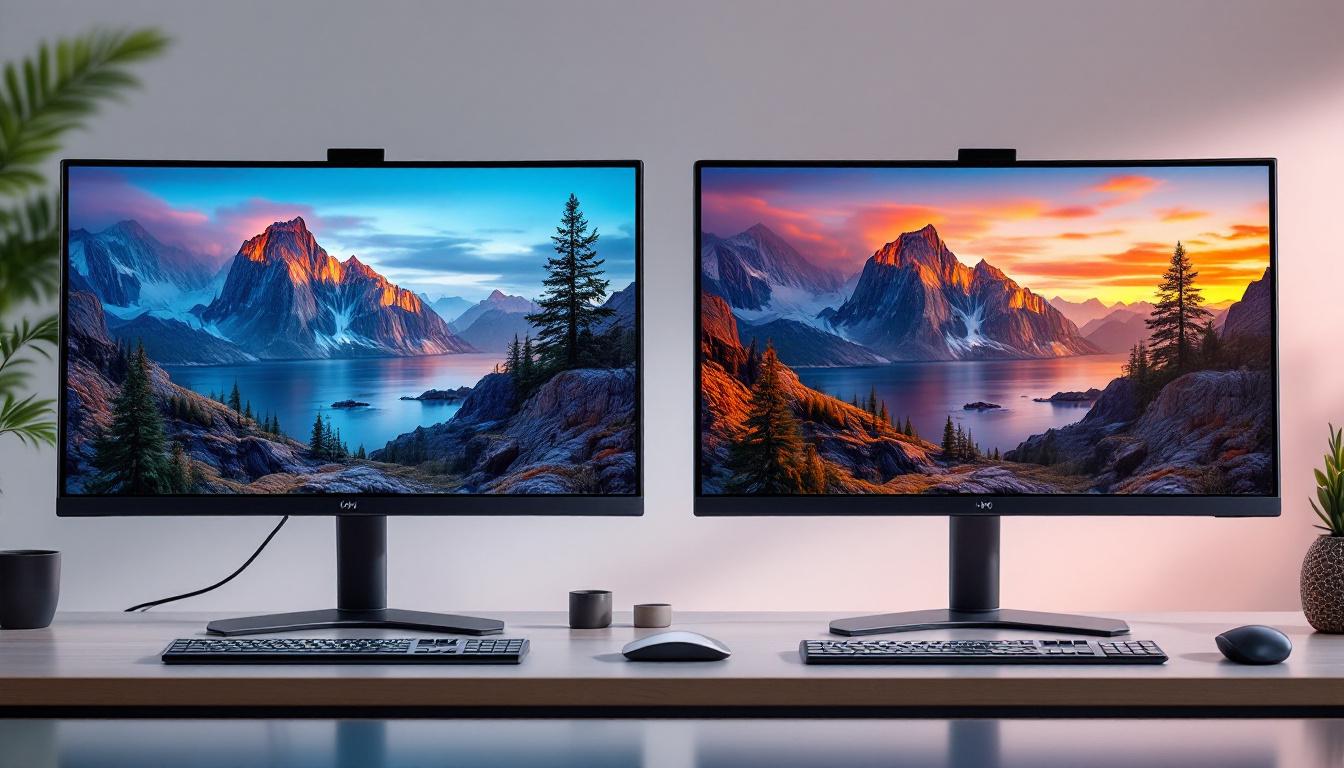
Contrast ratio is equally important for image depth and color richness. High contrast enhances the viewing experience by making images appear more vivid and lifelike.
Durability and Maintenance
Outdoor LED displays must be weatherproof and resistant to dust and moisture. Look for displays with appropriate IP ratings, such as IP65 or higher, indicating protection against water jets and dust ingress.
Maintenance accessibility is another critical factor. Modular designs allow for easy replacement of faulty panels or LEDs, minimizing downtime and repair costs.
Control System and Connectivity
The led player and control system should support the required input formats and offer user-friendly interfaces for content management. Remote monitoring and diagnostics capabilities can help detect issues early and streamline maintenance.
Connectivity options such as Ethernet, Wi-Fi, and USB provide flexibility in installation and operation, especially for networked or distributed display systems.
Future Trends in LED Display Technology
The LED display industry continues to innovate, driven by demand for higher resolution, better energy efficiency, and new form factors.
Mini-LED and Micro-LED Technologies
Mini-LED and Micro-LED represent the next generation of LED technology, featuring significantly smaller diodes that enable ultra-high resolution and improved contrast. Micro-LED displays, in particular, offer the potential for self-emissive pixels with exceptional brightness and color accuracy, rivaling OLED displays without the risk of burn-in.
These technologies are beginning to appear in premium TVs, smartphones, and commercial displays, promising a leap forward in visual quality.
Integration with AI and IoT
Artificial intelligence and Internet of Things (IoT) integration are transforming LED displays into smart devices capable of adaptive content delivery. AI algorithms can analyze audience demographics and behavior to tailor advertising in real time, while IoT connectivity enables synchronization with environmental sensors and other smart infrastructure.
This convergence enhances interactivity and operational efficiency, opening new possibilities for dynamic, context-aware displays.
Sustainability and Energy Efficiency
With growing environmental concerns, manufacturers are focusing on reducing the energy consumption of LED displays. Advances in LED chip design, power management, and cooling systems contribute to greener operation. Additionally, recyclable materials and modular designs support sustainability goals by extending product life cycles and simplifying upgrades.
Conclusion
LED displays have revolutionized the way visual content is presented across industries, offering unparalleled brightness, versatility, and durability. Understanding the technology behind LED displays and the role of led players in managing these systems is crucial for making informed decisions when investing in digital signage solutions.
Whether for advertising, entertainment, corporate communication, or public information, LED displays continue to evolve, driven by technological advancements and creative applications. Staying informed about the latest trends and best practices ensures that users can maximize the impact and longevity of their LED display investments.
Explore Cutting-Edge LED Display Solutions with LumenMatrix
Ready to elevate your visual communication with the latest in LED technology? LumenMatrix is at the forefront of innovation, offering a diverse range of LED display solutions tailored to meet your specific needs. From vibrant Indoor LED Wall Displays to dynamic Outdoor LED Wall Displays, and from mobile Vehicle LED Displays to sleek LED Poster Displays, our products are designed to captivate your audience and amplify your message. Discover how our LED Sports Displays, interactive Floor LED Displays, and Custom LED Displays can transform your space. Experience the future of digital signage with our All-in-One and LED Transparent Displays. Check out LumenMatrix LED Display Solutions today and join the revolution in visual storytelling.