In today’s world of digital screens, terms like LCD and LED are commonly used, yet often misunderstood. Whether you’re shopping for a new TV, monitor, or smartphone, understanding what these acronyms mean and how the technologies differ can help you make informed decisions. This article dives deep into the world of LCD and LED displays, explaining their principles, differences, advantages, and practical applications.
Understanding LCD Technology
What is an LCD?
LCD stands for Liquid Crystal Display. It is a flat-panel display technology that uses liquid crystals combined with a backlight to produce images. Unlike older display technologies like cathode ray tubes (CRT), LCDs are thin, lightweight, and consume less power, making them ideal for modern electronic devices. This efficiency has led to their widespread adoption in televisions, computer monitors, smartphones, and various other digital devices.
Liquid crystals themselves do not emit light. Instead, they manipulate light passing through them by changing their orientation when an electric current is applied. This ability to control light allows LCDs to display images with varying colors and brightness. The innovation behind LCD technology has revolutionized the way we interact with screens, providing sharper images and a more vibrant viewing experience compared to earlier technologies.
How Does an LCD Work?
The basic structure of an LCD consists of several layers: two polarized glass panels, liquid crystal molecules sandwiched between them, and a backlight source. When electricity is applied, the liquid crystals align in such a way that they either block or allow light to pass through specific areas, creating images pixel by pixel. This pixel-based approach enables high-resolution displays, which are essential for detailed graphics and text rendering.
Color filters are used to generate red, green, and blue subpixels, which combine to form the full spectrum of colors seen on the screen. The backlight, typically a cold cathode fluorescent lamp (CCFL) or an LED panel, provides the necessary illumination since the liquid crystals themselves do not emit light. The evolution of backlighting technology, particularly the shift from CCFL to LED, has not only improved energy efficiency but also enhanced color accuracy and contrast ratios, allowing for deeper blacks and brighter whites. Furthermore, advancements in LCD technology have led to the development of variations such as IPS (In-Plane Switching) and TN (Twisted Nematic) panels, each offering distinct advantages in terms of viewing angles and response times, catering to different user needs and preferences.
What is an LED Display?
LED as a Backlight Source
When people refer to LED displays, they often mean LCD screens that use LED (Light Emitting Diode) backlighting instead of traditional CCFL backlights. This distinction is crucial because the core display technology remains LCD, but the light source differs.
LED backlighting offers several advantages over CCFL, including higher energy efficiency, longer lifespan, thinner panels, and better color accuracy. The transition from CCFL to LED backlighting has been a significant milestone in display technology evolution. Moreover, LED backlighting can be implemented in various configurations, such as edge-lit or full-array, each providing different benefits in terms of brightness and uniformity. Edge-lit displays are typically slimmer and more lightweight, making them ideal for modern aesthetics, while full-array backlighting allows for localized dimming, enhancing the overall picture quality by improving contrast in darker scenes.
True LED Displays
It’s important to note that there are also “true” LED displays, which differ fundamentally from LCDs. These displays use arrays of tiny LEDs as individual pixels, emitting their own light without the need for a backlight. Examples include OLED (Organic LED) and microLED displays.
True LED displays provide superior contrast ratios and deeper blacks because each pixel can be turned off completely. This capability is something LCDs with LED backlighting cannot fully achieve due to the backlight’s constant illumination. Additionally, true LED technology allows for a wider color gamut, meaning that these displays can reproduce a broader range of colors, leading to more vibrant and lifelike images. The flexibility of OLED technology also enables manufacturers to create curved and flexible screens, opening up new possibilities for design and application in various industries, from smartphones to large-scale digital signage. As the technology continues to evolve, advancements in microLED are promising even greater efficiency and performance, potentially revolutionizing the way we interact with visual media.
Comparing LCD and LED Displays
Image Quality and Brightness
LCDs with LED backlighting generally offer brighter images and better color reproduction than older CCFL-backlit LCDs. LED backlights can be arranged as edge-lit or full-array, with the latter supporting local dimming to improve contrast.
However, true LED displays like OLED surpass LCDs in image quality. OLEDs provide perfect black levels and wider viewing angles because each pixel emits light independently. LCDs often struggle with light bleed and limited viewing angles due to their reliance on backlighting and liquid crystal alignment. This limitation means that when viewed from an angle, colors can appear washed out or distorted, which is particularly noticeable in larger screens. In contrast, OLED displays maintain color fidelity and vibrancy from virtually any angle, making them ideal for shared viewing experiences, such as movie nights or gaming sessions with friends.
Energy Efficiency
LED-backlit LCDs are more energy-efficient than CCFL-backlit models, consuming up to 40% less power in some cases. This efficiency translates into longer battery life for portable devices and reduced electricity costs for larger screens.
True LED displays, especially OLEDs, can be even more efficient when displaying darker images since pixels can be turned off completely. However, displaying bright white or colorful images may consume comparable or slightly more power than LCDs. The energy efficiency of these technologies is becoming increasingly important as consumers become more environmentally conscious. Innovations in display technology are also leading to the development of screens that not only consume less power but also use sustainable materials in their production. As manufacturers strive to meet eco-friendly standards, the future of display technology may see a significant shift towards greener alternatives.
Cost and Availability
LCDs with LED backlighting dominate the market due to their balance of performance and affordability. They are widely available in TVs, monitors, laptops, smartphones, and digital signage.
True LED displays like OLEDs are generally more expensive to produce and purchase, though prices have been decreasing steadily. MicroLED technology, promising the best of both worlds, is still emerging and currently limited to high-end applications. This technology offers the potential for even greater brightness and color accuracy, while also being more durable than OLEDs, which can suffer from burn-in issues. As production techniques improve and economies of scale are realized, we may soon see MicroLED displays becoming more accessible to the average consumer, potentially revolutionizing the market once again. The competition between these technologies continues to drive innovation, ensuring that consumers have access to ever-improving display options in the years to come.
Applications of LCD and LED Displays
Consumer Electronics
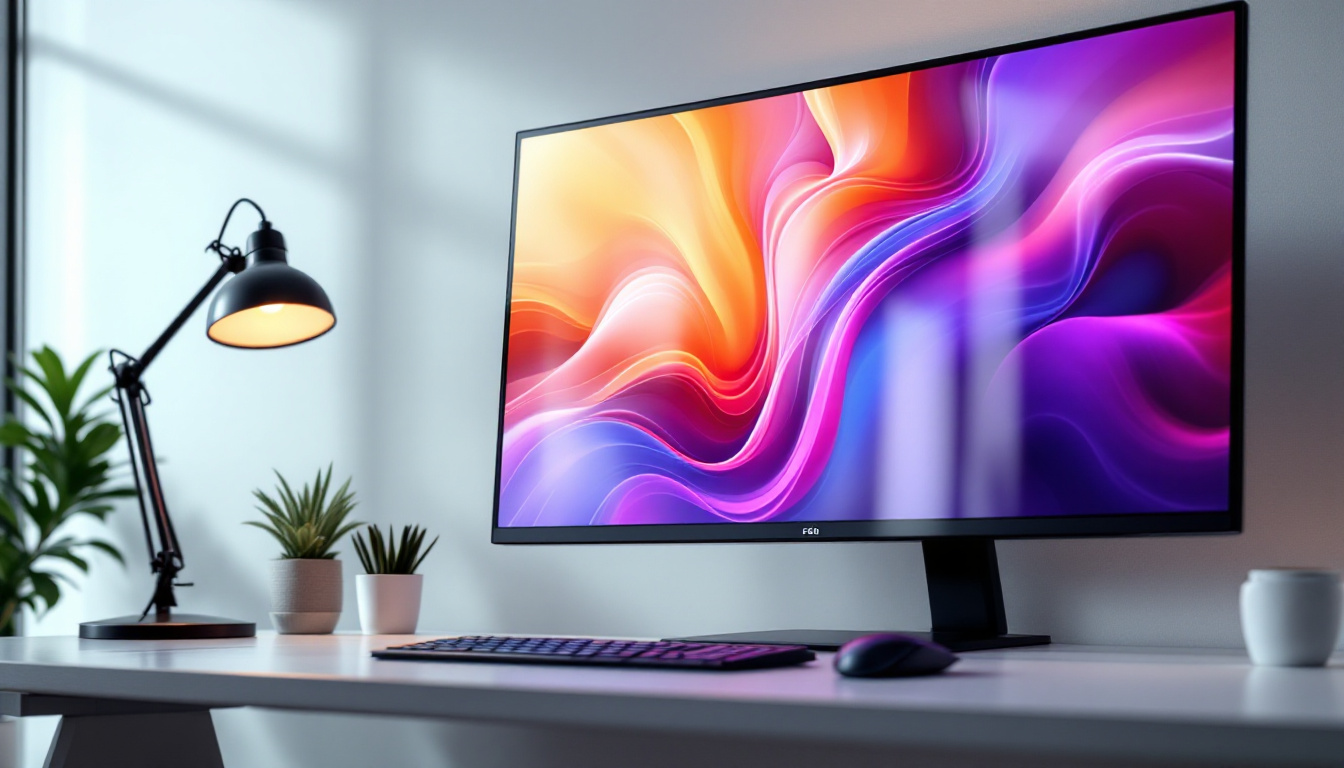
LCDs with LED backlighting are the standard in most consumer electronics, including televisions, computer monitors, smartphones, tablets, and laptops. Their thin form factor, energy efficiency, and decent image quality make them suitable for everyday use. The advancements in LCD technology have also led to improvements in viewing angles and color reproduction, allowing users to enjoy a more immersive experience whether they are watching a movie or playing video games. Furthermore, with the rise of smart devices, the integration of touch-sensitive LCD screens has transformed user interaction, making it more intuitive and engaging.
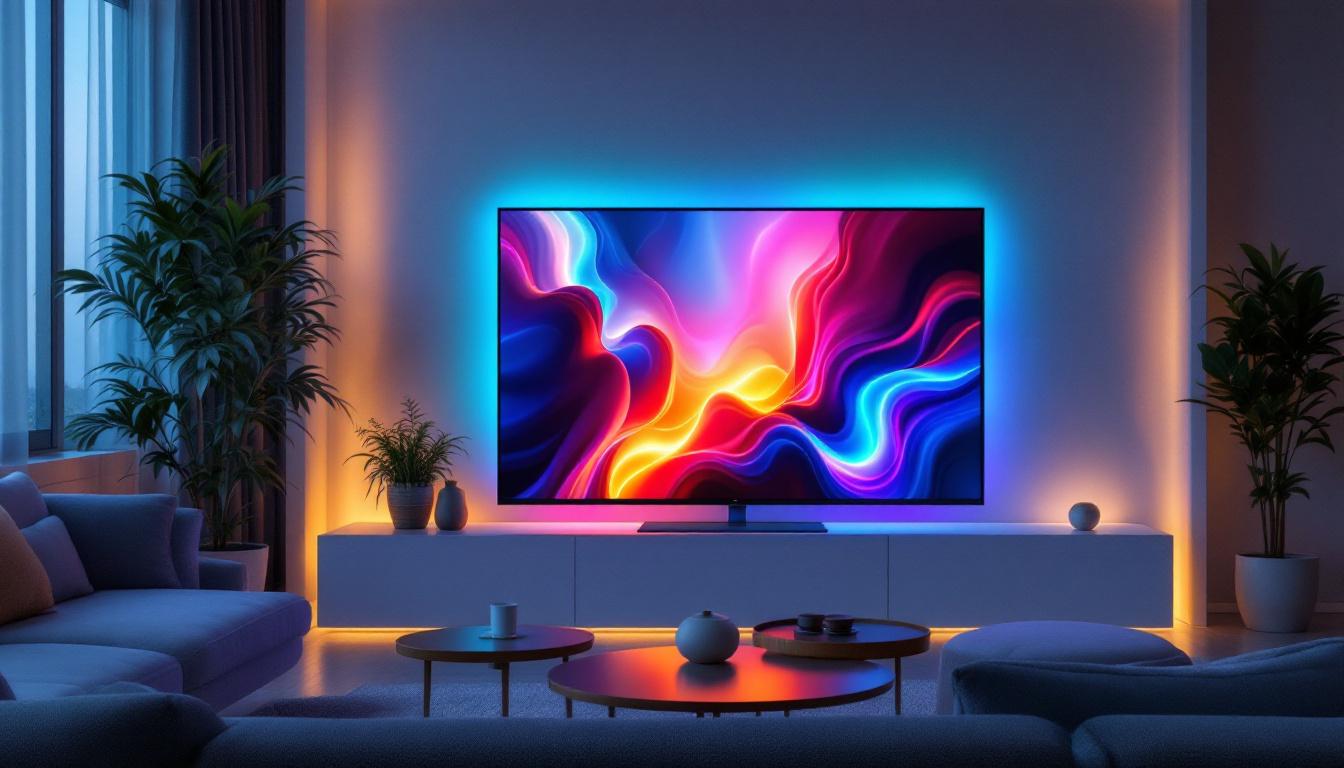
High-end smartphones and premium TVs increasingly use OLED displays for their superior contrast and color performance, appealing to users who prioritize image quality. OLED technology allows for true blacks and vibrant colors, enhancing the visual experience significantly. As a result, content creators and consumers alike are drawn to devices that utilize this technology, leading to a surge in demand for OLED screens in both mobile devices and home entertainment systems. Additionally, the flexibility of OLED panels has opened up new possibilities in design, enabling curved and foldable screens that cater to innovative product concepts.
Commercial and Industrial Uses
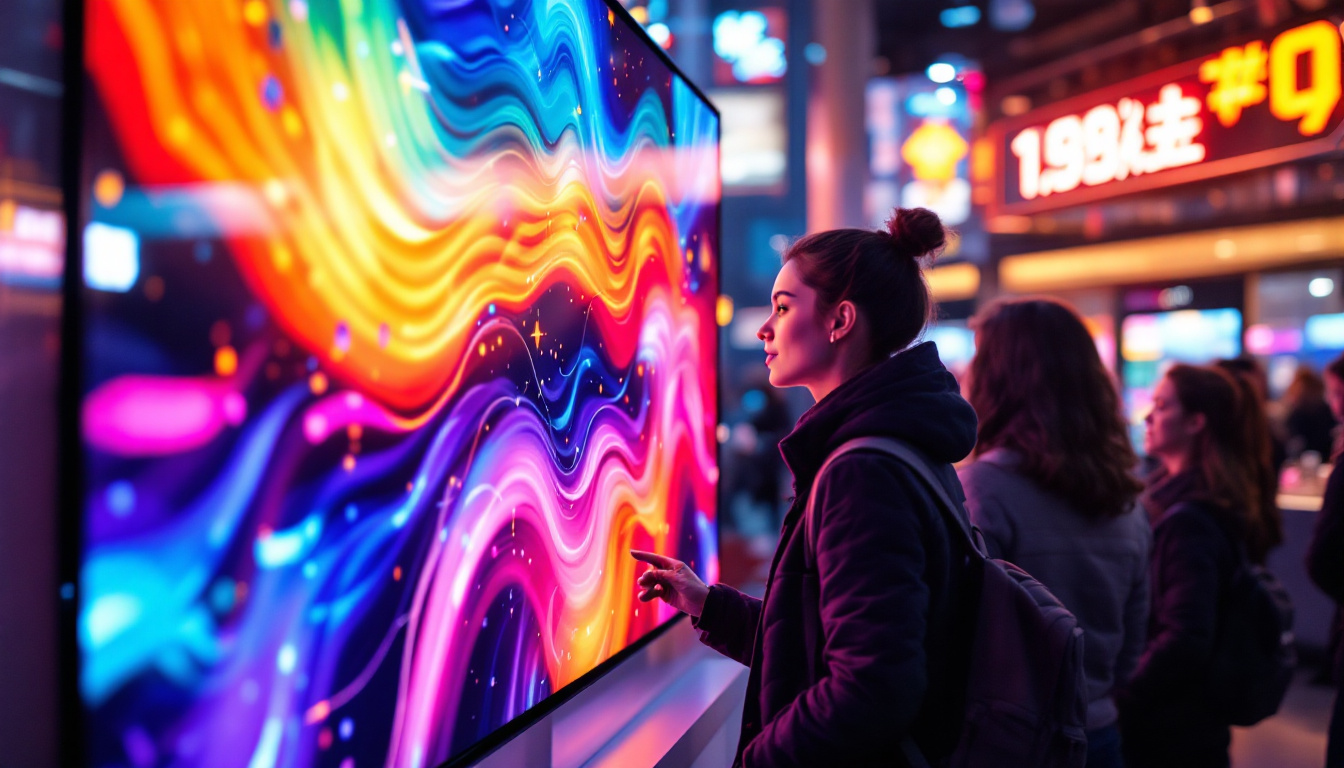
In commercial settings, LCDs with LED backlighting are common in digital signage, point-of-sale terminals, and control room displays. Their reliability and cost-effectiveness make them ideal for continuous operation environments. Businesses leverage these displays to communicate information effectively, whether it’s advertising promotions in retail spaces or displaying critical data in monitoring stations. The ability to update content remotely and in real-time further enhances their utility, allowing for dynamic messaging that can adapt to changing circumstances or audiences.
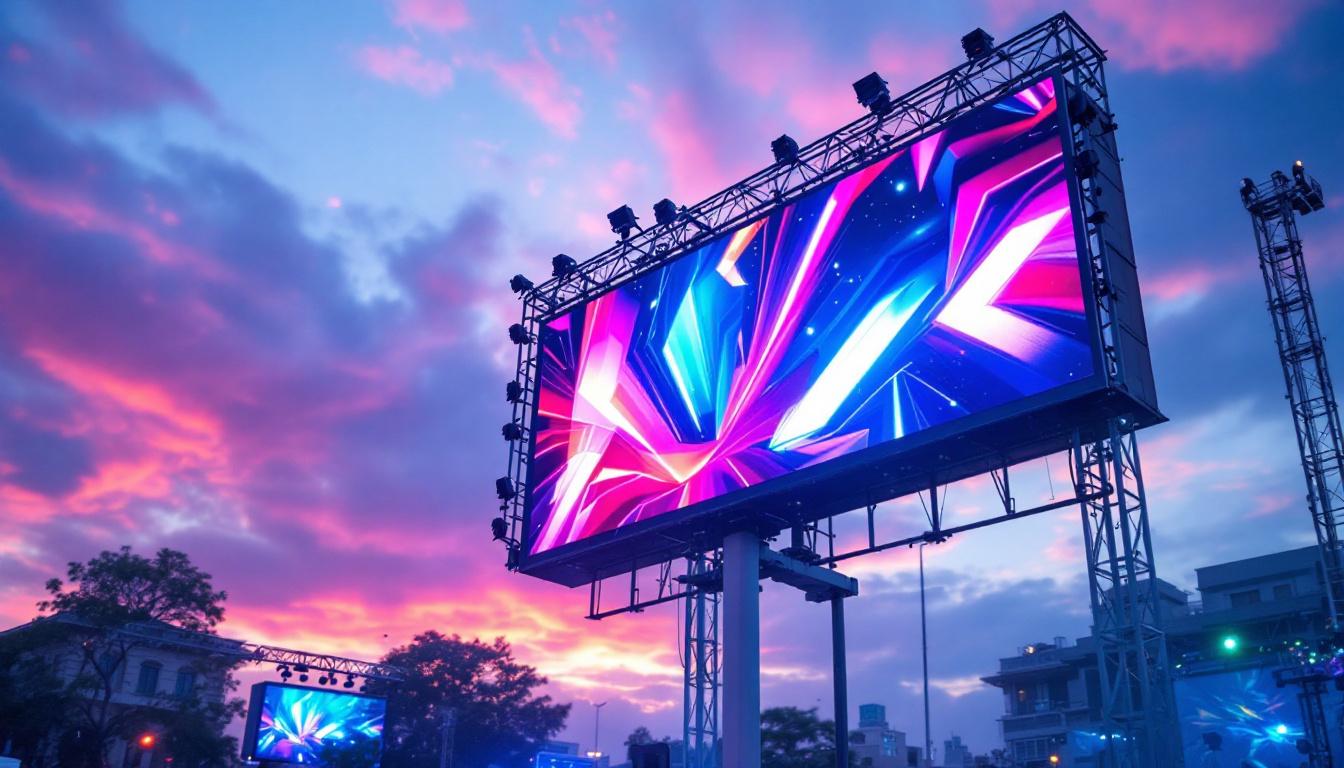
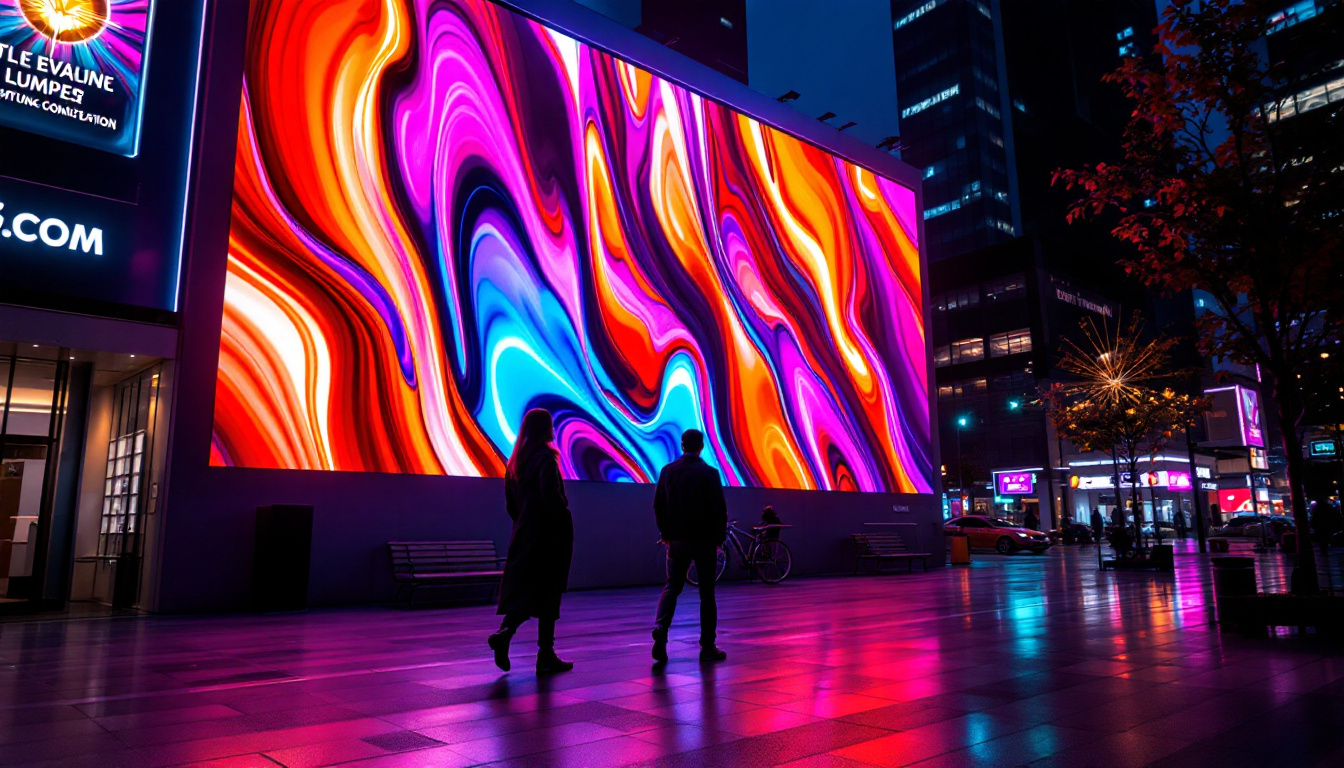
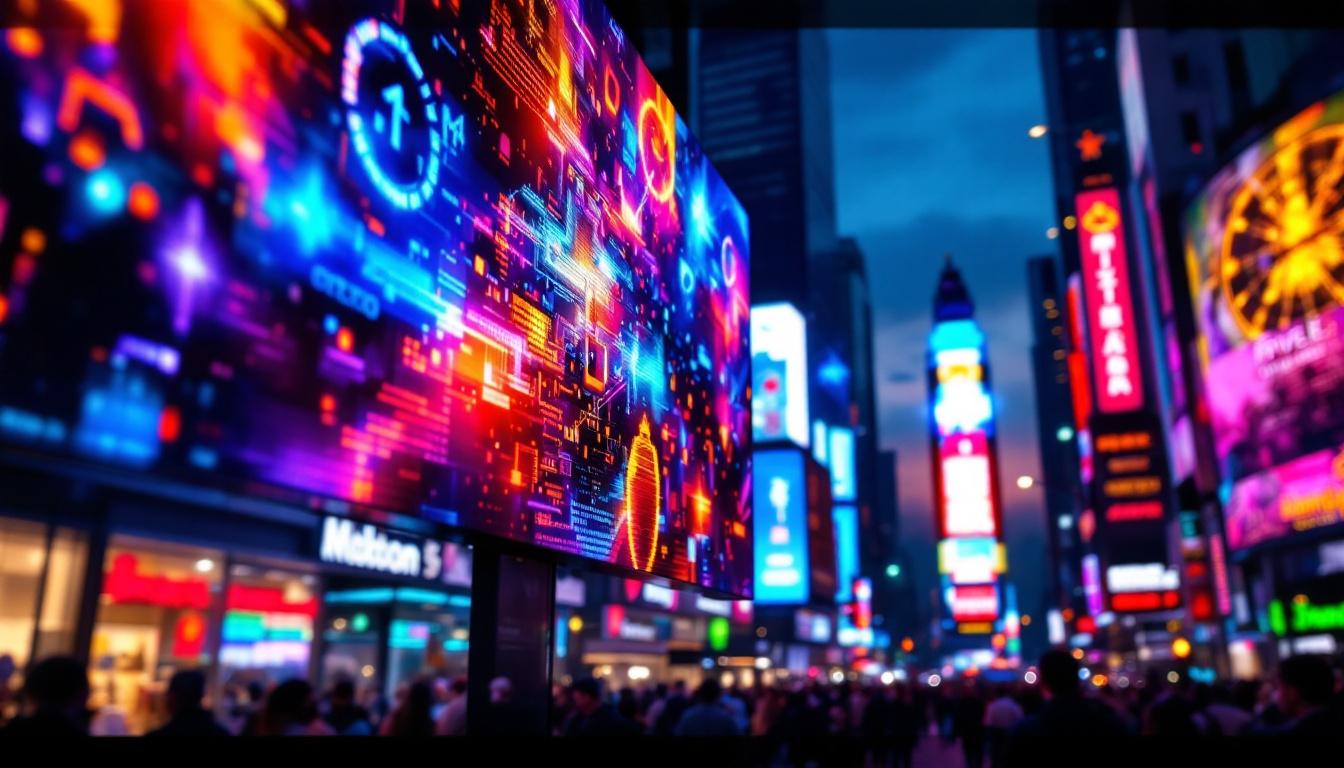
True LED displays, including large LED video walls, are frequently used in stadiums, concerts, and outdoor advertising due to their brightness and scalability. These displays can deliver stunning visuals even in broad daylight, making them perfect for high-visibility applications. The modular nature of LED technology allows for the creation of massive screens that can be tailored to fit various environments, from sports arenas to public squares. Additionally, the durability of LED displays makes them suitable for outdoor use, where they can withstand harsh weather conditions while maintaining optimal performance. As technology continues to evolve, we can expect to see even more innovative applications of LED displays, including augmented reality experiences and interactive installations that engage audiences in new ways.
Future Trends in Display Technology
Advancements in LED and LCD Technologies
Manufacturers continue to improve LCD technology by enhancing backlighting methods, such as mini-LED and quantum dot technology, which boost brightness, color accuracy, and contrast. Mini-LED backlighting uses thousands of tiny LEDs to provide precise local dimming, narrowing the performance gap with OLEDs.
Quantum dots are semiconductor nanocrystals that emit pure colors when illuminated by the LED backlight, resulting in richer and more accurate color reproduction.
The Rise of MicroLED and Beyond
MicroLED is an emerging technology that uses microscopic LEDs as individual pixels, combining the best features of LCD and OLED displays: high brightness, excellent contrast, energy efficiency, and long lifespan. Although still expensive and complex to manufacture, microLED holds promise for future displays in TVs, wearables, and augmented reality devices.
Other innovations, such as flexible and transparent displays, are also on the horizon, driven by advances in LED and LCD materials and manufacturing techniques.
Conclusion
Understanding the difference between LCD and LED displays is essential for consumers and professionals alike, especially given the rapid evolution of display technologies. While LCD refers to the core technology using liquid crystals to modulate light, LED often describes the backlighting method or, in some cases, a self-emitting pixel technology.
LCDs with LED backlighting remain the most widespread display type due to their affordability and solid performance, but true LED displays like OLED and microLED are setting new standards in image quality and efficiency. As technology advances, consumers can expect even more impressive, energy-efficient, and versatile displays in the near future.
Explore Cutting-Edge LED Displays with LumenMatrix
As you consider the advancements and future of display technology, LumenMatrix stands at the forefront, ready to illuminate your world with the latest in LED display modules. From captivating Indoor and Outdoor LED Wall Displays to innovative solutions like Vehicle LED Displays, LED Posters, and Transparent LED Displays, LumenMatrix is committed to revolutionizing visual communication. Whether you’re looking to enhance brand visibility, create immersive environments, or deliver messages with unparalleled clarity, our range of products is designed to meet your needs. Check out LumenMatrix LED Display Solutions today and step into the future of vibrant, energy-efficient, and dynamic visual experiences.