In the rapidly evolving world of digital displays, understanding the technical aspects behind the screens we interact with daily is essential. One of the most critical factors influencing display quality is pixel density, especially in LED displays. Whether you’re a consumer choosing a new TV, a professional selecting digital signage, or a tech enthusiast keen to grasp display technology, knowing what pixel density means and how it affects image clarity can significantly enhance your decision-making process.
Understanding Pixel Density: The Basics
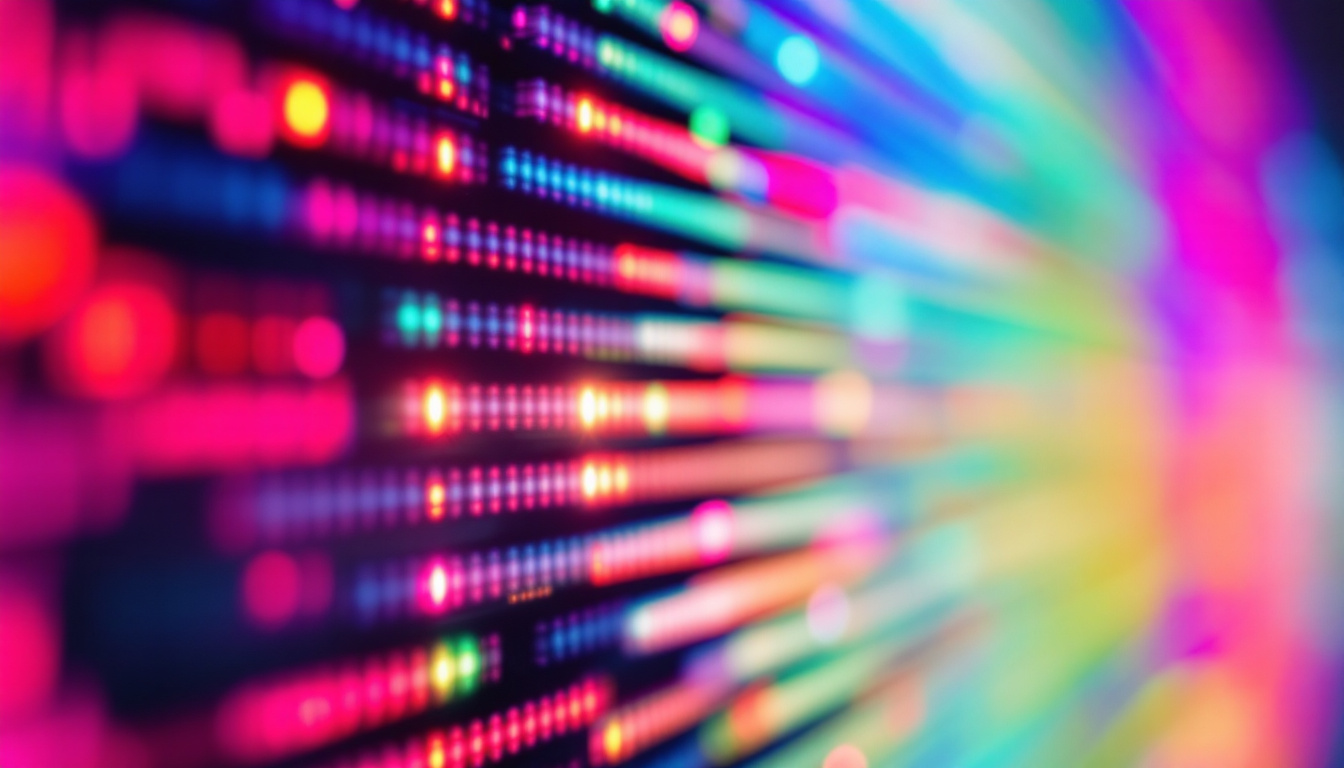
Pixel density refers to the concentration of pixels within a given area of a display, typically measured in pixels per inch (PPI). Pixels are the tiny dots of light that collectively form the images on a screen. The higher the pixel density, the more pixels are packed into each inch of the display, resulting in sharper and more detailed images.
For LED displays, pixel density plays a pivotal role in determining the clarity and quality of the visual output. Unlike traditional LCDs that rely on backlighting, LED displays use light-emitting diodes to illuminate pixels directly, allowing for better contrast and brightness. However, the pixel density still governs how finely the image details are rendered.
How Pixel Density is Calculated
Calculating pixel density involves dividing the number of pixels along the diagonal of the display by the diagonal size of the screen in inches. The formula is:
PPI = √(width² + height²) / diagonal size (in inches)
For example, a 24-inch LED monitor with a resolution of 1920×1080 pixels will have a pixel density of approximately 92 PPI. This means there are 92 pixels packed into every inch of the screen, influencing the sharpness of images and text.
Pixel Density in LED Displays: Why It Matters
Pixel density is more than just a technical specification; it directly impacts user experience across various applications. From smartphones and televisions to large-scale digital billboards, the pixel density determines how crisp and lifelike images appear.
Visual Clarity and Detail
Higher pixel density means more pixels per inch, which translates to finer image details and smoother edges. This is particularly important for devices viewed up close, such as smartphones, tablets, and computer monitors. For instance, Apple’s Retina display technology emphasizes a pixel density high enough that the human eye cannot distinguish individual pixels at a typical viewing distance, resulting in incredibly sharp images and text.
On LED TVs, a higher pixel density enhances the viewing experience by providing clear, vibrant images, especially when watching high-definition or 4K content. Conversely, lower pixel density can cause images to appear pixelated or blurry, detracting from the overall quality.
Viewing Distance and Pixel Pitch
Pixel density is closely related to pixel pitch, which is the distance between the centers of two adjacent pixels, usually measured in millimeters. Pixel pitch inversely affects pixel density—the smaller the pixel pitch, the higher the pixel density.
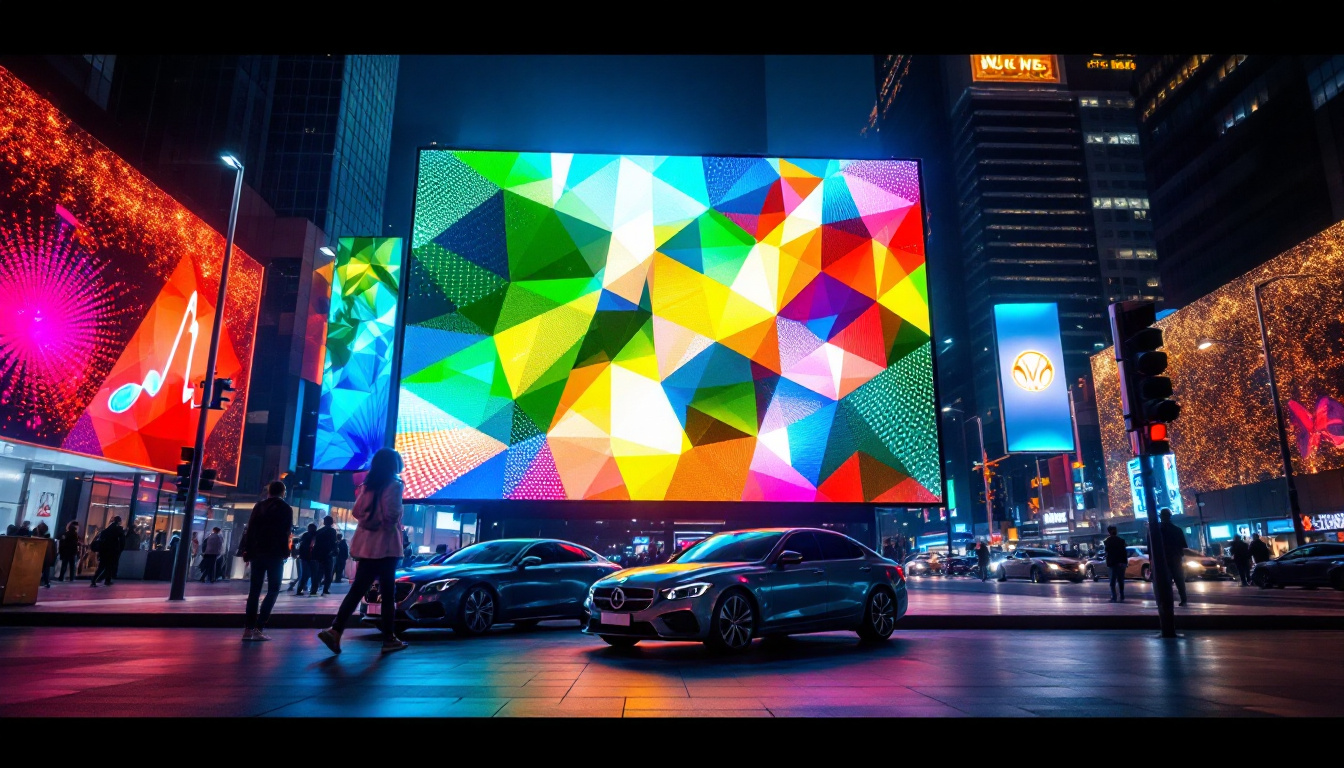
Understanding the relationship between pixel density and viewing distance is crucial, especially for large LED displays used in outdoor advertising or stadium screens. For example, a billboard with a pixel pitch of 10mm might look sharp from 50 feet away but appear pixelated when viewed from just a few feet. Therefore, the optimal pixel density depends on how far the audience will be from the display.
Types of LED Displays and Their Pixel Densities
LED display technology encompasses various types, each with different pixel densities tailored to specific use cases. Recognizing these differences helps in selecting the right display for your needs.
Indoor LED Displays
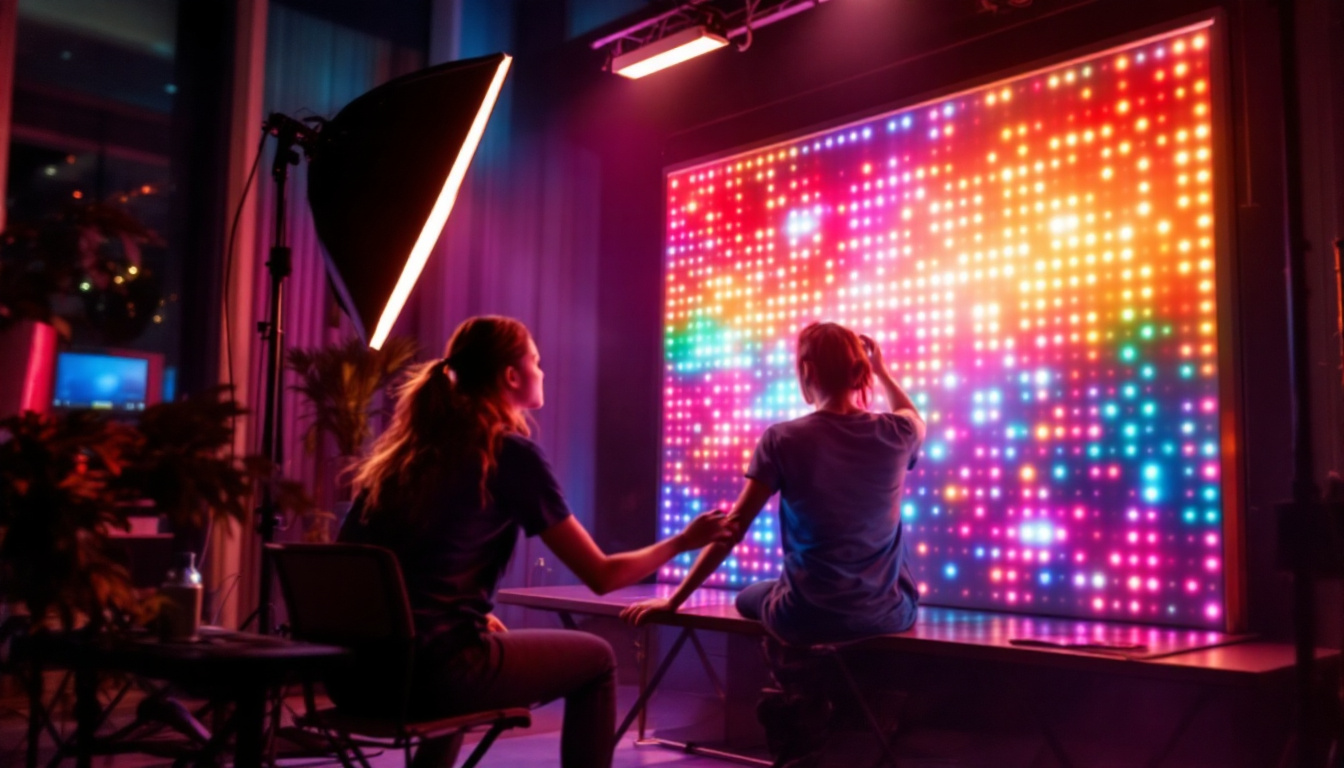
Indoor LED displays typically have a higher pixel density and smaller pixel pitch, often ranging from 1.2mm to 3mm. This allows for close-up viewing with crisp images and smooth video playback. These displays are common in retail stores, corporate environments, and indoor events where viewers are relatively close to the screen.
For example, an indoor LED display with a 1.5mm pixel pitch offers approximately 169,444 pixels per square meter, delivering exceptional image clarity suitable for detailed graphics and text.
Outdoor LED Displays
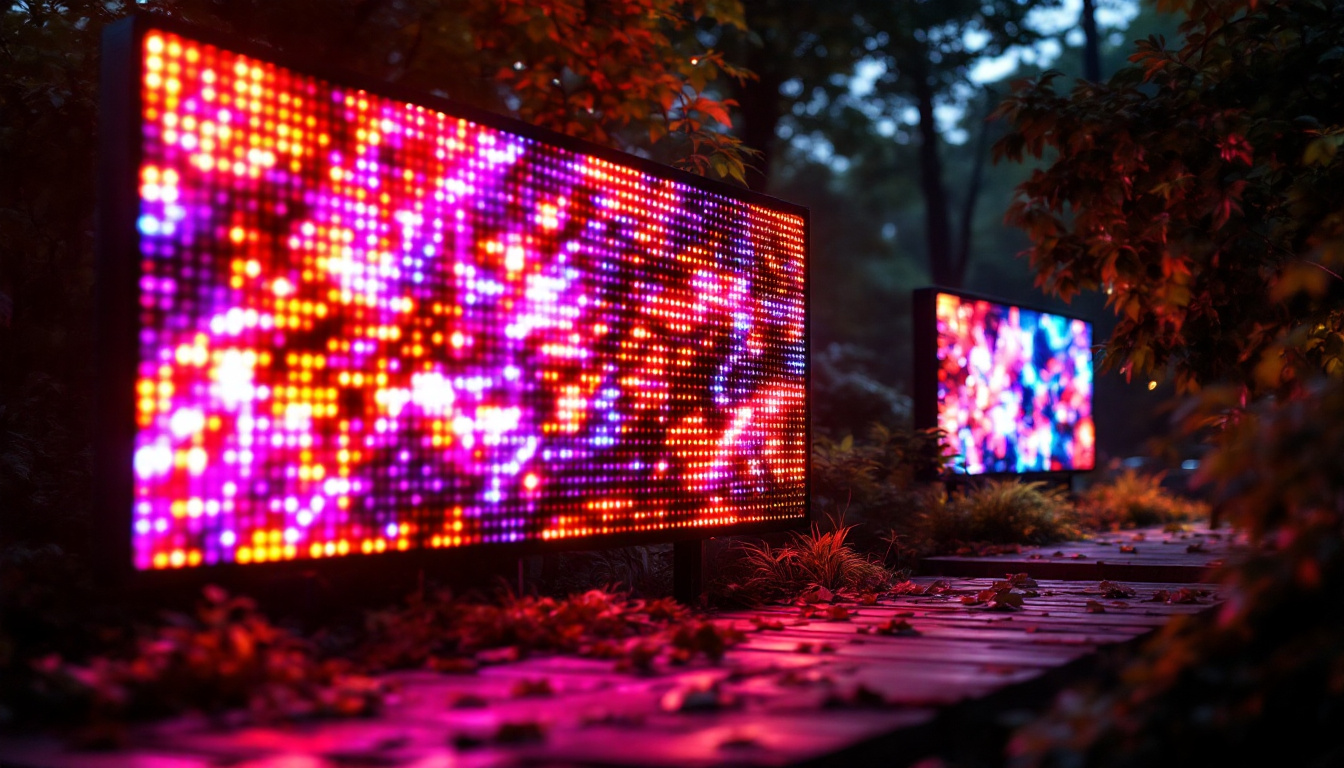
Outdoor LED displays generally have larger pixel pitches, ranging from 6mm to 20mm or more, resulting in lower pixel densities. This design accommodates longer viewing distances and ensures visibility under bright sunlight. The larger pixel pitch also helps reduce manufacturing costs and improves durability against weather conditions.
A 10mm pixel pitch outdoor LED billboard, for instance, provides about 10,000 pixels per square meter, which is adequate for viewers several meters away. The trade-off is that these displays are not suitable for close-up viewing due to visible pixelation.
Fine-Pitch LED Displays
Fine-pitch LED displays are a subset of indoor LEDs with pixel pitches below 1.5mm, sometimes as low as 0.9mm. These displays are used in high-end applications such as broadcast studios, control rooms, and luxury retail environments where image precision is paramount.
Due to their high pixel density, fine-pitch LEDs can rival the image quality of LCD and OLED panels, offering seamless video playback and vibrant colors even at close viewing distances.
Comparing Pixel Density: LED vs. Other Display Technologies
While LED displays are widely used, it’s valuable to compare their pixel density with other popular display technologies like LCD and OLED to understand their strengths and limitations.
LCD Displays
LCD (Liquid Crystal Display) screens use a backlight to illuminate pixels, which are made up of liquid crystals. LCDs can achieve high pixel densities, especially in smartphones and monitors. For example, many modern smartphones feature LCDs with pixel densities exceeding 400 PPI, resulting in very sharp images.
However, LCDs generally have lower contrast ratios and less vibrant colors compared to LED displays, as LEDs can emit light directly. This difference affects the perceived image quality beyond just pixel density.
OLED Displays
OLED (Organic Light Emitting Diode) displays offer self-emissive pixels, meaning each pixel generates its own light. This technology allows for extremely high contrast ratios, deep blacks, and vibrant colors. OLED screens often have pixel densities comparable to or exceeding those of LCDs and LEDs, especially in smartphones and high-end TVs.
OLED’s ability to achieve high pixel density with excellent color accuracy makes it a preferred choice for premium devices. However, OLED displays can be more expensive and less durable in outdoor or high-brightness environments compared to LED displays.
LED Displays’ Unique Advantages
LED displays stand out for their brightness, energy efficiency, and scalability. While their pixel density might be lower than that of OLED or LCD in some cases, especially for large outdoor screens, LEDs excel in environments requiring high brightness and visibility under direct sunlight.
Moreover, LED displays can be manufactured in large sizes without losing brightness or color accuracy, making them ideal for stadiums, concerts, and outdoor advertising.
Factors Influencing Pixel Density Choices in LED Displays
Selecting the right pixel density for an LED display involves balancing several factors, including intended use, viewing distance, budget, and environmental conditions.
Viewing Distance and Application
The primary consideration is how far viewers will be from the screen. For close-up applications like retail signage or control rooms, higher pixel density (smaller pixel pitch) is essential to ensure image clarity. For large outdoor displays viewed from a distance, lower pixel density suffices, reducing costs without compromising visibility.
Cost Considerations
Higher pixel density LED displays are more expensive due to the increased number of LEDs and more complex manufacturing processes. Organizations must weigh the benefits of sharper images against budget constraints. For instance, a fine-pitch LED wall for an indoor event might cost significantly more than a standard-pitch outdoor billboard.
Environmental Factors
Outdoor LED displays require weatherproofing and higher brightness levels to combat sunlight glare, which can influence pixel density choices. Larger pixel pitches are often favored outdoors to ensure durability and visibility, while indoor environments allow for finer pitches and higher pixel densities.
Future Trends in LED Display Pixel Density
The LED display industry continues to innovate, pushing the boundaries of pixel density and image quality. Several trends are shaping the future landscape:
MicroLED Technology
MicroLED represents the next generation of LED displays, featuring microscopic LEDs that allow for ultra-high pixel densities and superior image quality. MicroLEDs combine the brightness and durability of traditional LEDs with the precision and color accuracy of OLEDs.
This technology promises thinner, more energy-efficient displays with pixel densities that can rival or surpass current OLED panels, making it ideal for both consumer electronics and large-scale signage.
Flexible and Transparent LED Displays
Advancements in LED technology are enabling flexible and transparent displays with high pixel densities. These displays open new possibilities for innovative applications, such as curved screens, wearable devices, and augmented reality interfaces, where pixel density remains a critical factor for visual fidelity.
Improved Manufacturing Techniques
As manufacturing processes improve, the cost of producing high pixel density LED displays is expected to decrease. This will make fine-pitch LED technology more accessible for a broader range of applications, from small indoor screens to large public installations.
Conclusion
Pixel density is a fundamental aspect of LED display technology that directly influences image sharpness, clarity, and overall viewing experience. Understanding how pixel density interacts with pixel pitch, viewing distance, and environmental factors enables consumers and professionals to make informed choices tailored to their specific needs.
Whether selecting a high-resolution indoor LED screen for detailed graphics or a large outdoor billboard designed for visibility from afar, recognizing the importance of pixel density ensures optimal performance and value. As LED technology advances, the future promises even greater pixel densities and display capabilities, continuing to enhance how we experience digital content.
Explore Cutting-Edge LED Displays with LumenMatrix
Ready to experience the ultimate in image clarity and vibrant visual communication? LumenMatrix is at the forefront of LED display innovation, offering a wide range of solutions tailored to your unique needs. From captivating Indoor LED Wall Displays to dynamic Outdoor LED Wall Displays, and from versatile Vehicle LED Displays to engaging LED Sports Displays, our technology is designed to elevate your brand and message. Discover how our state-of-the-art LED display modules can transform your space and create unforgettable visual experiences. Check out LumenMatrix LED Display Solutions today and step into the future of digital signage.