In the rapidly evolving world of digital signage, LED displays have become a cornerstone technology for advertising, entertainment, and information dissemination. Among the various design options available, curved LED displays—specifically convex and concave curves—are gaining significant attention for their unique visual impact and functional benefits. Understanding the differences between convex and concave curved LED displays is essential for businesses, event organizers, and technology enthusiasts aiming to maximize engagement and optimize viewing experiences.
Understanding Curved LED Displays: An Overview
LED (Light Emitting Diode) displays are composed of tiny light sources that collectively produce vibrant, high-resolution images. Traditionally, these displays have been flat, but advances in manufacturing and design have enabled the creation of curved LED panels. Curved LED displays can wrap around viewers or environments, offering immersive and dynamic visual experiences.
Curved LED screens are primarily categorized into two types based on their curvature: convex and concave. Each type has distinct characteristics that influence how content is perceived and how the display integrates into physical spaces.
What Is a Convex LED Display?
A convex LED display curves outward, resembling the exterior of a sphere or dome. This outward bulge means that the center of the screen protrudes toward the viewer, while the edges curve away. Convex displays are often used in settings where a panoramic or wrap-around effect is desired.
Convex curves can enhance the sense of depth and provide a wider field of view, making them ideal for large venues or installations where viewers are positioned around the display. For example, in retail environments or museums, convex LED walls can attract attention from multiple angles, increasing engagement. Furthermore, these displays can be utilized in entertainment venues, such as theaters and concert halls, where they can create a more immersive atmosphere by enveloping the audience in visuals that complement live performances or cinematic experiences.
What Is a Concave LED Display?
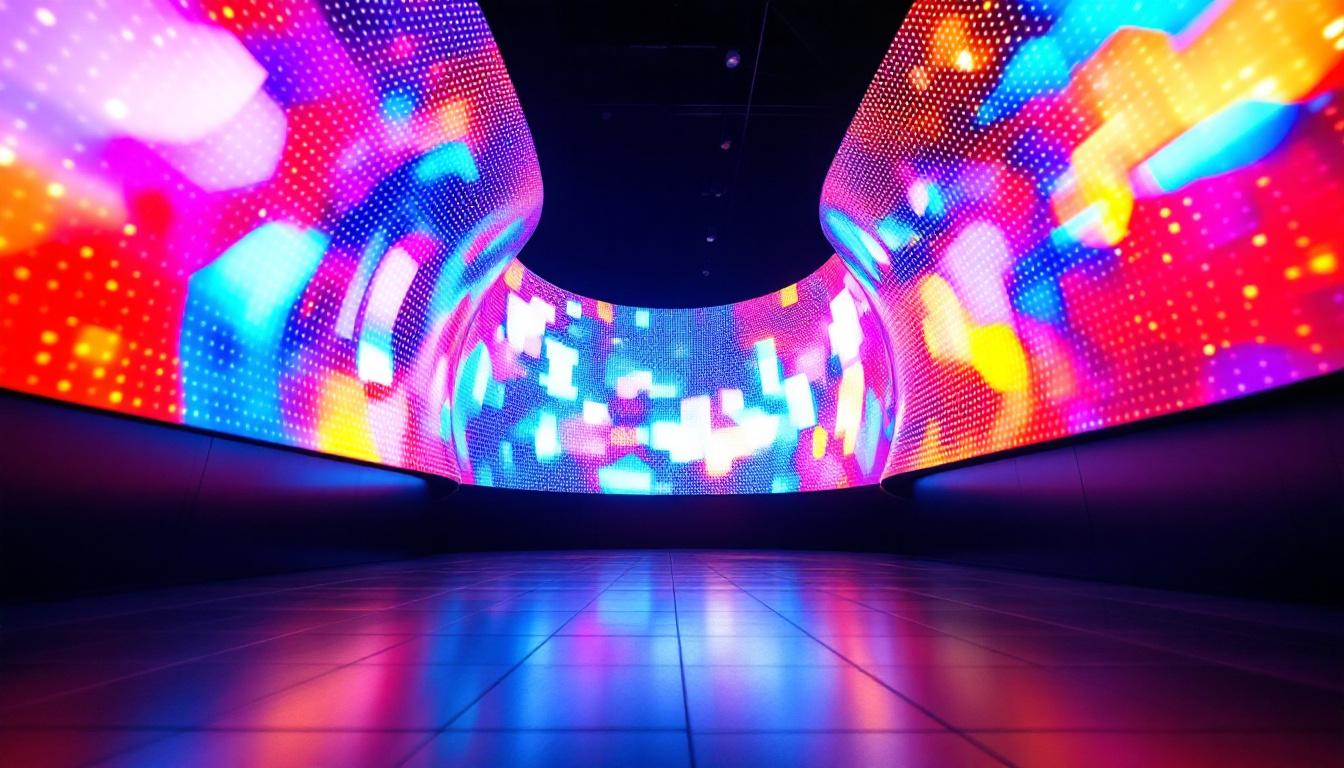
In contrast, a concave LED display curves inward, similar to the inside of a bowl or cave. The edges of the screen curve toward the viewer, creating an enveloping effect that draws the audience into the content. This type of curvature is often used to create immersive environments, such as control rooms, broadcast studios, and high-end retail spaces.
Concave displays are particularly effective for focused viewing experiences where the audience is positioned directly in front of the screen. The inward curve reduces distortion and maintains consistent viewing angles, enhancing clarity and visual comfort. Additionally, these displays can be integrated with advanced technologies, such as augmented reality (AR) and virtual reality (VR), to provide even more engaging experiences. For instance, in a gaming setup or a simulation environment, a concave display can create a more lifelike experience by wrapping the visuals around the viewer, making them feel as if they are part of the action. This innovative use of concave displays not only transforms how content is consumed but also opens up new avenues for interactive storytelling and experiential marketing.
Key Differences Between Convex and Concave LED Displays
While both convex and concave curved LED displays offer unique advantages, their structural differences lead to varying applications and viewer experiences. Understanding these differences is crucial for selecting the right display for specific needs.
Viewing Angles and Audience Positioning
One of the most significant differences lies in how each curve affects viewing angles. Concave displays are designed to optimize the viewing experience for audiences positioned centrally. The inward curve ensures that light from each pixel is directed toward the viewer, minimizing distortion and color shift.
Conversely, convex displays are better suited for environments where viewers are spread out around the display. The outward curve allows the screen to be visible from a wider range of angles, making it ideal for public spaces where the audience moves or gathers at different points. This flexibility in viewing angles can be particularly advantageous in venues like shopping malls, airports, or concert halls, where foot traffic is high and the audience may not have a fixed position.
Visual Impact and Immersion
Concave LED displays create an immersive experience by wrapping the content around the viewer’s field of vision. This effect is especially valuable in applications like simulation, gaming, or high-stakes monitoring, where immersion can enhance performance and engagement. The ability to envelop the viewer in a 180-degree or even 360-degree visual environment can significantly heighten emotional responses and create a more memorable experience.
Convex displays, on the other hand, offer a striking visual presence that can dominate a space. Their outward curve catches the eye and encourages viewers to explore the content from multiple perspectives, which is beneficial for advertising and experiential marketing. The bold design can serve as a focal point in a room, drawing attention to promotional messages or artistic displays. Additionally, convex displays can be enhanced with dynamic lighting and animations, further amplifying their visual impact and making them an effective tool for brand storytelling.
Installation and Structural Considerations
From an installation perspective, concave displays often require precise engineering to ensure the inward curve is smooth and consistent. The mounting structure must support the inward tension and maintain stability. This can sometimes increase costs and complexity. Moreover, the integration of these displays into existing architectural features can pose additional challenges, necessitating collaboration with architects and designers to achieve a seamless look.
Convex displays, while also requiring robust support, generally involve outward curvature that can be easier to fabricate with modular panels. However, both types demand careful calibration to avoid image distortion and ensure seamless content display. The installation process for convex displays can sometimes be more straightforward, but it still requires skilled technicians to ensure that the curvature aligns perfectly with the intended visual output. Furthermore, considerations around ventilation and heat dissipation are critical, as both display types generate heat that must be managed to maintain optimal performance over time.
Applications of Convex and Concave LED Displays
The choice between convex and concave LED displays largely depends on the intended application, audience behavior, and environmental factors. Below are some common use cases for each type.
Concave LED Displays in Control Rooms and Broadcast Studios
Concave LED walls are prevalent in control rooms, command centers, and broadcast studios where operators need to monitor multiple data streams or video feeds simultaneously. The inward curve helps maintain uniform viewing distances and angles, reducing eye strain during extended use.
For instance, NASA’s mission control centers utilize large concave LED displays to provide operators with comprehensive situational awareness. Similarly, news studios employ concave video walls to create immersive backdrops that enhance visual storytelling.
Convex LED Displays in Retail and Public Spaces
Convex LED displays are popular in retail environments, shopping malls, and entertainment venues where attracting attention from multiple directions is critical. Their outward bulge creates a 3D effect that can showcase products or advertisements in a visually compelling way.
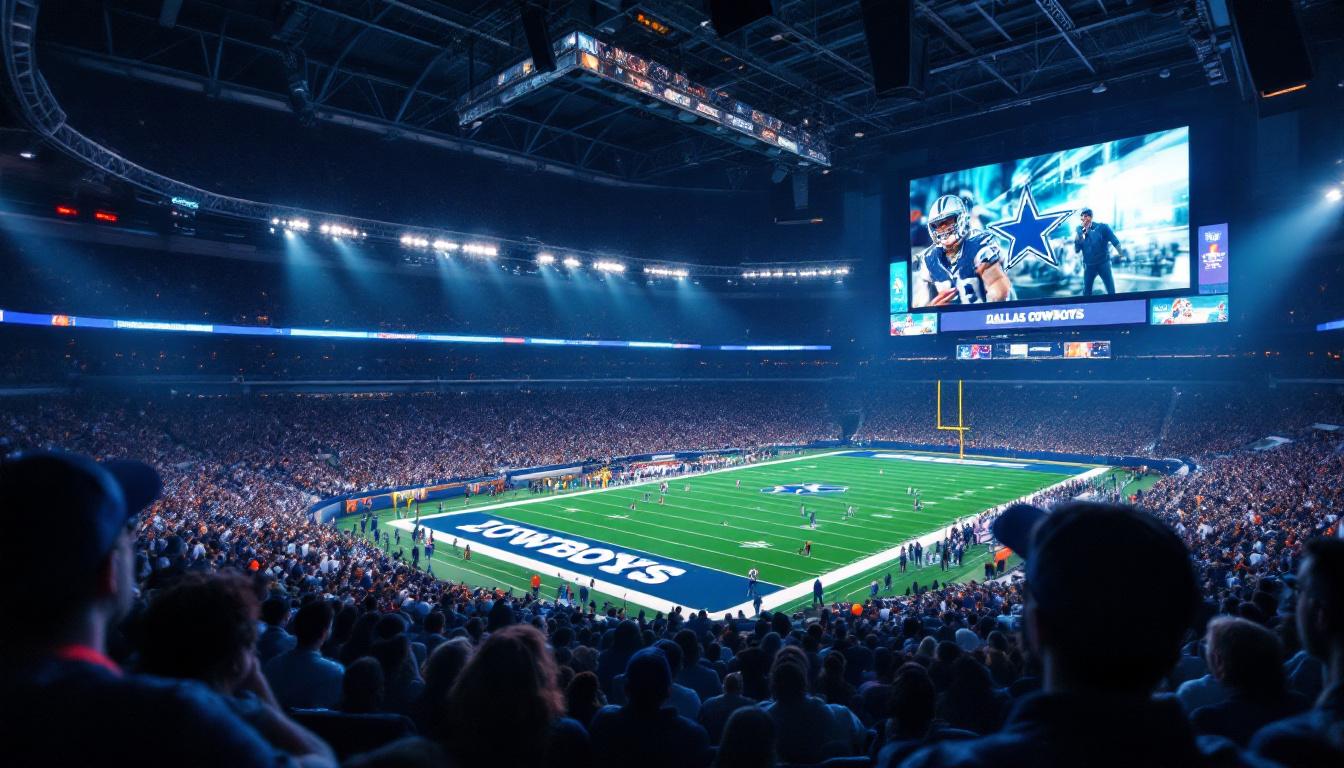
Sports arenas and concert halls also use convex LED screens to offer panoramic views that engage large audiences. The ability to present content that wraps around the space enhances the overall atmosphere and viewer experience.
Technical Considerations When Choosing Between Convex and Concave LED Displays
Beyond aesthetics and application, several technical factors influence the decision to use convex or concave LED displays.
Pixel Pitch and Resolution
Pixel pitch—the distance between individual LED pixels—affects image clarity and viewing distance. Both convex and concave displays require careful pixel pitch selection to maintain image quality across the curved surface.
For concave displays, smaller pixel pitches are often preferred to reduce distortion and maintain sharpness at close viewing distances. Convex displays may accommodate slightly larger pixel pitches since viewers are typically positioned farther away and at varied angles.
Content Adaptation and Software Calibration
Curved LED displays necessitate specialized content formatting and calibration to prevent image warping. Software solutions can map content onto the curved surface, ensuring that graphics and videos appear natural and undistorted.
Advanced calibration tools also compensate for brightness and color uniformity across the curve, which is particularly important for convex displays where light emission angles vary widely.
Maintenance and Durability
Both convex and concave LED displays require regular maintenance to ensure optimal performance. However, the structural differences can influence accessibility for repairs and cleaning.
Concave displays may pose challenges due to their inward curvature, potentially limiting access to central modules. Convex displays, with their outward-facing panels, can be easier to service but may be more exposed to environmental factors in certain installations.
Future Trends in Curved LED Display Technology
The LED display industry continues to innovate, with curved displays playing a pivotal role in shaping immersive visual environments. Emerging technologies promise to enhance the capabilities and applications of both convex and concave LED screens.
Flexible and Transparent LED Panels
Advancements in flexible LED technology are enabling displays that can bend into complex shapes beyond simple convex or concave curves. This flexibility opens new possibilities for architectural integration and dynamic installations.
Transparent LED panels, which can be curved as well, offer unique opportunities for retail windows and augmented reality applications, blending digital content seamlessly with physical surroundings.
Higher Resolutions and Miniaturization
As pixel pitches continue to shrink, curved LED displays will deliver even sharper images, rivaling traditional flat screens in clarity. Miniaturization of LEDs also allows for thinner, lighter panels that are easier to install and maintain.
Enhanced Interactivity and AI Integration
Future curved LED displays are expected to incorporate interactive features powered by artificial intelligence. Gesture recognition, eye-tracking, and adaptive content delivery will make these displays more responsive and personalized.
Such advancements will expand the use cases for both convex and concave displays, from advertising and entertainment to education and healthcare.
Conclusion: Choosing the Right Curved LED Display for Your Needs
Deciding between convex and concave curved LED displays involves a careful assessment of viewing context, audience behavior, and technical requirements. Concave displays excel in immersive, focused environments where visual clarity and reduced distortion are paramount. Convex displays shine in dynamic, multi-angle settings that benefit from panoramic visibility and striking visual presence.
By understanding the fundamental differences and applications of these curved LED technologies, organizations can make informed decisions that enhance engagement, optimize space utilization, and future-proof their digital signage investments.
As LED technology continues to advance, the line between convex and concave displays may blur, offering even more versatile and innovative solutions for visual communication. Staying informed about these developments will ensure that businesses and creatives harness the full potential of curved LED displays in their projects.
Discover the Future of Curved LED Displays with LumenMatrix
Whether you’re captivated by the immersive experience of concave LED displays or the panoramic allure of convex screens, LumenMatrix is at the forefront of this transformative technology. As a leading innovator in LED display solutions, we invite you to explore our diverse range of products, from Indoor and Outdoor LED Wall Displays to Custom and Transparent LED solutions. Embrace the revolution in visual communication with LumenMatrix and create unforgettable visual experiences that resonate with your audience. Check out LumenMatrix LED Display Solutions today and see how our cutting-edge technology can amplify your brand’s message.