In today’s digital era, LED displays have become an integral part of how information is shared and experiences are enhanced. From towering billboards in Times Square to the vibrant screens on smartphones and televisions, LED technology is everywhere. But what exactly makes LED displays so effective, and how do they work? This article dives deep into the world of LED displays, exploring their technology, applications, and future trends.
Understanding LED Display Technology
At its core, an LED display is a flat panel display that uses light-emitting diodes (LEDs) as pixels to create images and videos. Unlike traditional LCD or plasma displays, LED displays offer superior brightness, contrast, and energy efficiency, making them ideal for both indoor and outdoor use. The versatility of LED technology has made it a popular choice in various industries, from advertising to entertainment, and even in architectural designs where dynamic lighting is essential.
What Are LEDs?
LEDs, or light-emitting diodes, are semiconductor devices that emit light when an electric current passes through them. This phenomenon, known as electroluminescence, allows LEDs to produce bright, vibrant colors with minimal energy consumption. The technology behind LEDs has evolved significantly since its invention in the early 1960s, leading to the development of full-color LED displays capable of rendering millions of colors. Today, advancements in materials and manufacturing processes have enabled the production of LEDs that are not only brighter but also more durable and longer-lasting, making them an increasingly attractive option for consumers and businesses alike.
How LED Displays Work
LED displays are composed of thousands to millions of tiny LEDs arranged in a grid. Each LED acts as a pixel, and by varying the intensity of red, green, and blue LEDs within each pixel, the display can produce a full spectrum of colors. This RGB (red, green, blue) color model is the foundation for most LED screens. The ability to mix these three primary colors in different intensities allows for the creation of a vast array of colors, enabling the display of lifelike images and videos.
The brightness and color of each pixel are controlled by a driver circuit, which receives input signals from a video source. These signals dictate which LEDs light up and at what intensity, allowing the display to render complex images and videos with high precision. Additionally, modern LED displays often incorporate advanced technologies such as dynamic range adjustment and color calibration, ensuring that the images remain consistent and vibrant under varying lighting conditions.
Types of LED Displays
LED displays come in various forms, each suited for different applications:
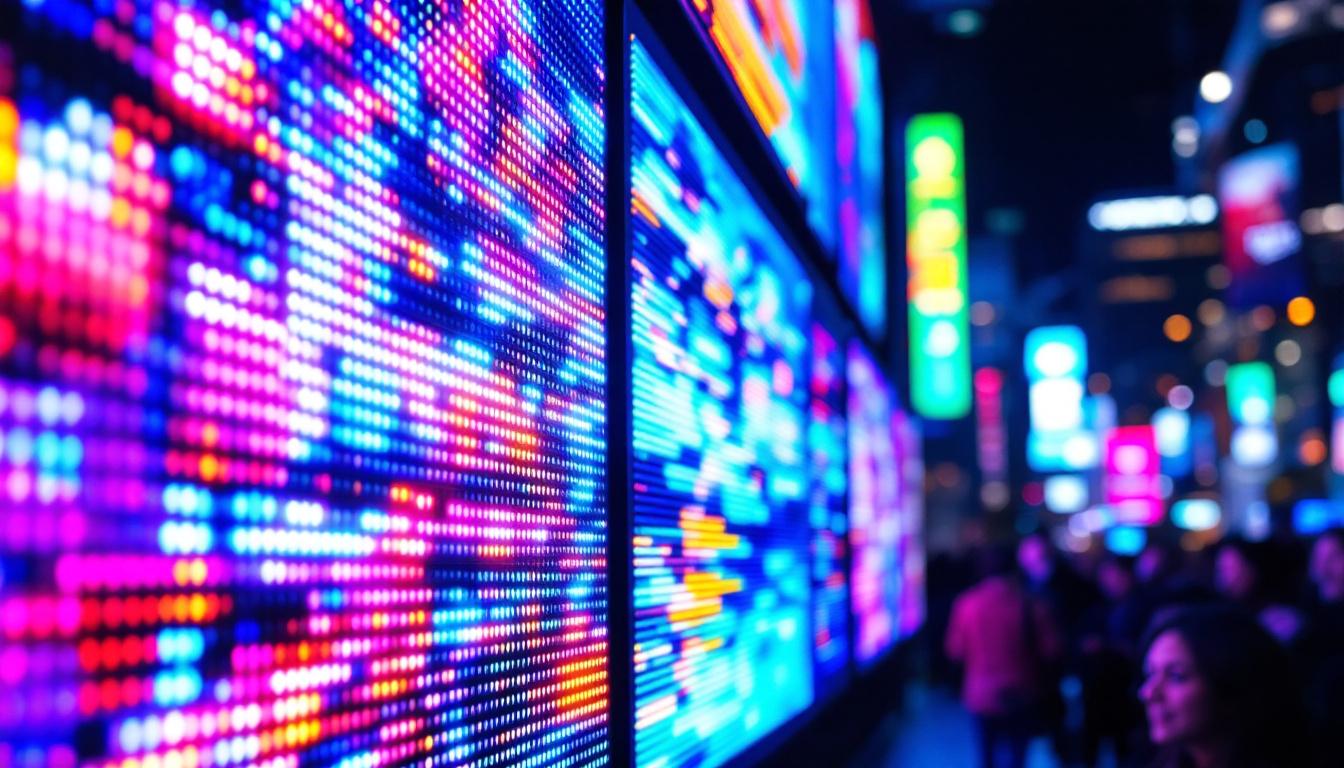
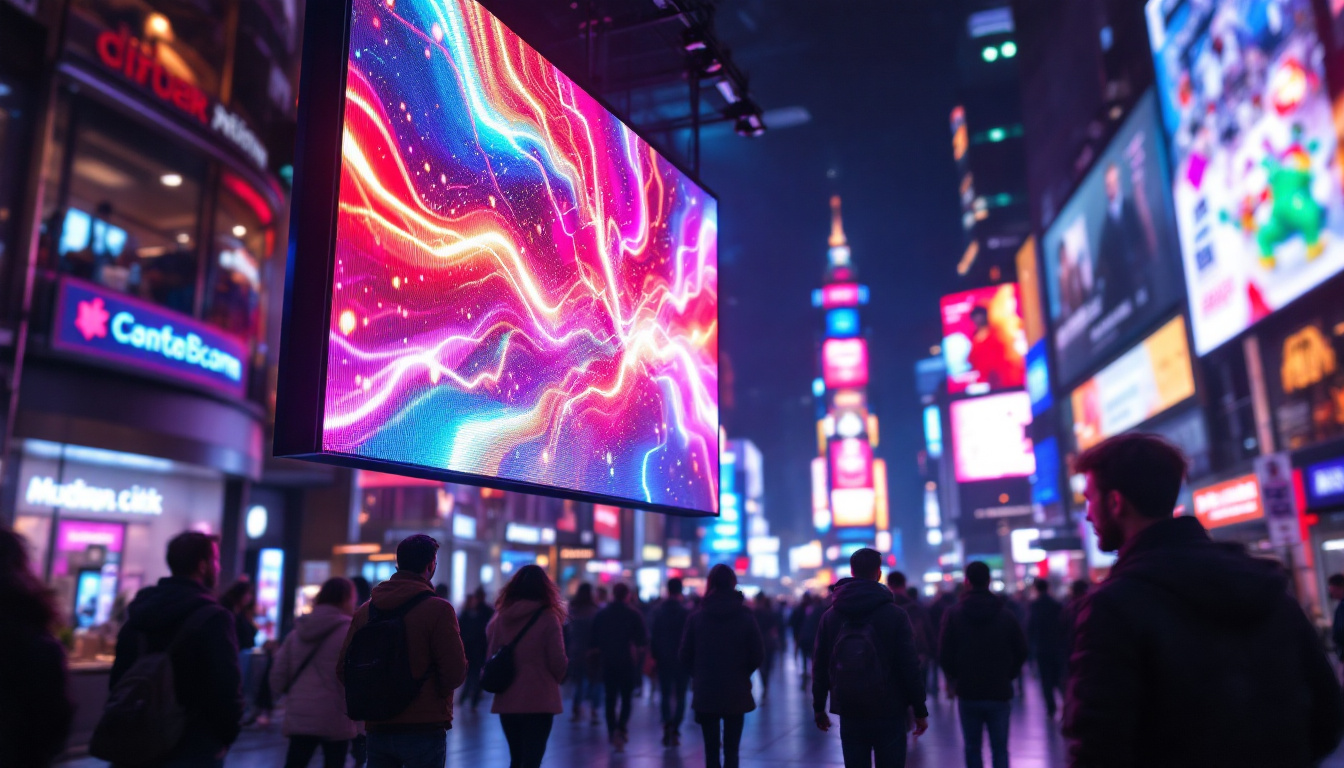
- Direct View LED Displays: These are large-scale displays where the LEDs themselves form the image. They are commonly used for outdoor billboards, stadium screens, and large video walls. Their high brightness levels make them easily viewable in direct sunlight, which is a significant advantage for outdoor advertising.
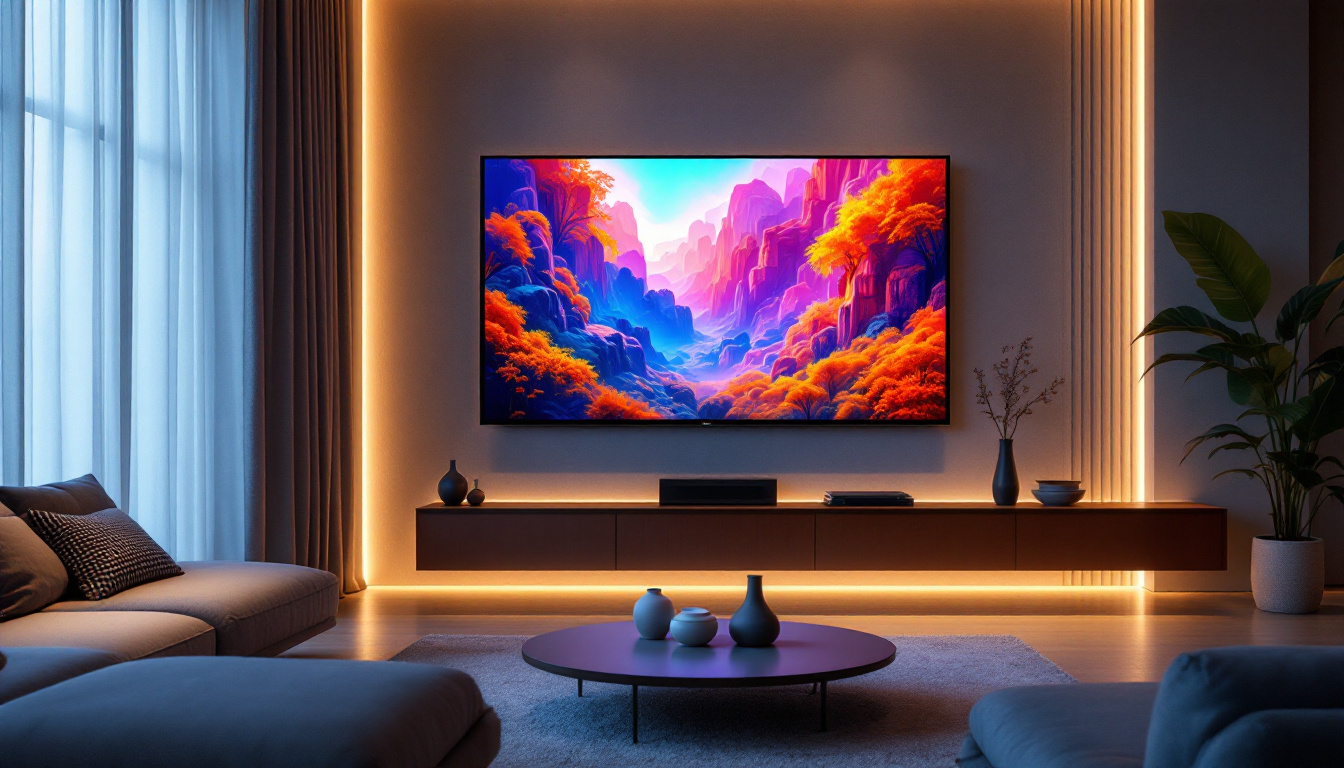
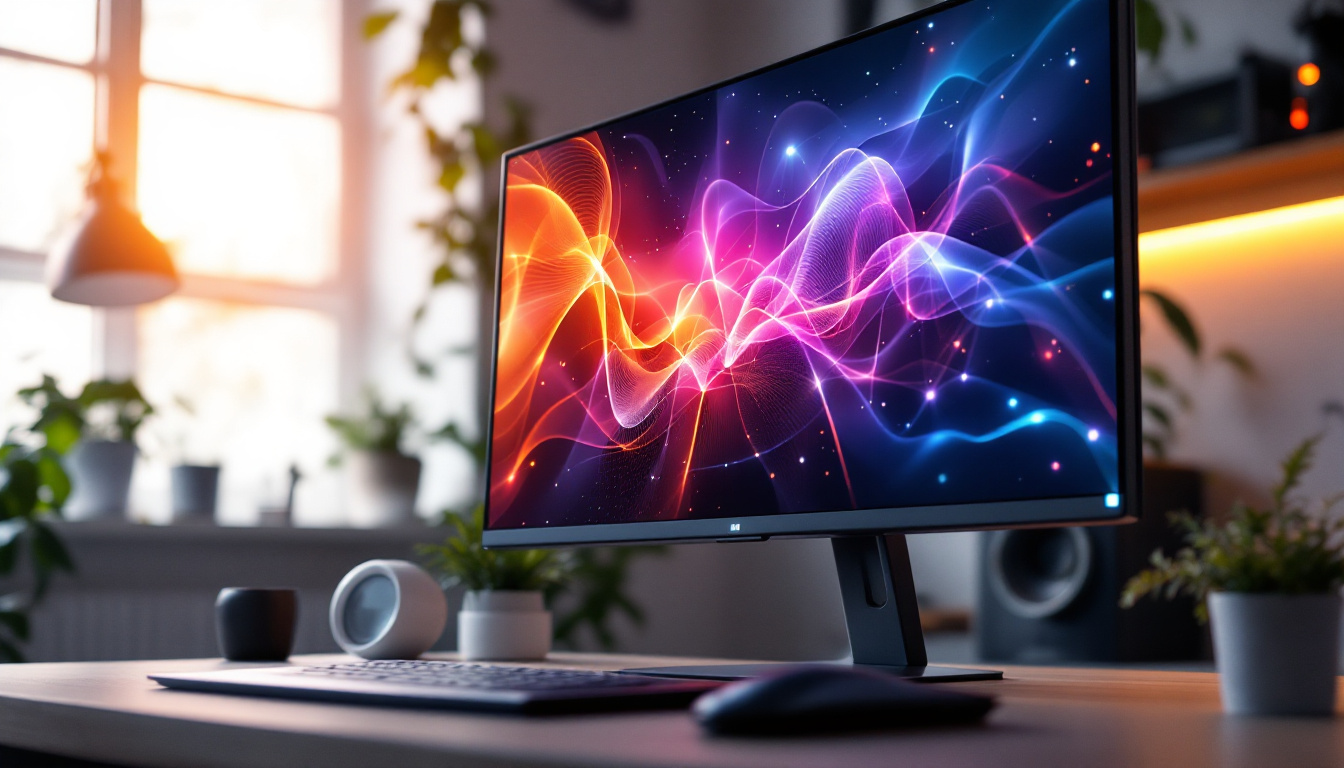
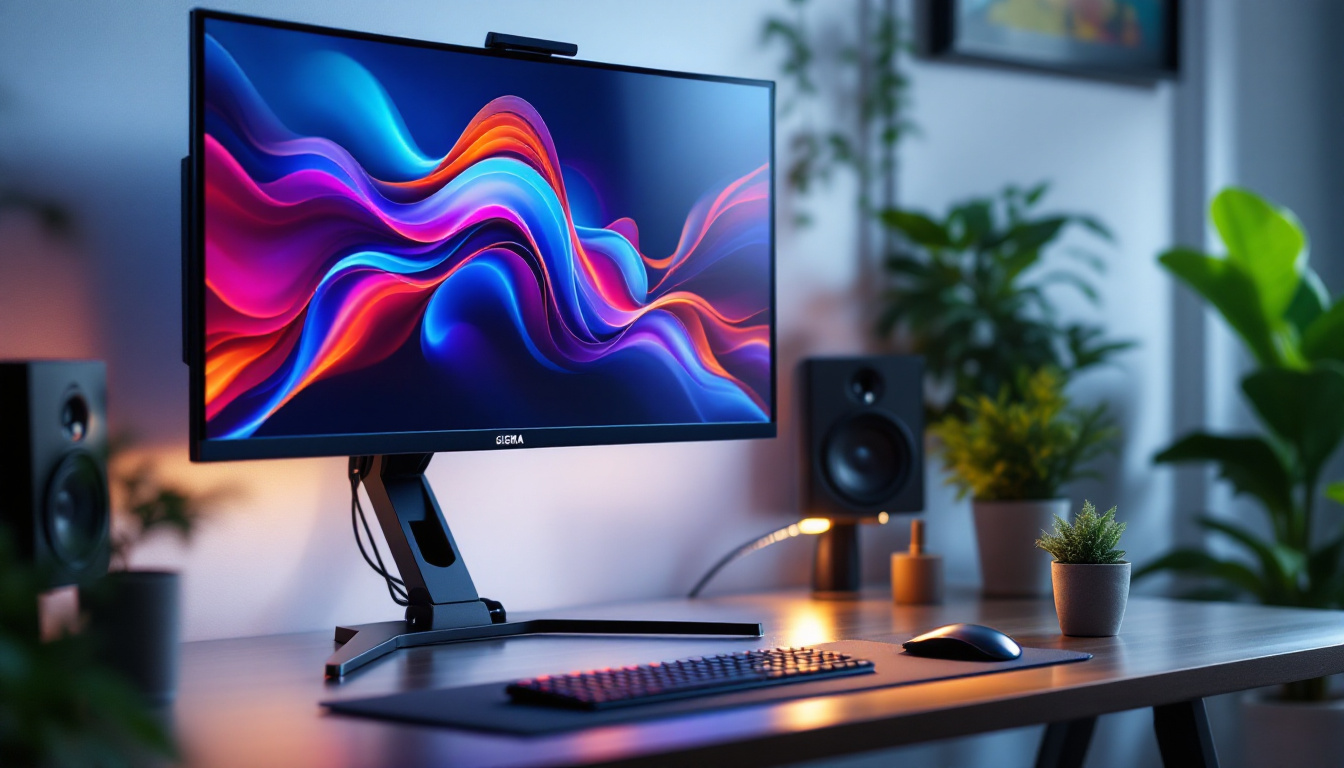
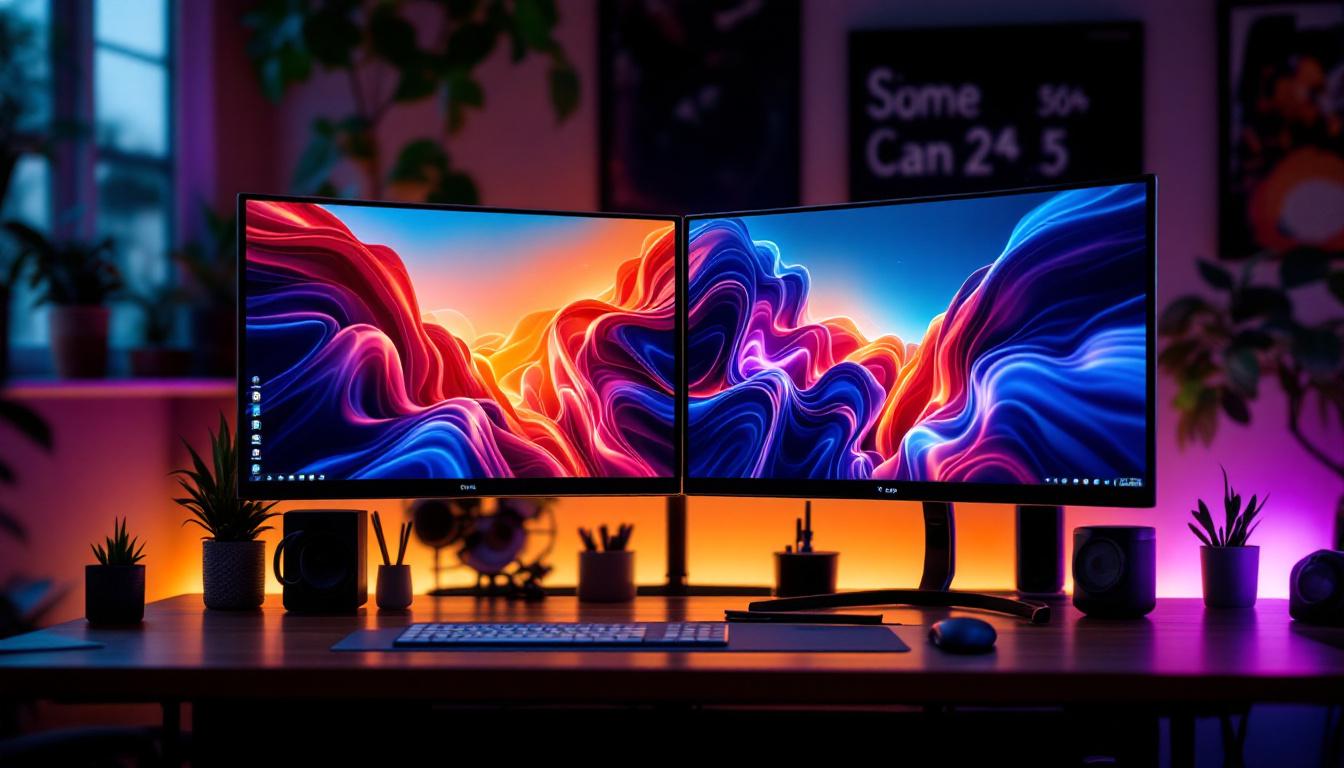
- LED-backlit LCD Displays: These combine traditional LCD panels with LED backlighting to improve brightness and color accuracy. Most modern TVs and monitors use this technology. The use of LED backlighting allows for thinner screens and improved energy efficiency compared to older fluorescent backlit models.
- MicroLED Displays: An emerging technology where microscopic LEDs serve as individual pixels, promising even higher resolution and efficiency. MicroLED displays are expected to revolutionize the market with their potential for seamless integration into various form factors, including flexible and transparent screens.
In addition to these types, there are also specialized LED displays designed for specific uses, such as transparent LED displays that allow for visibility behind the screen, or flexible LED panels that can be curved or shaped to fit unique spaces. These innovations continue to push the boundaries of what is possible with display technology, opening up new avenues for creative expression and functional design in commercial and residential environments.
Applications of LED Displays
LED displays have transformed multiple industries by offering dynamic, high-visibility solutions for communication and entertainment. Their versatility and performance make them indispensable in various contexts.
Advertising and Outdoor Signage
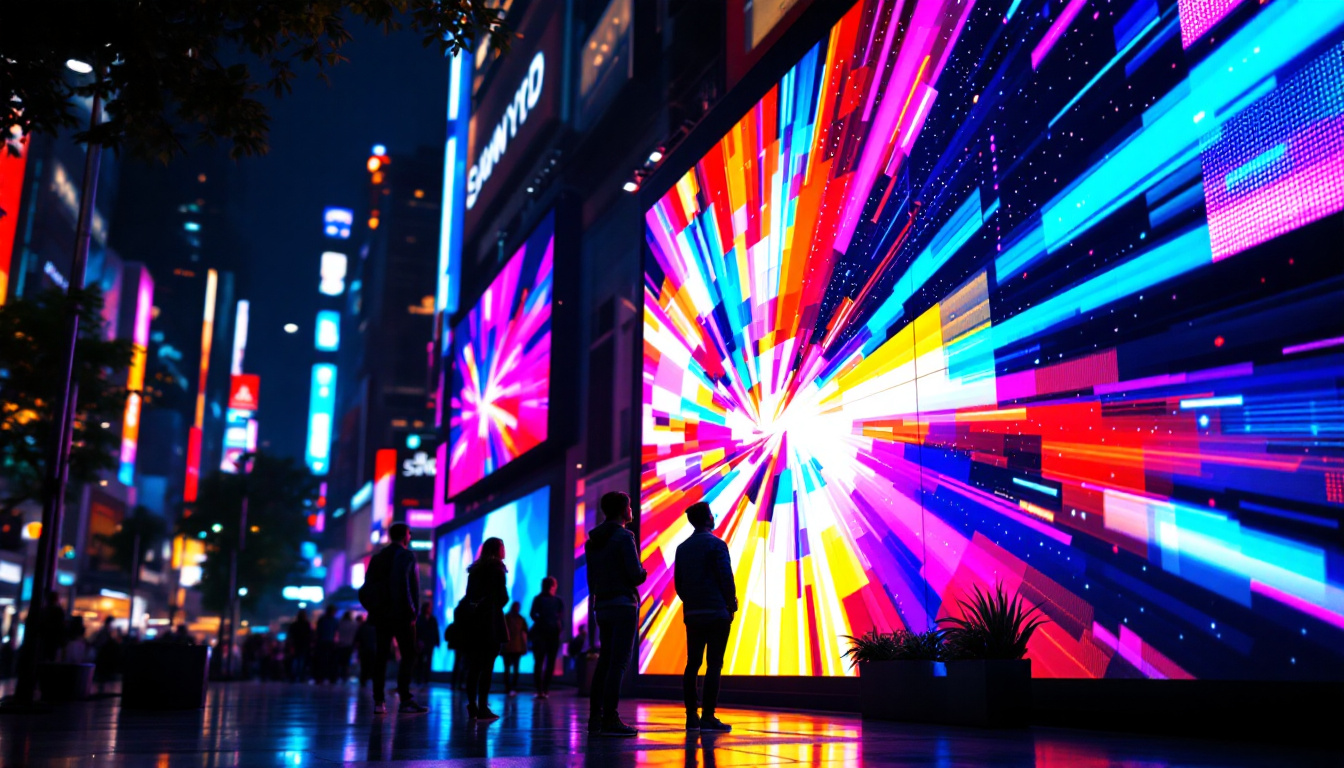
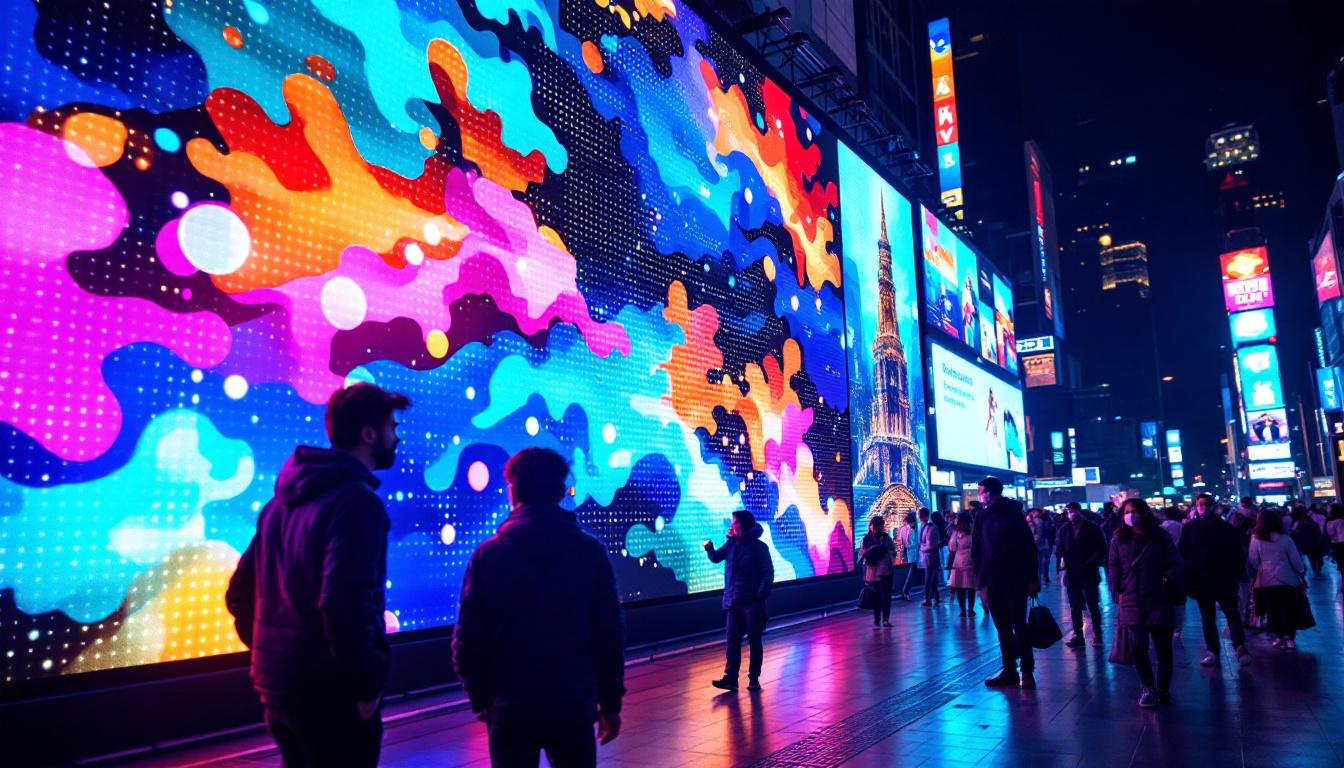
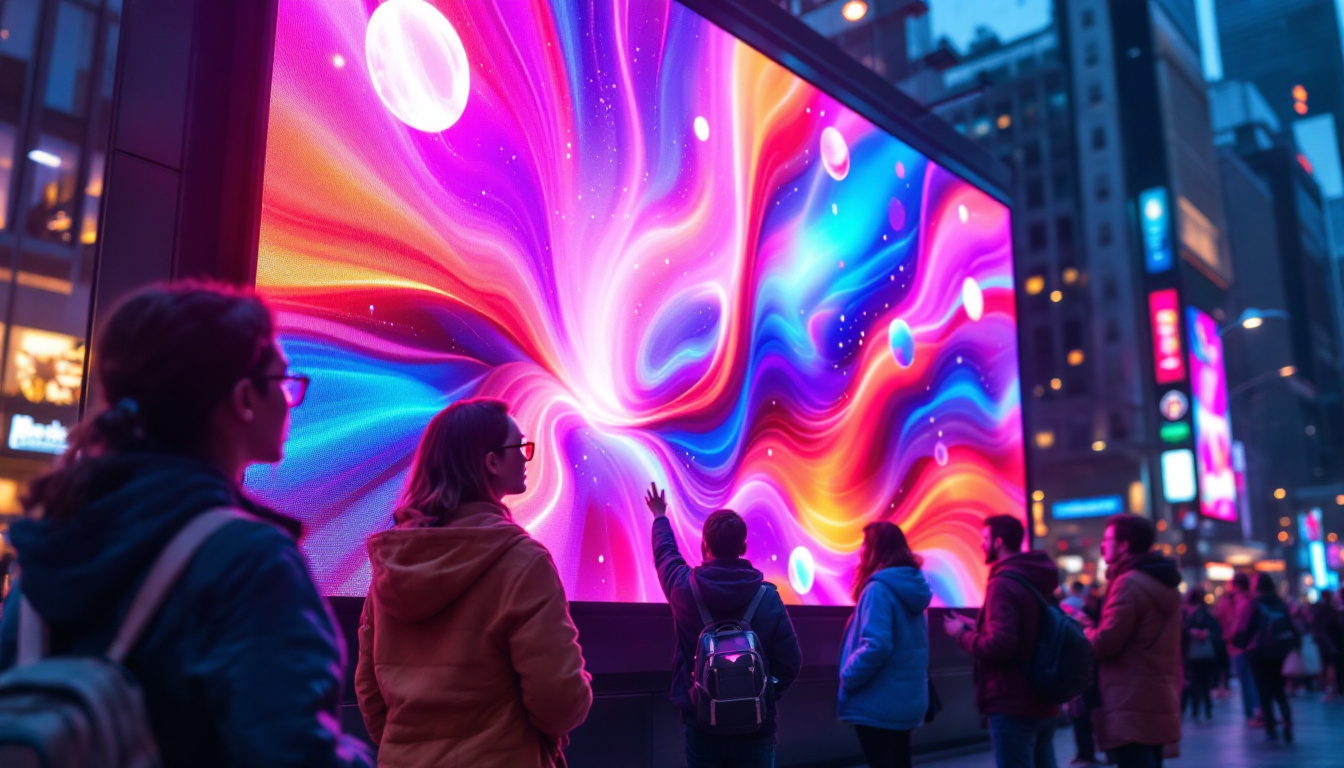
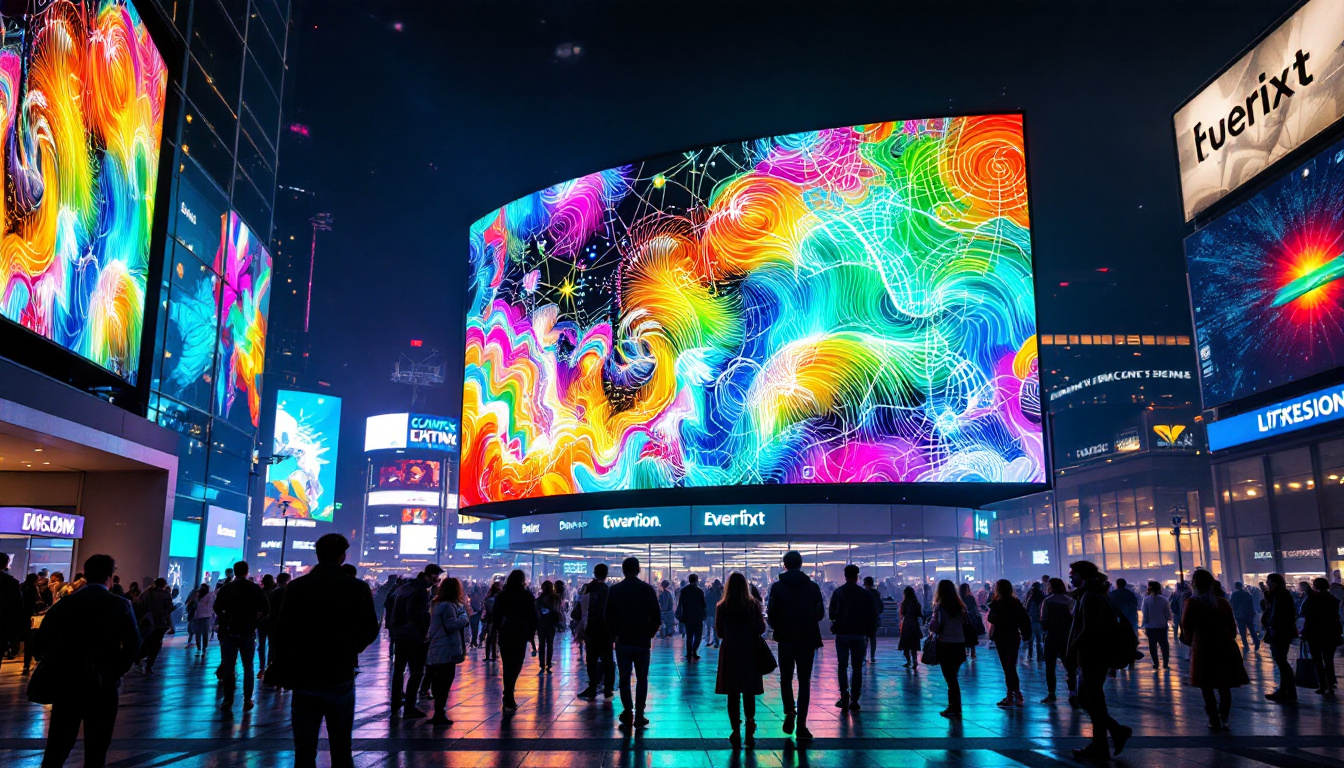
One of the most visible uses of LED displays is in advertising. LED billboards and digital signage dominate urban landscapes, capturing attention with bright, dynamic content that can be updated in real-time. According to a 2023 report by Grand View Research, the global digital signage market is expected to reach $31.71 billion by 2028, driven largely by LED technology advancements.
Outdoor LED displays are designed to withstand harsh weather conditions while maintaining high brightness levels to combat sunlight glare. This makes them ideal for highways, retail storefronts, and public spaces. Furthermore, the ability to change advertisements based on time of day, audience demographics, or even current events allows businesses to tailor their marketing strategies effectively, maximizing engagement and return on investment. As a result, many companies are now investing in LED technology to create eye-catching campaigns that resonate with consumers.
Entertainment and Events
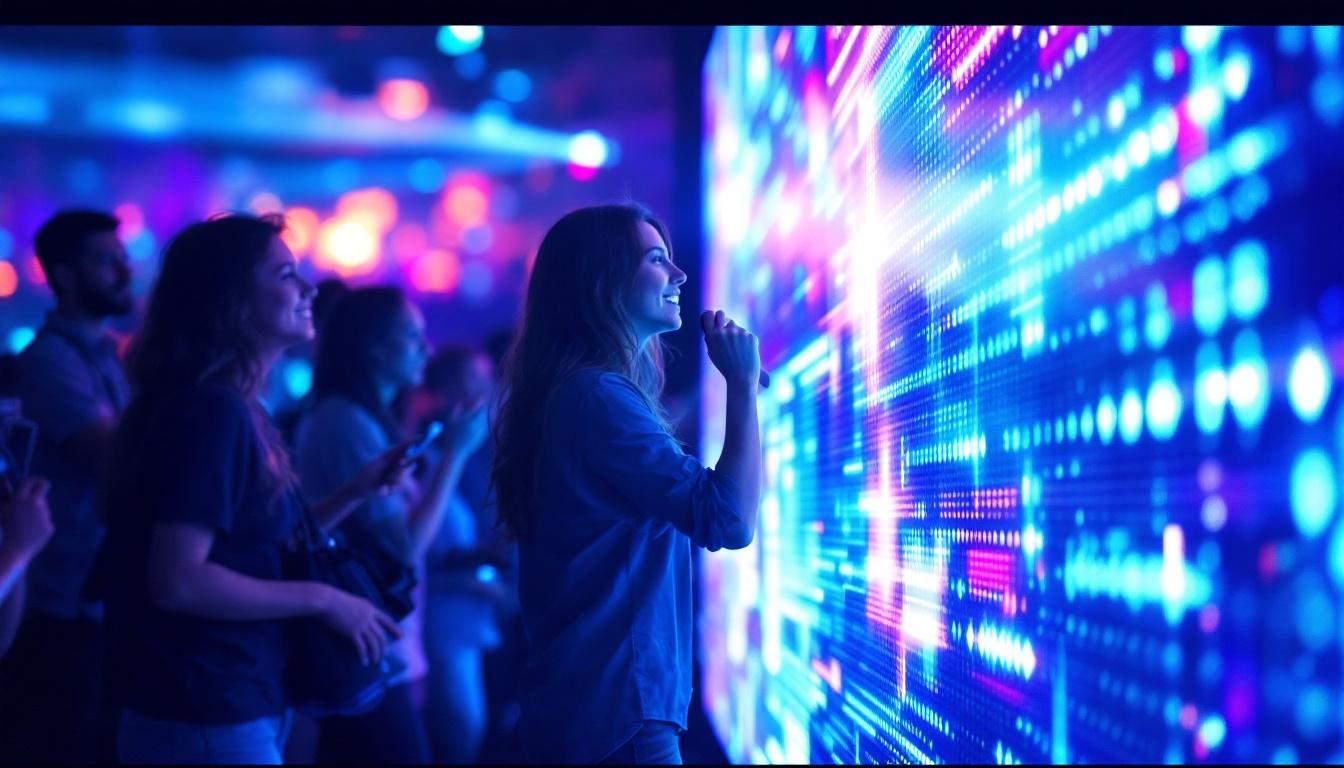
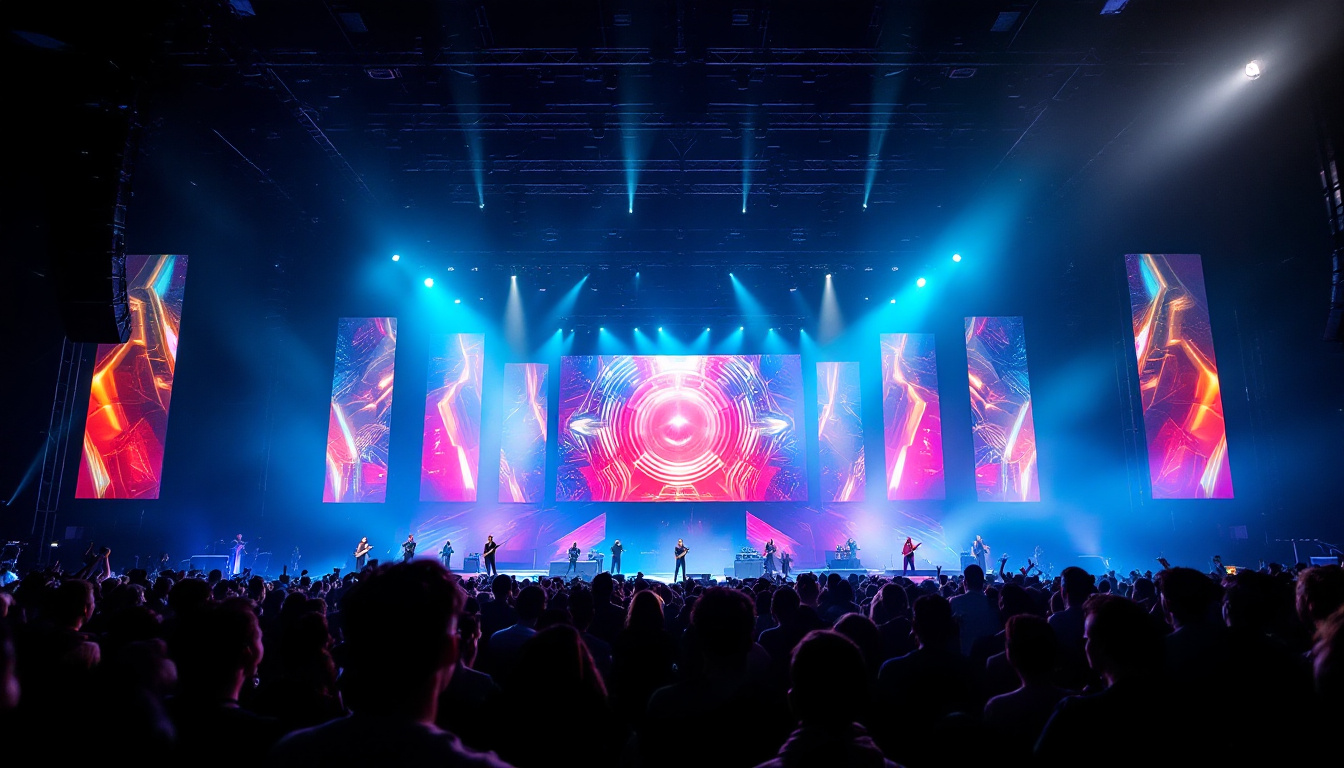
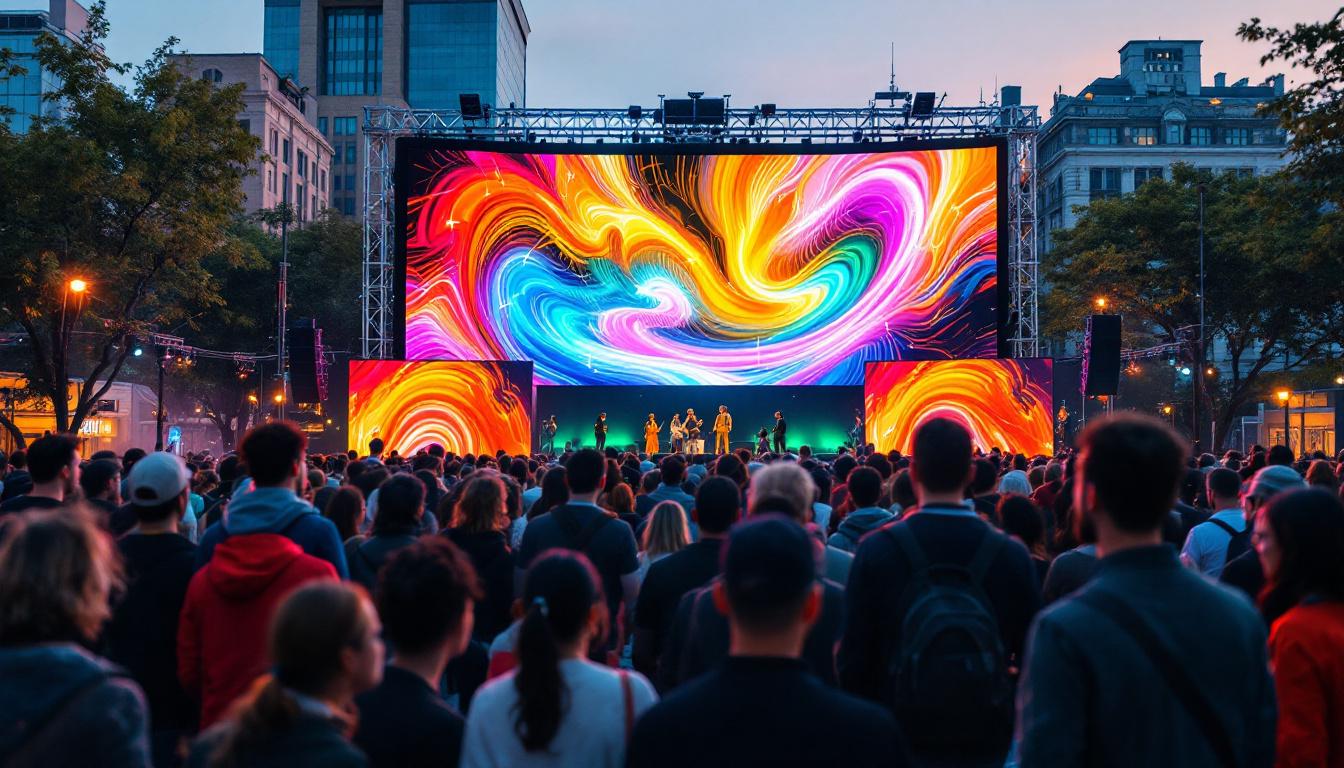
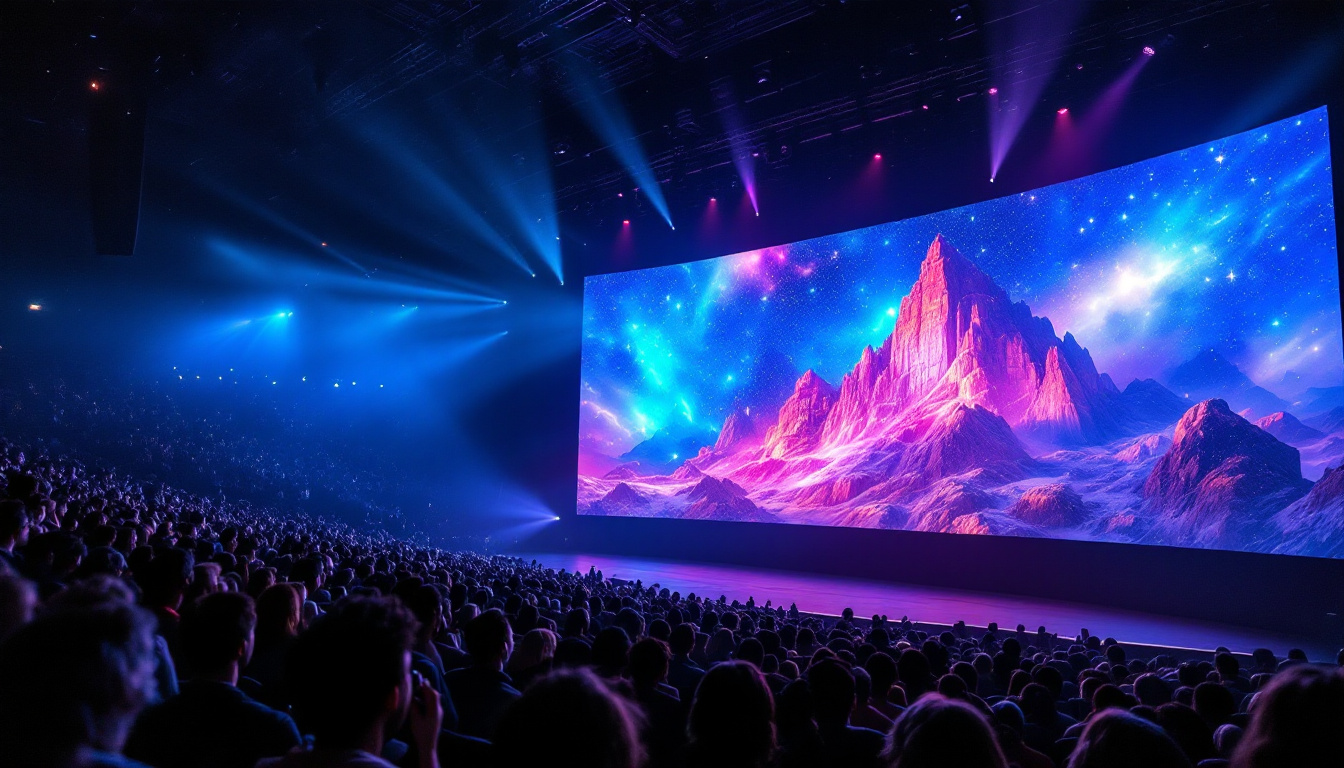
Concerts, sports arenas, and theaters rely heavily on LED displays to enhance the audience experience. Large-scale LED video walls provide immersive visuals that can be seen clearly from great distances. For example, the LED video board at the AT&T Stadium in Texas measures over 11,000 square feet, making it one of the largest in the world.
Additionally, LED technology enables dynamic stage lighting and interactive installations, pushing the boundaries of creative expression. With advancements in LED technology, artists and event organizers can now incorporate interactive elements into their displays, allowing audiences to engage with the content in real-time. This interactivity can range from audience participation through mobile apps to synchronized light shows that react to live performances, creating a multi-sensory experience that captivates attendees and enhances the overall atmosphere of events.
Retail and Corporate Environments
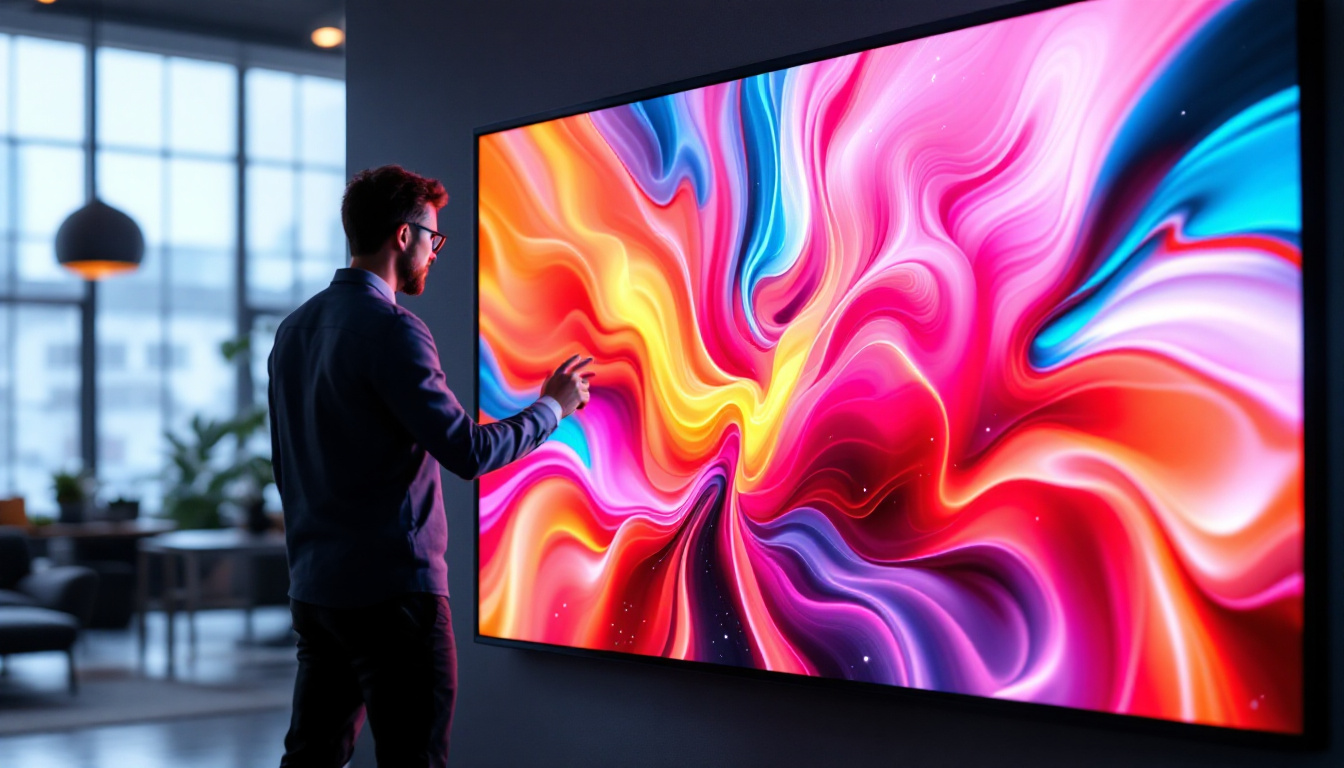
Indoor LED displays are increasingly used in retail stores and corporate offices for branding, information dissemination, and customer engagement. Their slim profiles and customizable sizes allow seamless integration into interior designs. Retailers use LED displays to showcase promotions, product information, and interactive content, which can increase customer dwell time and sales.
Moreover, in corporate environments, LED displays serve as powerful tools for internal communication and branding. Companies can utilize these displays for real-time updates on company news, performance metrics, and motivational content, fostering a more informed and engaged workforce. The flexibility of LED technology also allows for easy updates and changes, ensuring that the displayed content remains relevant and impactful, which is crucial in today’s fast-paced business world.
Transportation and Public Information
LED displays are critical in transportation hubs like airports, train stations, and bus terminals. They provide real-time updates on schedules, delays, and safety information. The high visibility and reliability of LED technology ensure that passengers receive timely and clear communications.
In addition to displaying essential travel information, LED screens in these environments can also be used for advertising and informational purposes, enhancing the overall passenger experience. For instance, airports are increasingly using LED displays to promote local businesses, events, or services, thereby creating a more engaging environment while also generating additional revenue streams. The integration of LED technology in public transport systems not only improves communication but also contributes to a more modern and efficient travel experience, reflecting the technological advancements of our time.
Technical Considerations and Performance Factors
Choosing the right LED display involves understanding several technical parameters that affect performance and suitability for specific applications.
Pixel Pitch and Resolution
Pixel pitch refers to the distance between the centers of two adjacent LEDs or pixels, typically measured in millimeters. A smaller pixel pitch means higher pixel density, resulting in sharper images and higher resolution. For example, an indoor LED display might have a pixel pitch of 1.2mm to 2.5mm, while outdoor displays often range from 4mm to 20mm or more.
The choice of pixel pitch depends on the typical viewing distance. Closer viewing distances require finer pixel pitches to maintain image clarity, whereas larger pixel pitches are acceptable for displays viewed from afar.
Brightness and Contrast Ratio
Brightness, measured in nits (candelas per square meter), is a critical factor for LED displays, especially those used outdoors. Outdoor LED displays often exceed 5,000 nits to remain visible under direct sunlight, while indoor displays typically range between 300 and 1,500 nits.
The contrast ratio—the difference between the brightest white and the darkest black—affects image depth and realism. LED displays generally offer superior contrast ratios compared to LCDs because LEDs can be turned off completely to produce true blacks.
Viewing Angle and Color Accuracy
Wide viewing angles ensure that images remain clear and colors consistent when viewed from different positions. High-quality LED displays maintain color accuracy and brightness across viewing angles of 140 degrees or more, which is essential for public installations and collaborative environments.
Durability and Maintenance
LED displays are designed to operate continuously for thousands of hours, but factors like heat dissipation, moisture resistance, and physical protection influence their lifespan. Outdoor LED displays often feature IP65 or higher ratings, indicating strong protection against dust and water.
Modular designs allow for easier maintenance, enabling technicians to replace individual panels or LEDs without dismantling the entire display. This reduces downtime and maintenance costs.
Future Trends in LED Display Technology
As LED technology continues to advance, several trends are shaping the future of displays, promising even more immersive and efficient solutions.
MicroLED and MiniLED Innovations
MicroLED technology represents the next frontier, using tiny LEDs smaller than 100 micrometers to create displays with unprecedented resolution, brightness, and energy efficiency. Unlike OLEDs, MicroLEDs are inorganic and less prone to burn-in, making them ideal for long-term use in TVs, smartphones, and augmented reality devices.
MiniLEDs, which are slightly larger than MicroLEDs but smaller than traditional LEDs, are already being integrated into high-end monitors and laptops to improve contrast and HDR performance.
Flexible and Transparent LED Displays
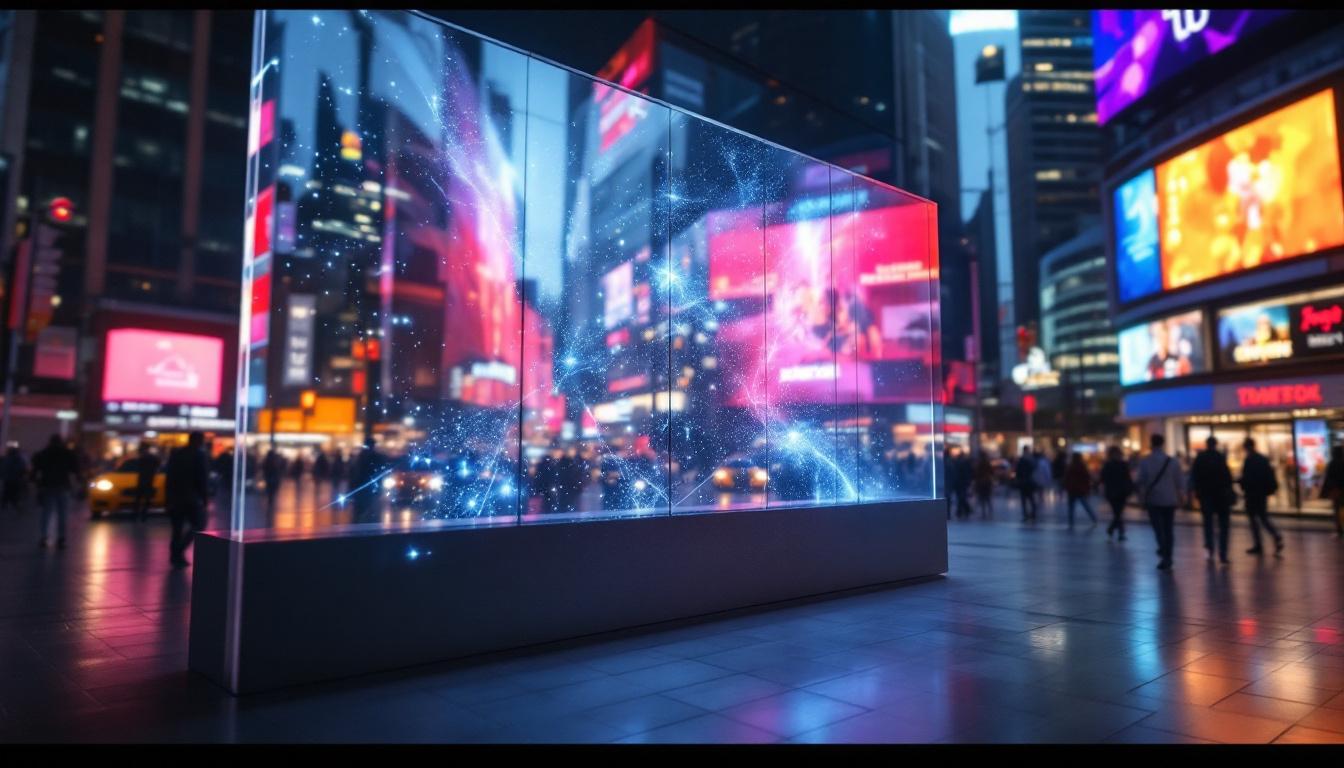
Flexible LED displays are gaining traction, enabling curved, bendable, or foldable screens that open new possibilities for design and functionality. Transparent LED displays, which allow viewers to see through the screen while displaying content, are being adopted in retail windows, museums, and automotive applications.
Integration with Smart Technologies
LED displays are increasingly connected to the Internet of Things (IoT), allowing for remote management, real-time content updates, and data-driven customization. Smart LED displays can adjust brightness automatically based on ambient light or display targeted advertising based on audience demographics.
Conclusion: Why LED Displays Matter
LED displays have revolutionized visual communication by combining vibrant colors, high brightness, and energy efficiency into versatile platforms. Their impact spans advertising, entertainment, retail, transportation, and beyond, making them a cornerstone of modern digital infrastructure.
Understanding the technology behind LED displays, their applications, and emerging trends empowers businesses and consumers to make informed decisions and leverage these powerful tools effectively. As LED technology continues to evolve, its role in shaping how people experience information and entertainment will only grow stronger.
Discover the Future of Visual Experience with LumenMatrix
Ready to elevate your visual communication to the next level? LumenMatrix is at the forefront of LED display innovation, offering a diverse range of solutions tailored to your needs. Whether you’re looking to captivate your audience with an Indoor LED Wall Display, make a statement with an Outdoor LED Wall Display, or drive engagement with a Custom LED Display, LumenMatrix has the technology to bring your vision to life. Experience the difference with our cutting-edge LED displays and transform the way you share your message. Check out LumenMatrix LED Display Solutions today and join the revolution in digital signage and visual storytelling.