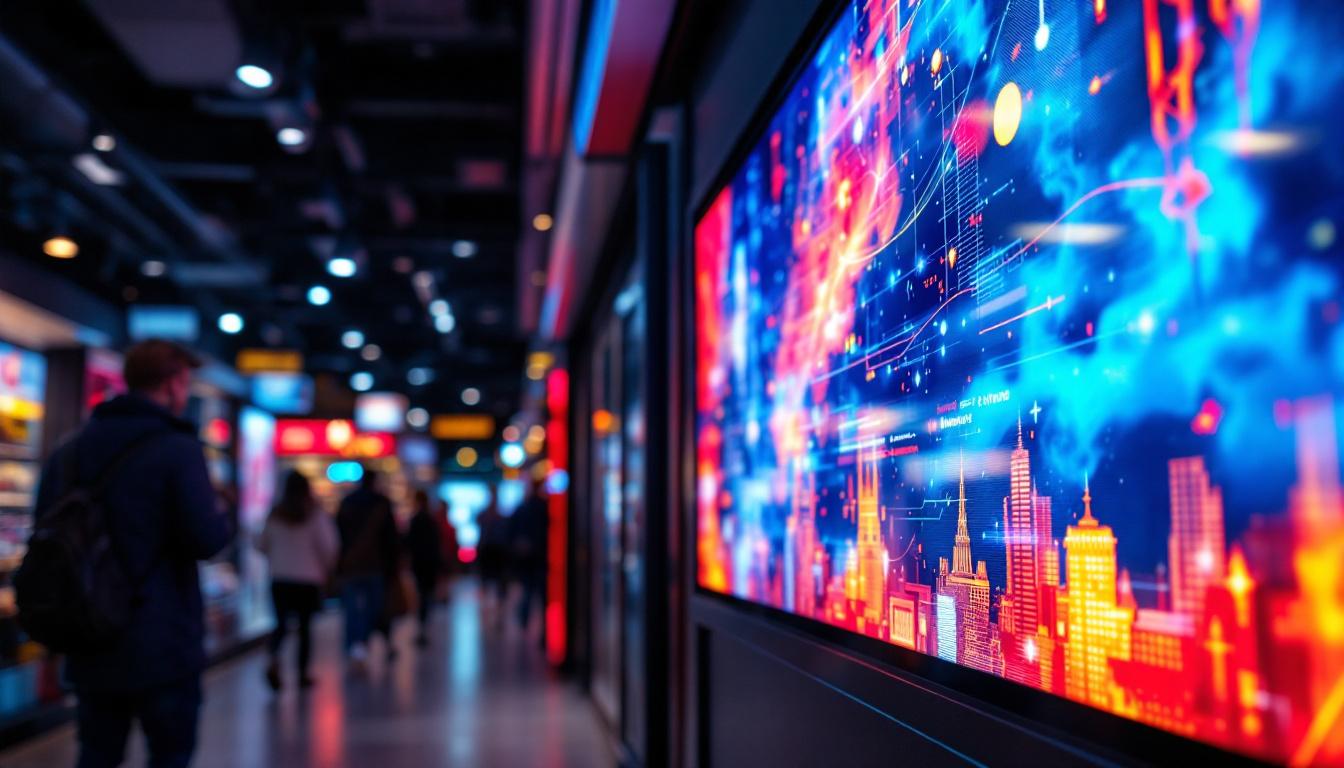
In today’s fast-paced, visually driven marketplace, digital signage has emerged as a powerful tool for businesses to capture attention and communicate effectively. Among various digital signage technologies, LED displays stand out for their brightness, durability, and versatility. For sales professionals and businesses looking to enter or expand in this sector, understanding how to sell digital signage—particularly LED displays—is crucial.
This comprehensive guide will break down the essentials of LED digital signage, explore why it’s a compelling investment, and provide actionable strategies to help you successfully sell these cutting-edge solutions to clients across industries.
Understanding LED Digital Signage: What Makes It Unique?
What Is LED Digital Signage?
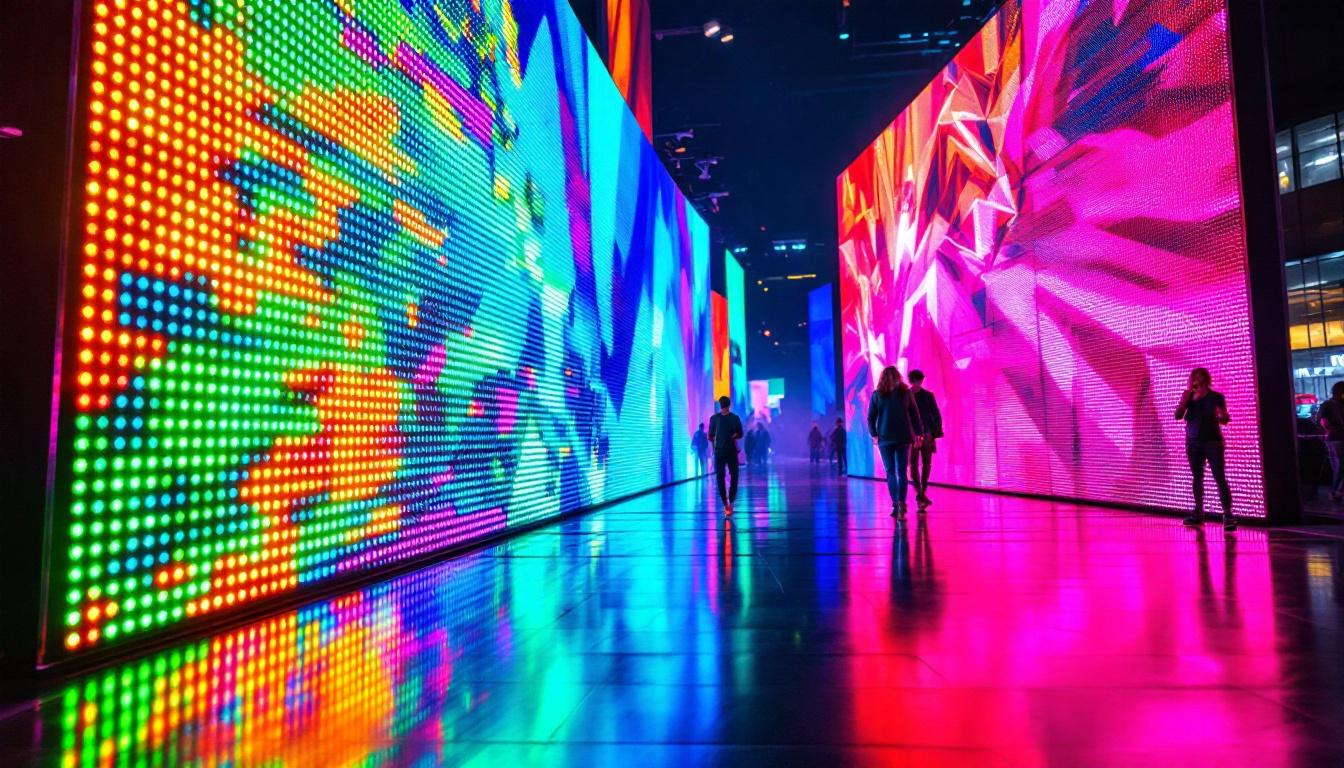
LED digital signage refers to display screens that use light-emitting diodes (LEDs) to create vivid images and videos. Unlike traditional LCD or projection-based displays, LED signage consists of an array of tiny LEDs that collectively produce bright, high-contrast visuals visible even in direct sunlight.
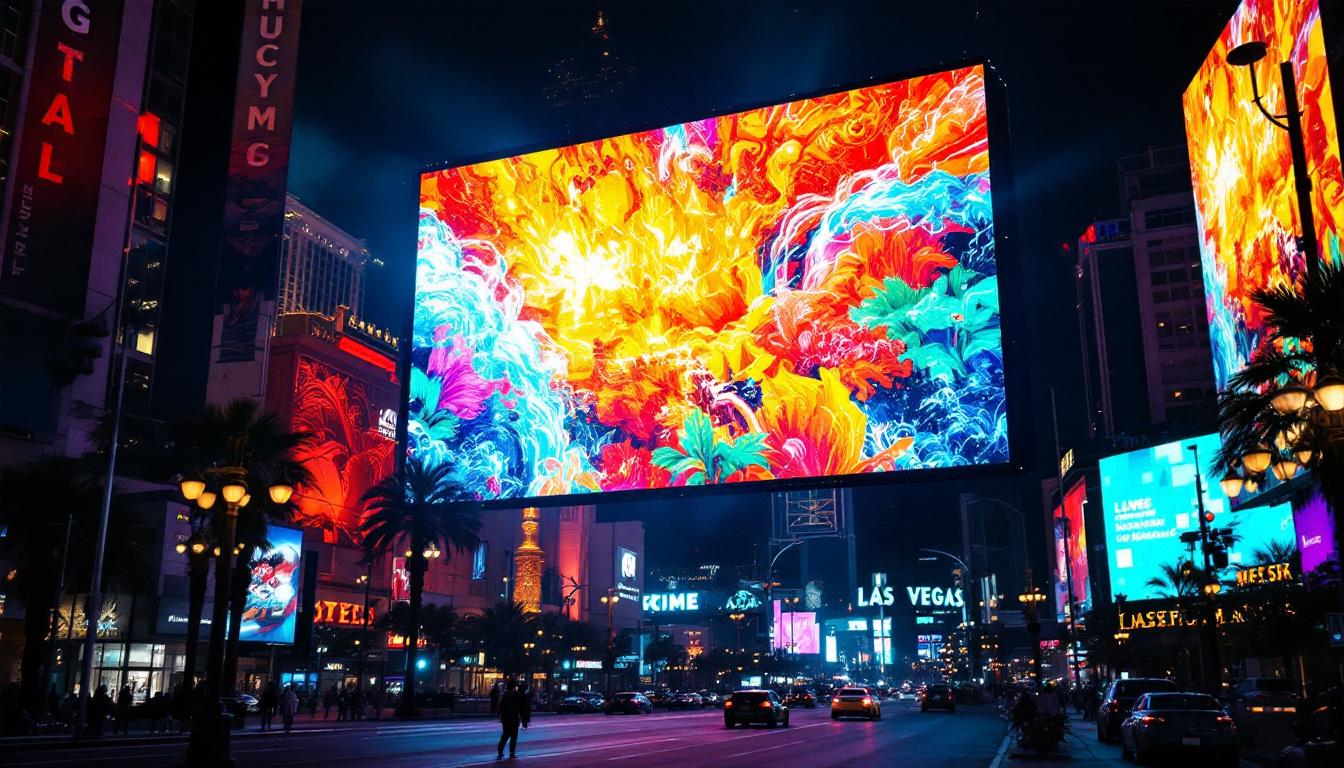
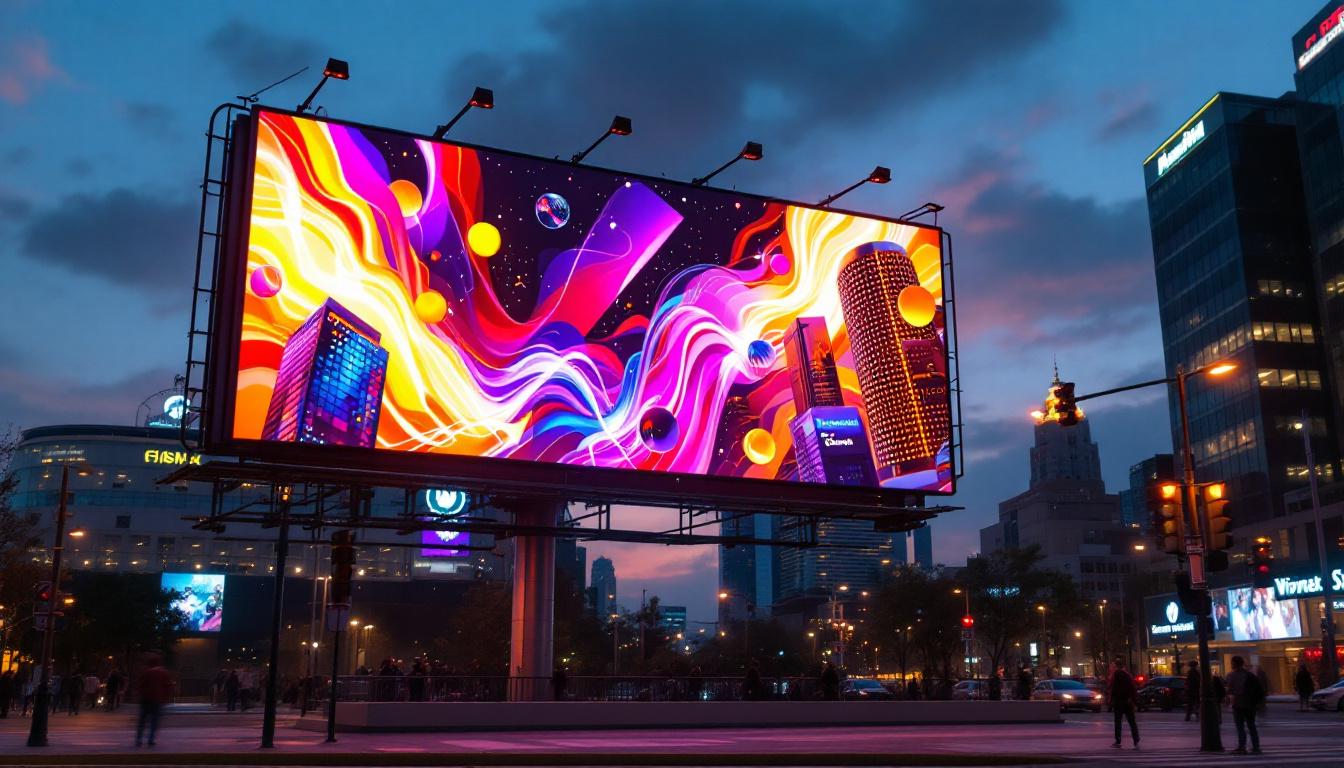
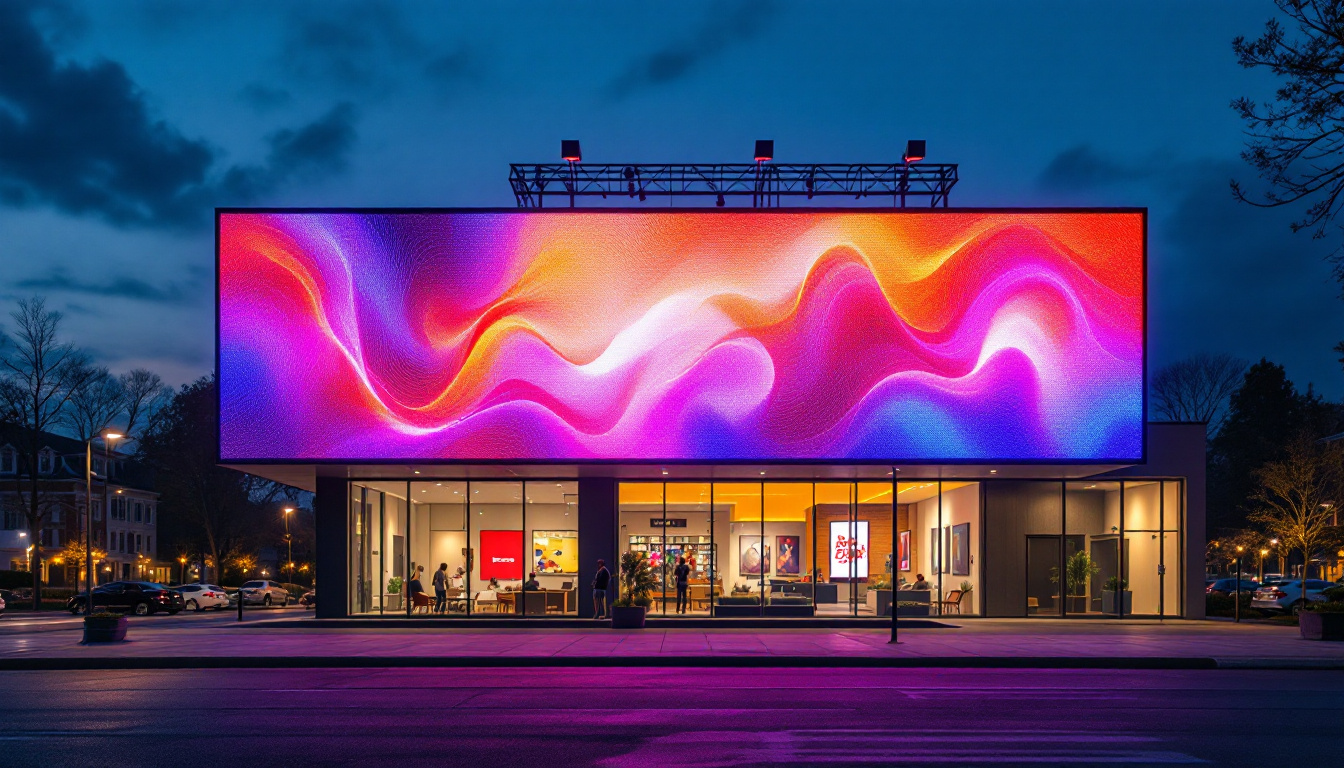
This technology is commonly used for outdoor billboards, retail displays, stadium screens, and indoor advertising, offering superior visibility and energy efficiency. The modular nature of LED panels allows for custom sizes and shapes, making it adaptable to various environments and creative designs. Additionally, the ability to create seamless displays means that businesses can design eye-catching visuals that attract attention and convey messages effectively, whether in a bustling urban setting or a quiet indoor space.
Key Advantages of LED Displays
LED digital signage offers several benefits that make it a preferred choice for many businesses:
- Brightness and Visibility: LED displays can achieve brightness levels exceeding 5,000 nits, ensuring clear visibility in bright daylight conditions where other screens may falter.
- Durability and Longevity: LEDs have a long operational lifespan, often exceeding 100,000 hours, and are resistant to weather and environmental factors, making them ideal for outdoor use.
- Energy Efficiency: Compared to older display technologies, LEDs consume less power, reducing operational costs over time.
- Customization and Scalability: Modular panels allow for flexible sizing and shapes, from small indoor signs to massive outdoor video walls.
- Dynamic Content Capability: LED signage supports video, animations, and real-time data feeds, enabling engaging and interactive content.
These advantages translate into a compelling value proposition for businesses aiming to enhance brand visibility and customer engagement. Moreover, the integration of smart technology into LED signage systems allows for remote management and content updates, providing businesses with the agility to respond to market changes swiftly. For instance, retailers can modify promotions in real-time based on inventory levels or customer traffic, ensuring that their messaging is always relevant and timely.
Furthermore, the interactive capabilities of LED digital signage can foster a more immersive experience for consumers. Touchscreen interfaces and QR code integrations can encourage customer interaction, allowing users to engage with the content directly. This not only enhances the viewing experience but also provides valuable data on customer preferences and behaviors, enabling businesses to tailor their strategies effectively. As technology continues to evolve, the potential applications for LED digital signage are expanding, paving the way for innovative marketing solutions that captivate audiences like never before.
Market Trends and Opportunities in Digital Signage
A Growing Industry with Expanding Applications
The global digital signage market was valued at approximately $21 billion in 2023 and is projected to grow at a compound annual growth rate (CAGR) of around 9% through 2030. This growth is driven by increasing demand for dynamic advertising, technological advancements, and the rising adoption of smart city initiatives.
LED digital signage plays a pivotal role in this expansion due to its adaptability and effectiveness across various sectors:
- Retail: Enhances in-store promotions, wayfinding, and customer engagement.
- Transportation: Provides real-time updates and advertising in airports, train stations, and bus terminals.
- Hospitality: Delivers interactive menus, event information, and branding in hotels and restaurants.
- Corporate: Facilitates internal communications, digital directories, and visitor information.
- Entertainment and Sports: Creates immersive experiences with large-scale video walls in arenas and theaters.
Why LED Digital Signage Is a Smart Investment
From a sales perspective, highlighting the return on investment (ROI) is essential. Studies show that digital signage can increase sales by up to 30% in retail environments and improve brand recall by 47%. LED displays, with their superior visibility and flexibility, amplify these benefits.
Moreover, the ability to update content remotely and instantly reduces operational overhead and enables timely promotions, which is a significant advantage over static signage. For clients focused on sustainability, LED’s energy efficiency and longer lifespan contribute to lower environmental impact and cost savings.
In addition to these benefits, the integration of artificial intelligence (AI) and data analytics into digital signage systems is revolutionizing how businesses engage with their audiences. By analyzing customer behavior and preferences, companies can tailor their messaging in real-time, ensuring that the content displayed resonates with the target demographic. This level of personalization not only enhances customer experiences but also drives higher engagement rates, making digital signage an even more compelling investment.
Furthermore, the rise of interactive digital signage is transforming the way consumers interact with brands. Touchscreens, motion sensors, and augmented reality features allow for a more immersive experience, encouraging customers to engage with the content actively. This trend is particularly evident in sectors like retail and entertainment, where creating memorable experiences can significantly influence purchasing decisions and brand loyalty. As technology continues to evolve, the potential applications for digital signage will only expand, paving the way for innovative solutions that cater to an increasingly digital-savvy audience.
How to Effectively Sell LED Digital Signage
Know Your Client’s Needs and Environment
Successful sales start with understanding the client’s business goals, target audience, and physical environment. Ask detailed questions about where the signage will be installed, the typical lighting conditions, content types, and budget constraints.
For example, a retail store may prioritize indoor LED displays with high resolution for close viewing, while a transportation hub might need ultra-bright, weatherproof outdoor LED boards. Tailoring your pitch to these specifics demonstrates expertise and builds trust.
Educate Clients on Technical Features and Benefits
Many potential buyers may not fully understand the differences between LED and other digital signage technologies. Use clear, jargon-free explanations to highlight key features such as pixel pitch (which affects image sharpness), brightness levels, viewing angles, and maintenance requirements.
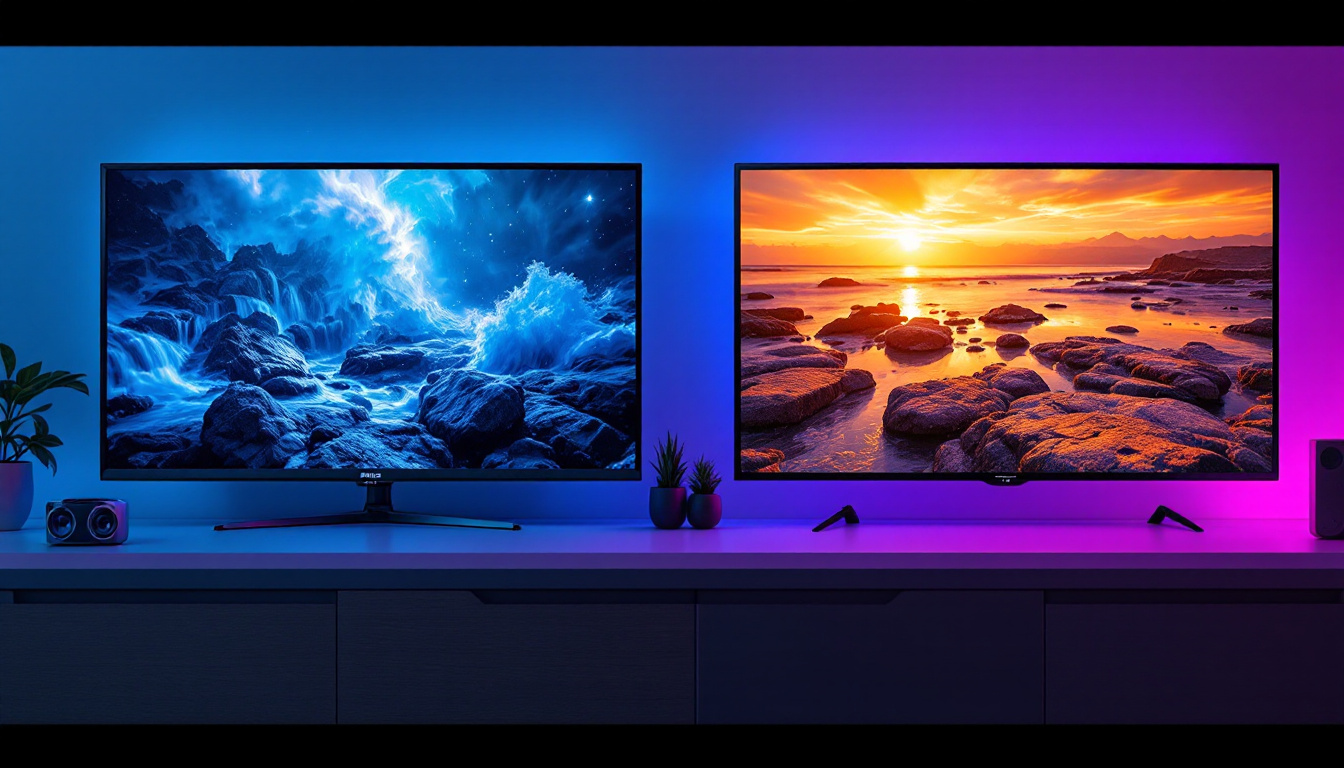
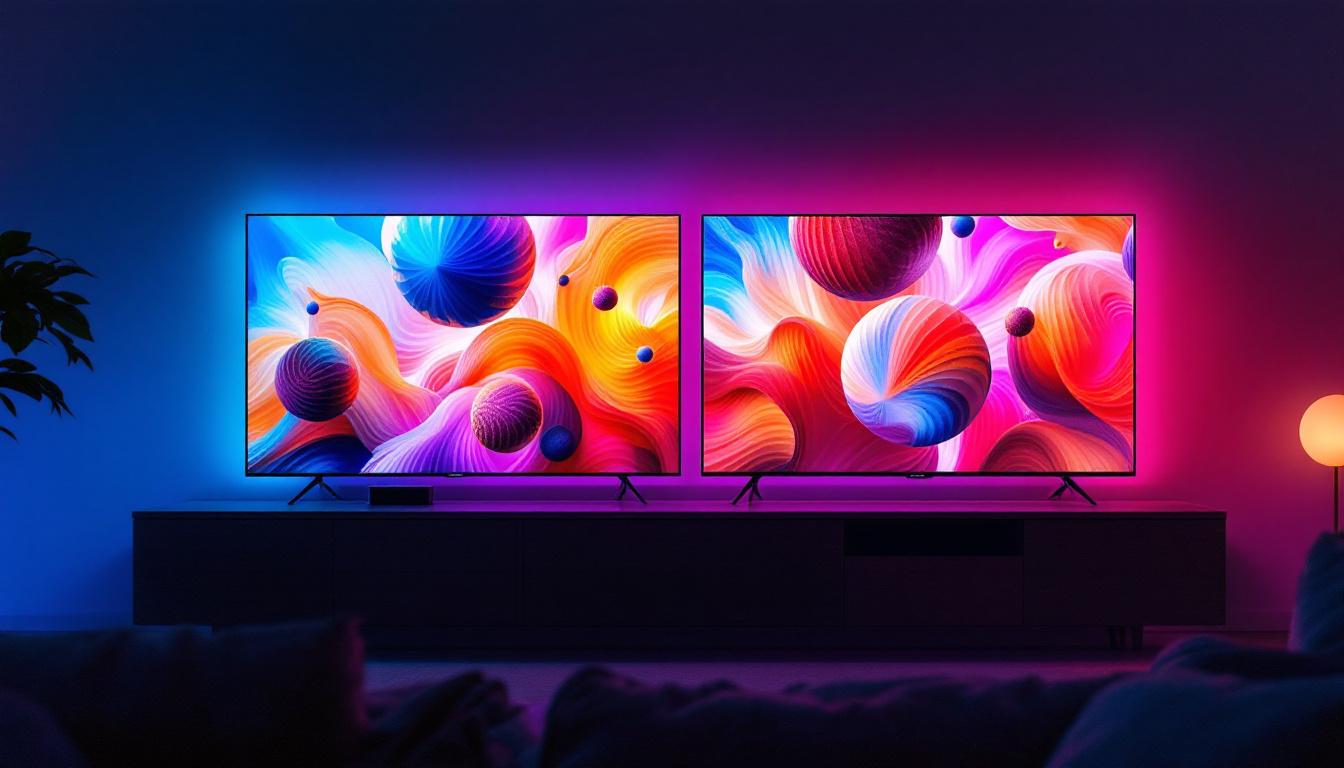
Visual aids like product demos, videos, or case studies can be highly effective. For instance, showing a side-by-side comparison of LED versus LCD screens under sunlight can illustrate the superior brightness and clarity of LED displays.
Address Common Objections Proactively
Clients often have concerns about cost, installation complexity, and content management. Be prepared to discuss:
- Cost Justification: Emphasize long-term savings from energy efficiency, reduced maintenance, and increased sales impact.
- Installation and Support: Outline your company’s installation process, warranties, and after-sales service to reassure clients.
- Content Flexibility: Explain content management systems (CMS) that enable easy updates and scheduling, often accessible remotely via cloud platforms.
Providing transparent, detailed information helps overcome hesitation and positions you as a trusted advisor.
Leverage Case Studies and Testimonials
Real-world examples resonate strongly with prospective buyers. Share success stories from similar industries or business sizes that demonstrate measurable benefits such as increased foot traffic, improved customer engagement, or operational efficiencies.
Testimonials from satisfied clients add credibility and can often address concerns that technical specifications alone cannot.
Offer Flexible Financing and Packages
Digital signage investments can be significant, especially for large LED installations. Offering flexible payment options, leasing plans, or bundled packages that include hardware, installation, and content management services can make the purchase more accessible.
Additionally, providing scalable solutions allows clients to start small and expand their digital signage network as their needs grow.
Technical Insights: What Sales Professionals Should Know
Pixel Pitch and Resolution
Pixel pitch refers to the distance between the centers of two adjacent pixels and is a critical factor in image clarity. Smaller pixel pitches (e.g., 1.5mm to 4mm) are ideal for indoor displays viewed up close, while larger pitches (e.g., 6mm to 20mm) suit outdoor applications where viewing distances are greater.
Understanding this helps in recommending the right product for the client’s environment and ensures content looks sharp and professional.
Brightness and Contrast Ratios
Brightness, measured in nits, determines how well the display performs under various lighting conditions. Outdoor LED signs typically require 5,000 to 8,000 nits, while indoor displays usually range from 800 to 1,500 nits.
Contrast ratio, the difference between the darkest and brightest parts of the image, affects image depth and color richness. High contrast ratios enhance visual appeal and readability.
Installation and Maintenance Considerations
LED displays require proper installation to ensure safety, optimal viewing angles, and durability. Modular panels must be aligned precisely, and power supply and data connections need to be secure.
Maintenance is generally minimal but should be part of the sales conversation. Explain routine cleaning, software updates, and how your company supports ongoing service to maximize uptime.
Closing the Sale and Building Long-Term Relationships
Demonstrate Value Beyond the Hardware
Successful sales extend beyond delivering a product. Position your offering as a comprehensive solution that includes content strategy, management tools, and ongoing support. Helping clients envision how digital signage integrates into their broader marketing and operational plans adds value.
Follow Up and Support
After installation, maintain regular contact to ensure client satisfaction and offer training or upgrades. This approach not only encourages repeat business but also fosters referrals and positive reviews.
Stay Updated on Industry Innovations
Digital signage technology evolves rapidly. Staying informed about emerging trends like AI-powered content personalization, interactive touchscreens, and 3D LED displays enables you to present cutting-edge solutions and anticipate client needs.
Conclusion
Selling LED digital signage effectively requires a blend of technical knowledge, market insight, and customer-centric communication. By understanding the unique benefits of LED displays, aligning solutions with client needs, and providing comprehensive support, sales professionals can unlock significant opportunities in this growing market.
As businesses increasingly seek dynamic, impactful ways to engage audiences, LED digital signage stands out as a versatile and valuable investment. Mastering how to sell these solutions will position you at the forefront of a vibrant and expanding industry.
Discover LumenMatrix’s Innovative LED Display Solutions
Ready to elevate your brand’s presence and captivate your audience with unparalleled visual experiences? Explore LumenMatrix’s comprehensive range of LED display solutions, from vibrant Indoor and Outdoor LED Wall Displays to dynamic Vehicle and Sports LED Displays. Embrace the future of visual communication with our cutting-edge technology, including LED Posters, Floor Displays, Custom Configurations, All-in-One systems, and Transparent LED options. Visit LumenMatrix LED Display Solutions today and see how we can help you create impactful, engaging signage that resonates with your audience and drives your message home.