In today’s security landscape, closed-circuit television (CCTV) systems have become indispensable for monitoring and safeguarding properties, businesses, and public spaces. At the heart of these systems lies the CCTV monitor screen, a critical component that displays live or recorded footage captured by cameras. Among the various display technologies available, LED (Light Emitting Diode) displays have emerged as a popular choice due to their superior image quality, energy efficiency, and durability.
This article delves into the world of CCTV monitor screens, focusing specifically on LED display technology. It explores how LED displays work, their advantages over other types of screens, and key considerations when selecting an LED CCTV monitor. Whether you are a security professional, business owner, or technology enthusiast, understanding the nuances of LED displays can help you make informed decisions to enhance your surveillance setup.
Understanding CCTV Monitor Screens and Their Role
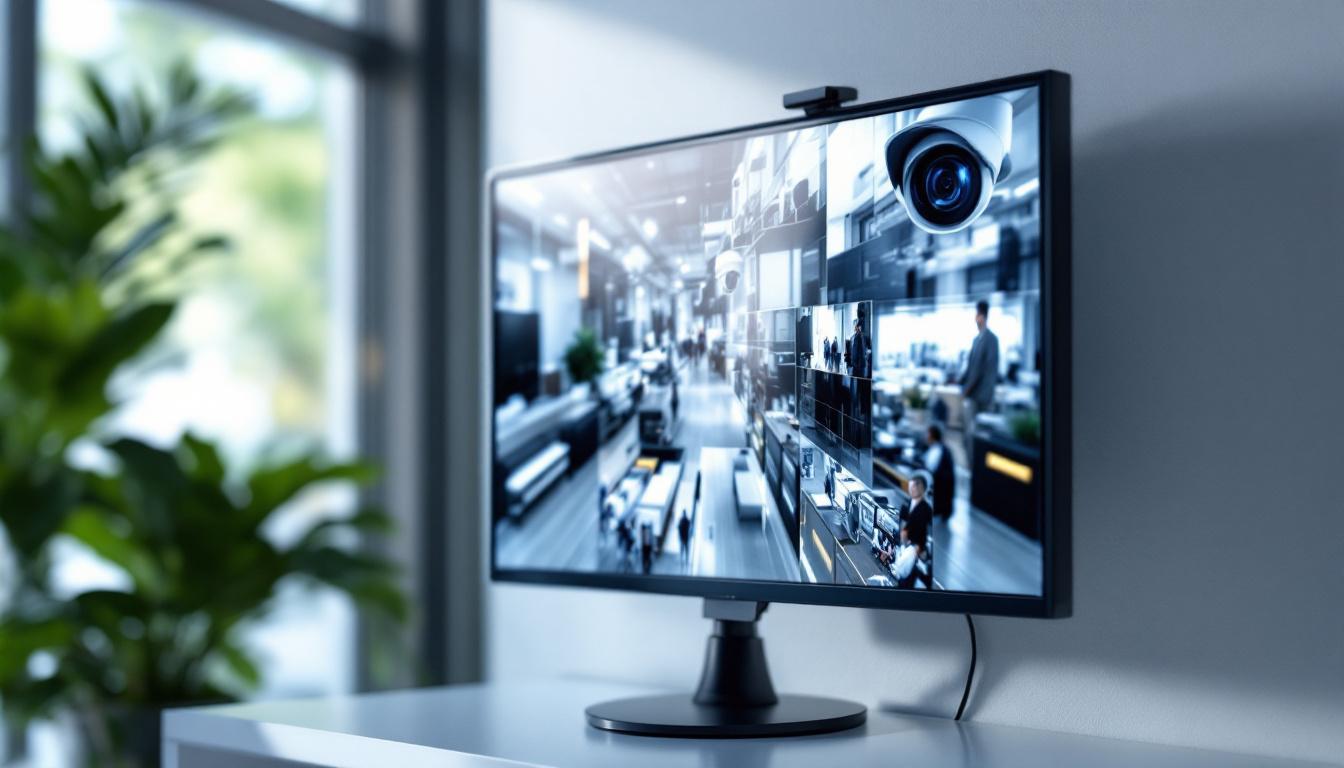
CCTV monitor screens serve as the visual interface for surveillance systems, allowing operators to observe real-time footage or review recorded video. The quality and reliability of these monitors directly impact the effectiveness of security operations. A clear, sharp display can reveal critical details such as facial features, license plates, or suspicious activities that might otherwise go unnoticed.
Traditionally, CCTV monitors utilized cathode ray tube (CRT) technology, but these have largely been replaced by flat-panel displays such as LCD (Liquid Crystal Display), LED, and OLED (Organic LED) screens. Among these, LED displays have gained significant traction due to their enhanced performance characteristics.
The Basics of LED Display Technology
LED displays use light-emitting diodes as their light source. In the context of CCTV monitors, LED technology typically refers to LCD panels that are backlit by LEDs rather than the older cold cathode fluorescent lamps (CCFLs). This distinction is important because it affects brightness, contrast, energy consumption, and lifespan.
There are two main types of LED displays used in CCTV monitors:
- Edge-Lit LED Displays: LEDs are placed along the edges of the screen, and light is distributed across the panel using light guides. This design allows for thinner monitors but can sometimes result in uneven brightness.
- Direct-Lit or Full-Array LED Displays: LEDs are positioned directly behind the screen in a grid pattern, providing more uniform brightness and better contrast control.
In addition to these technological advancements, the resolution of CCTV monitor screens has also improved significantly over the years. Modern monitors often feature high-definition (HD) and ultra-high-definition (UHD) resolutions, allowing for greater detail in the images displayed. This is particularly beneficial in security applications, where identifying individuals or objects can be crucial. A higher resolution means that operators can zoom in on footage without losing clarity, making it easier to analyze incidents or gather evidence.
Moreover, the integration of smart technology into CCTV monitor systems has revolutionized the way security personnel interact with their surveillance feeds. Many modern monitors come equipped with features such as motion detection alerts, remote access capabilities, and even artificial intelligence that can help in identifying unusual patterns of behavior. This not only enhances the monitoring process but also allows for quicker response times in potential security breaches, making CCTV systems more effective than ever before.
Advantages of LED Displays in CCTV Monitoring
Choosing the right monitor for a CCTV system is crucial, and LED displays offer several compelling benefits that make them well-suited for surveillance applications.
Superior Image Quality and Clarity
LED monitors provide vibrant colors, high brightness levels, and excellent contrast ratios. This is essential for CCTV monitoring, where discerning fine details can be the difference between identifying a suspect or missing critical information. For example, LED screens often boast contrast ratios upwards of 1000:1, enabling deeper blacks and more vivid images compared to older technologies.
Additionally, LED backlighting allows for consistent brightness across the screen, reducing glare and reflections that can impair visibility in brightly lit control rooms or outdoor environments. The ability to fine-tune brightness and color settings further enhances the user experience, allowing operators to adjust the display to suit varying lighting conditions throughout the day and night, ensuring optimal performance at all times.
Energy Efficiency and Longevity
Compared to CCFL-backlit LCDs or CRT monitors, LED displays consume significantly less power. This energy efficiency not only reduces operational costs but also minimizes heat generation, which can prolong the lifespan of the monitor and other nearby equipment. Furthermore, many modern LED displays come equipped with energy-saving features such as automatic brightness adjustment based on ambient light, further enhancing their eco-friendliness.
LED monitors typically have lifespans ranging from 30,000 to 60,000 hours, meaning they can operate continuously for several years without degradation in image quality. This reliability is vital for security systems that require 24/7 monitoring. The durability of LED technology also means that these displays are less prone to burn-in issues, a common problem with older display technologies, ensuring that the integrity of the images remains intact over time.
Compact and Lightweight Design
The slim profile of LED monitors makes them easier to install in tight security rooms or mounting setups. Their lightweight design also facilitates flexible placement, whether on desks, walls, or integrated into multi-screen video walls for comprehensive surveillance coverage. This adaptability allows security teams to create a customized monitoring environment that best suits their operational needs, enhancing overall effectiveness.
Moreover, the compact nature of LED displays enables the integration of advanced features such as touch-screen functionality, which can streamline interactions and improve response times in critical situations. This modern approach to display technology not only enhances user engagement but also supports the evolving demands of sophisticated surveillance systems.
Faster Response Times and Reduced Motion Blur
LED technology enables quicker pixel response times, which reduces motion blur when viewing fast-moving objects. This feature is particularly important in CCTV applications monitoring busy areas such as airports, retail stores, or traffic intersections where rapid movements are common. The ability to capture and display fast action with clarity ensures that security personnel can make informed decisions in real-time, potentially preventing incidents before they escalate.
Additionally, many LED monitors support high refresh rates, which further enhances the viewing experience by providing smoother transitions and reducing flicker. This is crucial in environments where every second counts, as operators can more effectively track suspicious behavior or quickly respond to emergencies. The combination of fast response times and high refresh rates positions LED displays as an indispensable tool in modern surveillance operations, ensuring that security teams are always one step ahead.
Key Features to Consider When Choosing an LED CCTV Monitor
Not all LED monitors are created equal, and selecting the right one requires careful attention to several technical specifications and features tailored to your surveillance needs.
Resolution and Screen Size
Resolution determines the amount of detail the monitor can display. Common resolutions include Full HD (1920×1080 pixels), Quad HD (2560×1440), and 4K Ultra HD (3840×2160). Higher resolutions provide sharper images but may require more powerful video processing equipment.
Screen size should be chosen based on the monitoring environment. Larger screens (27 inches and above) are suitable for control rooms where multiple feeds are displayed simultaneously, while smaller screens may suffice for individual camera monitoring stations.
Viewing Angles
Wide viewing angles ensure that the image remains clear and color-accurate even when viewed from the side. This is important in multi-operator environments or when the monitor is mounted at an angle. Look for monitors with IPS (In-Plane Switching) panels, which typically offer viewing angles of 178 degrees horizontally and vertically.
Brightness and Contrast Ratio
Brightness is measured in nits (cd/m²), and higher brightness levels improve visibility in bright rooms or areas exposed to sunlight. A brightness level of at least 300 nits is recommended for indoor CCTV monitors, while outdoor monitors may require 700 nits or more.
Contrast ratio affects the difference between the darkest and brightest parts of the image. Higher contrast ratios enhance image depth and detail, which is crucial for identifying objects in shadowed or brightly lit scenes.
Connectivity Options
Modern CCTV monitors should support a variety of input interfaces such as HDMI, DisplayPort, VGA, and sometimes BNC inputs directly compatible with CCTV camera outputs. Multiple input ports allow flexibility in connecting different devices or switching between video sources.
Durability and Environmental Resistance
For monitors installed in harsh environments, features like dust resistance, water resistance (IP ratings), and ruggedized casing are important. These ensure the monitor continues to function reliably despite exposure to elements or physical impacts.
Applications and Trends in CCTV LED Monitor Usage
LED display technology in CCTV monitors is not static; it continues to evolve alongside advancements in security technology and user demands.
Integration with Video Wall Systems
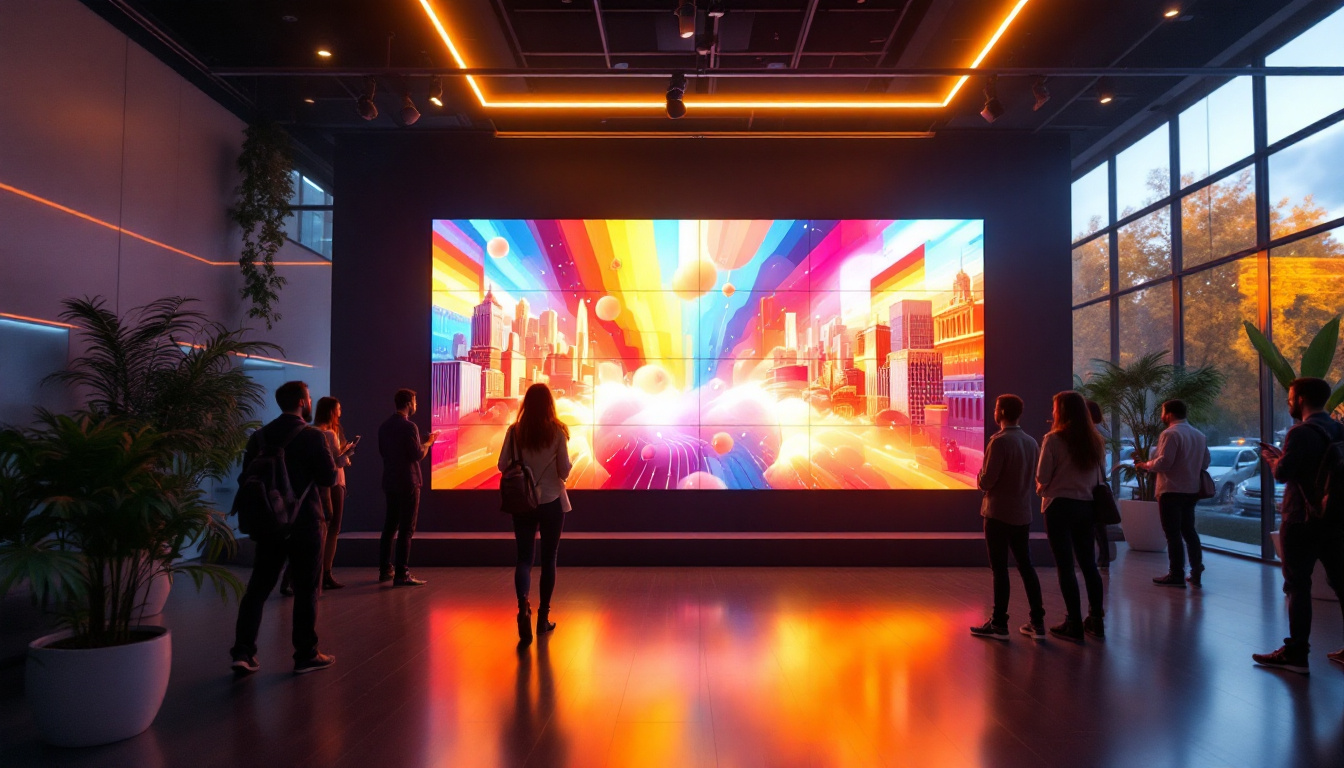
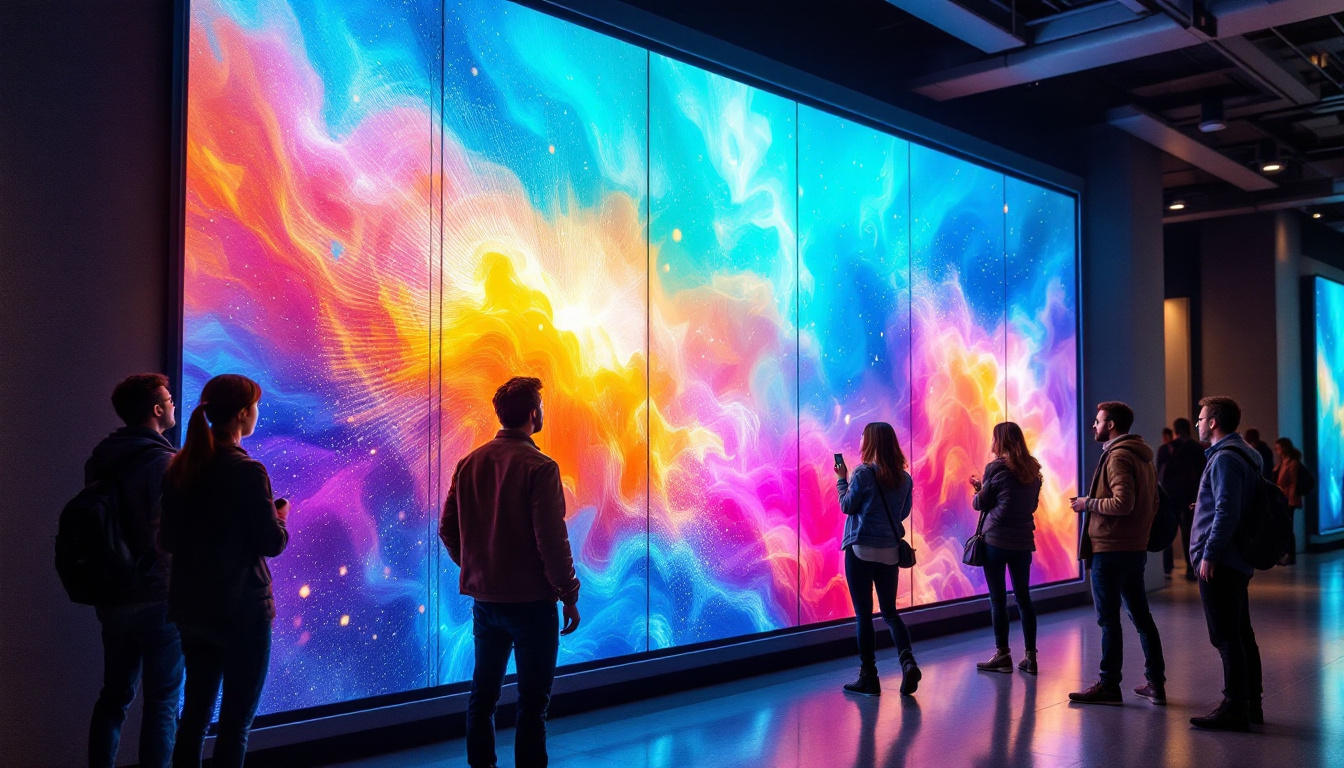
Large-scale surveillance operations often employ video walls composed of multiple LED monitors tiled together. These setups provide expansive views of numerous camera feeds simultaneously, enabling quicker situational awareness and coordinated responses.
LED monitors with ultra-thin bezels and consistent color calibration are preferred for video walls to minimize visual distractions and maintain image continuity.
Smart Monitoring and AI Integration
With the rise of AI-powered video analytics, CCTV monitors are increasingly used to display alerts, heat maps, and object tracking overlays. LED displays with high resolution and fast refresh rates enhance the clarity of these advanced visualizations, improving operator efficiency.
Outdoor and Public Surveillance
Outdoor CCTV monitors equipped with high-brightness LED displays are used in public spaces such as transportation hubs, stadiums, and city centers. Their ability to maintain visibility under direct sunlight and adverse weather conditions makes them ideal for continuous public safety monitoring.
Maintenance and Best Practices for LED CCTV Monitors
Ensuring the longevity and optimal performance of LED CCTV monitors requires regular maintenance and adherence to best practices.
Proper Cleaning and Handling
Use soft, lint-free cloths and manufacturer-approved cleaning solutions to avoid damaging the screen surface. Avoid harsh chemicals and excessive moisture, which can degrade the LED backlighting or screen coatings.
Regular Calibration
Periodic calibration of brightness, contrast, and color settings helps maintain image accuracy, especially in environments where lighting conditions change frequently.
Monitoring Operating Conditions
Ensure that monitors are operated within specified temperature and humidity ranges. Overheating or exposure to moisture can shorten the lifespan of LED components.
Conclusion
LED display technology has revolutionized CCTV monitoring by offering superior image quality, energy efficiency, and durability. Understanding the technical aspects and advantages of LED CCTV monitors enables security professionals and organizations to optimize their surveillance systems for better situational awareness and response capabilities.
When selecting an LED CCTV monitor, factors such as resolution, brightness, viewing angles, and connectivity should be carefully evaluated to match the specific requirements of the monitoring environment. As security technology continues to advance, LED monitors will remain a cornerstone of effective and reliable surveillance solutions.
Investing in high-quality LED CCTV monitors not only enhances security operations but also contributes to long-term cost savings and operational efficiency, making them a smart choice for modern surveillance systems.
Explore Cutting-Edge LED Solutions with LumenMatrix
Ready to elevate your surveillance system with the latest in LED display technology? Discover LumenMatrix’s comprehensive range of innovative LED display solutions tailored to meet your security needs. From Indoor and Outdoor LED Wall Displays to specialized options like Vehicle and Sports LED Displays, LumenMatrix is committed to enhancing your situational awareness with high-quality, durable, and energy-efficient displays. Experience the difference in clarity and reliability with our advanced LED solutions. Check out LumenMatrix LED Display Solutions today and transform your surveillance capabilities.