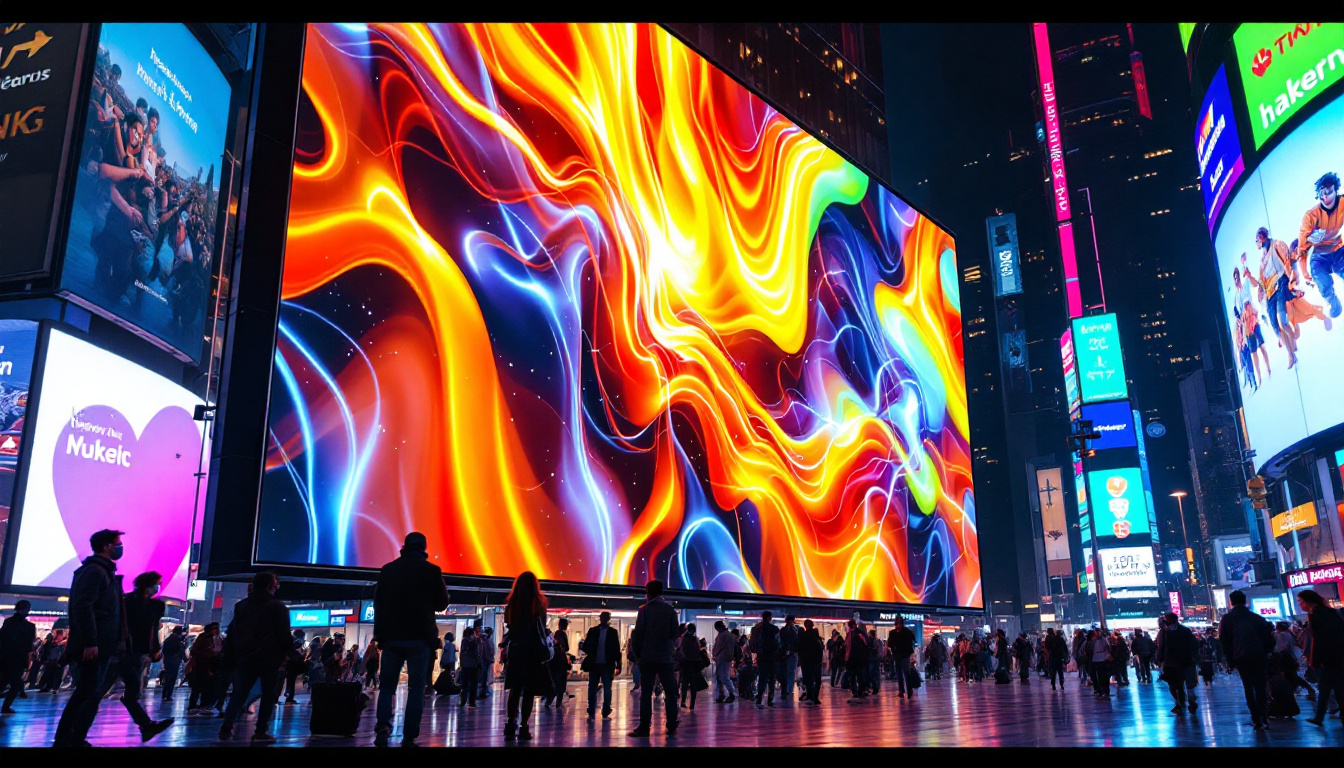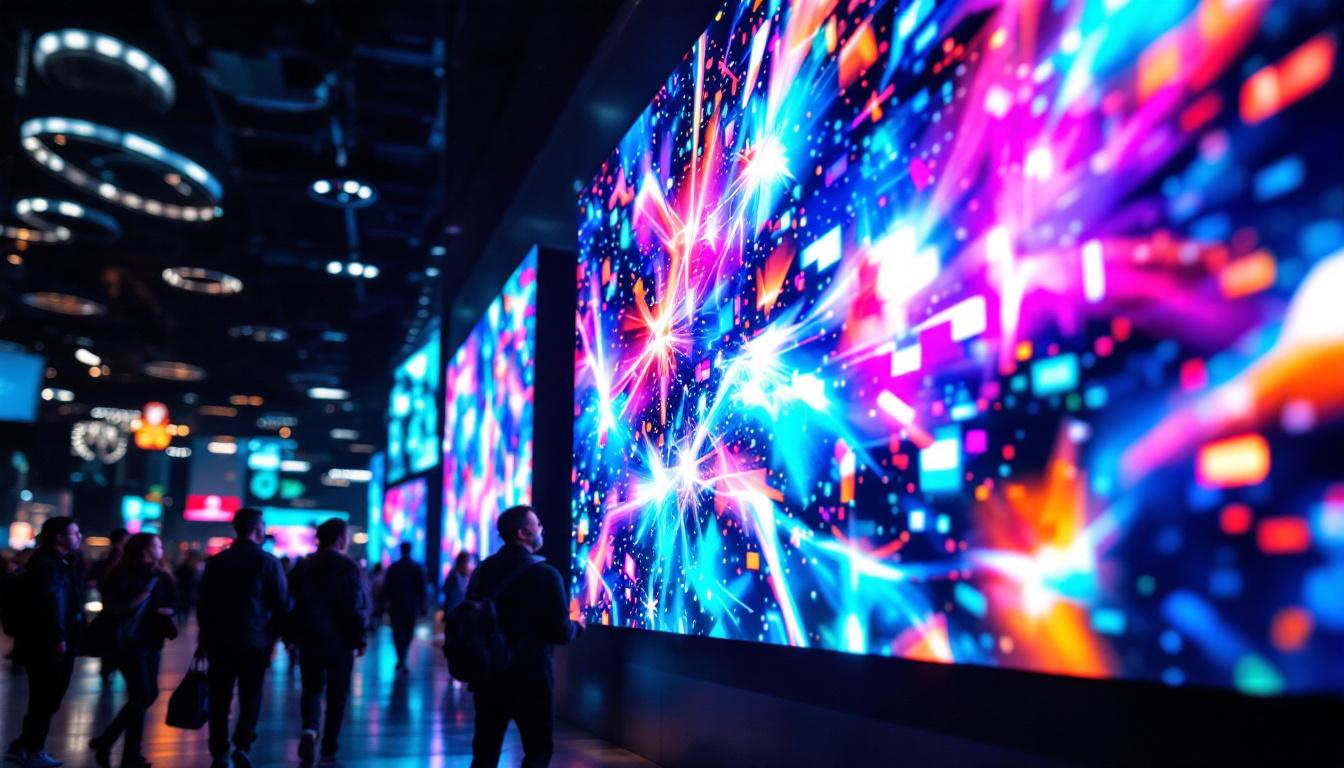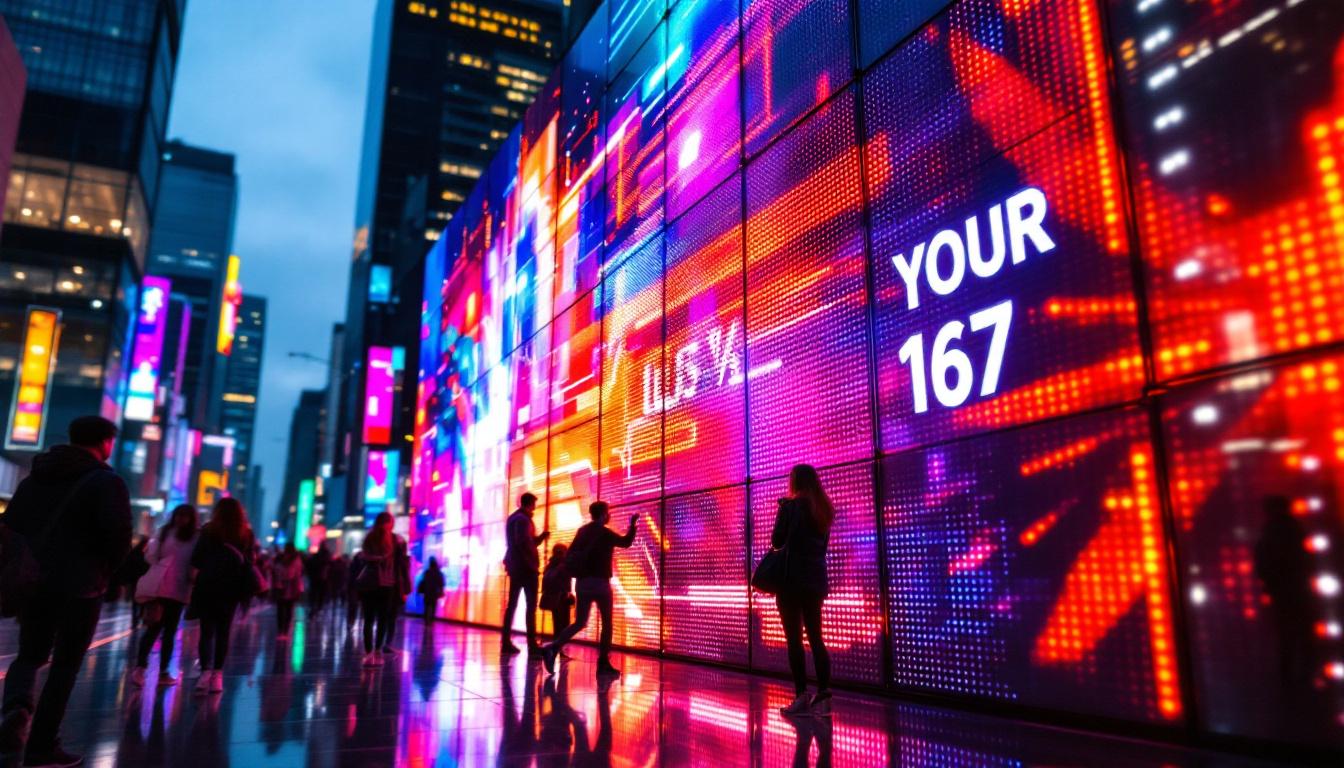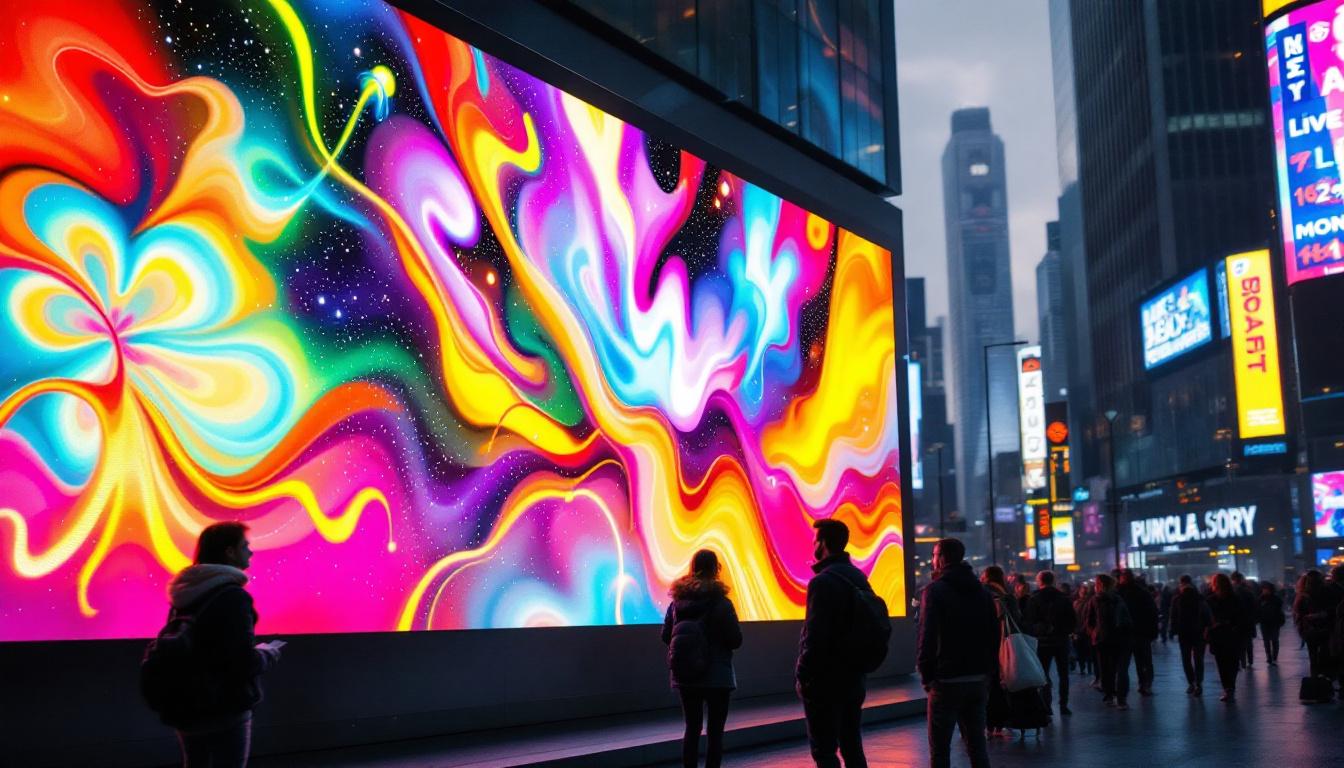
In the rapidly evolving world of digital signage and display technology, LED sheet panels have emerged as a revolutionary solution for delivering vibrant, high-resolution visuals across a variety of applications. From massive outdoor billboards to sleek indoor video walls, LED displays have transformed how businesses, advertisers, and event organizers communicate with their audiences. This article delves into the fundamentals of LED sheet panels, exploring their technology, advantages, types, and practical uses, providing a comprehensive understanding for professionals and enthusiasts alike.
Understanding LED Sheet Panels: The Basics of LED Display Technology
What Is an LED Sheet Panel?
An LED sheet panel is a flat display unit composed of numerous light-emitting diodes (LEDs) arranged in a matrix. These tiny diodes emit light when an electric current passes through them, creating images and videos with exceptional brightness and color accuracy. Unlike traditional LCD or plasma screens, LED panels generate their own light, which results in higher contrast ratios and better visibility in various lighting conditions.
The term “sheet panel” often refers to thin, flexible, or modular LED panels designed for easy installation and scalability. These panels can be seamlessly combined to form larger displays of virtually any size, making them ideal for both indoor and outdoor environments. Their versatility allows them to be used in a variety of applications, from advertising billboards and sports arenas to stage backdrops and retail displays. The ability to create custom shapes and sizes further enhances their appeal, allowing businesses to tailor their visual presentations to fit specific branding needs or architectural constraints.
How Do LED Displays Work?
At the core of an LED display is a grid of LEDs, each acting as a single pixel or part of a pixel. These LEDs are typically red, green, and blue (RGB), and by adjusting the intensity of each color, the panel can produce a full spectrum of colors. The process is controlled by sophisticated electronics and software that translate digital video signals into precise light patterns on the panel. This technology not only enables stunning visuals but also allows for dynamic content that can be updated in real-time, making LED displays a powerful tool for communication and engagement.
Modern LED displays use surface-mounted device (SMD) technology, where the LEDs are mounted directly onto the surface of the circuit board. This allows for higher pixel density and improved image quality. Additionally, advancements in driver ICs (integrated circuits) enable smoother color transitions and reduced power consumption. The integration of smart technologies, such as sensors and connectivity options, has further enhanced the functionality of LED displays, allowing them to adapt to their environment. For instance, some panels can automatically adjust brightness based on ambient light conditions, ensuring optimal visibility while conserving energy. This level of adaptability not only improves user experience but also contributes to sustainability efforts in various industries.
Key Advantages of LED Sheet Panels Over Other Display Technologies
Superior Brightness and Visibility
One of the most significant benefits of LED sheet panels is their outstanding brightness. Typical LED displays can achieve brightness levels exceeding 1,000 nits, with some outdoor models reaching beyond 5,000 nits. This makes them highly visible even in direct sunlight, a critical factor for outdoor advertising and public information displays.
In contrast, LCD screens rely on backlighting, which can struggle in bright environments, and projection systems require controlled lighting conditions. The self-illuminating nature of LEDs ensures clear, vivid images regardless of ambient light.
Energy Efficiency and Longevity
LED technology is known for its energy efficiency. Compared to older display technologies like plasma or fluorescent backlit LCDs, LED panels consume significantly less power while delivering brighter output. This efficiency translates into lower operating costs, especially important for large-scale installations that run continuously.
Moreover, LED panels boast impressive lifespans, often rated between 50,000 to 100,000 hours of operation. This durability reduces maintenance needs and replacement costs, making LED displays a cost-effective long-term investment.
Flexibility and Scalability
LED sheet panels are highly modular, allowing for flexible configurations. Whether creating a small digital sign or an enormous video wall spanning thousands of square feet, these panels can be combined seamlessly. Their thin profile and lightweight design also facilitate installation on curved surfaces or irregular structures, expanding creative possibilities.
Additionally, LED panels can be designed with varying pixel pitches—the distance between individual LEDs—tailored to viewing distances. Smaller pixel pitches deliver higher resolution for close-up viewing, while larger pitches are suitable for distant audiences.
Types of LED Sheet Panels and Their Applications
Indoor vs. Outdoor LED Panels
LED sheet panels are broadly categorized into indoor and outdoor types, each optimized for specific environments. Indoor LED panels typically have smaller pixel pitches (ranging from 1.2mm to 4mm) to provide high-resolution images at close viewing distances. They are designed with lower brightness levels (around 800 to 1,200 nits) since indoor lighting is controlled.
Outdoor LED panels, on the other hand, feature larger pixel pitches (often 6mm to 20mm or more) and much higher brightness to combat sunlight glare. These panels are also built to withstand weather conditions, with waterproof and dustproof ratings such as IP65 or higher, ensuring durability in harsh environments.
Flexible and Transparent LED Panels
Innovations in LED technology have introduced flexible LED sheet panels that can bend and conform to curved surfaces. These flexible panels are used in architectural installations, stage design, and creative advertising, enabling dynamic and eye-catching displays that traditional rigid panels cannot achieve.
Transparent LED panels are another cutting-edge development. These panels allow light to pass through them, making them ideal for glass facades, retail windows, and museum exhibits. They provide digital content without obstructing the view, blending technology seamlessly into the environment.
Fine Pixel Pitch LED Panels
For applications requiring ultra-high resolution, such as control rooms, broadcast studios, and corporate lobbies, fine pixel pitch LED panels are the preferred choice. With pixel pitches as low as 0.9mm, these panels deliver stunning image clarity and detail. Although they come at a higher cost, the visual impact and professional appearance justify the investment in environments where image quality is paramount.
Choosing the Right LED Sheet Panel for Your Needs
Consider Viewing Distance and Resolution
Determining the appropriate pixel pitch and panel size begins with understanding the typical viewing distance. For example, a retail store digital sign viewed from a few feet away requires a much finer pixel pitch than a highway billboard seen from hundreds of feet. As a general rule, the optimal pixel pitch in millimeters is roughly equal to the viewing distance in meters divided by 10.
Balancing resolution with budget is essential. Higher resolution panels cost more but provide sharper images. For many outdoor applications, a lower resolution is acceptable due to the greater viewing distance.
Assess Environmental Conditions
Environmental factors such as exposure to sunlight, rain, wind, and temperature fluctuations influence the choice of LED panel. Outdoor panels must have robust enclosures with appropriate IP ratings to ensure longevity. Indoor panels, while less rugged, should still be selected for ventilation and heat dissipation to maintain performance.
Evaluate Installation and Maintenance Requirements
Modular LED sheet panels simplify installation and future maintenance. Panels with front-access designs allow servicing without dismantling the entire display, reducing downtime and labor costs. Additionally, consider the weight and mounting options to ensure compatibility with existing structures.
Real-World Applications of LED Sheet Panels
Advertising and Digital Billboards
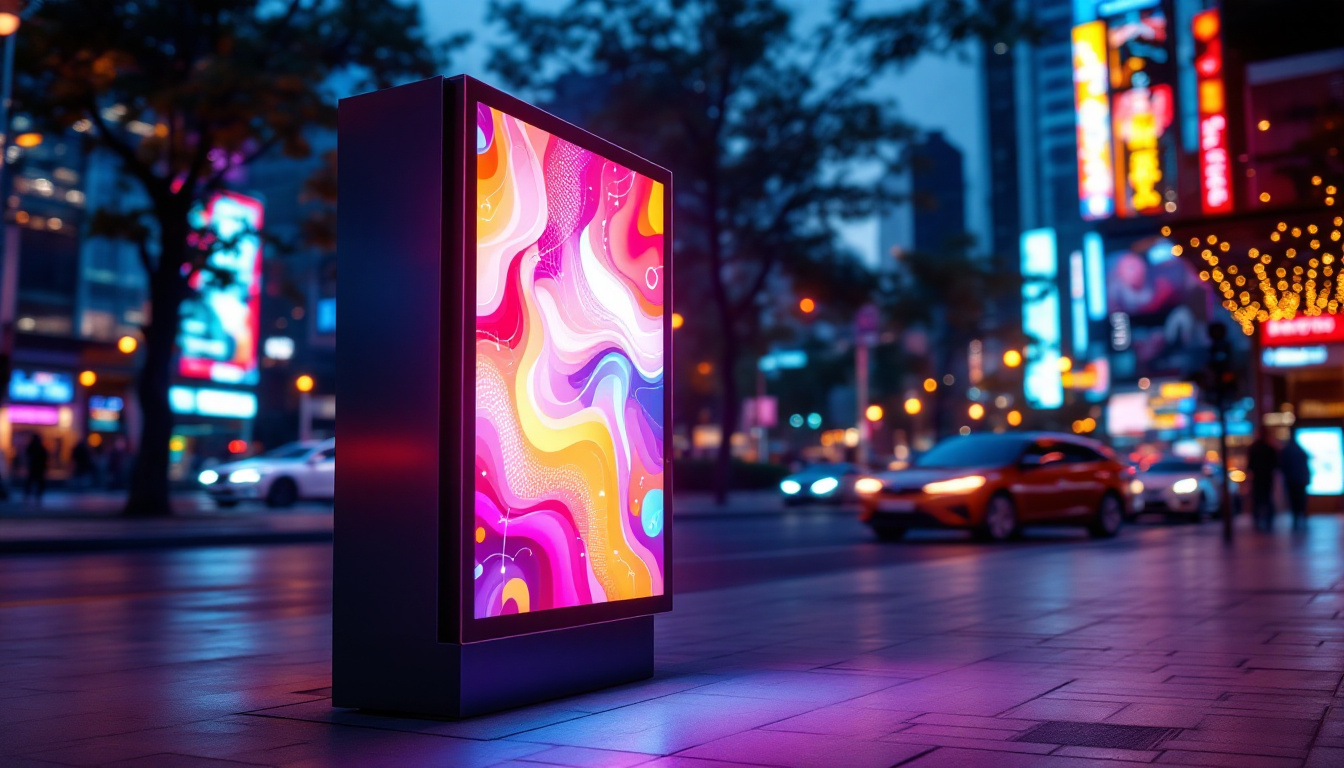
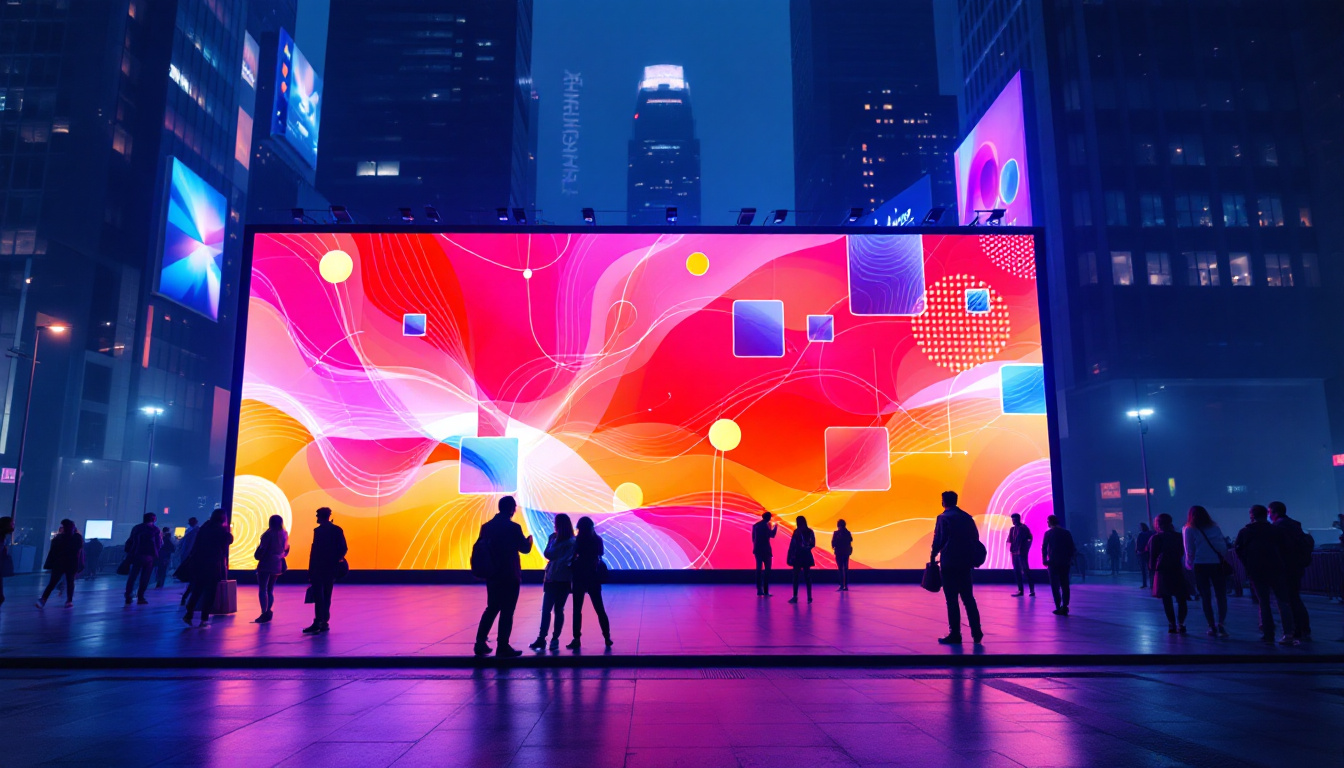
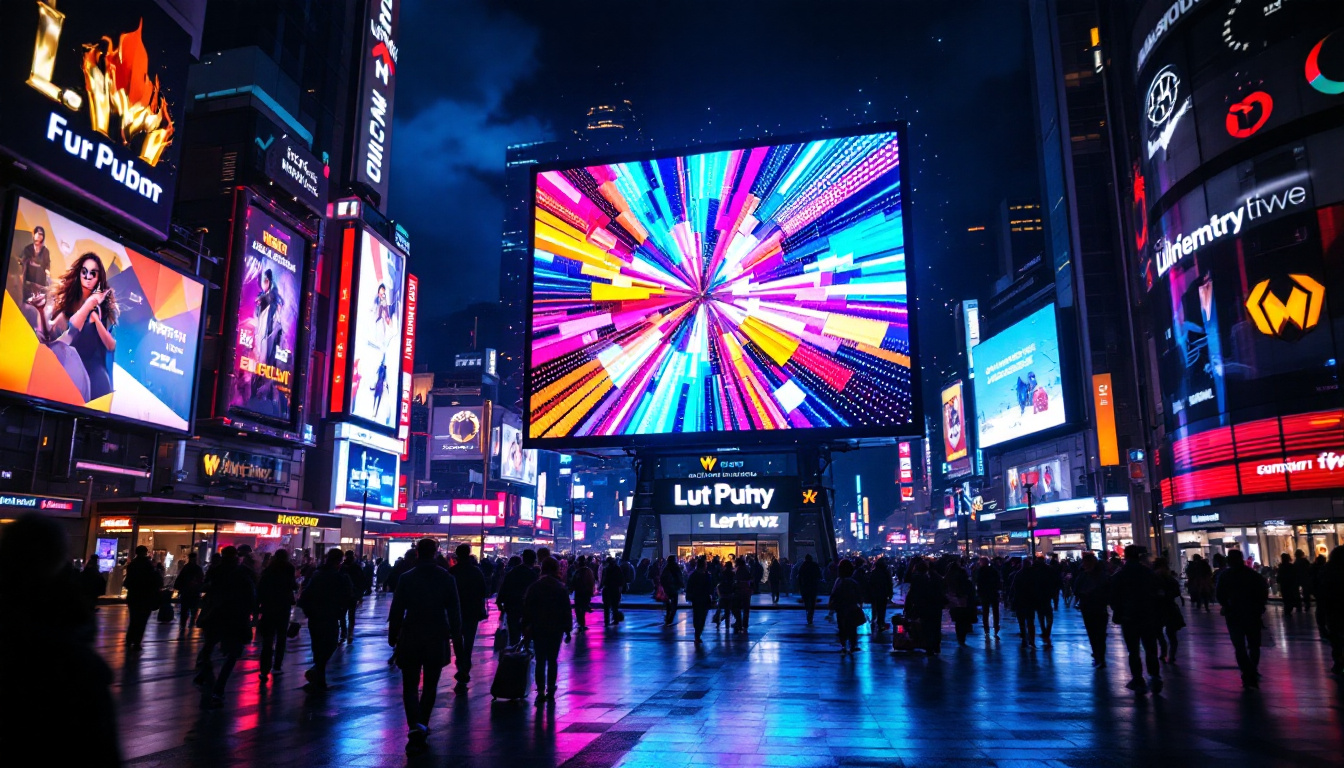
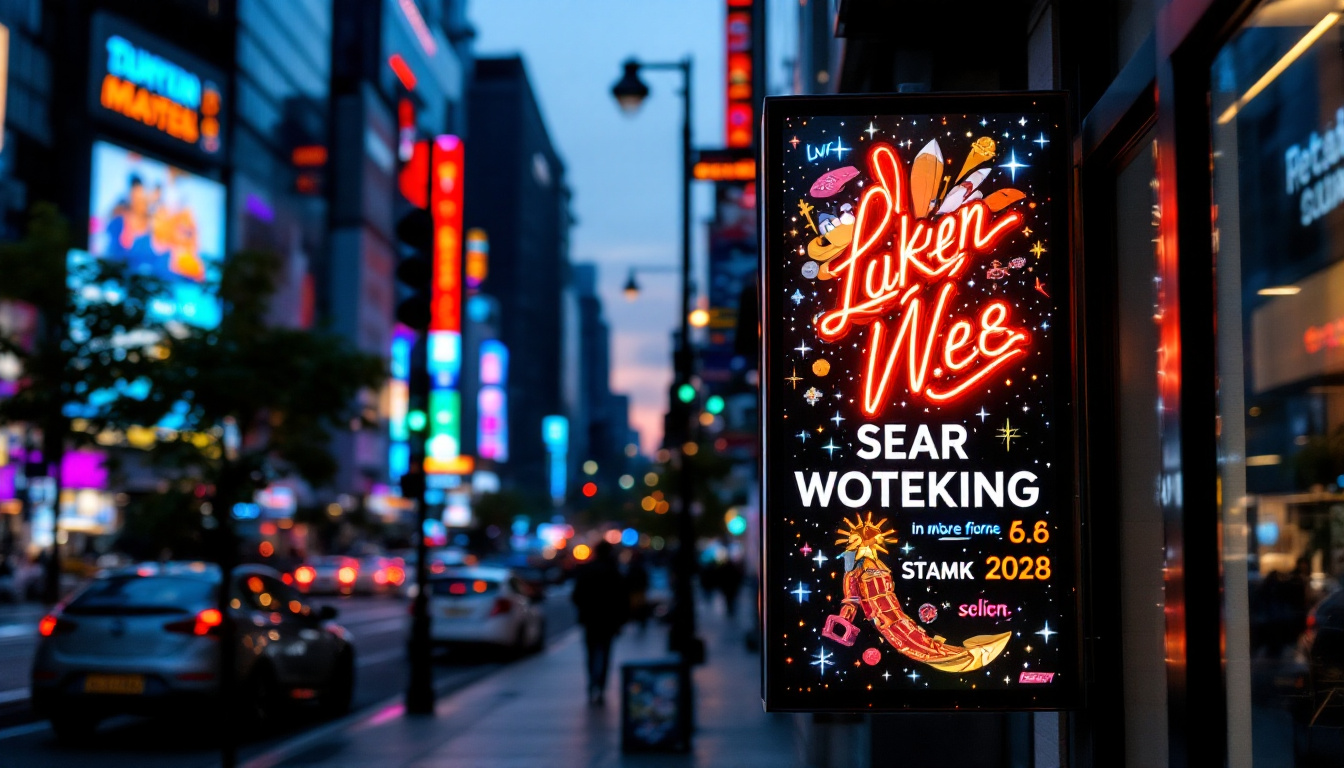
LED sheet panels have revolutionized outdoor advertising by enabling dynamic content that captures attention far more effectively than static billboards. According to industry reports, digital out-of-home (DOOH) advertising using LED displays has grown by over 15% annually, driven by the ability to update content remotely and target specific audiences in real time.
Major cities worldwide feature LED video walls on building facades, transit hubs, and sports arenas, delivering high-impact messages that boost brand visibility and engagement.
Event and Entertainment Venues
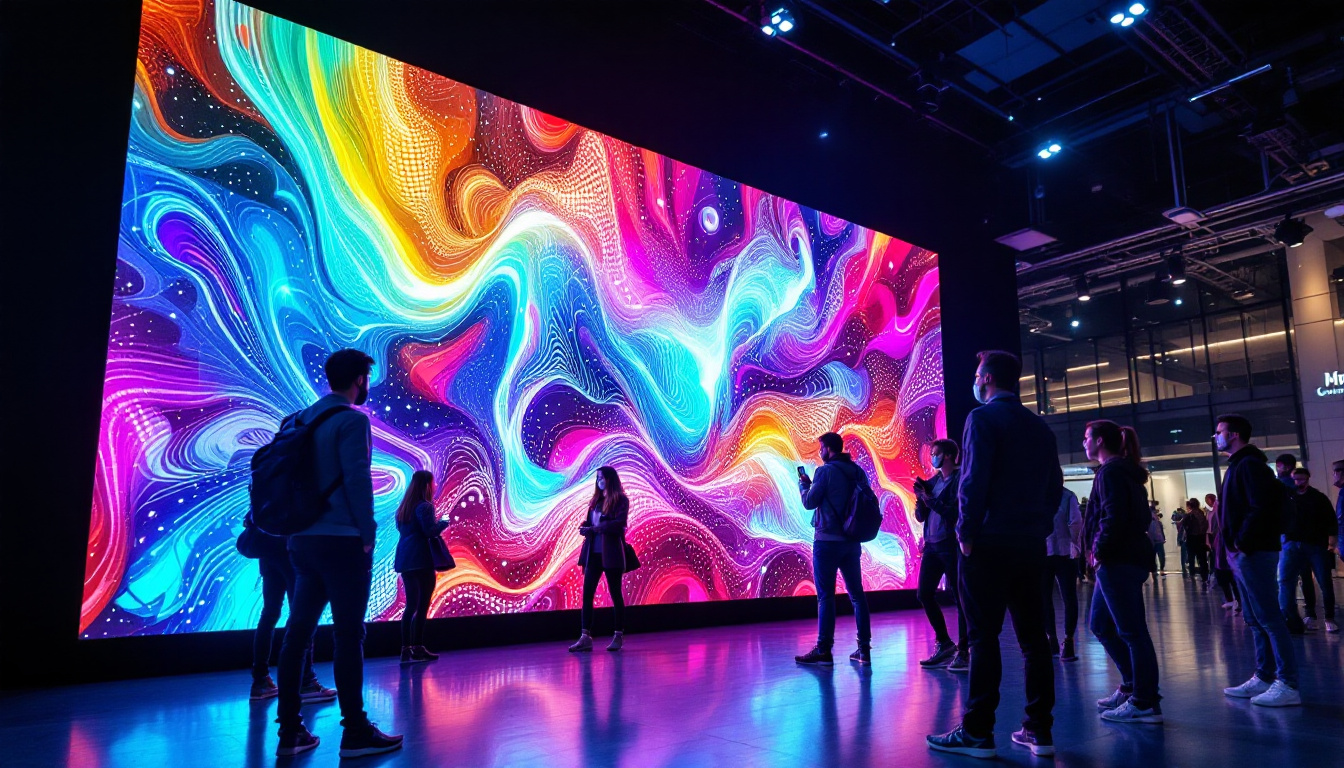
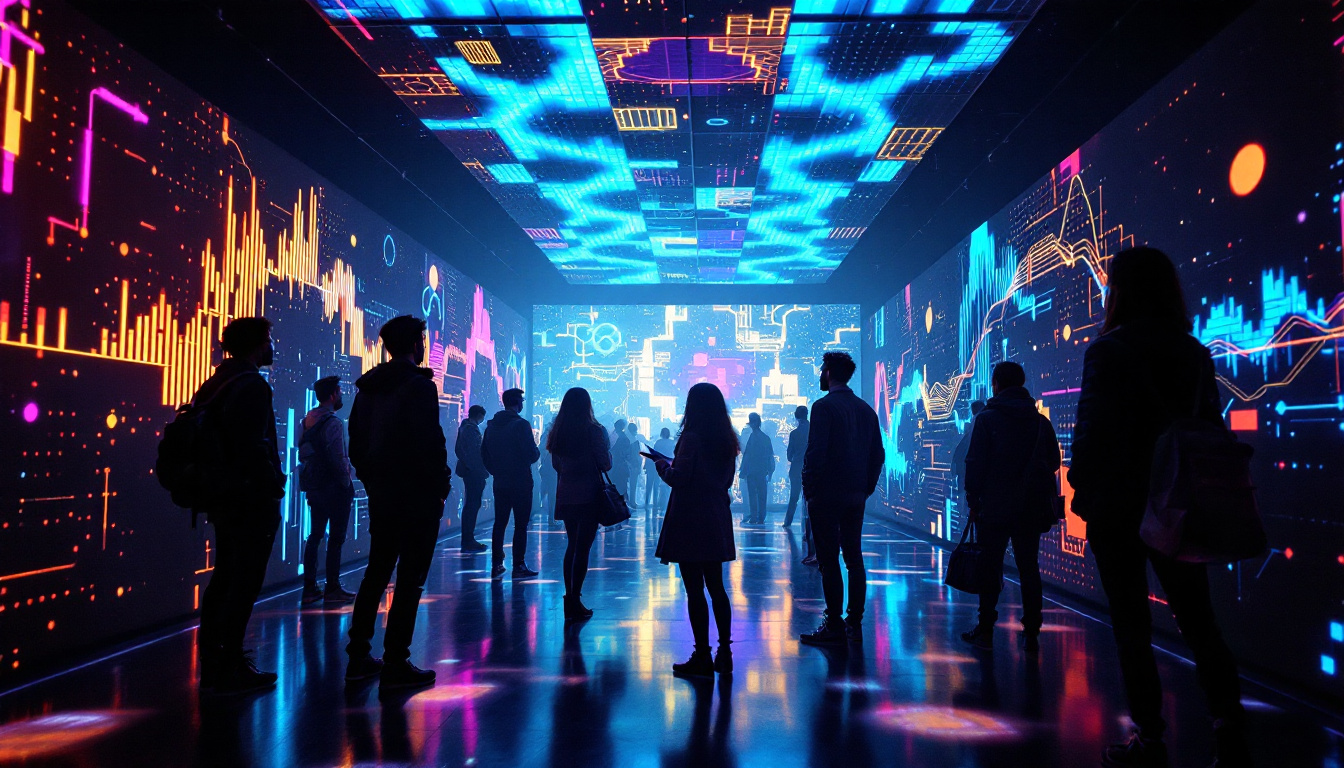
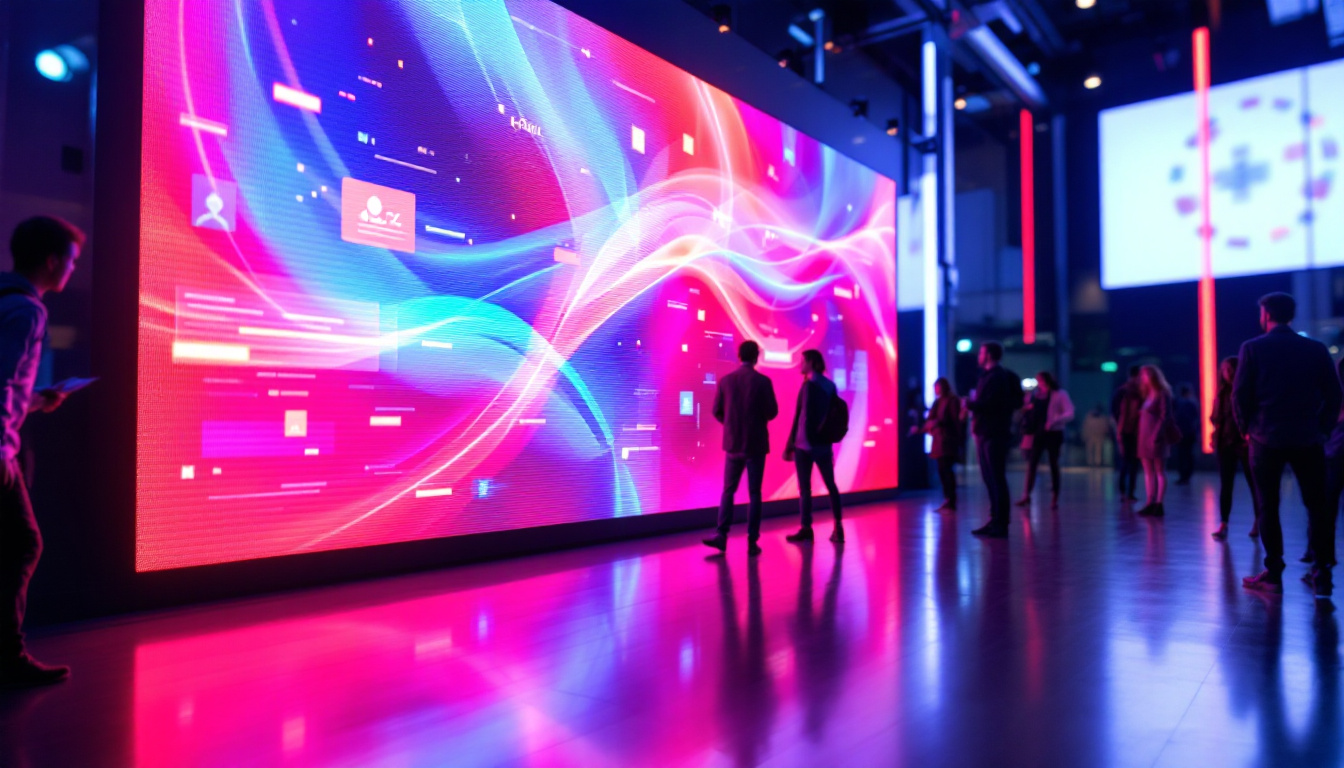
Concerts, festivals, and sporting events rely heavily on LED sheet panels to provide immersive visual experiences. Large LED video walls serve as backdrops, scoreboards, and information displays, enhancing audience engagement. The flexibility and brightness of LED panels make them suitable for both indoor arenas and outdoor stadiums.
Furthermore, rental LED panels designed for quick assembly and disassembly have become standard equipment for event production companies, enabling customized setups tailored to each event’s needs.
Corporate and Retail Environments
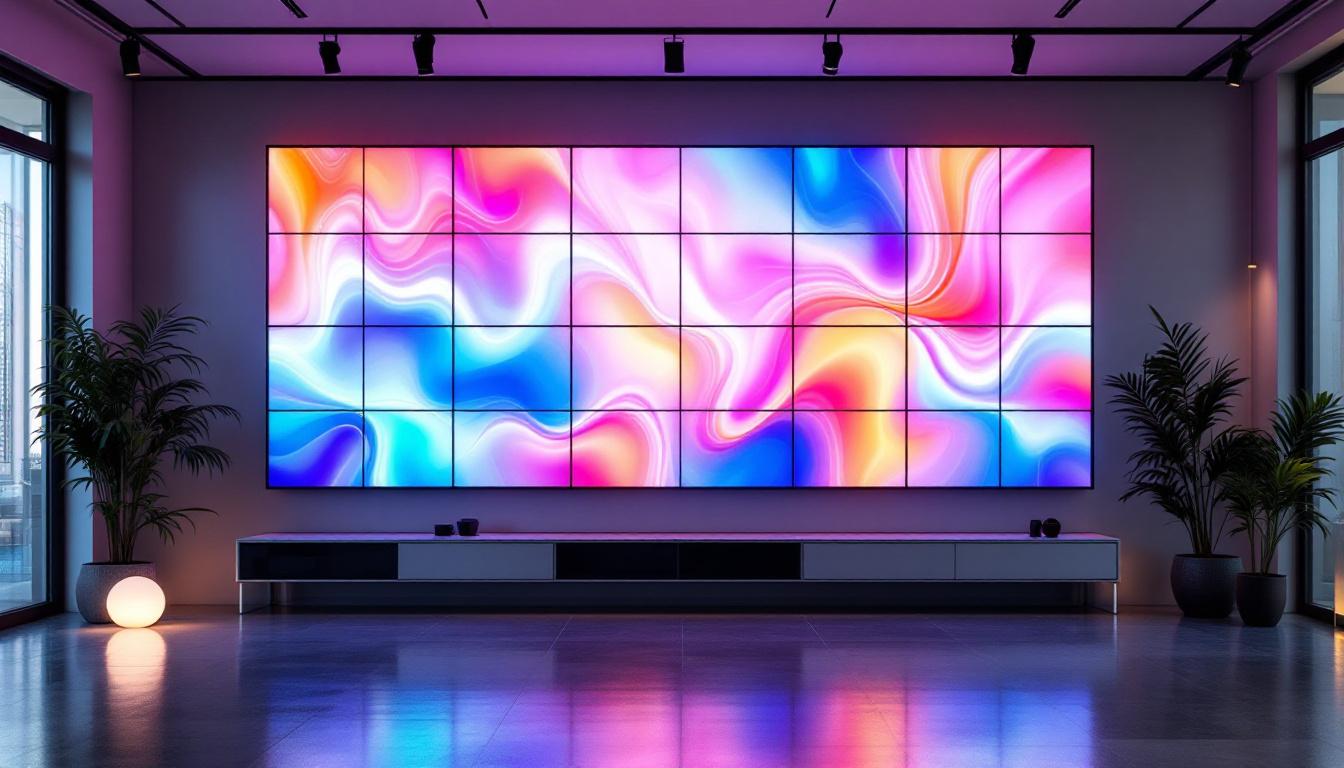
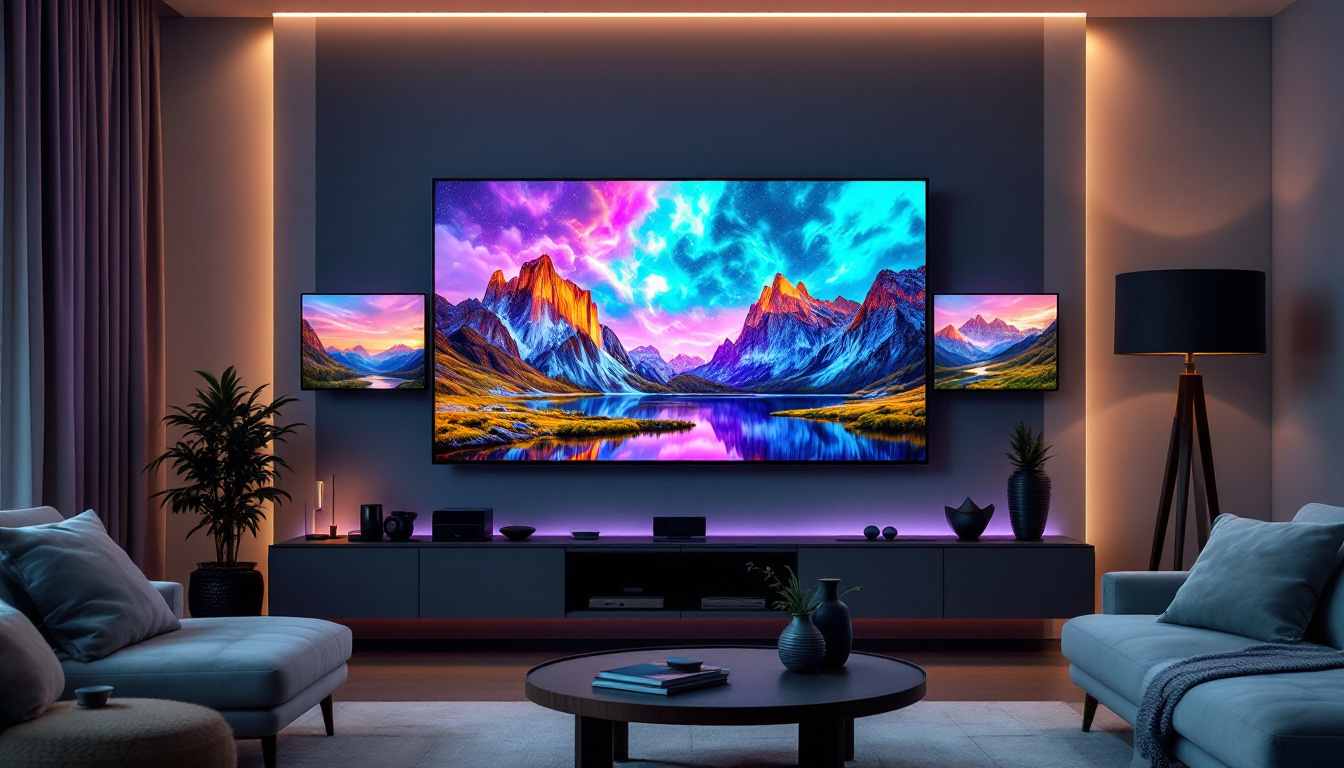
In corporate settings, LED displays are used for digital signage, video conferencing backdrops, and interactive presentations. Their sleek appearance and high image quality contribute to a modern, professional atmosphere.
Retailers leverage LED panels to create dynamic window displays and in-store promotions that attract customers and enhance brand storytelling. Transparent LED panels, in particular, offer innovative ways to blend digital content with physical products.
Future Trends in LED Sheet Panel Technology
Mini-LED and Micro-LED Innovations
The industry is witnessing rapid advancements with mini-LED and micro-LED technologies, which use even smaller diodes to achieve unprecedented resolution and contrast. Micro-LED displays promise the benefits of OLED—such as perfect blacks and wide color gamut—without the drawbacks of burn-in or limited brightness.
These emerging technologies are expected to drive the next generation of LED sheet panels, particularly in premium consumer electronics, professional displays, and augmented reality applications.
Integration with Smart Technologies
Smart LED panels equipped with sensors and AI-driven content management systems are becoming more prevalent. These systems can adjust brightness based on ambient light, tailor advertising content based on audience demographics, and provide interactive features that enhance user engagement.
As IoT (Internet of Things) connectivity expands, LED displays will increasingly serve as intelligent communication hubs in smart cities, retail environments, and public spaces.
Conclusion
LED sheet panels represent a versatile and powerful display technology that continues to reshape visual communication across industries. Their superior brightness, energy efficiency, modularity, and adaptability make them an ideal choice for a wide range of applications—from outdoor advertising and entertainment venues to corporate and retail environments.
Understanding the technical aspects, types, and practical considerations of LED displays is crucial for making informed decisions that maximize impact and return on investment. As technology advances, LED sheet panels will only become more sophisticated, offering new opportunities for creativity and engagement in the digital age.
Discover Cutting-Edge LED Display Solutions with LumenMatrix
Ready to elevate your visual communication and create unforgettable experiences? LumenMatrix, a pioneer in LED display technology, offers a comprehensive range of products designed to bring your brand to life. From vibrant Indoor and Outdoor LED Wall Displays to innovative solutions like Vehicle LED Displays, LED Posters, and Transparent LED Displays, our mission is to revolutionize your engagement with audiences. Explore our world of custom and All-in-One LED Display solutions tailored to your unique needs. Check out LumenMatrix LED Display Solutions today and transform your space into a dynamic visual masterpiece.