In today’s digital age, visual communication has become more dynamic and immersive than ever before. One technology that has revolutionized the way we display videos and images in public and private spaces is the LED display. Among the many formats and techniques used in digital video presentation, the concept of “Videos en PNG” or video sequences using PNG images has gained attention for its unique advantages. This article delves into the intricacies of LED displays, the role of PNG images in video content, and how these technologies intersect to deliver stunning visual experiences.
Understanding LED Displays: The Foundation of Modern Visuals
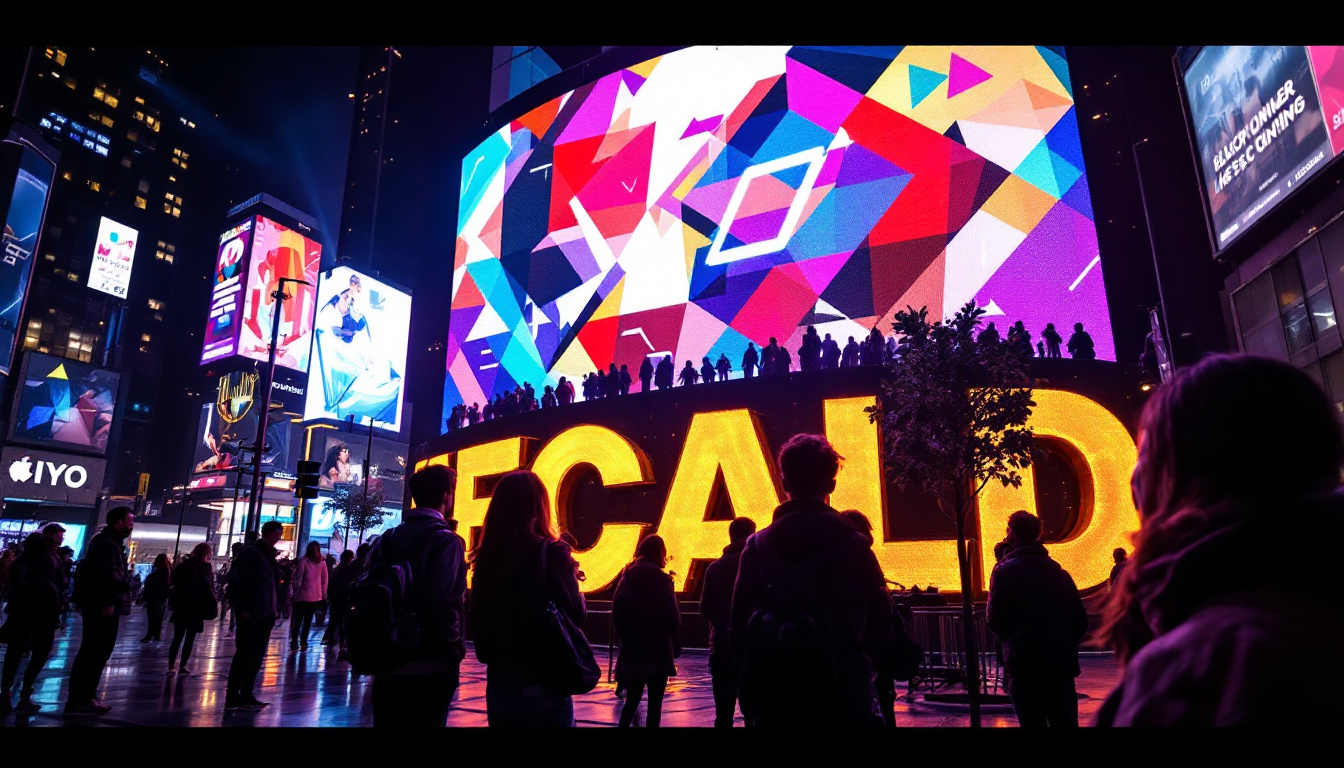
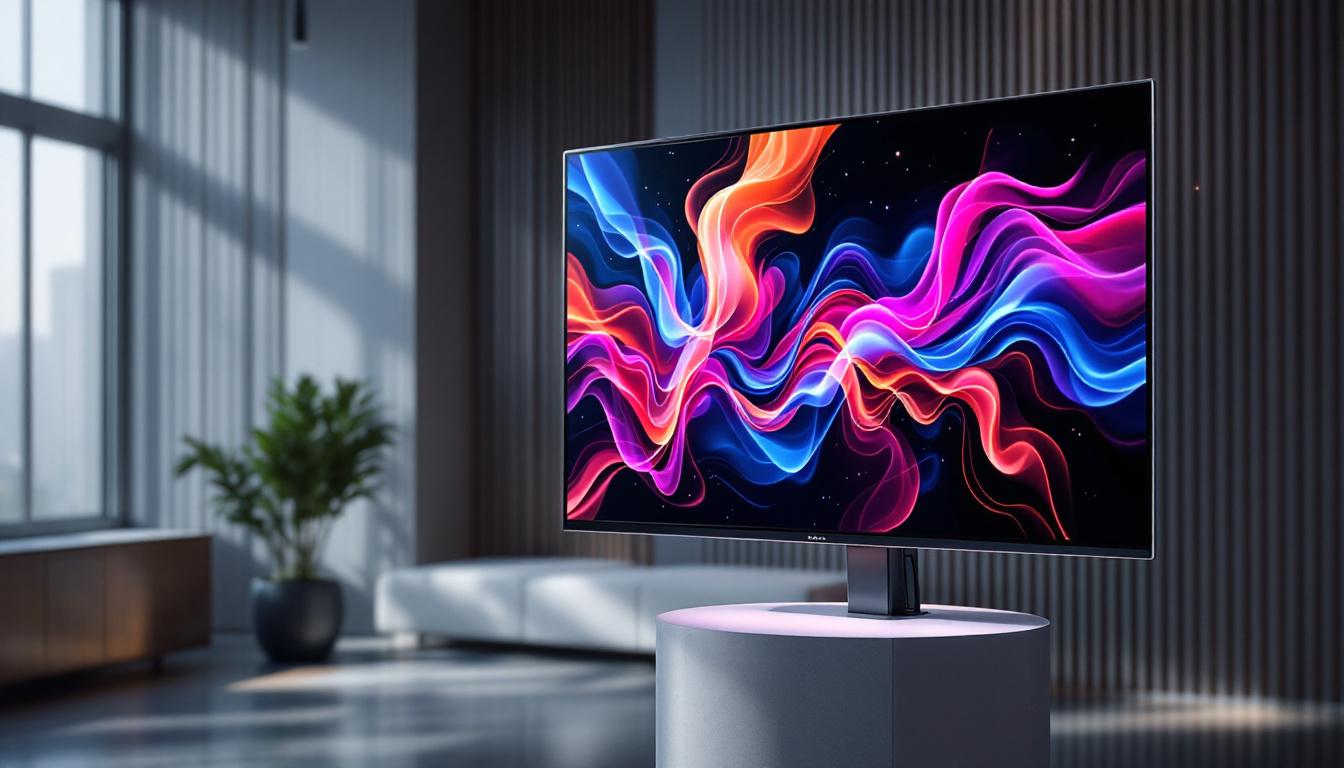
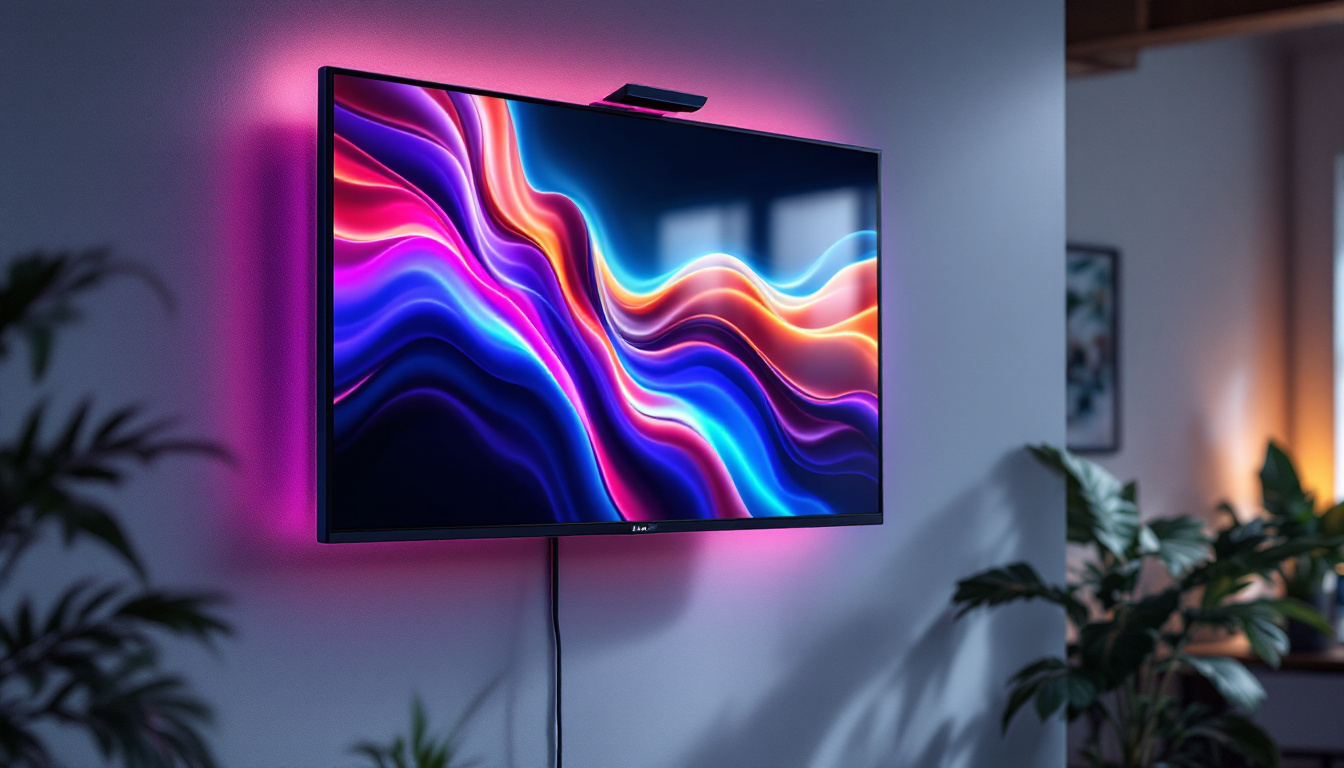
LED (Light Emitting Diode) displays are a type of digital screen that use tiny light-emitting diodes to create images and videos. Unlike traditional LCD or plasma screens, LED displays are known for their brightness, energy efficiency, and versatility in size and shape. These characteristics make them ideal for a wide range of applications, from massive outdoor billboards to indoor video walls and even wearable technology.
One of the most significant advantages of LED displays is their ability to produce vivid colors and high contrast ratios, which are crucial for capturing attention in busy environments. According to recent market research, the global LED display market is projected to reach over $30 billion by 2027, driven by increasing demand in advertising, sports arenas, retail, and entertainment sectors.
Technically, LED displays are composed of numerous pixels, each containing red, green, and blue diodes. By adjusting the brightness of these diodes, the display can render millions of colors and smooth gradients. This pixel-level control allows for sharp, clear images and videos that remain visible even under direct sunlight, a key benefit for outdoor installations. Additionally, advancements in LED technology have led to improvements in refresh rates, which enhance the viewing experience, particularly for fast-moving content such as sports broadcasts or action films.
Types of LED Displays
LED displays come in various forms, including:
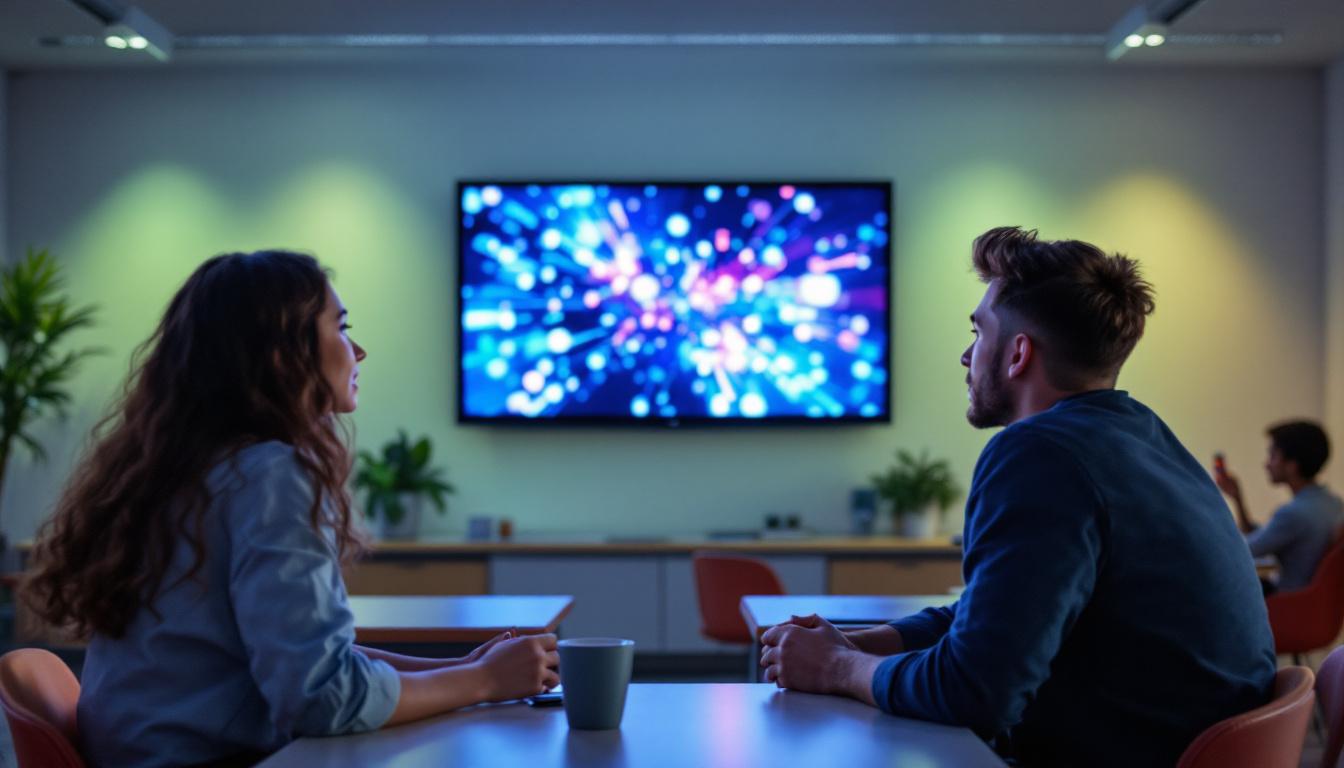
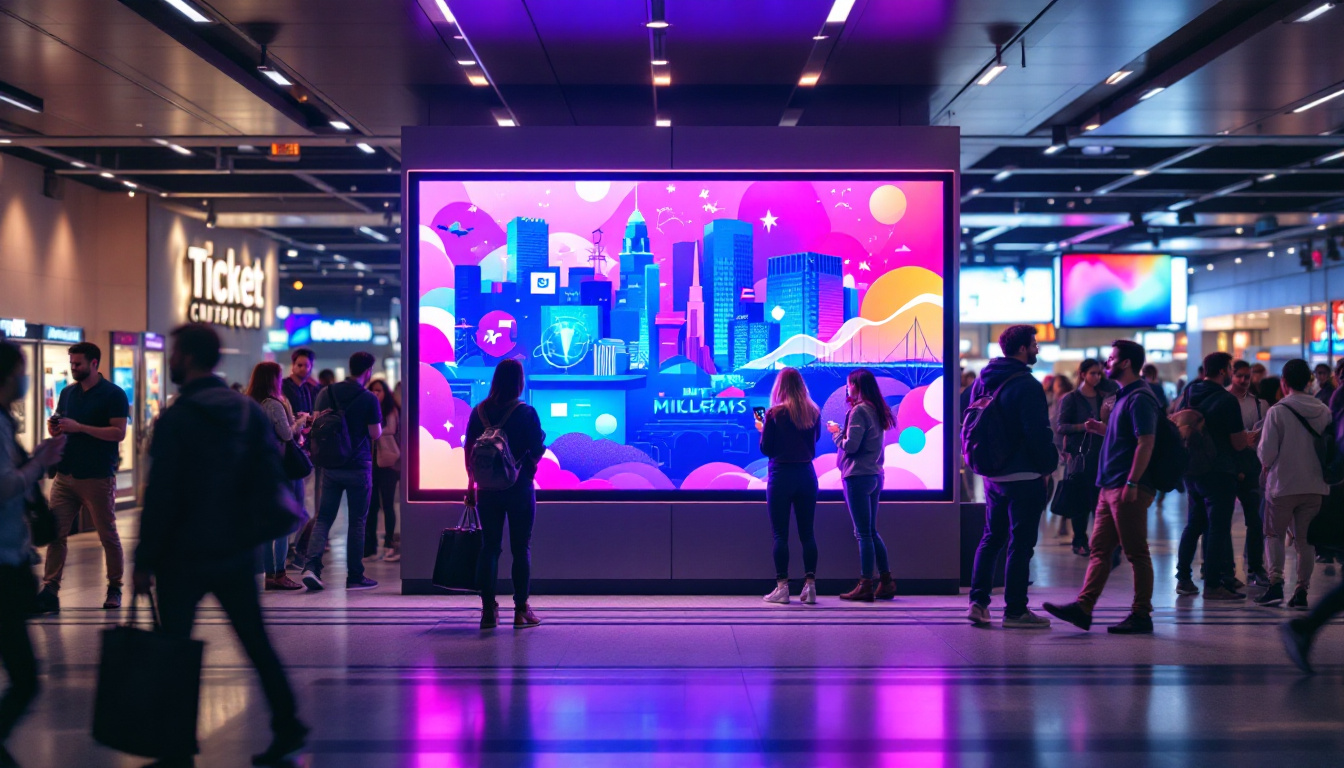
- Indoor LED Displays: Designed for controlled lighting conditions, these displays offer higher pixel density and resolution, making them perfect for close-up viewing in conference rooms, retail stores, and concert venues.
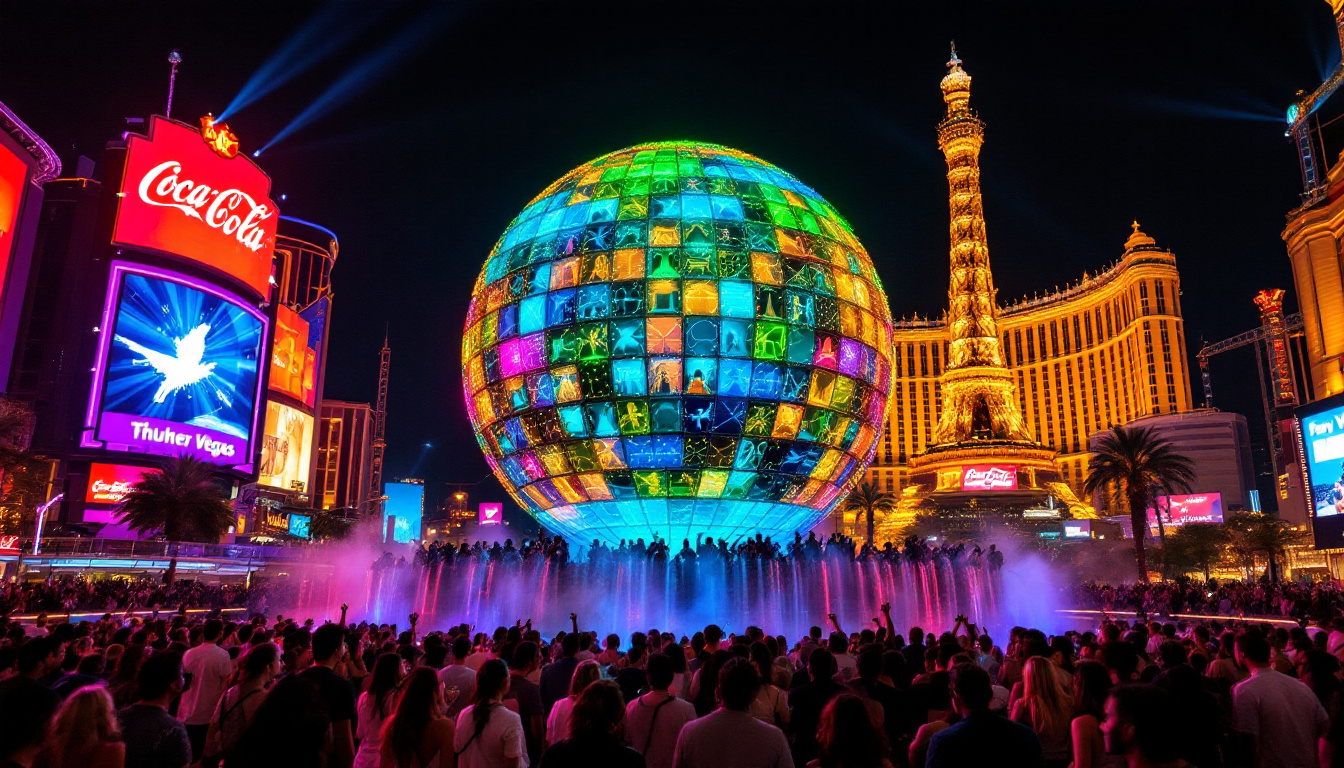
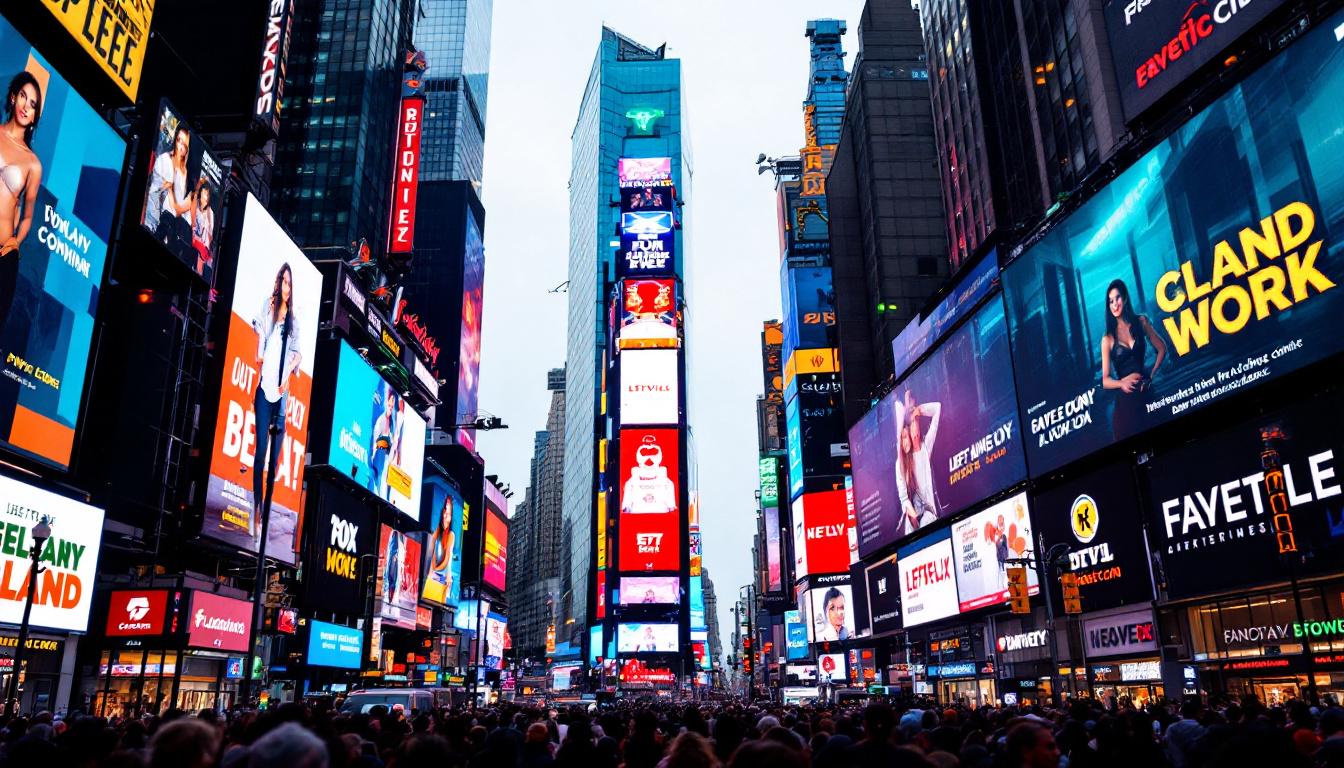
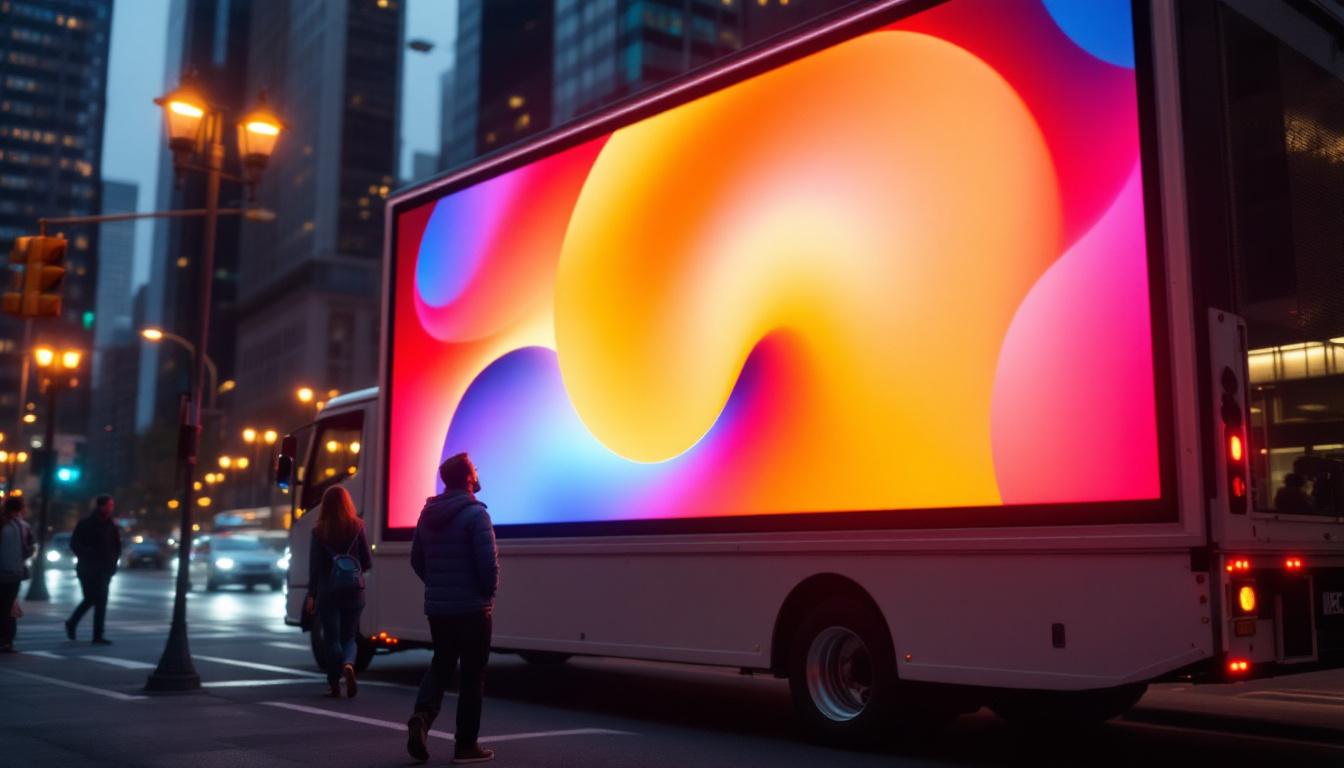
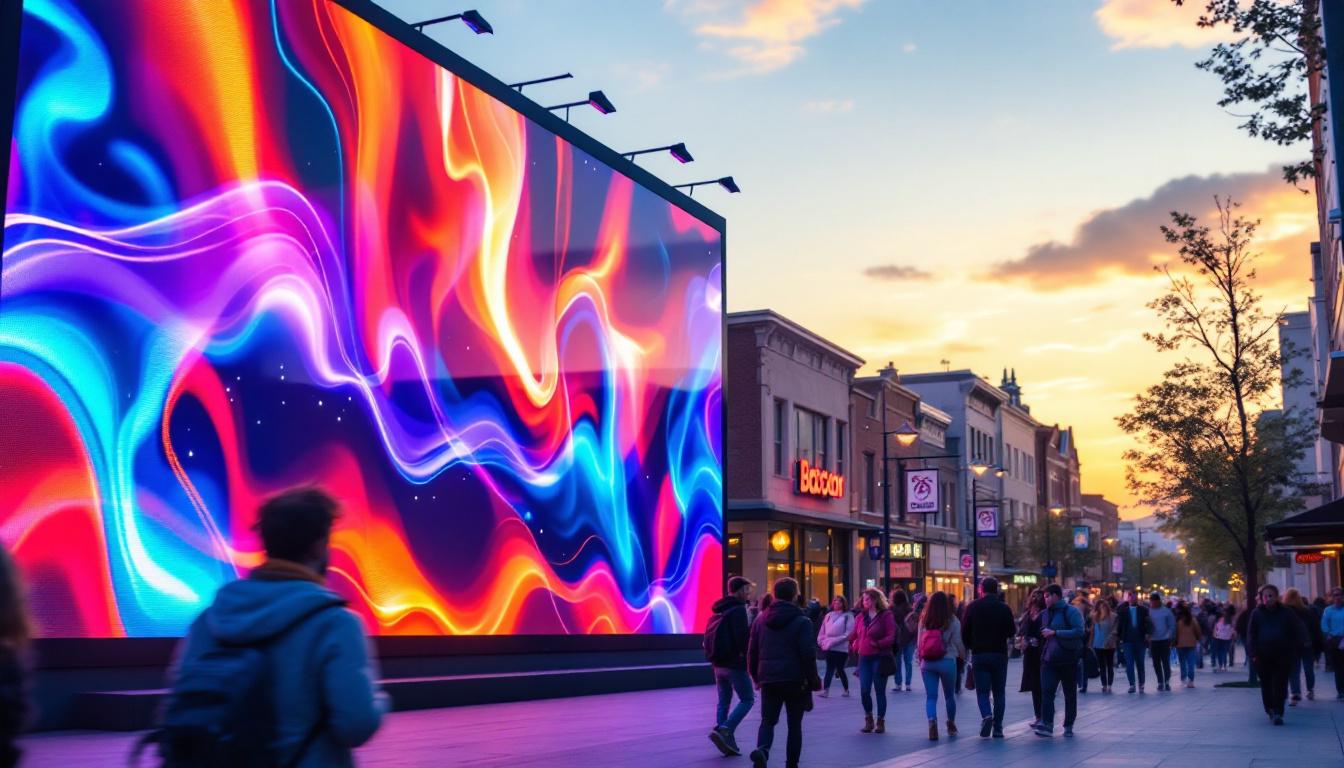
- Outdoor LED Displays: Built to withstand weather and sunlight, these displays prioritize brightness and durability. They are commonly used for billboards, stadium screens, and public information boards.
- Flexible and Transparent LED Displays: Innovations in LED technology have led to flexible panels that can curve around surfaces and transparent screens that blend seamlessly with glass, opening new creative possibilities.
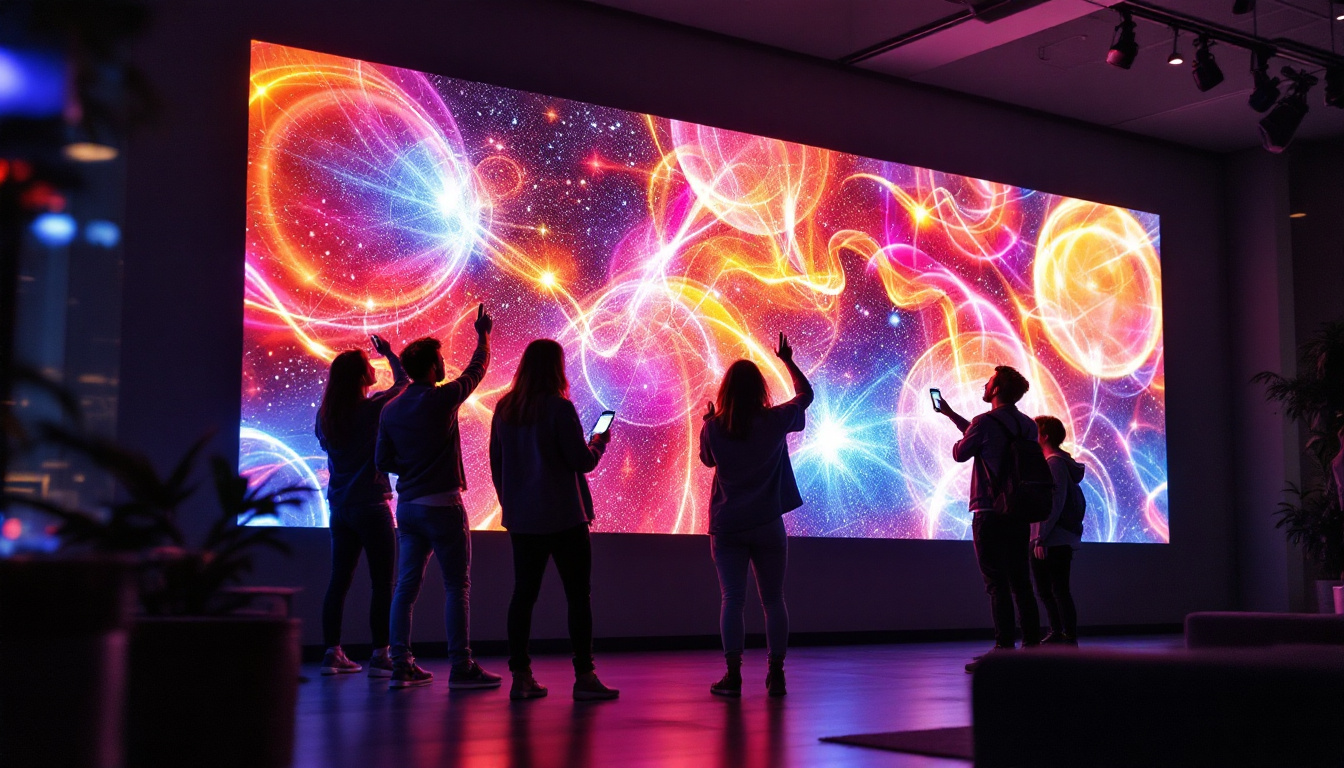
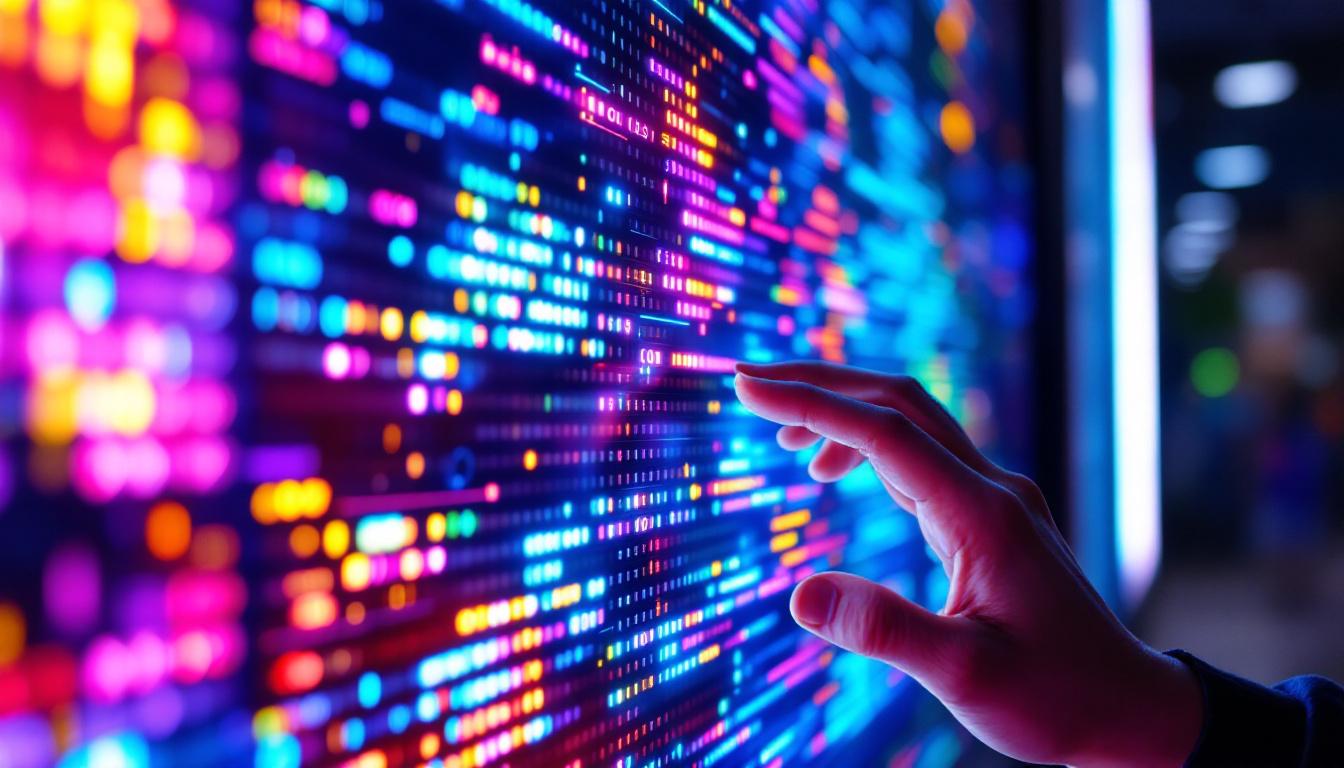
Moreover, the rise of smart technology has paved the way for interactive LED displays that engage users in real-time. These displays can incorporate touch-sensitive technology, allowing viewers to interact with the content directly, which is particularly useful in retail environments where customer engagement is key. Additionally, the integration of augmented reality (AR) with LED displays is revolutionizing how information is presented, creating immersive experiences that captivate audiences and enhance storytelling in advertising and entertainment.
As the demand for high-quality visual experiences continues to grow, manufacturers are also focusing on sustainability in LED display production. Efforts to reduce energy consumption and use eco-friendly materials are becoming more prevalent, aligning with global initiatives to minimize environmental impact. This shift not only benefits the planet but also appeals to consumers who are increasingly conscious of their carbon footprint, making LED displays a forward-thinking choice for businesses looking to enhance their visual strategies while being environmentally responsible.
What Are Videos En PNG and Why Are They Relevant?
“Videos en PNG” refers to video sequences created or stored as a series of PNG (Portable Network Graphics) images rather than traditional video formats like MP4 or AVI. PNG is a lossless image format widely used for its high quality and support for transparency.
Using PNG images for video sequences might seem unconventional, but it offers several unique benefits, especially when combined with LED display technology:
- Transparency Support: PNG images can include alpha channels, allowing parts of the image to be transparent. This feature enables layering effects and complex visual compositions that are difficult to achieve with standard video formats.
- Lossless Quality: Unlike compressed video formats, PNG images retain all image data without quality degradation. This is crucial for applications where image clarity and detail are paramount.
- Frame-by-Frame Control: Storing video as individual frames allows precise control over each frame’s display timing and effects, which can be advantageous in interactive or synchronized LED installations.
However, using PNG sequences as video also presents challenges, such as increased storage requirements and more complex playback systems. Despite these, for certain specialized applications, the benefits outweigh the drawbacks.
Applications of Videos En PNG in LED Displays
Several industries leverage PNG-based video sequences to enhance their LED display content:
- Advertising: Brands use layered animations with transparent backgrounds to create eye-catching ads that integrate seamlessly with physical environments.
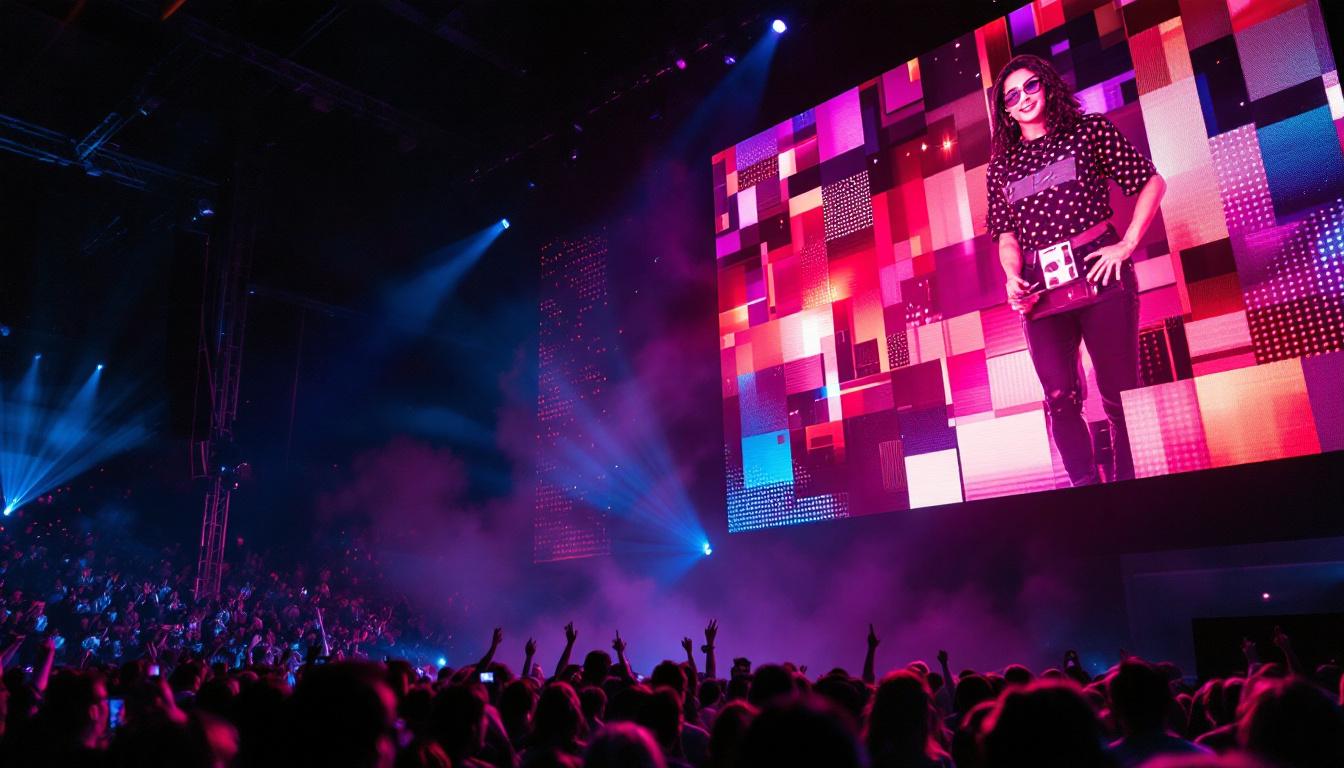
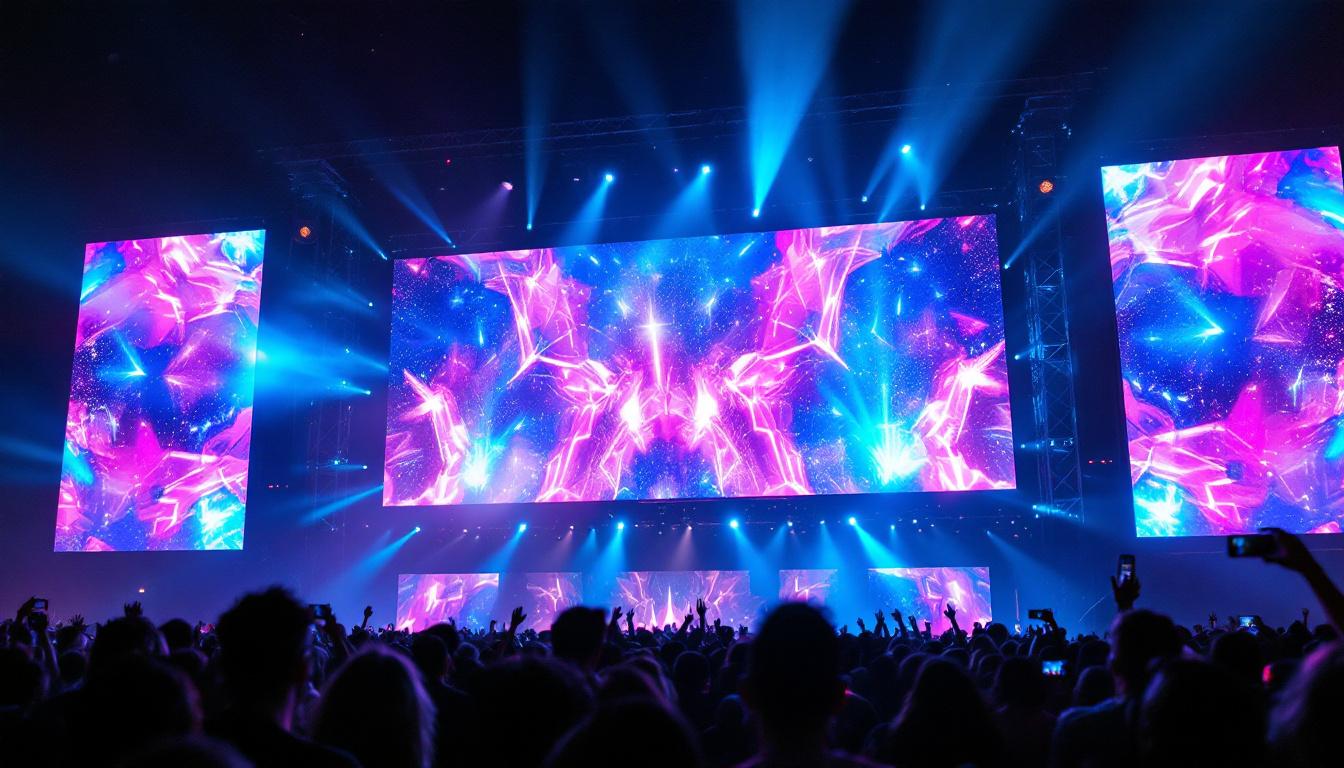
- Event Production: Concerts and live shows utilize PNG sequences to synchronize visuals with lighting and stage effects, enhancing audience immersion.
- Retail and Exhibitions: Interactive displays often require precise frame control and transparency to engage customers effectively.
In addition to these applications, the use of PNG sequences has gained traction in the realm of video game development and animation. Game designers often employ PNG sequences for sprite animations, allowing for smooth transitions and effects that can be finely tuned to enhance gameplay. The ability to manipulate each frame independently provides developers with the flexibility to create visually stunning effects that can react dynamically to player actions. Furthermore, in animation, artists can use PNG sequences to produce high-quality animations that maintain clarity and detail, making them ideal for both web and broadcast media.
Moreover, the rise of augmented reality (AR) and virtual reality (VR) technologies has opened new doors for the use of PNG video sequences. In AR applications, PNG images can be overlaid onto real-world environments, creating interactive experiences that captivate users. The transparency feature allows for seamless integration of digital objects with physical surroundings, enhancing the realism of the experience. Similarly, in VR, PNG sequences can be utilized to create immersive environments that respond to user interactions, providing a rich and engaging experience that traditional video formats may struggle to deliver.
Technical Considerations for Using PNG Sequences on LED Displays
Implementing videos en PNG on LED displays requires careful planning and technical expertise. The following factors are critical to ensure smooth playback and optimal visual quality:
Storage and Bandwidth
PNG images, being lossless, are larger in file size compared to compressed video formats. A single high-resolution PNG frame can be several megabytes, and a video running at 30 frames per second can quickly accumulate gigabytes of data. This necessitates robust storage solutions and high-speed data transfer capabilities to prevent lag or stuttering during playback.
Playback Hardware and Software
Standard media players are not designed to handle sequences of PNG images as video. Specialized software or custom-built media servers are required to read, buffer, and display these frames in rapid succession. Additionally, hardware must be capable of decoding and rendering high-resolution images at the required frame rate, often demanding powerful GPUs or dedicated video processors.
Synchronization and Timing
One of the advantages of PNG sequences is the ability to control each frame individually. However, this also means that precise timing mechanisms must be in place to ensure smooth transitions and synchronization with other multimedia elements such as sound, lighting, or interactive sensors.
Color Management and Calibration
LED displays vary in color reproduction depending on the diodes used and environmental factors. When using high-quality PNG images, it’s essential to calibrate the display to maintain color accuracy and consistency across different viewing angles and lighting conditions.
Future Trends: The Intersection of PNG Video Sequences and LED Technology
As LED display technology continues to evolve, the use of PNG sequences in video content is poised to grow, driven by advances in hardware, software, and creative demands. Several emerging trends highlight this potential:
Higher Resolution and Pixel Density
With 4K and 8K LED displays becoming more accessible, the demand for ultra-high-definition content increases. PNG sequences, with their lossless quality, are well-suited to deliver crisp visuals that leverage these displays’ capabilities.
Interactive and Augmented Reality Experiences
Transparent PNG images enable layering effects that integrate real-world and digital content. This is particularly relevant for augmented reality (AR) applications on LED screens, where digital elements must blend seamlessly with physical surroundings.
AI-Driven Content Generation
Artificial intelligence is increasingly used to create and optimize visual content. AI algorithms can generate PNG frames dynamically, allowing for personalized and adaptive video sequences tailored to audience preferences or environmental conditions.
Energy Efficiency and Sustainability
LED displays are already energy-efficient compared to older technologies. Optimizing video content delivery using PNG sequences can further reduce processing overhead by allowing selective frame updates and minimizing unnecessary data transmission, contributing to greener digital signage solutions.
Conclusion: Harnessing the Power of Videos En PNG on LED Displays
The combination of LED display technology and PNG-based video sequences offers a compelling approach to digital visual communication. While traditional video formats remain dominant for most applications, the unique advantages of PNG sequences—such as transparency, lossless quality, and frame-level control—open new creative and technical possibilities.
For professionals in advertising, event production, retail, and other sectors reliant on impactful visual content, understanding and leveraging this technology can lead to more engaging and memorable experiences. As hardware and software continue to advance, the integration of videos en PNG with LED displays is set to become an increasingly important tool in the digital media landscape.
Embracing these innovations requires balancing technical challenges with creative ambitions, but the results can redefine how audiences interact with and perceive digital visuals in both public and private spaces.
Discover the Future of Visual Storytelling with LumenMatrix
Ready to elevate your visual content with the cutting-edge technology of LED displays? LumenMatrix is at the forefront of LED innovation, offering a diverse range of solutions that bring your brand to life. From the immersive Indoor LED Wall Display to the dynamic Outdoor LED Wall Display, and from the versatile Vehicle LED Display to the sleek LED Poster Display, our mission is to transform your visual communication. Engage your audience with LED Sports Displays, captivate passersby with Floor LED Displays, or customize your message with Custom LED Displays. Experience the revolution in digital signage with our All-in-One LED Display and LED Transparent Display. Don’t just share your message—make it resonate with clarity and impact. Check out LumenMatrix LED Display Solutions today and step into the future of digital storytelling.