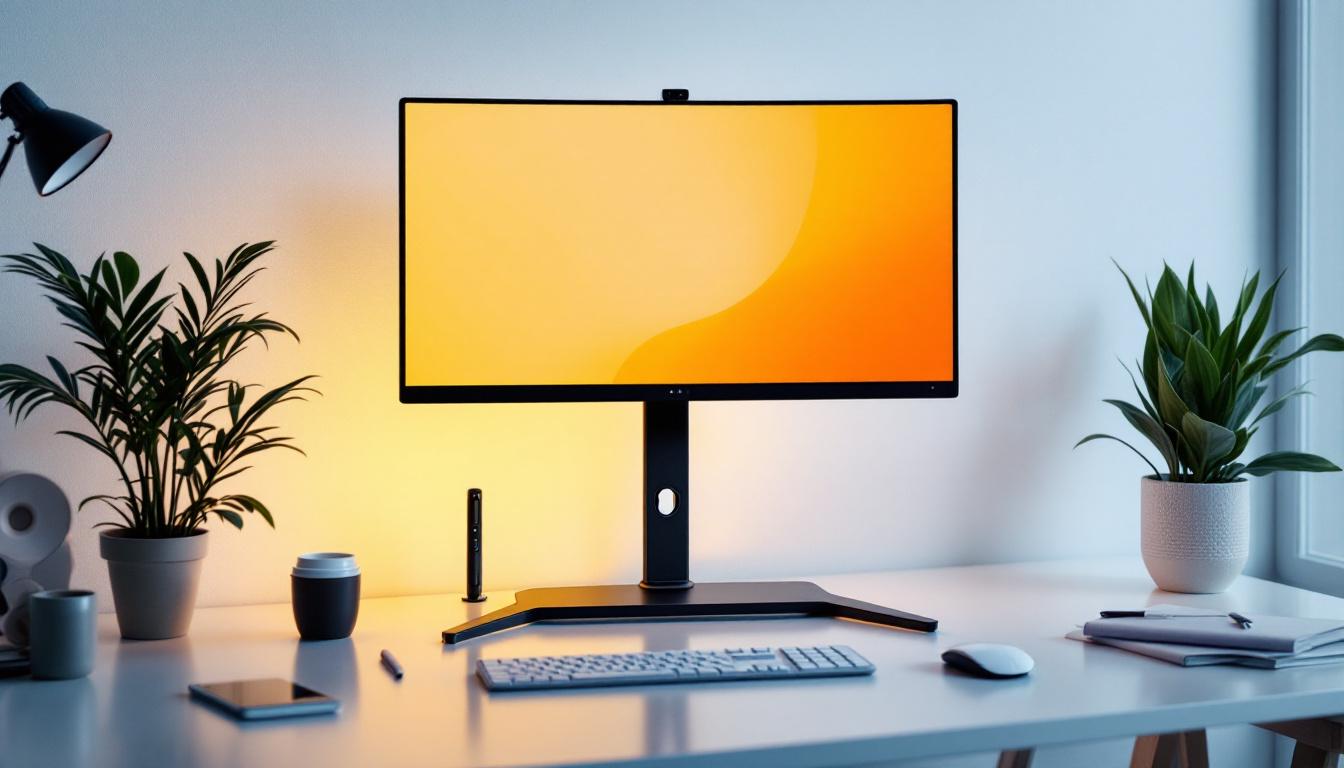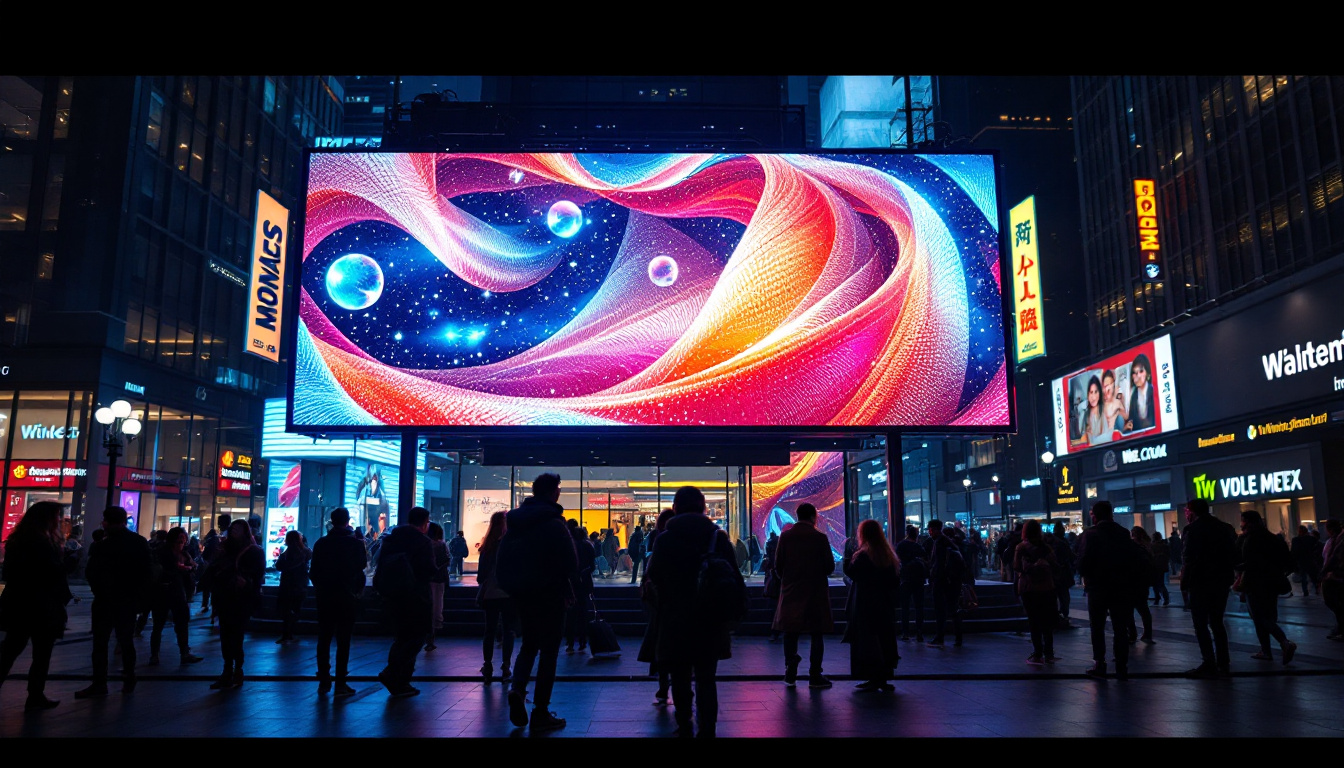
In the evolving landscape of visual communication, projector boards and LED displays have become indispensable tools for businesses, educators, and event organizers. These technologies offer dynamic ways to present information, engage audiences, and enhance the overall experience of any presentation or display. Understanding how projector boards and LED displays work, their advantages, and their ideal applications can help users make informed decisions when selecting the right visual technology for their needs.
Understanding Projector Boards and LED Displays
What Is a Projector Board?
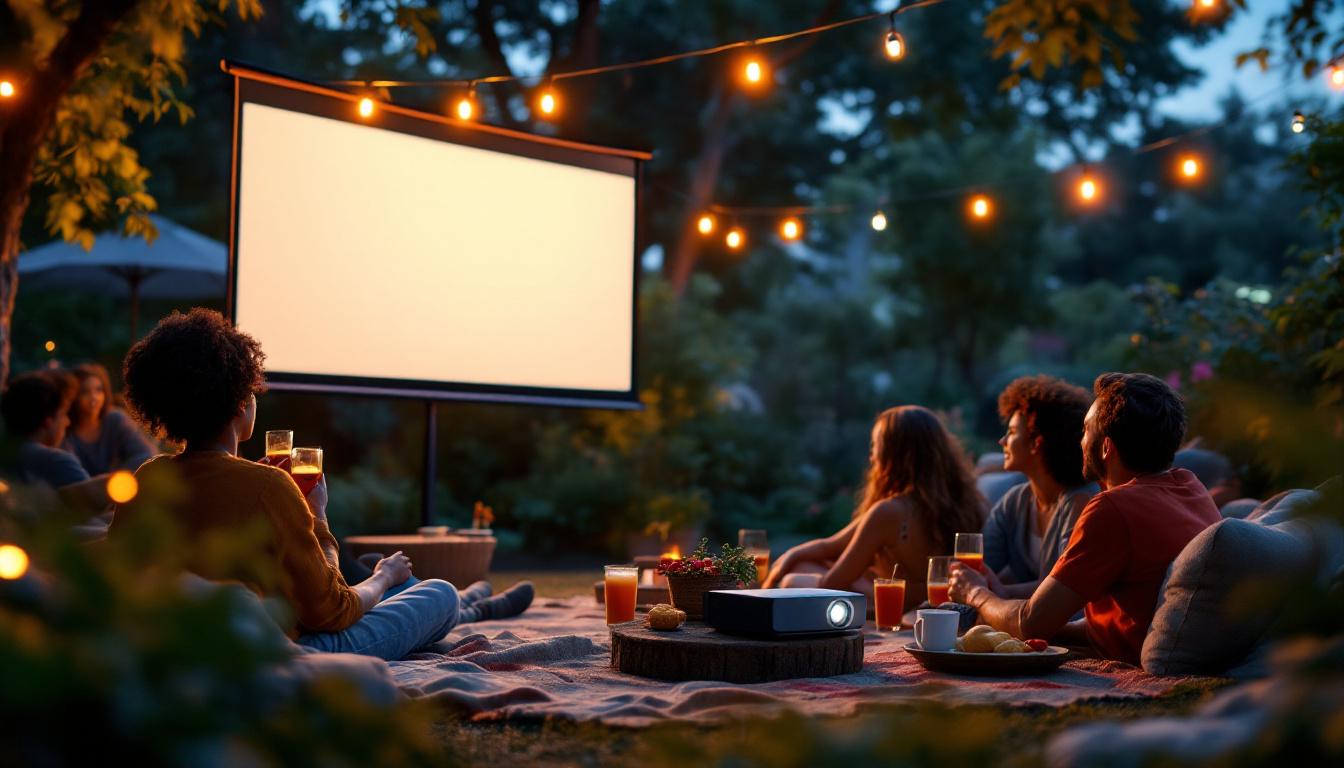
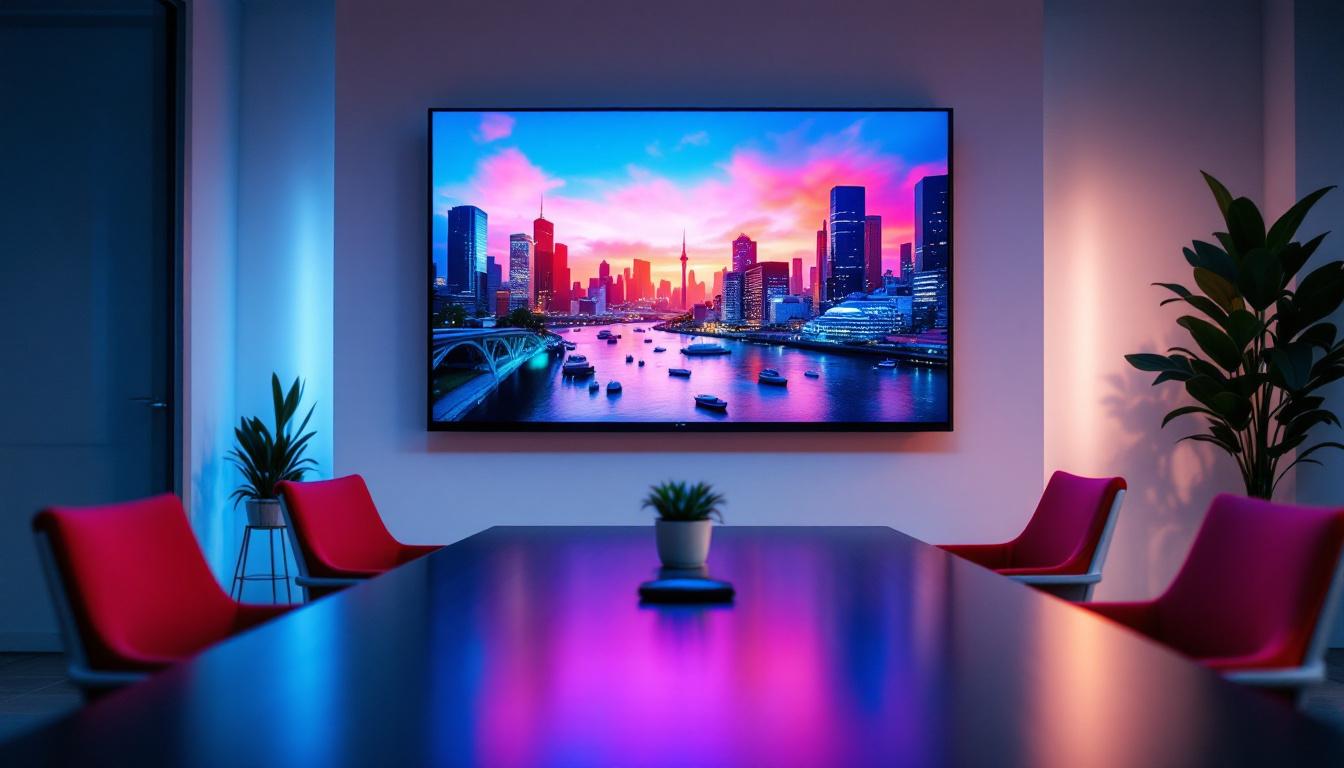
A projector board typically refers to a surface or screen designed to display images or videos projected from a projector device. These boards serve as the canvas for projected content, ranging from simple whiteboards used in classrooms to high-end projection screens used in conference rooms and theaters.
Projector boards come in various materials and finishes, such as matte white, glass, or specialized projection films, each influencing image quality in terms of brightness, contrast, and color accuracy. The choice of projector board can significantly affect the viewing experience, especially in environments with varying ambient light conditions. For instance, a matte white board may be ideal for dimly lit rooms, while a glass surface might be better suited for environments where ambient light is more prevalent, as it can enhance the brightness of the projected image.
Additionally, projector boards can be equipped with interactive technology, allowing users to engage with the projected content through touch or stylus input. This feature is particularly beneficial in educational settings, where teachers can annotate lessons in real-time, making the learning experience more dynamic and interactive. Furthermore, advancements in projection technology, such as short-throw and ultra-short-throw projectors, have made it possible to use projector boards in smaller spaces without compromising image quality, thus expanding their versatility in various applications.
What Is an LED Display?
LED (Light Emitting Diode) displays are digital screens composed of numerous tiny LED modules that emit light directly, forming images and videos without the need for an external light source. Unlike projector boards, LED displays are self-illuminating, which gives them distinct advantages in brightness and color vibrancy.
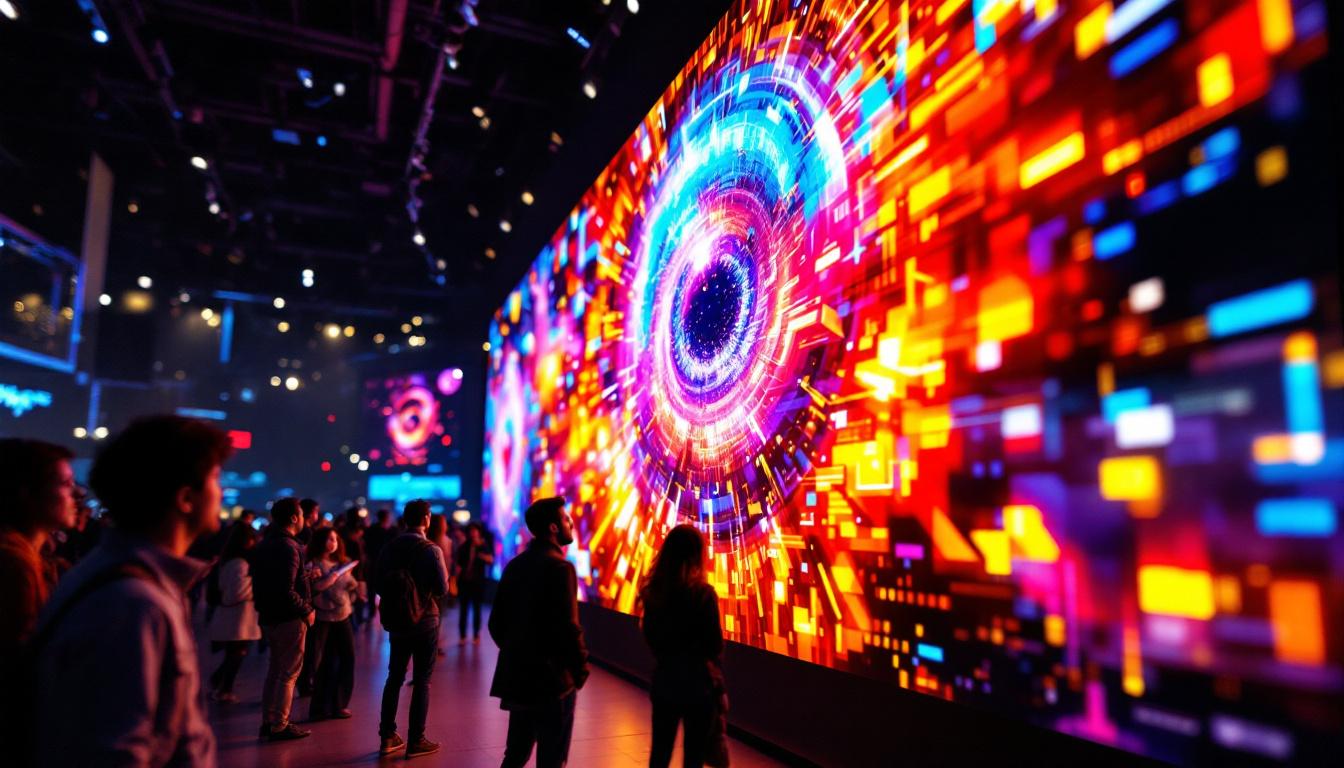
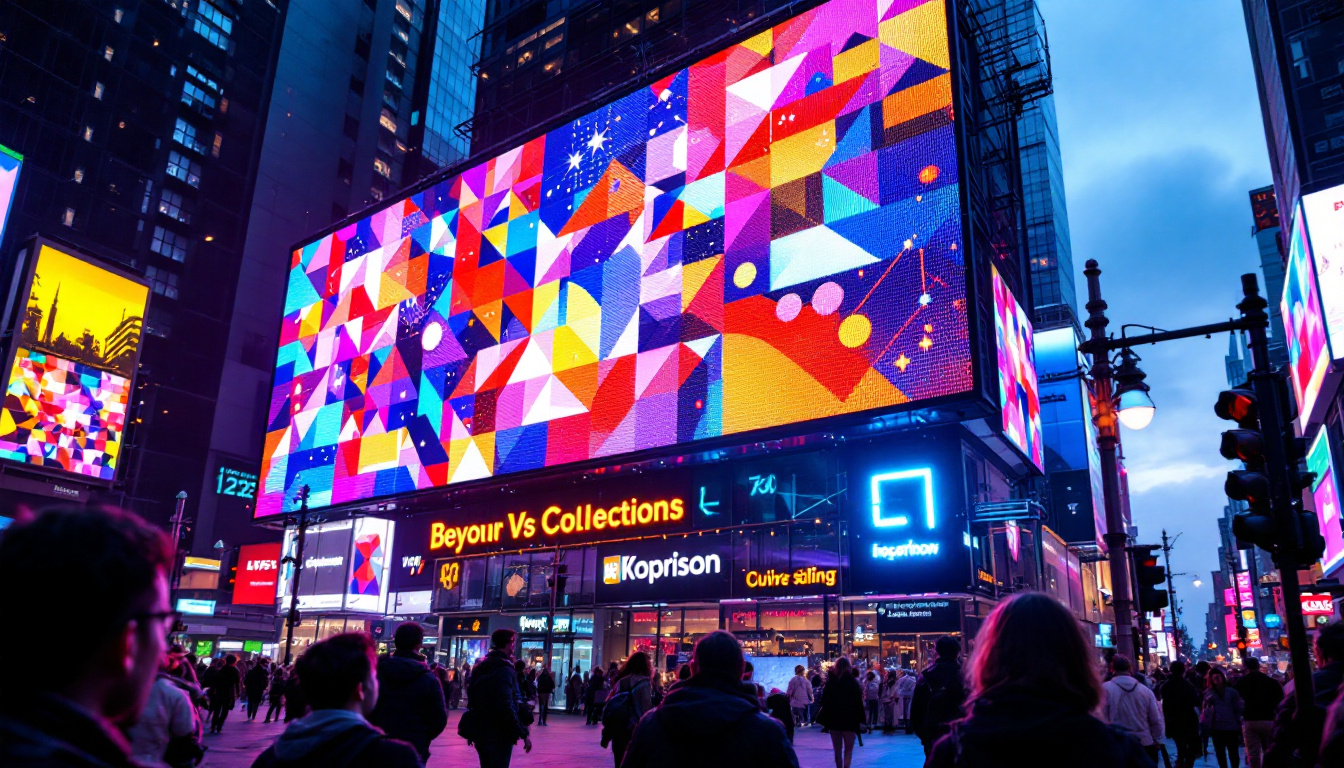
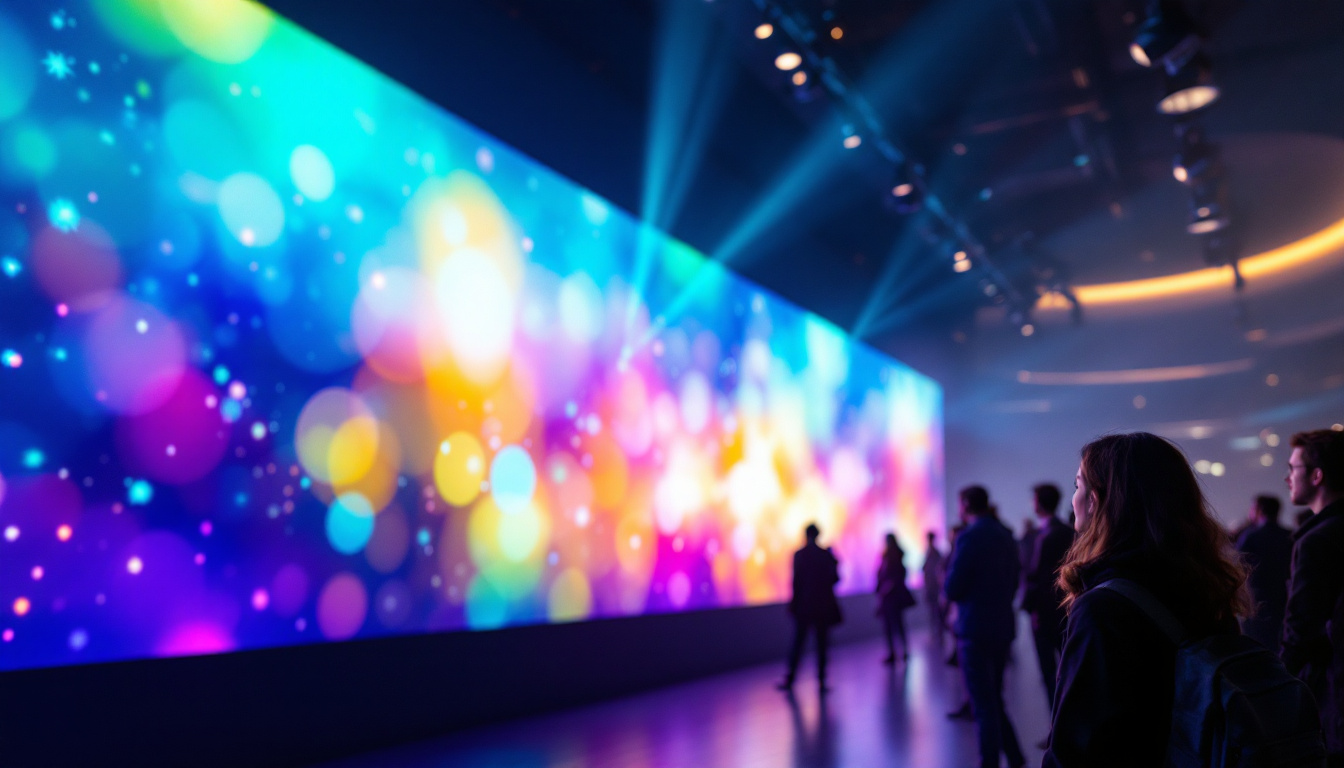
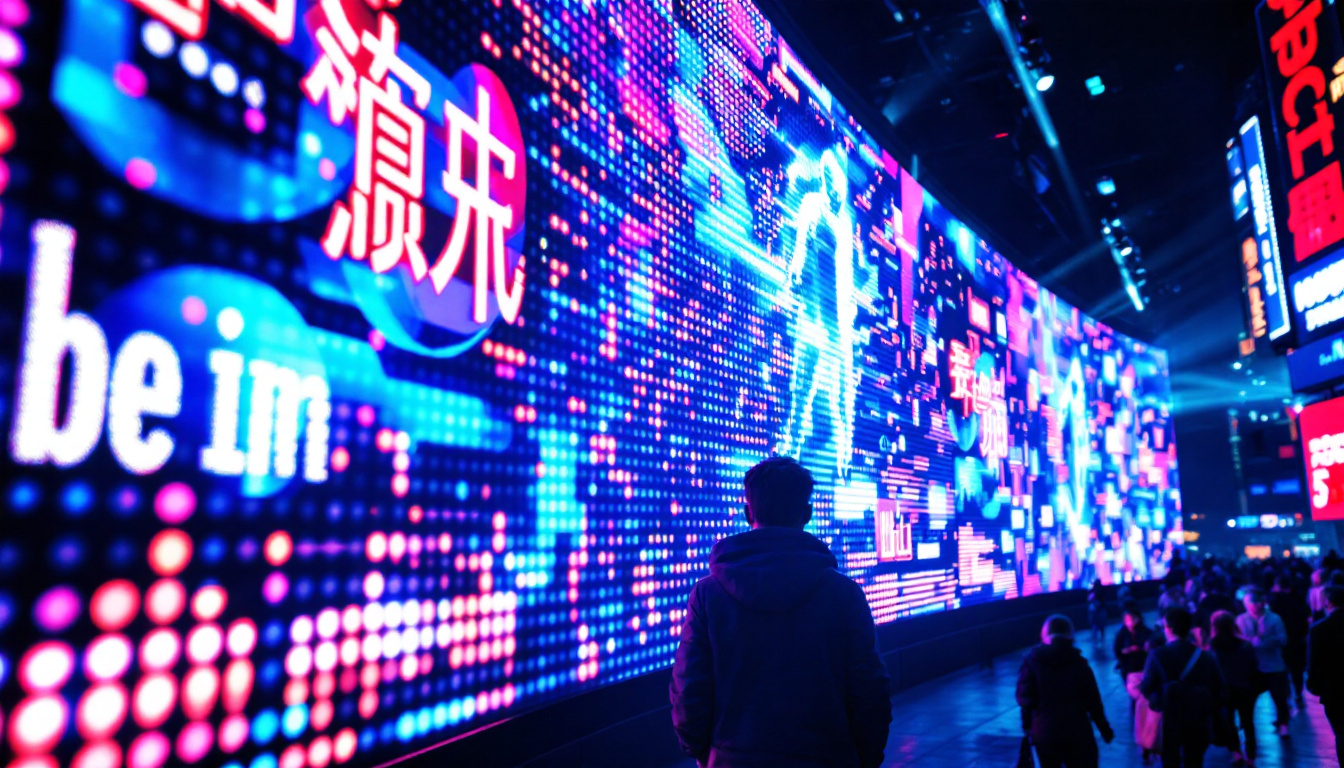
LED displays vary widely in size and resolution, from small indoor panels used for digital signage to massive outdoor billboards and stadium screens. Their modular design allows for flexible configurations, making them suitable for both fixed installations and temporary setups. The technology behind LED displays has evolved significantly, with innovations such as fine-pitch LED technology enabling high-resolution displays that can be viewed up close without pixelation. This has opened up new possibilities for applications in retail environments, where vibrant and eye-catching displays can attract customers and enhance brand visibility.
Moreover, LED displays are known for their energy efficiency and longevity compared to traditional display technologies. With a lifespan that can exceed 100,000 hours, they require less frequent replacements, making them a cost-effective solution in the long run. Additionally, advancements in control systems and software have allowed for sophisticated content management, enabling users to easily update and schedule content across multiple displays from a centralized platform. This capability is particularly advantageous for businesses and organizations that need to maintain a consistent and engaging visual presence across various locations.
Key Differences Between Projector Boards and LED Displays
Brightness and Visibility
One of the most significant differences lies in brightness and visibility. LED displays typically offer higher brightness levels, often exceeding 1,000 nits, which makes them easily viewable even in direct sunlight or brightly lit rooms. This makes LED displays ideal for outdoor advertising, large venues, and environments where ambient light cannot be controlled.
Projector boards depend on the projector’s light output, measured in lumens. While modern projectors can reach 5,000 lumens or more, their image quality can degrade in well-lit environments, requiring controlled lighting conditions for optimal viewing.
Image Quality and Color Accuracy
LED displays provide superior color accuracy and contrast ratios because each LED emits precise colors and can be turned on or off individually. This results in deeper blacks and more vibrant colors, enhancing the overall image quality.
Projector boards, on the other hand, rely on the projector’s color processing and the board’s reflective properties. While high-end projectors can produce excellent color fidelity, the image quality is also influenced by the board’s surface and ambient lighting, which can cause glare or washout.
Installation and Portability
Projector boards are generally easier to install and more portable. They often consist of a simple screen or whiteboard that can be mounted on walls or used with stands. Projectors themselves can be compact and portable, making this setup suitable for classrooms, business meetings, and temporary events.
LED displays, especially large-scale ones, require more complex installation involving electrical connections, mounting frameworks, and sometimes climate control. However, advancements in lightweight, modular LED panels have improved portability for trade shows and live events.
Applications and Use Cases
Educational Settings
In classrooms and lecture halls, projector boards remain popular due to their cost-effectiveness and versatility. Teachers and professors can project slides, videos, and interactive content onto a large surface, facilitating group learning. Interactive projector boards that combine projection with touch capabilities further enhance engagement.
LED displays are increasingly being adopted in educational institutions for digital signage, announcements, and immersive learning environments. Their bright, clear images and durability make them suitable for high-traffic areas like hallways and auditoriums.
Corporate and Business Environments
Businesses utilize projector boards for presentations, video conferences, and training sessions. The ability to project large images and annotate in real time supports collaboration and communication. Projector boards paired with interactive features enable dynamic presentations and brainstorming sessions.
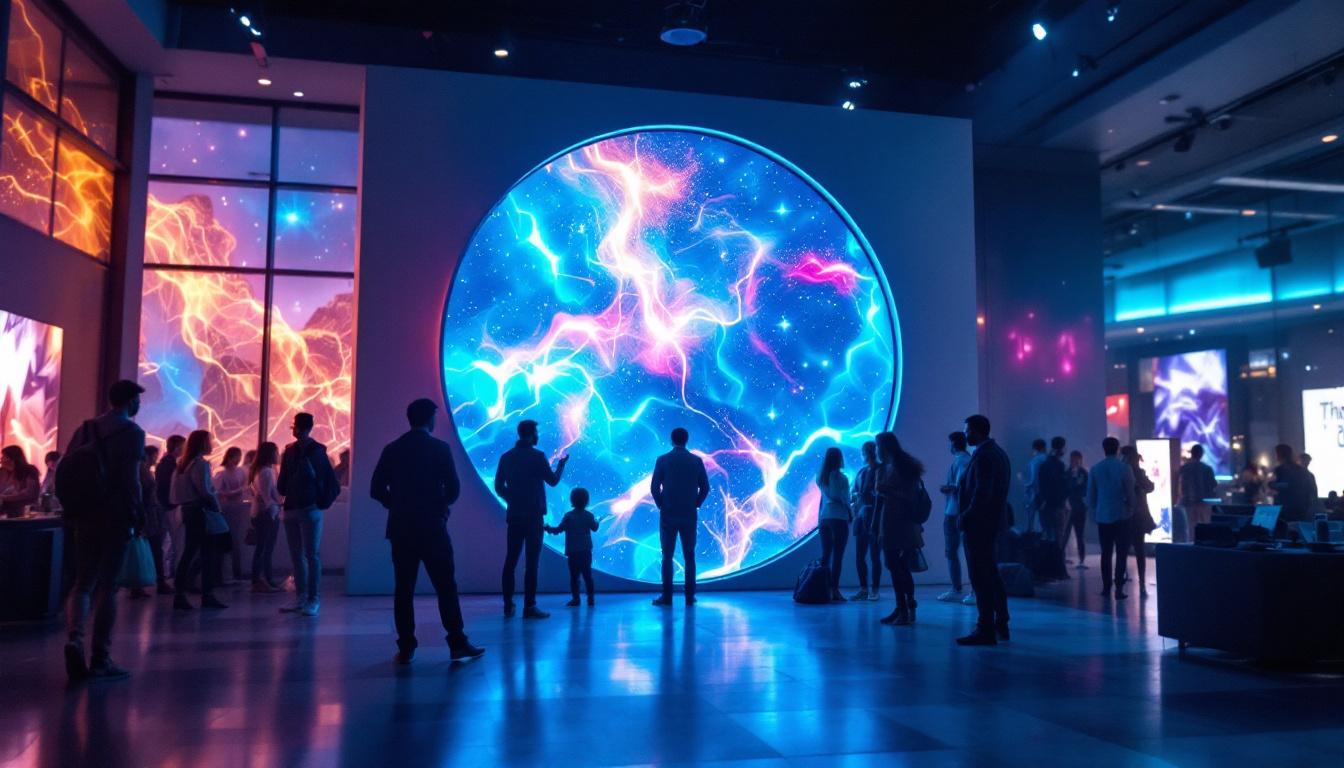
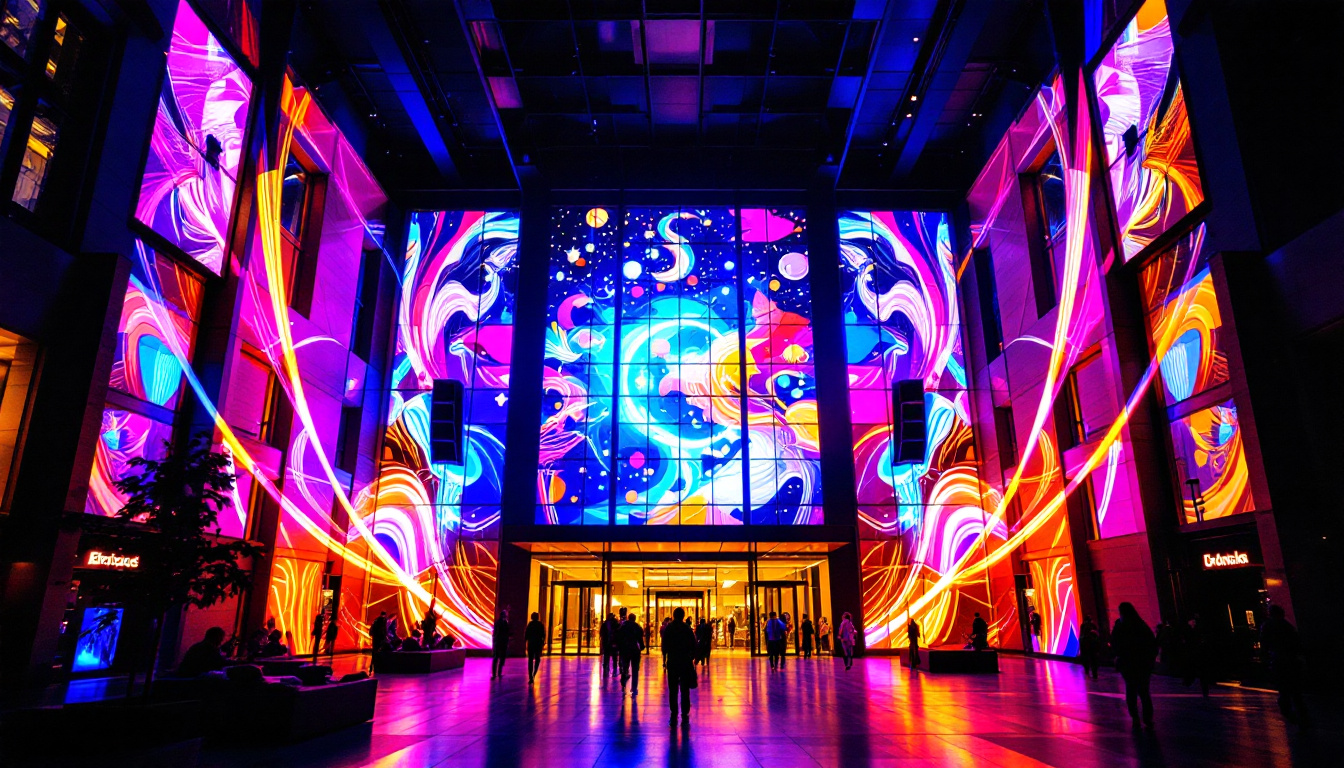
LED displays are favored in corporate lobbies, trade shows, and event spaces for branding, advertising, and live streaming. Their high visibility and professional appearance help companies make strong visual impressions on clients and partners.
Entertainment and Events
The entertainment industry leverages both projector boards and LED displays depending on the event scale and venue. Projector boards are common in smaller venues or for specific effects, such as movie screenings or art installations.
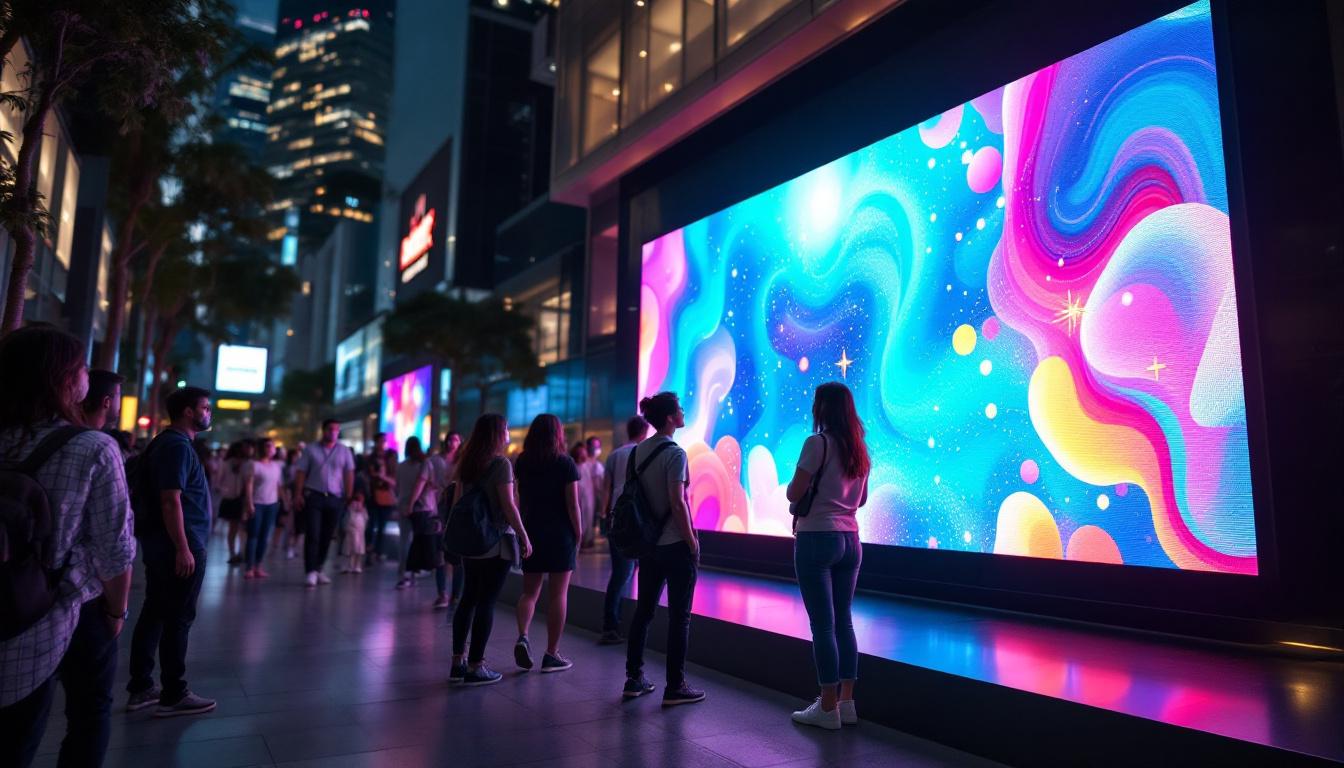
Large-scale concerts, sports arenas, and outdoor festivals rely heavily on LED displays for live video feeds, advertisements, and immersive visual effects. The flexibility and brightness of LED technology make it indispensable for modern event production.
Technological Advancements and Trends
Interactive and Smart Displays
Recent innovations have blurred the lines between projector boards and LED displays by integrating interactive touch capabilities and smart features. Interactive projector boards now support multi-touch gestures, digital annotation, and connectivity with mobile devices, enhancing user interaction.
Similarly, LED displays are evolving to include touch-sensitive surfaces and embedded computing power, enabling content management, real-time data display, and remote control. These smart displays are transforming how information is presented and consumed.
Energy Efficiency and Sustainability
Energy consumption is a critical consideration in choosing between projector boards and LED displays. Modern LED displays are designed to be energy-efficient, using less power than traditional lighting and projection systems while delivering brighter images.
Projectors have also improved in energy efficiency, with laser projectors offering longer lifespans and reduced maintenance compared to older lamp-based models. Sustainable design and recyclable materials are becoming priorities for manufacturers in both categories.
Resolution and Pixel Pitch Improvements
Resolution advancements continue to enhance the clarity and detail of both projector and LED display images. High-definition (HD), 4K, and even 8K resolutions are becoming standard in premium LED displays, catering to audiences demanding crystal-clear visuals.
Projectors have similarly advanced, with many models supporting 4K resolution and enhanced color processing. The pixel pitch—the distance between individual LED pixels—has decreased in LED displays, allowing for sharper images at closer viewing distances, which is crucial for indoor applications.
Choosing the Right Technology for Your Needs
Assessing Environment and Usage
When selecting between a projector board and an LED display, the environment plays a crucial role. For spaces with controlled lighting and a need for portability, projector boards may be more suitable. Conversely, for bright, high-traffic, or outdoor environments, LED displays provide superior visibility and durability.
Consider the frequency and duration of use as well. LED displays are often better for continuous operation, while projectors may require downtime to cool and maintain optimal performance.
Budget Considerations
Cost is a significant factor. Projector boards and projectors generally have a lower upfront cost compared to LED displays, especially for larger screen sizes. However, LED displays offer lower maintenance costs and longer lifespans, which may result in better value over time.
Additionally, installation and infrastructure costs should be factored in. LED displays may require specialized mounting and electrical work, whereas projector setups are typically simpler and less expensive to install.
Future-Proofing and Scalability
Planning for future needs is essential. LED displays offer scalability through modular panels, allowing users to expand screen size or upgrade resolution incrementally. This flexibility is advantageous for growing businesses or venues anticipating evolving display requirements.
Projector boards are less scalable in size but can be paired with different projectors to improve image quality or brightness. However, the physical screen size is fixed, which may limit adaptability in some scenarios.
Conclusion
Projector boards and LED displays each have distinct strengths and ideal applications. Projector boards excel in cost-effectiveness, portability, and flexibility for controlled environments, making them a staple in education and many business settings. LED displays, with their superior brightness, color accuracy, and durability, are the preferred choice for high-impact visual communication in bright or outdoor environments.
Advancements in technology continue to enhance both options, introducing interactive features, improved energy efficiency, and higher resolutions. Understanding the specific needs of the environment, audience, and budget is key to selecting the right visual display technology. Whether opting for a projector board or an LED display, investing in the appropriate solution can significantly elevate the effectiveness and engagement of any presentation or event.
Discover LumenMatrix LED Display Solutions
Ready to elevate your visual communication with cutting-edge technology? Explore LumenMatrix’s comprehensive range of LED display solutions, from vibrant Indoor and Outdoor LED Wall Displays to innovative options like Vehicle LED Displays and LED Transparent Displays. Each product is crafted to captivate your audience and amplify your brand’s message with unparalleled clarity and impact. Embrace the future of digital signage with LumenMatrix and create experiences that resonate. Check out LumenMatrix LED Display Solutions today and transform your visual presentations into unforgettable encounters.